A low fade sounds straightforward enough, until you’re sitting in the barber’s chair and you discover there are dozens of ways it may go.
If you go too high, you lose the softer effect you were going for; if you take the sides too short, the contrast can feel harsher than you meant.
The entire look of the haircut can be changed by picking a subtle mix or a low skin fade.
That’s where these 24 low fade haircut ideas can come in handy.
Let’s jump in!
What Hairstyle Looks Best With a Low Fade?
There are several hairstyles that can work with a low fade, but the best hairstyle to go with depends on your hair texture, length on top.
If you have thick or straight hair, try a textured crop, quiff, side part or slick back.
The low fade takes out the bulk around the bottom but leaves enough weight above for structure.
And if you have curly or coily hair, then leaving natural curls, waves, or a short
Afro on top allows you to define without losing the texture you want to show.
If you have fine hair then you’ll want a softer fade with a little weight around the sides as a fade that is cut very short can make the scalp more obvious.
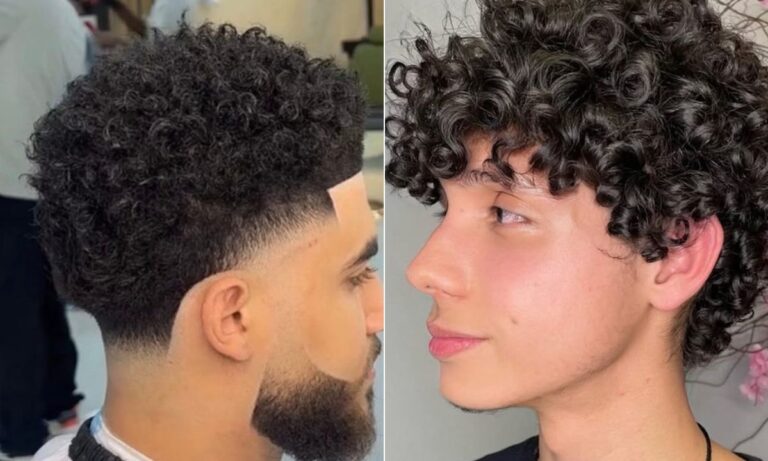
Curly Low Fade
Let the persona be in those curls on top, while a low fade takes away the bulk around the ears without losing any of the natural volume.
Use a lightweight curl cream instead of heavier style products to keep length through the crown so the defined curls have room to form.
A gentle transition into the beard can also tie everything together well, especially if you like facial hair without a dramatic sideburn break.
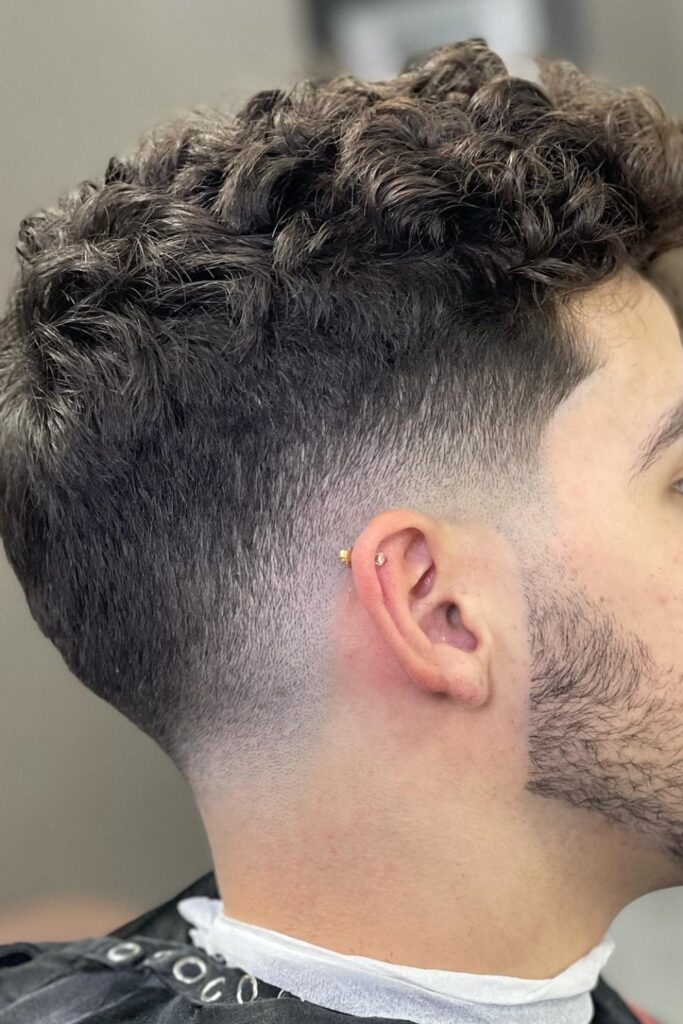
Brushed-Up Low Fade
For hair with volume, brushing the front up will add height to the look while the low fade will balance the shape.
Leave the front nice and long to sweep back. Use a lightweight styling cream to manage it without making hair rigid.
If you want definition but don’t want to show too much scalp, the changeover is easier with some darkness above the ears.
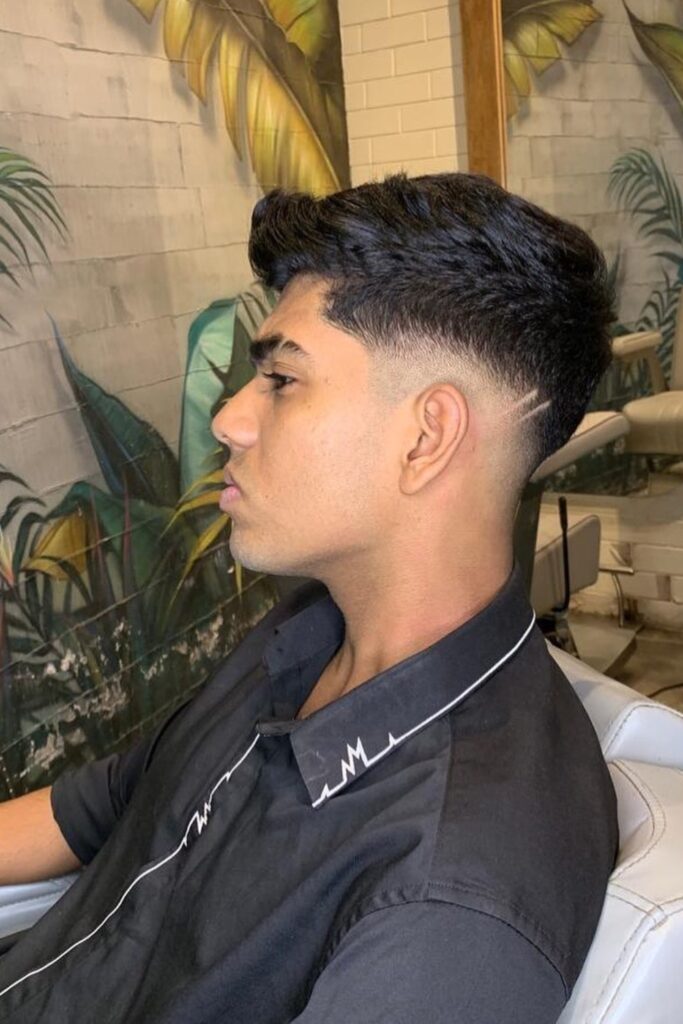
Flowing Low Fade
The fade underneath keeps longer hair looking controlled, so you may have movement without getting extra mass around the edges.
This works particularly well on thick straight or wavy hair, as the additional length on top may be brushed back rather than squashed down.
Ask your barber to leave a little weight on the upper sides, so the longer section blends into the fade naturally, rather than looking out of place.
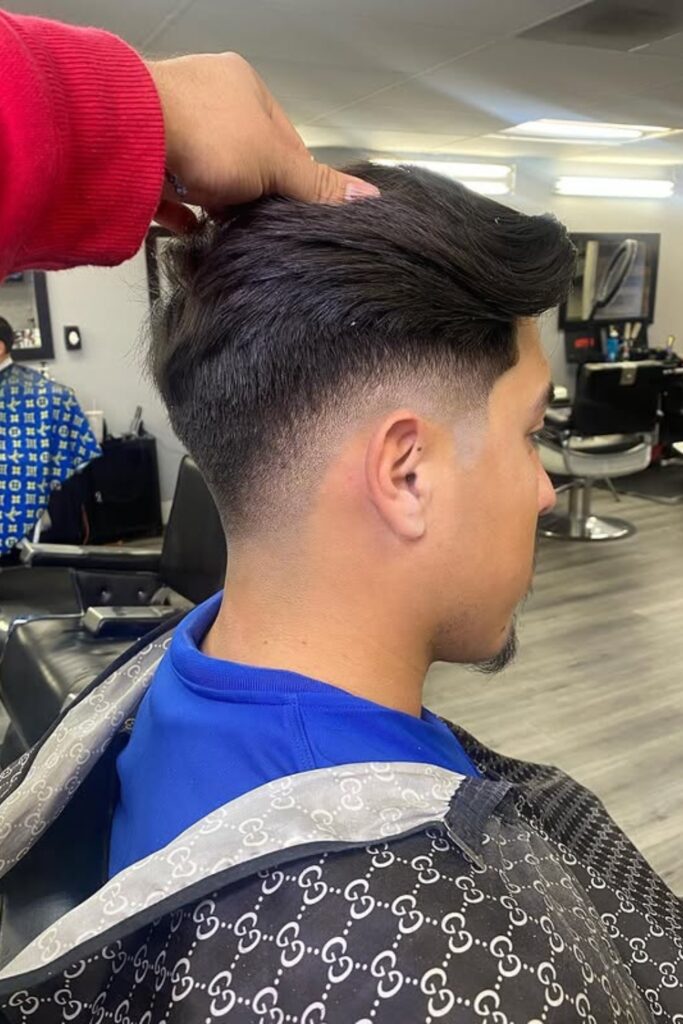
Side-Swept Low Fade
A deep side sweep gives the lengthier hair direction, and a low fade keeps the sides from competing with that heavier top form.
When style, leave a little length in the front that will naturally sweep across. Use a pliable product with mild grip for ease of styling.
If you’re after that more full silhouette don’t take the transition too high, because some side weight helps to link the top more fluidly.
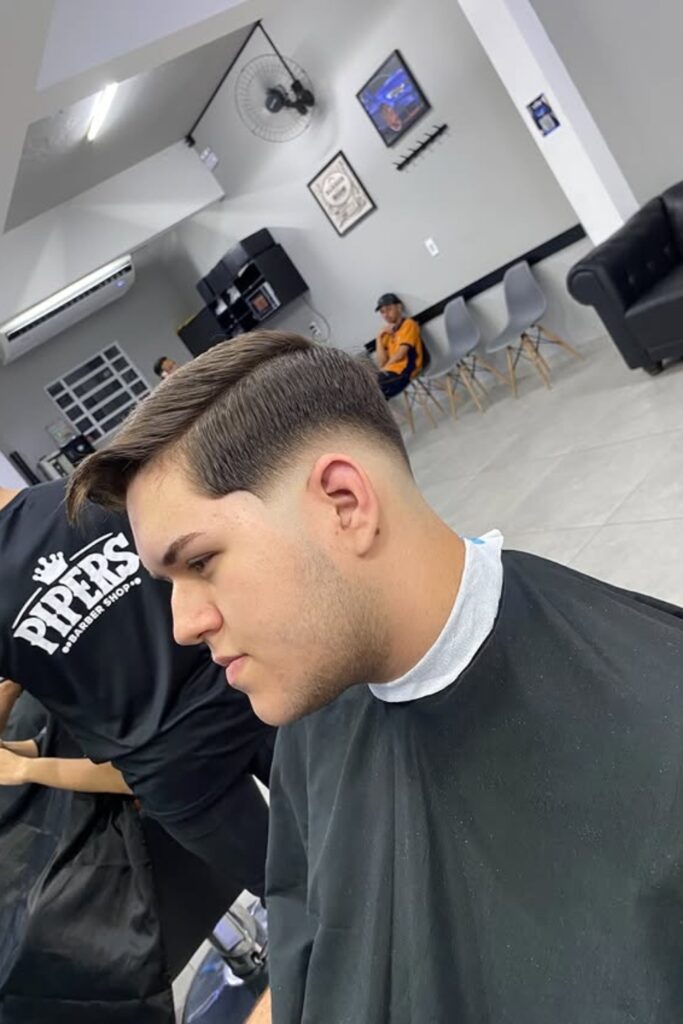
Slicked Low Fade
Leave enough length through the top to provide a polished finish and maintain fullness. The low fade should only be applied to the bottom sides.
Slightly damp combed back hair is the way to go. Use a flexible pomade so you obtain a controlled form without it looking too stiff.
This combo is particularly handy if you frequently sport a beard. Blending the sideburn into short facial hair makes the transition purposeful.
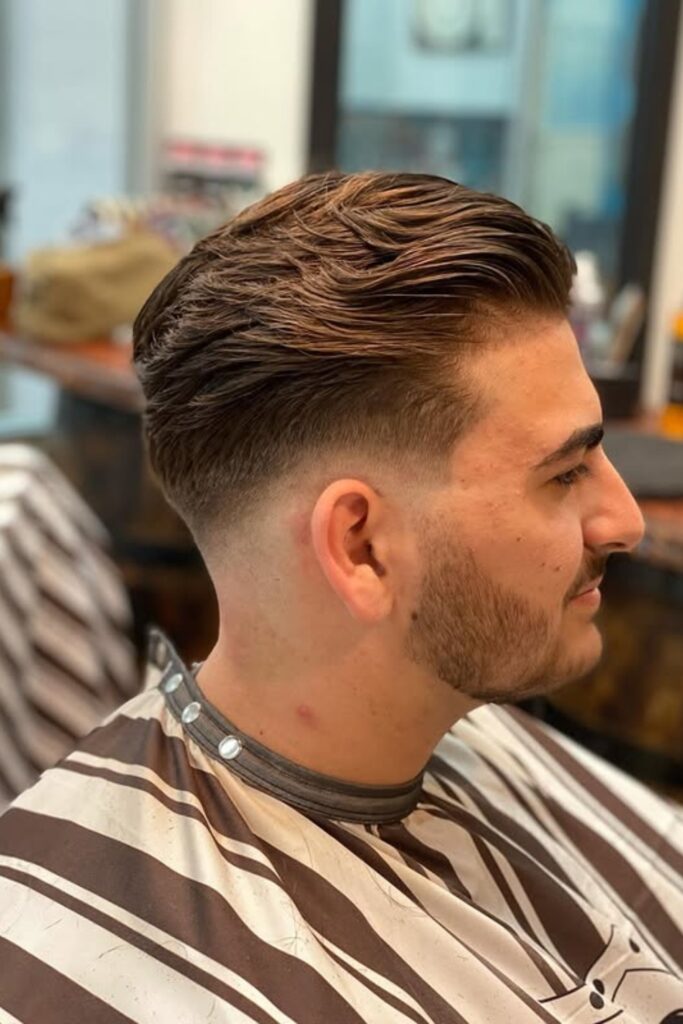
Natural Low Fade
When your natural texture already does the work creating shape, you don’t need to do a whole lot of styling. A low fade just sharpens up the haircut underneath.
This style is great for dense hair, because leaving weight through the upper sides avoids the cut from getting too narrow or severe.
Create a softer, more natural transition from the neckline to skin for a cleaner grow-out, rather than a hard edge that’s visible between sessions.
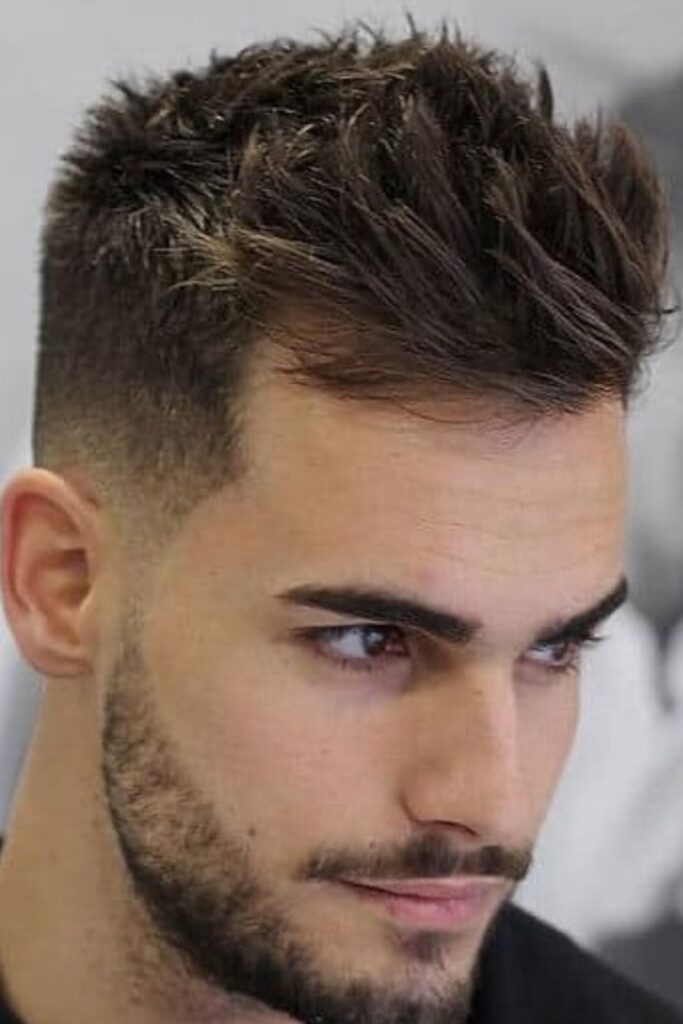
Coily Low Fade
Coily texture needs room to be noticed thus focusing the low fade on the edges rather than taking too much weight from above.
A fuller top maintains more textural contrast and regular moisturizing helps coils hold definition rather than becoming dry, fuzzy or tough.
A sharp temple edge can define the end result, but don’t push the hairline back just to have an abnormally straight edge.
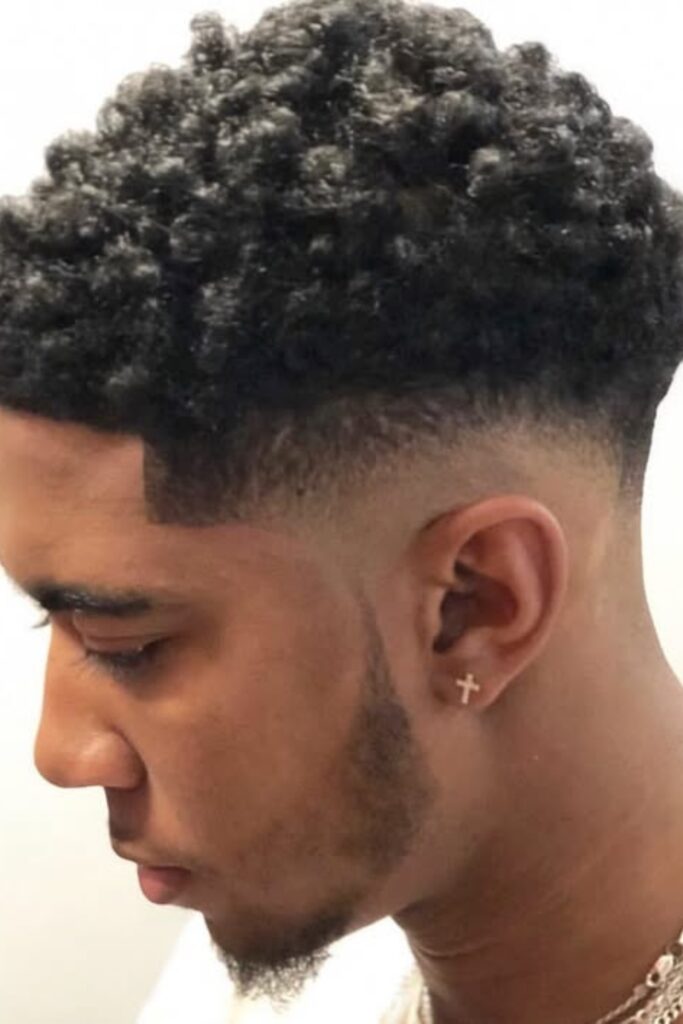
Fringe Low Fade
A front fringe changes the balance radically, with a longer front as the main event and a low fade to get rid of bulk underneath.
This style is especially good on thick, straight or slightly wavy hair when the inherent density gives the fringe enough weight to tumble forward.
Leave the upper sides quite full so the fringe will blend into the crown naturally rather than look like a separate portion on top.
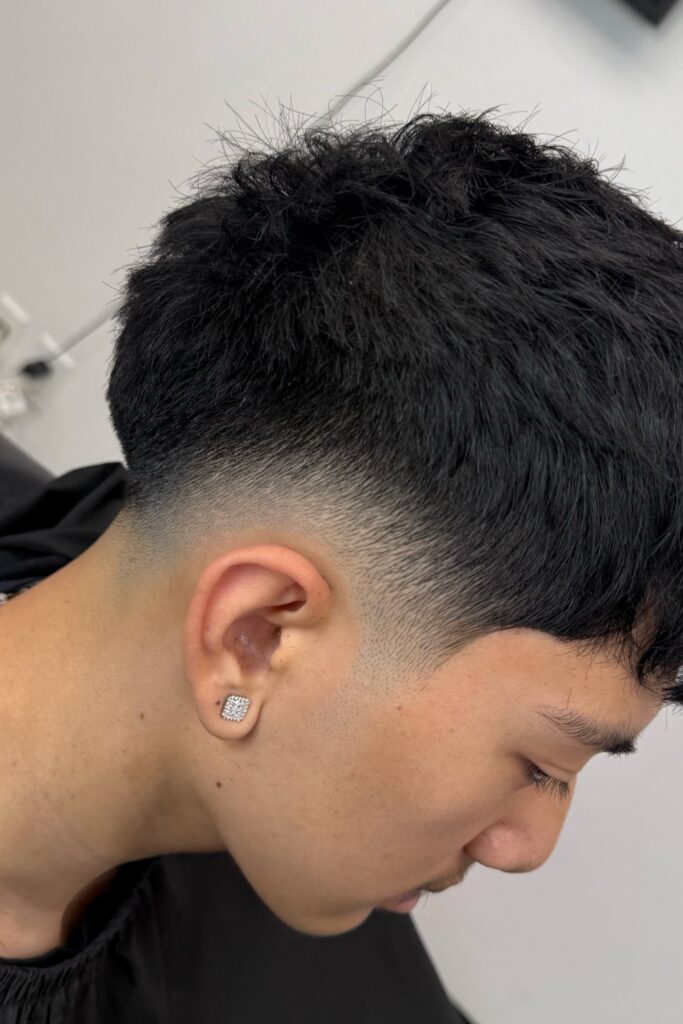
Cropped Low Fade
Short texture can have enough of movement without adding length, especially when the low fade leaves some density through the upper sides.
Work a little amount of matte clay through dry hair with your fingers. Lift the front gently instead of forming a stiff shape.
The length is well balanced which makes the top controllable enough for everyday usage and the fading edges maintain the haircut looking distinct.
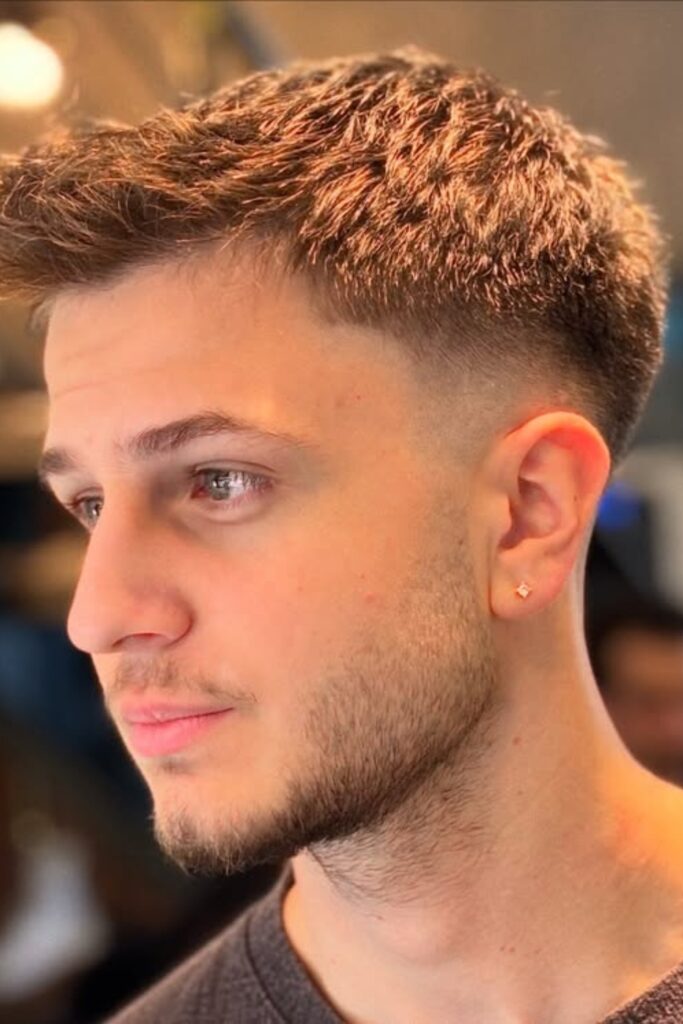
Soft Low Fade
Not every fade needs to show skin, a gentler transition creates a cleaner outline for short hair without a stark contrast against the scalp.
Opt for this if you prefer a conservative cut, as the darker blend on the sides tends to grow out less conspicuously.
Having the crown naturally full also reduces a flat-looking back, especially if you have dense hair growth or a little of texture.
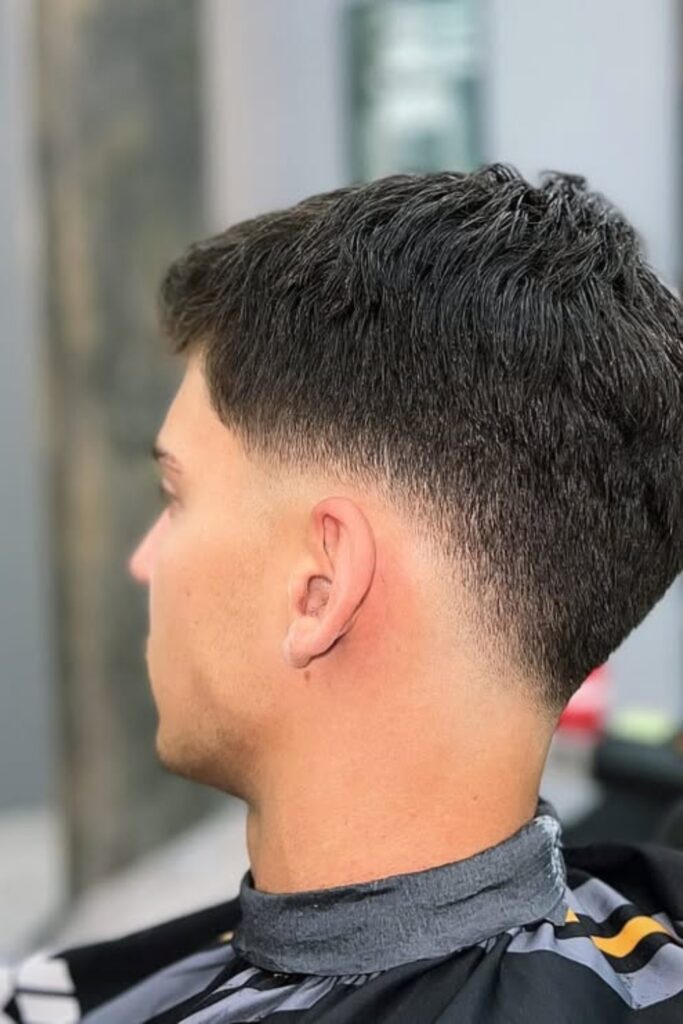
Wet Curl Fade
Removing the surrounding mass, defined curls will be more prominent. A low fade can be effective without compromising the length that produces movement.
Apply curl cream or a mild gel to damp hair and let it dry with little touching to maintain separation and definition.
Keep the fade tight on the ears and neckline so the darker top area creates a nice base for those longer curls.
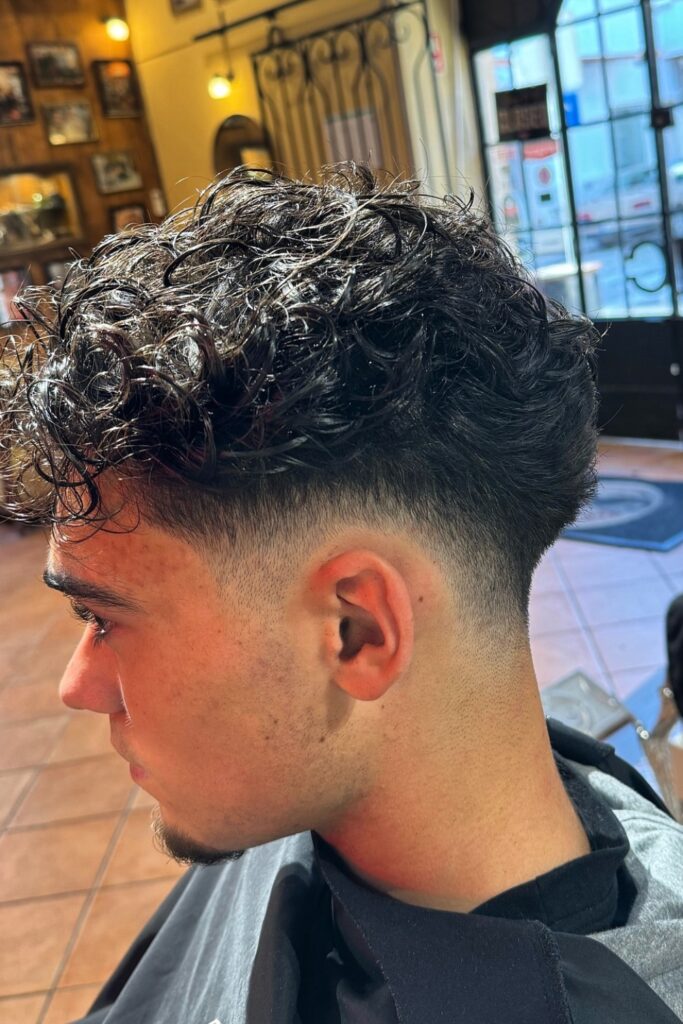
Swept-Back Fade
A swept back top needs length to keep direction so don’t thin it out too much when pairing it with a low fade.
Start by blow-drying hair back for lift. Finish with a pliable styling product that gives movement, not rigid stiffness.
The extended top blends naturally because controlled weight is allowed in the upper sides, building structure from every viewing angle.
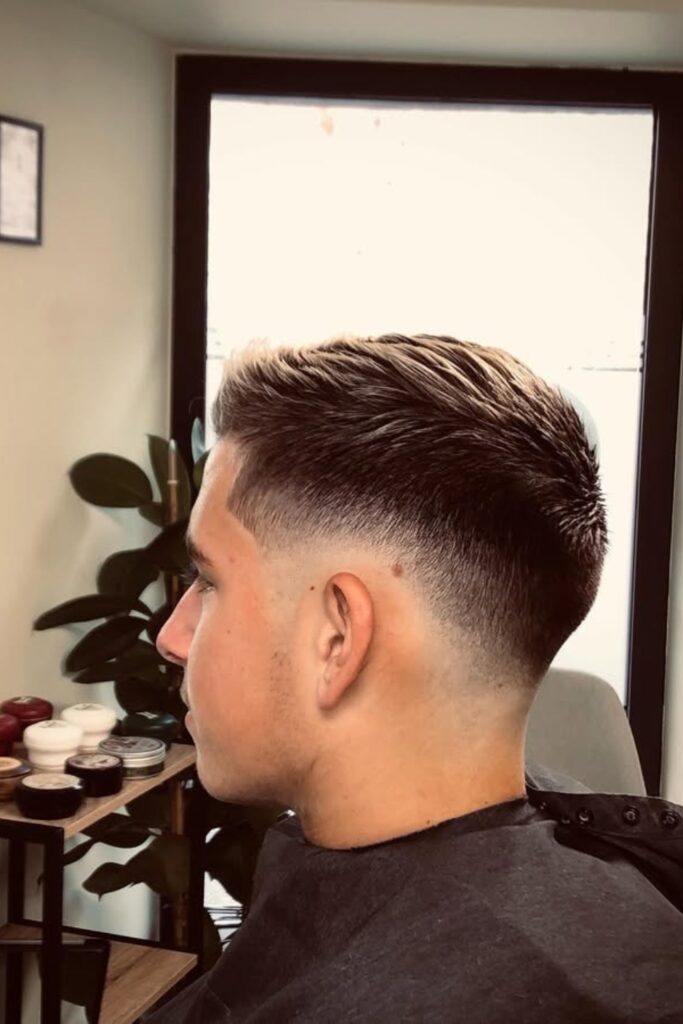
Layered Low Fade
Long straight hair can seem thick at the back but a low fade beneath offers you cleaner edges while keeping plenty of mobility.
Leave the top layers long enough to fall naturally over the blend, especially if you want a larger shape instead of exposed sides.
This is one of those haircuts where the smooth top is the strongest feature, and a light style cream will help tame flyaways without weighing down the layers.
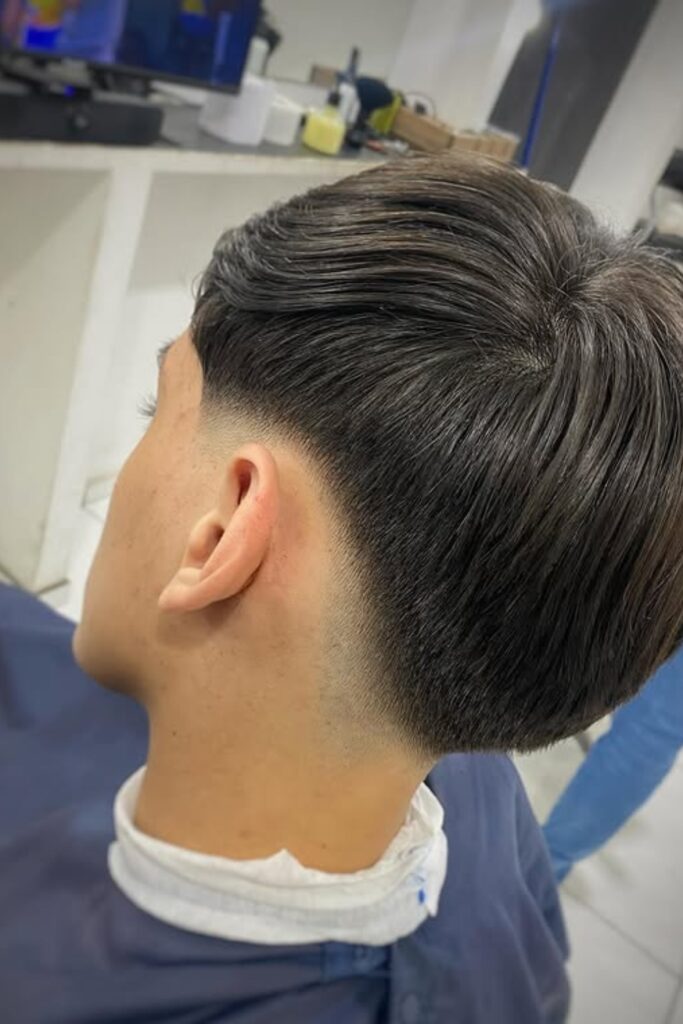
Choppy Low Fade
The choppy texture makes thick hair feel lighter, while the low fade gets rid of heaviness right where the sides start to look bulky.
Don’t over-style the top; use matte paste sparingly, pinch a few pieces apart and let the natural uneven texture come through.
A darker band above the fade provides a smoother transition so the textured top never appears detached from the shorter sides.
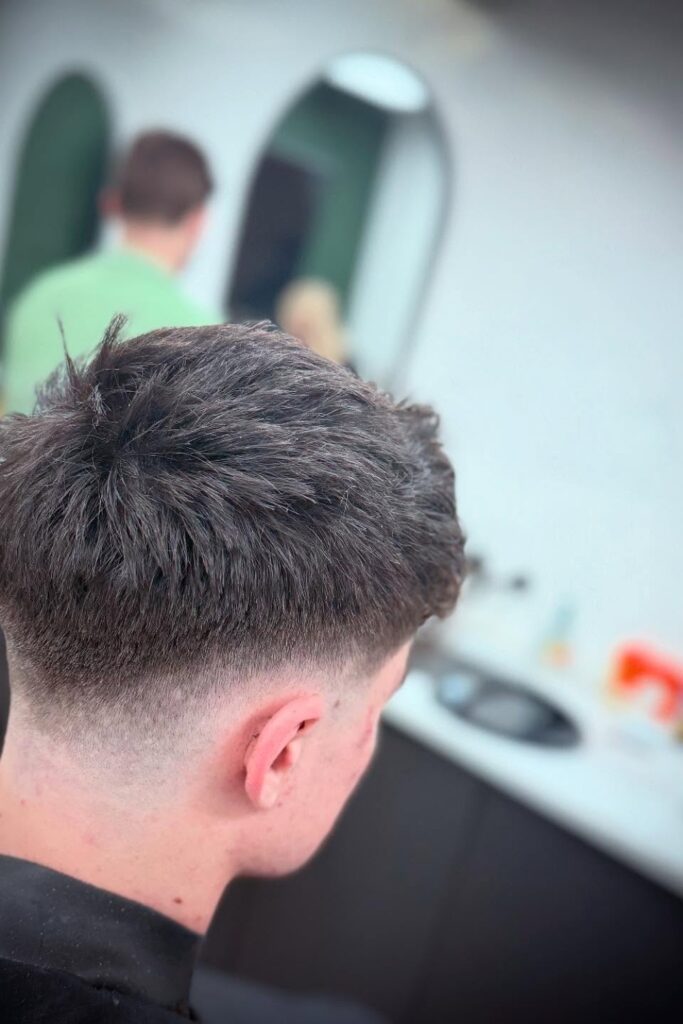
Curly Fringe Fade
Bring the curls forward for a natural texture around the forehead, and let a low fade give definition without killing their volume.
This shape responds well to curl cream applied to moist hair, then air-dried or diffused to encourage individual curls to stay more defined.
Instead of creating a sudden gap above the faded area, leave extra weight at the temples so that the curls transition gradually downward.
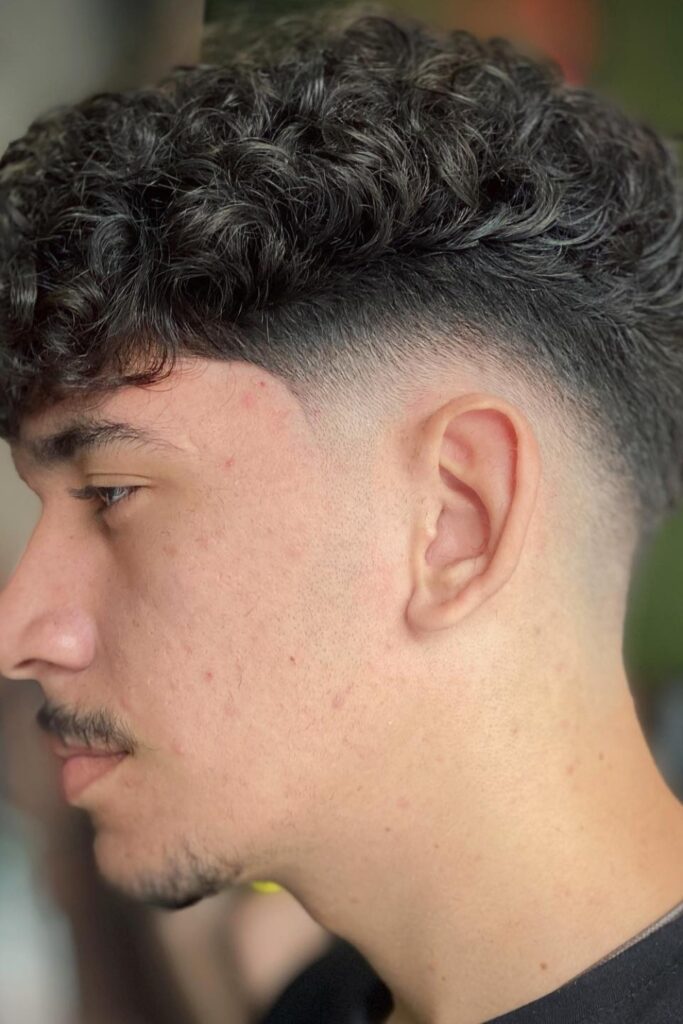
Bowl Low Fade
A low fade takes the bulk away from under its heavier, purposely structured design, making a broader rounded top much simpler to wear.
This cut works best on dense straight hair, as its natural weight helps preserve the rounded outline without elaborate daily treatment.
Keep the transition tucked low around the ears and neckline, so that the darker upper section remains continuous from front to back.
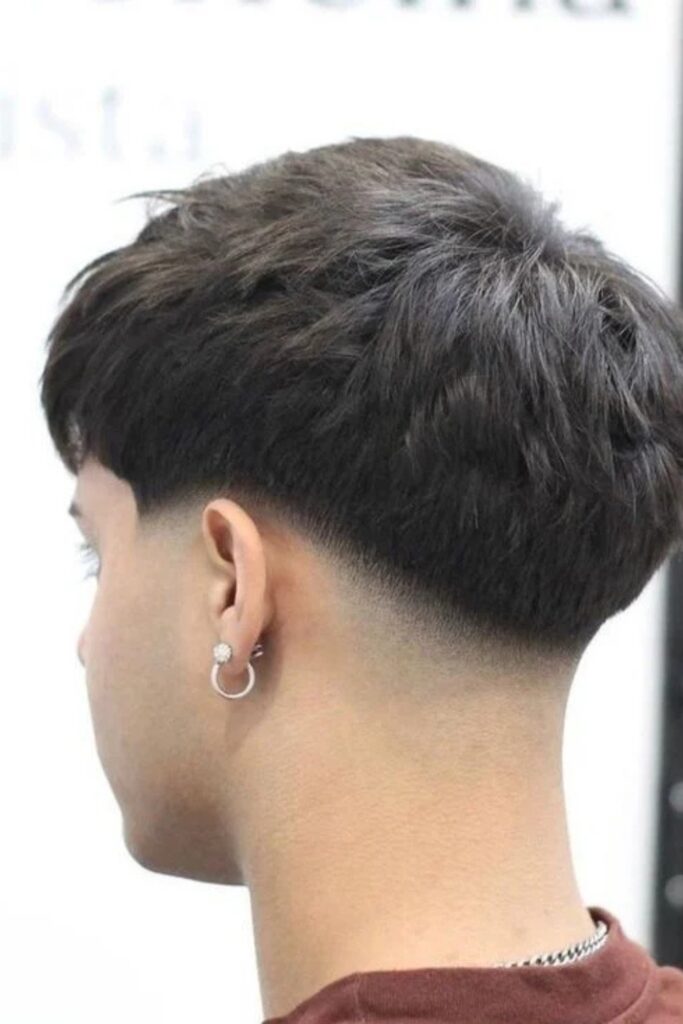
Caesar Low Fade
The Caesar-like short top keeps it simple in the morning but the low fade offers enough contrast to the uniform length so it doesn’t look too basic.
If you want the haircut to look particularly exact, keep the front compact and softly textured, then keep a clean temple outline.
This choice is for those who desire minimal product and rapid style without sacrificing a clean barbered finish as most of the length is kept short.
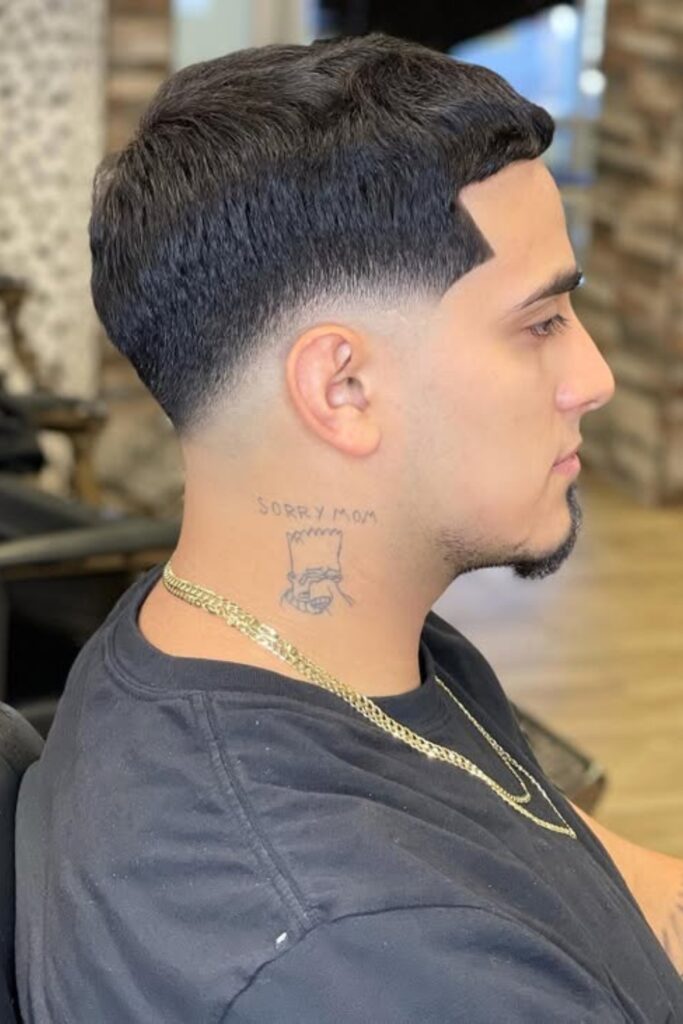
Drop Low Fade
Allowing the fade to dip deeper toward the back helps retain more volume around the crown, allowing thicker hair to sit more naturally.
It’s a good choice if you find that a straight horizontal fade is too harsh, as the curved transition will better follow the contour of your head.
Leave enough blackness on top of the blend so you don’t see the crown especially if your hair grows in multiple directions around that area.
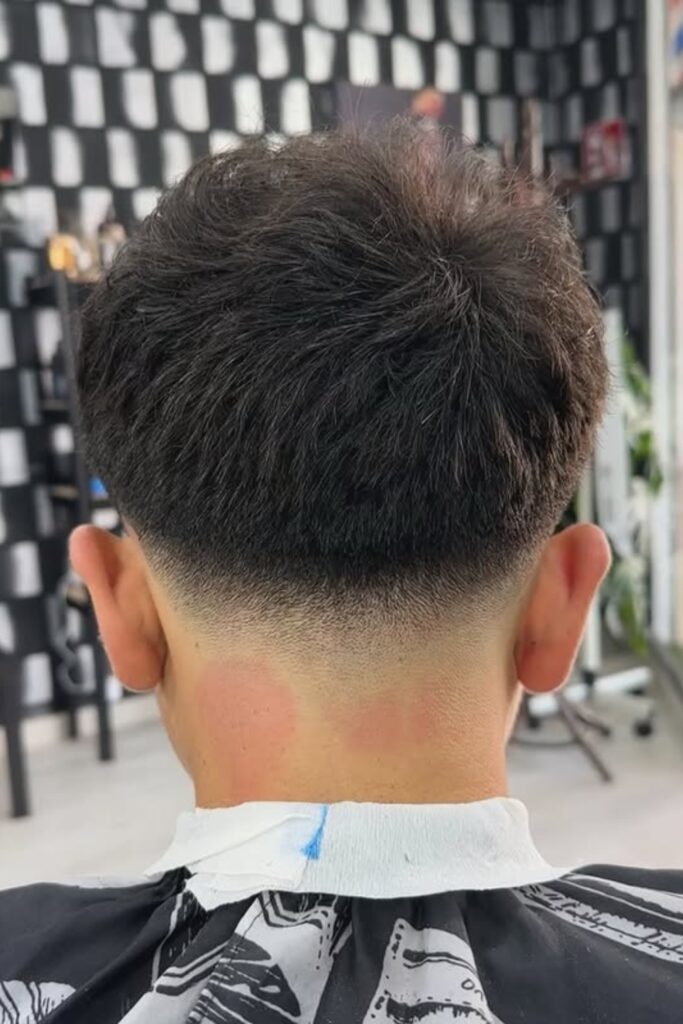
Buzz Low Fade
A buzzed top shows the fade in all its glory, so a seamless transition is more important here than with longer, textured hairstyles.
This is great for minimal styling on a day to day basis while the short length means uneven growth is visible fairly fast.
A defined hairline helps brighten up the overall effect, while a modest fade prevents the haircut from losing too much side coverage.
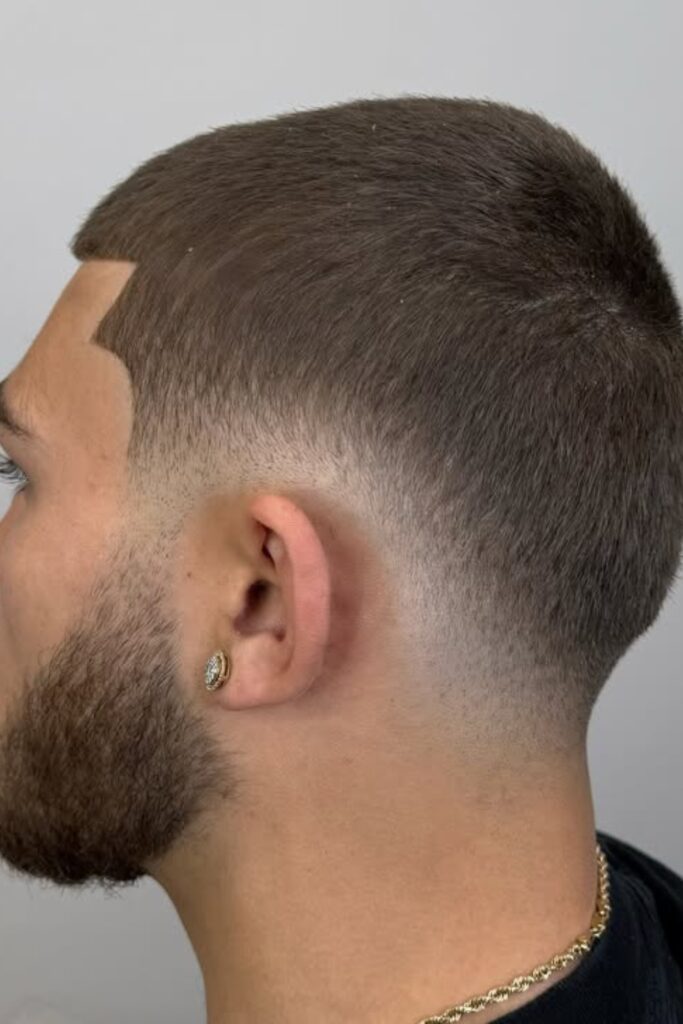
Afro Low Fade
A little afro adds some natural height and complexity to coily hair, and the low fade cleans up the sides and around the ears without taking away from that character.
Keep the top area moisturized and sculpted, not too clipped, so your curl pattern may generate fullness where it naturally wants to.
Temple edges can be clean for a crisper finish but maintain the lineup close to your natural hairline.
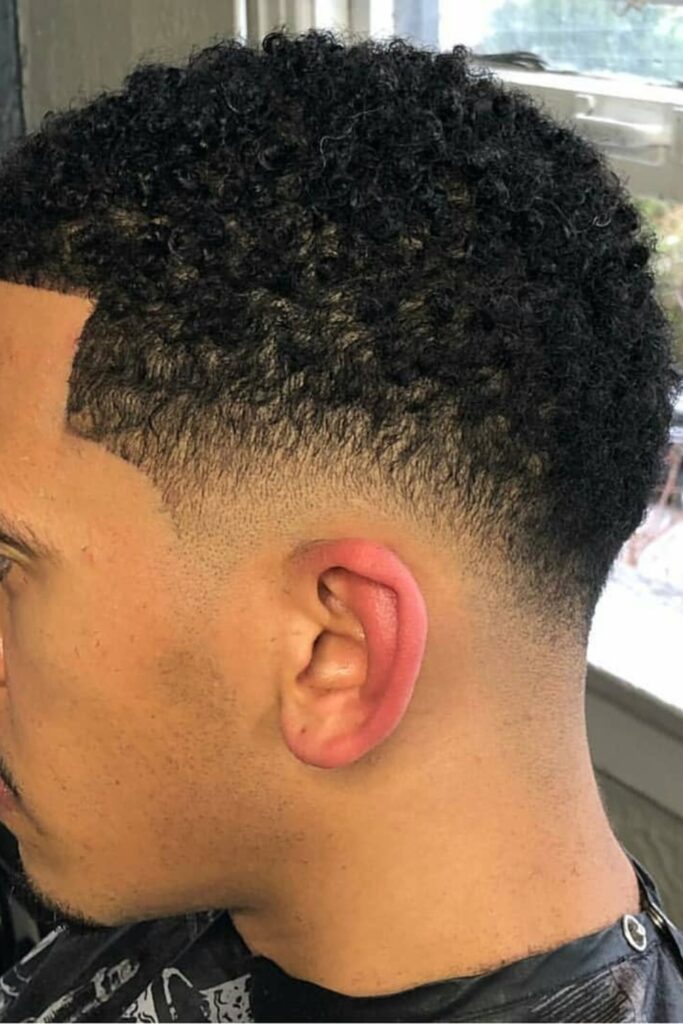
Wavy Low Fade
Natural waves give you movement so keep lots of length on top, while the low fade discreetly takes down bulk underneath.
A mild cream helps separate without stiffening waves and helps the longer parts fall naturally over the crown and front.
A light cream will promote separation, but not stiffen waves, so the longer parts fall naturally around the crown and front.
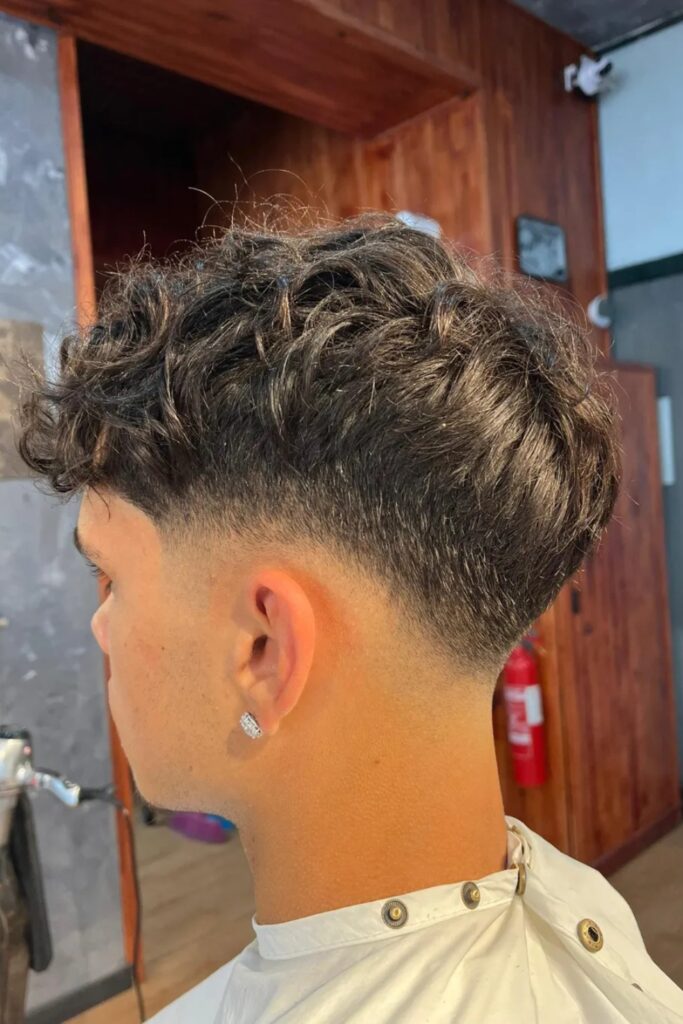
Voluminous Low Fade
Thick hair can be a bit thick, but by putting the fade underneath you can regulate the edges while still maintaining that naturally broader silhouette.
Make the top layer big enough to flow through thick hair and arrange it casually so the volume is soft, not too sculpted.
A thin and low transition also leaves more side weight, providing a balanced shape when your crown naturally bears plenty of bulk.
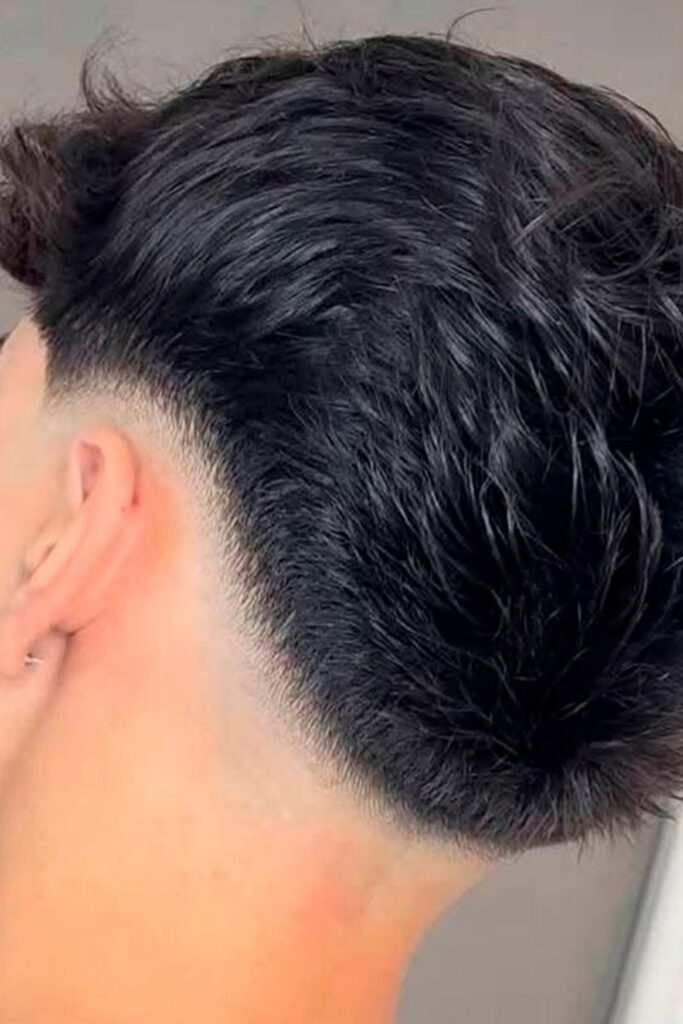
Tight Curl Fade
Faded areas should complement that texture, not take away from it because the tight curls alone have enough complexity.
Moisture is key with this finish. Use a curl cream on damp hair and don’t brush too much or you’ll break up the pattern into unpleasant frizz.
Let the fade curve low behind with the darker density on top and the curls will remain rounded.
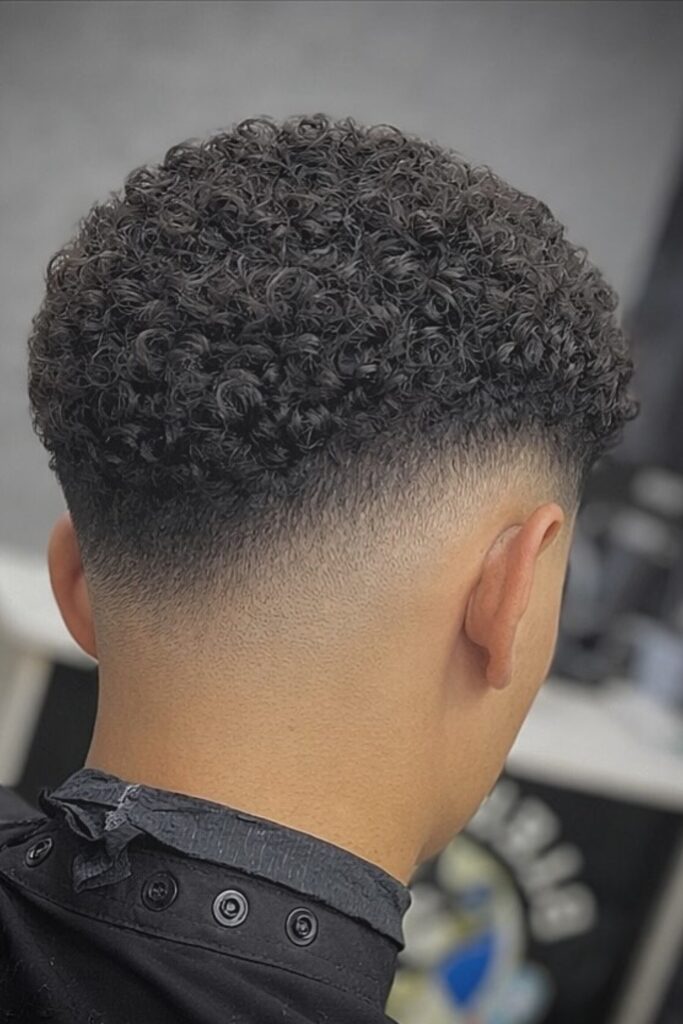
Waves Low Fade
The short waves get a little more definition with the sides gradually lightening, offering a smoother frame to the pattern without losing too much overall density.
Brush in the direction of your natural wave and keep your hair hydrated, as a healthy texture will make the ripple pattern simpler to maintain.
A clean line-up can sharpen up the front but ask for a little hairline work to be done so the same cuts don’t slowly push it back.
FAQs
How often should you get a low fade touched up?
A low fade usually looks sharpest with a touch-up every two to three weeks, although your hair growth and preferred finish matter.
If you want a softer grown-out look, you can wait longer, but the clean contrast of skin-level fades will fade sooner.
Is a low fade good for thick or curly hair?
Yes. A low fade can work especially well with thick, wavy, or coily hair since it removes bulk around the lower sides but keeps texture and fullness up above.
You want to keep enough weight on top so your curls or thick top integrate seamlessly and don’t look disjointed.