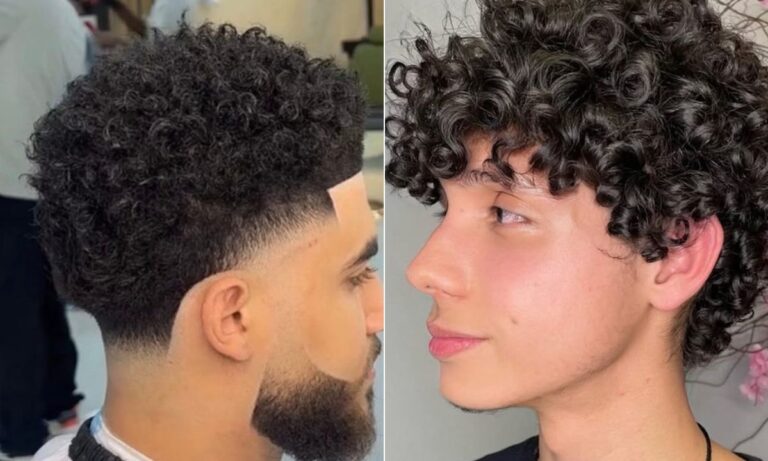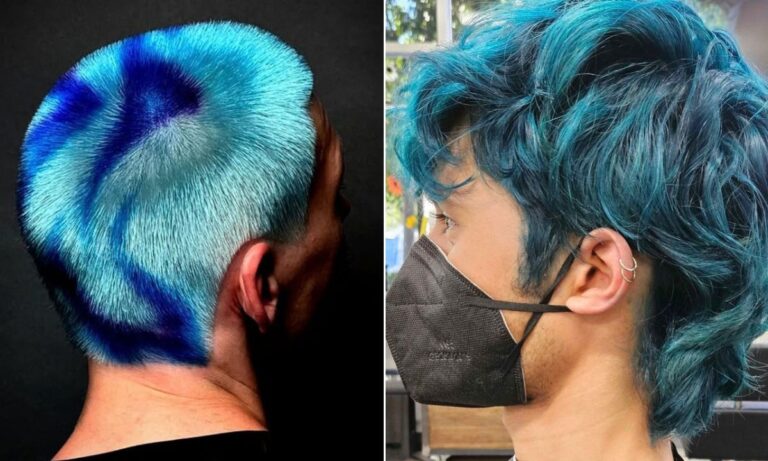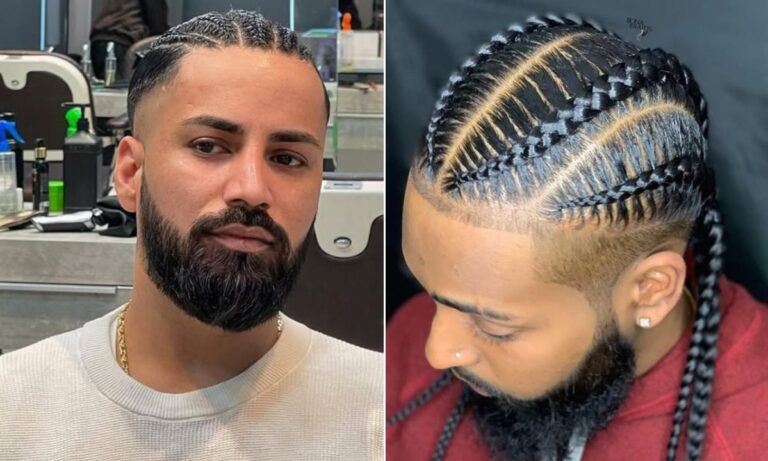
A burst fade can look beautiful in one photo and totally wrong on you if the fade height, top length, or back shape does not fit your hair.
You want a burst fade but deciding between a low, mid, high, curly, textured, mullet or a cleaner option may get confused quickly.
In this post you will find 19 burst fade haircut ideas that show you numerous ways to shape, style and balance the cut.
Let’s jump in!
What Should You Tell Your Barber Before Getting a Burst Fade?
However, “burst fade” might imply different things at different barbershops, so be explicit about the shape you want before your barber starts cutting.
Tell them you want the fade to curve in a semicircle around the ear and then pick if you want a low, mid, or high burst.
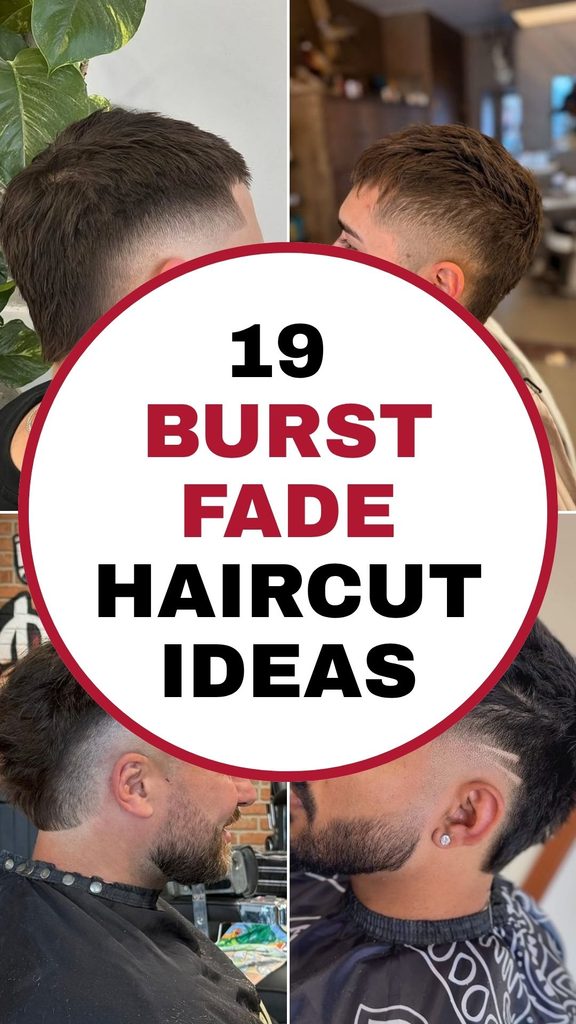
You should also specify how near you want the shortest portion skin, zero or with some visible length. Equally crucial, clarify what you want to keep at the rear.
A traditional burst fade will tend to leave more weight behind the ear, rather than fading evenly down the whole back.
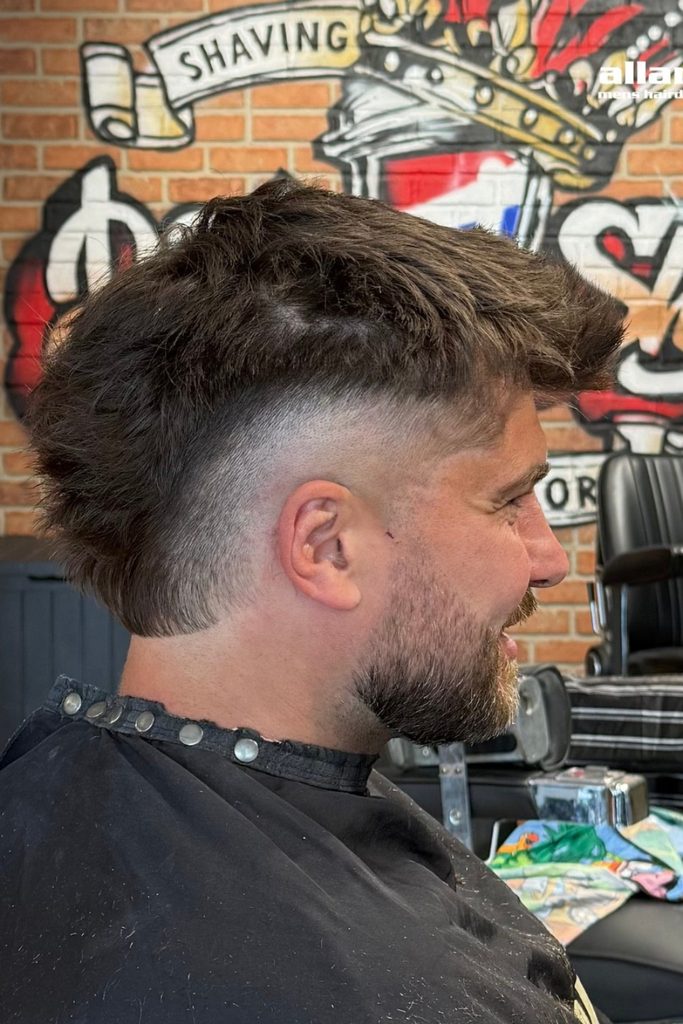
Textured Burst Mullet
Leave the top heavily textured and enough length through the back to provide mobility for a larger shape.
Have your barber do a tight fade around the ear, but leave the weight behind so the burst is sharp.
Separating the top texture with a small quantity of matte paste without looking rigid or heavy in the longer portions.
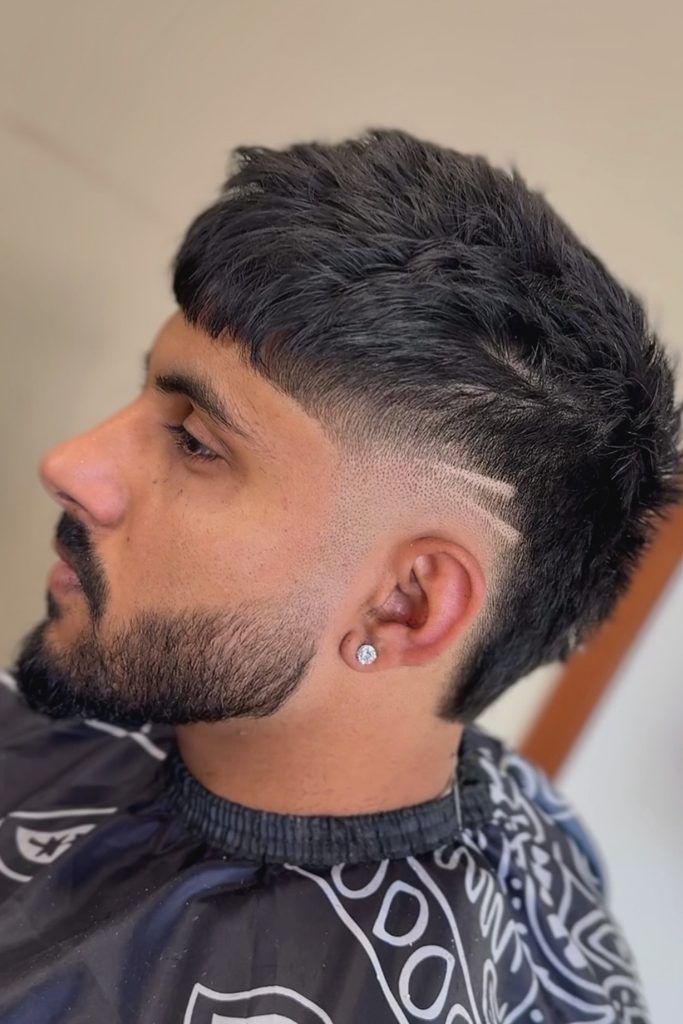
Designed Burst Fade
Shaving the design can help the burst fade look sharper, especially if the line follows the natural curve above your ear.
Maintain control and texture on the top so the design can be seen, rather than competing with too much volume or a sloppy style.
expect regular touch ups with this version as the shaved line softens quickly and loses its clear separation faster than planned.
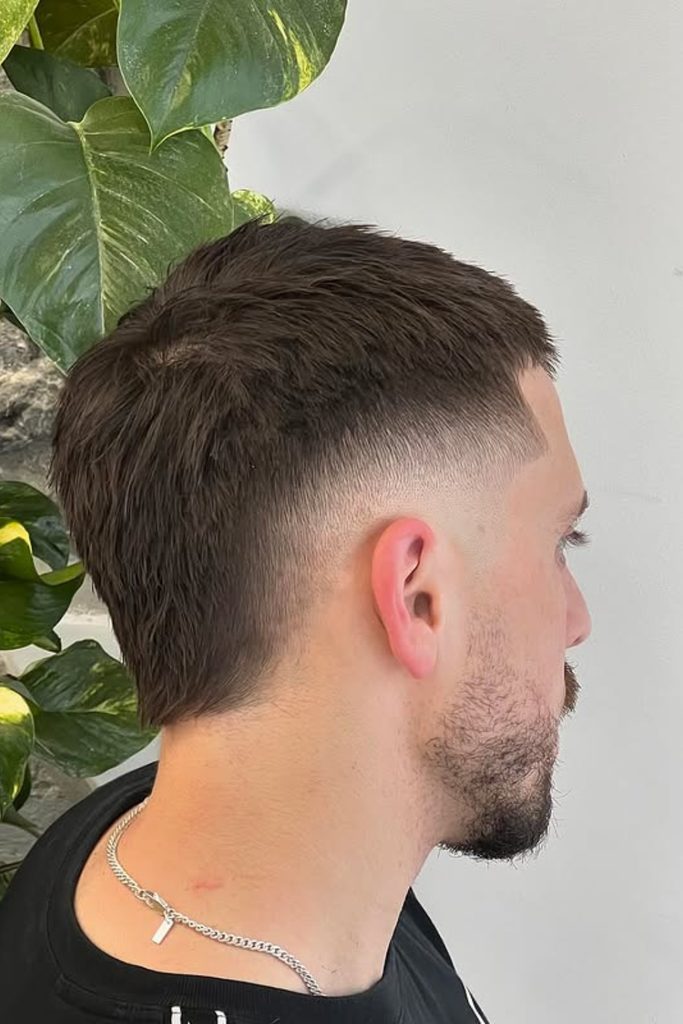
Clean Short Burst
For a cleaner everyday style, keep the top shorter and allow the burst fade curl softly over the ears.
Don’t just fade everything equally, leave some weight at the back because that conserved length gives the haircut its burst character.
This shorter method requires less styling each day, which is beneficial if you want definition without spending a lot of time shaping your hair.
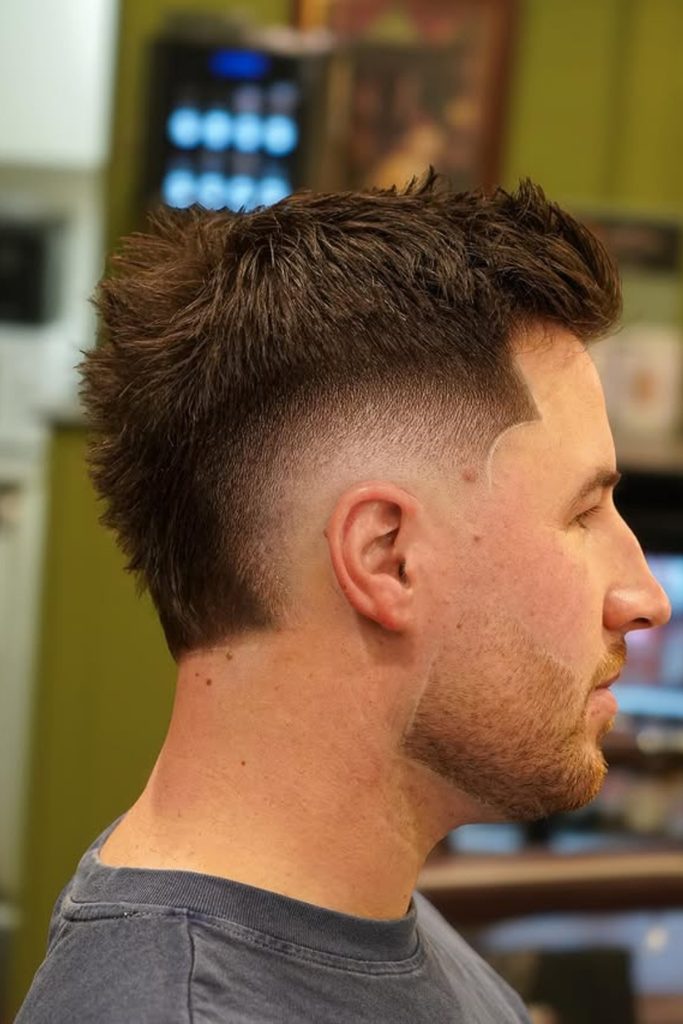
Spiky Burst Mohawk
If you want to be taller, leave the center visibly longer, comb it up, so the hairstyle takes on a mohawk-like silhouette.
Tell your barber not to cut too much weight off behind the ear, since this can weaken the flow back to the rear.
Work matte clay into longer top with fingertips. Form separated spikes. Keep finish pliable, not crunchy.
Brushed Burst Fade
If you want a cleaner finish, keep the top rough but regulated so the burst fade doesn’t lose its sharp and balanced feel.
Ask for a soft curve around the ear, but leave enough darkness behind it to keep the rounded shape of the haircut.
The larger beard is great here since the outline is kept sharp, so the overall look doesn’t get too heavy or messy.
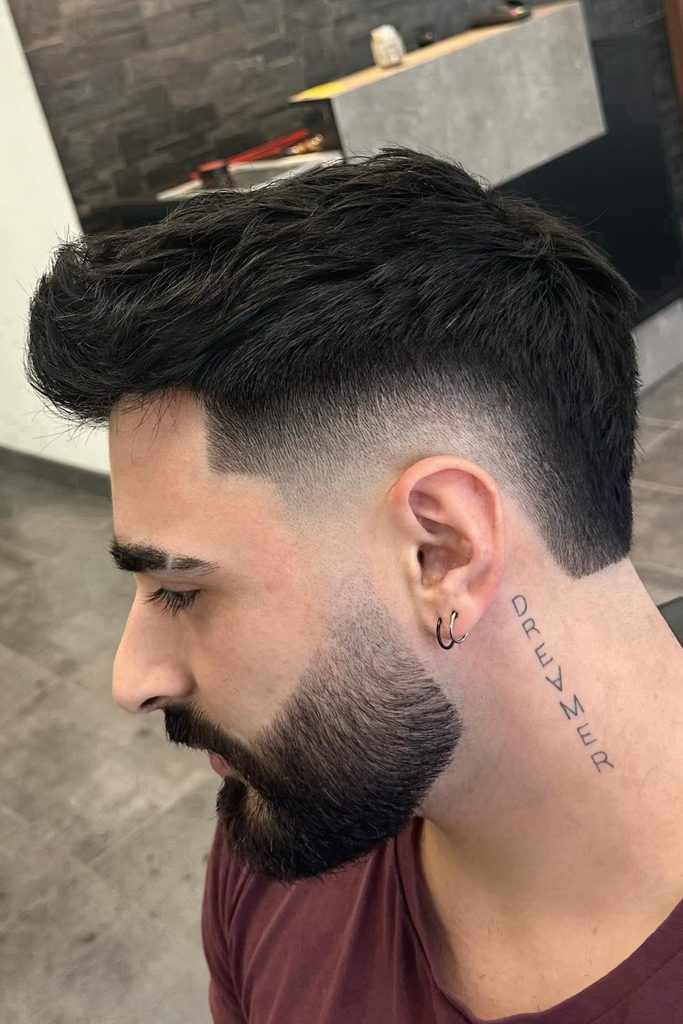
Fringe Burst Mullet
A forward fringe can ease a harsh burst fade, especially if you like contrast but don’t want to style the top up every morning.
Make the back substantially broader than the fading section so the haircut reads intentional, not like an unfinished standard fade.
Since the fringe already adds weight in the front, ask your barber to clean up the edges around the nape to keep everything balanced.
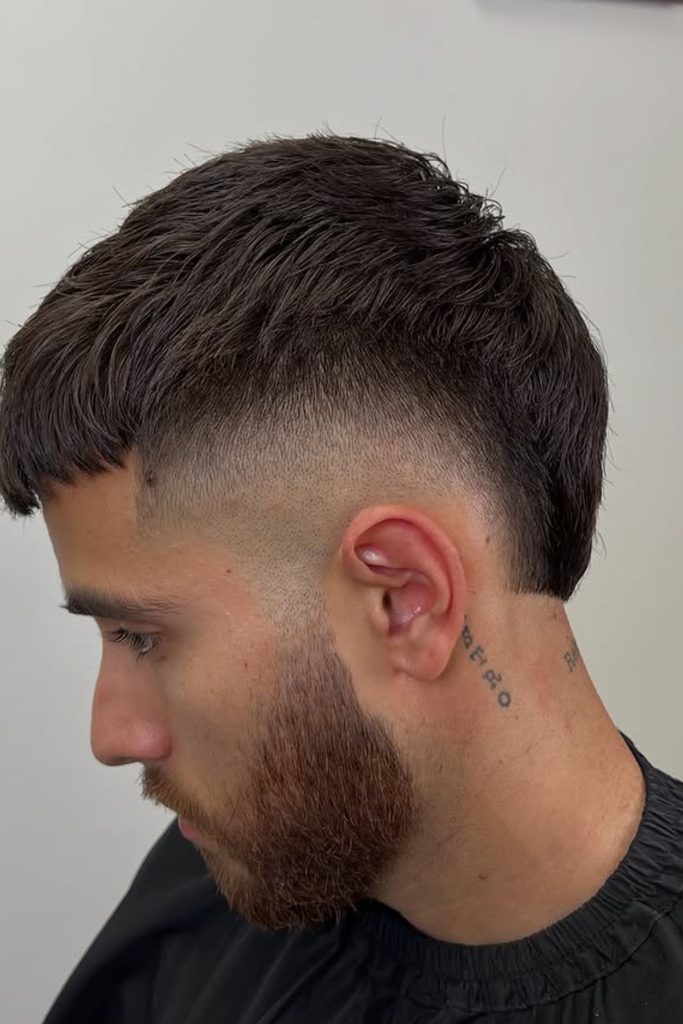
Soft Burst Crop
If you want a burst fade that’s easier to grow out of, keep the transition gentler and don’t go to skin on the sides.
Short textured top makes it easy to dress up for the day and the extra length in the back maintaining that signature burst silhouette.
This is a good one for someone who likes to see shape but not too much contrast. Plus, it looks more forgiving between frequent barber visits.
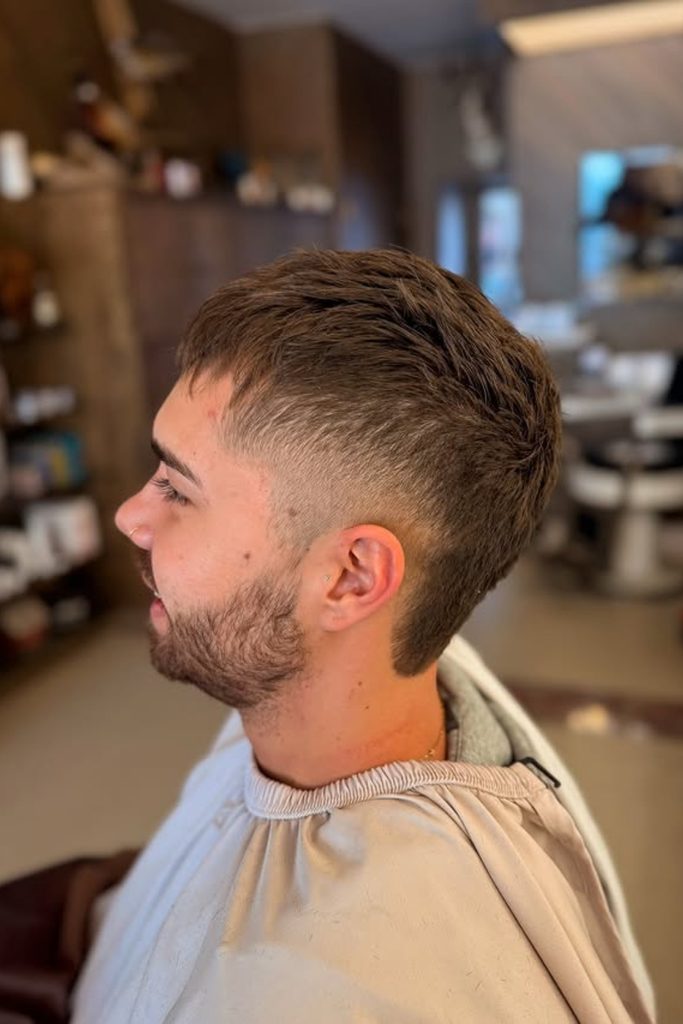
Lifted Burst Quiff
If you want a little more height, but not a full mohawk, keep the front longer and brush it up and keep the sides tight and faded.
The burst should remain circular on the ear and have some weight to it so the back doesn’t get lost in the fade.
Then blow-dry the front into position. Add a light paste. That provides you lift without making the top look stiff or shiny.
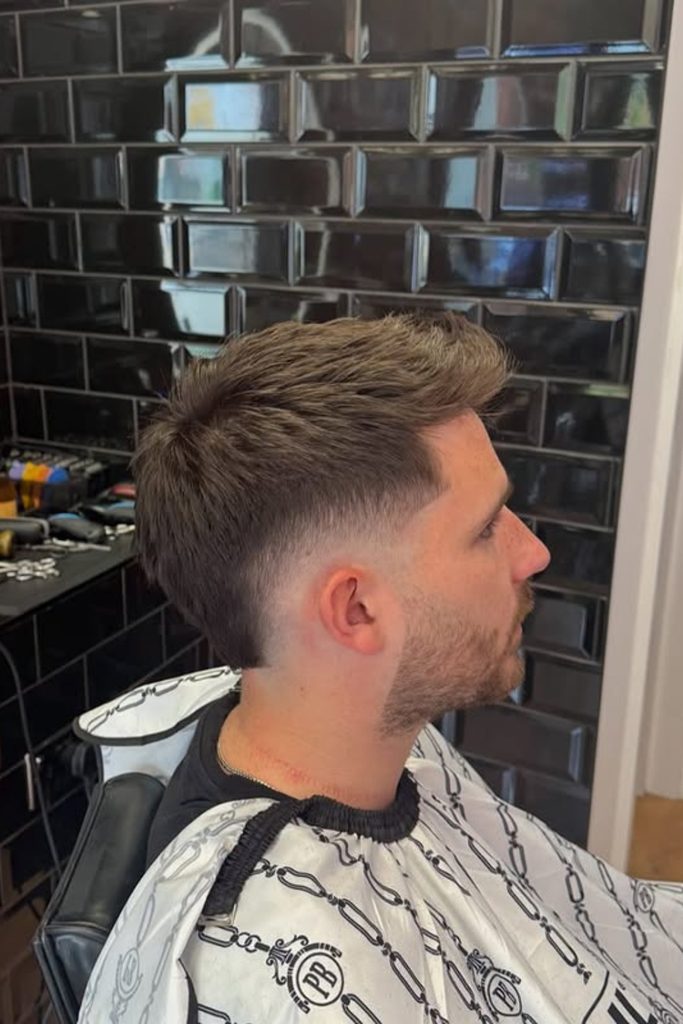
Sharp Burst Hawk
If you want a more pointed burst shape maintain the center visibly longer, and let the sides fade tightly around the ear area.
By leaving a little bit of extra density through the back, you prevent the haircut from seeming too flat and give the profile more direction overall.
Work the matte clay into the top with your fingertips, then pinch it up in small places to give it texture, but not too much rigidity.
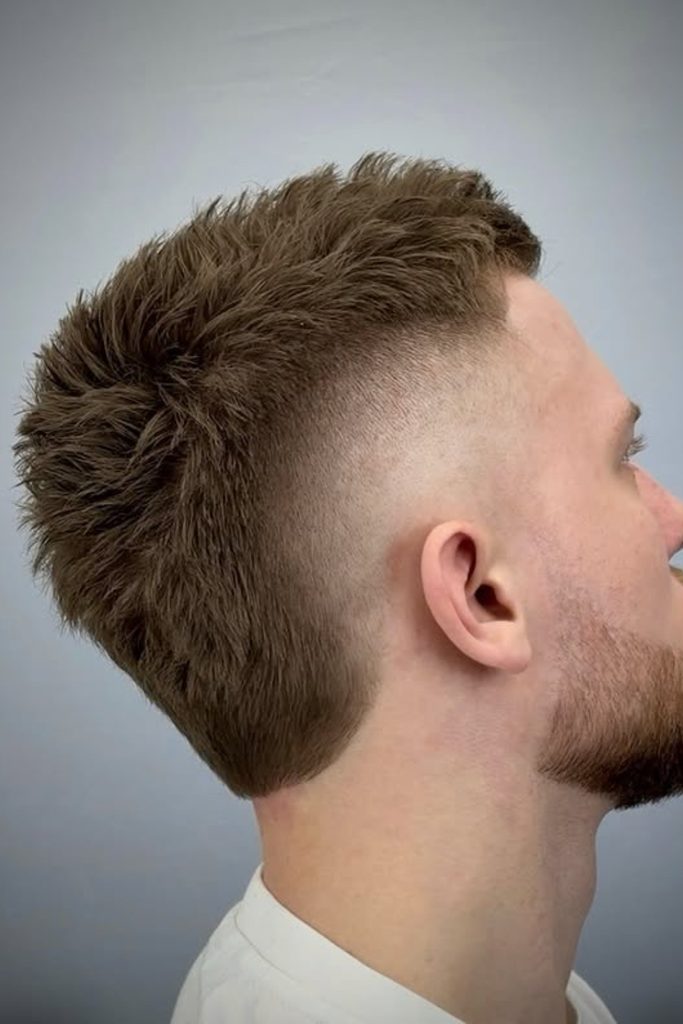
Curly Burst Volume
If you have fuller curls, let them be voluminous on top while the burst fade clears weight around the ear.
Keeping the back fuller naturally joins the curls so the haircut looks deliberate and not unconnected behind the fade.
Work curl cream into damp hair and twist softly; you want definition through the top but don’t want to squash its natural flow.
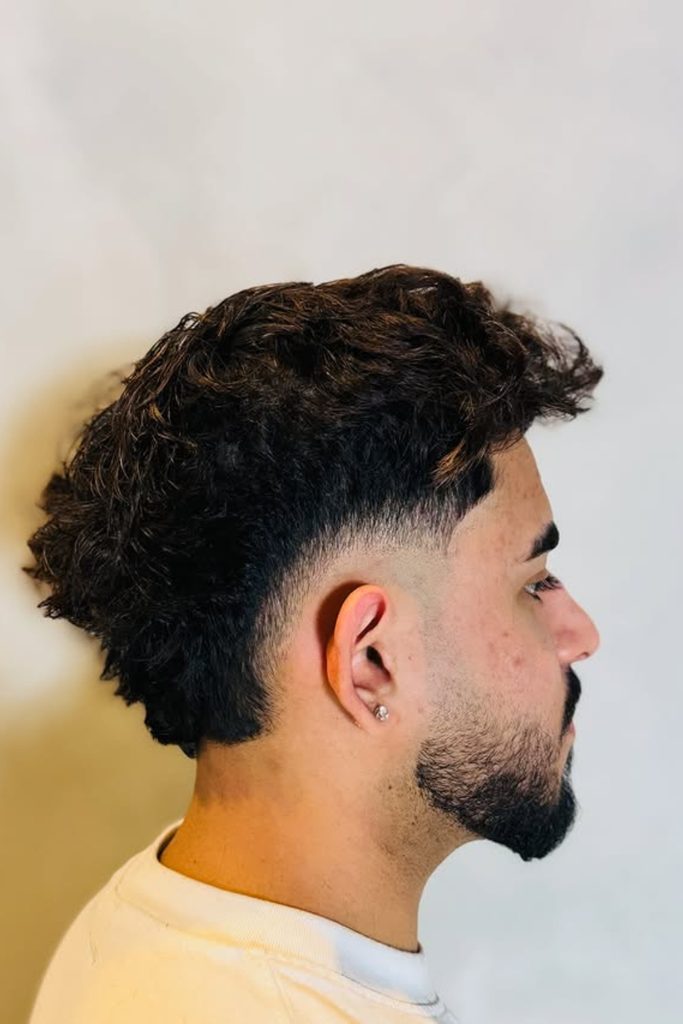
Rugged Short Burst
A burst fade doesn’t require long hair. You can still get plenty of shape with a short textured top.
For a larger beard, soften the transition (instead of skin tight) so the sides meld more organically.
A little style paste goes a long way here, especially if you rake it backward rather than try to perfect every strand.
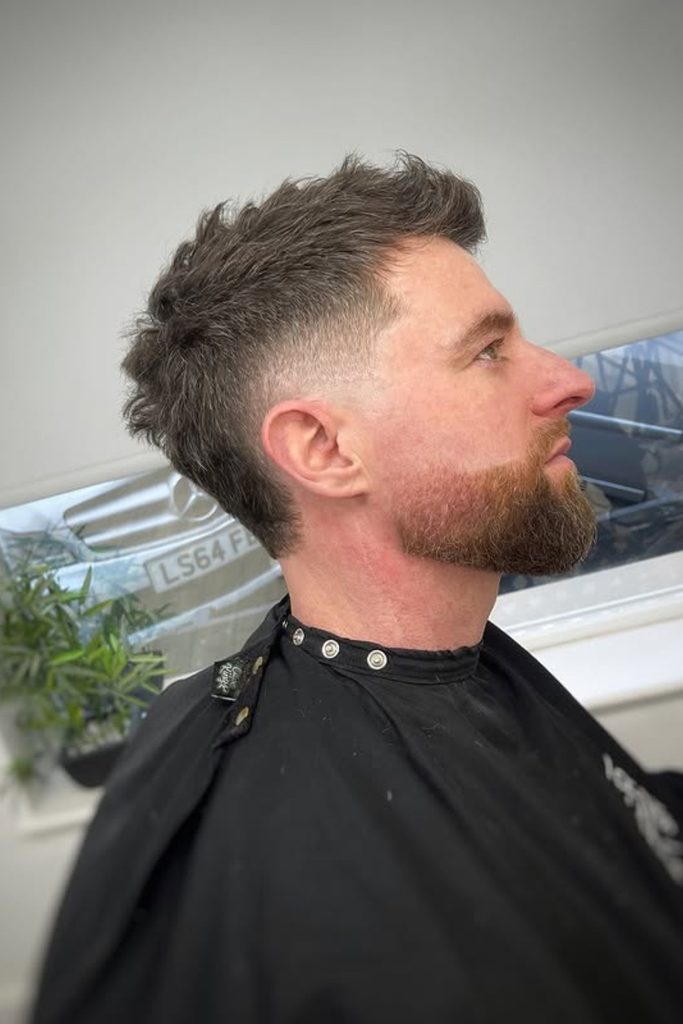
Defined Curl Burst
If you want tighter curls, ask your barber to leave a clear ring of density above the fade rather than thinning everything out.
The black area adds greater contrast to the burst and there is enough weight behind the ear to sustain the curled back.
Finish with curl cream or mild gel, and let hair air dry so the pattern stays separated and naturally shiny.
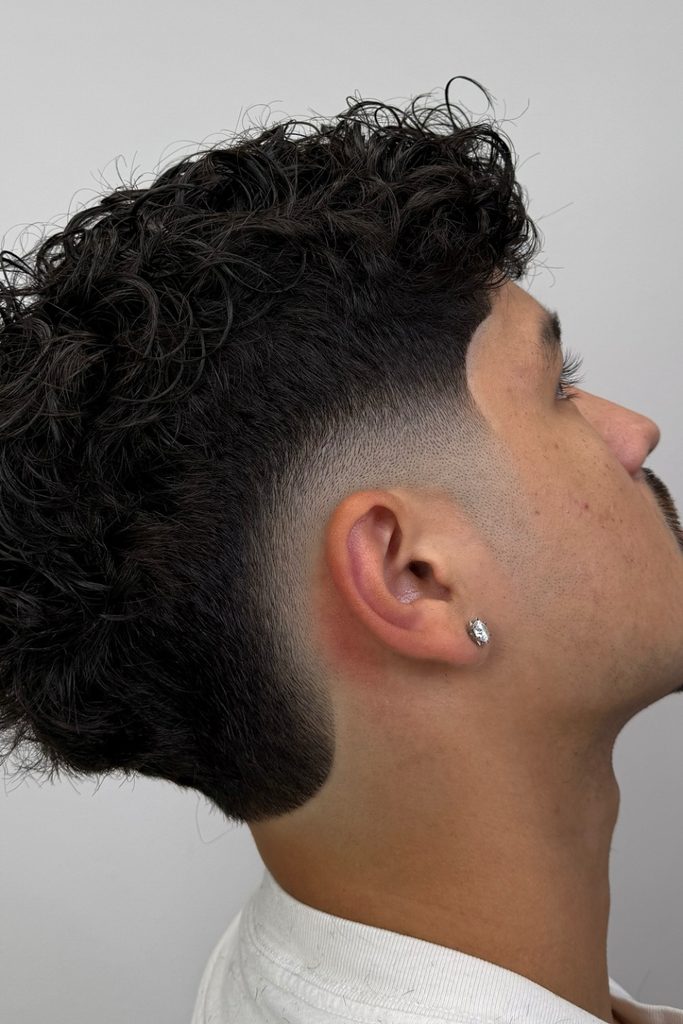
Wavy Burst Blend
If your waves are prone to clumping, let the top a little longer and let the burst fade to simply remove bulk around the ear.
Ask for a gentle blend instead of all bare skin, because that softer transition keeps the darker back connected to your texture.
Apply a curl cream to damp hair and scrunch it in gently so you can still see definition but the top doesn’t seem too styled.
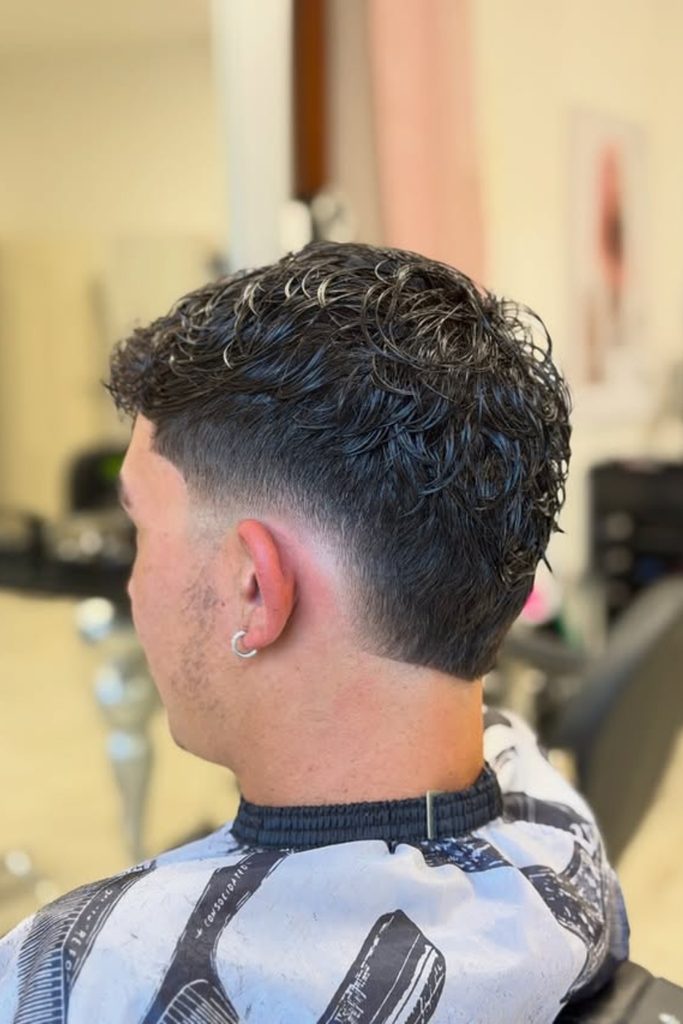
Tousled Burst Mullet
For a harsher mullet, leave lots of length through the center and back while fading tightly around the ear.
Keep the top jagged and not too polished as the uneven texture helps to create the overall casual, almost rebellious vibe of this haircut.
A little bit of matte paste will give separation but avoid heavier products if you want the movement to remain natural.
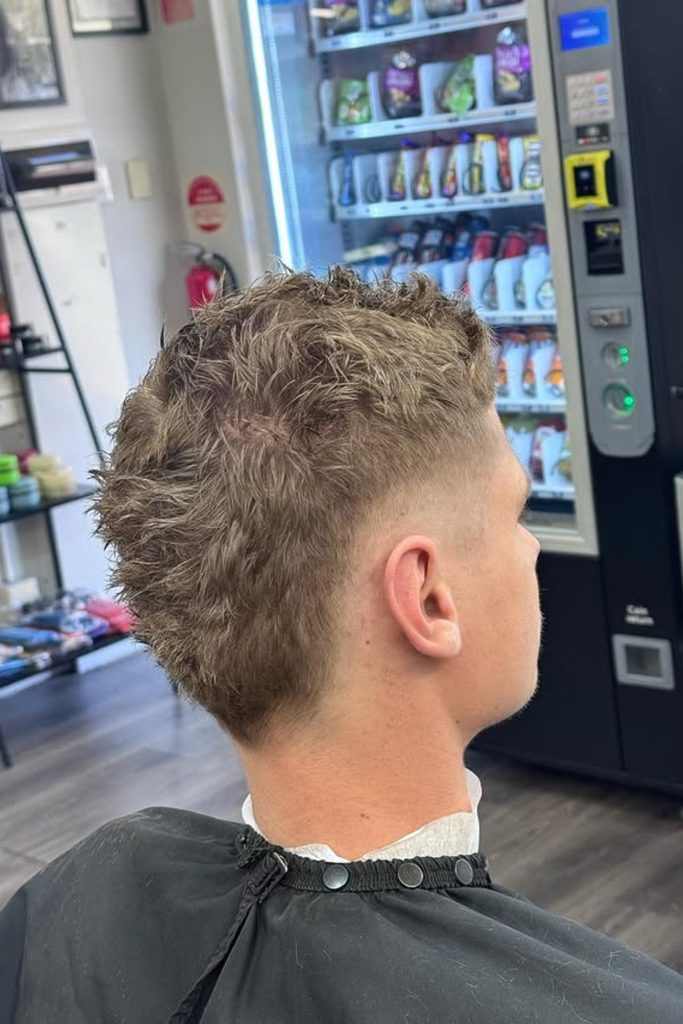
Longer Burst Flow
If you want more flow, leave the top and back longer but keep the burst fade more focused around the ear.
The contrast works best when the barber leaves a substantial block of length behind the fade, rather than tapering everything away.
Loosely style the top with your fingertips, allowing the lengthier pieces to move naturally instead of pushing a hard form.
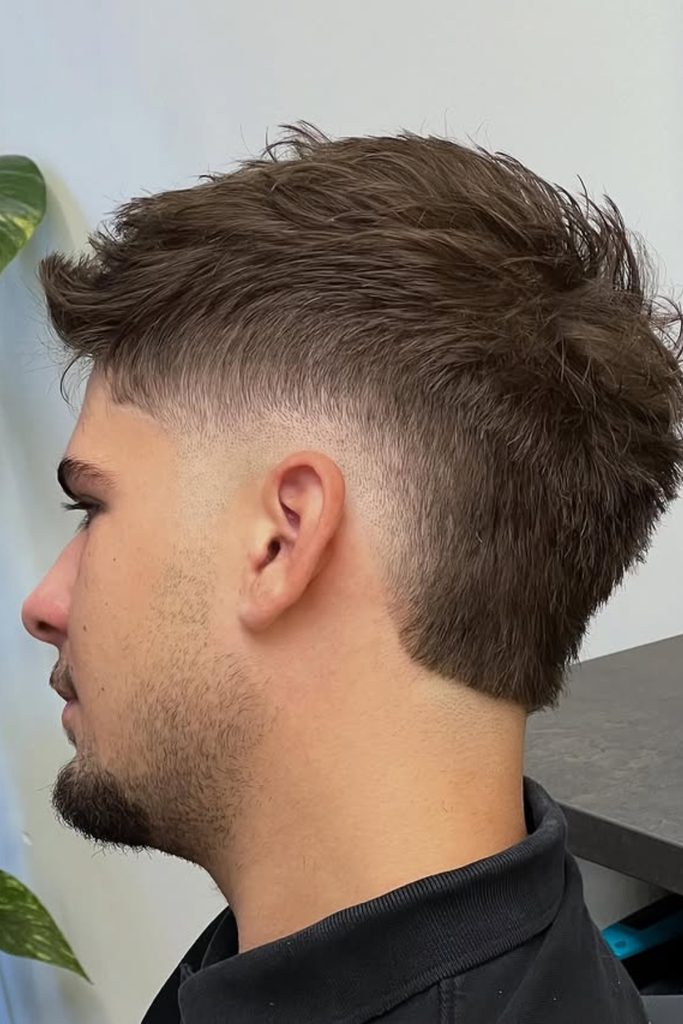
Soft Textured Burst
A softer burst can still appear sharp if the top has enough of texture and the fade is kept low around the ear.
Leave a bit of weight through the back so it feels balanced, especially if you don’t want full mullet.
At the roots, use a light paste or texture powder, then tousle with your fingers for volume that still looks effortless.
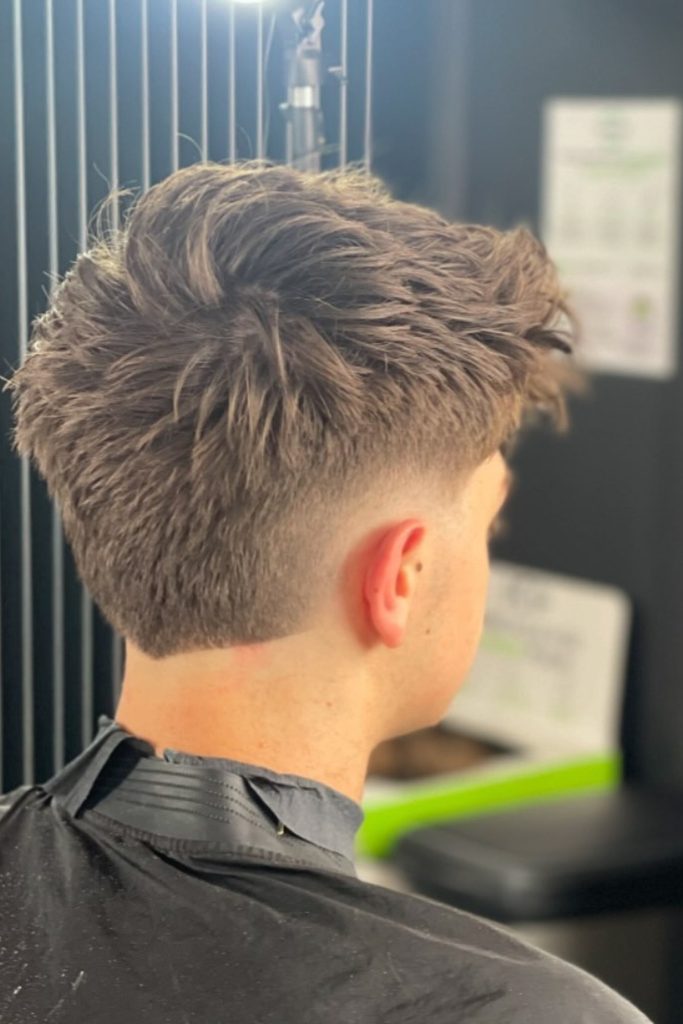
Curly Burst Shape
If your curls are heavy, leave the top and back together as the burst fade creates room near the ear.
Ask your barber to leave that darker strip below the fade because it keeps the rounded shape looking full from every viewpoint.
Use curl cream instead of heavy wax, scrunch lightly to keep the texture defined without collapsing the form at the rear.
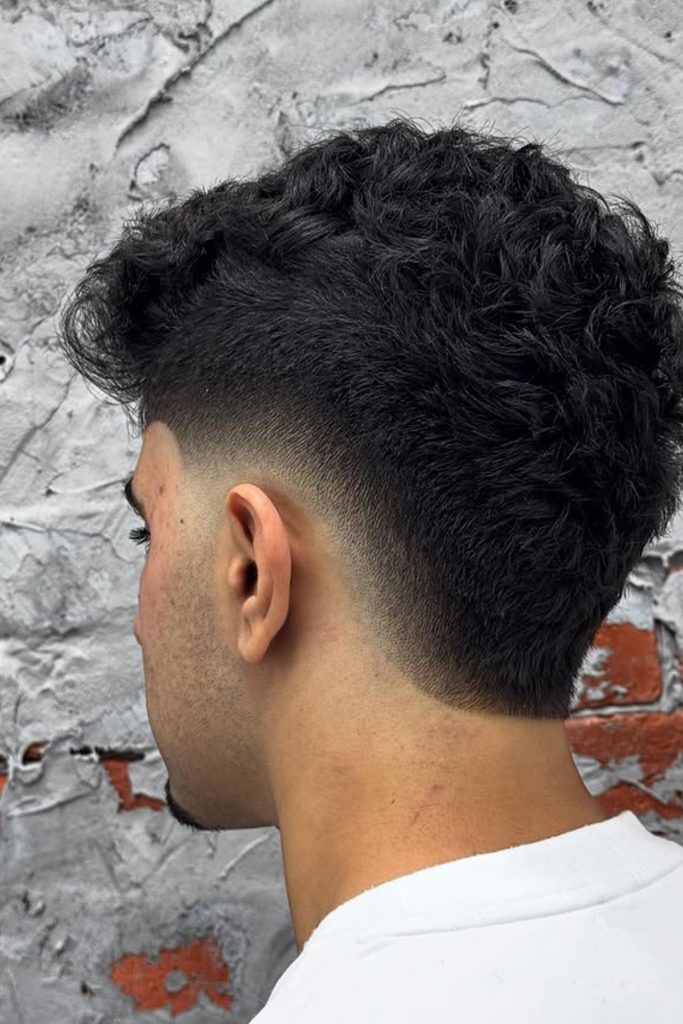
Compact Burst Mullet
Looking for an explosive fade with little length? Keep the top closed then leave just enough at the rear for definition.
A mid level burst works well here since it creates enough contrast to be apparent but not so much contrast that the haircut looks over dramatic or difficult.
Use matte paste to style the top forward or slightly upward and keep the beard edges clean to match the sharper sides.
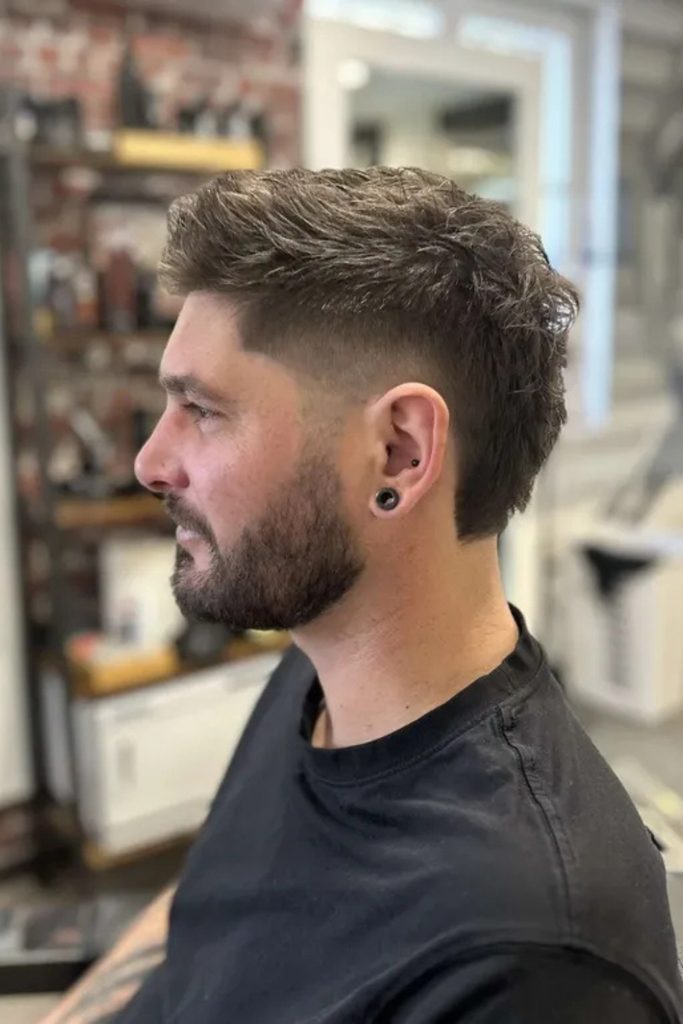
Soft Curly Burst
Keep the curls a bit longer through the top if you want movement, while the burst stays neat around the ear.
Request a gradual fade instead of skin from your barber so the side transition is gentler and simpler to manage.
A little curl cream on damp hair helps separate the structure, but doesn’t take away the relaxed shape across the top.
FAQs
Is a Burst Fade the Same as a Drop Fade?
No. A burst fade goes tight around the ear and usually leaves more weight on the back of the head.
A drop fade continues further around the head and dips lower behind the ear, providing a more equal faded shape around the sides and back.
How Often Should You Get a Burst Fade Touched Up?
To keep the fade crisp, you’ll want to have a touch up around every two to three weeks.
If you like a softer grow-out, you can stretch it longer, but the curved area behind the ear will lose its crisp shape first as the shortest hair starts coming back in.