You save a picture of a blowout fade, show it to your barber and still worry if it will be good for your hair, facial shape or daily routine.
Depending on the fade height, top length, texture, volume, and how the sides are merged, the cut can look radically different.
Get the wrong cut and you can end up with a fade that’s too high, too flat or harder to style than you hoped for.
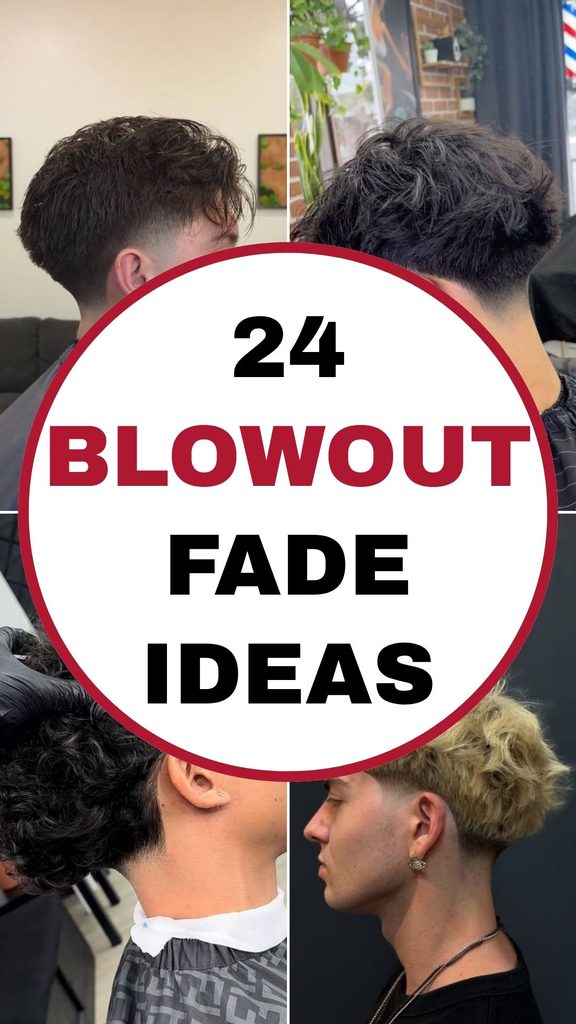
And you’ll get 24 blowout fade designs for inspiration, including real-world advice to help you choose look.
Let’s jump in!
How Much Length Do You Need on Top for a Blowout Fade?
So if you want a blowout fade and not a short spiky top, you’ll want to have roughly 3 inches of hair before your appointment.
There is no formal necessary length, but barber manuals generally put a practical blowout at roughly 2.5 to 4 inches, with 3 to 5 inches allowing for greater height, movement and texture.
“Extra length is often good for straight hair as it needs blow-drying for lift, while naturally wavy or curly hair can show volume sooner.
Curls: be sure to measure when the hair is dry or lightly stretched, since shrinkage can make the top look much shorter.
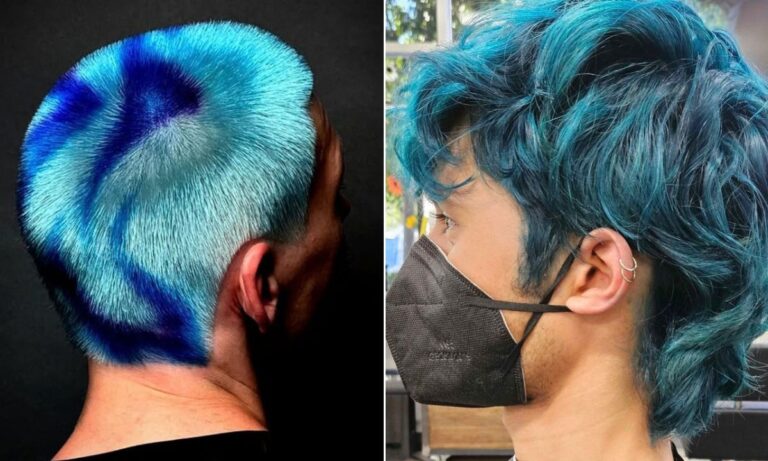
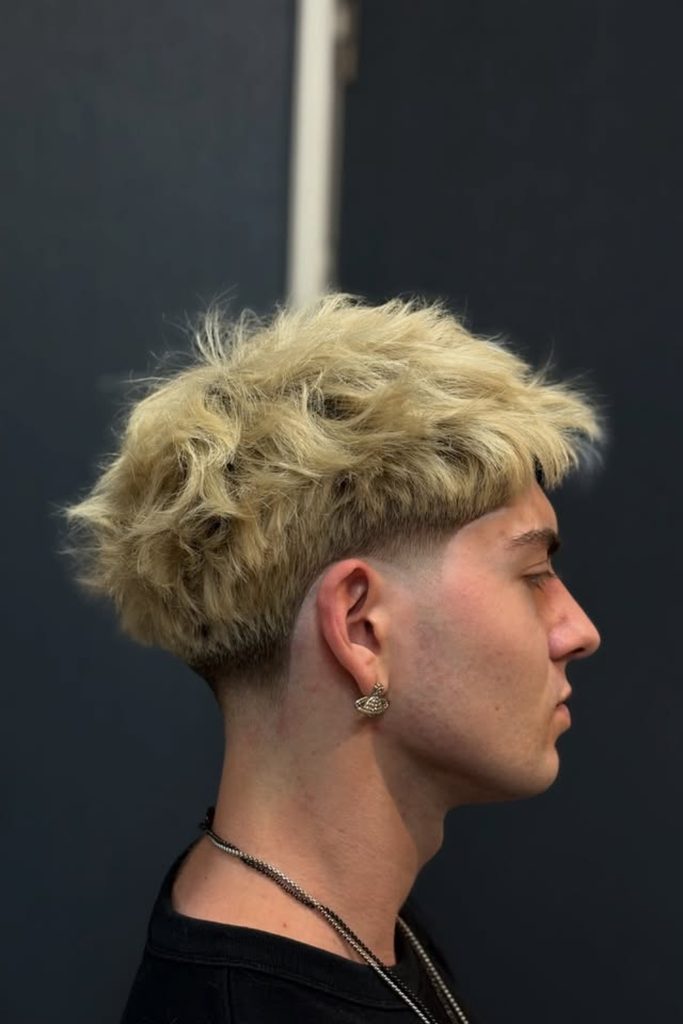
Blonde Texture
If you’re after a lighter, more modern look to the blowout, leave the top deeply textured and the fade low.
The extra weight left at the back gives the silhouette a more rounded aspect and the more snug temple region helps retain a clean-cut profile.
For this airy finish, ask your barber for a point-cut texture and opt for a light matte product rather than a heavy pomade.
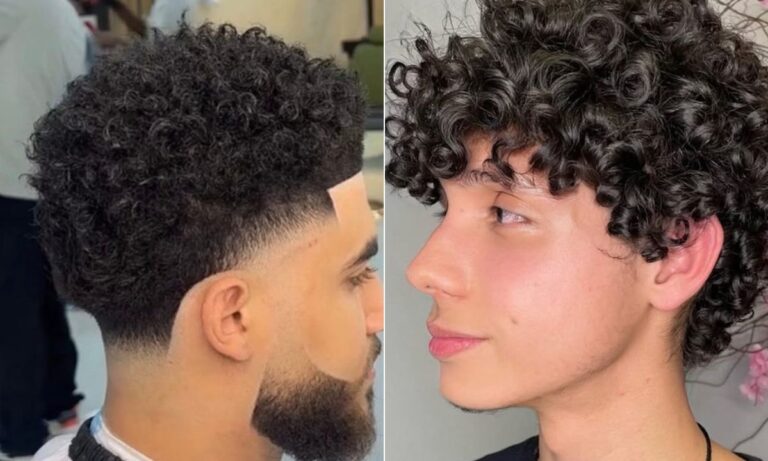
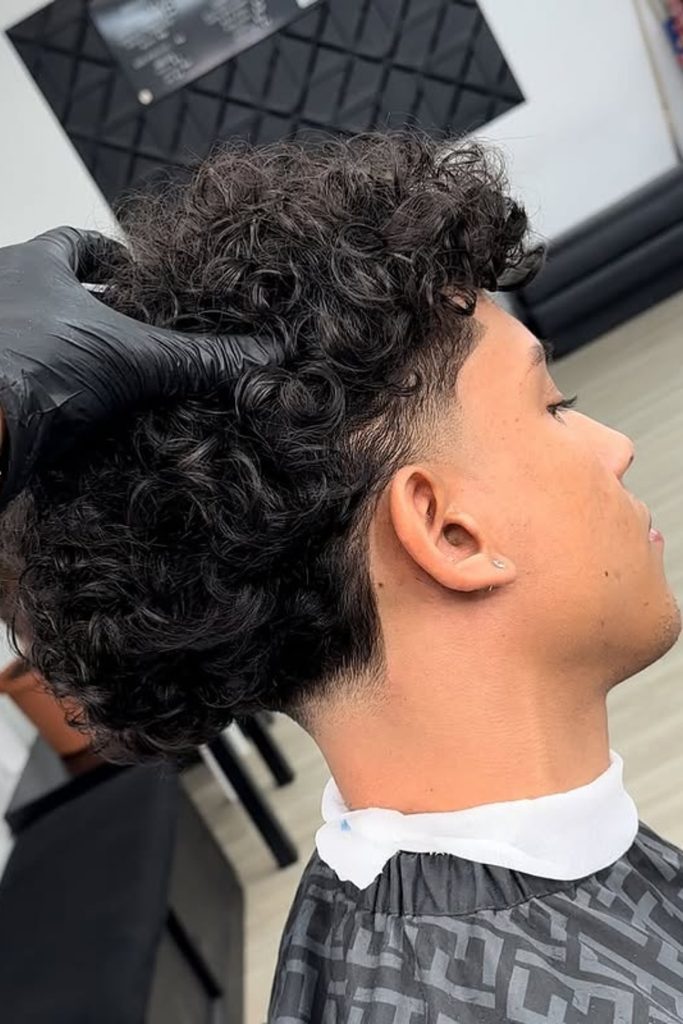
Curly Volume
Curly hair already has the volume that a blowout needs so don’t chop too much off the top for a neater look.
A subtle taper around the temple and collar keeps the curls dominating, giving you structure without flattening their natural flow.
Instead of brushing all upward, curl-by-curl clean-up through thick sections, then style with curl cream and gently diffusing.
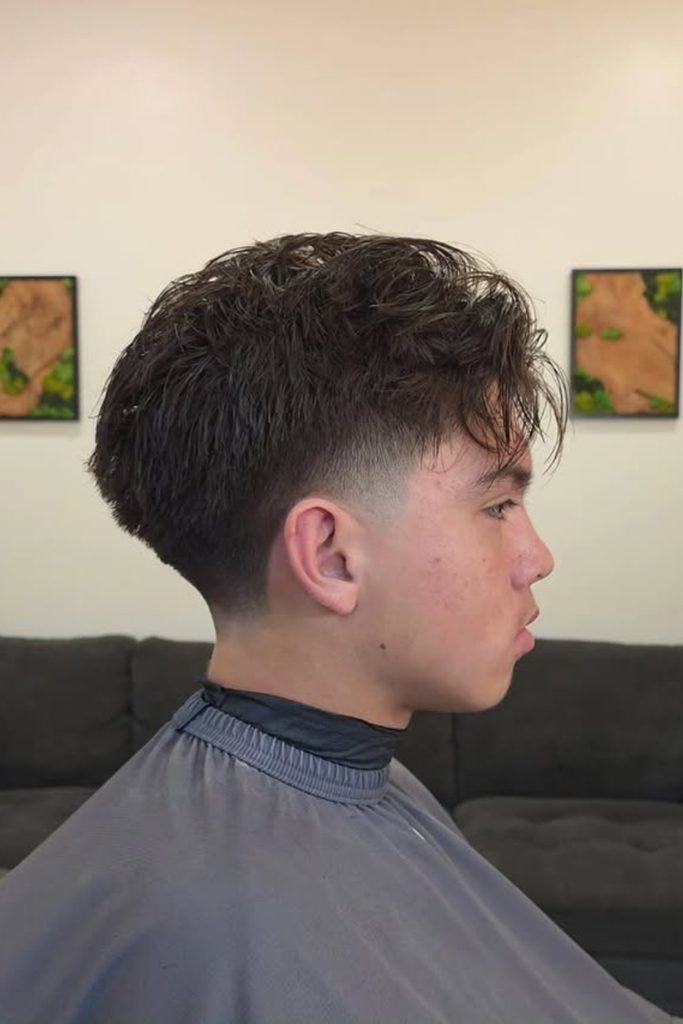
Loose Fringe
If you want a blowout that’s lower and more wearable, don’t go for maximum height — keep the front loose instead.
The mid fade takes away just enough weight on the sides to sharpen up the haircut while the longer crown preserves the rounded blowout look.
Apply a little texture cream to damp hair and bring the fringe forward, letting the separation do the shaping.
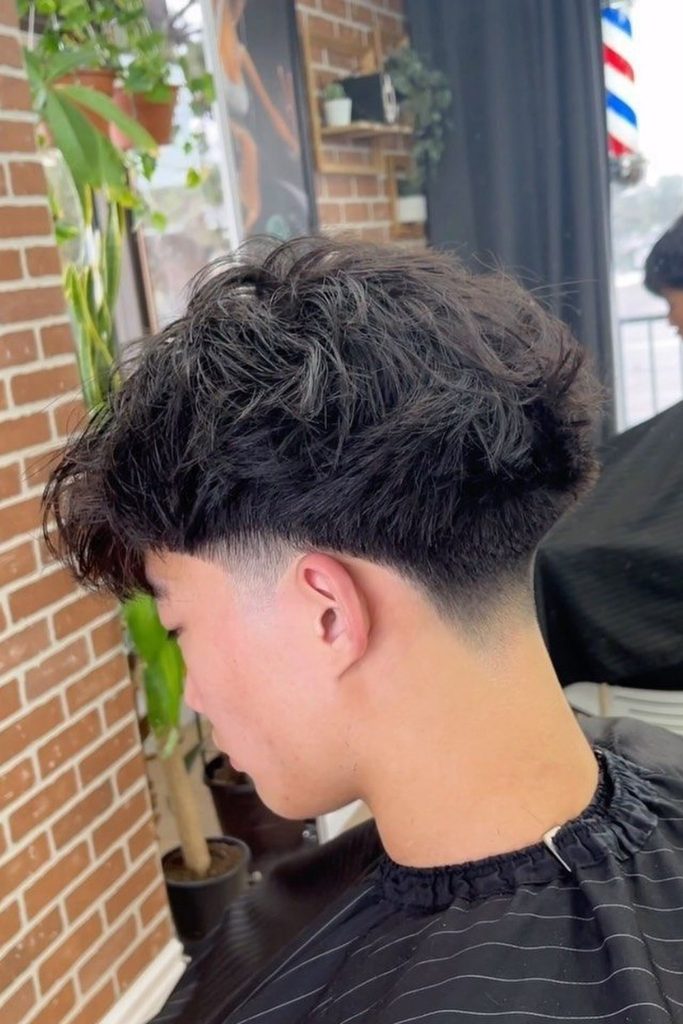
Messy Wave
If you have natural waves, leave the top intentionally loose so the blowout feels full but doesn’t look too groomed.
The sides are severely faded with a low skin fade, and the increased weight through the crown keeps the haircut from losing its rounded shape.
Work a mild texture cream into damp hair, scrunch, and air-dry instead of combing every strand into place precisely.
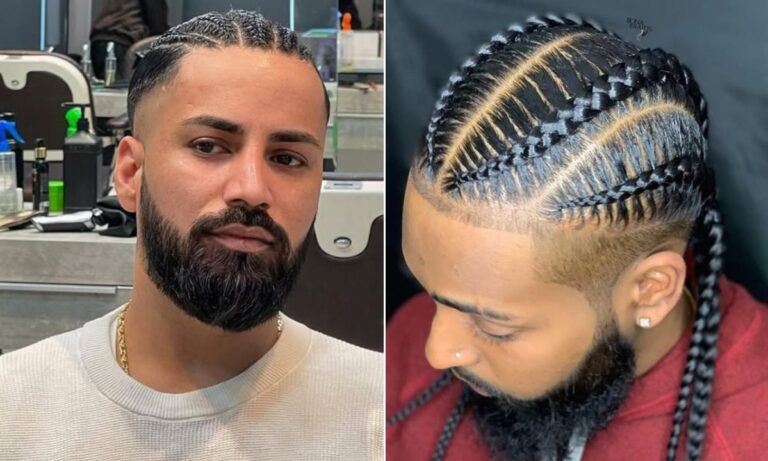
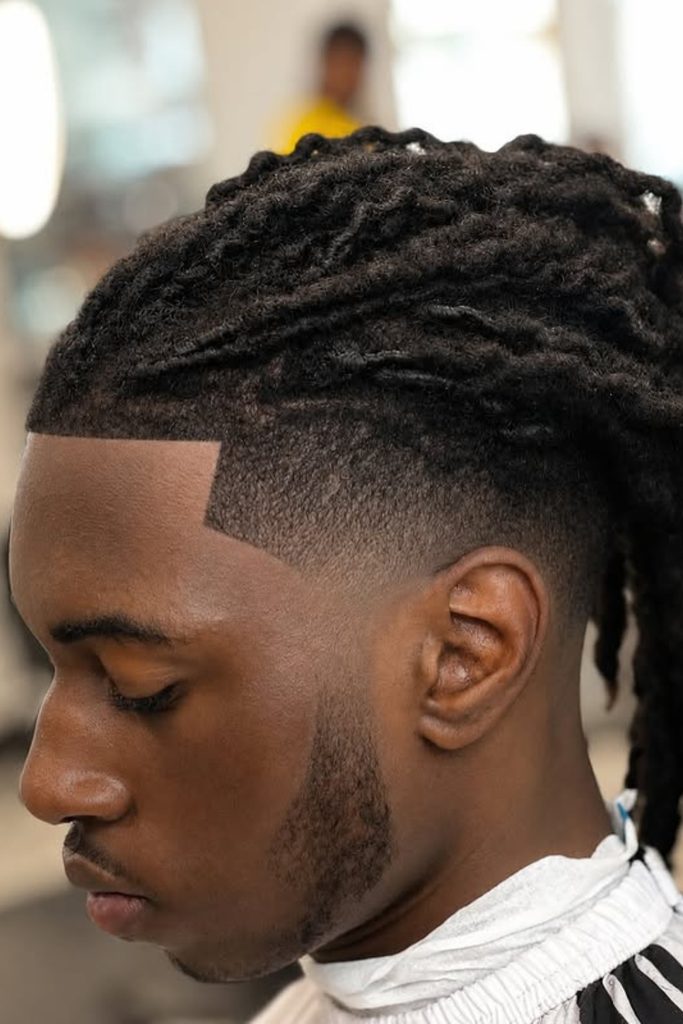
Loc Contrast
A blowout-style fade can work with long locs too, as long as you leave the length alone and attempt to clean up on the sides.
Request a sharp lineup and a clean temple fade, the contrast will make the heavier locs look more deliberate and well groomed.
Retwist just when necessary to avoid an overworked look, and keep the fade lower for fuller edges.
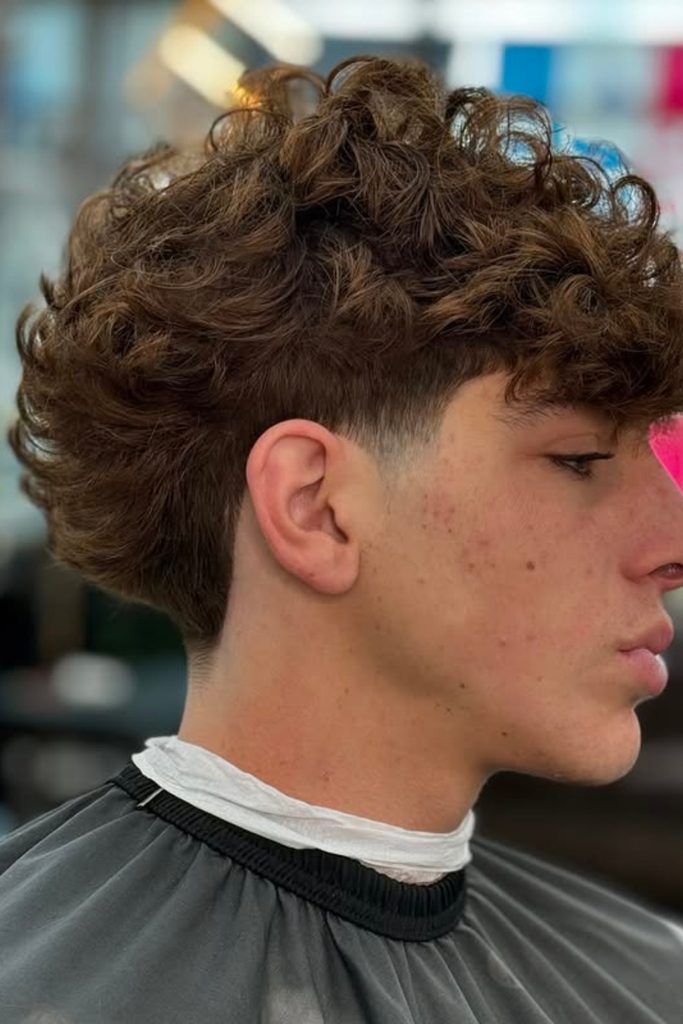
Curly Flow
This is an excellent choice when you want the curl volume to take the lead in the haircut, instead than the fade stealing the show.
Keep the taper tight around the temple and ear then leave considerable length through the back for that airy rounded movement.
Apply curl cream to wet hair and spread softly. Over-brushing can separate the curls and make the blowout look frizzy.
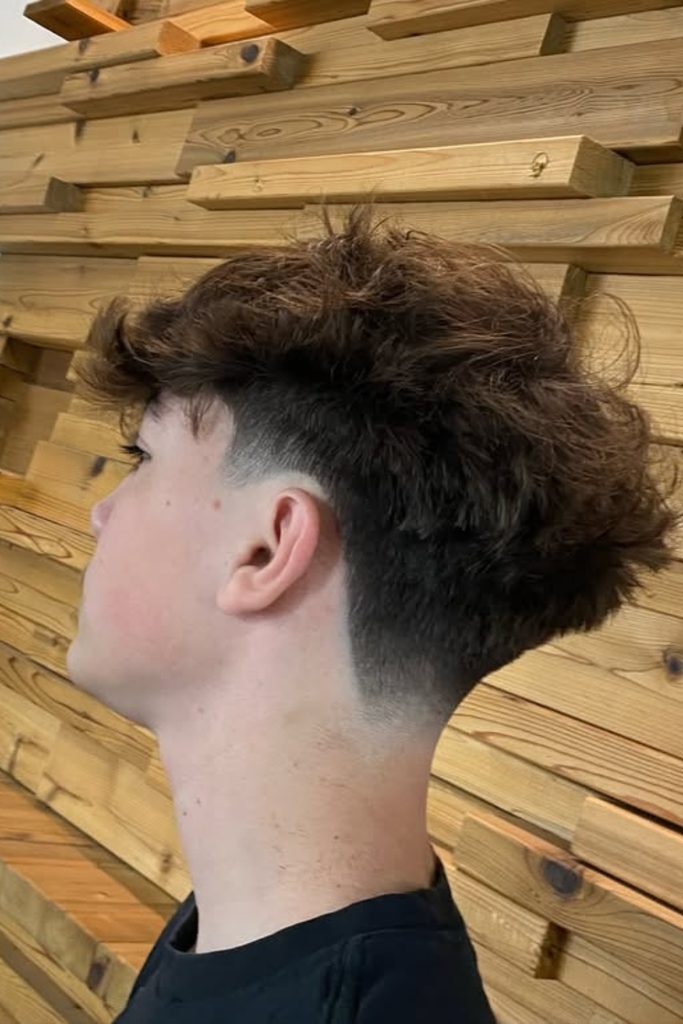
Soft Profile
If you want a softer look, don’t take the fade too high in the back and leave some darkness behind the ear.
The increased weight helps hold the blowout form, while the tighter temple and neckline still offer you enough contrast to keep things fresh.
Then finish with matte paste so your texture stays separated (instead of stiff). Use your fingers to dry the top for lift.
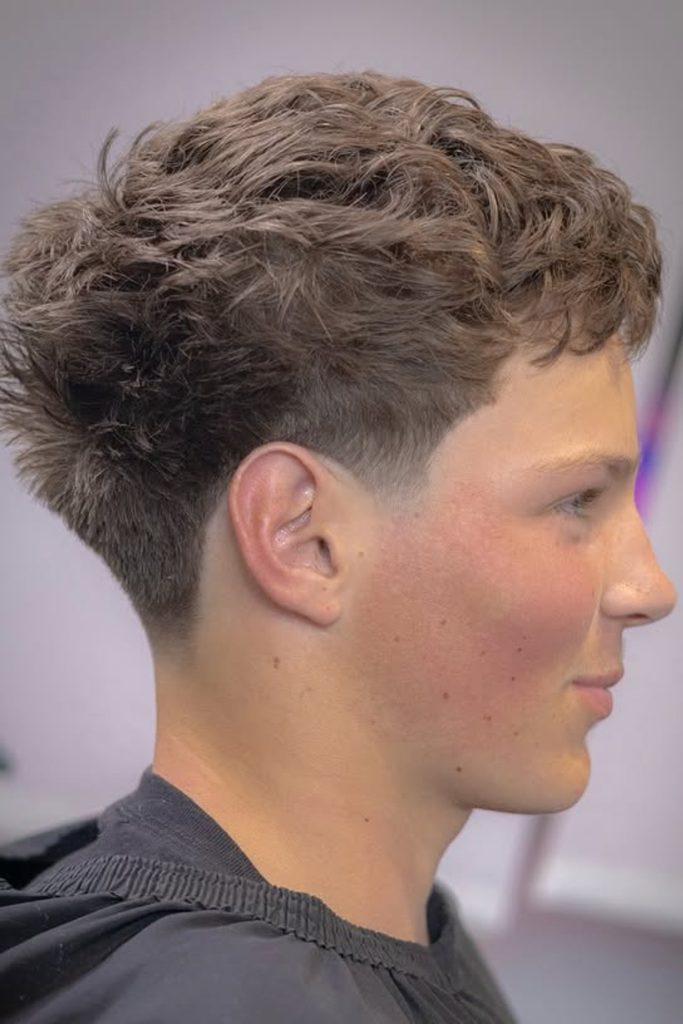
Soft Wave
If you want a blowout with structure but not a lot of height, don’t style the top and keep the taper minimal.
That leaves a bit of density above the ear to give the cut a larger look and a neckline cleanup to maintain the profile tidy from behind.
Apply a light cream to damp hair and finger-style the waves so the result is loose rather than too perfect.
Long Flow
A lengthier blowout works best when the sides are very barely tapered, allowing the top and back to move naturally.
Ask your barber to strategically take out bulk instead of cutting everything shorter — too much trimming can collapse this broader silhouette.
Lift hair up with your hands while you dry it, letting the ends fall naturally for that airy, carefree flow.
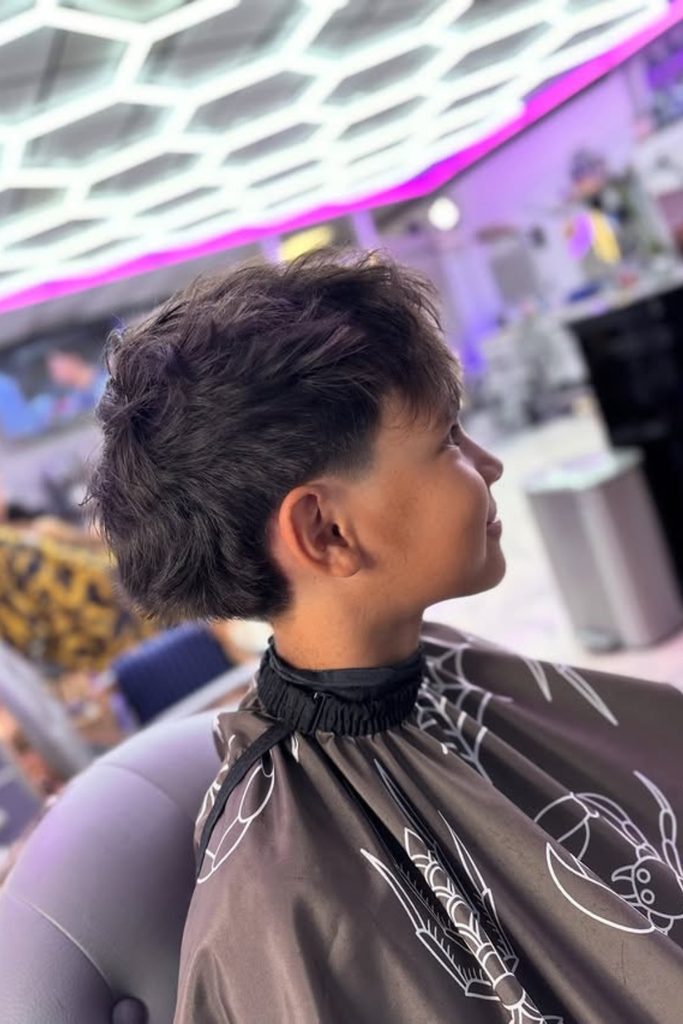
Textured Lift
If you have thick, straight hair, the texture on top makes the blowout simpler to lift and less heavy.
Keep the temple fade tight but low so that the sides seem clean without taking too much weight from the upper form.
Blow-dry from the roots using your fingers then use matte clay lightly to keep the separation without weighing the hair down.
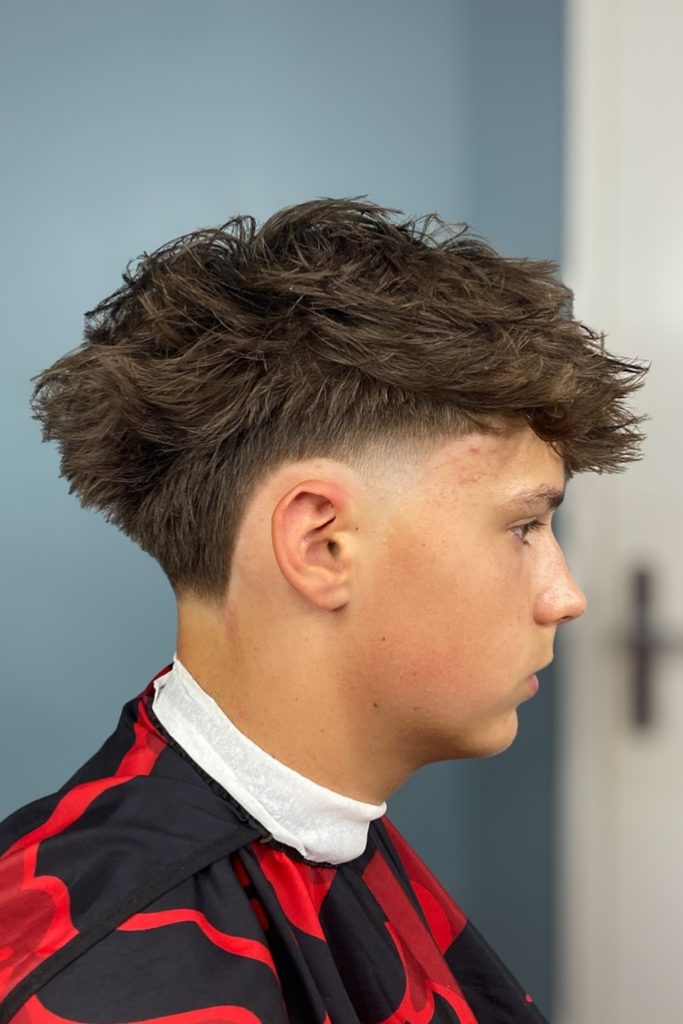
Rounded Back
This rounded blowout works well for naturally wavy hair since the extra length in the back provides form without the need to style too much.
Maintain a thin, smooth taper on the neckline so that the crown and sides stay connected, not a detached fade.
If feasible, scrunch in a light style cream and air dry, as it is the preservation of natural mobility that allows this bigger shape to work.
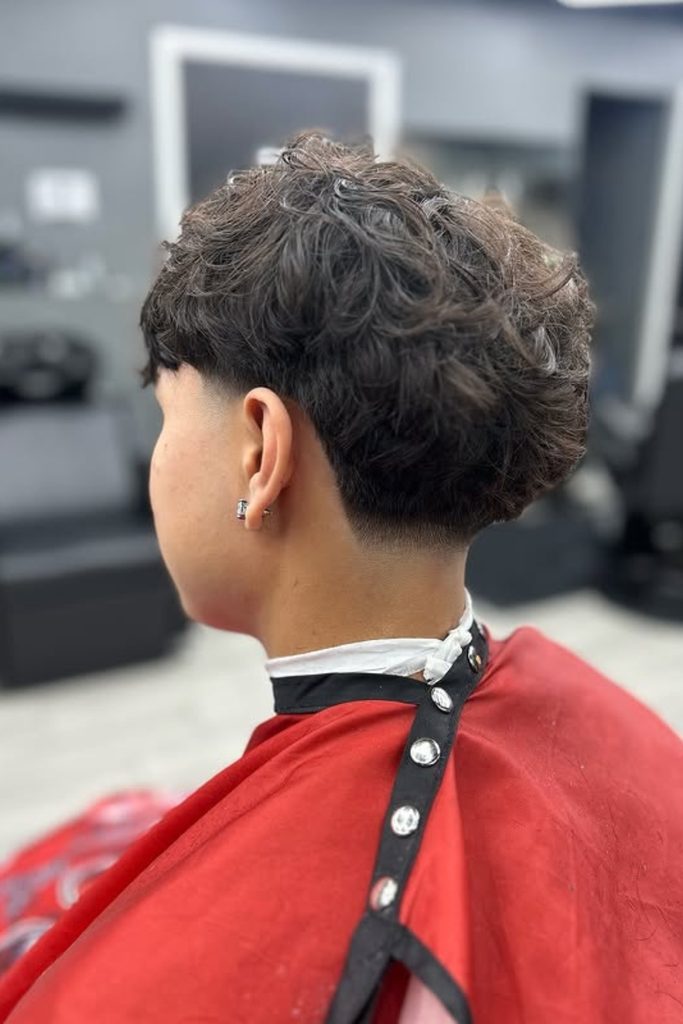
Extended Back
Want a more attitude-filled blowout? Keep the back considerably longer and tighten only the temple and bottom borders.
That contrast allows the crown to blend perfectly into the back, giving the haircut volume without it being a heavy shape overall.
Request controlled layering through the top and back, then apply a light cream so the flow remains loose, not fluffy.
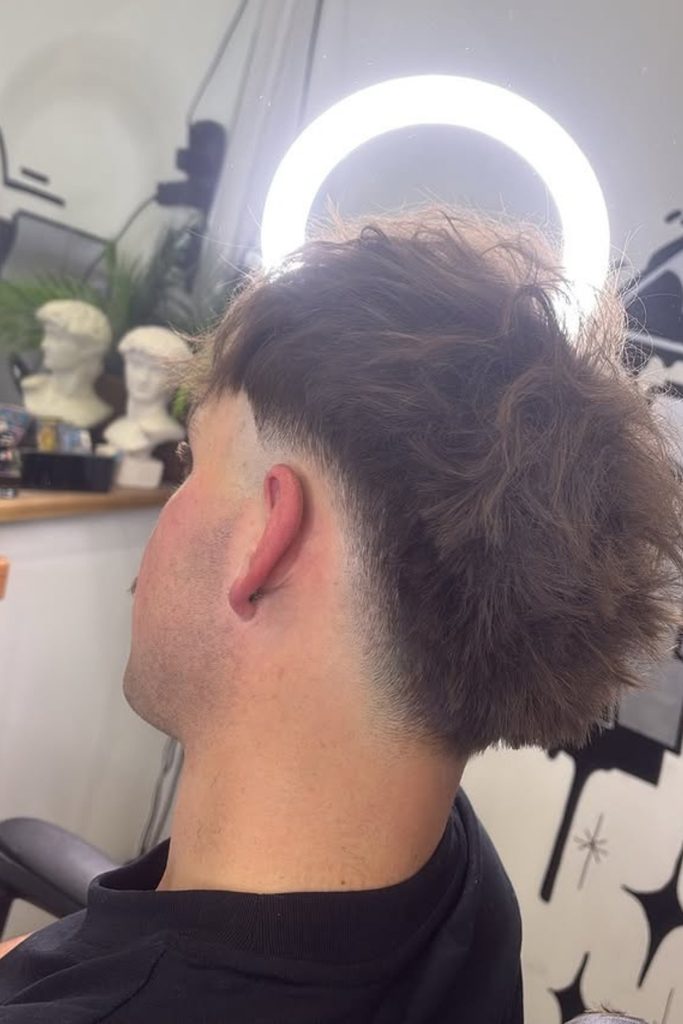
Compact Texture
For a cleaner everyday blowout, keep the top somewhat long and allow the taper sit low rather than riding up the sides.
The textured top still feels breezy and simple to style yet there’s enough shadow around the temples to hold the shape.
Work a tiny quantity of matte paste into dry hair, lifting from the roots so the finish stays separated rather than stiff.
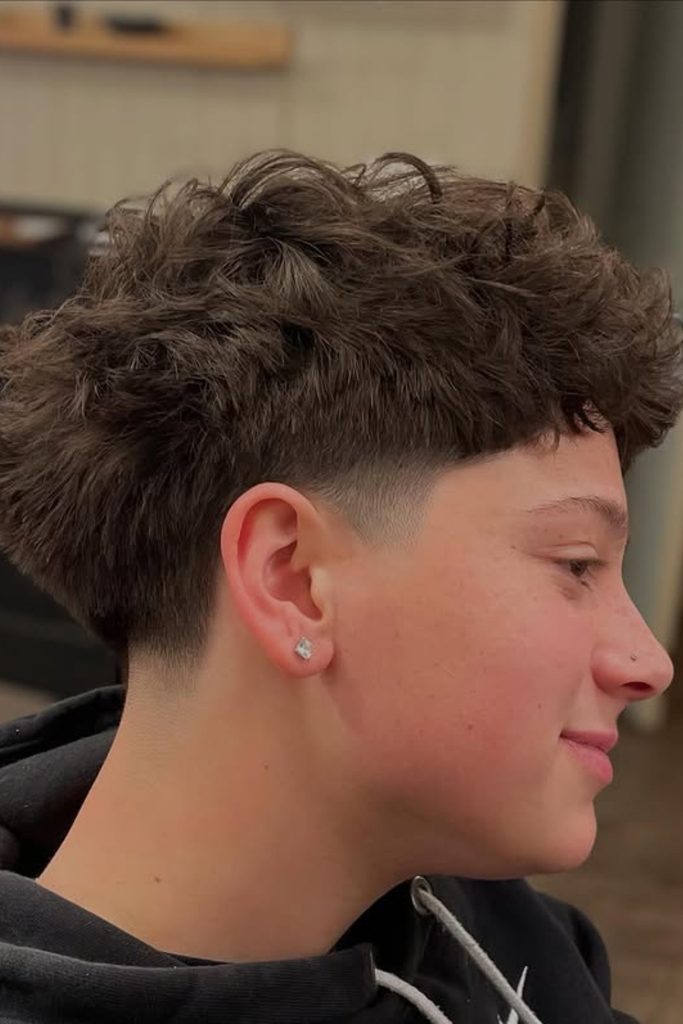
Defined Curls
The defined curls perform most of the styling work here, so the idea is to maintain their shape while quietly tapering the sides.
Leave enough length on top for the curls to coil correctly, but soften bulk at the temples rather than cutting them too high.
Apply a curl cream while your hair is still damp, and then diffuse softly – manipulating the curls too much might turn definition into unwelcome frizz.
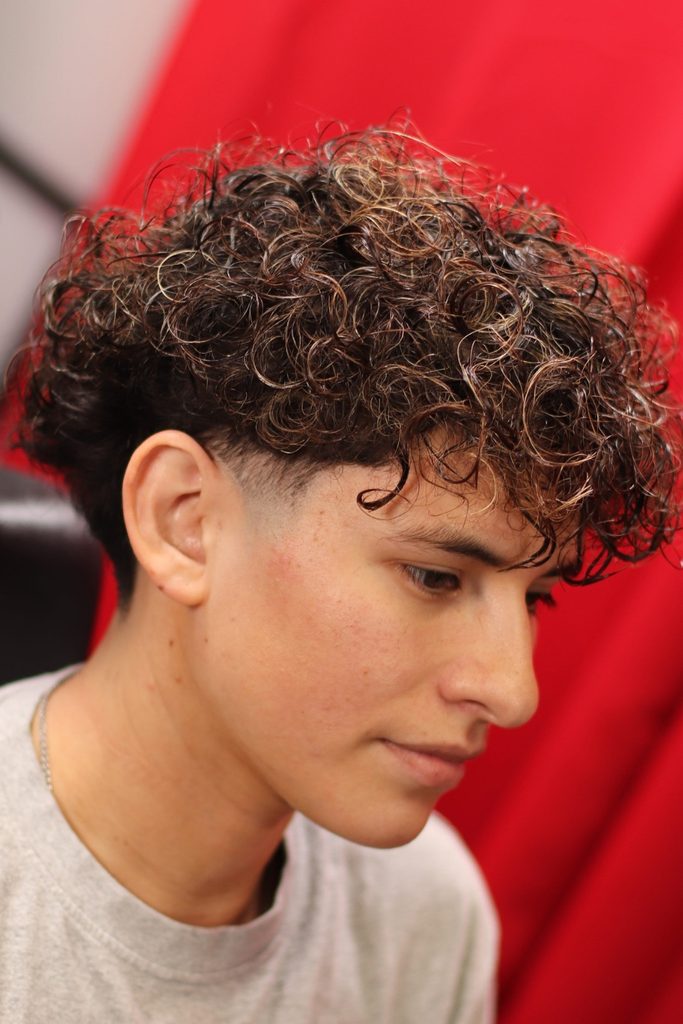
Full Crown
If you have thick hair at the crown, employ that density to create a larger blowout instead of thinning it all out.
A tight temple and neckline fading adds some contrast but leaving the midsection black helps the top look balanced from all angles.
Blow-dry with your fingers for lift and finish with a flexible cream so the waves maintain moving without collapsing during the day.
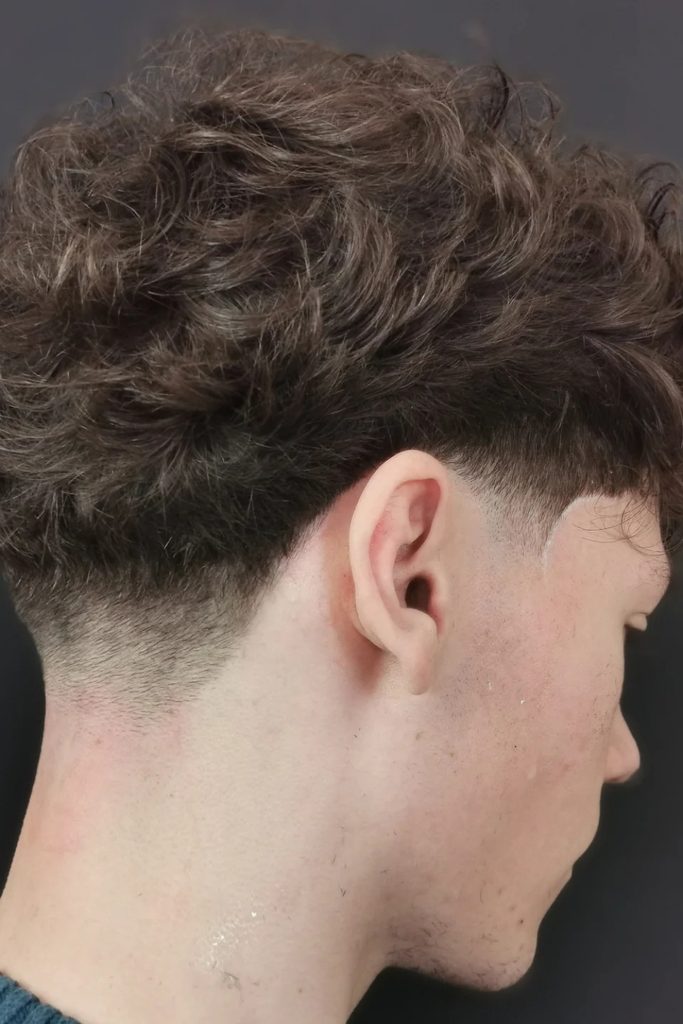
Textured Sweep
Low fade works best with thick texture, because less weight is removed to maintain the blowout balanced instead of top-heavy.
Rather than squashing the crown, ask your barber to blend below so the top part still has lots of flexibility.
Finish with a touch of matte cream, working from the roots out so the strands stay parted without becoming stiff.
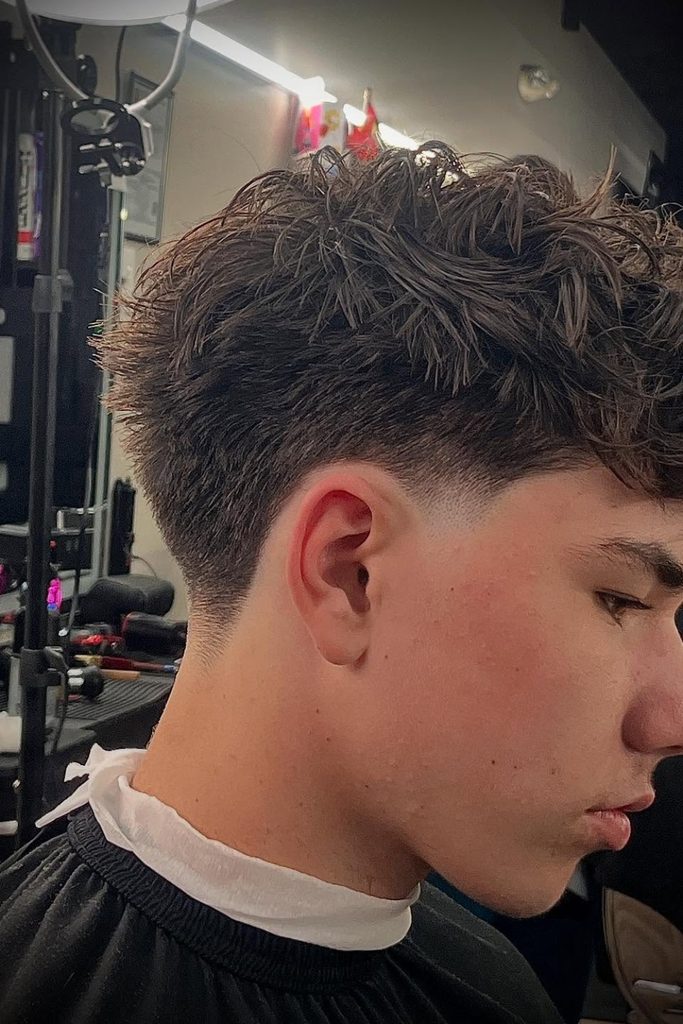
Natural Waves
The shape of this blowout is created by natural waves therefore the smartest thing is to save the bend and not over-thin the sides.
A slight temple taper cleans up the edges leaving enough density above the ear to maintain the overall profile soft and full.
When possible, air dry with a lightweight cream, then use your fingers to lightly tease the front for a relaxed, volumized look.
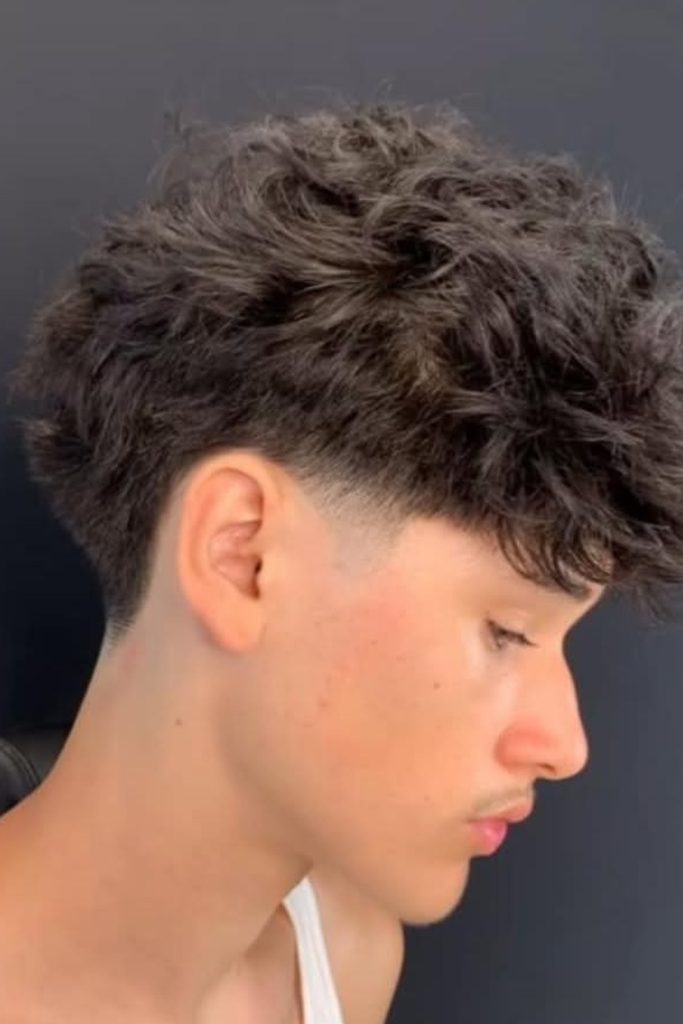
Forward Flip
The haircut has appropriate length through the top, while the taper removes bulk around the lower borders, which makes the flipped front work.
Instead of seeking height, direct the hair forward during blow-drying for a lighter silhouette and let the ends kick out.
Here, all you need is a flexible styling cream, but heavier clay might weigh the fringe down and steal the blowout of movement.
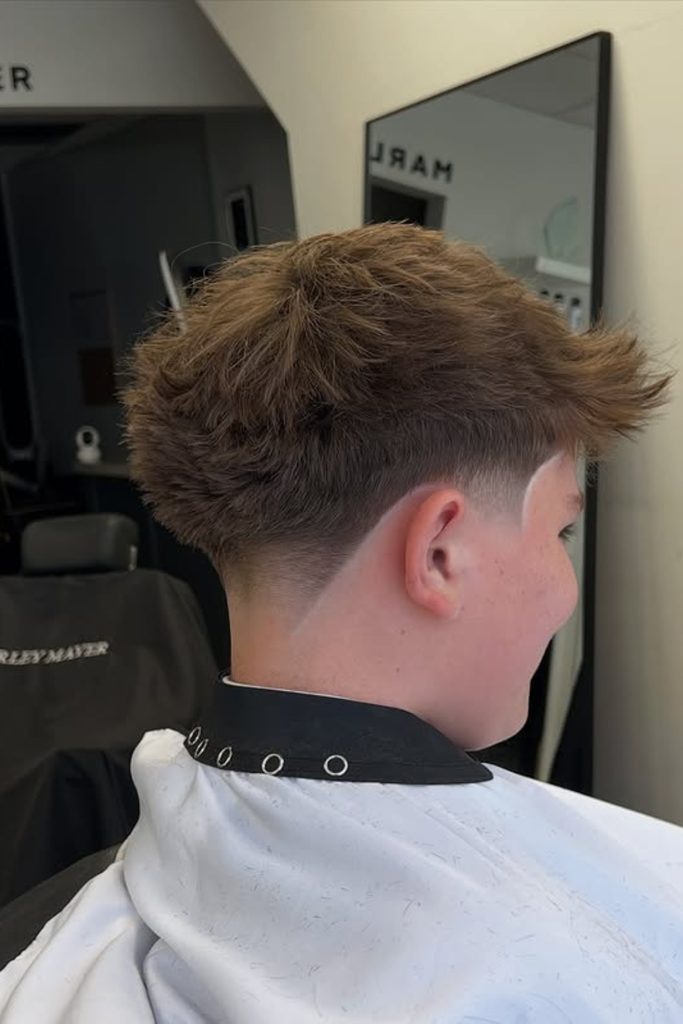
Wavy Volume
Wavy hair can easily work this shape, provided you keep the temple fade clean and the crown naturally loose.
The best way to avoid a disjointed look with the haircut is to leave some darkness up above the fade, especially if the top has a lot of texture.
For everyday styling, scrunch in a light cream on damp hair and let the natural wave do the work to build volume rather than forcing it out.
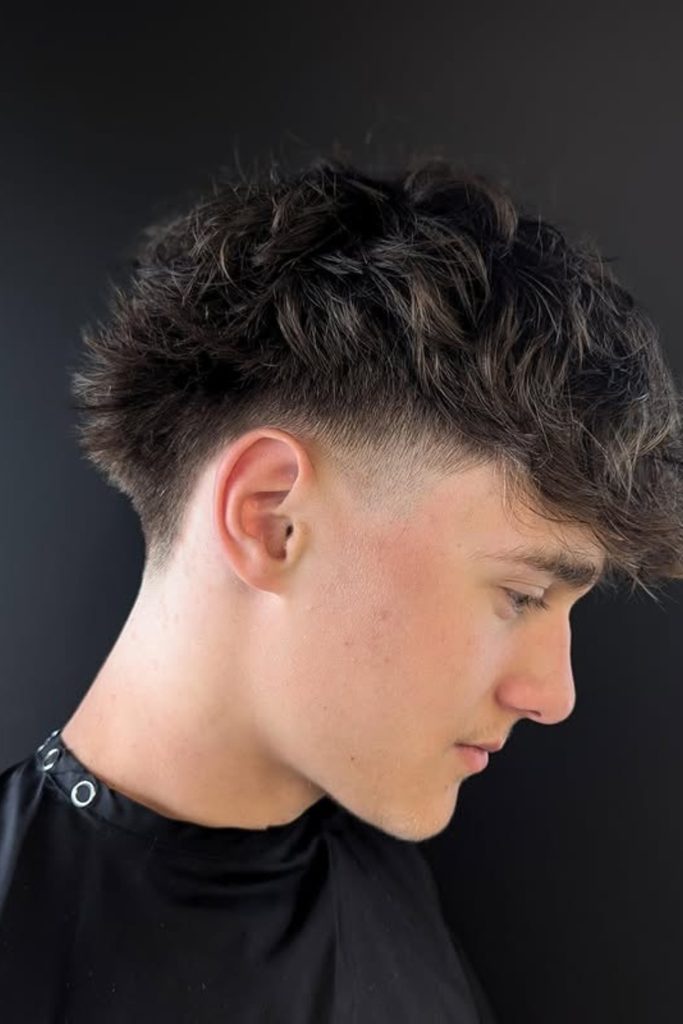
Sharp Contrast
Sharper contrast helps this blowout feel bolder, especially if the skin fade is low enough to preserve weight over the temple.
The darker band on the sides maintains the transition connected and the longer top allows you room for lift and movement.
For styling, blow dry upward using your fingertips, then finish lightly with matte clay so the top stays airy, not stiff.
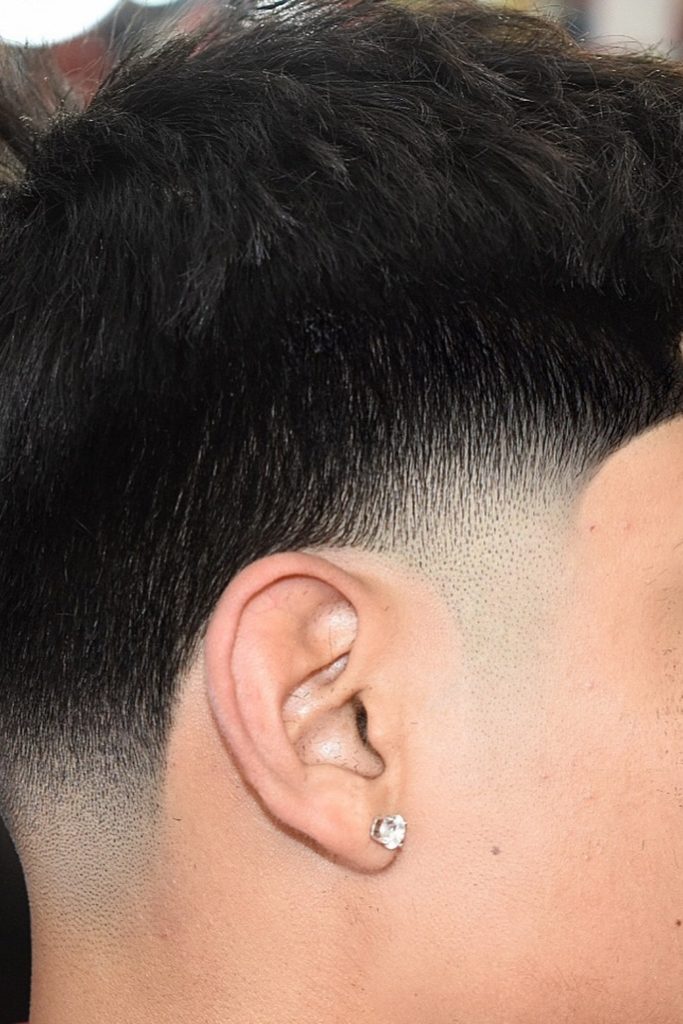
Curly Beard
Natural curls add enough height here that the fade may remain discreet and texture can do most of the job.
That softness along with a crisp beard line provides the hairstyle structure without feeling too sharp overall.
A curl cream and low-heat diffuser are all you need for everyday style. Regular edge-ups keep the beard and fade balanced.
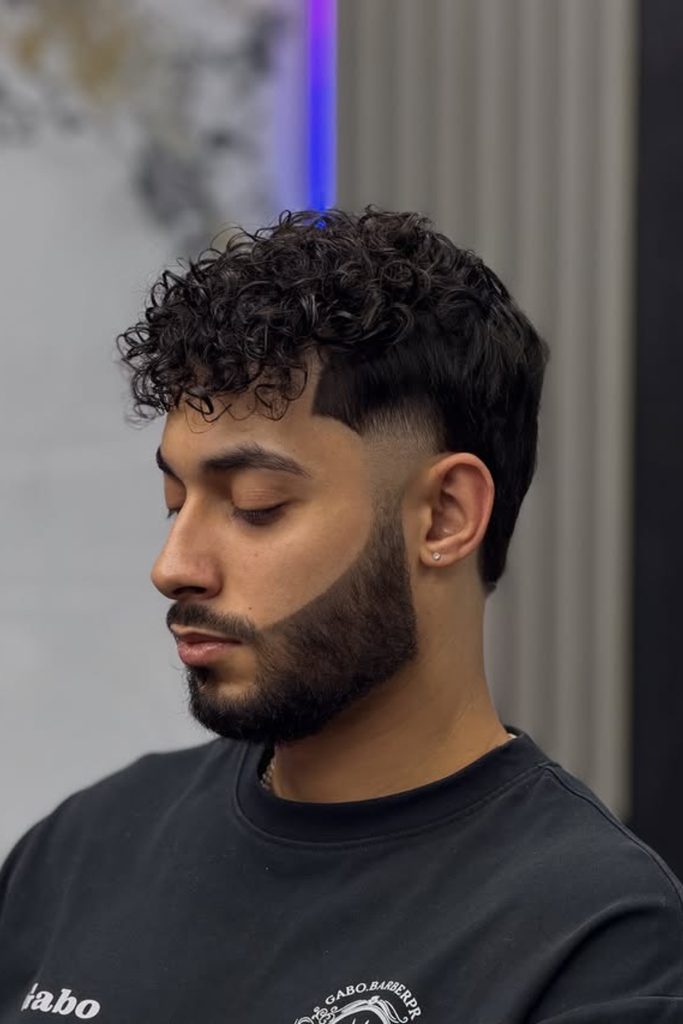
Wavy Back
This style works best when the back is left full, the extra length gives the blowout a softer, more flowing appearance.
Don’t fade the top too high, but keep the neckline taper narrow so the crown can merge nicely into the longer back.
A lightweight cream will calm flyaways without flattening the waves—which is important when movement is the primary aspect of the hair cut.
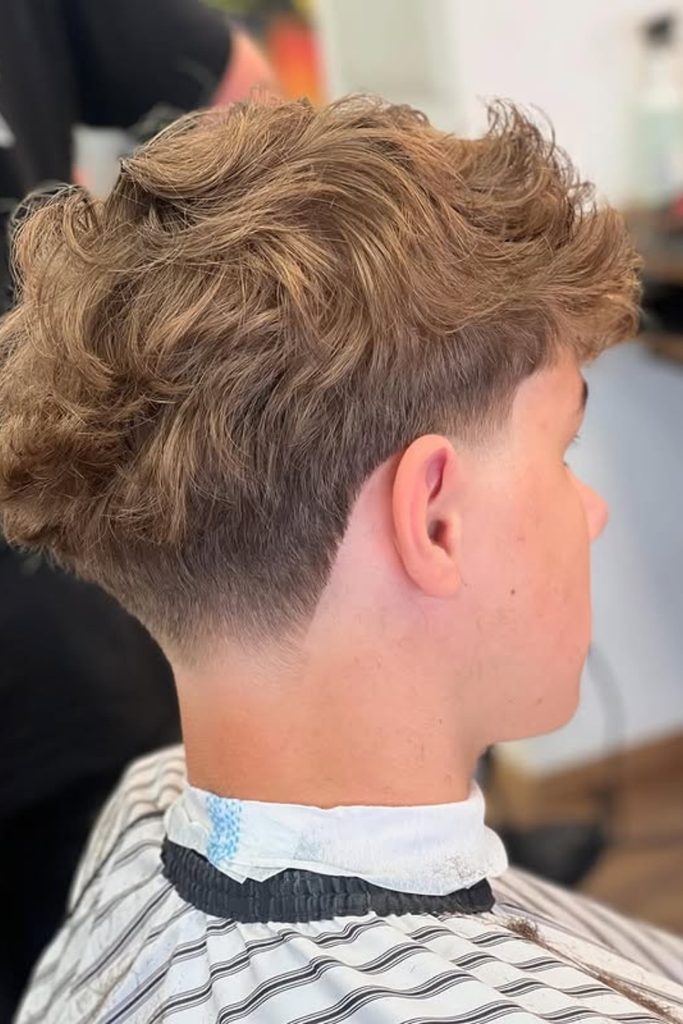
Rounded Curls
With the thick curls, this blowout has a natural rounder contour, so the cut should be more about shaping than removing too much mass.
The fade just needs to tidy up the temple and neckline with enough darkness around the sides to support the bigger top.
Define your curl pattern in the shower with a cream or mousse and then diffuse lightly so the volume rises without a dry fuzzy finish.
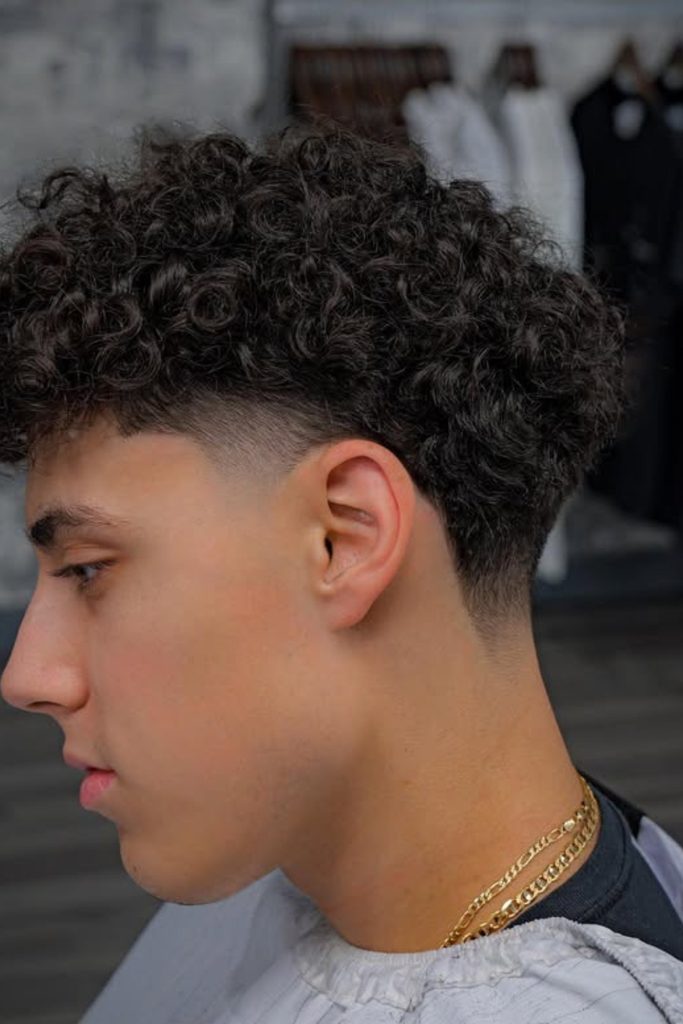
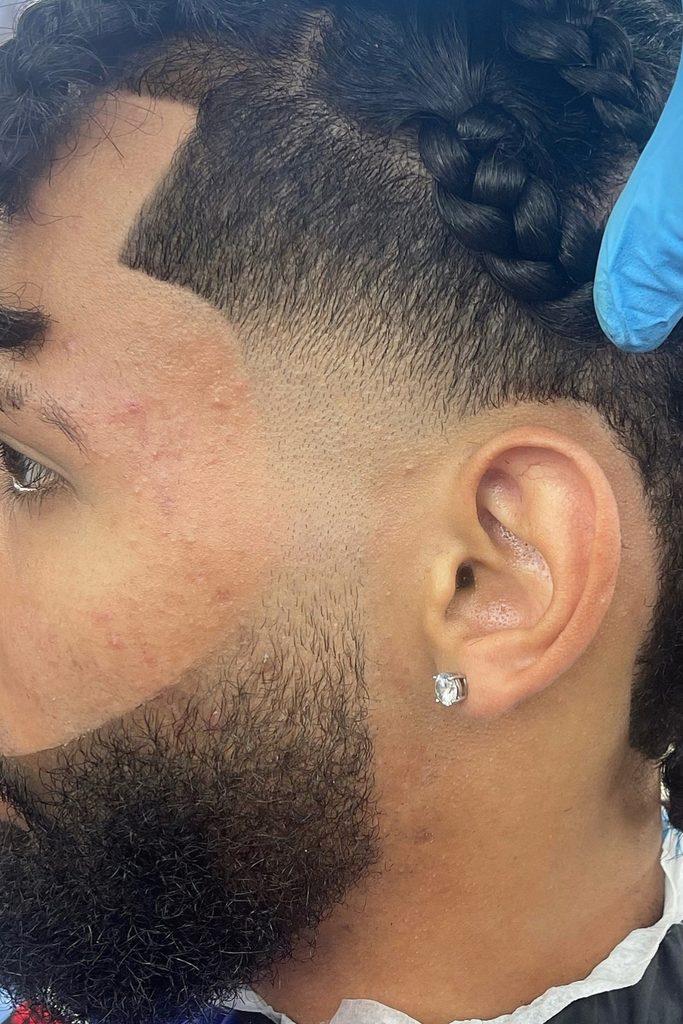
Braided Contrast
Braids take the blowout fade to a whole new level. While the temple area is sharply regulated, you can preserve a lengthy texture.
The narrow fade around the ear helps keep the length of the braids from feeling too heavy, especially if the sides are maintained clean and defined.
To keep it clean, line up the temple lineup to the edges of the beard and keep both in shape periodically so the whole look stays deliberate.
FAQs
How Often Should You Refresh a Blowout Fade?
Most blowout fades look their best for around two to three weeks, although the edges can soften sooner if you’re growing out hair quickly.
You can get away with extending your appointments by cleaning up the neckline and temples, but don’t try to trim the fade yourself if you’re not comfortable blending.
Can Straight Hair Work With a Blowout Fade?
Yes, you can have a blowout fade with straight hair, but it usually takes a certain amount of length on top and an intentional blowout to get the lift.
A barber can add internal texture or remove bulk in a planned way to allow the hair to move up instead of laying flat against your skull.