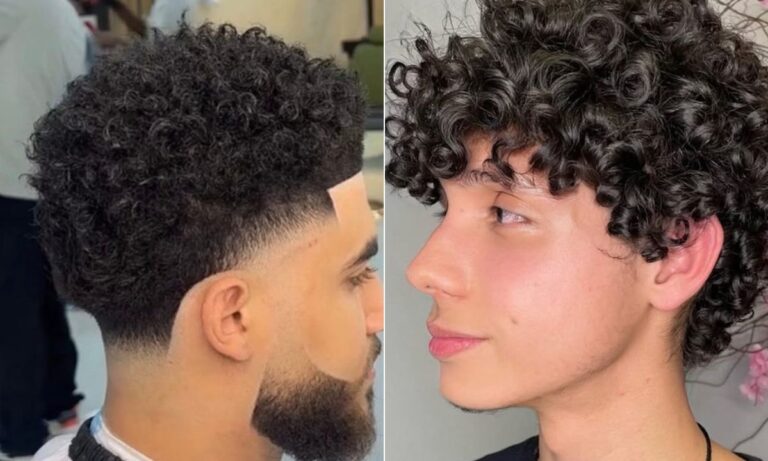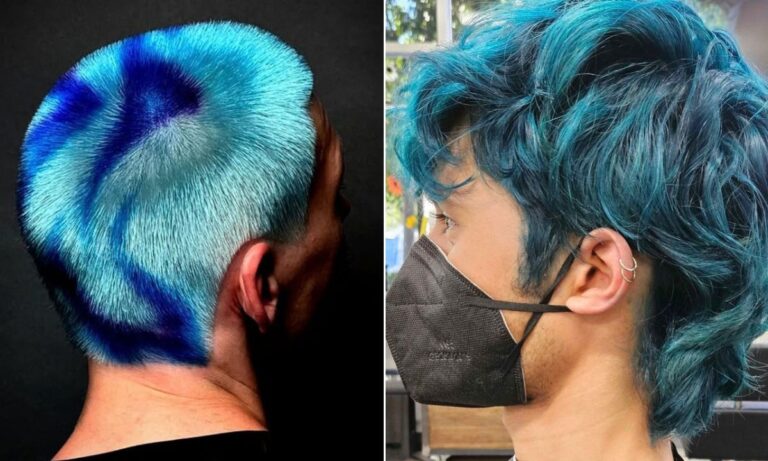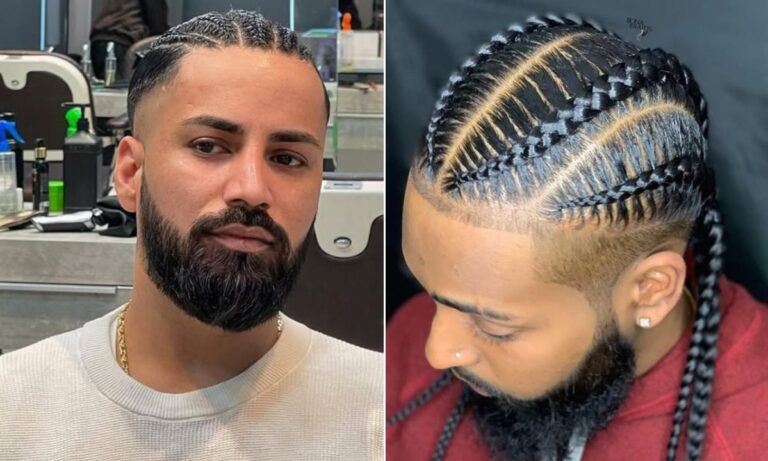
With an oval face you have quite a few alternatives regarding your haircut but that might make choosing a hairdo unexpectedly complex.
A haircut might work for your face shape and still appear off due to your hair texture, density, and hairline.
Even little decisions like including too much height, trimming the sides too tight, or selecting the wrong fringe can alter how balanced your face appears.
This post will help you explore, discover and locate oval face hairstyles for men of varying lengths, textures and hairlines.
Which Hair Length Works Best With an Oval Face?
Because oval features have fairly even proportions, short, medium, and long styles can all work.
For easy maintenance and more definition of the face, short hair is worth considering, while medium length.
Longer hair can work just as well, especially if it has layers or natural movement and isn’t all hanging flat.
If your face is already visibly long, be wary of high height on top and very tight sides since it will visually elongate it further.
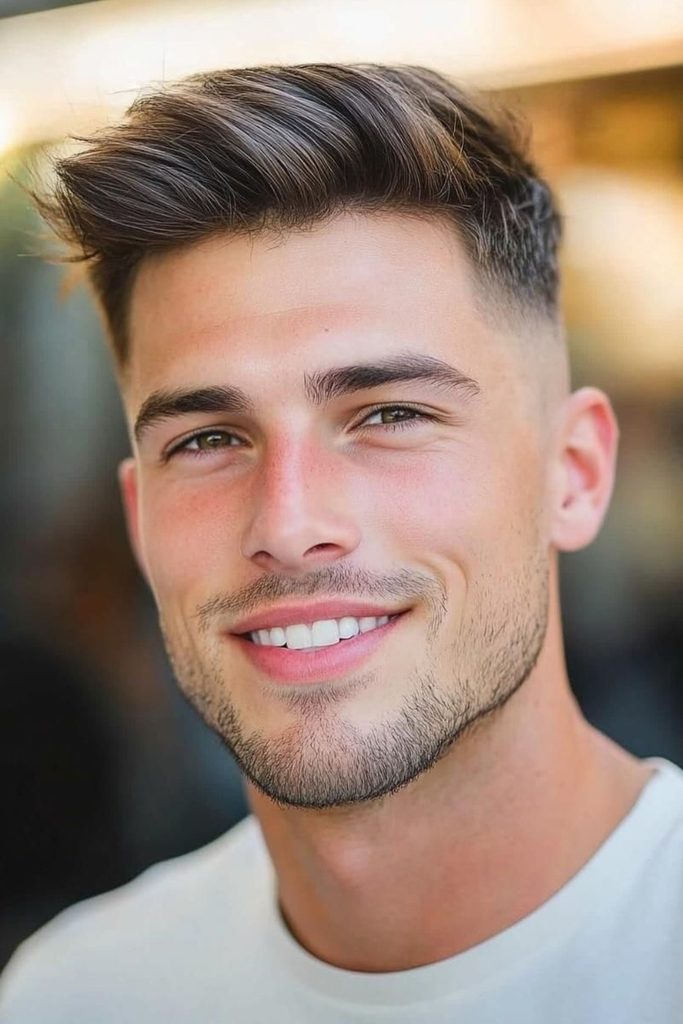
Textured Quiff
Keep the front soft and textured but elevated to give you contour without adding too much height to your oval face.
The short fading sides are sharpening the outline while the fullness above is just enough so the haircut doesn’t feel too narrow.
If you have naturally straight, thick hair, use a little quantity of matte product, working it backward for a slightly loose finish.
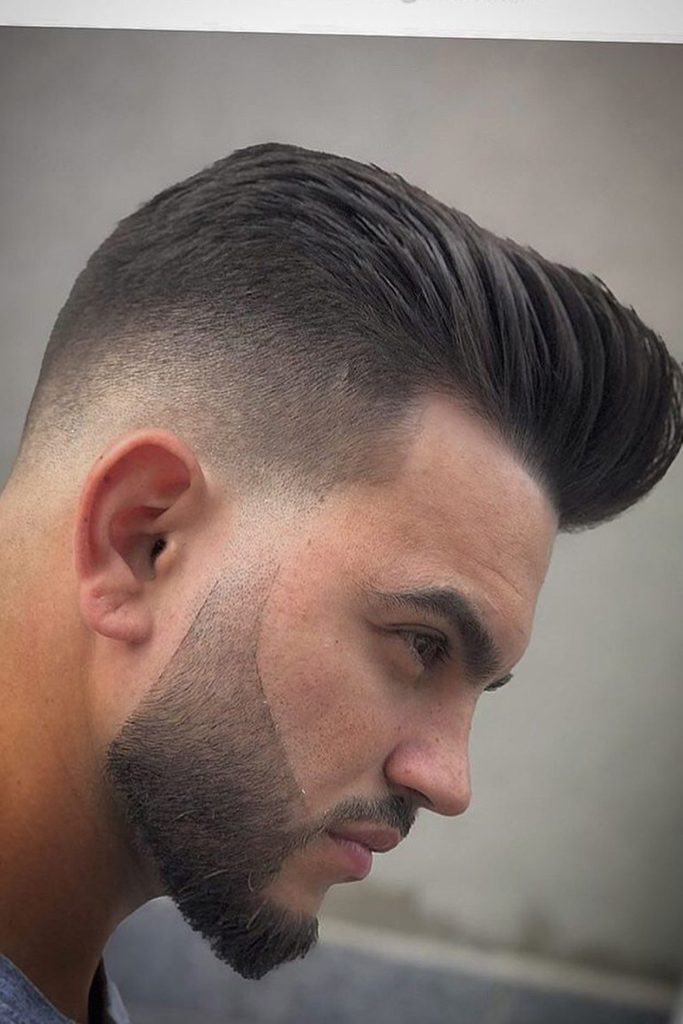
Faded Pompadour
Want something a bit more pointy? This pompadour gives a neat high-contrast finish with precisely faded sides and controlled reverse volume.
If you have an oval face that’s a little long, don’t add much more to the top, which already adds obvious height.
Ask your barber to leave a lot of length on top and then blow-dry it back. Finish with pomade for a smooth hold that lasts.
Swept Quiff
This quiff is easy to wear with a soft movement, for volume without the stiffness of traditional styling.
A bit of weight across the sides lets the longer swept top fit naturally against balanced oval facial proportions.
This style is perfect for thick straight or slightly wavy hair, especially when you separate the front strands with a lightweight paste.
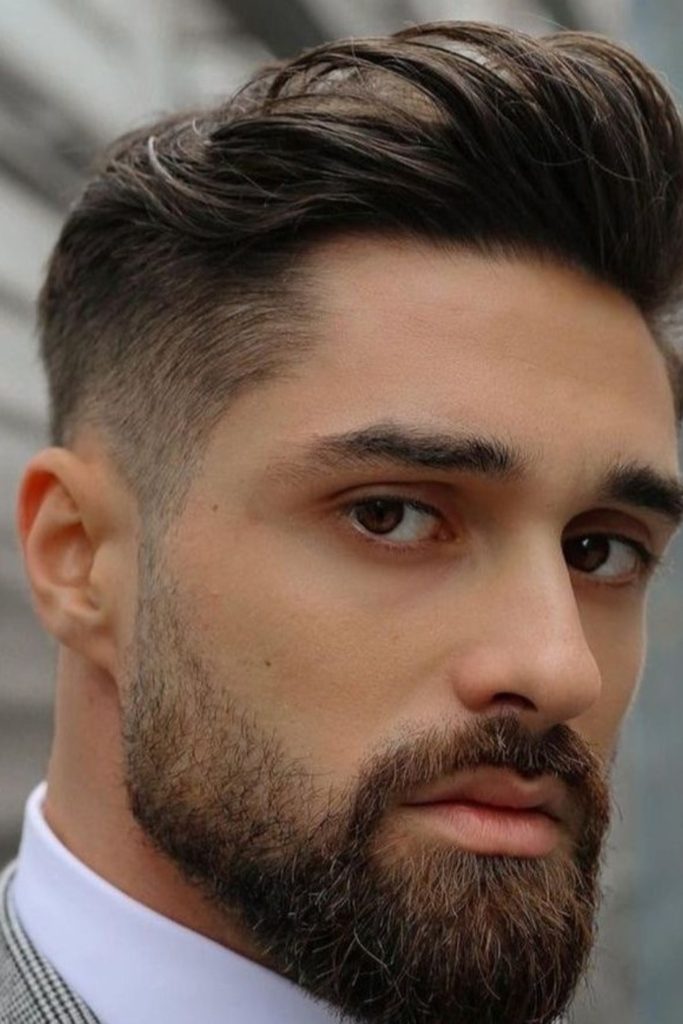
Classic Side Sweep
Being clean doesn’t have to mean being flat; a little amount of front lift gives this side-swept style just enough structure without dominating your features.
Sides with the scissors give a little extra width around the temples, handy for case you want to prevent a severe fade.
Finish with a polished look that feels comfortable every day by combing the top diagonally backward with light style cream.
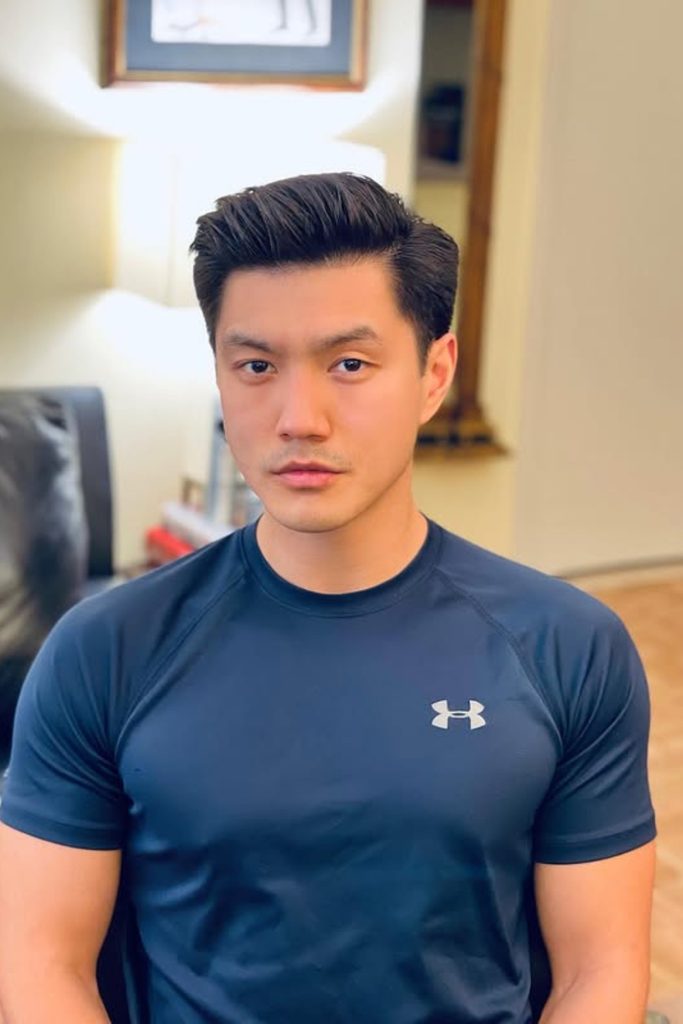
Slicked Taper
Slick the longer top back and taper the sides gradually for a sharper finish without towering volume.
“Keeping the top flowing backward rather than straight up helps avoid unnecessarily stretching the look of an oval face.
Here it works especially well with dense straight hair and a medium-hold pomade to keep those combed parts in check all day long.
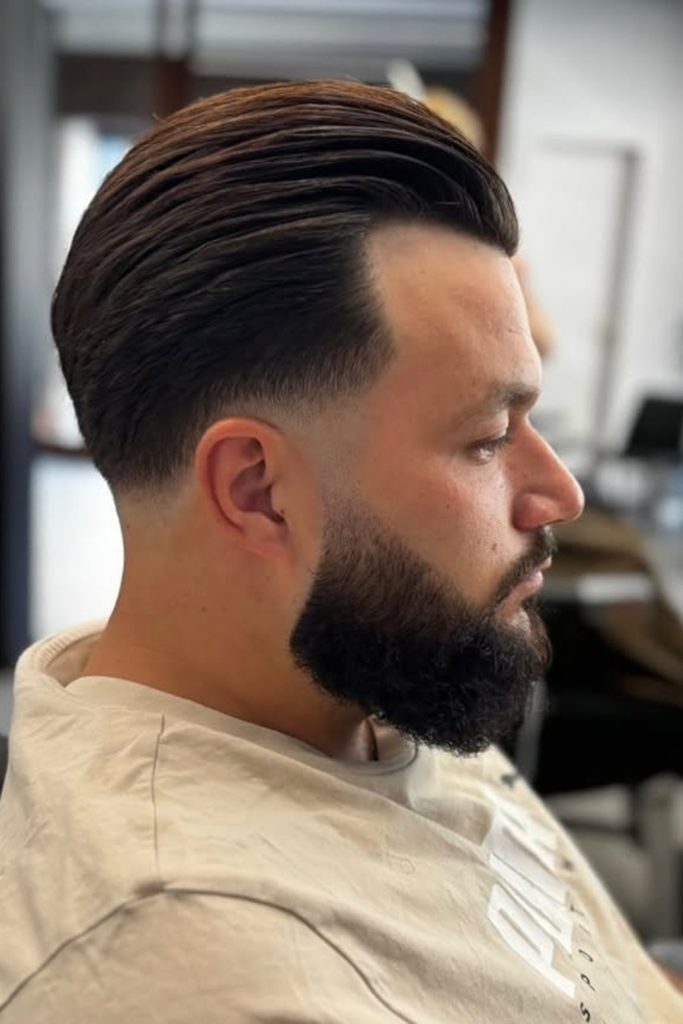
Defined Side Part
No hair out of place here. The hair is divided into a distinct section that directs the lengthier top away from the forehead.
Moderate height on top, tapered sides, and an oval face shape without making the whole appearance too tall.
If your hair tends toward straight blow-dry along the part and then add a little lightweight pomade for that smooth separation.
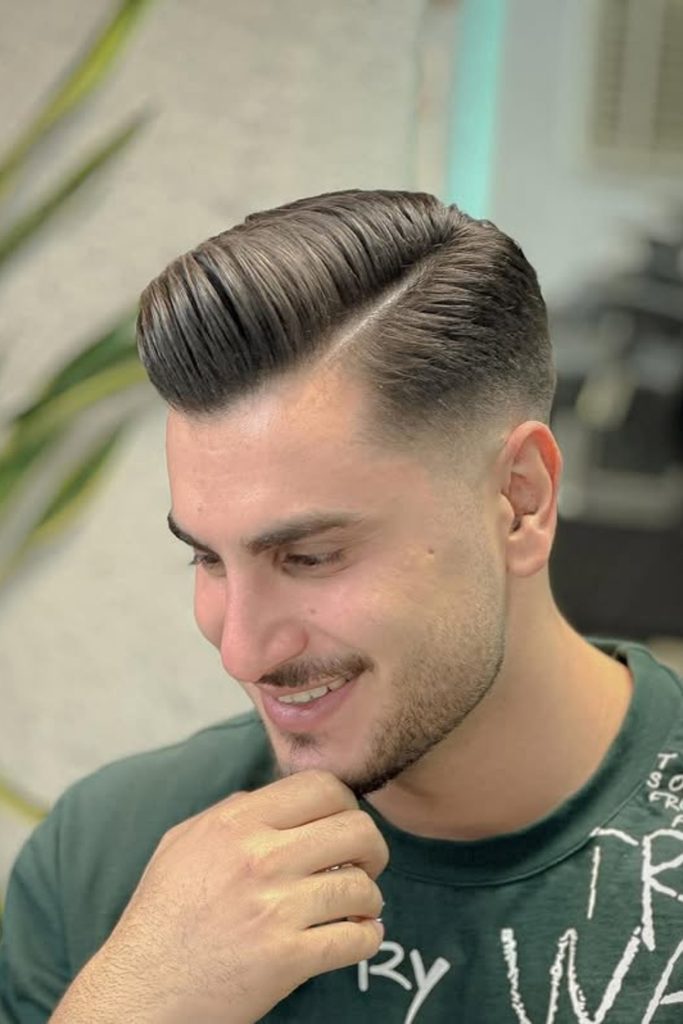
Layered Side Flow
Letting your hair grow? Soft layers and a sweeping movement will prevent medium-length hair from lying flat against an oval face.
The broader sides give natural width and the loose front gives mobility without being exaggeratedly tall.
Request connected layers that maintain the length around the ears, then use styling cream to induce those relaxed bends.
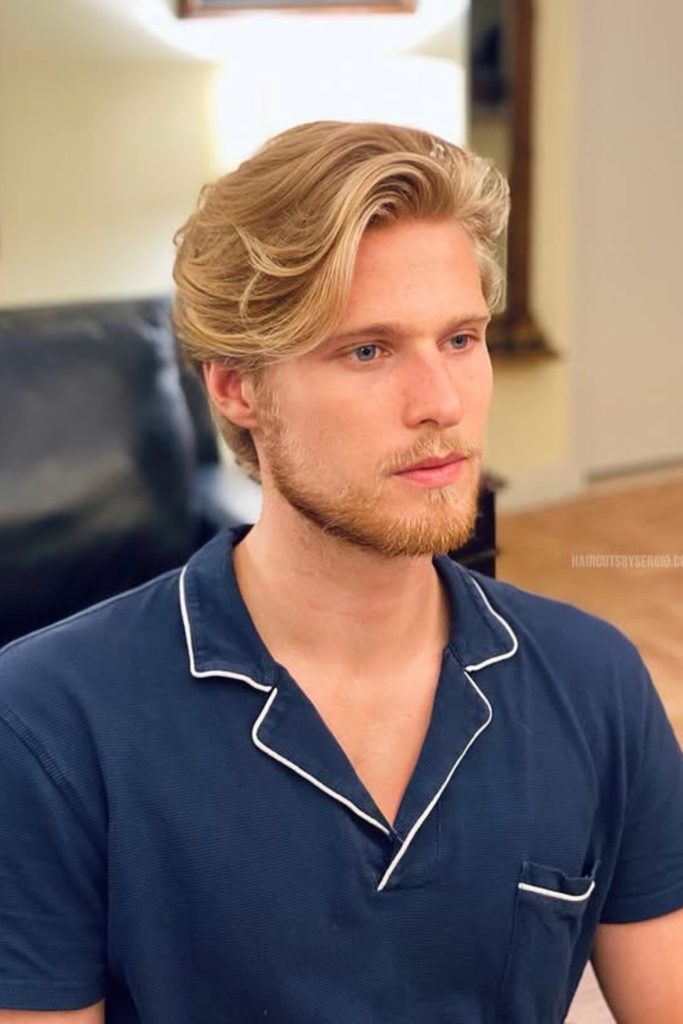
Relaxed Middle Part
Not every oval face type needs to have crisp fades and a slack center part allows the shape to look natural and quietly organized.
The forehead is framed by modest fullness around both temples, but without the narrow appearance caused by skin-tight sides.
Then use your natural part as the guide, and finger-style lightweight cream through the top for smooth everyday movement.
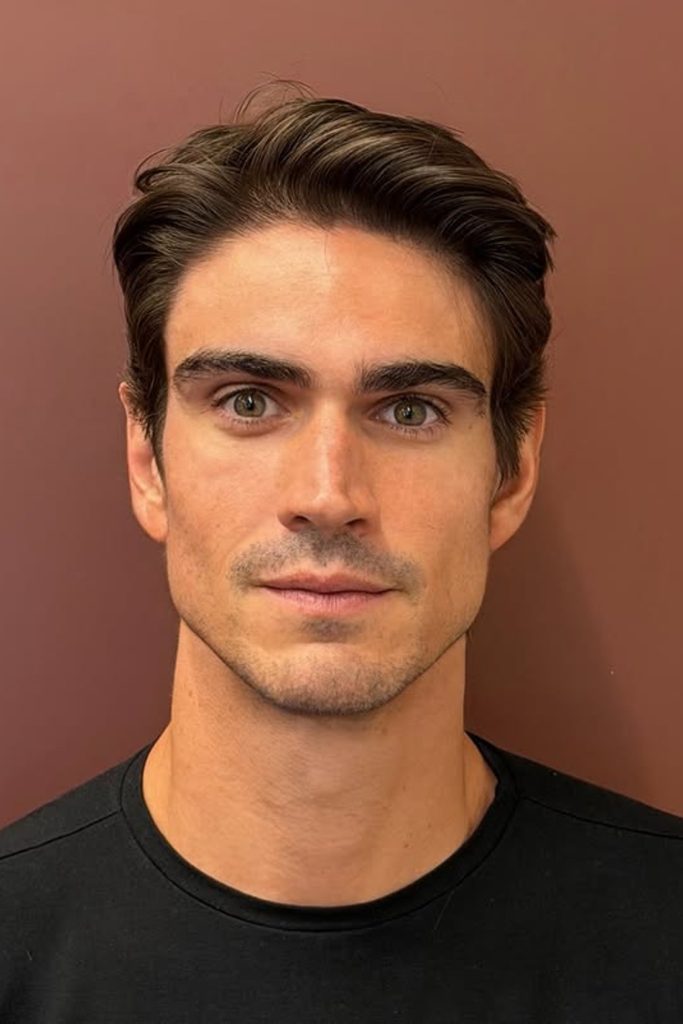
Layered Brushback
More length might be appealing if it goes back and out rather than straight up over an oval face.
The layered sides (not faded) increase usable width and the sweeping front gives thick hair controlled flow.
Try a style cream instead of stiff gel to keep the natural bends in place for a gentler look.
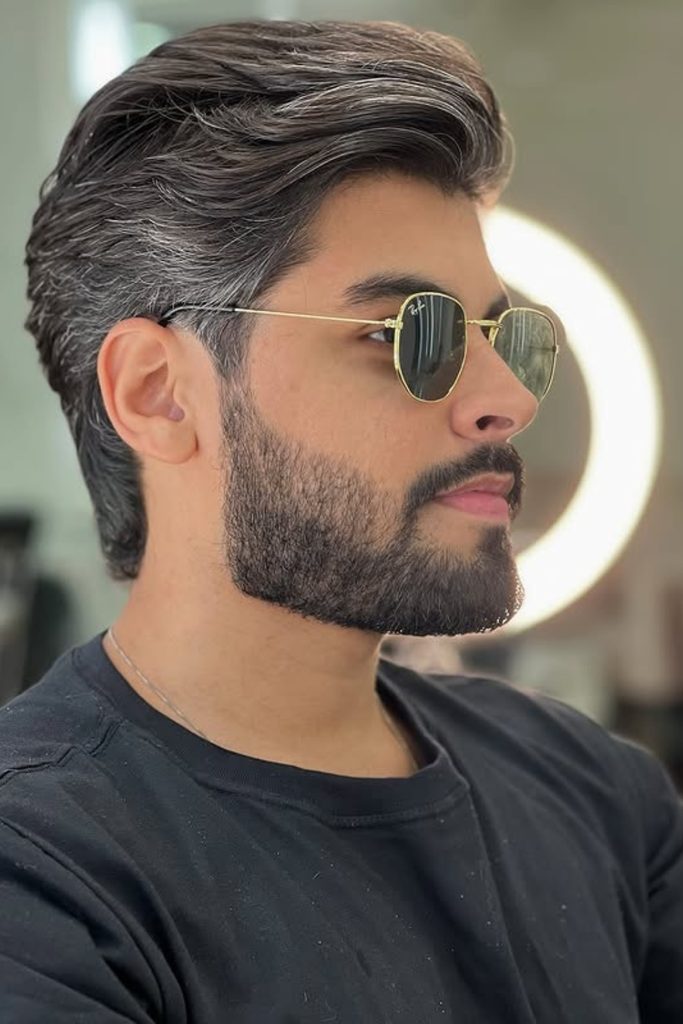
Blunt Crop
Short hair is especially useful here, a short fringe keeping vertical volume almost entirely off the agenda.
This is a straightforward option for those who like to style minimally on a daily basis as the slow fade effectively removes side bulk.
Ask for an even top crop with a straight textured edge, and let your natural density give it shape.
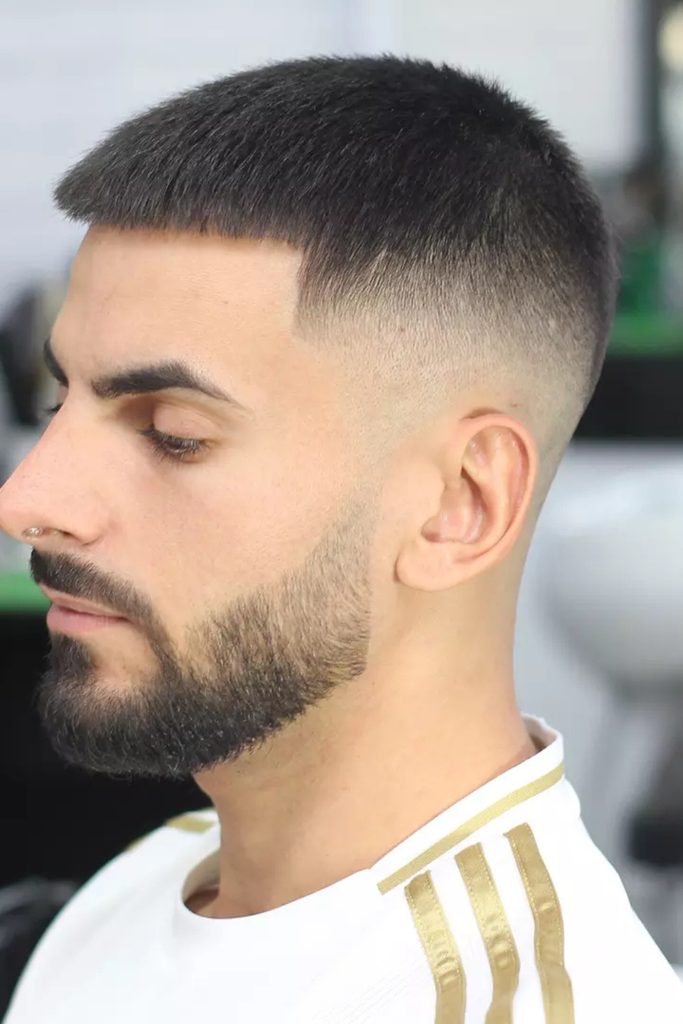
Voluminous Quiff
For thick hair, a sculpted quiff can work with the density, rather than against it, if your hair holds height on its own.
Moderate side length prevents the silhouette from being too narrow, which is important when the front already has a lot of volume.
Blow-dry up and slightly back, then apply matte paste to keep the separation without making the top look too rigid.
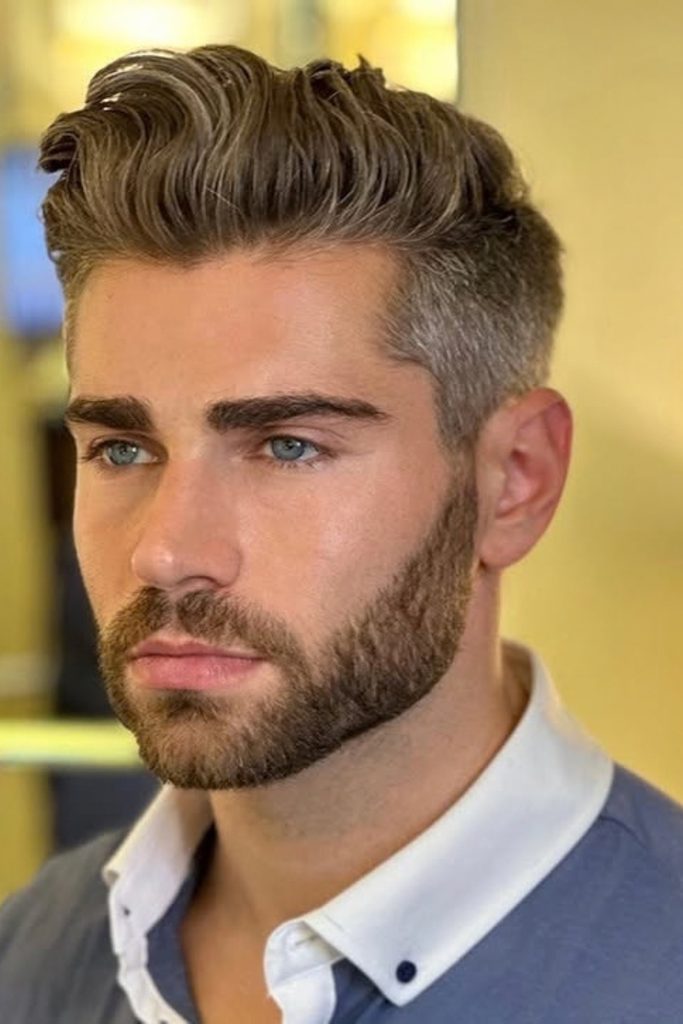
Curtain Layers
Another option for framing an oval face without fades or strong razor lines is to go for longer curtain layers.
The front parts curve toward the temples, providing width and movement while still allowing enough forehead visible between them.
If you have naturally wavy or bendable hair, ask for connected layers and allow lightweight cream encourage the curtain shape.
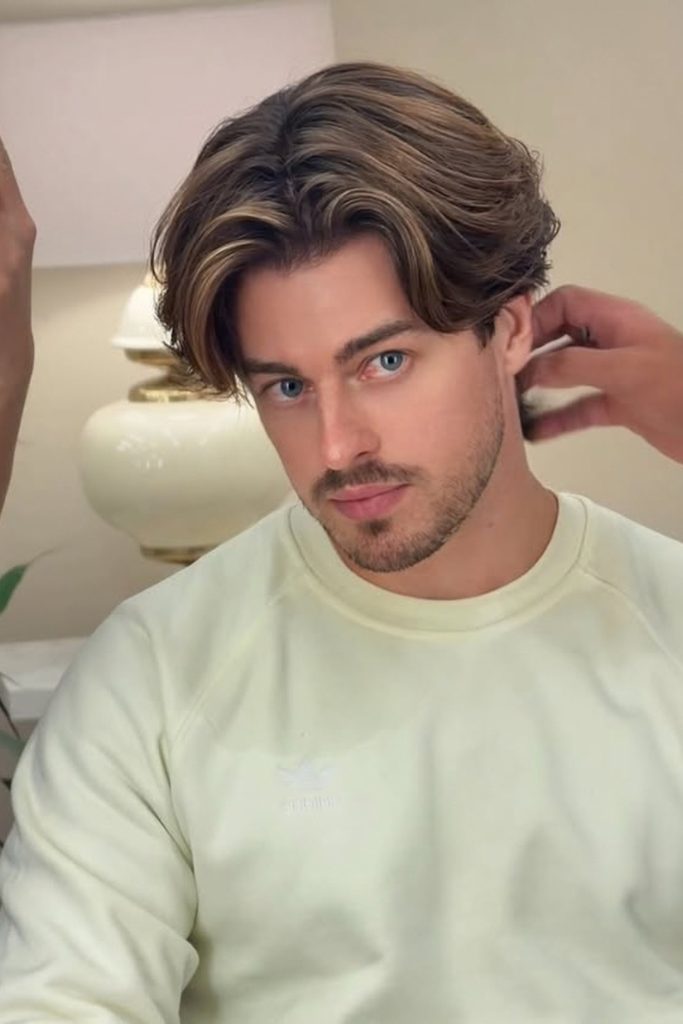
Tousled Crop
Textured bits on top add movement for short hair that looks polished, but not too polished, while keeping height in check.
The softly faded sides minimize superfluous bulk and allow an oval face to remain distinct, without generating an extreme thin shape.
Work the matte paste between your fingers, running it through the top, keeping the separation uneven rather than completely combed.
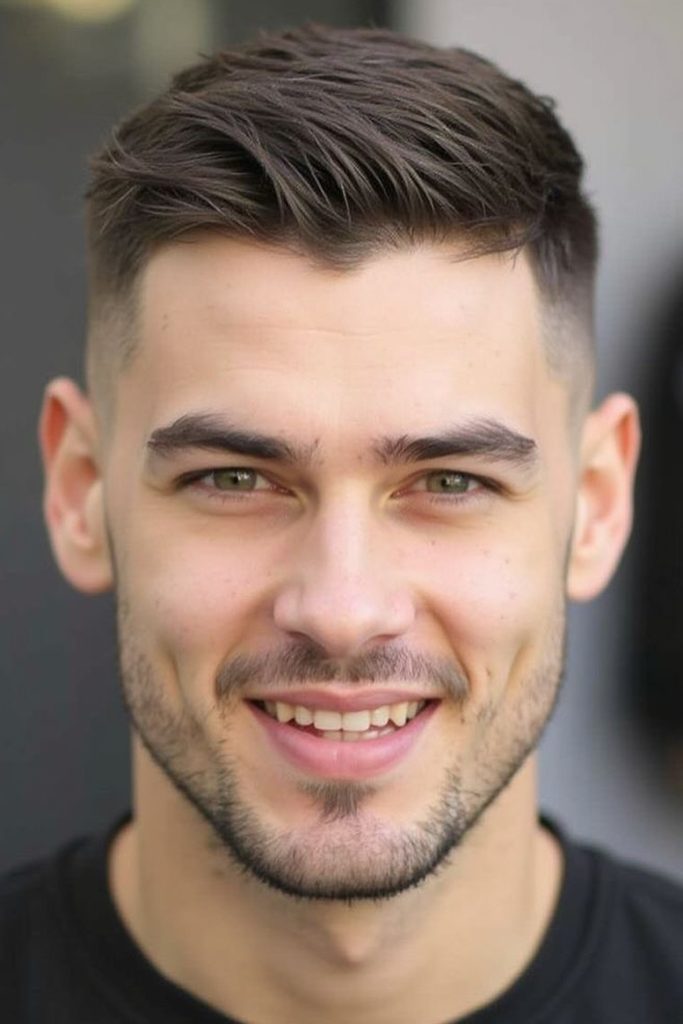
Wavy Brushback
The lengthier brushback harnesses the volume of natural waves without forcing everything vertically, allowing them to move.
Fuller sides help to balance the flowing top, and make this especially effective if you’re after medium length without a dramatic fade.
Use your fingers and some styling cream to sweep damp hair back, letting individual waves fall where they will.
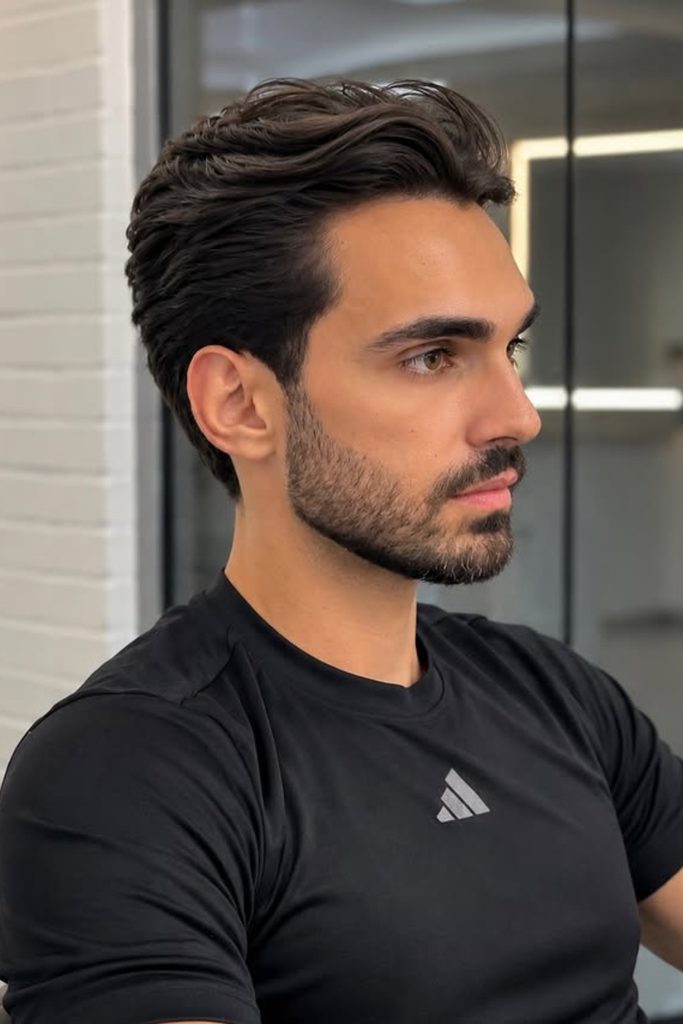
Short Taper
Still have enough texture for simple style with this tiny taper, short top length makes busy mornings easier.
The gradual side fade is nice and clean, with no harsh contrast as you get with a stronger skin fade.
Ask your barber to leave the length in the front manageable and use matte clay to add modest lift and separation.
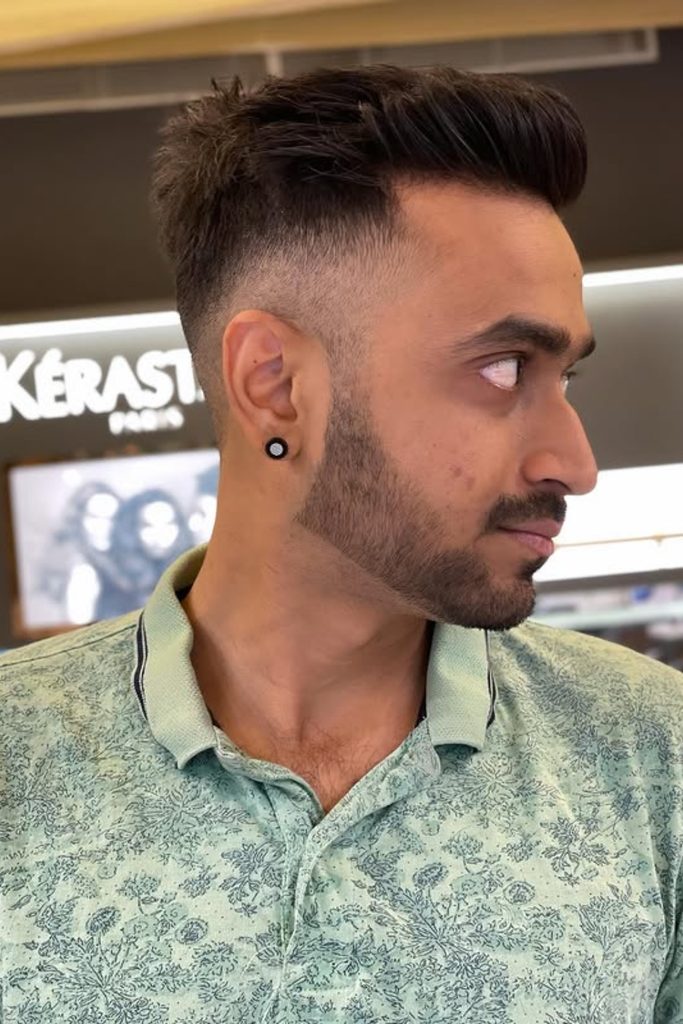
Curly Fringe
Letting the front fall forward allows curly hair to naturally frame an oval face rather than strain it upward.
Fringe breaks up long bangs and faded sides regulate thick curls around the ears and temples.
Keep enough top length to see the curl definition and don’t brush the natural pattern out – use curl cream instead.
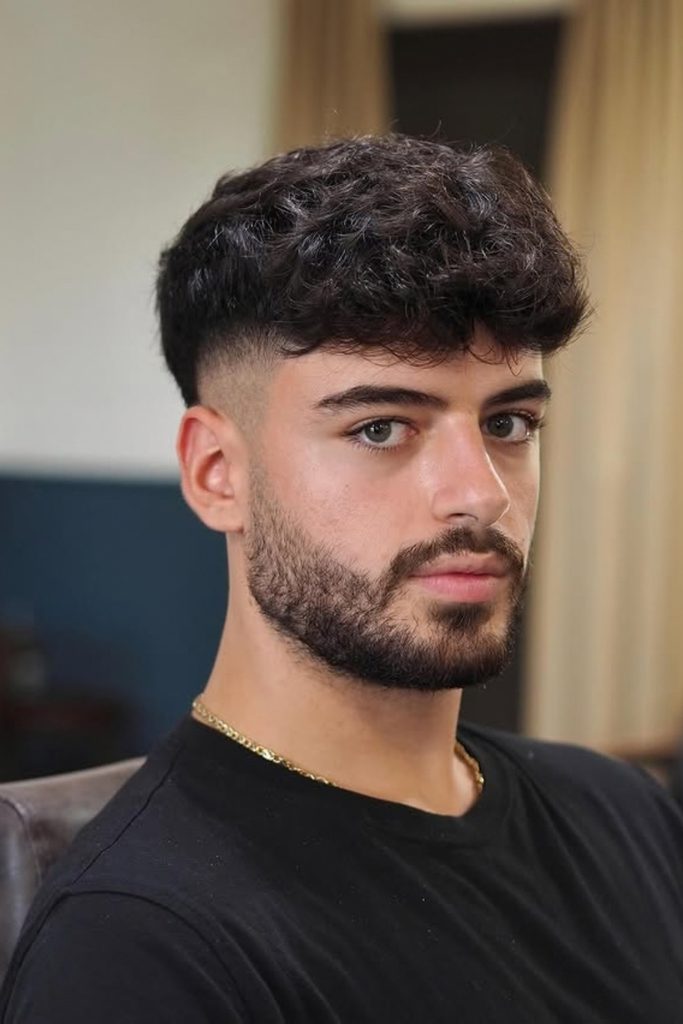
Flowing Curtains
Longer curtains are handy if you want to subtly frame your oval face rather than show it all off with the shorter sides.
The long front adds width at the temples, while layered ends keep medium hair from seeming heavy or flat.
Allow a natural center part to grow out and maintain movement with a light cream without pushing for precise symmetry.
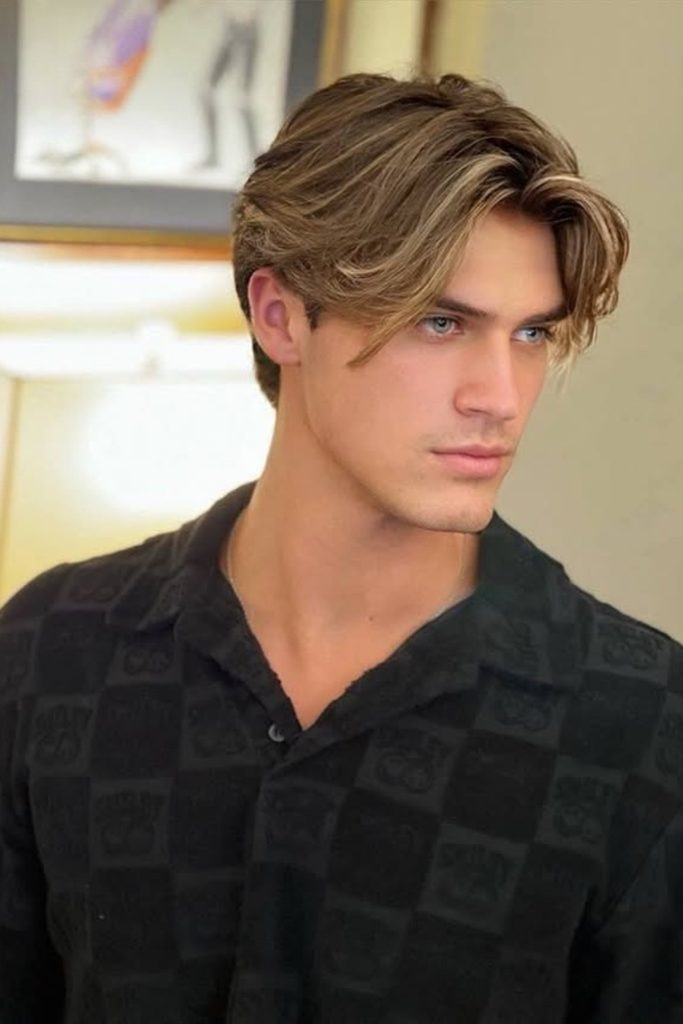
Textured Fade
This short texture provides you definition without a lot of height, and this fade is easy to maintain in between barber sessions.
The blended sides allow for a smooth transition, while the somewhat uneven top prevents dense hair from becoming too stiff.
When you want stronger separation across the top, work a small bit of matte paste forward with your fingers.
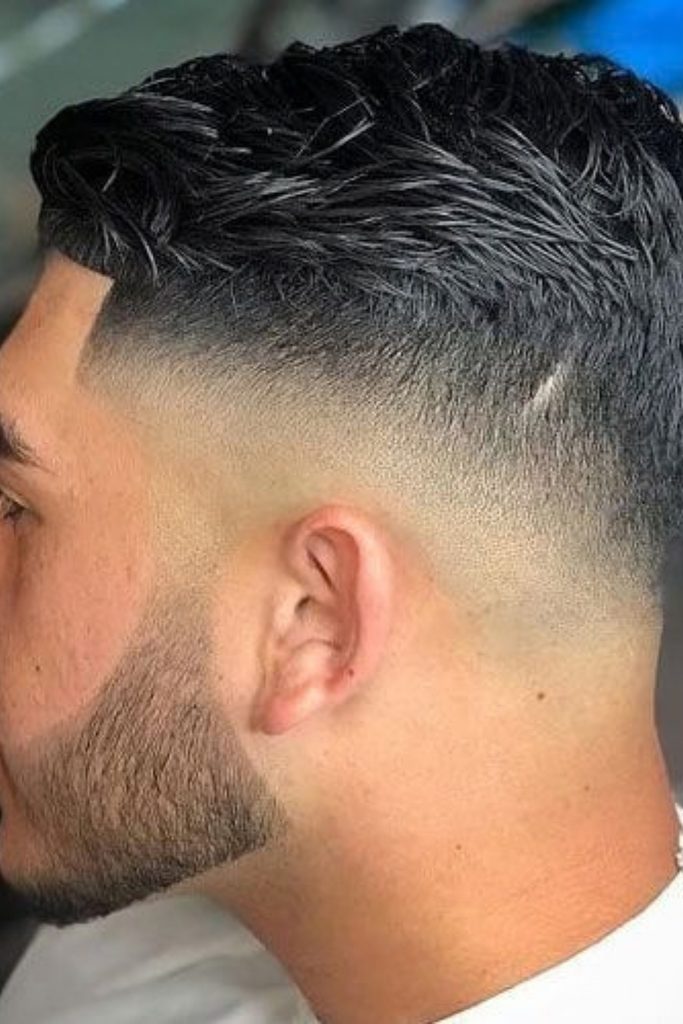
Brushed Pompadour
Thick straight hair, swept from the rear to the front, gives polished volume and a fully open and defined forehead.
The progressive side blend allows for adequate structure underneath the top so the haircut doesn’t get overly narrow.
“Use a blow-dryer to get the direction, then finish with a medium-hold product so the front is controlled but not stiff.”
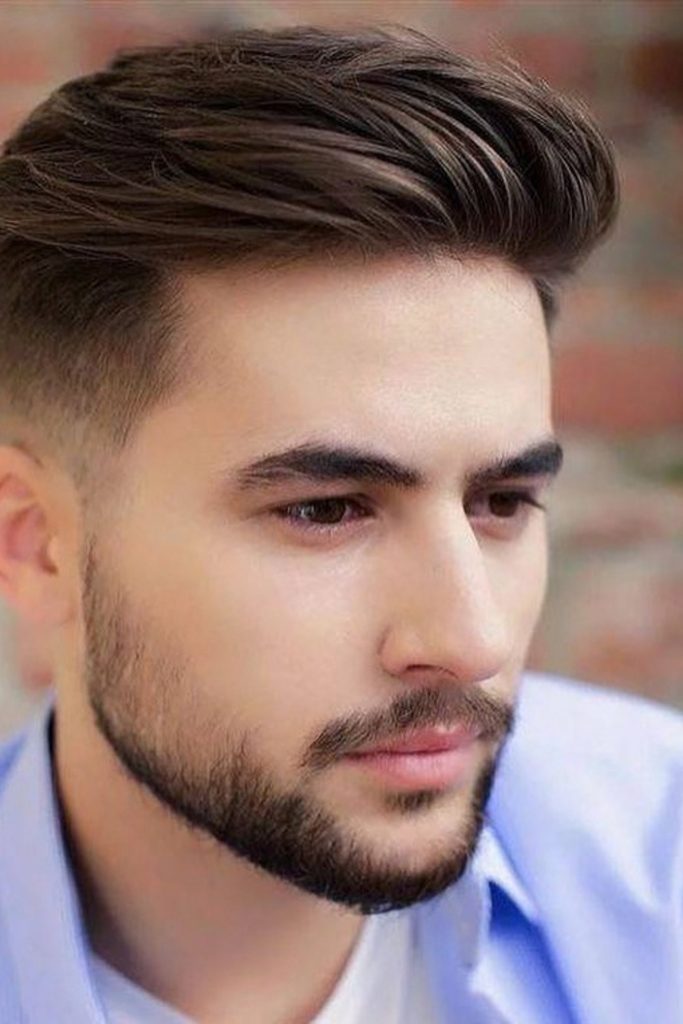
Hard Part
A set part immediately provides longer top hair direction, especially when you like a cleaner finish rather than a sloppy texture.
By keeping the fade shorter along the sides, you add contrast without letting the top overwhelm your oval facial proportions.
Request a clean part, then slick back the top with pomade for reliable everyday hold.
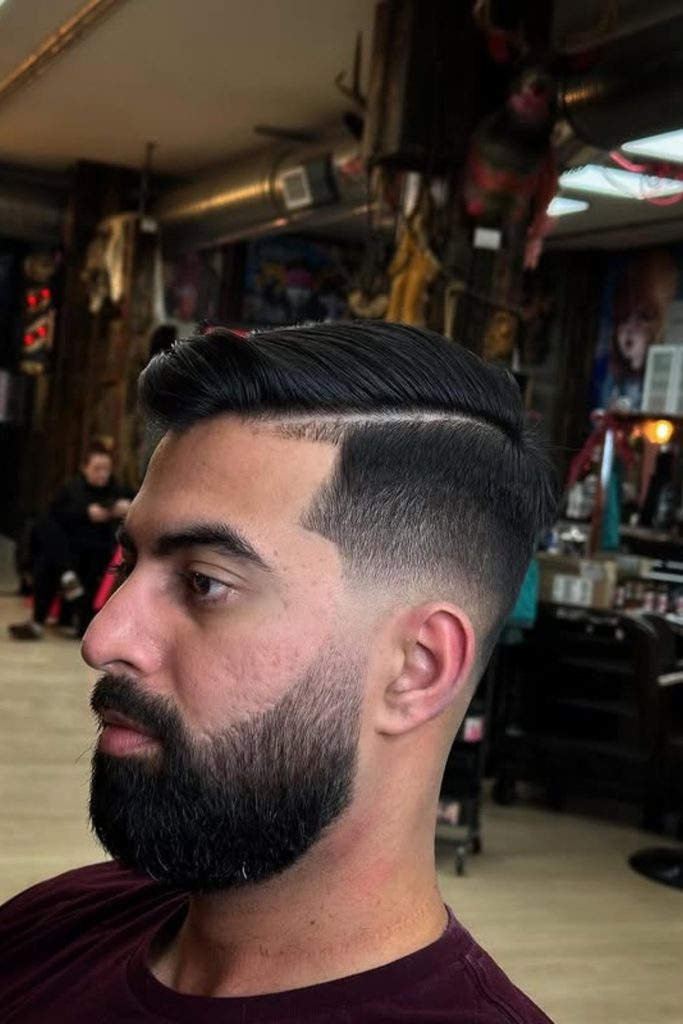
Choppy Fringe
If you’re concerned about covering your forehead, a jagged fringe provides structure and keeps the haircut youthful and relaxed.
Uneven front breaks up straight lines and short faded sides prevent heavier hair from bulking near temples.
Apply matte paste sparingly through the ends, pinching small portions forward to preserve the fringe its split finish.
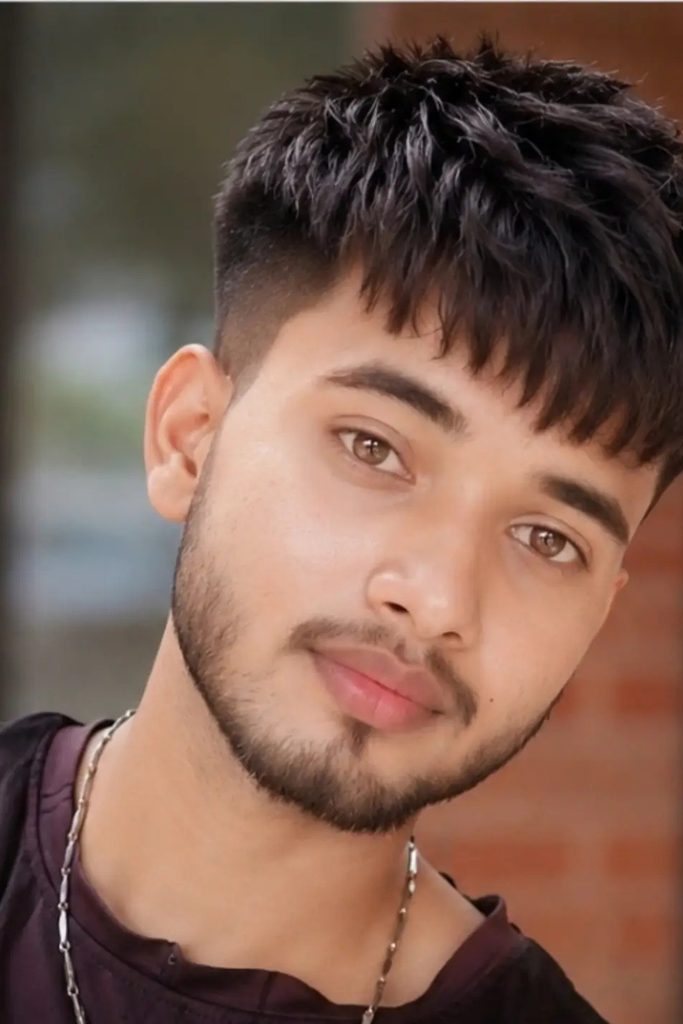
Faded Brush Up
Looking for something snappy and not too fussy? The brushed up top creates regulated lift while the fading keeps things neat.
The front is just raised enough to provide definition without adding the extra vertical height that might elongate oval features.
Instead of a glossy form, finish with matte clay for texture, blow-drying the hair forward and upward.
FAQs
Do Oval Faces Suit Both Short and Long Hairstyles?
Yes, an oval face allows you a lot of freedom with hair length. Short and tapered cuts might leave your face open.
Instead of only choosing a length based on your face shape, consider your hair type, density and how you style your hair on a daily basis.”
Can Facial Hair Change Which Hairstyle Looks Best?
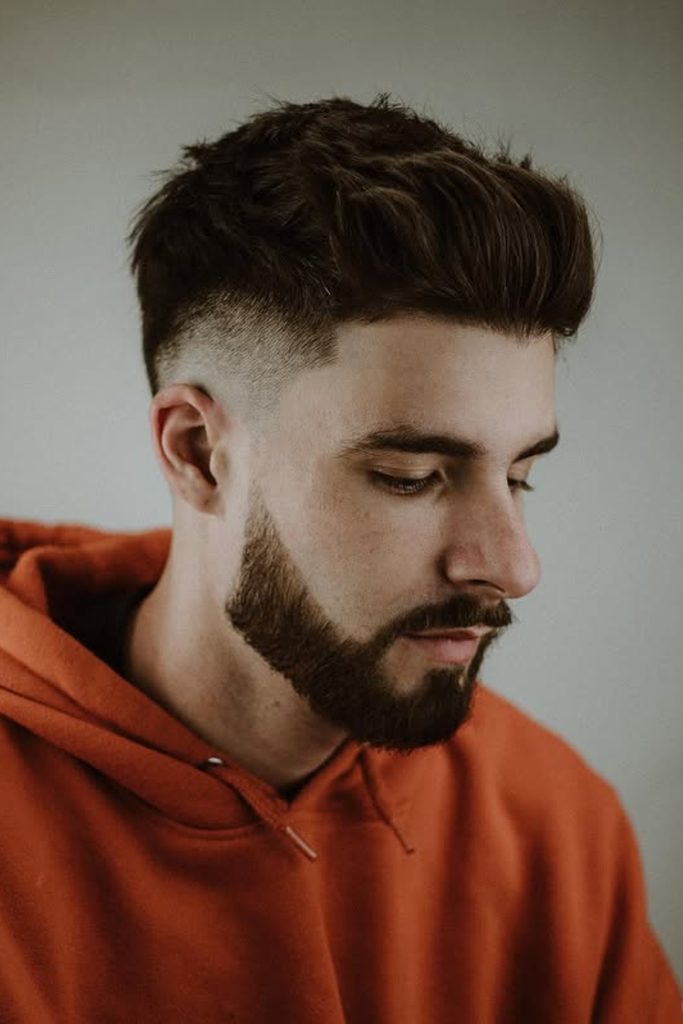
Facial hair can alter the way your overall proportions look, especially a thicker beard that adds apparent weight to your jaw and chin.
If your beard already gives you extra length, keeping too much height out of your haircut can assist.