Saving a cool guy mullet is easy. Figuring out if that trim will fit with his hair is where things get hard.
The back may be overly long, the sides too sharp or thick, curly hair may change altogether the shape you were expecting.
Even when you know what to tell the barber, you can find yourself second-guessing the cut.
This article gives you practical advice on how to choose the proper shape, length, sides and style, with boy mullet ideas.
How Can You Make a Boy Mullet?
How to Make a Boy Mullet Look Subtle Begin by lessening the difference between the sides and the back that is longer.
Ask for a delicate taper or scissor cut finish to the sides instead of cutting them down to skin, leaving adequate weight around the temples.
To begin, keep the back about the nape or upper collar, as a much longer tail makes the mullet more evident.
Instead of a dramatic drop in length, have the barber add some texture or layers so the top gradually blends into the back.
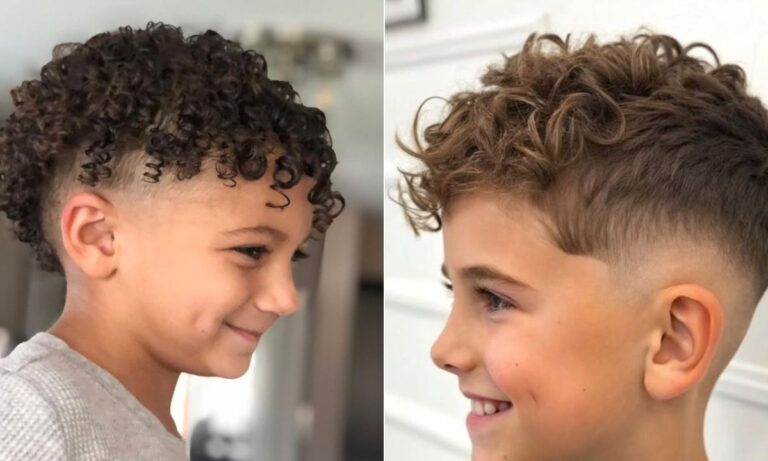
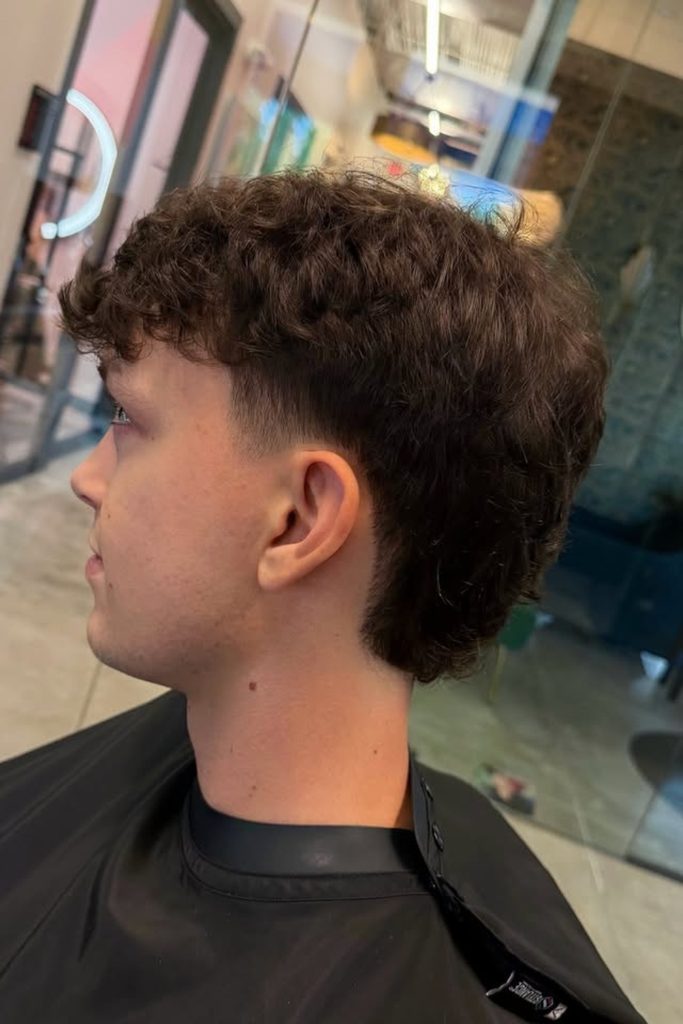
Curly Taper Mullet
The natural curls do most of the styling work, so keep adequate length through the crown for smooth movement.
A subtle taper around the ears cleans up the line while keeping the broader form behind the ears.
Ask for light layers among the dense curls, keeping the back distinct instead of heavy and rounded.
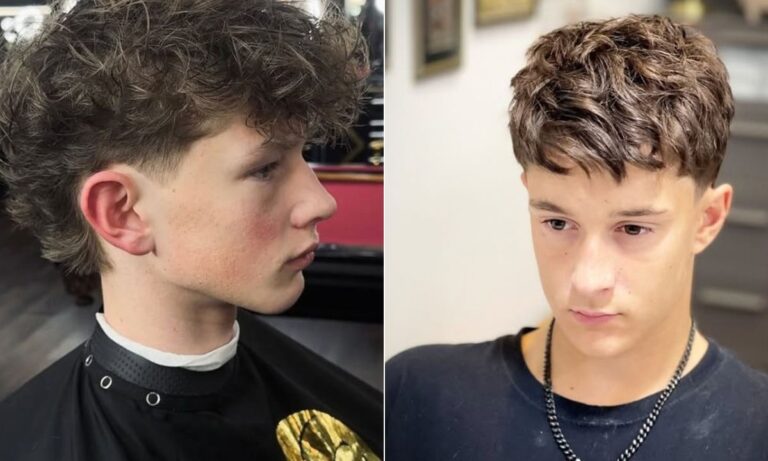
Soft Fade Mullet
For a cleaner mullet, keep the fringe and crown longer and fade only around the ears.
Leave a little weight above the fade to keep straight, dense hair from making the sides look less detached.
Start with a somewhat compact back and build it out if you want stronger mullet contrast later.
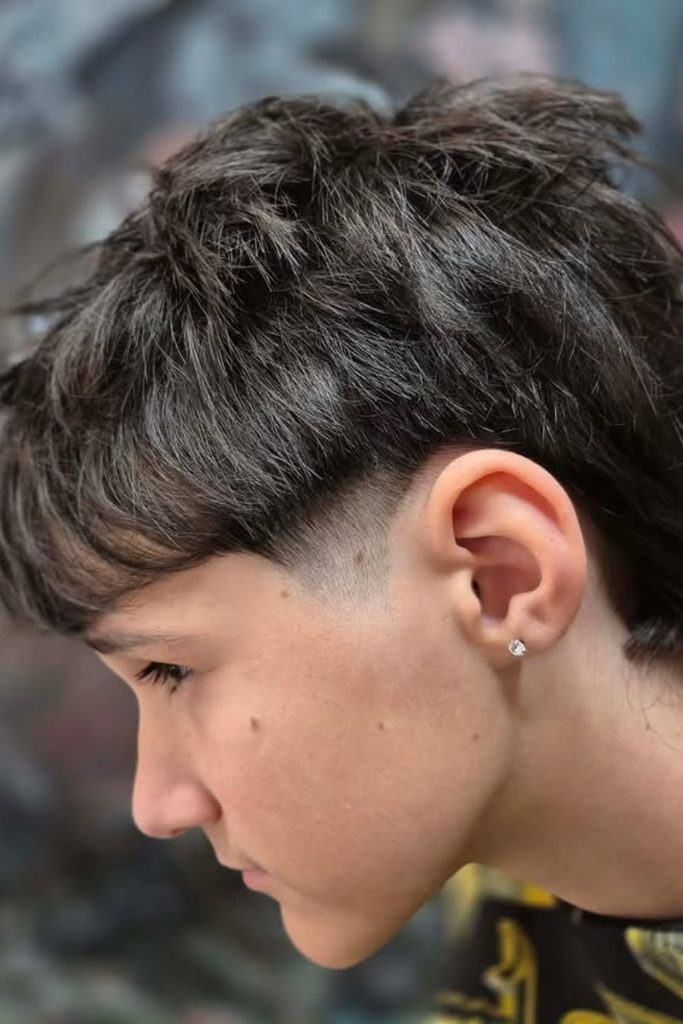
Textured Burst Mullet
Thick hair has lots of texture, but cutting the bulk off the sides would highlight the longer back more.
A curving fade with the crown still attached while keeping full toward the back of the head.
Use a light style cream and finger the top forward, keeping the back texture loose, not stiff.
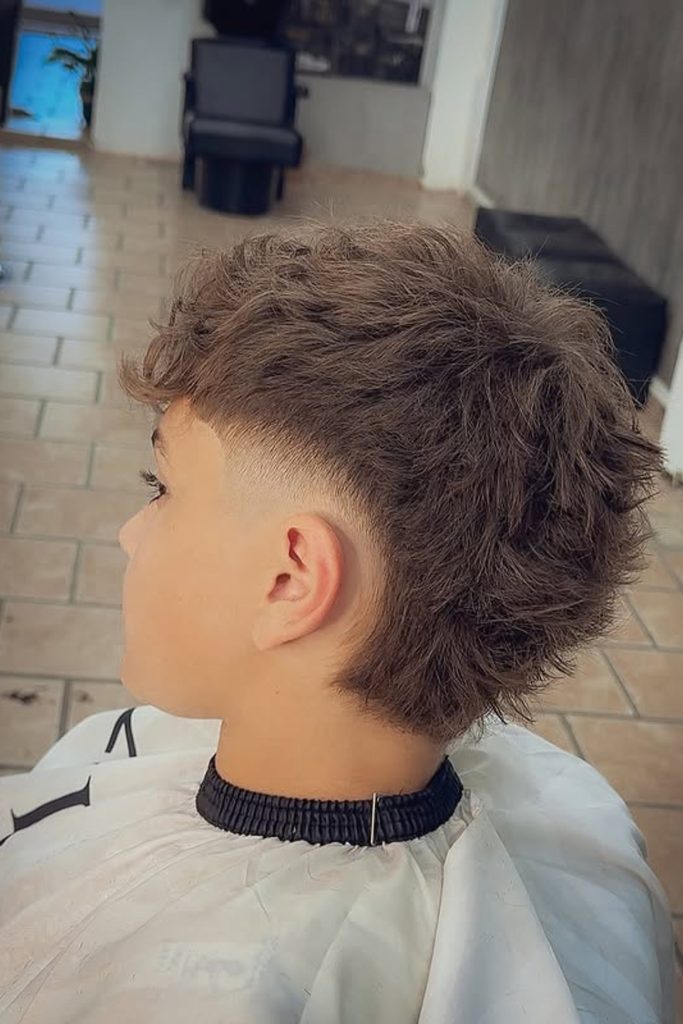
Long Wavy Mullet
For a bolder mullet, grow the back past the nape and keep the sides a little shorter.
The waves of wavy hair make this length simpler to wear, since the natural bends break up the heavy curve through the back.
Don’t just cut it all the same length, leave some length through the top so the extended back section looks purposeful.
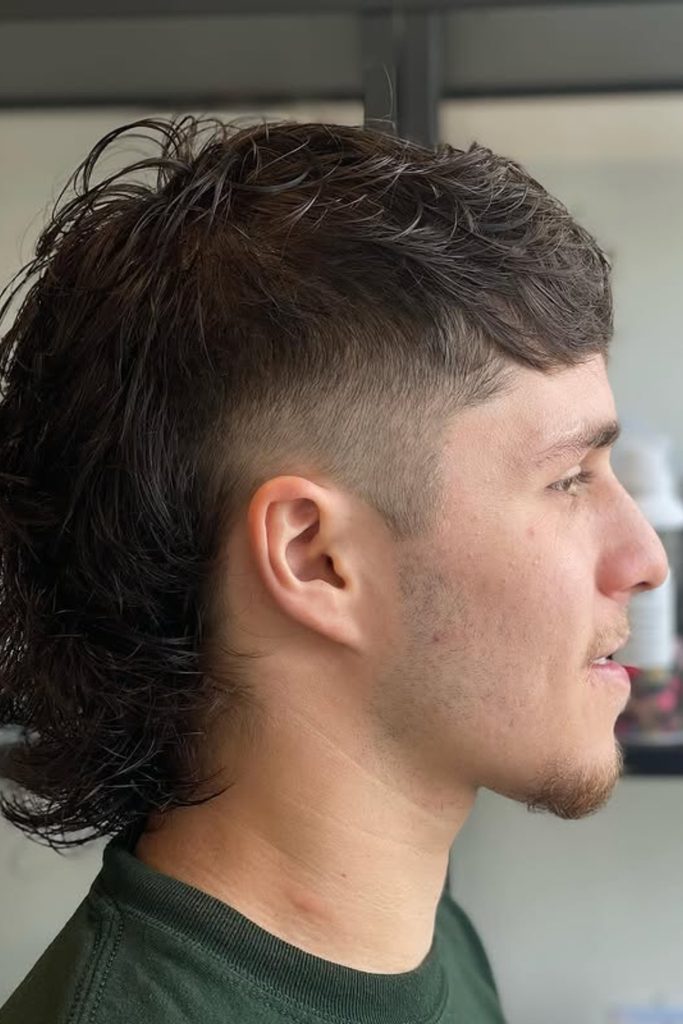
Straight Fade Mullet
Straight hair shows every length change, so a milder fade will keep the longer back clean rather than harsh.
Keep enough weight through the top and crown to blend seamlessly into the straighter nape area.
If you find your hair growing out and starts to look too flat or thick, request a mild texture through the ends.
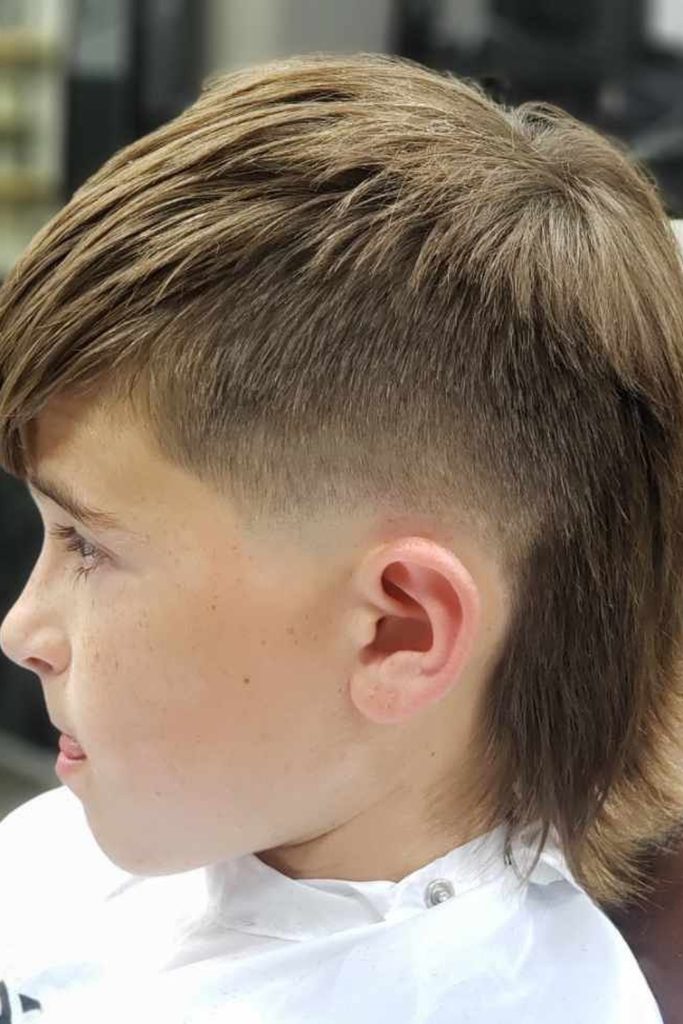
Side Part Mullet
Longer, straight hair gets some direction with a distinct side part, while the mullet stays polished through the front.
Opt for a low fade around the temple, but keep the back long enough to maintain its flowing length.
If you are using styling cream, use a modest amount for separation, because a heavier product would flatten the lengthier top and back.
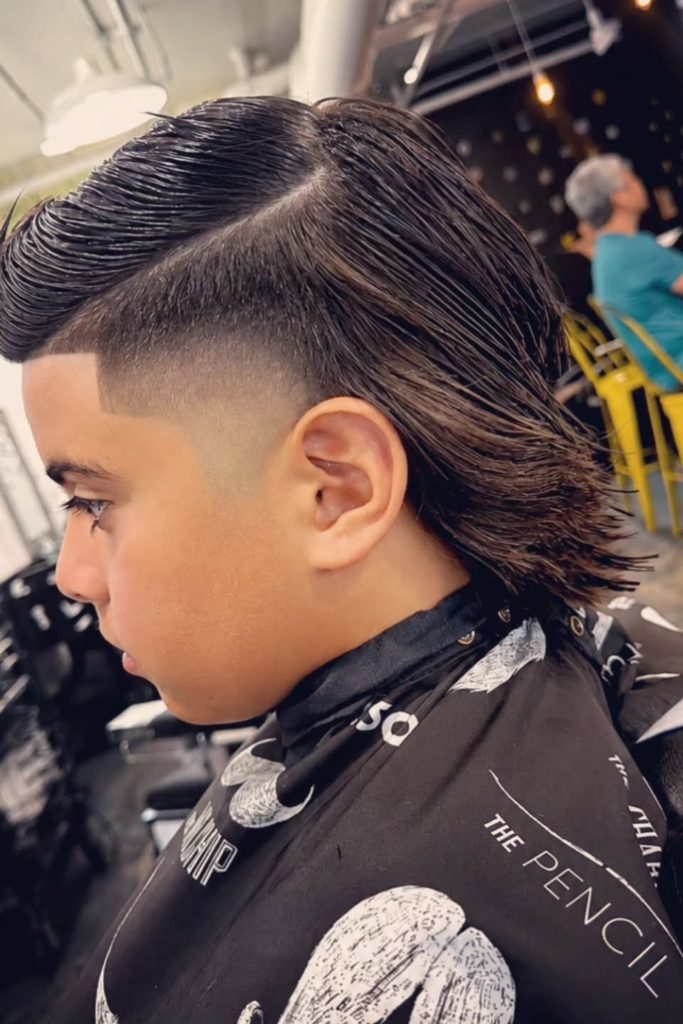
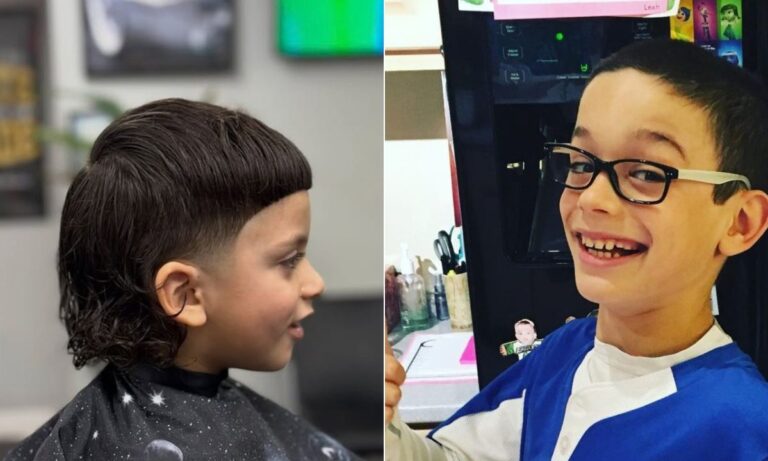
Toddler Mullet
For younger boys, a softer mullet can be achieved by allowing natural flow in the back as opposed to a harsh contrast.
Trim close around the ears for comfort but leave the crown and nape longer so the growing hair stays attached.
The ends already have a bit of a wave to them for character, so you don’t need to go in with the heavy styling and make your mornings that much easier.
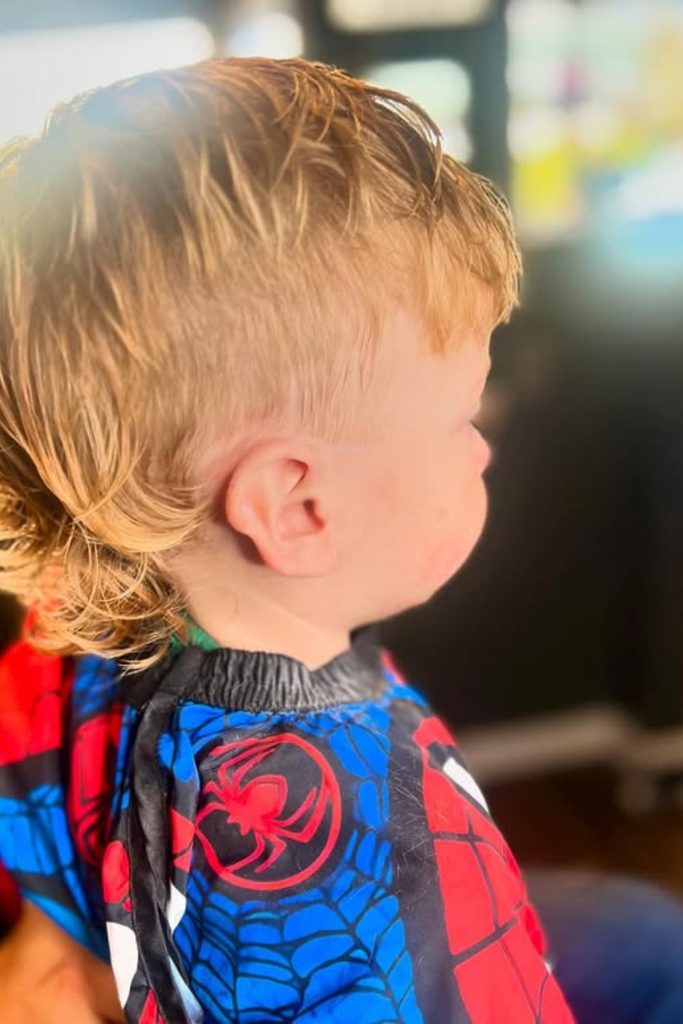
Shaggy Mullet
Not all mullets need to have a clean fade, especially if you are looking for a laid-back form that grows out naturally.
Leave the broader sides attached to the choppy crown layers so the longer nape may build without seeming like an independent tail.
Don’t ask for extreme thinning, but for textured ends that will enable thicker straight hair move without taking on too much thickness.
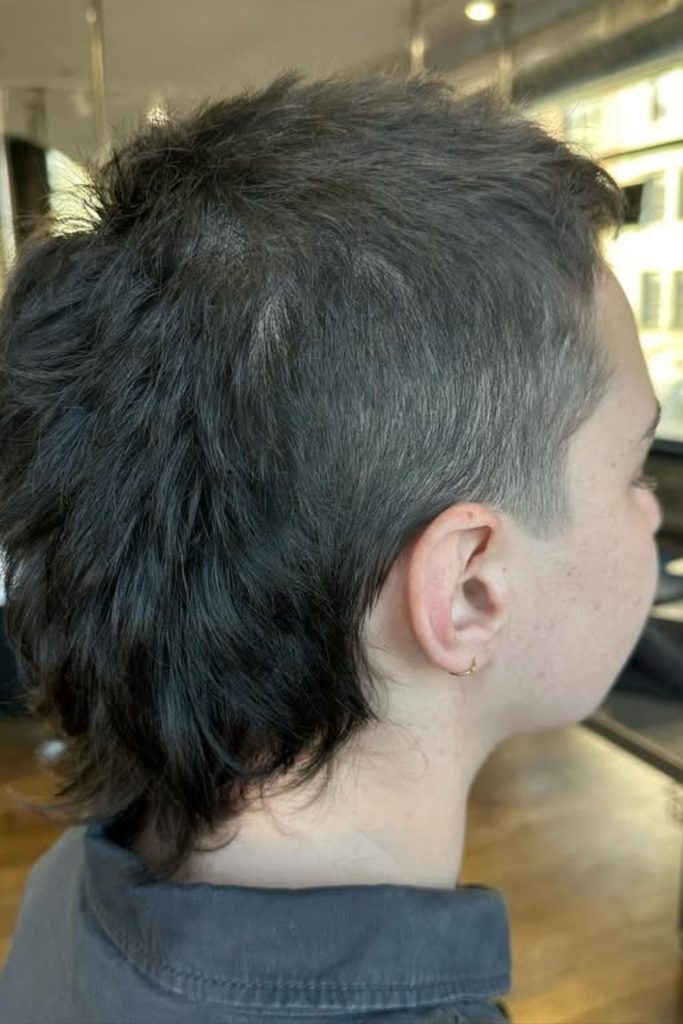
Choppy Mini Mullet
Shorter mullets still require separation, so keep textured length over the crown, but clean close around the ears.
Chop layers lift straighter hair organically, giving movement to the top without an overly styled feel.
If you want an easy everyday shape, keep the nape compact rather than grow a long tail.
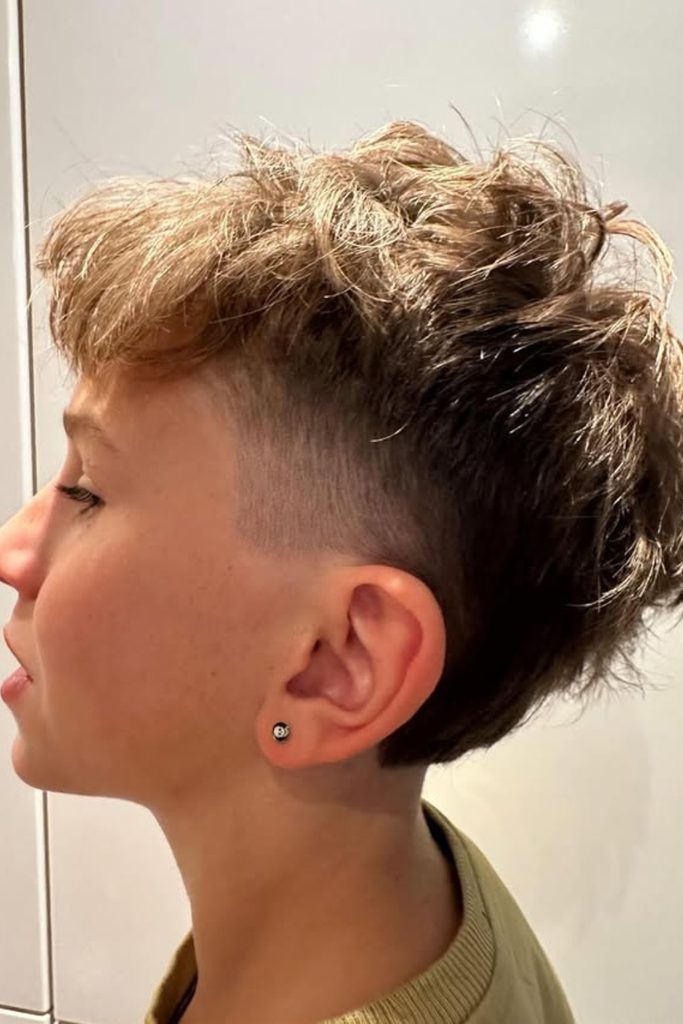
Curly Burst Mullet
Curls are already quite full of character thus mainly utilize the fade to regulate width around the temple area.
Maintain curl length from crown to nape so those pieces can touch, not look split.
A touch of curl cream can define each bend, while keeping the completed mullet smooth and pliable and naturally full.
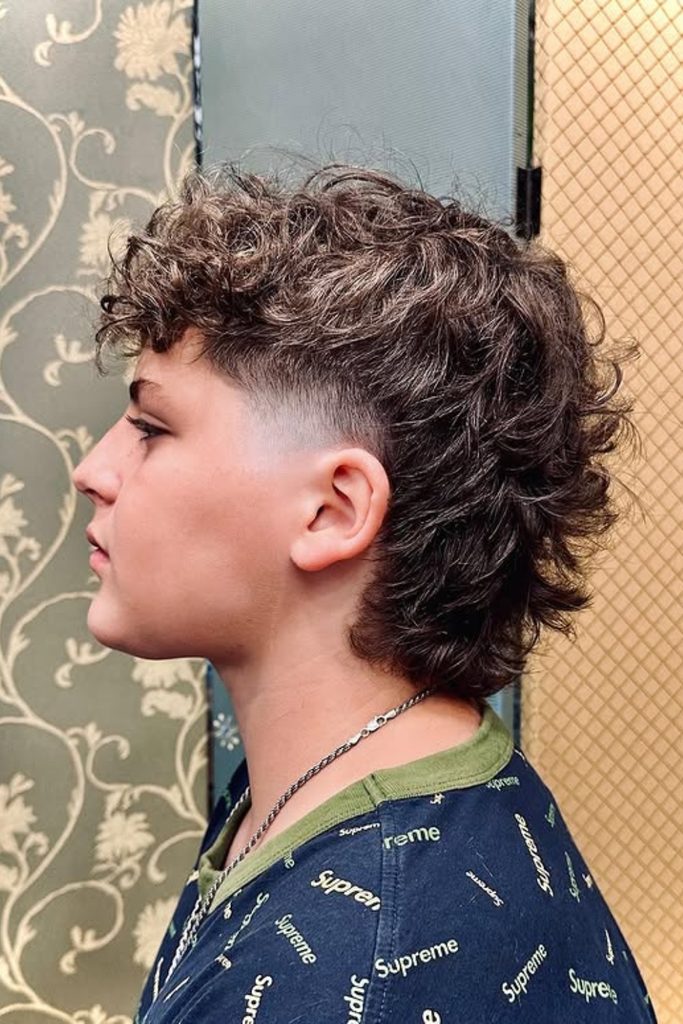
Spiky Fade Mullet
Looking for extra movement for straight hair? Make the top longer so individual sections can be pushed forward and out.
A close fade takes the bulk off the sides and lets the textured top and lengthier back shine.
You want a lightweight texture paste, not a heavy gel, so the separated parts stay pliable and don’t get stiff.
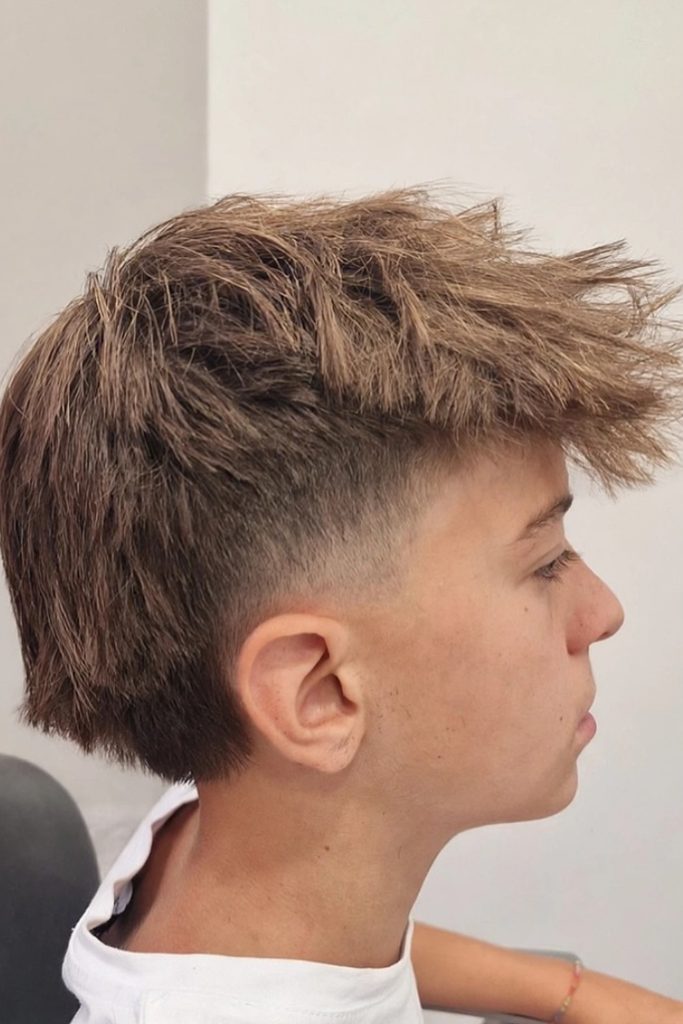
Soft Toddler Mullet
Younger guys can do a subtle mullet without fades, harsh edges or hardly any daily styling.
Keep the fringe soft and easy, but leave a little more length behind the ears and at the nape.
Regular cuts around the front and sides will keep things comfortable while letting the distinctive rear area grow naturally.
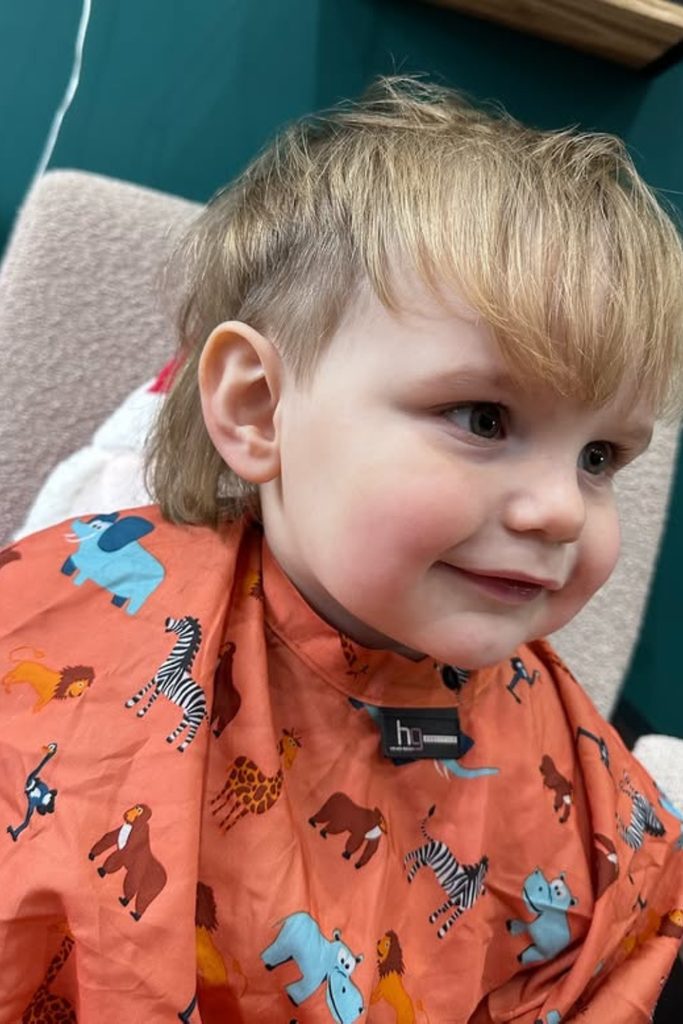
Compact Curly Mullet
Keeping the back shorter can keep that mullet from seeming too heavy if your curls give you a lot of hair volume.
Taper tightly around the ears, leaving the textured curls on the crown, the place where much of the shape is formed.
Once it’s dry, don’t judge the length until the curls have fallen into place. Shrinkage can dramatically modify the shape of the final product.
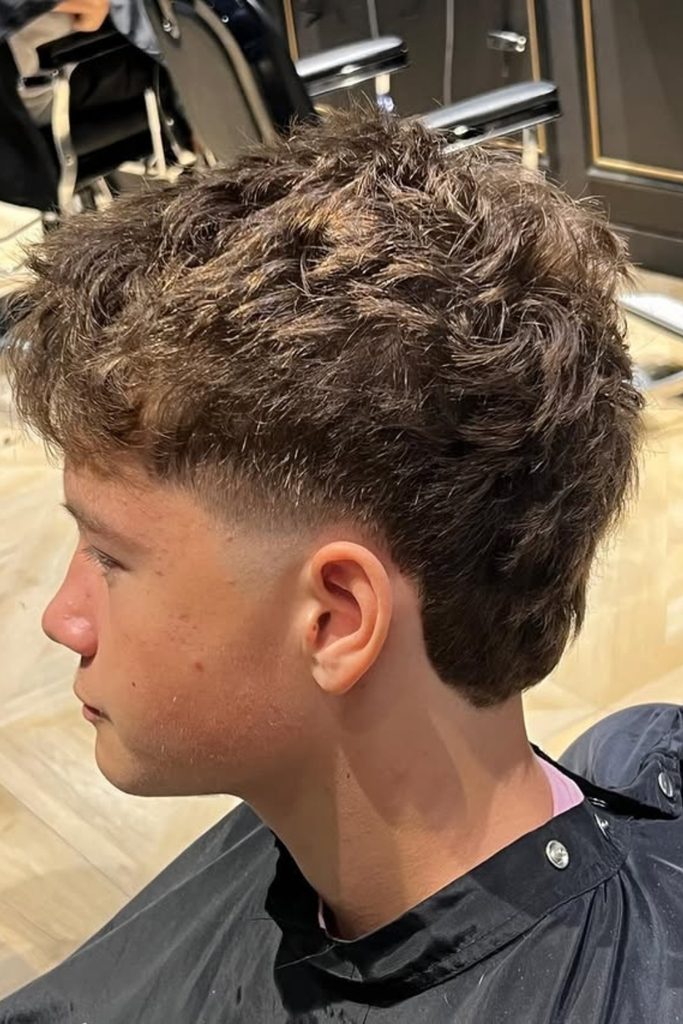
Long Tail Mullet
The longer back works best when the top is textured enough to balance out the extra length behind.
Sides are kept short and under control but do not cut into the back part for routine grooming visits.
A split fringe adds movement up front, helping straighter hair not look too flat next to the longer tail.
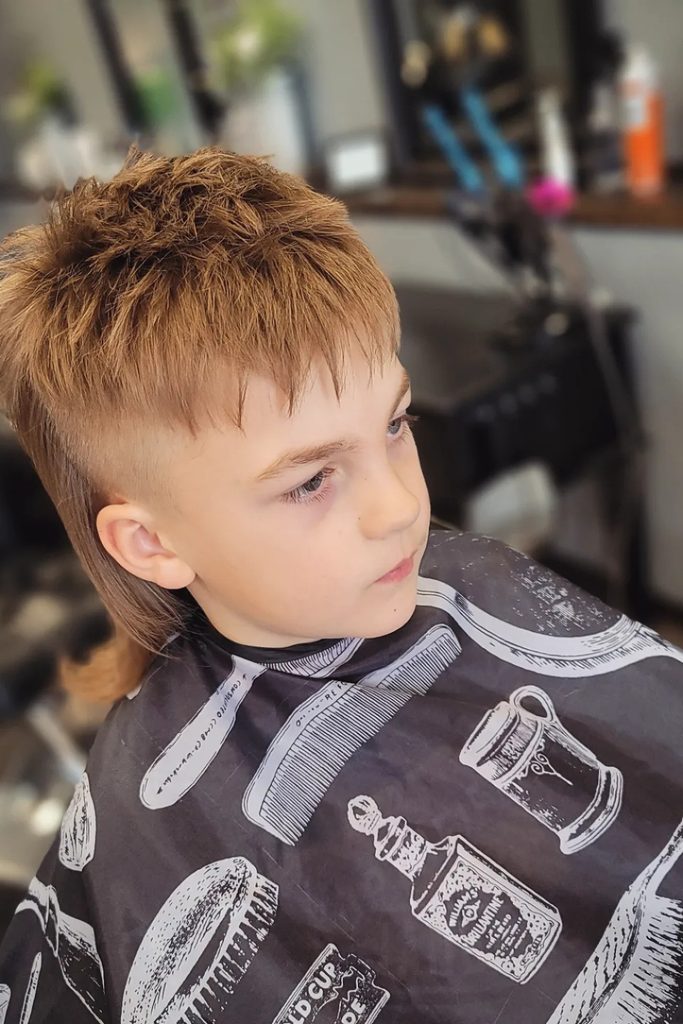
Swept Top Mullet
The lengthier top hair can be swept sideways for a softer, more controlled finish instead of forcing all the mullets forward.
Keep the fade tight around the temples and ears so you still have enough length on top for that natural flow.
To keep the haircut easy to maintain, don’t go for an overdone tail and keep the nape length modest.
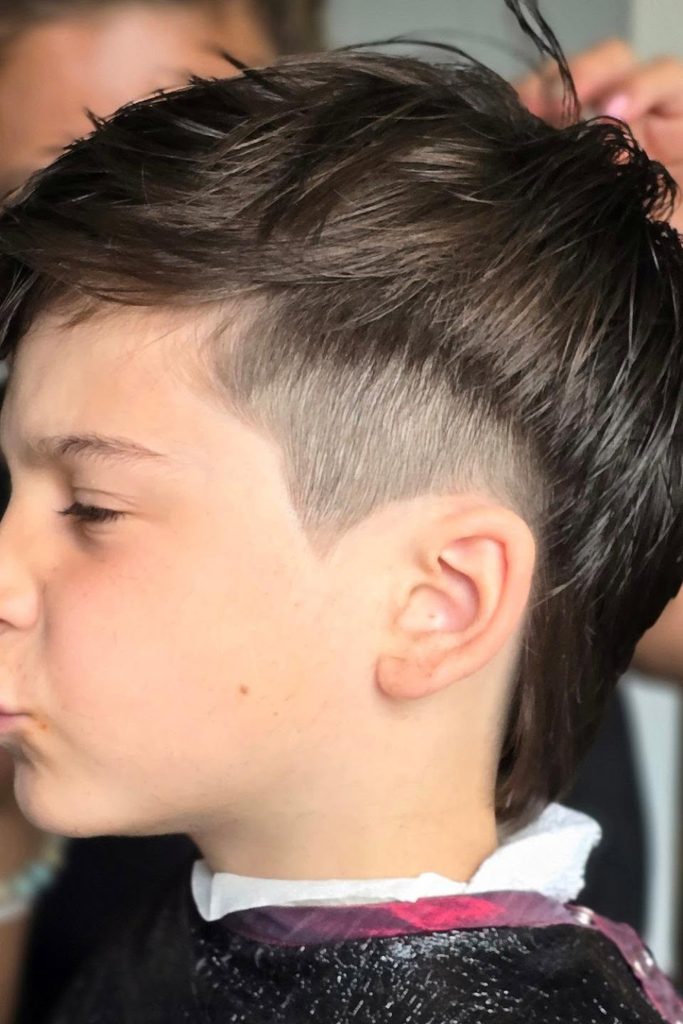
Mohawk Mullet
For more contrast, develop the length across the middle, leaving the sides significantly shorter around both ears.
The texture on top prevents the straight hair from becoming one solid swatch, adding additional movement to the lengthier center.
Leave enough nape length to carry the central form backward, otherwise the cut begins to read more like a mohawk.
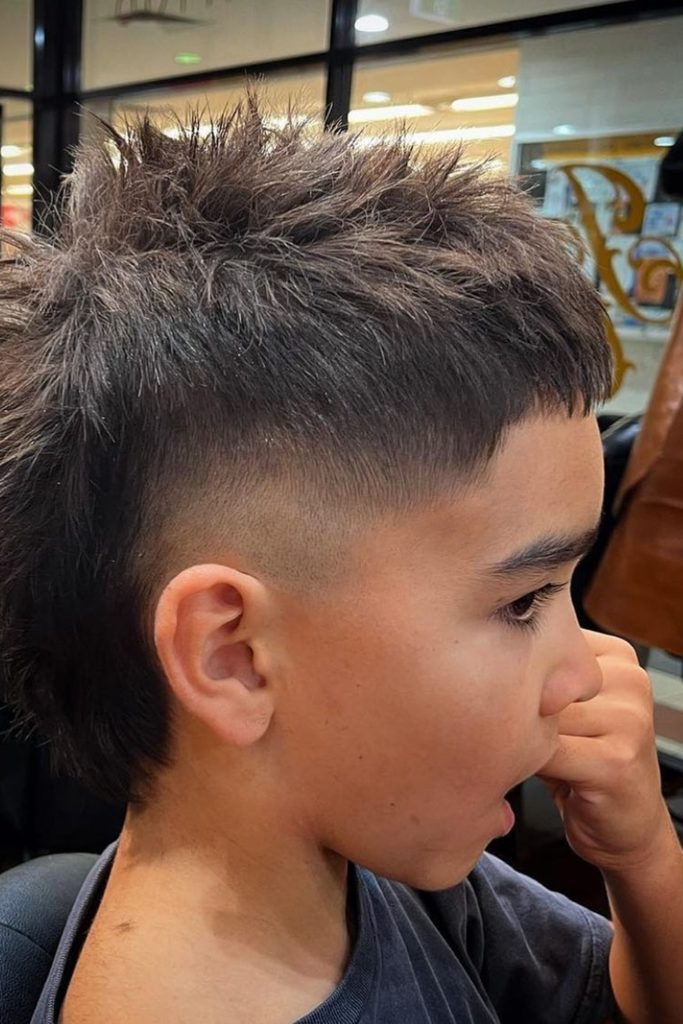
Wavy Volume Mullet
Allow your natural waves to work with the added length. Add volume to the crown rather than flattening everything.
Sides should be trimmed close to show off ears, but leave enough length in back for those waves to fall.
A light curl cream or texture spray will break up the bends and will not make this larger mullet seem stiff.
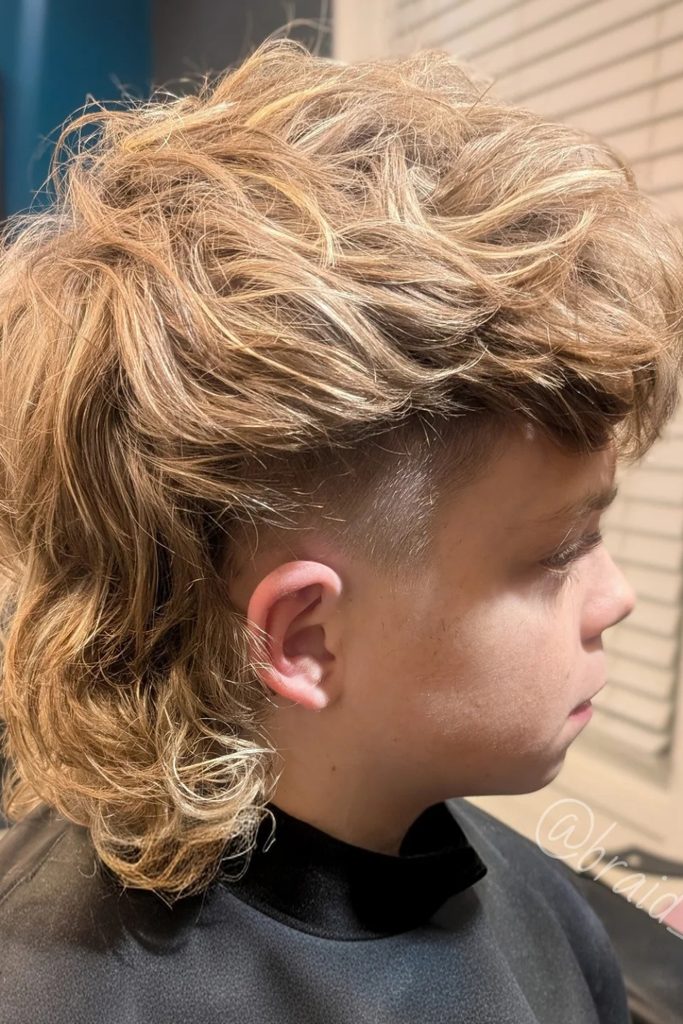
Blonde Flow Mullet
Fine blonde hair is a good candidate for keeping the back connected, especially when you want movement without a big dramatic tail.
Shorten around the ears, allowing enough length on top to flow into the softer waves behind naturally.
Steer clear of severe layering through the finer ends since leaving some density will assist the lengthier back to appear more fuller.
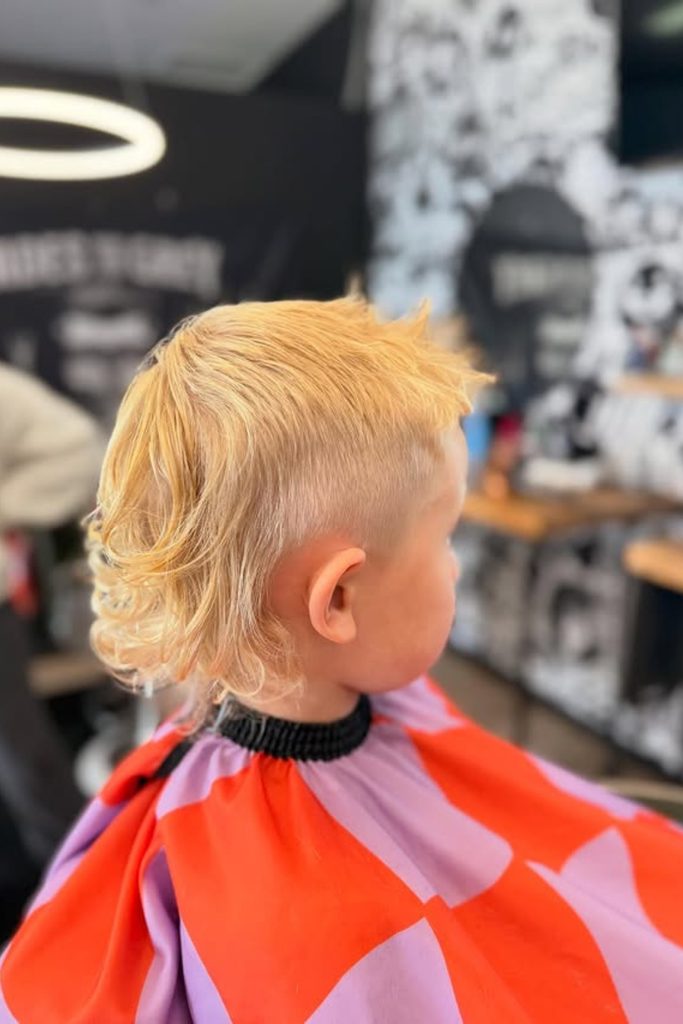
Extended Shag Mullet
If you want some major length in the back, keep the top areas textured so the haircut still looks balanced from any aspect.
Short sides provide the contrast, with a larger crown that slowly melts into a long, loose back part.
Maintenance trims are for cleaning up the sides and reshaping the top—not cutting off the length you are growing over and over again.
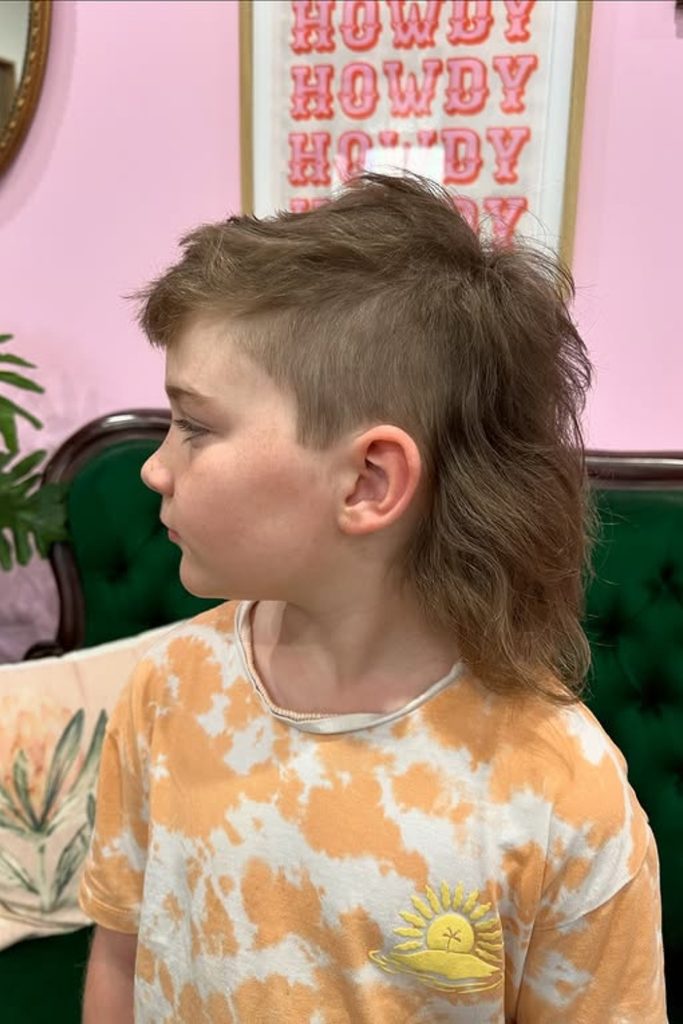
Short Taper Mullet
A mullet doesn’t have to be loud either. Shortening the nape and letting texture do most of the talking will keep things subtle.
A subtle taper around the ears will keep that heavier hair in check without the harsh separation of a skin fade.
Ask for a piecey texture at the crown to add movement to shorter straight hair, but still keep everyday styling basic.
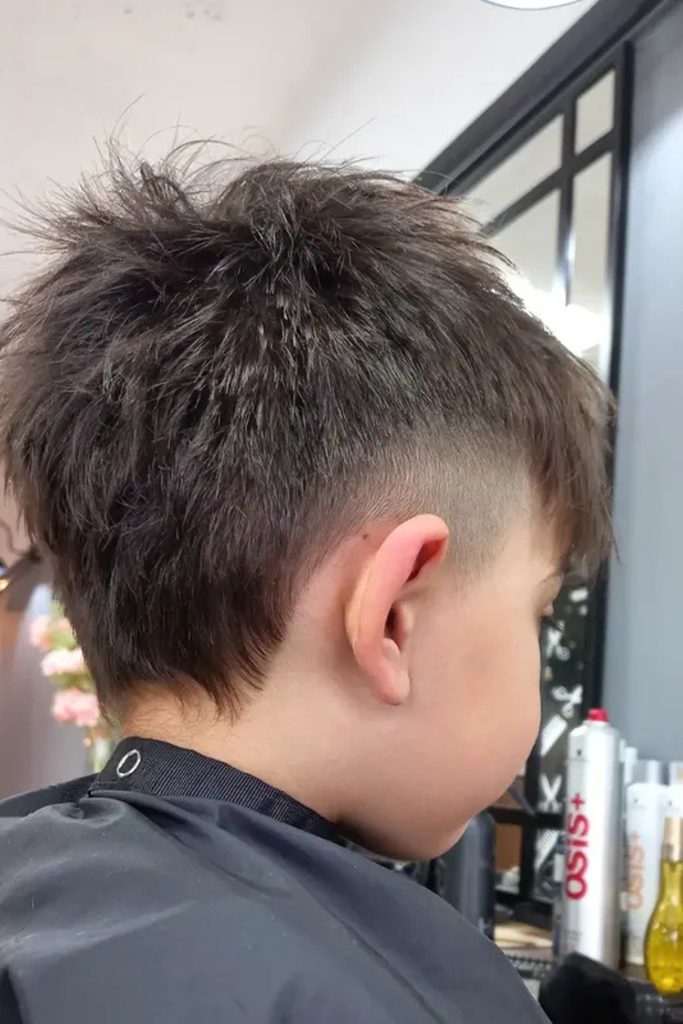
Razor Line Mullet
A shaved line adds some personality without increasing length, making shorter sides feel deliberate.
Keep the top sweeping and textured so the design compliments the haircut, not the other way around.
Leave the back rather lengthy and connected, providing the sharper side detail sufficient contrast without overdoing the tail.
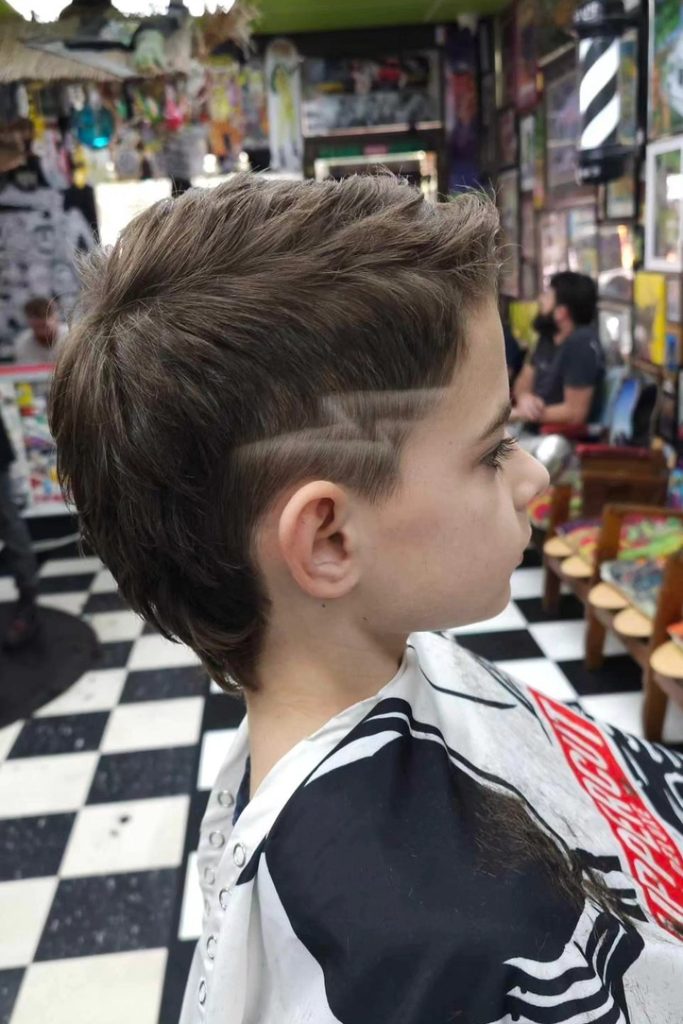
Short Mohawk Mullet
If you want a defined shape, but don’t want the length in the back, a shorter mohawk mullet is a good choice.
Taper the sides close showing that structure and leave the middle textured from front to nape.
Using matte paste on straight hair can give you distinction up top and a relaxed vibe in the shorter back.
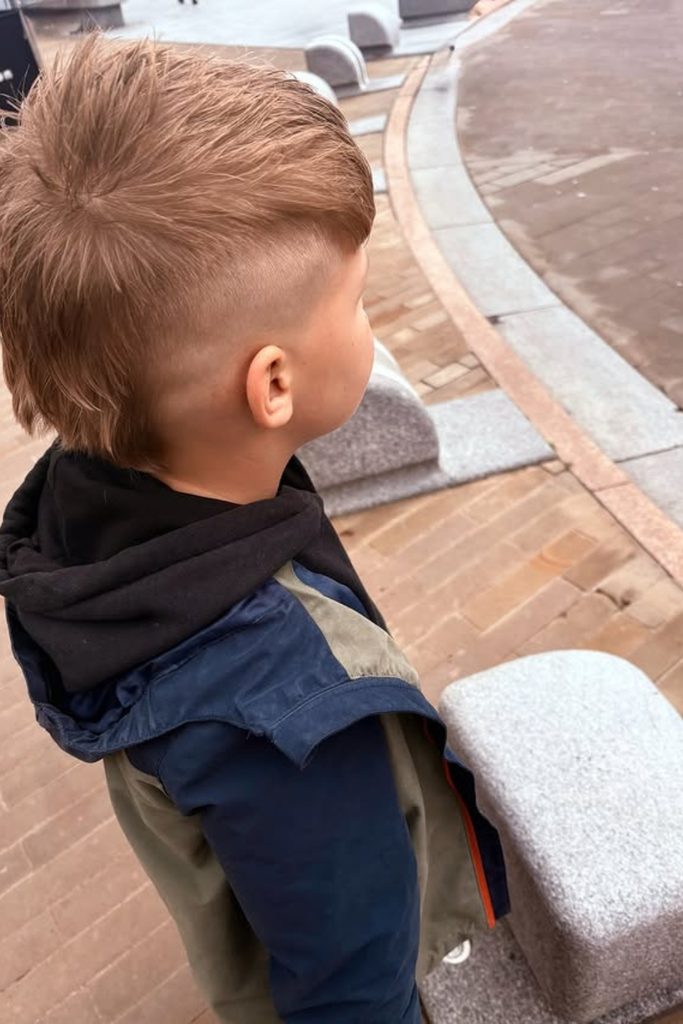
Layered Blonde Mullet
Soft layers add movement to fine straight hair without taking away too much overall volume, making it simpler to grow your hair long.
Leave some volume on top above the ears then point it down underneath so the lengthier top falls naturally toward the nape.
A light-texture spray can elevate finer strands without weighing down the sensitive fringe and back or making them oily.
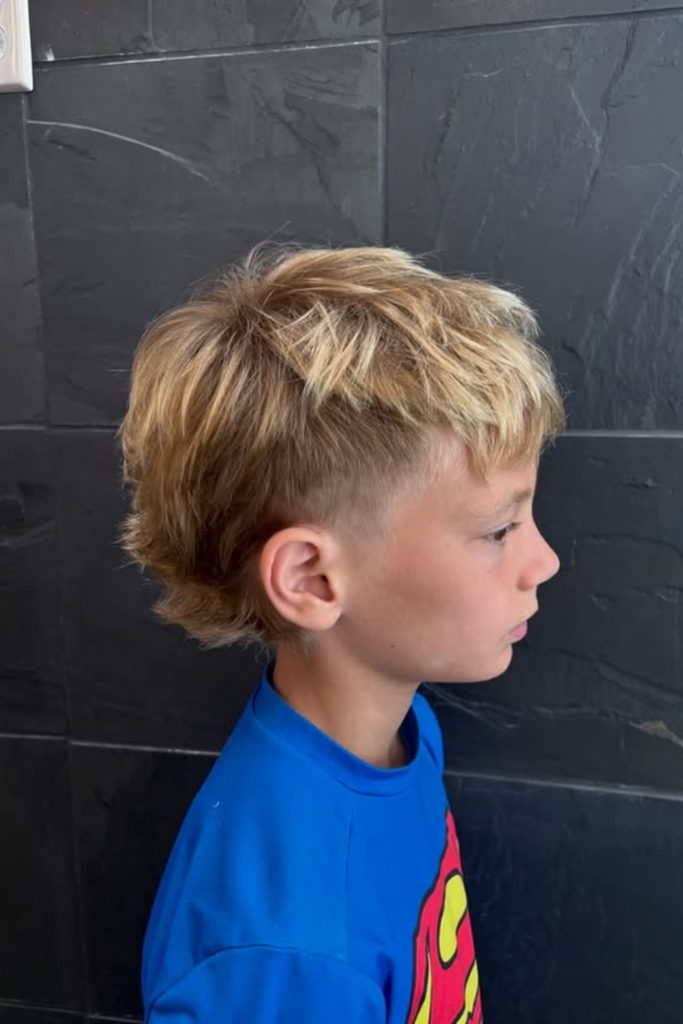
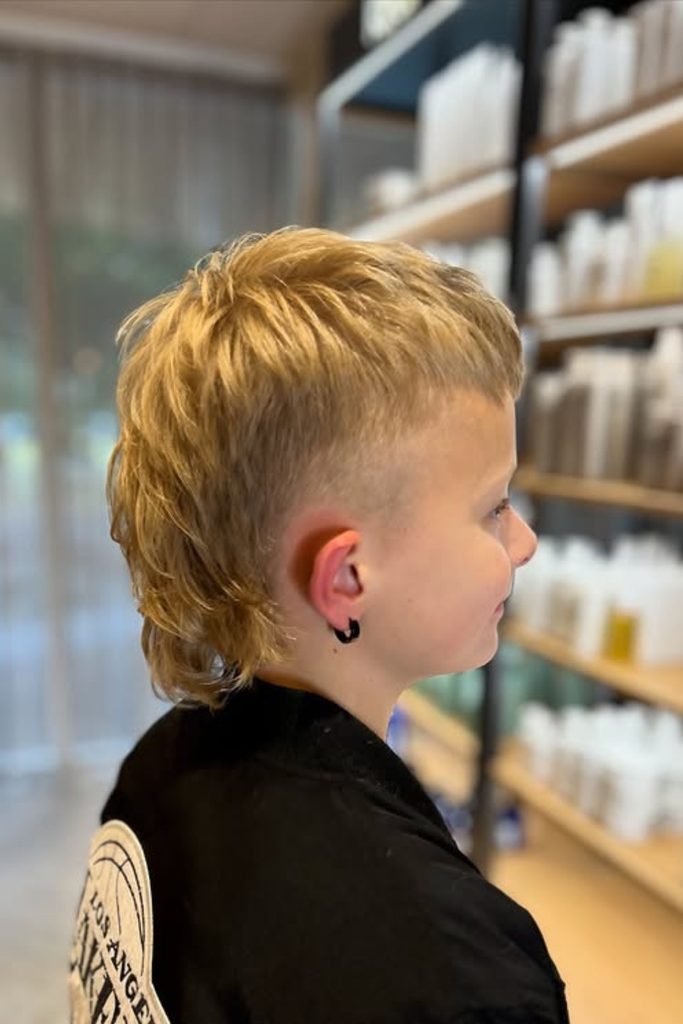
Blonde Taper Mullet
If you want a simple everyday shape, blend the tapered sides tight with sufficient back length to clearly display natural bends.
Keep the crown a little shorter than the back, so that the shape builds gradually and doesn’t look bulky at the back.
When possible, allow delicate waves to air-dry, then gently separate the ends for movement without heaping on style products.
FAQs
How Often Should a Boy Mullet Be Trimmed?
If you want to keep the form neat, schedule your trims based on how quickly the shorter sides begin to grow out.
A fading mullet could need maintenance sooner, whereas softer tapers and lengthier styles can normally grow out longer between visits.
Can You Grow a Boy Mullet From a Short Haircut?
Yes, but you need to stop cutting every section to the same length. Let the nape and back grow while keeping the sides tidy during the awkward stages.
Bringing your target mullet photo to each appointment also helps the barber avoid removing the length you still need.