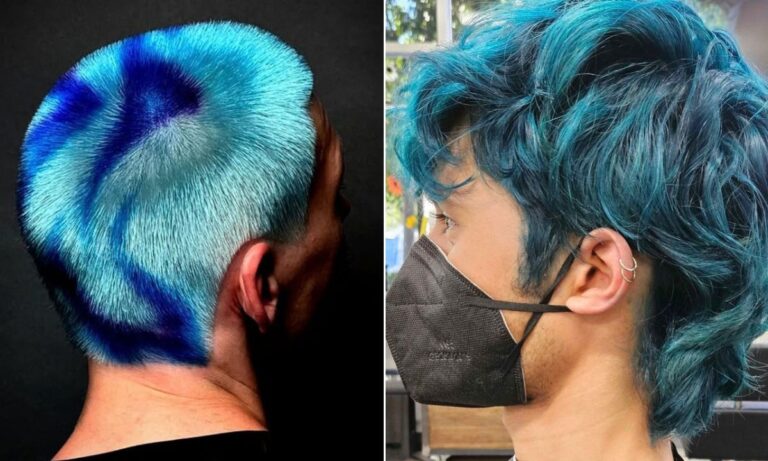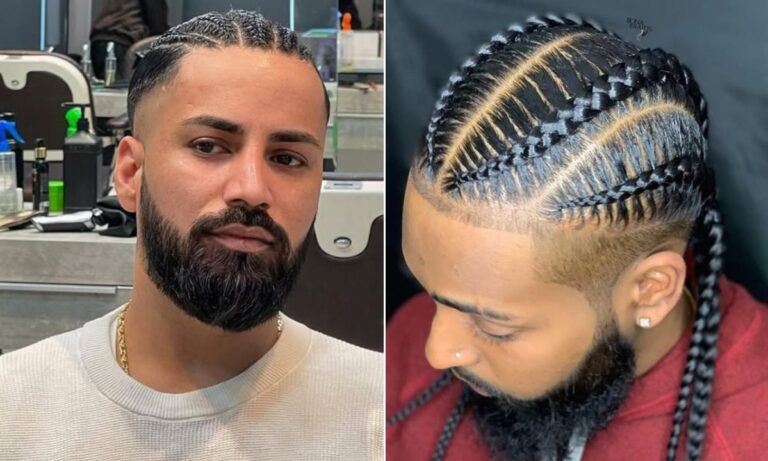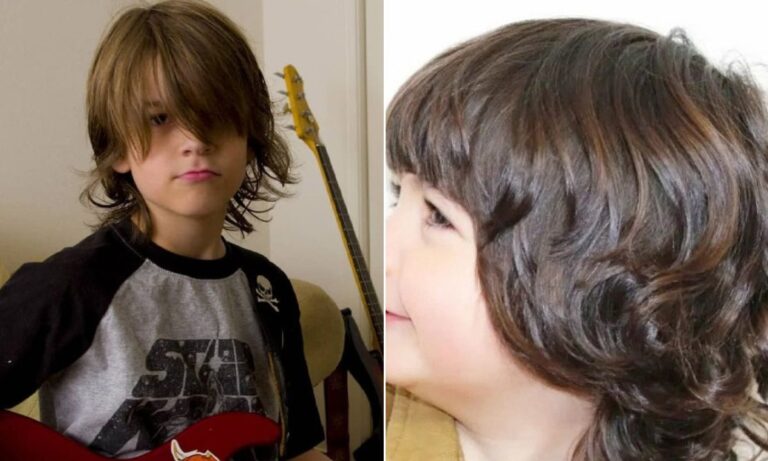
Your small guy may have hair in his eyes, curling around his ears, or growing longer in back but keeping short everywhere else.
But when those silky baby strands have been there from the beginning, knowing how much to cut can feel surprisingly tough.
You want his hair tidier and easier to handle without sacrificing the curls softness or subtle features that still make him appear like your baby.
The correct first haircut can tidy up difficult spots while working with his natural texture and development pattern.
How Much Hair Should You Take Off During His First Haircut?
If you want his first haircut to still feel like him, start by cutting only the hair that is causing an issue.
Rather than going for an all-over-short approach you might trim the strands that fall into his eyes, clean up around the ears and neckline.
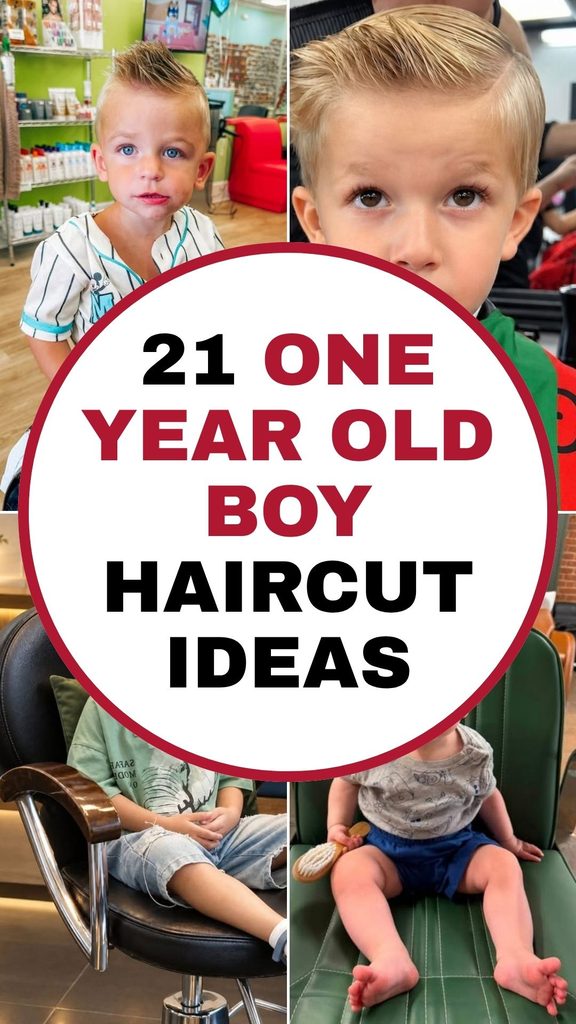
There is no magic number that has to come off with a first haircut. Let his present length, texture and growth pattern dictate the trim.
Baby hair also changes quite a bit as it grows, so it’s definitely worth saving some useful length.
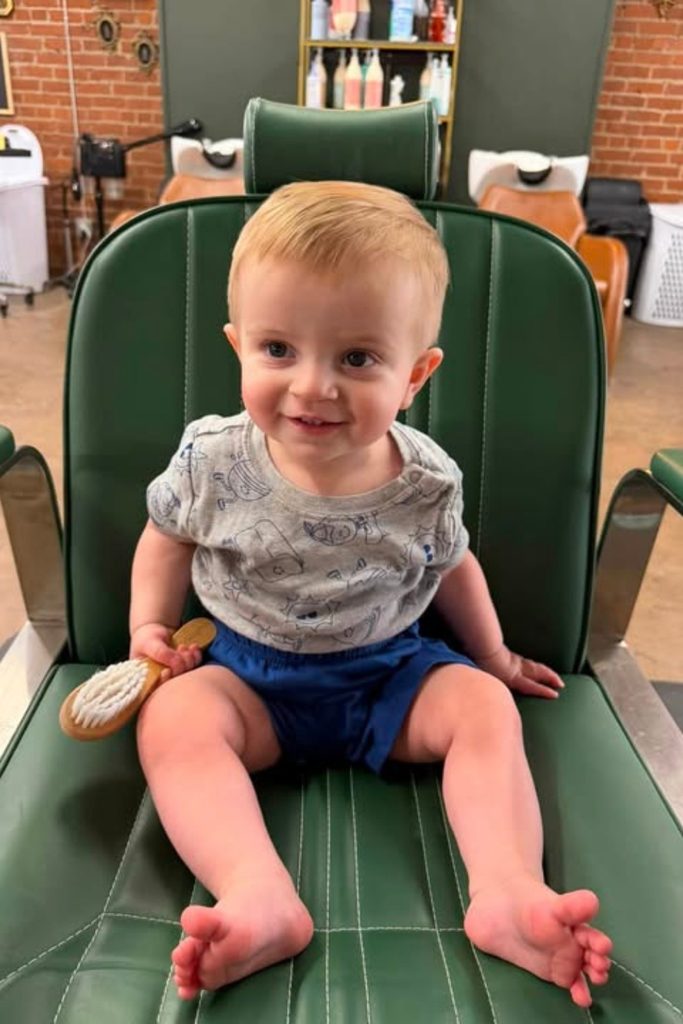
Soft Side Sweep
A little length on top helps it settle naturally when his hair is still fine and light.
Request light scissor work around the ears and sides, leaving enough hair to sweep softly across.
A wash is all you need to comb it sideways, thus being a simple initial cut without sacrificing suppleness.
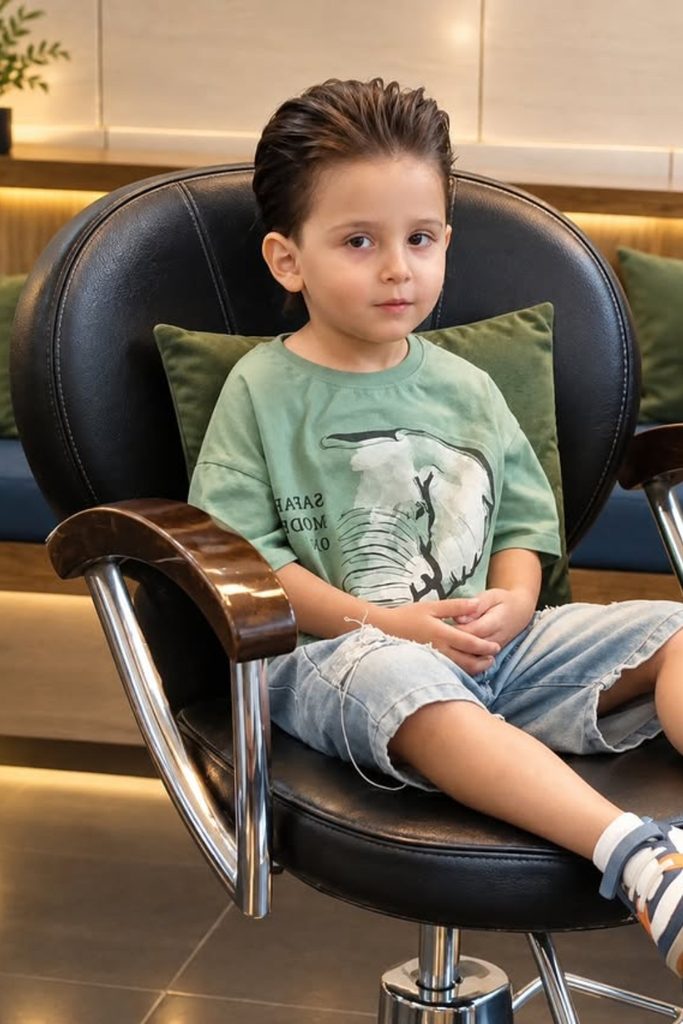
Brushed Back Top
If you have thicker hair with some natural structure, then a longer top allows you to brush backward.
Keep the sides nicely controlled but not chopped too short, so the transition still seems smooth and age-appropriate.
A wet comb can help direct the top back and its natural volume helps keep daily styling from becoming too involved.
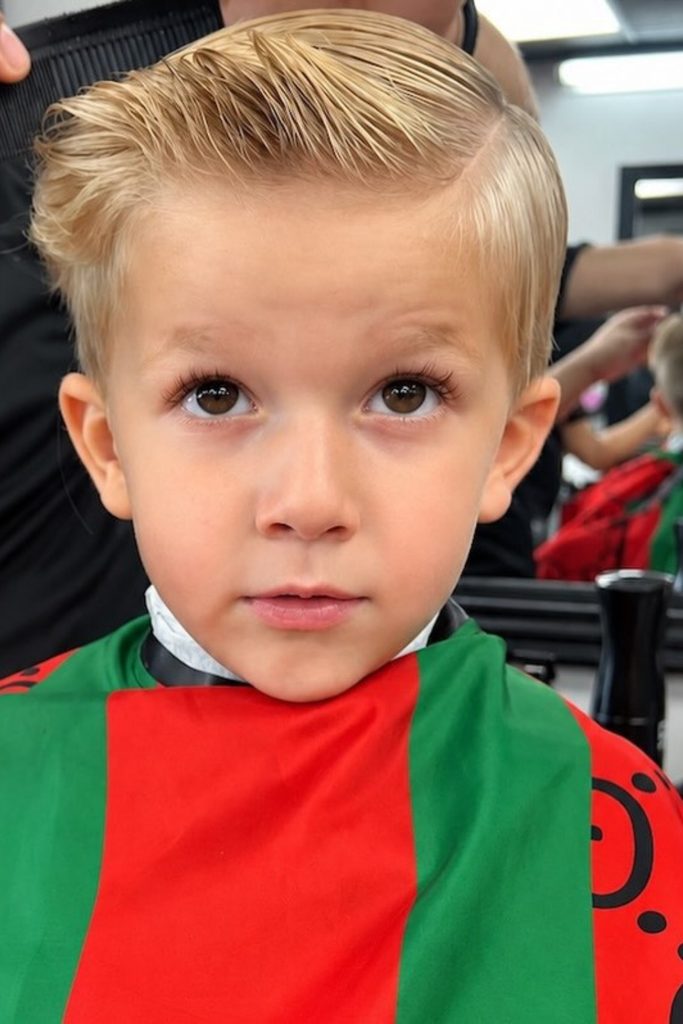
Classic Side Part
Looking for something cool to take off just a bit of length? A lightly defined side part puts the spotlight on longer hair.
Tell the barber to trim around his ears, but leave plenty of length on top so you can easily follow his natural part.
Once clipped you can guide it sideways with a comb after washing, instead of using style tools.
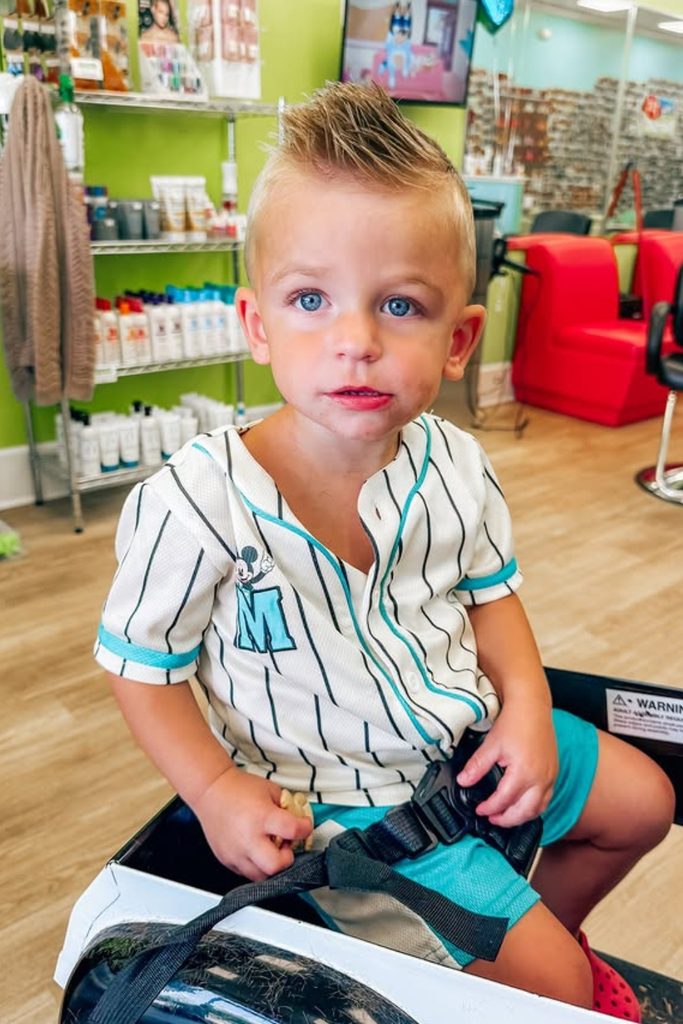
Mini Faux Hawk
If he already has hair that grows up all by itself, then you can go with it and not always try to flatten it.
“Shorter sides make the longer center easier to shape, but keep the contrast soft for a softer finish.”
Lightly dampen, flip the top upwards and avoid heavier products if his natural texture is holding up well.
Spiky Textured Top
Thicker hair to work with? The extra length down the center provides those fun spikes with adequate natural fullness.
Go for shorter, softly blended sides and leave the top textured so that the cut has movement rather than stiffness.
You may ruffle up damp hair with your fingertips and make everyday style quick when your little one gets restless.
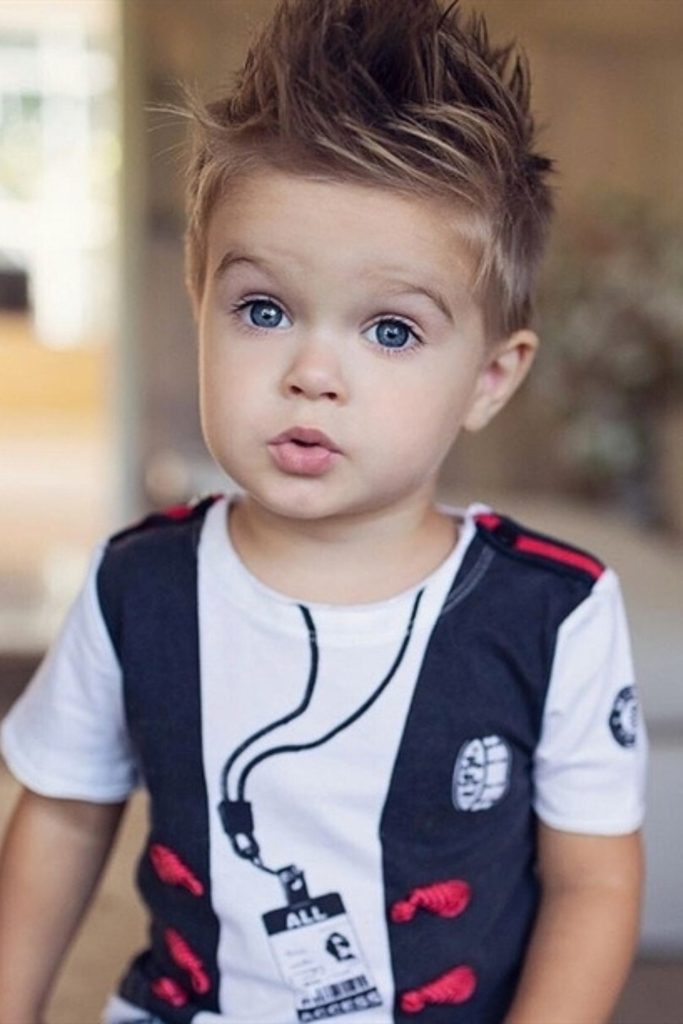
Neat Side Comb
A near side blend might help balance out longer hair without cutting it all shorter if you want a cleaner first haircut.
Leave enough length on top for a natural side direction, if his hair already falls that way.
A brief comb after a wash keeps it neat so you don’t have to depend on hefty products every morning.
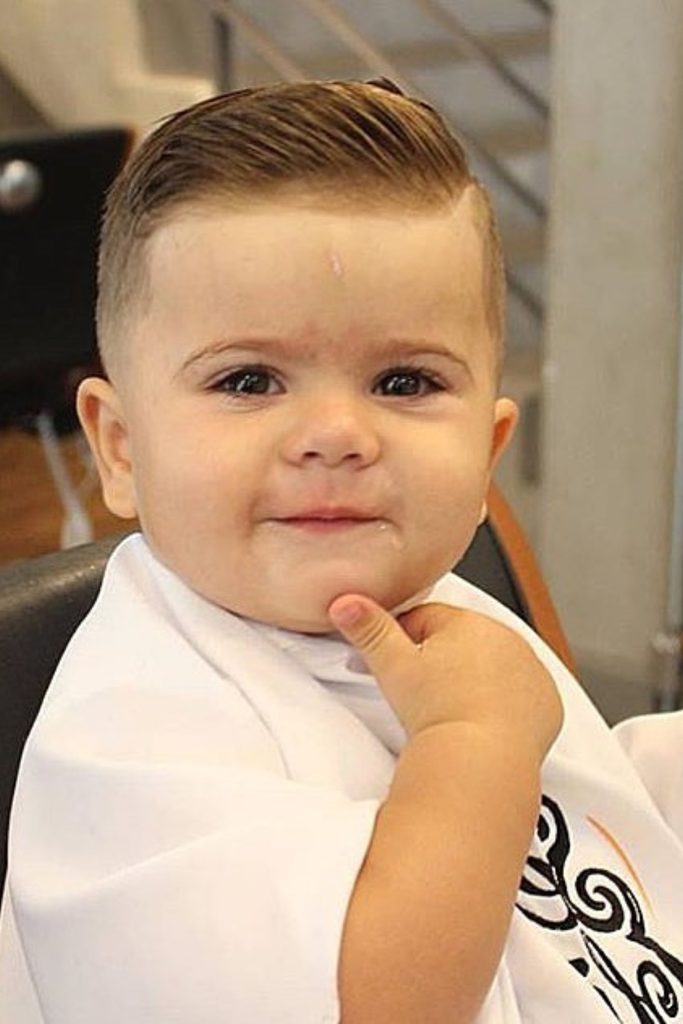
Long Side Fringe
If you have fine straight hair, you can make it look fuller by keeping the top length instead of cutting each area the same short length.
Let the fringe fall naturally to the side and tidy around the ears lightly for a more controlled form.
And as it grows you can always cut the front shorter whenever it gets to his eyes without having to change the whole haircut.
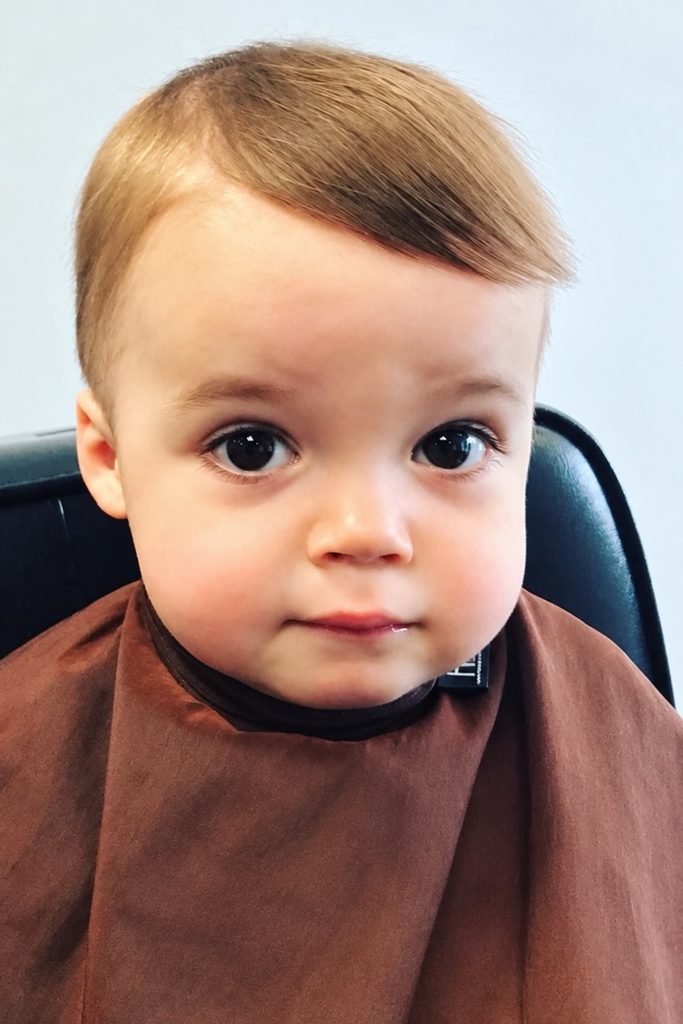
Gentle Length Trim
Not ready to give up on those longer baby hairs? Start by only sculpting the spots that are getting a little out of control.
A modest scissor cut can clean up his face and ears but maintain suppleness in the rear and upper parts.
If you want his first haircut to be less of a big deal, it also makes sense to keep most of the length you have.
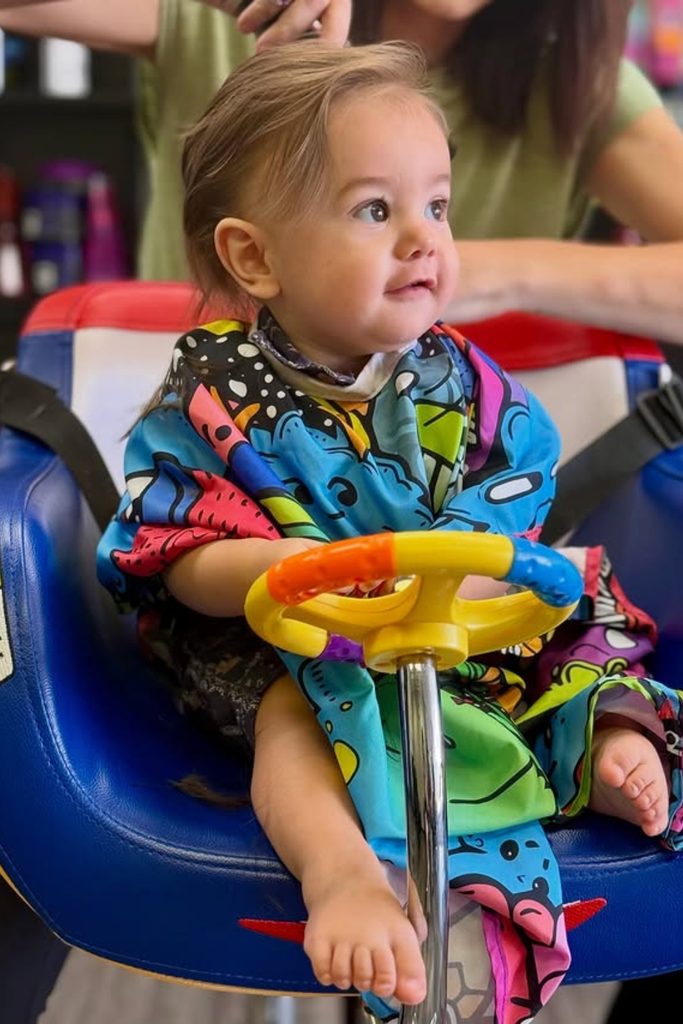
Swept Spiky Top
If you want playful height but not a full faux hawk, add a little additional hair on top for a loose upward sweep.
The sides should be tapered gradually toward the ears, preserving enough length to keep the style smooth and not harsh.
After rinsing, run your fingers over the longer strands, directing them upward and sideways for a natural movement.
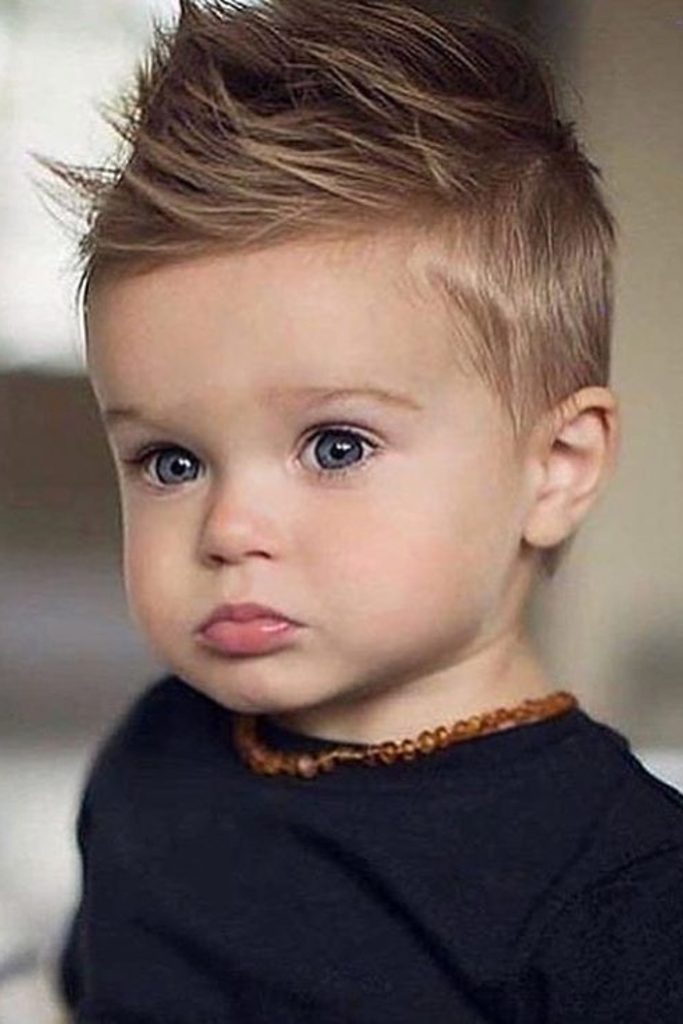
Side Swept Quiff
Thick, straight hair provides you enough volume to keep the front longer and still clean up the sides.
Ask the barber to slowly fade the sides, then leave the front longer so it sweeps back instead of falling front.
Leave it natural on normal days, and shape it into a sleeker sweeping style for going out or photos.
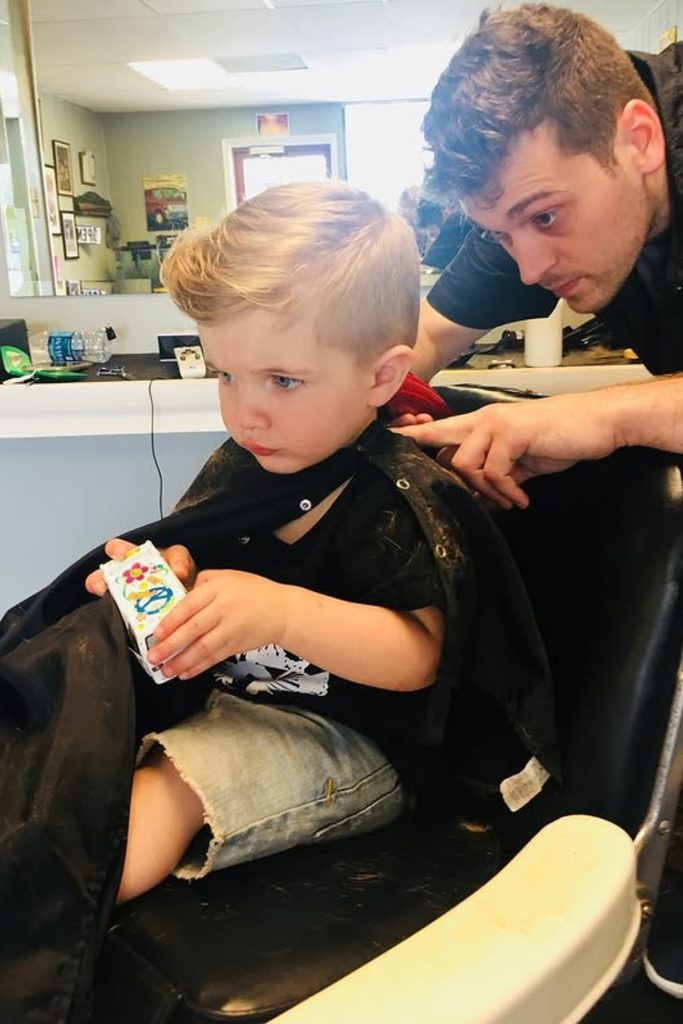
Long Textured Sweep
A longer top might help ease those awkward grow-out moments when you want to have control without giving away all that existing baby length.
Maintain fullness across the front and crown, then taper lower sections enough to avoid the sides looking bulky.
The somewhat disheveled appearance works particularly well with wavy hair since natural bends produce movement without exact daily styling.
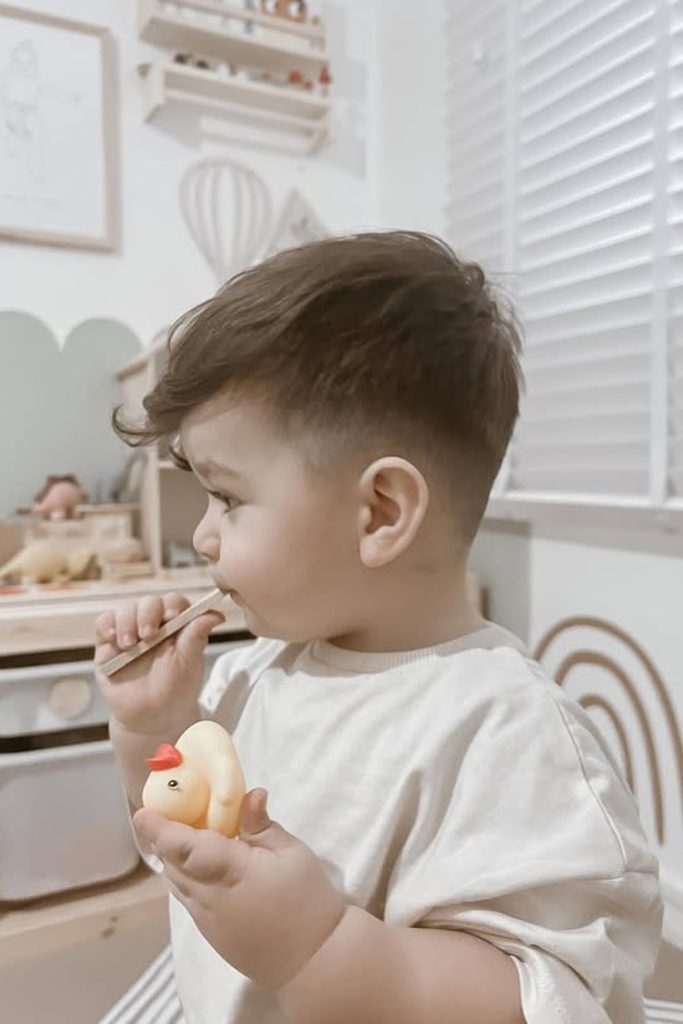
Soft Bowl Crop
Fine straight hair is sometimes easier to get texturing or spiking than a smooth, rounded style.
Keep the fringe comfortably over the eyes and merge around the ears. Leave fullness in the top area.
The hair falls forward naturally, so a quick comb after washing should put the soft shape back in place.
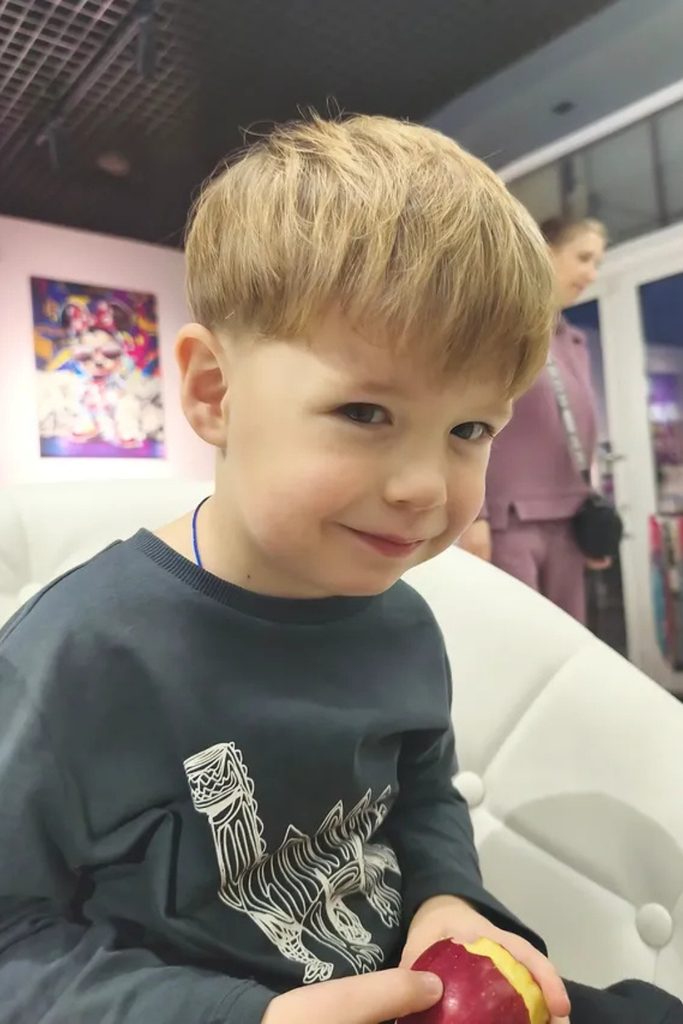
Natural Side Sweep
A simple side sweep preserves plenty of classic baby fullness when you want his first trim to remain soft.
Ask for light trimming around the ears and neckline, with the top long enough to naturally fall sideways.
Fine straight hair is the best here, since the natural direction of the hair results in a neat finish with very minimal treatment.
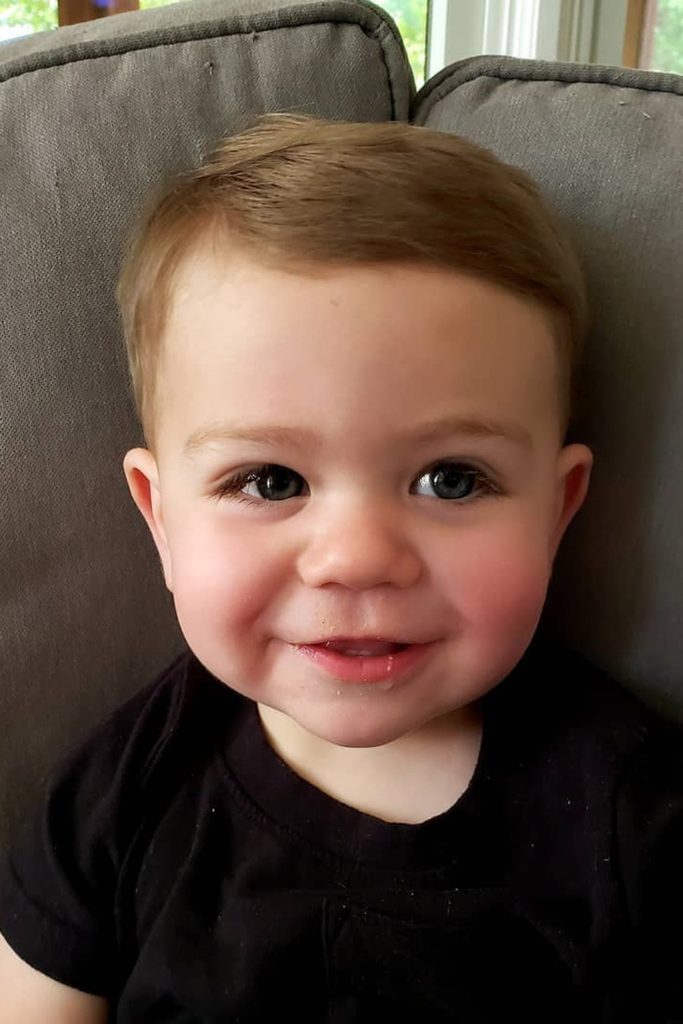
Design Fade
For a more noticeable shift, a fading side can help keep thick straight hair tamed around the ears and neck.
This shaved look adds character, but urge your barber to keep it simple if sitting still gets too tough.
Keeping more length on the top balances the cut, and makes future grow out easier to manage.
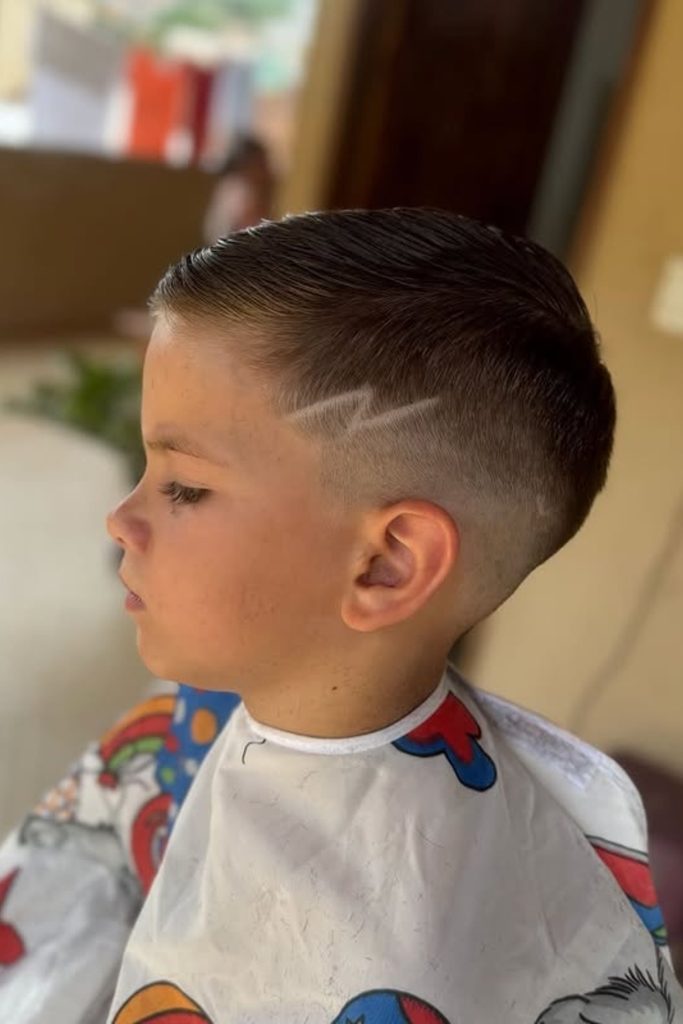
Wavy Mullet
Natural waves need room to travel so a little more length behind can turn uneven growth into a shape.
Ask for the barber to clean up around the ears and front but keep the length textured through the rear.
This is a great method for thicker, wavy hair when you want personality and not a severely styled top.
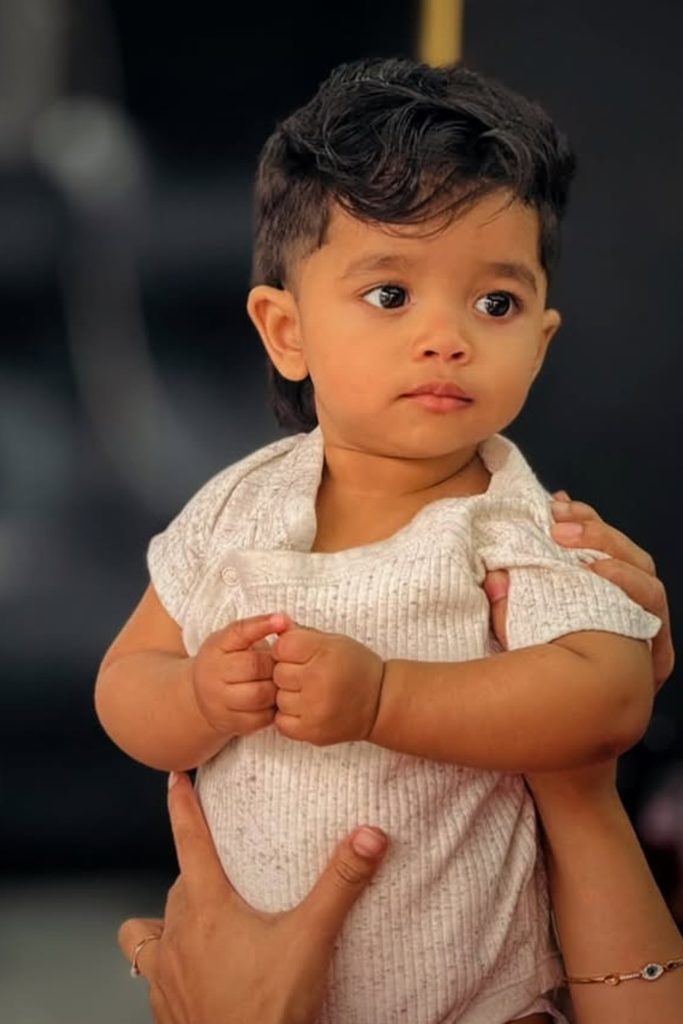
Defined Hard Part
A distinct part provides short hair an instantly more structured direction if you desire a sharp special-occasion cut.
Ask for the sides to be trimmed close but with enough length on top to comb over with not too much scalp showing.
The finish is rather precise, so you can anticipate getting barber touch-ups more often on the portion and short sides.
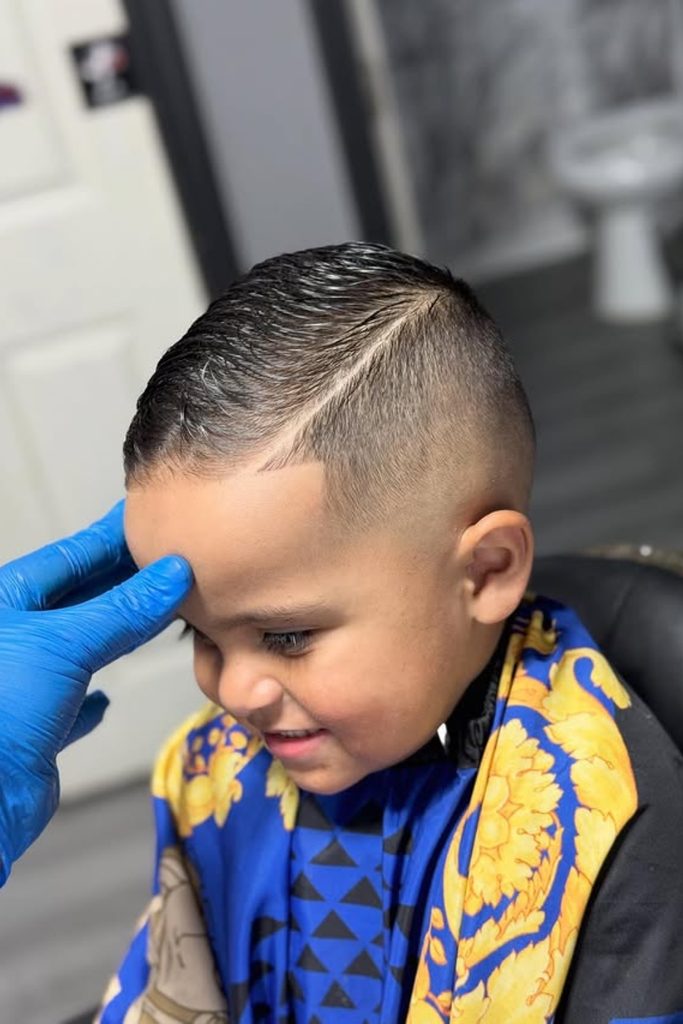
Soft Taper Crop
If his hair is thick and tends to puff up along the sides, a subtle taper can reduce some bulk without losing fullness on top.
Allow for natural movement by leaving ample length through the crown and bangs, gradually tapering the hair around the ears.
Wash and leave the top a little tousled, which makes it forgiving when neatly combed hair never lasts long.
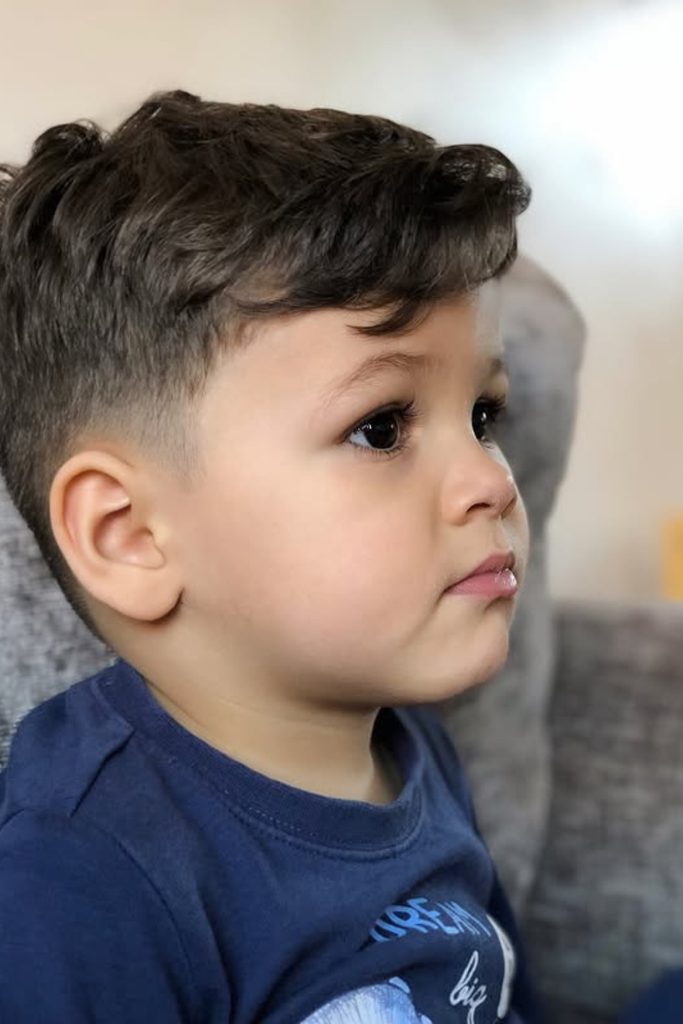
Rounded Fringe Fade
Rounded fringe If you have thick, straight hair that falls naturally forward, a rounded fringe provides that growth pattern a purpose.
Keep the top large and just fade the sides lightly, don’t thin everything out aggressively.
As the fringe is already keen to sit forward, everyday maintenance can be kept easy with the occasional cut above his eyebrows.
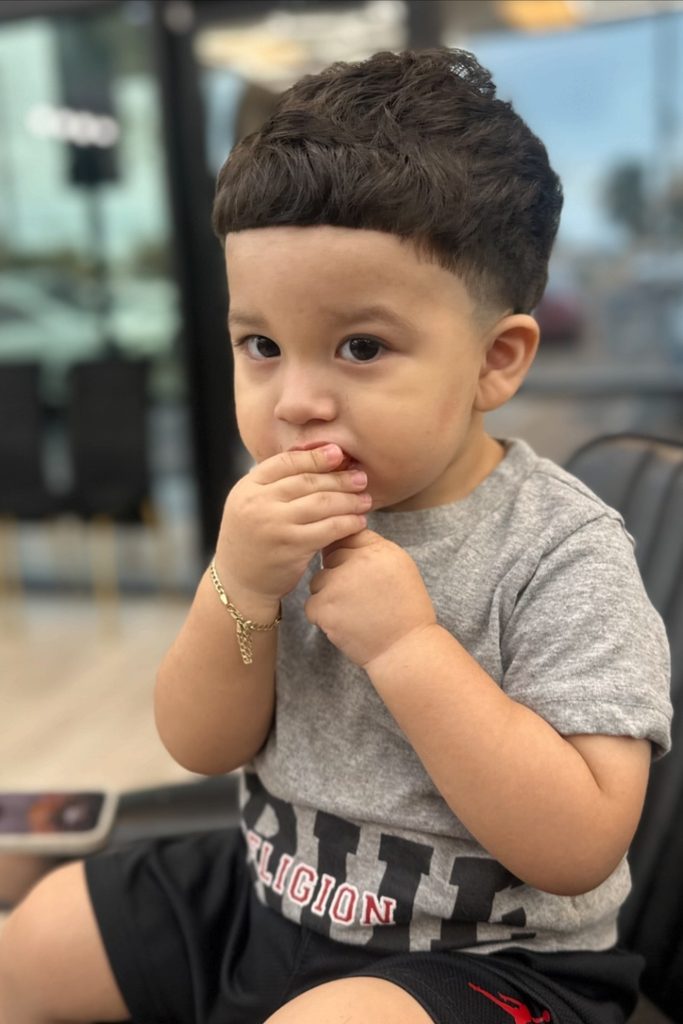
Wispy First Trim
Just because some of the infant hair is starting to grow longer than the rest doesn’t mean you have to give it a dramatic trim.
Ask them to tidy up mainly the uneven ends, especially around his ears, and leave the delicate top left alone mostly.
The length saved also gives you additional possibilities for customizing his next haircut later as his hair gets fuller.
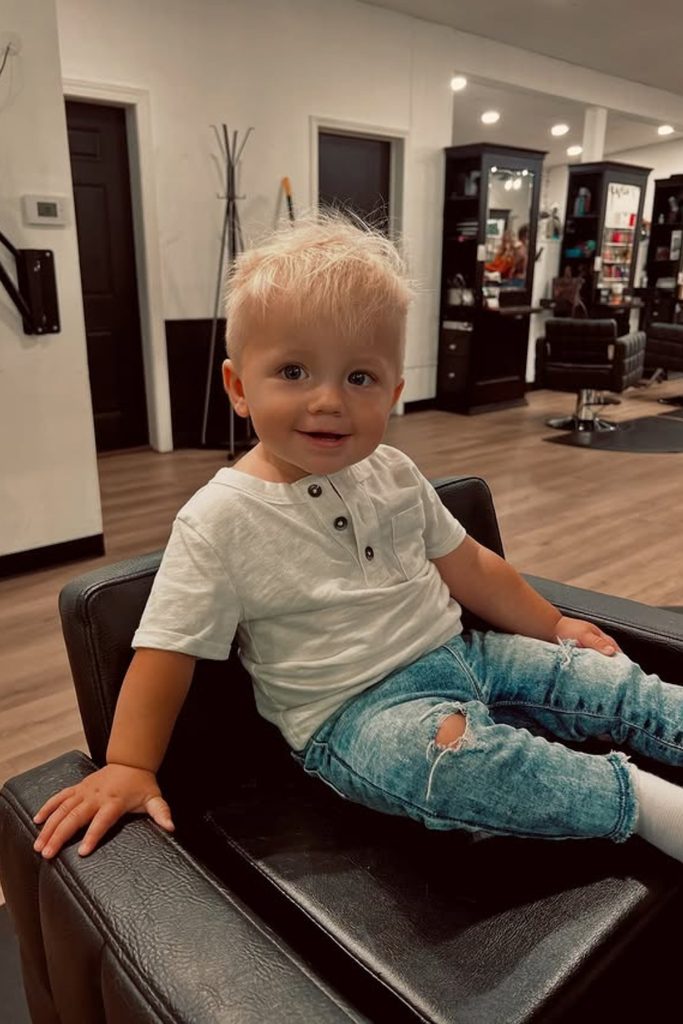
Combed Side Flow
If you have long enough straight hair to naturally bend, a side flow can keep it under control without cutting it very short.
Ask the barber to tidy up around his ears and neckline, but protect the longer hair in the front that will be needed for the sweep.
When moist, comb into position and allow to dry naturally for a tidy look without the styling fuss.
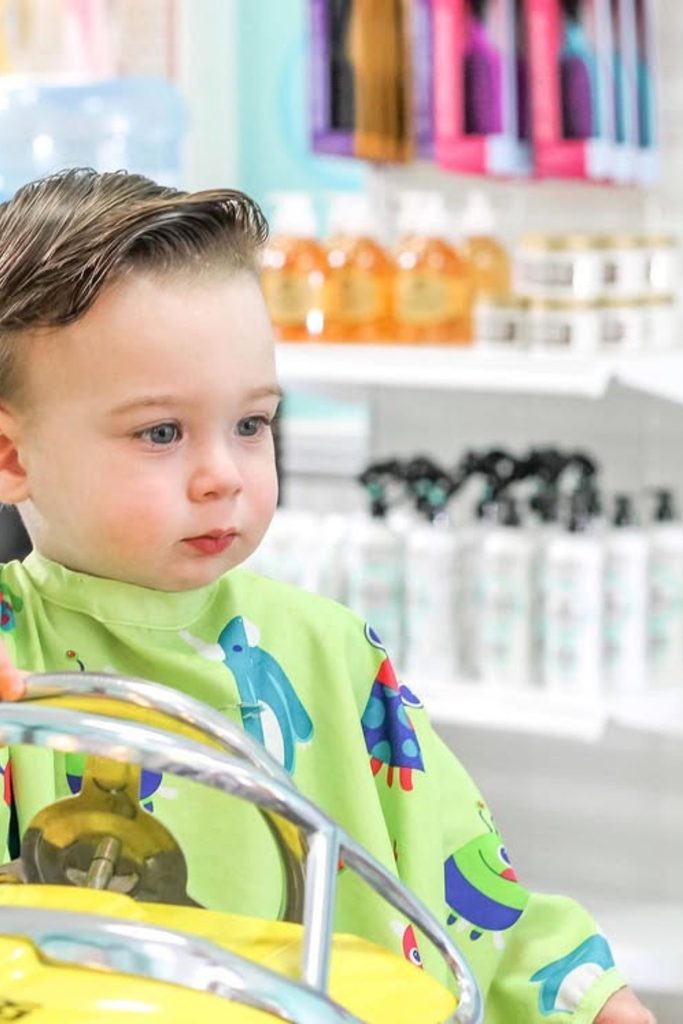
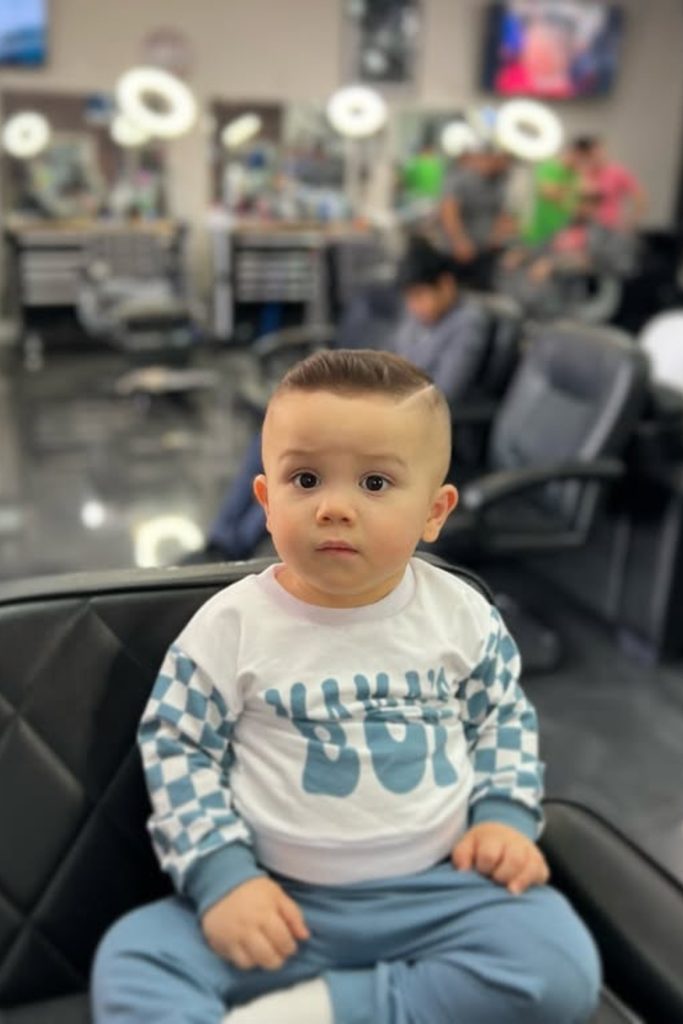
Sleek Side Part
A defined side part can give short, straight hair a sense of direction for a neat yet manageable finish.
Tell the barber to give you a precise taper around the sides, but leave enough length on top to comb neatly across.
This works well when his hair naturally sits flat, since a wet comb can bring the shape back in seconds.
FAQs
Will Cutting His Hair Make It Grow Back Thicker?
No, cutting the hair of a child at one year old does not make it grow faster or thicker. The hair develops from underneath the scalp.
Freshly cut hair can appear thicker since the ends are blunt instead than fine and tapered.
What If He Cries During His First Haircut?
There’s a chance of crying at a first haircut when the chair, cape, clippers or new environment are overwhelming.
Having a favorite toy or familiar distraction might assist, and it helps to have a barber who has expertise with small children.