Finding a cornrow style you like is easy, but knowing if it would truly work with your hair can be confusing.
Your length can limit some patterns, bigger rows sit differently on lower density hair, and adding a fade affects.
You’ll also need to consider how many rows you want, how intricate you want the parting to be and how much care will fit into your regimen.
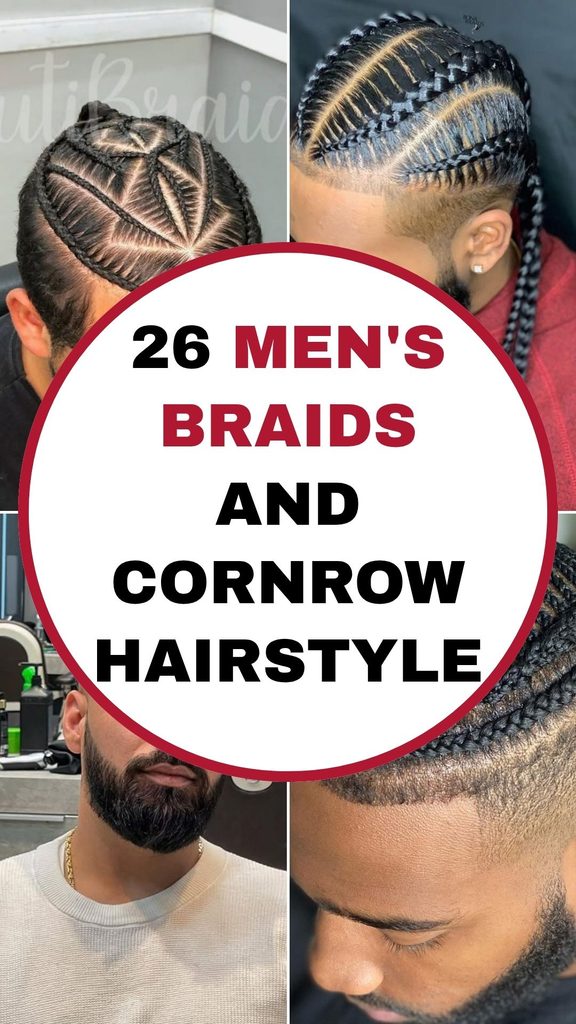
In this article, you can find several braid sizes, patterns, fades, and finishes with men’s cornrow hairstyles and some practical recommendations.
How Can You Keep Cornrows Looking Neat?
If you want your cornrows to look neat, it is important to safeguard the design of your braid but your scalp still needs frequent maintenance.
Don’t skip a wash only to keep the parts crisp. Wash your scalp when it is oily, sweaty, or product buildup is on it.
Dermatologists say you should apply shampoo to your scalp, where there is a build-up of excess oil, dead skin and styling products.
At night, cover your cornrows with a satin or silk scarf or other low friction covering to prevent friction.
Clean Back Rows
Want your cornrows to be professional and not too complicated? Keep a few clean rows, all going straight back.
With faded sides they cut away the excess bulk and create a much cleaner line for the braided top.
Ask for even portions all the way through the crown so that all the braids are of similar thickness and do not taper unevenly.
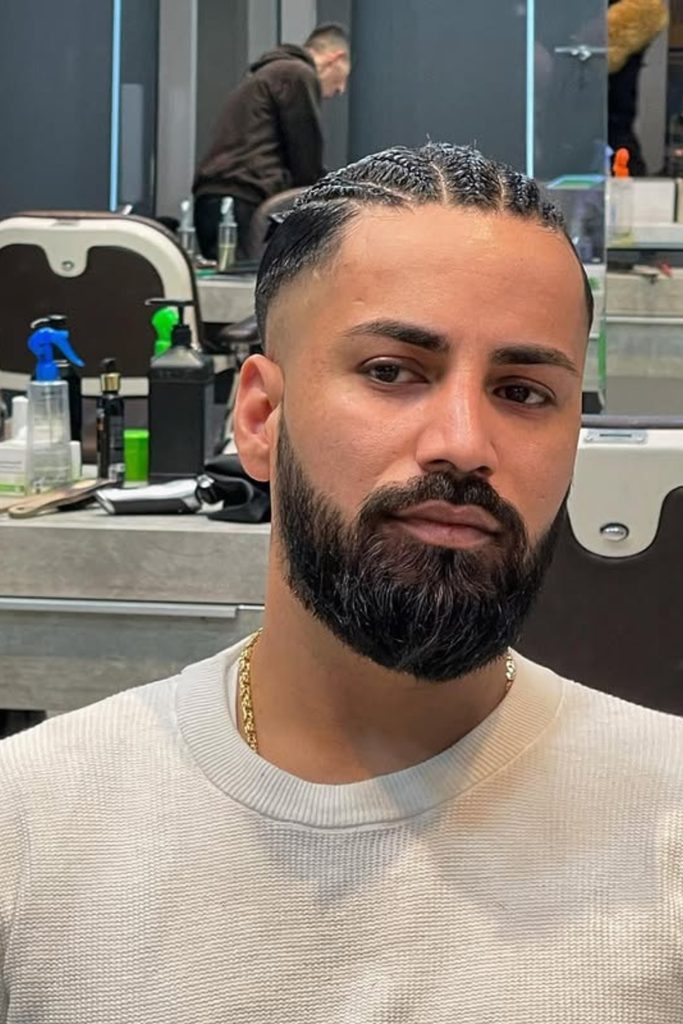
Geometric Cornrows
Don’t follow the obvious straight lines, unless you want your scalp pattern to be a feature of the hairdo.
Clean splitting is as important as braid thickness, as angular parts and crossing braids provide the detail here.
Bring a precise reference to your braider as it is tough to get those acute directional shifts right from description.
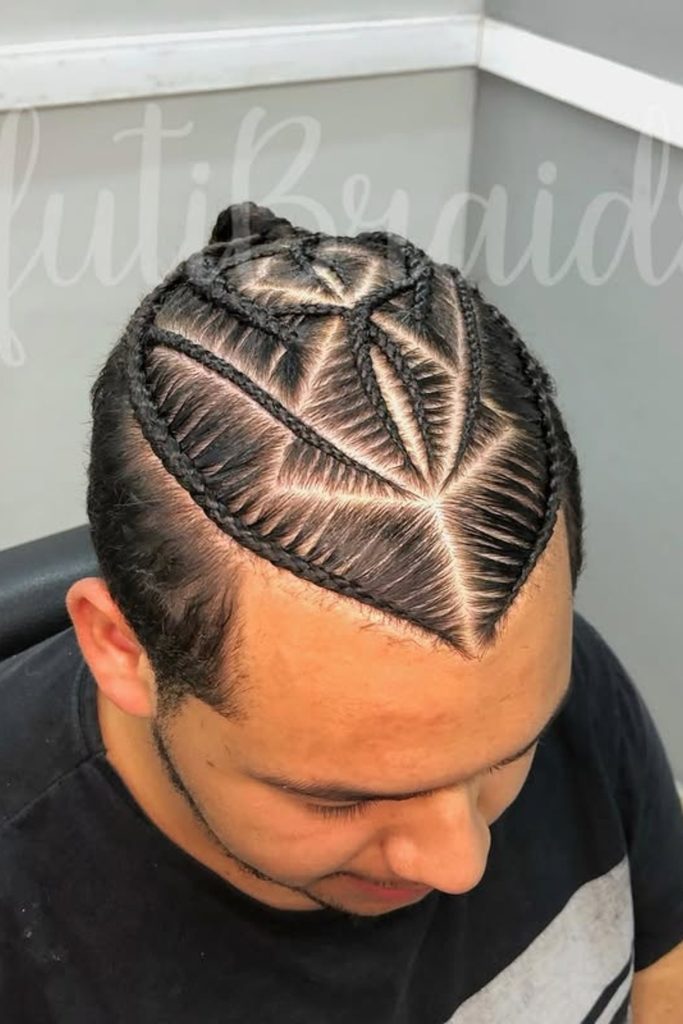
Side Swept Cornrows
Small cornrows can provide fantastic movement when they go diagonally instead of the conventional straight-back manner.
There are some thicker braids on the side to add some structure to those tiny rows, without having the pattern feel too busy.
Keep the fading clean underneath the braided region so the detailed top is the most prominent feature from any viewpoint.
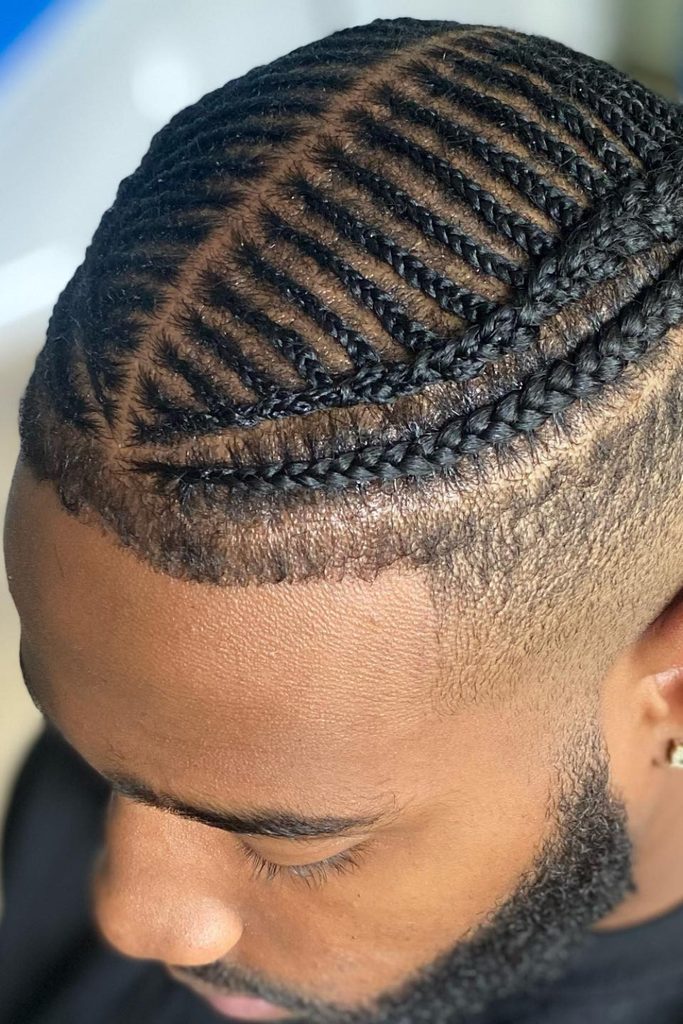
Long Patterned Cornrows
The long, braided ends provide you more freedom to style when you want elaborate cornrows beyond the scalp.
Larger curved braids combined with smaller accent rows offer contrast but leave plenty of detail on top.
Before you start braiding, you’ll want to plan the length of the finished piece, especially if you need to add hair to get those longer dangling ends.
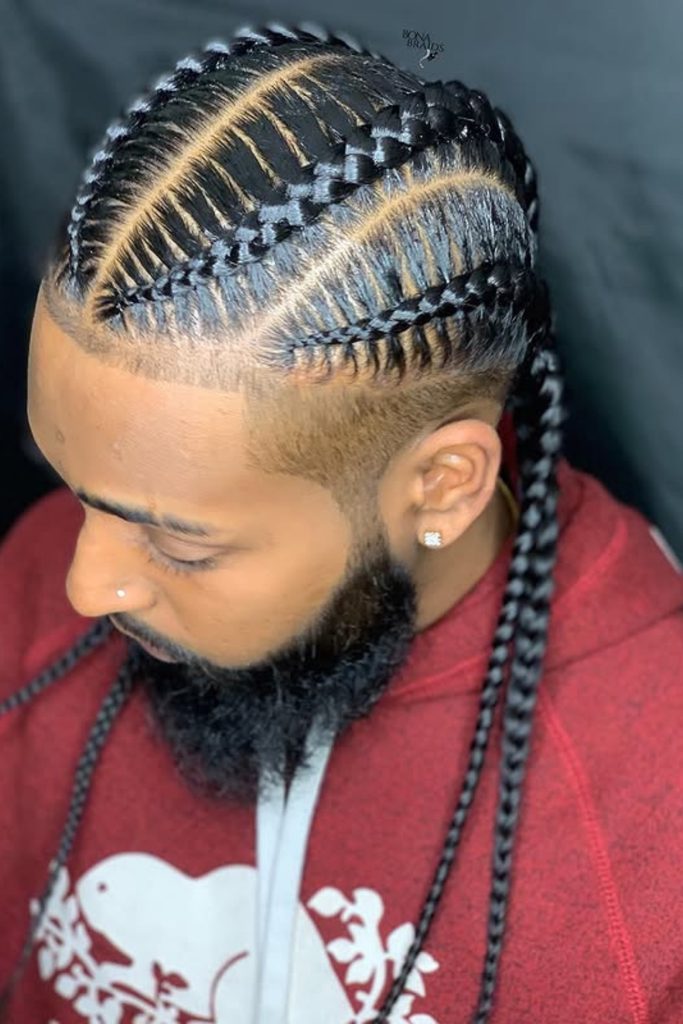
Split Pattern Braids
Want more detail without teeny-ifying every braid? Mix narrow middle rows with wider cornrows on both sides.
A balanced pattern works especially well for longer hair since those larger braids can extend into dangling ends.
Keep center part sharp to make sides look natural and mirror each other, while the varying widths of braids provide an apparent depth.
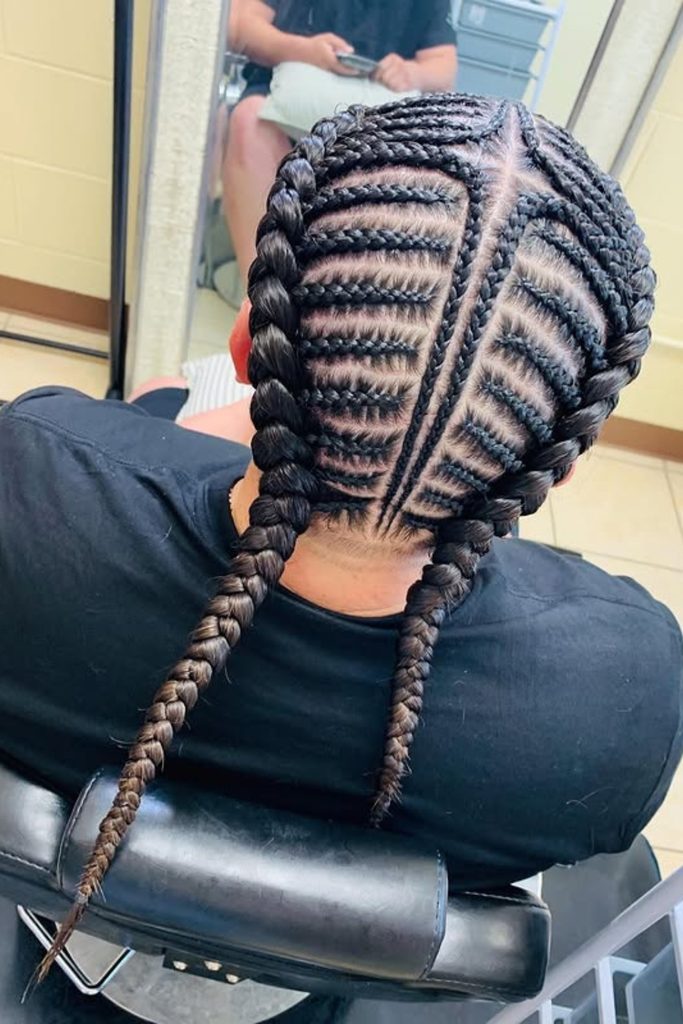
Curved Fade Cornrows
Curved rows bring movement to your cornrows when straight-back parts feel a little too plain for the hairdo you already sport.
“With the close fading on the sides, those sweeping lines of the braids are more easily noticed, without adding more complicated sections.”
Follow the curve of the head with each braid to the rear, and let the longer ends fall cleanly behind you.
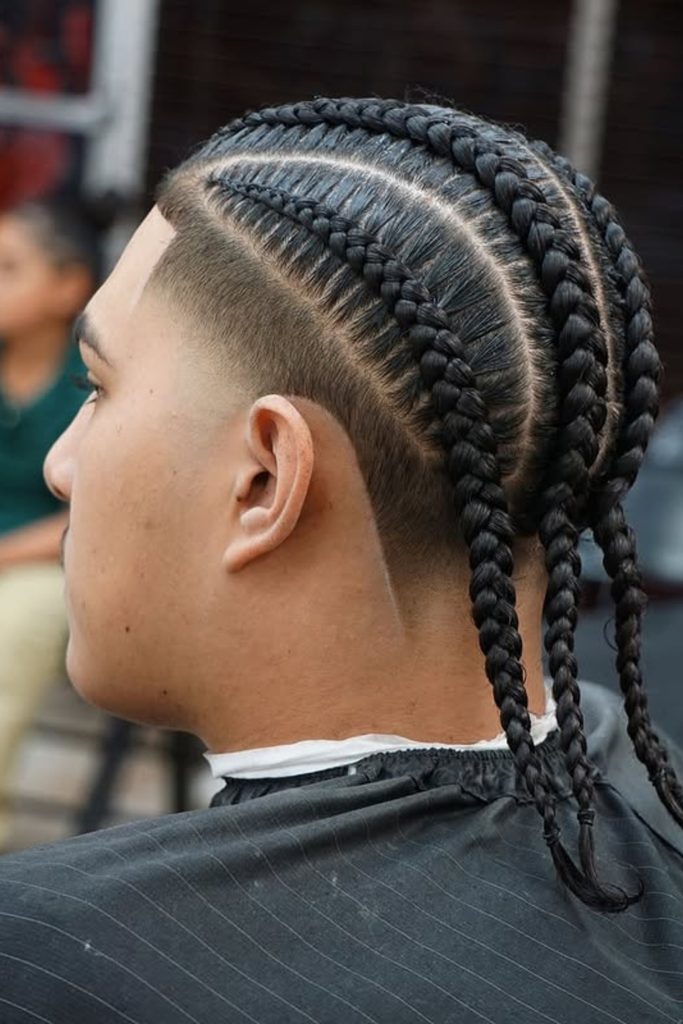
Freestyle Wave Cornrows
Make your cornrowed hair more unique and expressive by not sticking to symmetrical rows and letting the parting itself do the talking.
Thick braids sweep across the skull in curves, while smaller accent rows fill spaces without dominating them.
Free your braider on the crown, but agree on the general directions of the braids before those detailed areas start.
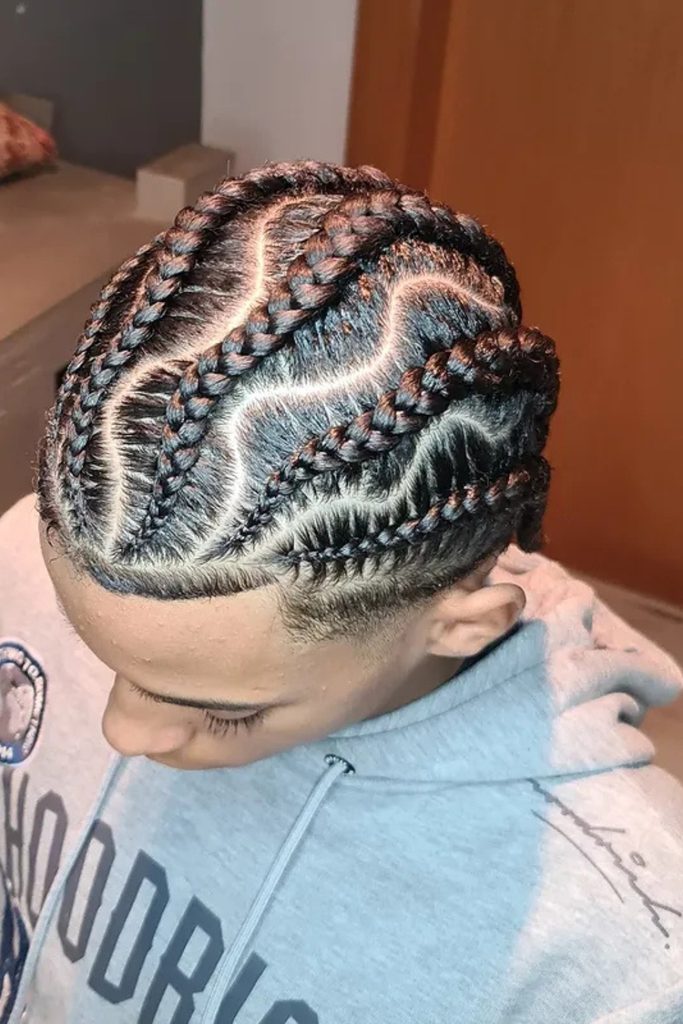
Mixed Size Cornrows
If you have large rows next to small cornrows for more contrast, it can change the entire effect.
Use the thicker parts as your main design, and fill in the crevices with narrow braids to sharpen the separation.
You maintain all that variance up top with a tight fade on the sides instead of making everything crowded.
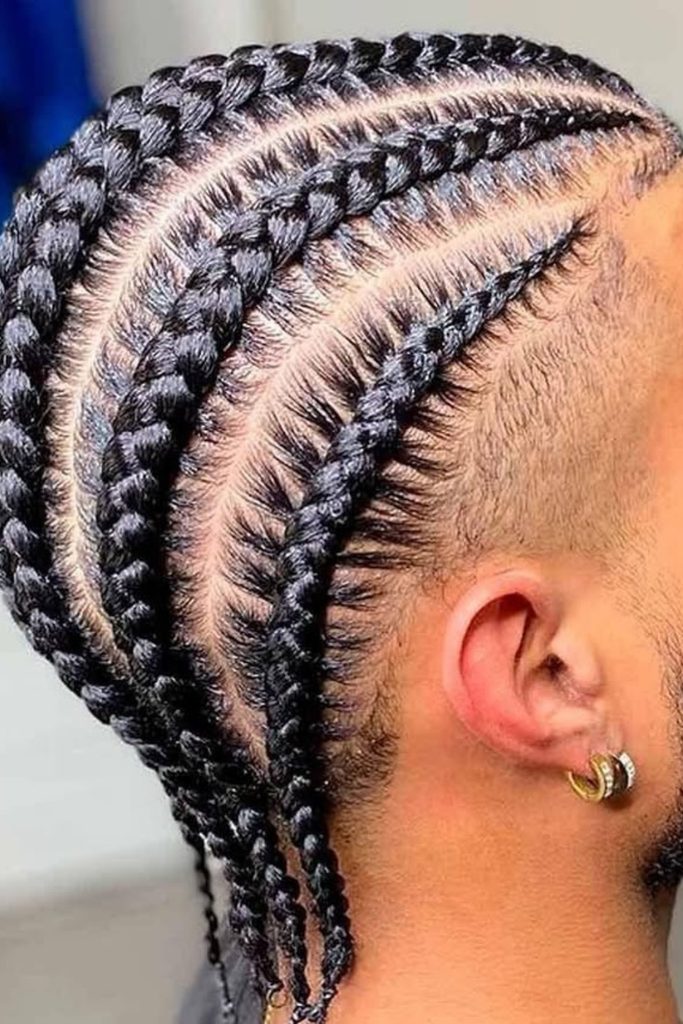
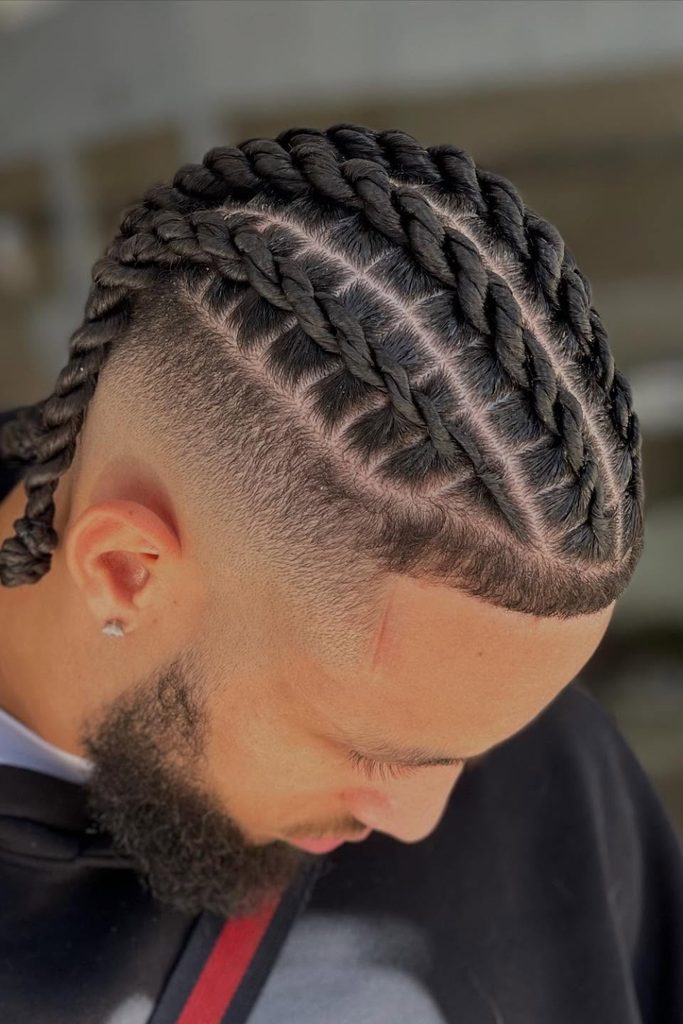
Rope Twist Cornrows
If you find regular cornrows a bit too flat, try rope-like twists for a thicker texture while keeping your portions neat.
The diagonal splitting gives each twisted row a chance to shine, while the fading sides keep the heavier top from feeling cumbersome.
Select this option if your hair is long and dense enough to allow for considerable twists without tugging too much.
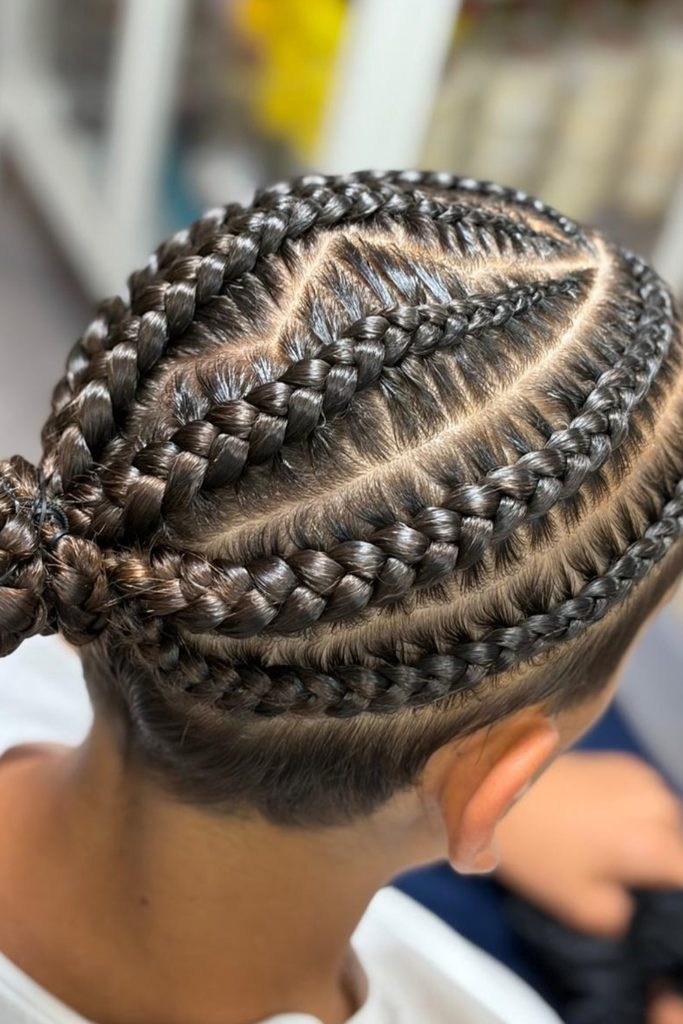
Braided Bun Cornrows
They can also be arranged in multiple structured cornrows into a tight compact bun, without needing longer hair to hang down.
The curved portions naturally guide the braids back so you can do extensive scalp work while keeping the finished length under control.
And instead of tugging those braided pieces tight again, so they’re already at the back, keep the bun pleasantly held.
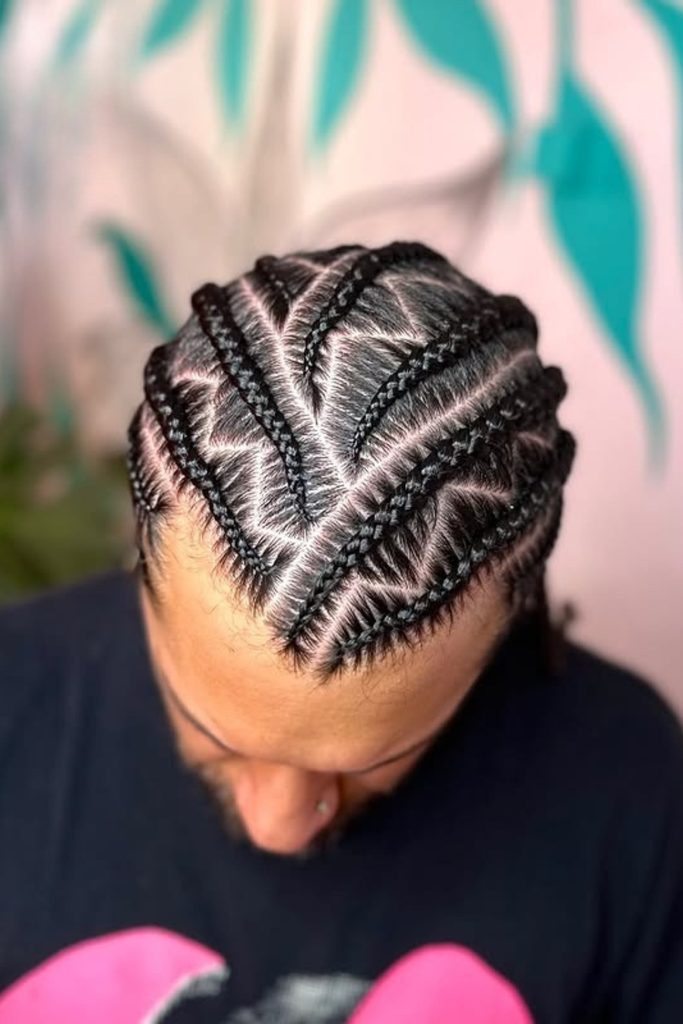
Arrow Pattern Cornrows
Sharp V shaped portions turn modest cornrows into the main design without the need for large braids to make an impact.
Angles that are repeated create a strong direction over the scalp, thus proper parting is very vital when your braider starts.
Reserve this choice for when you desire complex pattern work, but want to keep each individual braid relatively narrow and lightweight.
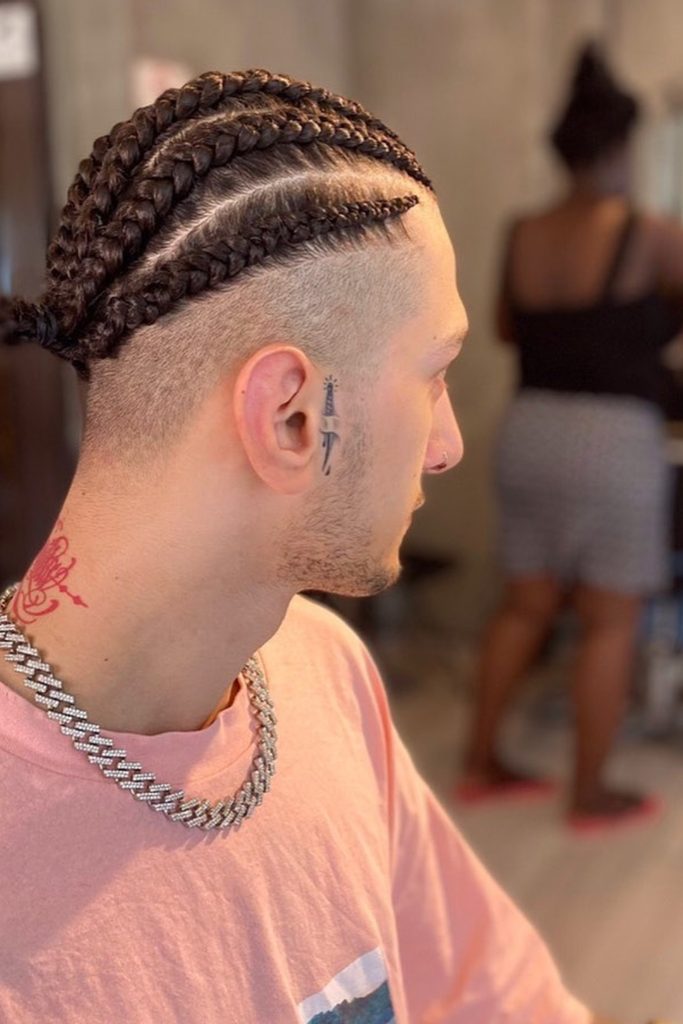
Tapered Back Cornrows
If you like precisely faded sides and neckline, keeping the cornrows concentrated over the top works wonderfully.
A few medium rows give it enough definition without hiding the crisp contrast of the short hair underneath.
Have your barber leave adequate braidable breadth ahead of time, since taking the fade too high can limit your cornrow placement.
Swirl Pattern Cornrows
When the rows circle around the scalp, rather than only following one direction, curved cornrows make a bigger impression.
Create the main curves where the bigger parts then add slimmer accent braids where the pattern requires more definition.
The long dangling ends balance out the elaborate top wonderfully, especially if you want movement in addition to the complex scalp pattern.
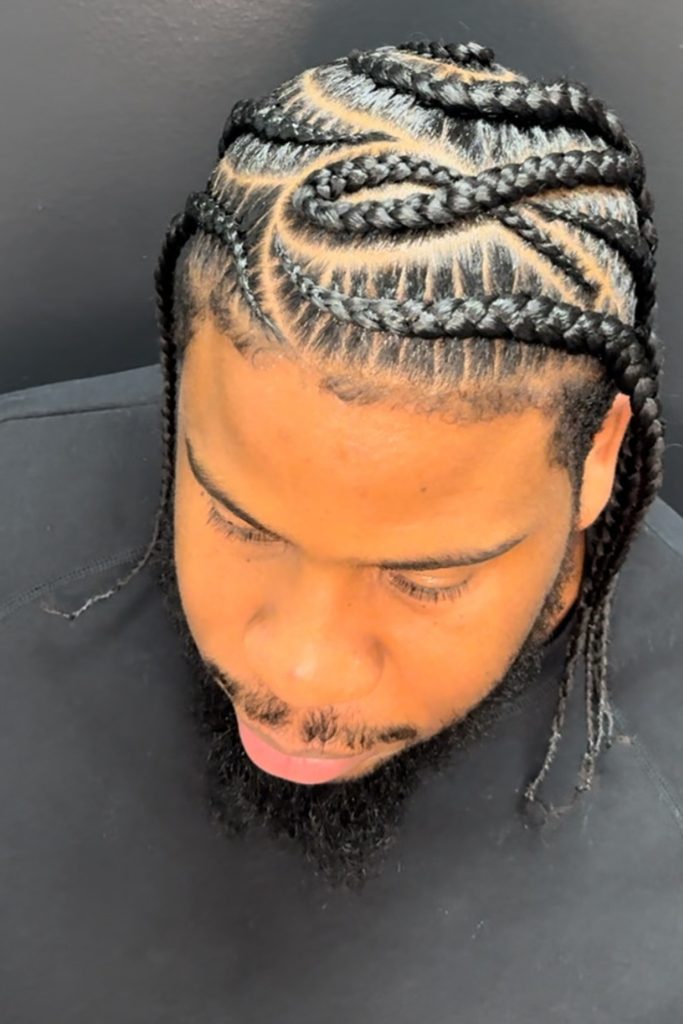
Cornrow Fade Bun
If you have longer hair, then simply pull back a few cornrows into a little bun at the back.
A steep fade produces a significant separation underneath, and a shaved line may form an even sharper barrier.
Bring the braids to the back comfortably for the bun to be secured without any undue tension later.
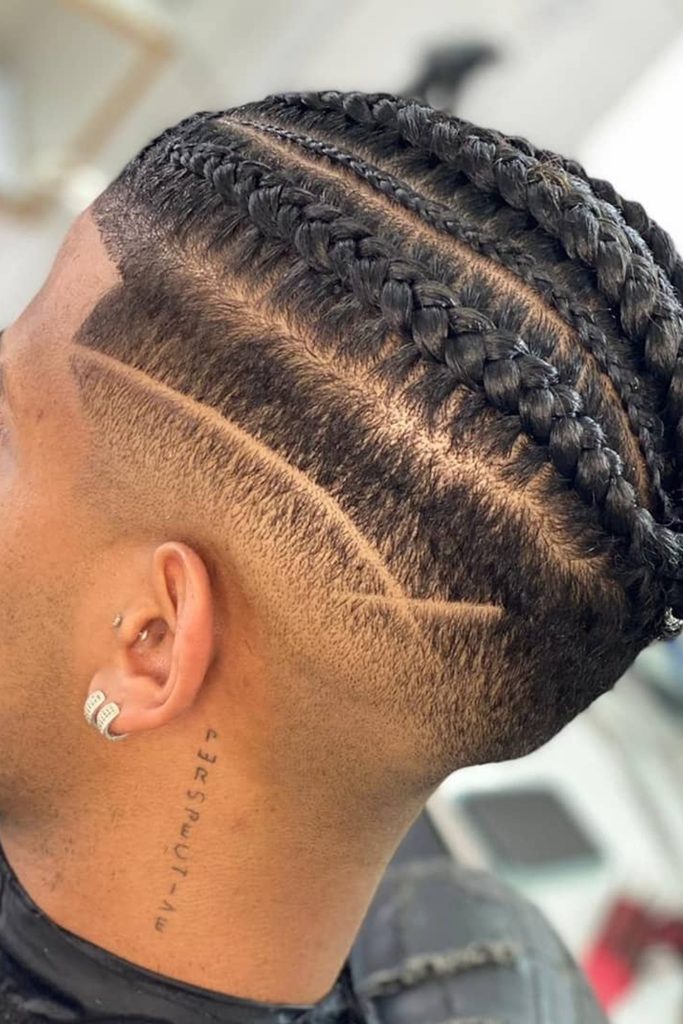
Alternating Cornrow Rows
Different widths of braids can keep straight-back cornrows interesting without having to do intricate curves or dramatic geometric separation.
Create contrast by placing thicker rows next to thinner ones. Maintain order by keeping the general direction neat with parallel portions.
This is good if you want detail and still want a nice simple to see design from the front.
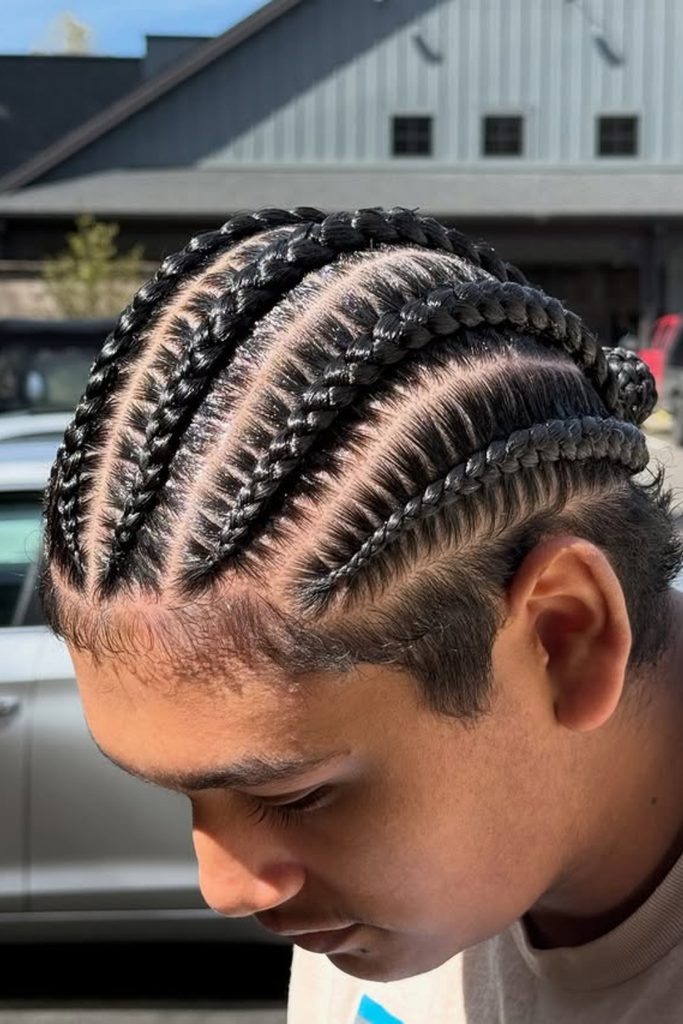
Chevron Cornrows
If you want your cornrows to appear structured from above, pointed parts instantly focus attention to the center.
To provide visual weight, follow the V portions with small accent braids and then thicker outer rows.
Because it is the consistent angles that make this complex design appear balanced, show your braider the exact arrangement ahead of time.
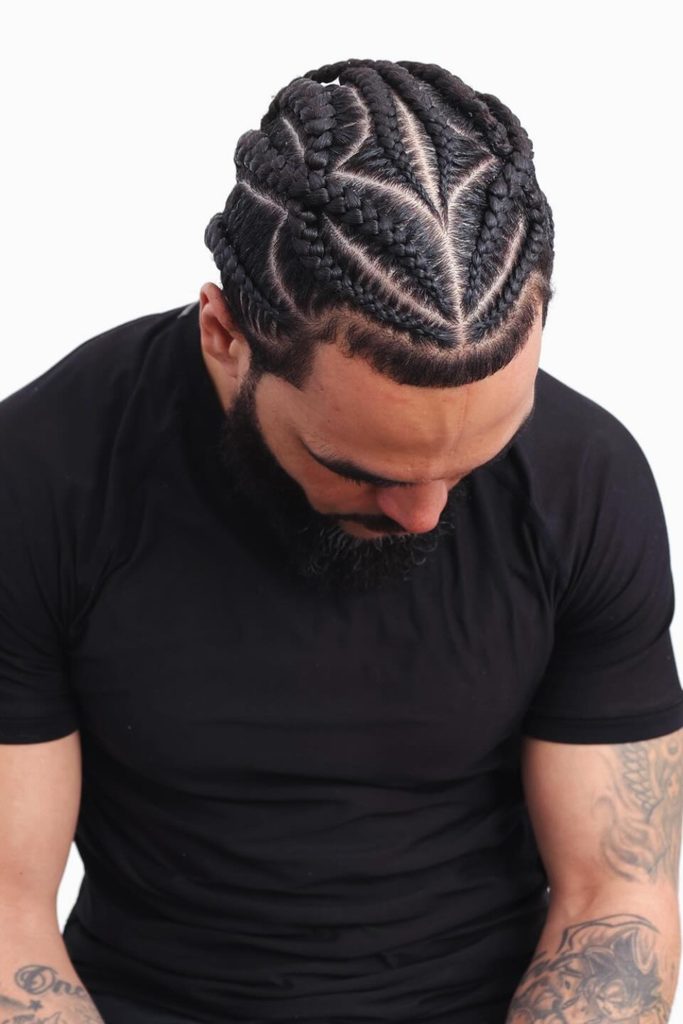
Braided Top Knot
The longer hair is pulled up in selected cornrows for a more controlled finish but the curved pattern on the scalp is still very much visible.
The trick is to put in the skinny accent braids between the heavier rows so the design gets detail without every part feeling equally weighted.
Gently secure the gathered ends at the crown, as a tight knot can add more strain after braiding.
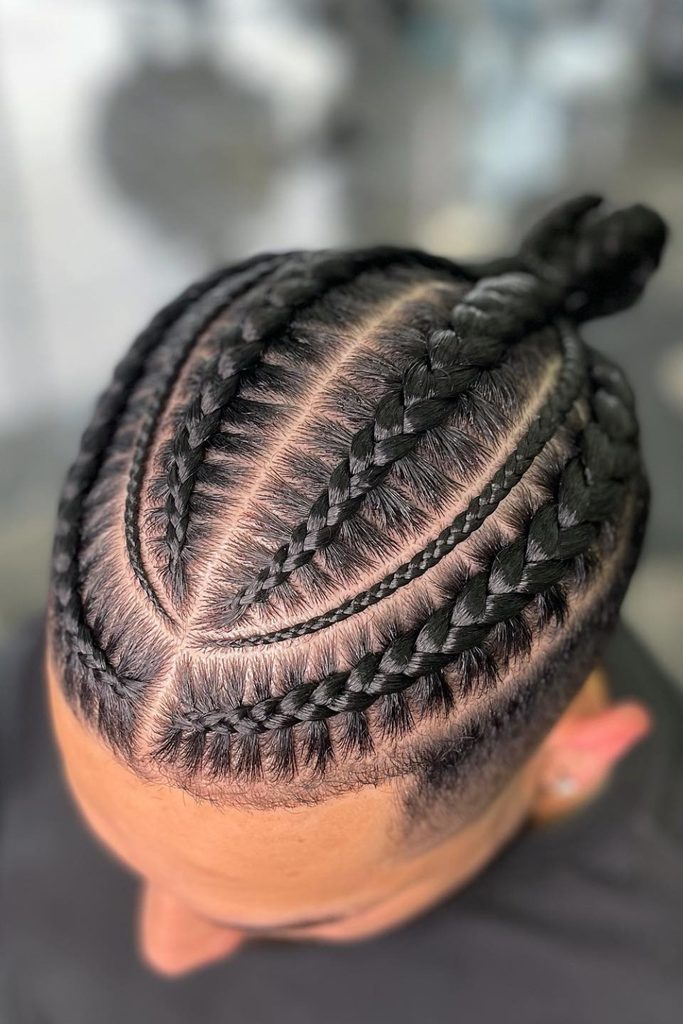
Four Row Cornrows
Four fat cornrows are a good option when you want something simple but yet showing a lot of braid texture.
Wider parts give each row greater apparent weight, so this technique works especially well if you have nice, dense hair.
Make sure the middle part is clean and well spaced so the bigger braids look like they were meant to be there and not just crammed across the scalp.
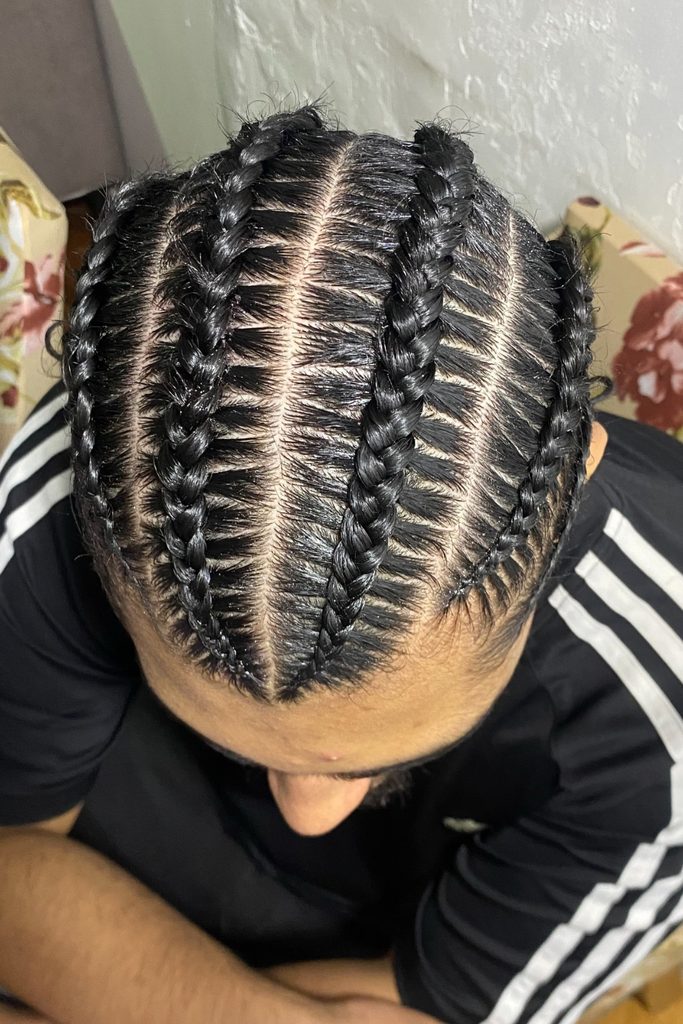
Slim Fade Cornrows
Smaller cornrows are great for keeping the top detailed but not too bulky, especially when combined with tightly faded sides.
Parallel curving rows build a nice flow to the back but still allow enough scalp to be seen so each part is easily identifiable.
To keep this cleaner pattern look balanced from front to crown, choose constant braid widths throughout.
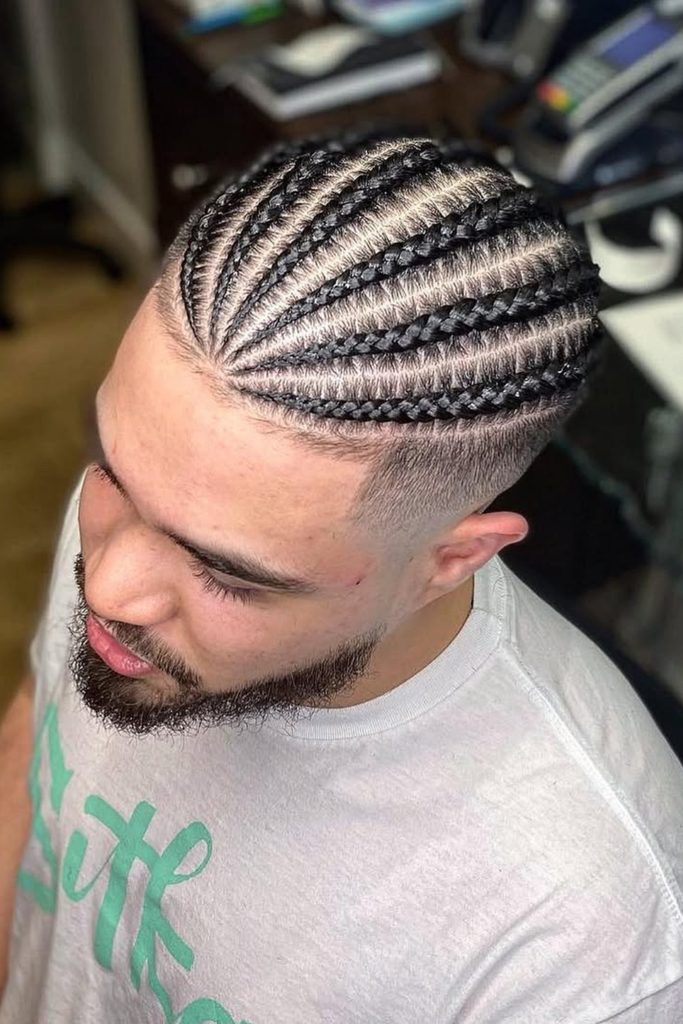
Fan Pattern Cornrows
If numerous cornrows start around a central point, they form a fan effect, which feels more dynamic than typical parallel rows.
Wider spacing at the crown is needed to allow each braid to stretch outward organically, so the parting is an important design feature.
Ask your braider to chart those directions first, so that each row distributes evenly instead of contending for limited scalp real estate.
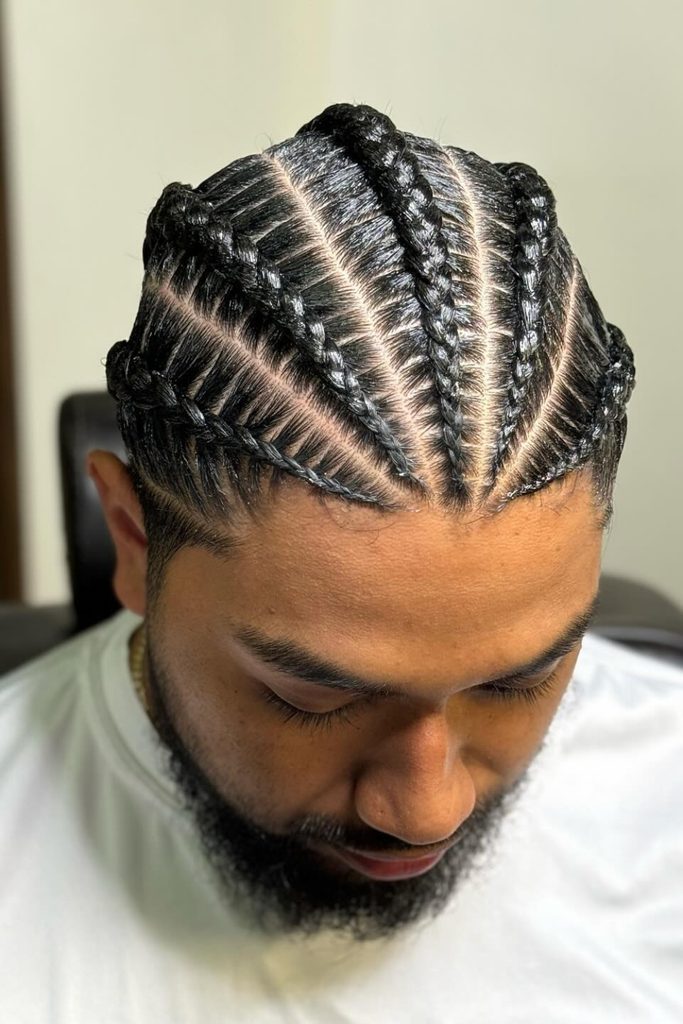
Layered Side Cornrows
Instead of having each row go straight across, let some cornrows slant across the sides for a natural movement.
The mix of medium and narrow braids gives dimension and there’s still plenty of clean parting to see each direction.
This is a particularly nice pattern for longer hair, as the final braids may extend back without crowding the crown.
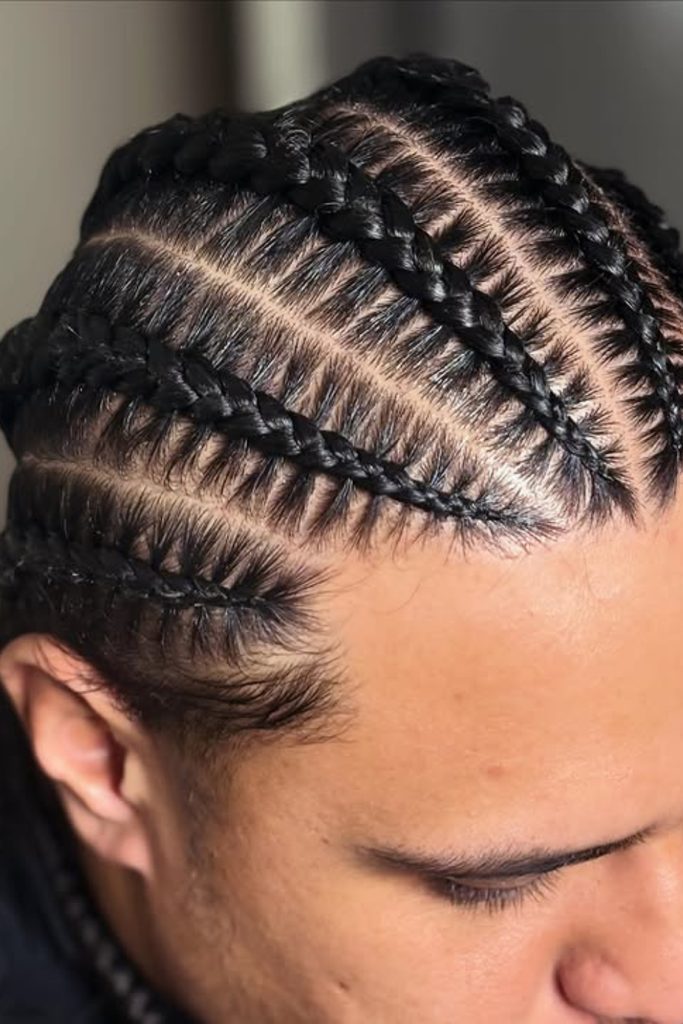
Chunky Straight Cornrows
little, less chunky rows can give dense hair a structured impression without having to put dozens of little braids all over your scalp.
The wide sections mean each cornrow has plenty of hair for a fuller finish, and skinny accent braids create subtle contrast.
Use this pattern when you want a bold braid definition and a simple pattern that is nevertheless easy to identify.
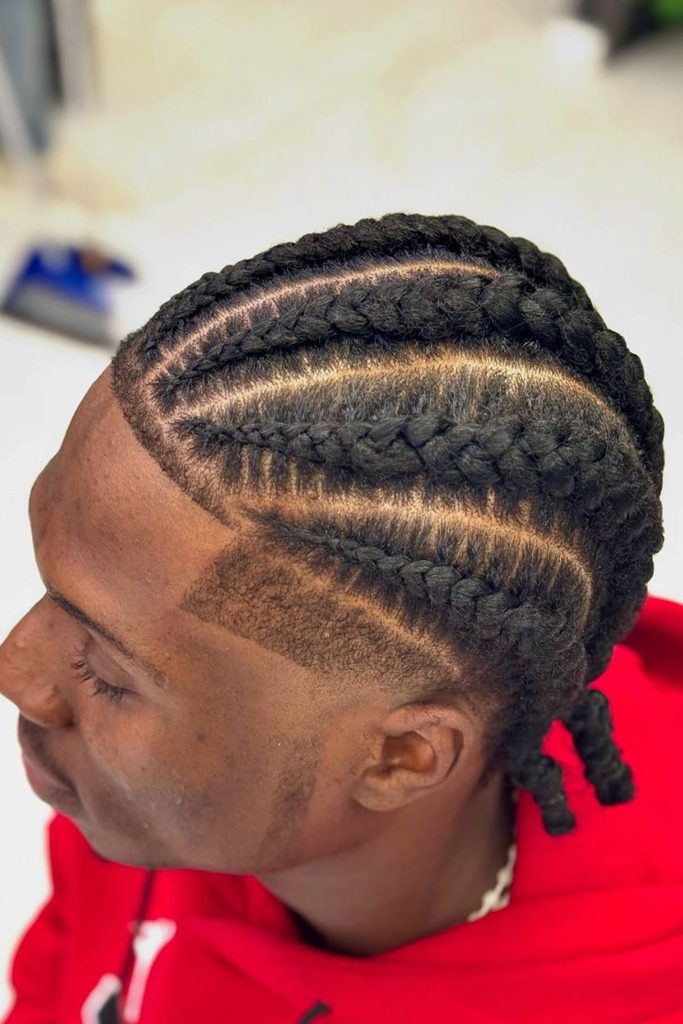
Crown Bun Cornrows
Narrow cornrows heading toward a little crown bun keep longer hair in place, allowing the scalp design to pop.
A close fade underneath provides a better contrast, especially where those curved pieces go up instead of back.
Leave the bun nice and loose so that collecting up the finished braids doesn’t put tension around your hairline.
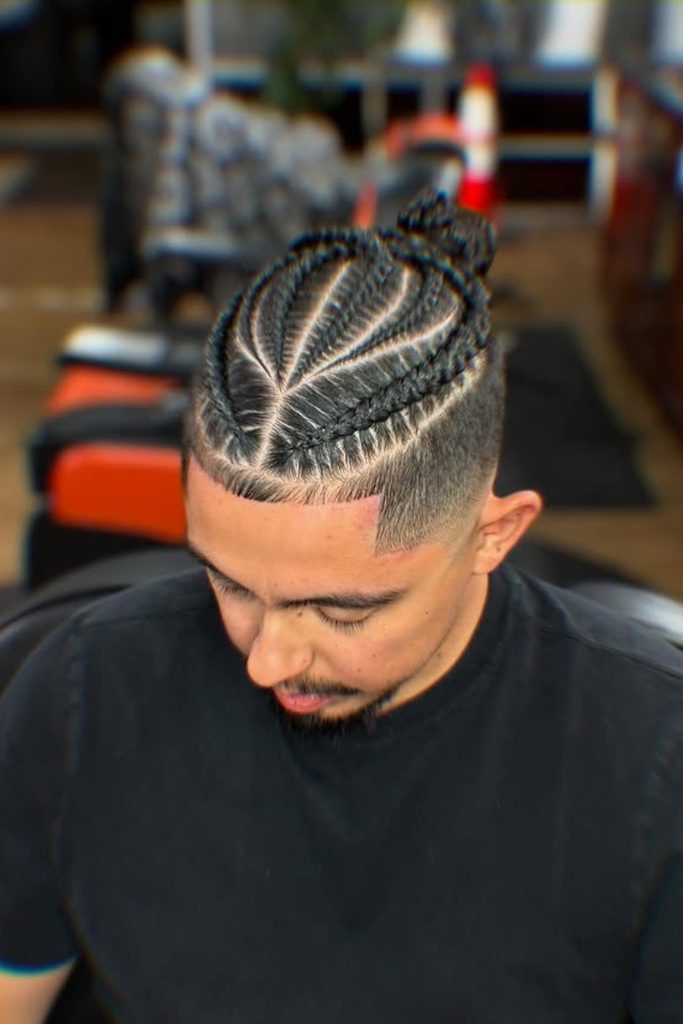
Five Row Cornrows
Five evenly spaced cornrows provide you a happy medium between big braids and more intricate smaller patterns.
The straight parts provide a simple comparison of the braid thickness so you can determine if your density can carry fuller rows.
Request even spacing from front to rear so that one area does not steal hair from the next braid.
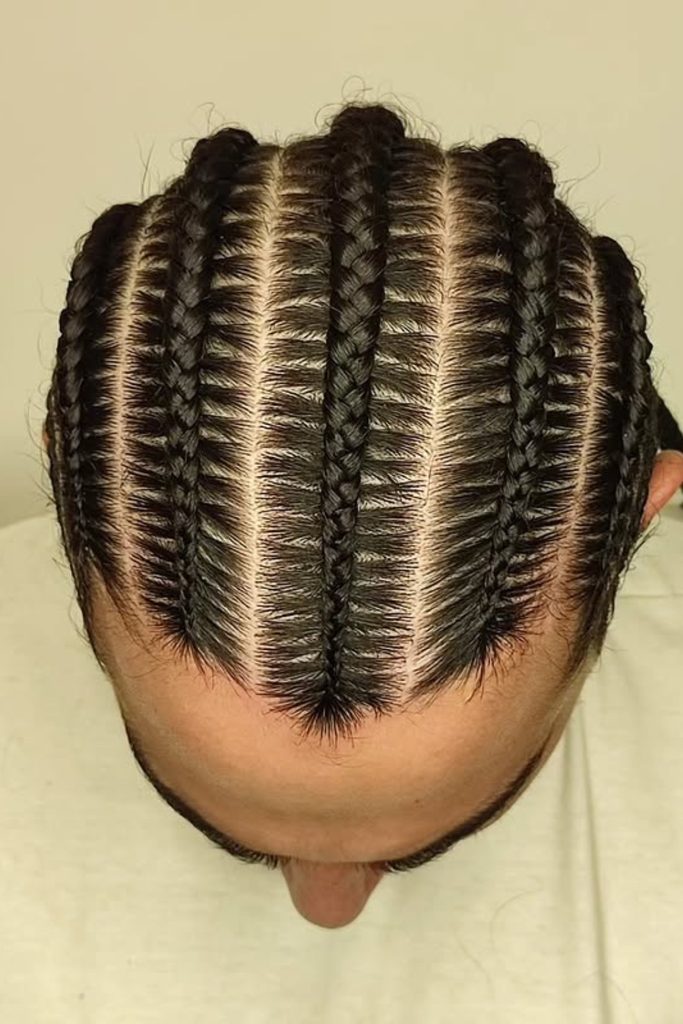
Center Part Braids
A pointed central part can help keep your cornrows neat and not filled with parts if you desire longer cornrows.
Two braided sides keep the length in check while letting the straight central line be the greatest visual detail.
This works especially well with longer hair, since both braids can run free without the need for intricate scalp designs.
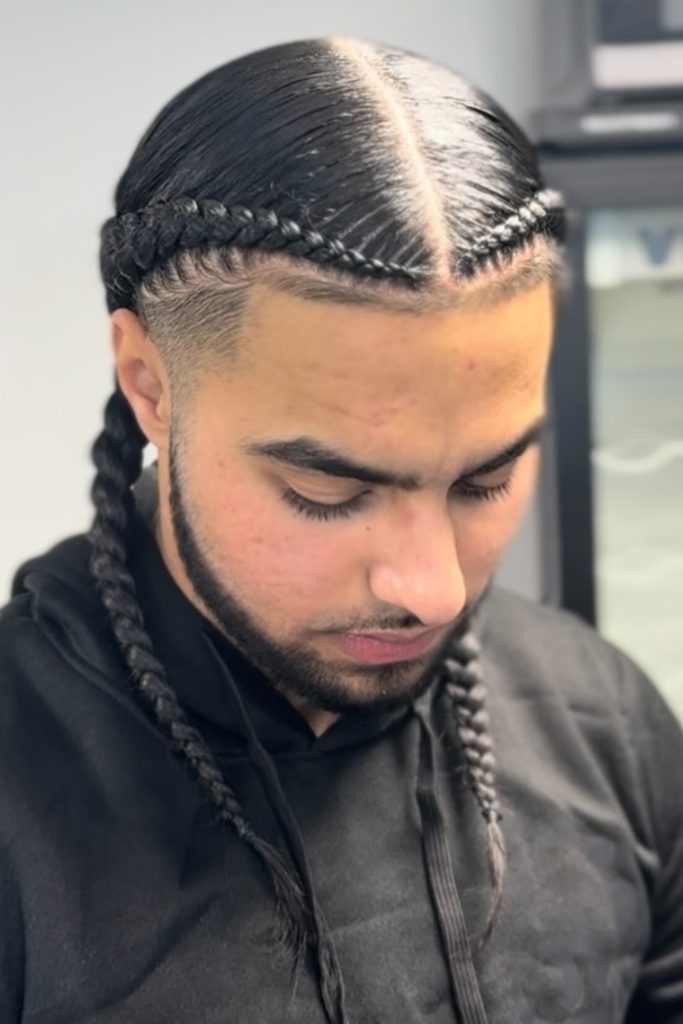
Diagonal Feed Cornrows
If straight rows feel too predictable for your next braided hairstyle, diagonal portions give thicker cornrows more movement.
Each braid has its own angled lane, giving it clear separation while still guiding the overall haircut backward.
Keep those parts an even size so the bigger braids bear equal weight and one side doesn’t look crowded.
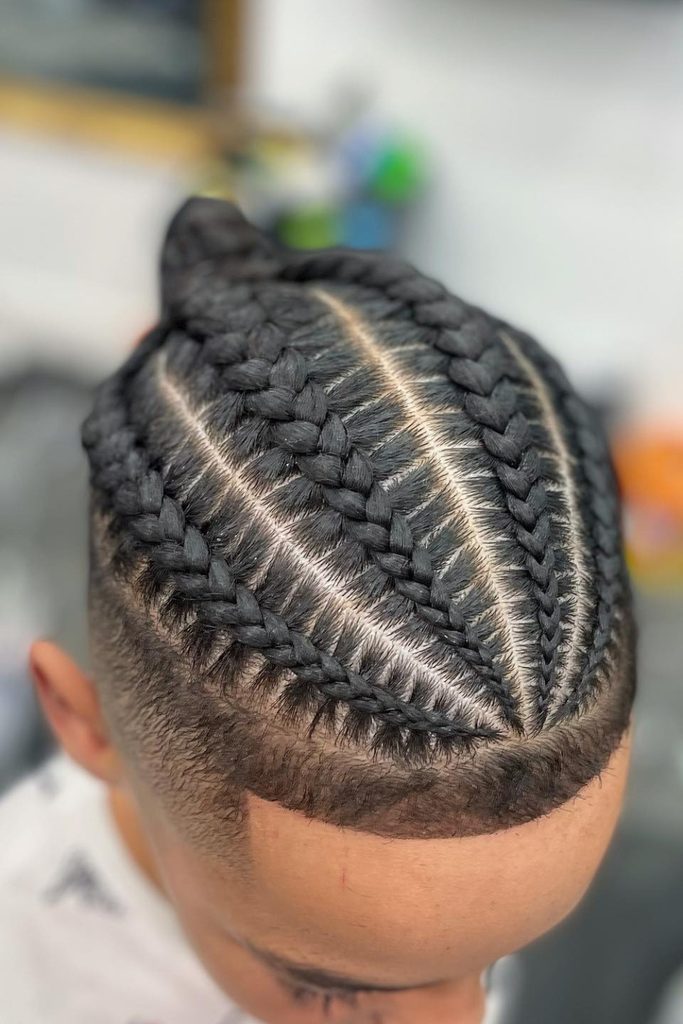
FAQs
How Long Should You Keep Cornrows In?
How nice they stay depends on how fast your hair grows, the size braids you get, your exercises, washing routine and sleep protection.
If the roots are getting really loose or the style is starting to feel uncomfortable, don’t just keep it in because you want to stretch it out another week.
Can You Wash Your Hair With Cornrows?
Yes, your scalp still has to be cleansed while your cornrows are being fitted, especially when sweat, oil or product begins to build up.
Focus shampoo on the scalp mainly and do not rub the braids violently. Rinse carefully and allow everything dry thoroughly.