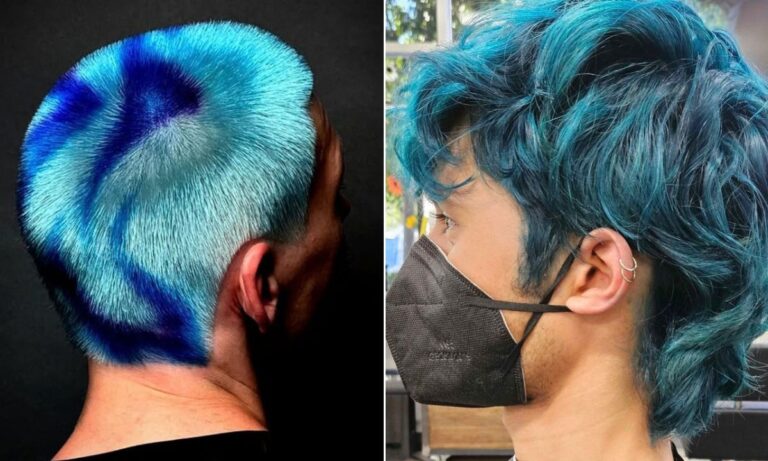
You let your boy grow his hair for months then suddenly it covers his eyes, puffs about his ears.
What you truly need is a trim that improves the structure of long hair without beginning the growing process all over again.
The appropriate layers, length and front shape can make his hair feel easier to care for but still look organically long.
In this article, you’ll find lengthy haircut options for various hair textures, lengths, and daily routines.
What Should You Tell the Barber Before Cutting Your Boy’s Long Hair?
If you want your son to keep his length, tell the barber what should stay before you tell him what needs trimming.
Use obvious reference points, such as keeping the back at the collar, leaving the ears covered, or keeping the front long enough to tuck behind the ears;
Mention if his hair usually falls into his eyes, grows bulky at the sides, or has to tie back for school or sports.
Bring two or three reference photographs that have a comparable hair texture and length.
Soft Swept Layers
Leave extra length at the top if you want thick hair to lay flat instead of becoming too rounded.
Soft layering lowers weight without sacrificing volume around the crown and sides, while allowing the fringe to sweep laterally.
Request gently textured ends, not harsh thinning, to retain the relaxing flow of the shape between cuts.
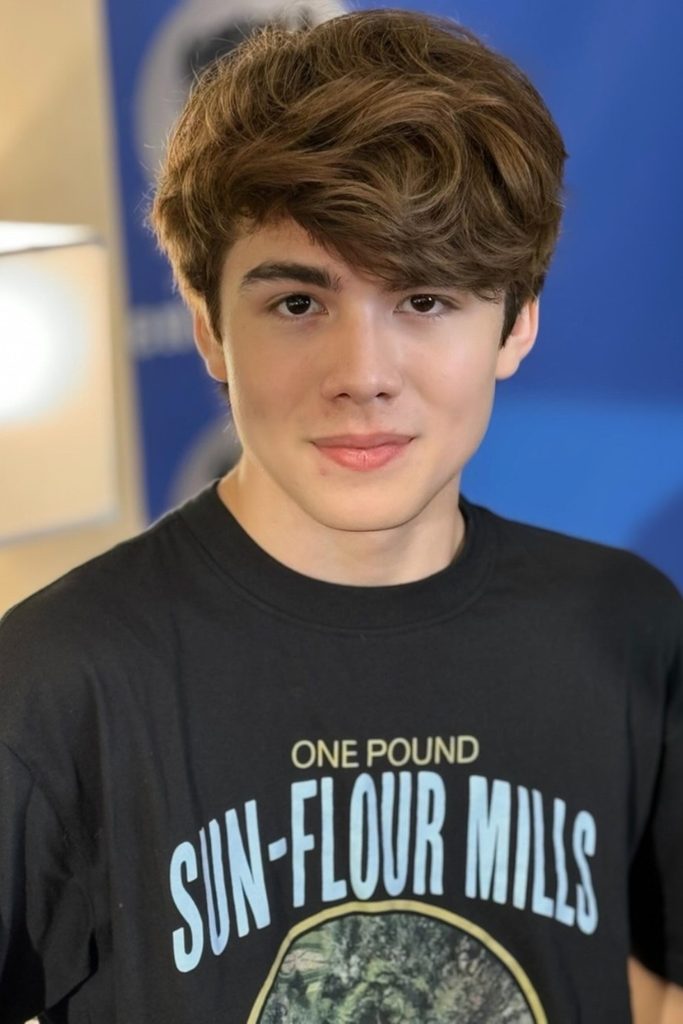
Long Shaggy Layers
It gets simpler to grow past your ears when you accept the loose shape and stop clipping problematic bits shorter.
Leave the front length, and randomly layer across the sides and back to encourage natural separation.
This is the direction for hair that’s straight to slightly wavy and wants movement without losing its grown-out, casual vibe.
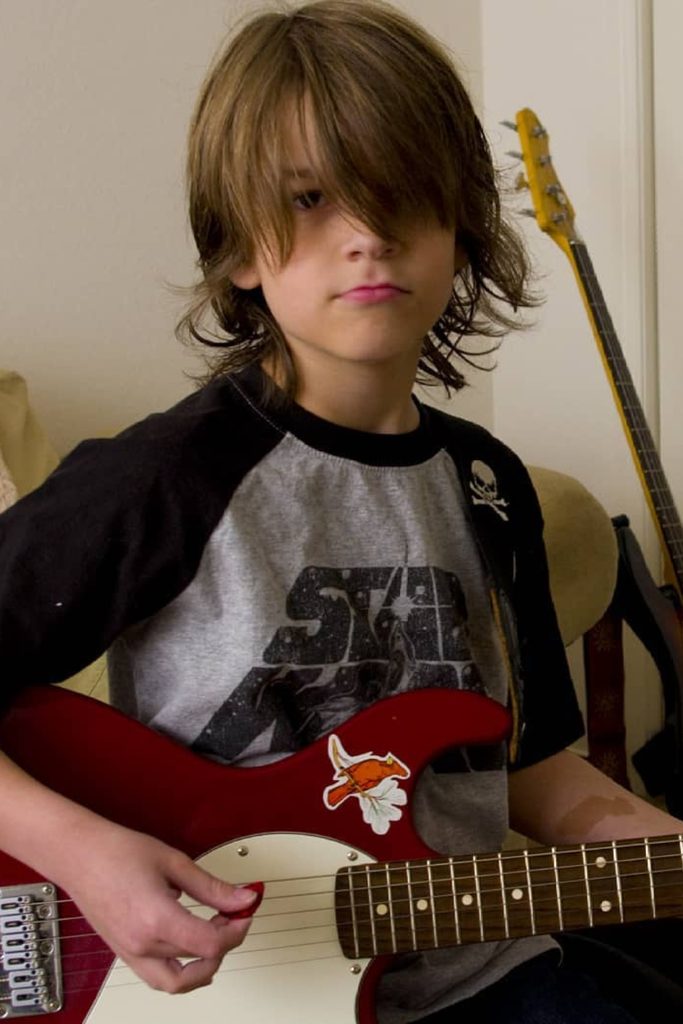
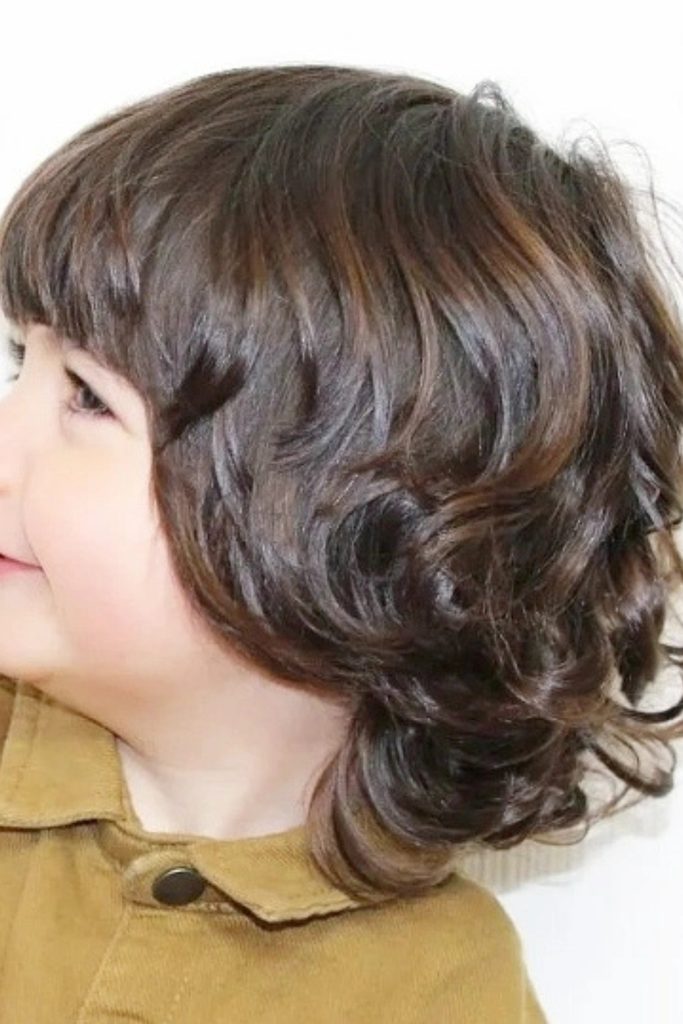
Rounded Curl Layers
Curls can get bottom heavy fast, so perimeter shaping can help longer hair sit neatly without sacrificing its bounce.
Maintain the rounded shape through the sides and back enabling the curls to stack rather than creating one hefty edge.
It is particularly good to leave some fullness around the ears if you prefer a softer haircut that requires little or no styling every day.
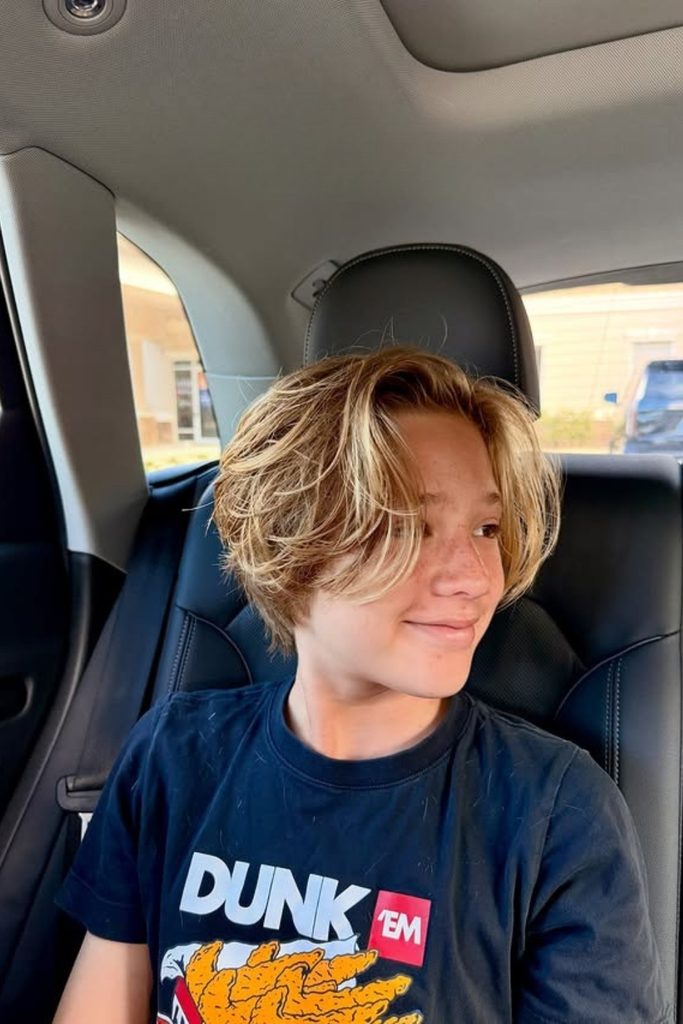
Flowing Curtain Cut
The front grows long enough to naturally part around the face and curtains become more easy to wear.
Request for longer pieces framing the face, gentle layers on the sides, with enough weight so the hair falls rather than puffs.
This cut is ideal for natural waves, since the slack middle section promotes movement and eliminates the need for hairstyles when you wake up.
Full Curly Fringe
Curls are very full of character, so instead of trimming away the volume, work on controlling the outline.
Keep the fringe light and rounded over the eyes but leave longer curls around the ears for balanced volume.
Regular shaping around the neckline keeps this bigger cut purposeful as the curls continue to grow between treatments.
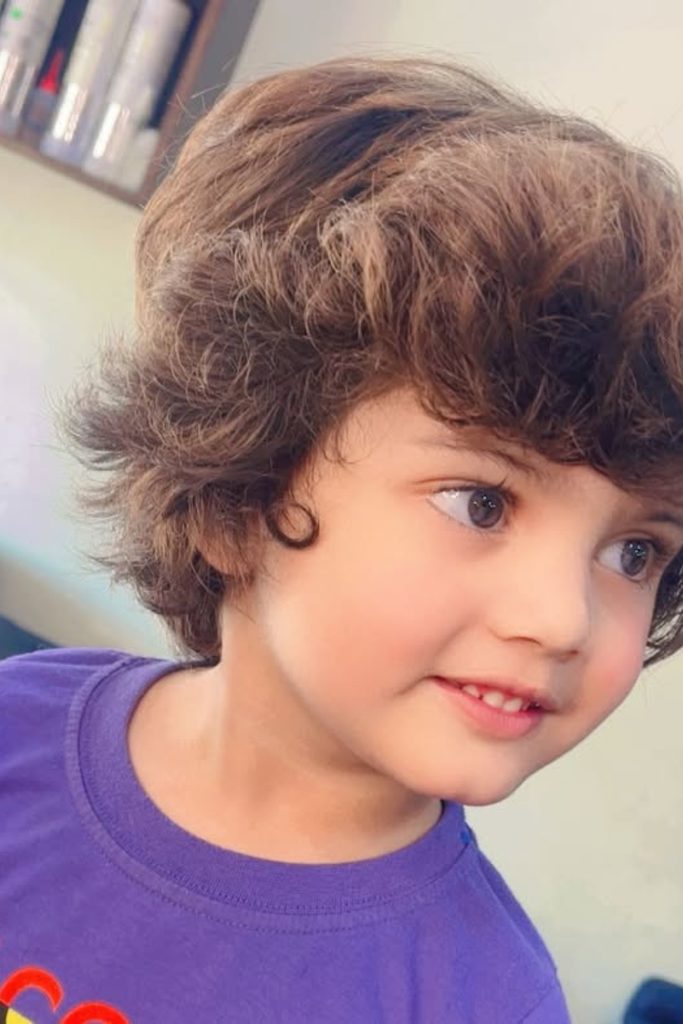
Side Swept Length
Long side-swept fringe is perfect for that difficult period when the front just won’t sit properly when growing out.
For straight hair, guide the front diagonally and keep the back at collar length for an easy, natural shape.
A minimal amount of layering goes beautifully here, because keeping weight helps finer strands lay evenly, rather than separate into wispy ends.
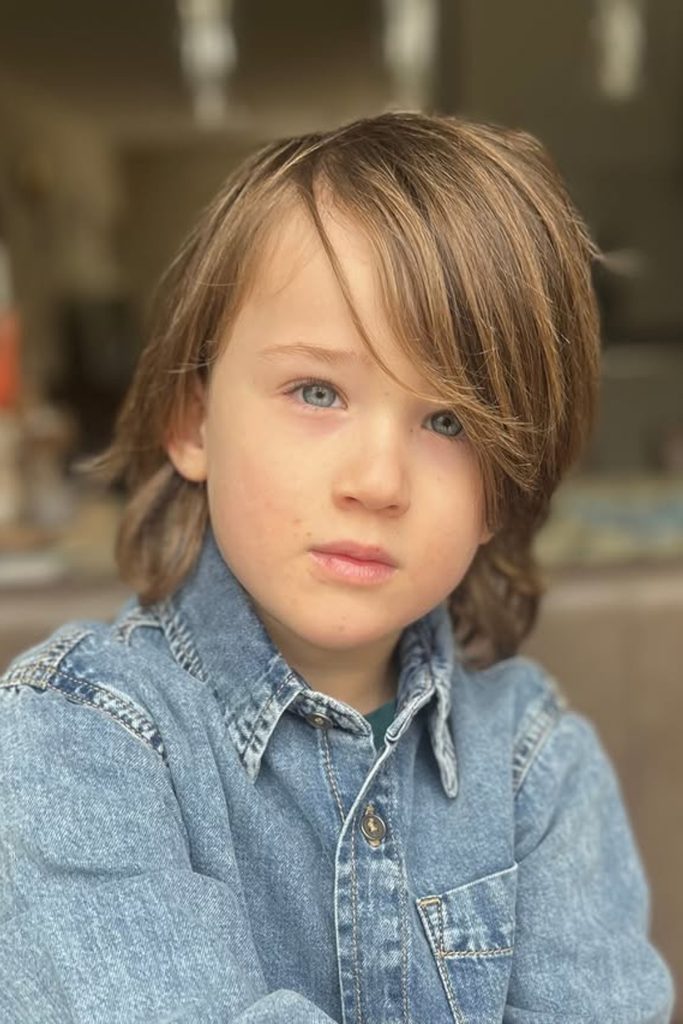
Long Mohawk Flow
Looking to preserve a bunch of length but make the sides easier to deal with? The longer mohawk shape does both.
Leave enough of length from the fringe through the back then trim close around the ears for more contrast.
The center is kept textured, not overly structured, so naturally wavy hair may move freely and is easier to style day to day.
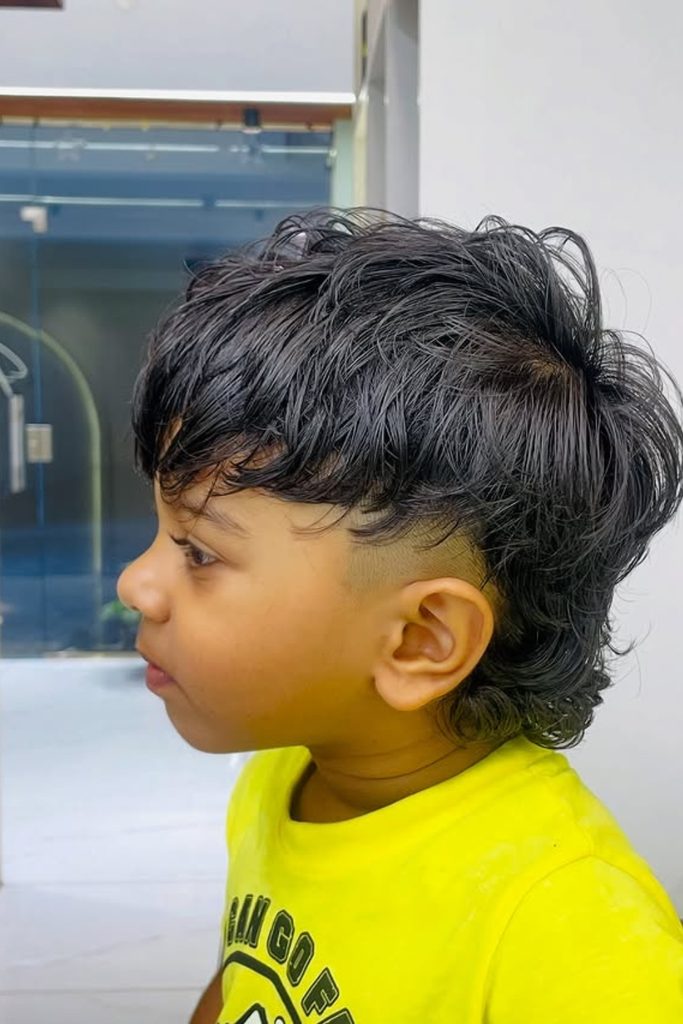
Dramatic Side Fringe
Instead of cutting off an over-long fringe during grow-out, make that length the statement of the haircut.
Sweep it deep over one side but keep the other side shorter. This will create contrast but not sacrifice any length in the front.
Straight hair works especially well here, as the natural fall of the hair maintains the lengthier section smooth without much styling effort.

Middle Part Flow
If you’ve grown the front out to cheek length, a loose middle part can help tame longer hair without cutting it.
Request gentle layers around the face that gradually go shorter toward the rear, but leave sufficient bulk for natural movement.
For another simple option when the longer front starts to get in the way, tuck the sides behind your ears.
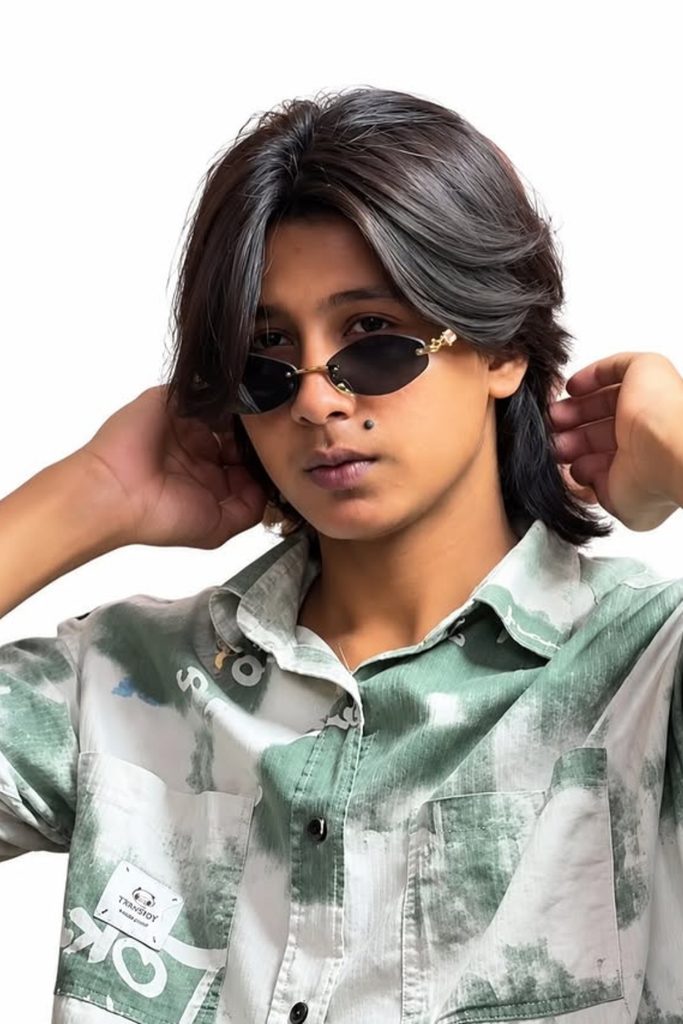
Sleek Rounded Cut
A neat border typically makes fine straight hair look fuller than adding lots of small layers.
Leave the ear flaps on and shape the back closely around the nape for a neat, rounded finish.
A side parting through the front provides direction and allows this lengthier shape to sit into place without the need of styling products.
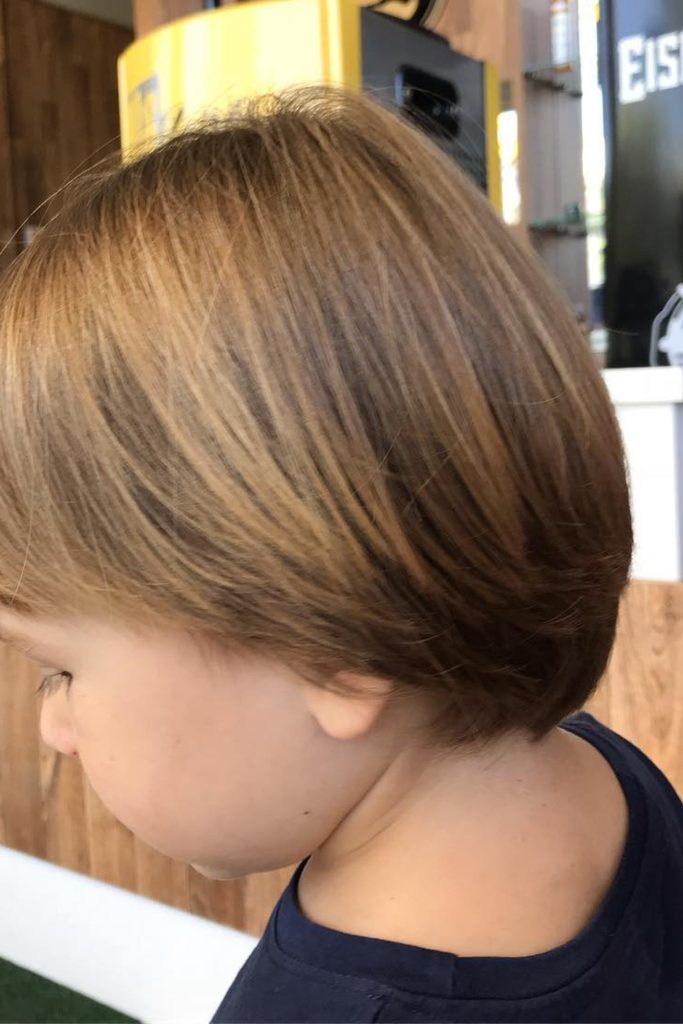
Layered Wolf Cut
Heavy long hair requires movement someplace and graduated layers can prevent all that length from accumulating near the bottom.
For flow, taper around the crown and temples, gradually growing the back out toward the neckline.
The big winner is the wavy texture since each layer can stand alone, giving the cut shape even if you don’t style it exactly.
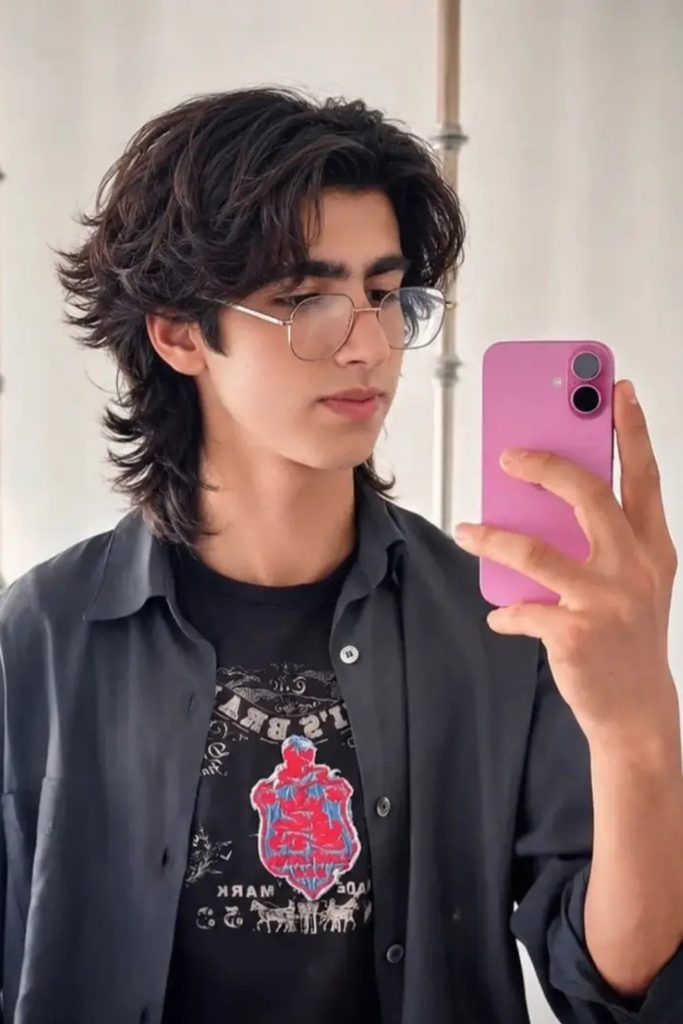
Long Taper Mullet
The length in the rear feels cleaner when the area around the ears has a controlled taper.
While at the barber have them fade the sides into the longer top, gently, not like a harsh disconnection.
Leave enough structure through the crown and back so that thicker hair moves organically rather than being one solid shape.
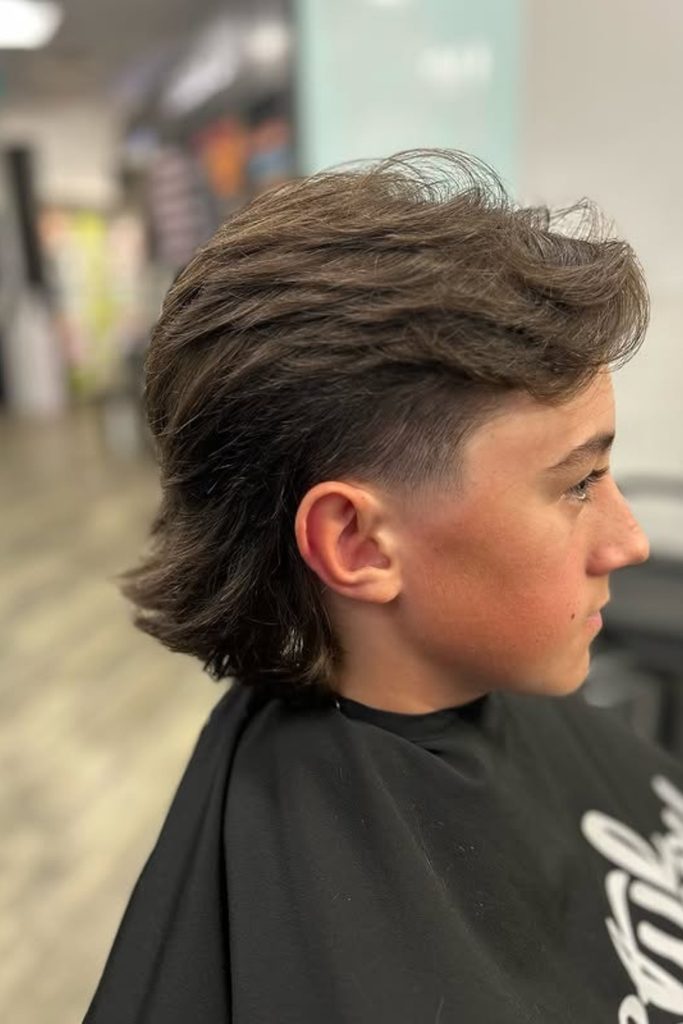
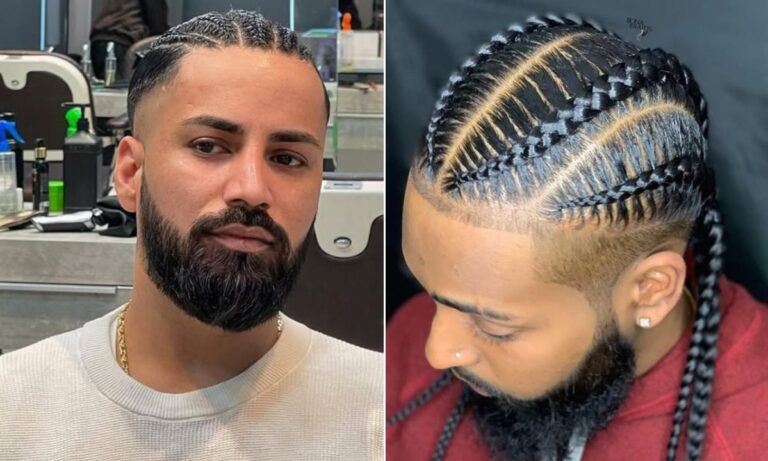
Braided Long Hair
Long hair doesn’t necessarily have to be trimmed to be controlled, especially when braids can neatly tie each section.
Cut the hair cleanly before braiding, and don’t pull too tight around the hairline where tension is painful.
This protective style keeps longer strands from the face, while keeping the length below for future styles.
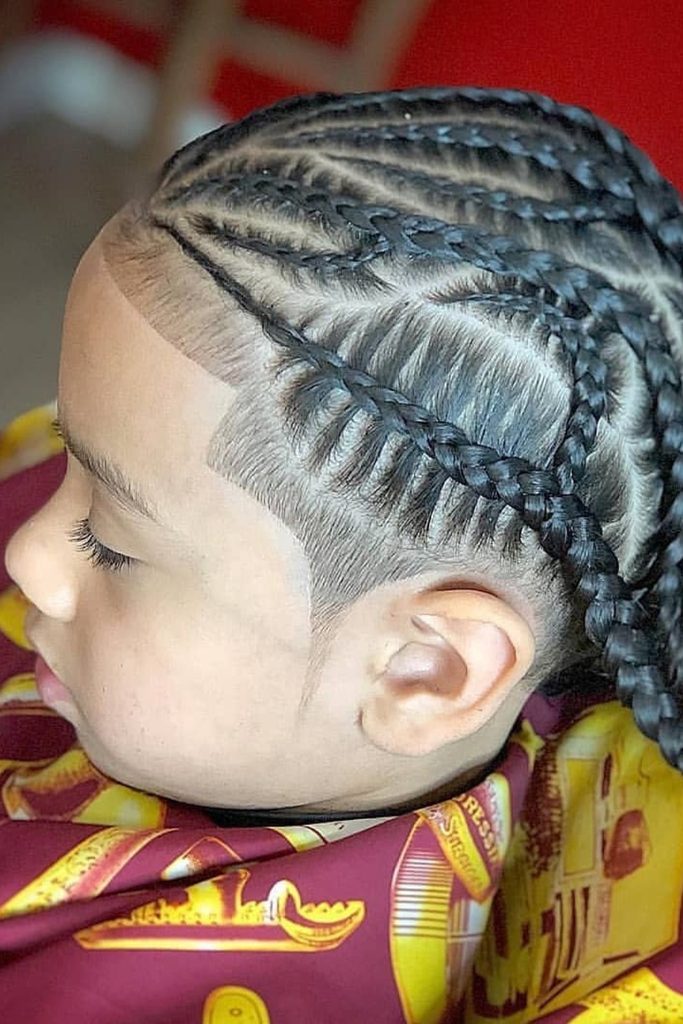
Feathered Long Layers
Feathered Layers When heavy hair gets weighed down, feathering the layers can produce mobility without cutting down the length of the overall cut.
Request longer graduated parts through the sides and back so that each layer falls away from the face.
A lot of weight on the bottom keeps puffiness away and adds an airy finish to straight or wavy hair.
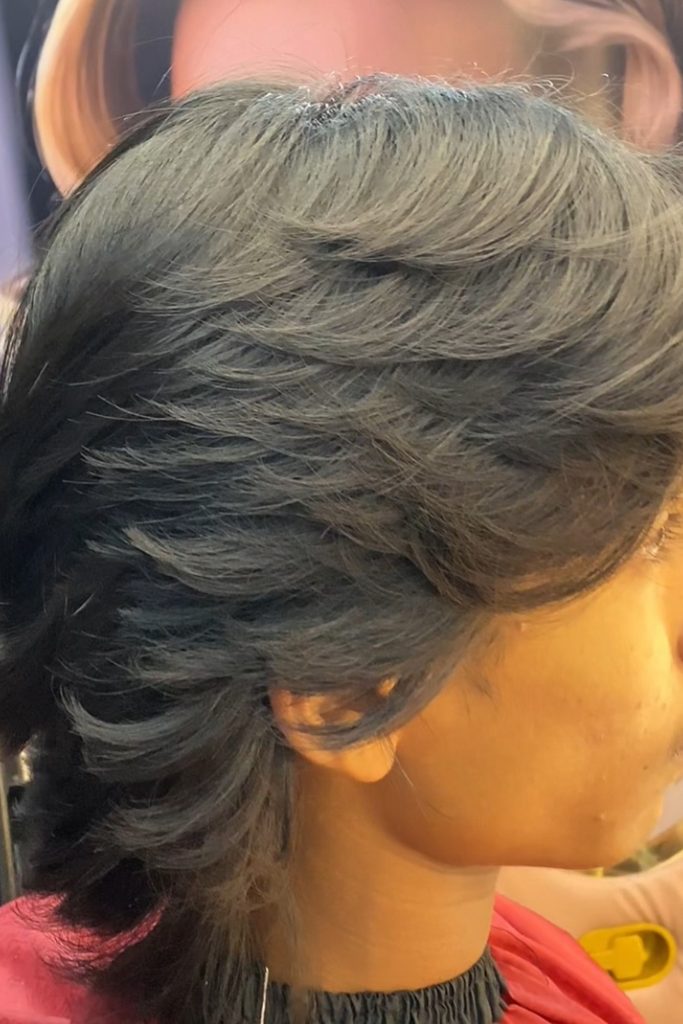
Brushed Back Mullet
Rather than allowing a longer front to fall forward, brush it back to expose the face, maintaining considerable length.
Shorter sides around the ears, gradually blended into textured parts on the crown and a longer flowing back.
A lightweight styling cream can encourage separation without stiffening thicker hair, particularly if natural volume already exists from movement.
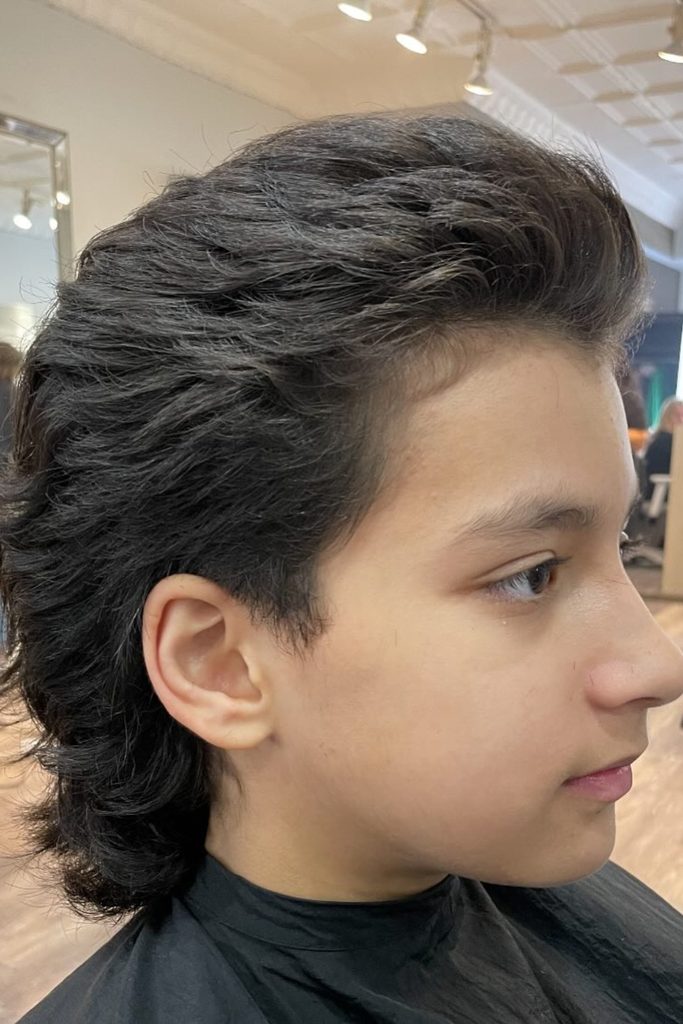
Long Side Part
A defined side part provides longer straight hair direction if you want gloss but don’t want to lose the soft, flowing shape.
The front piece should be about cheek length so it will naturally sweep away, the lengthier sections will continue toward the neckline.
There are subtle layers at the ends to avoid heaviness, but enough density to keep the haircut smooth and full.
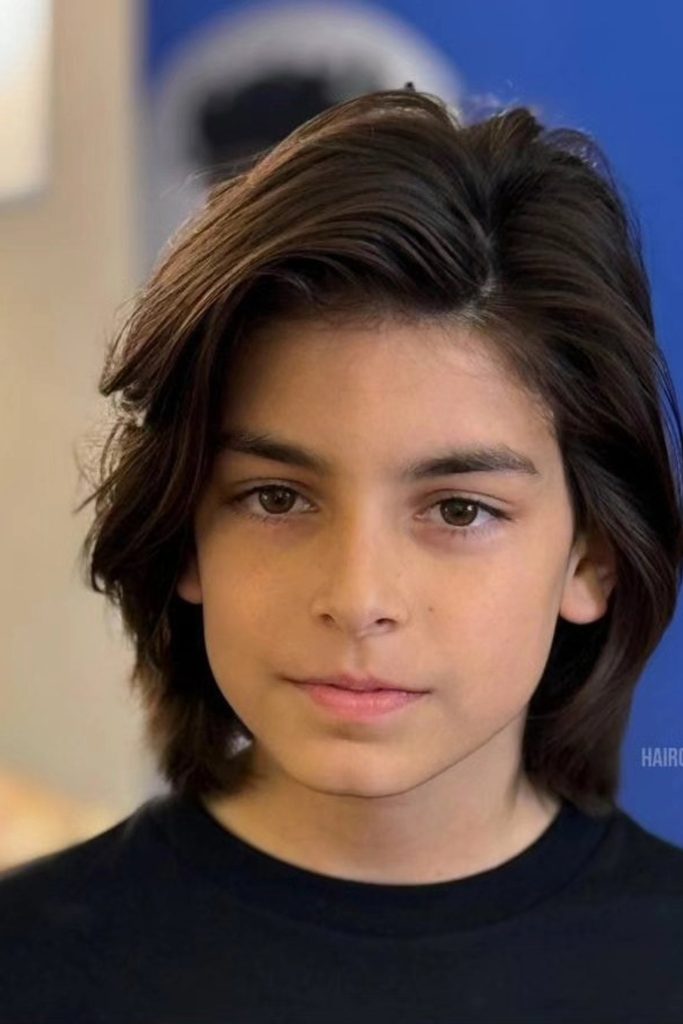
High Pony Undercut
If he enjoys preserving serious length but hates hair over his ears, an undercut is a practical compromise.
Leave the entire top long enough for a firm ponytail, but cut the sides and neck somewhat shorter.
This configuration also makes sports days easier as the longer section stays in control without losing his rising progress.
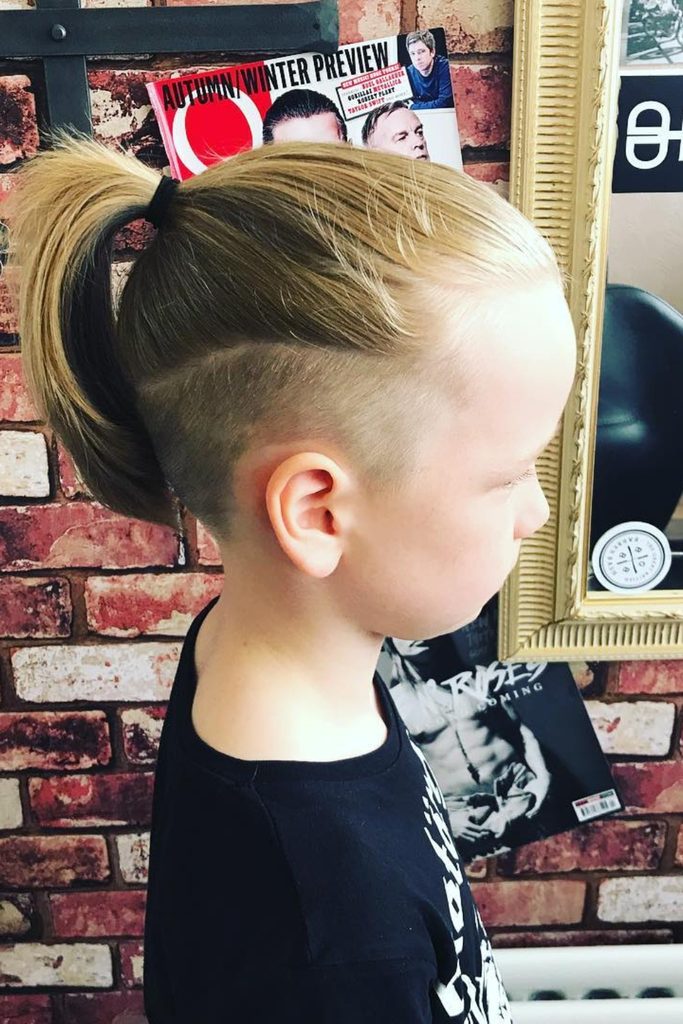
Shoulder Length Layers
Straight hair might feel heavy when it reaches the shoulders, so moderate layering makes it move without losing much obvious length.
Leave lengthier face-framing parts around the jaw, gradually blending into the more voluminous elements that sit around the shoulders.
If his strands are fine, don’t over thin them, because density provides those lengthier ends a healthier, more robust look.
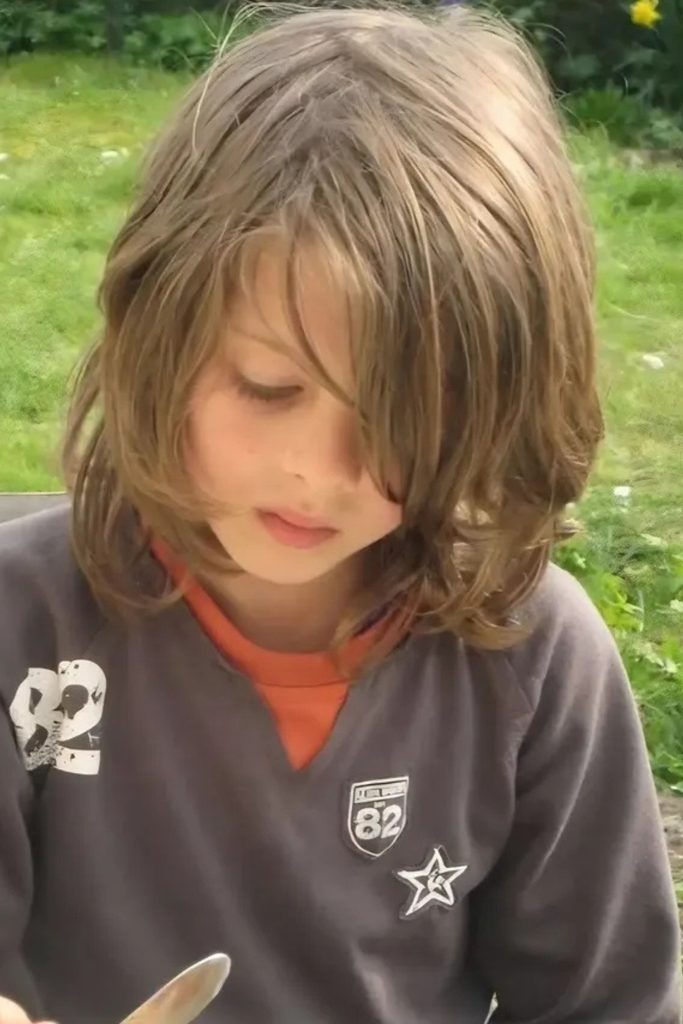
Swept Back Flow
The front doesn’t have to be cut short to be able to get long hair out of the face if the natural orientation of the hair cooperates.
Pull longer layers back from the temples, but leave lots of length in the crown and lower neckline.
This technique works great on thicker wavy hair since the natural volume helps to hold the shape without having to have rigid shaping.
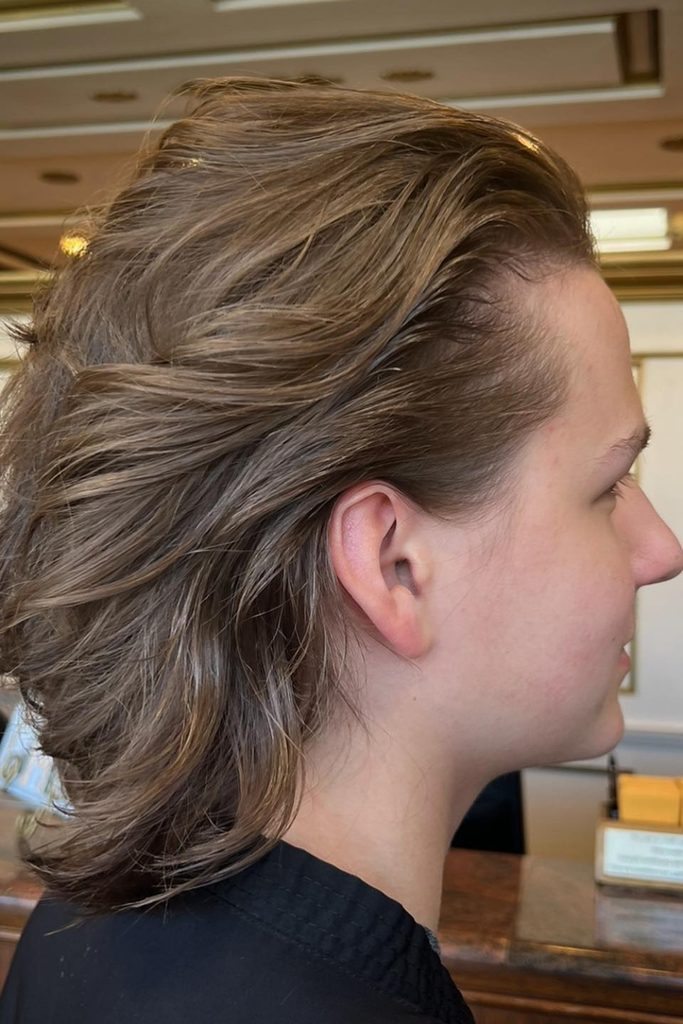
Soft Curtain Flow
A softer curtain is an easy compromise if you want longer hair framing the face without obscuring it.
Keep the front to near cheekbone length and merge back. Let the sides be full around the ears.
A relaxed center part is particularly natural on straight-to-wavy hair and allows you flexibility as the length grows out.
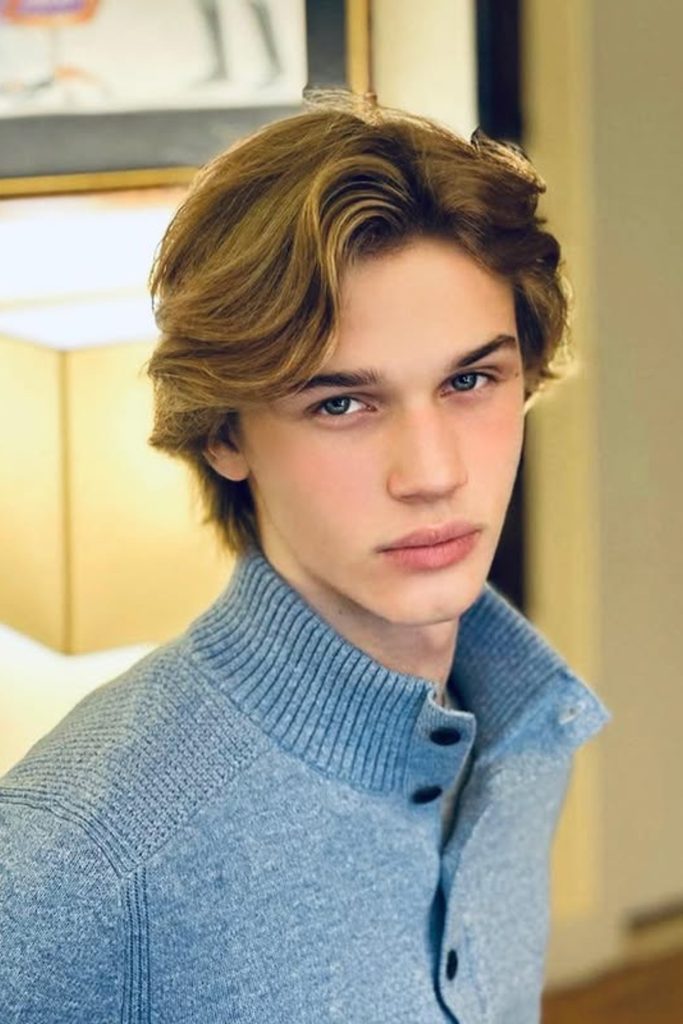
Long Feathered Fringe
Feathering when the front hits eye level can take some of the weight out of it without sacrificing length.
Request light face-framing sections that flow out and then link gradually to the longer hair around the neckline.
This style works especially well for straight, finer hair because delicate layering generates movement without leaving the ends excessively thin.
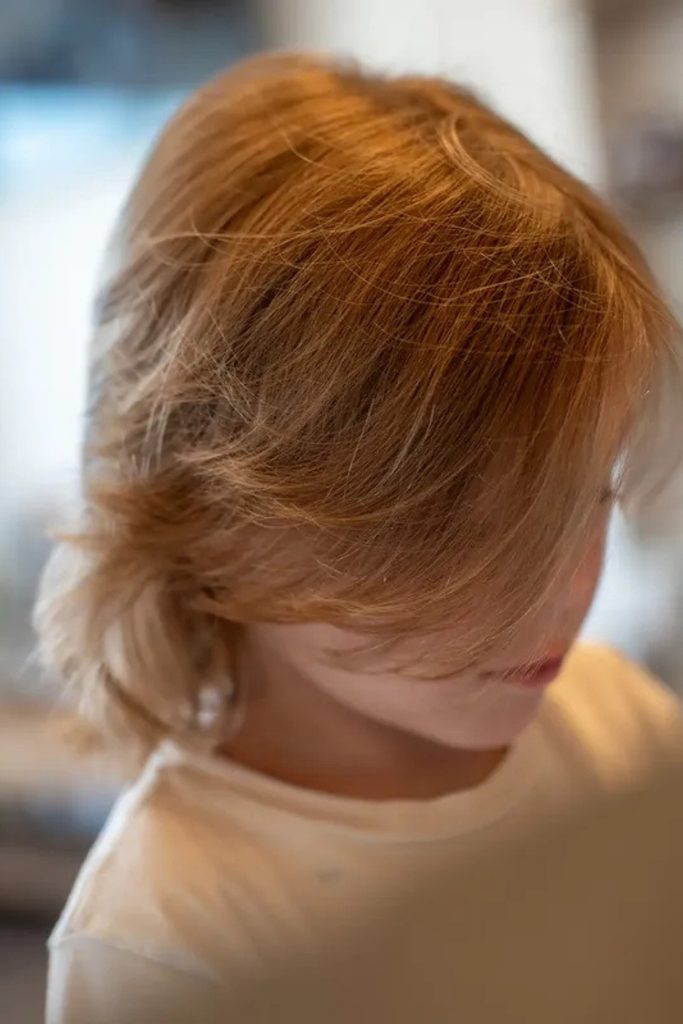
FAQs
How Often Should You Trim a Boy’s Long Hair?
A light trim every few months to take off the rough ends and bring back the form without losing much growth.
If the fringe starts getting in his eyes, or the sides bulge out sooner, you can trim up just those places, leaving the overall length the same.
Should Boys With Long Hair Get Layers?
If you want the movement without the apparent shortening of the haircut, ask for longer, softer layers.
Hair that is fine or of a lower density should be minimally layered, because taking away too much weight might make the ends appear thin rather than full.