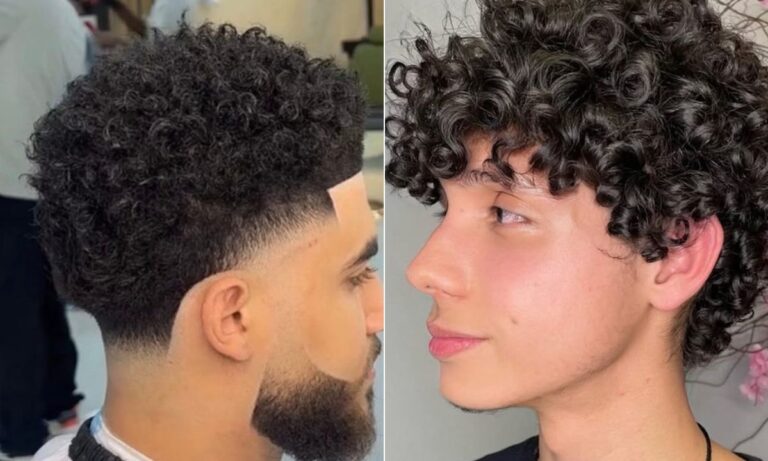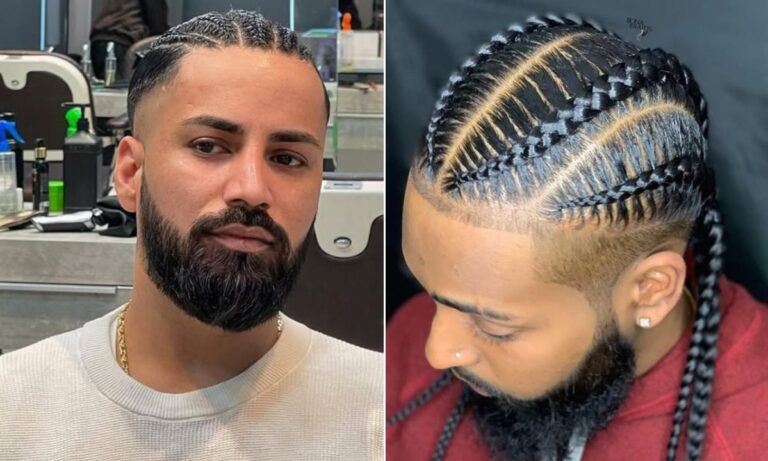
Afros take time to grow out thus the last thing you want is your barber taking the taper too high and shaving away the volume you were intending to keep.
Even a fantastic reference photo can become the wrong cut if you are unclear about taper location, top length.
I’ve learned that the ideal afro taper is less about getting the cleanest fade and more about harmonizing new edges with your natural texture.
In this lesson I’ll break down what actually matters before the cut, from picking the appropriate taper height to maintaining volume.
How Much Length Should You Leave on Top for a Balanced Afro Taper?
The key to a nice taper is to decide how much Afro you want to see before your barber starts on the sides.
1-2 inches will give you a compact mini afro, while 2-4 inches will give you ample volume for a fuller, more classic shape.
Once you get to 4-6 inches or more the top becomes much more prominent and needs regular shaping to preserve its silhouette.
Tight Type 4 coils can shrink a lot thus assess the length of it by how it sits naturally not only by how long it seems when stretched.
Natural Afro Taper
Leave most of the hair on the sides for neater edges without reducing the look of your Afro.
Ask your barber to trim the sides around the temple and neckline, but leave the top naturally thick.
Regular picking keeps the longer coils even in shape, while an occasional tidying of the perimeter keeps the lower growth from seeming untidy.
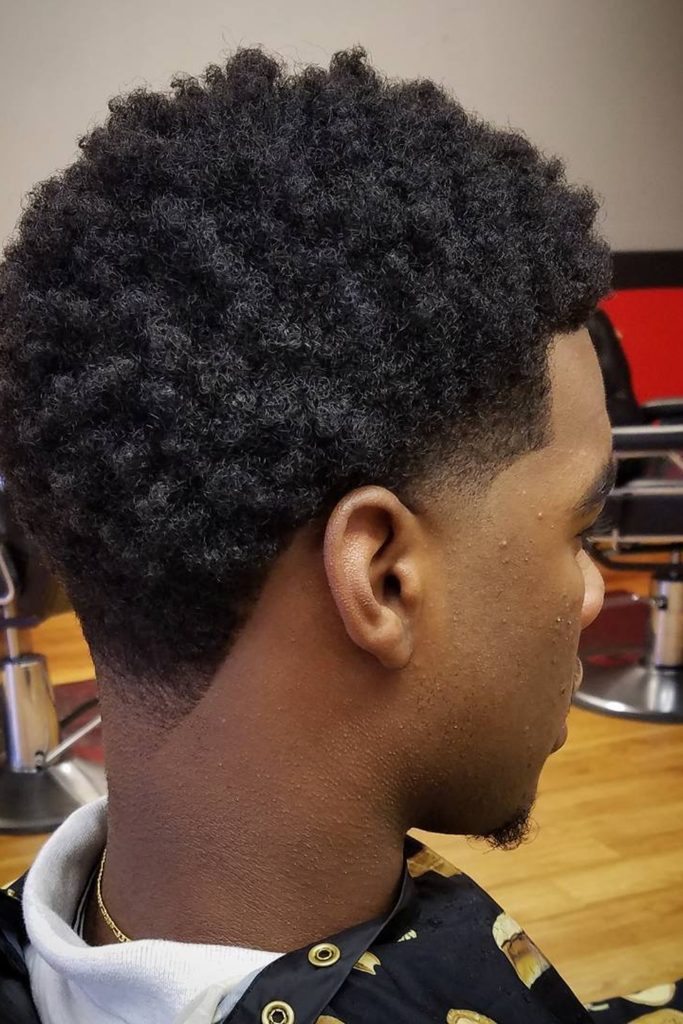
Coiled Taper Fade
The shorter the coil, the easier it is to see a sharper taper, particularly if you want more contrast around the temples.
Structure your cut with a distinct top and sharp line-up but urge your barber to respect your natural corners.
When wearing facial hair, blend the area of sideburns slowly so that the haircut and beard connect without a hard line.
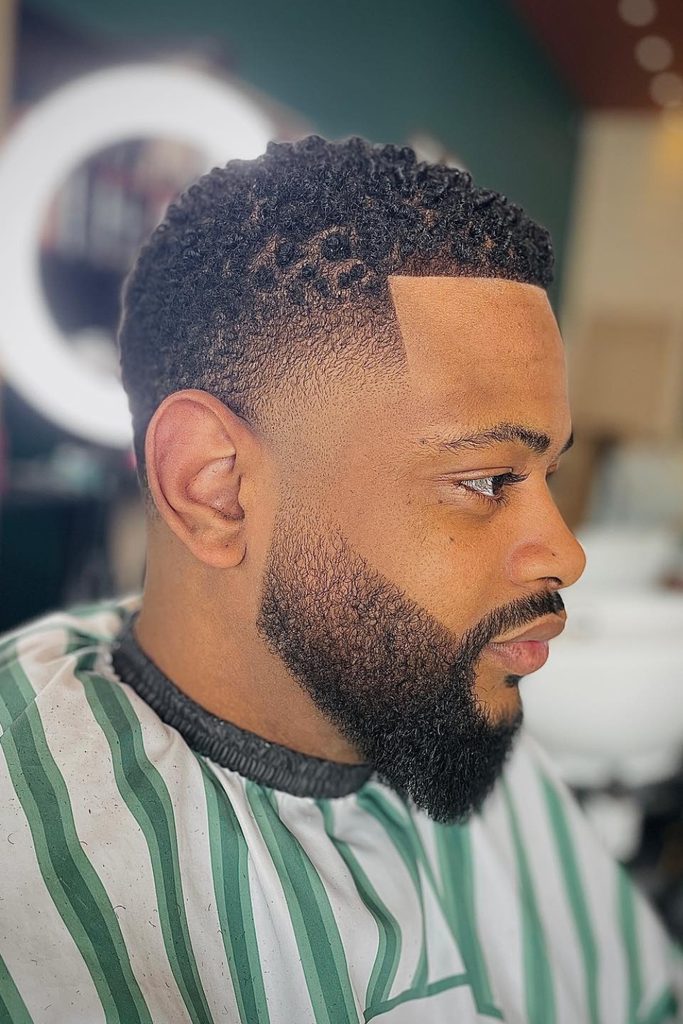
Rounded Curl Taper
The extra volume at the back is especially good if you want a rounded shape rather than spectacular height in a vertical direction.
Keep the curls weighted down naturally through the head, tapering mostly at the ears and lower neckline.
Instead of shortening the top each time you do a taper cleanup, just reshape the longer part if its outline gets uneven.
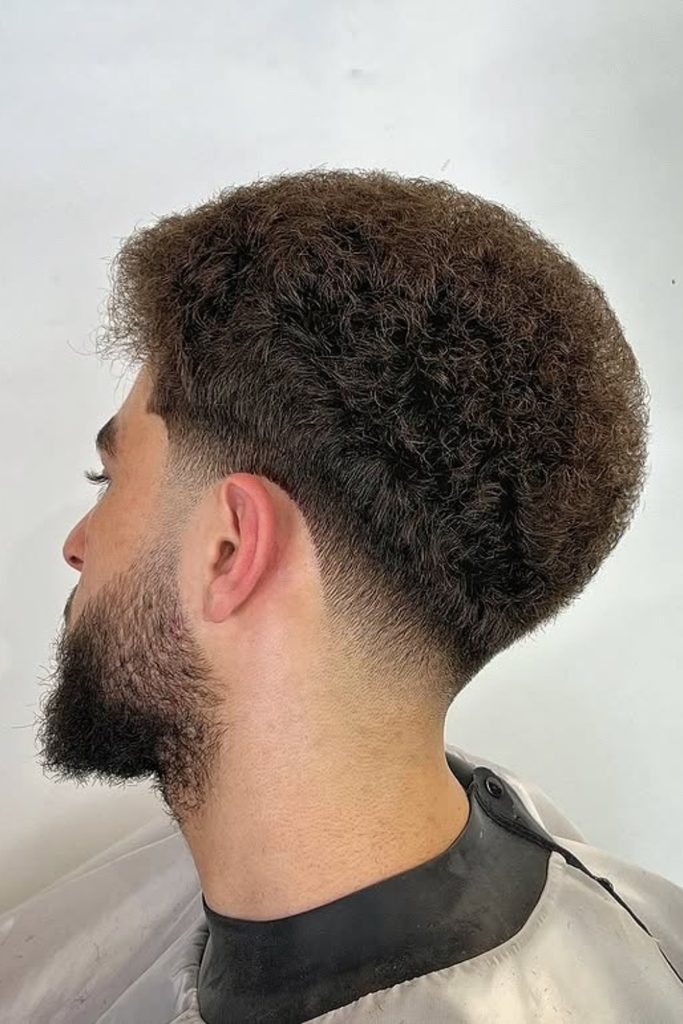
Sponge Twist Taper
Using a sponge to form twists can make a shorter Afro appear bigger as the divided coils add more visible texture across the top.
Just long enough for the sponge to catch and then do nice soft circular movements instead of rubbing your hair hard.
A clean temple taper frames that texture nicely, leaving enough side density to keep the top from looking too disjointed.
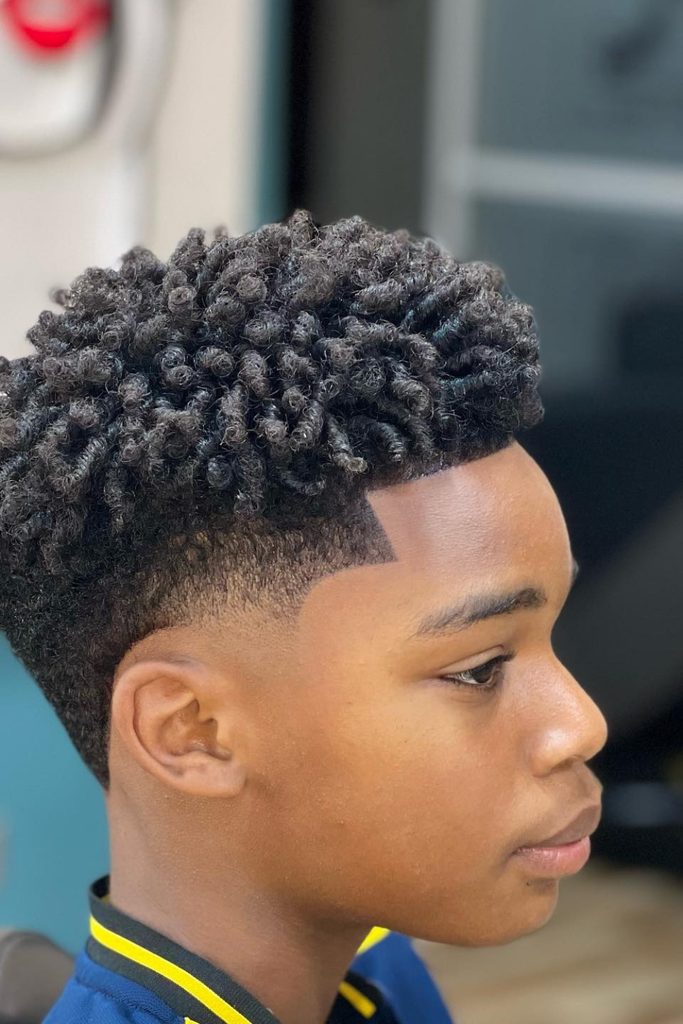
Compact Afro Taper
If you want visible Afro texture without the upkeep of longer, fuller growth, opt for a small top.
Keep the temple taper skinny so you have enough density over the ears to sustain the rounded contour.
If you want to keep your length, request mild shaping on top, not a heavy trim.
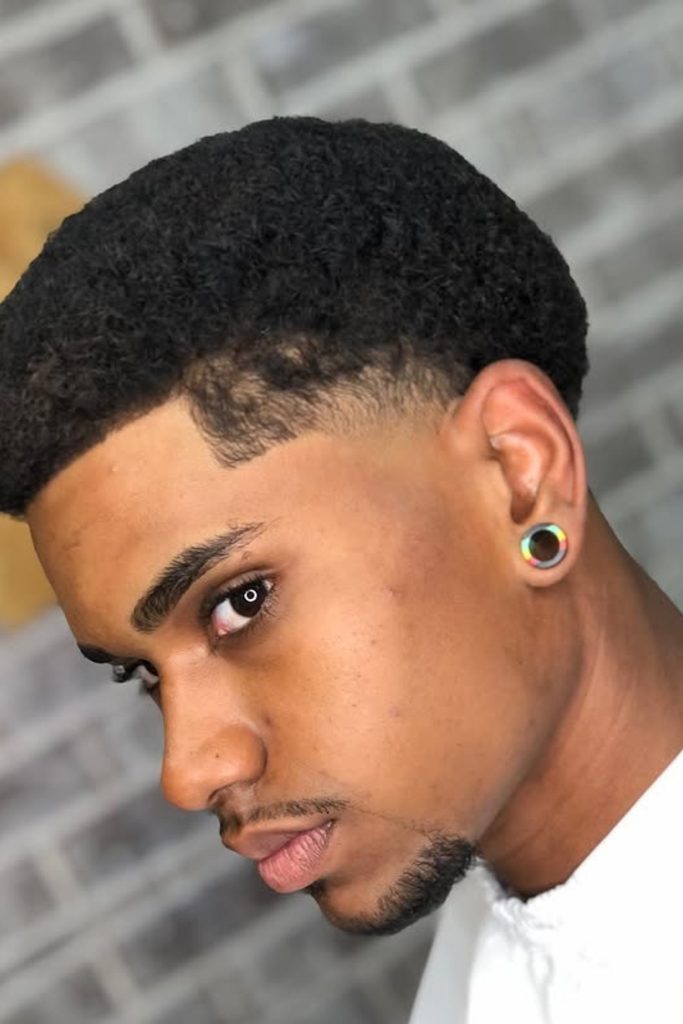
Full Afro Taper
Growing your Afro higher works best when the taper remains regulated instead than growing too high into the sides.
Ask your barber to keep lots of volume on the sides, because if it’s cut too forcefully, a massive Afro might look top-heavy.
Before your shaping appointment, comb the hair uniformly so that your barber can see the silhouette without compressed areas disguising uneven growth.
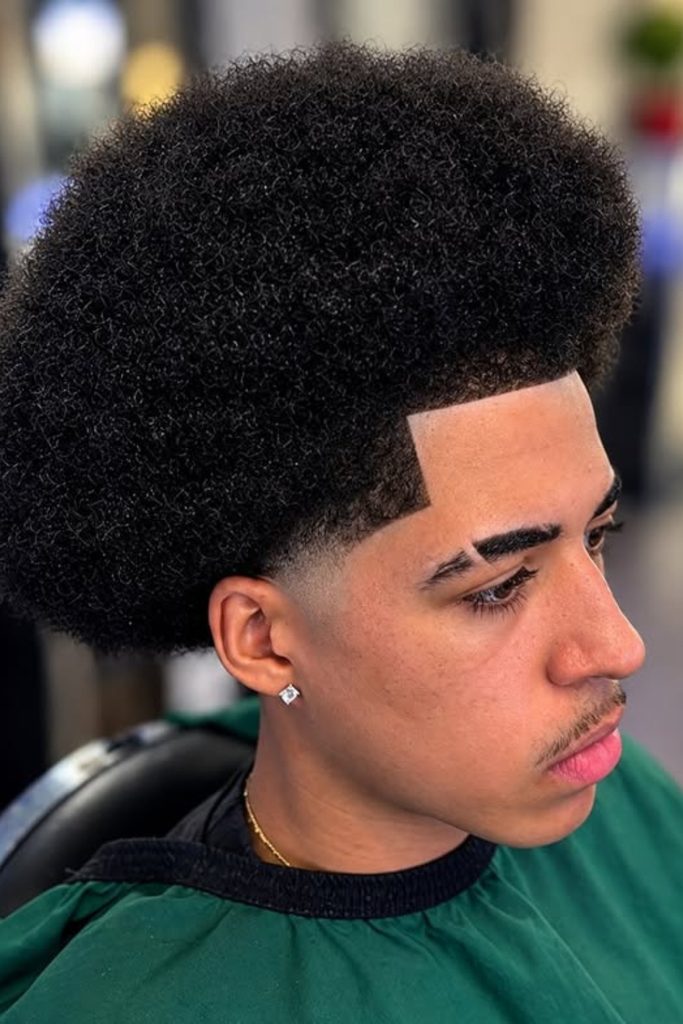
Low Temple Taper
If you want new edges but want to keep most of your natural density, a low temple taper is worth considering.
Request a slow mix just above the ear instead of allowing the shorter part to advance significantly toward the crown.
Refresh the edge as it softens but leave the fuller top alone unless the general form starts to get uneven.
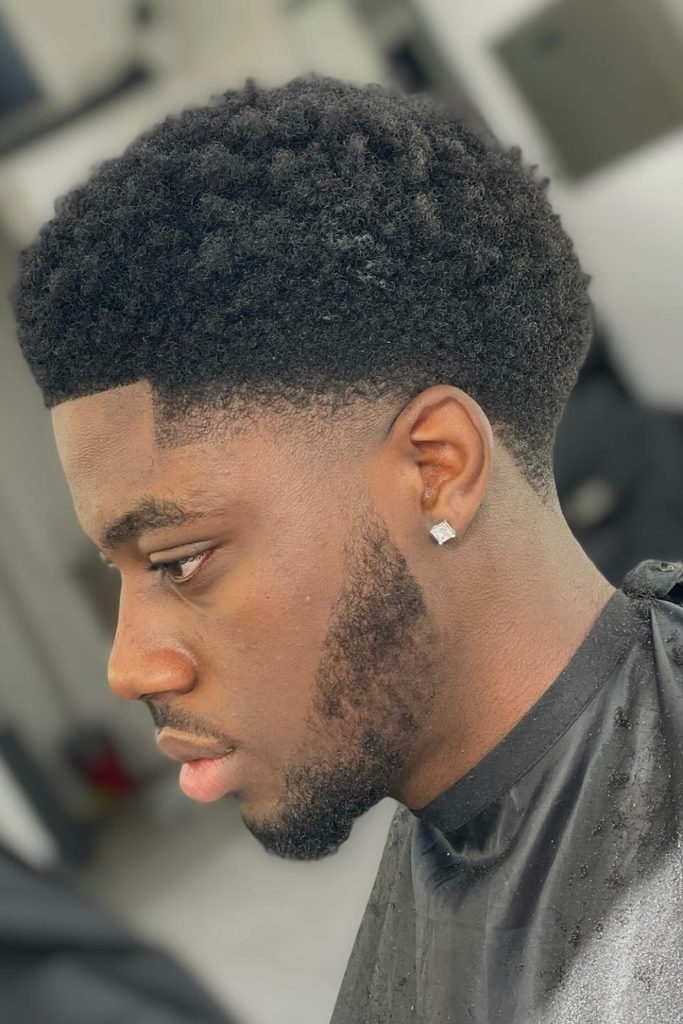
High Top Taper
An ideal visual lengthening for your Afro upwards, and great if you like a structured vertical silhouette.
Ask your barber for a meticulous contour of the upper outline and a smooth transition across the shorter temple area.
This head will need to be occasionally re-shaped, as uneven growth is more noticeable on a consciously shaped top.
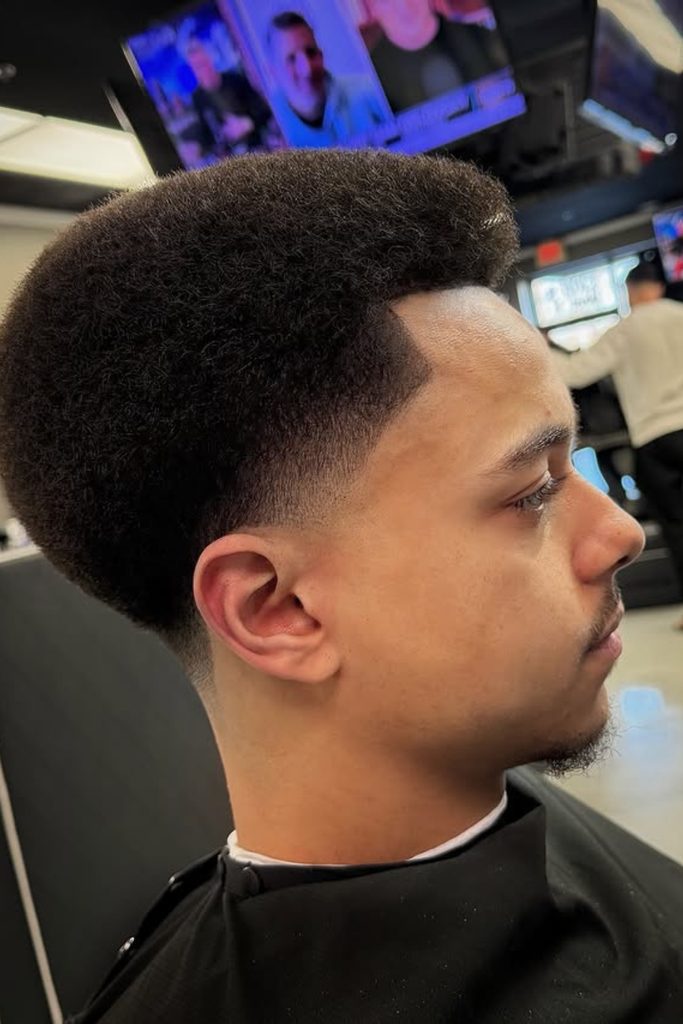
Rounded Low Taper
To achieve a compact Afro without flattening its natural shape, keep most of the density in the crown.
Only taper around the temple and neckline so the sides can flow smoothly without losing excess volume.
Trim the exterior form more often than cutting deeper, particularly when you are growing the top out and making it longer all the time.
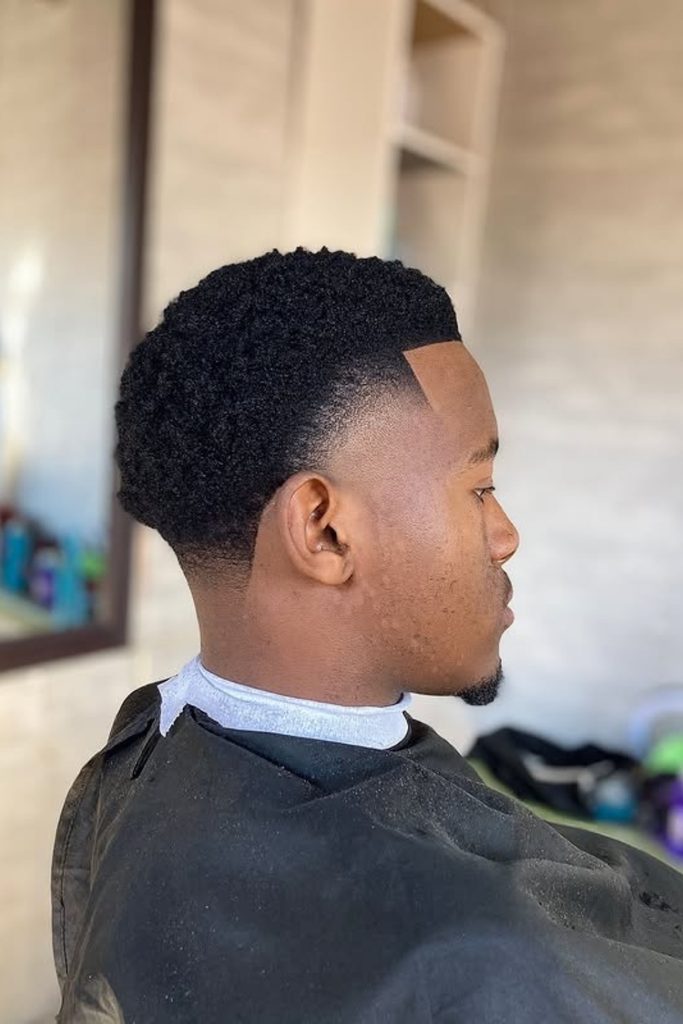
Curly Temple Taper
The defined curls already have enough movement, so a modest temple taper can clean up the perimeter without taking away from the overall look.
Ask for the shortest blend around the sideburns, but keep enough weight above them to hold curl fullness.
Instead of repeatedly giving in to the need to clip back a slightly uneven part of hair.
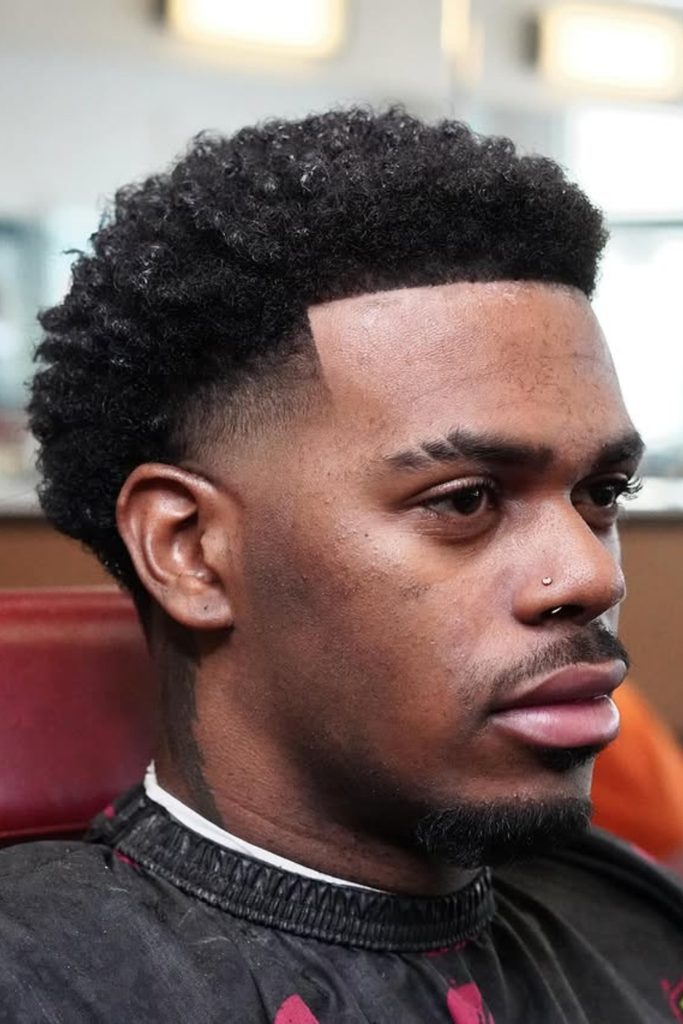
Blowout Afro Taper
A larger blowout requires controlled edges, since overdoing it on the side densities will easily throw the design out of equilibrium.
Ask your barber to taper only around the temples, leaving the width through the middle and height on the crown.
Stretch or pluck the hair before reshaping, so that it shows its full length and the finished outline is proportional.
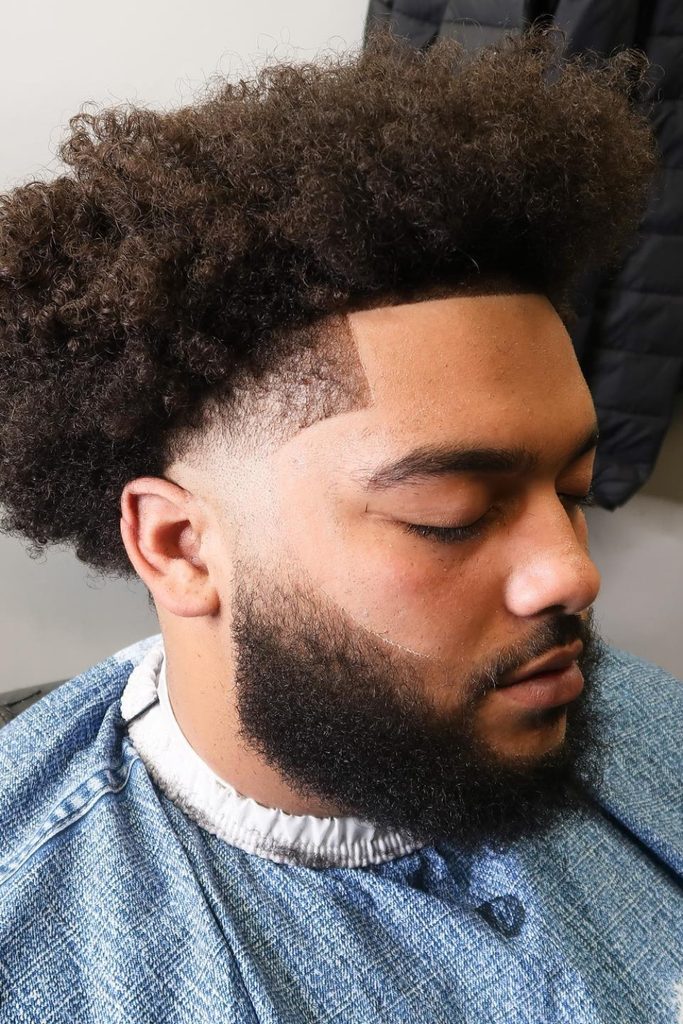
Textured High Taper
Strong height through the top works well when you want the taper to bring some obvious contrast around your temples.
Let the lengthier texture be slightly free and not over-shaped in each curl so that you maintain movement as your afro grows.
Here a defined front edge gives some structure but keeping your natural corners helps keep the line-up from slipping backward.
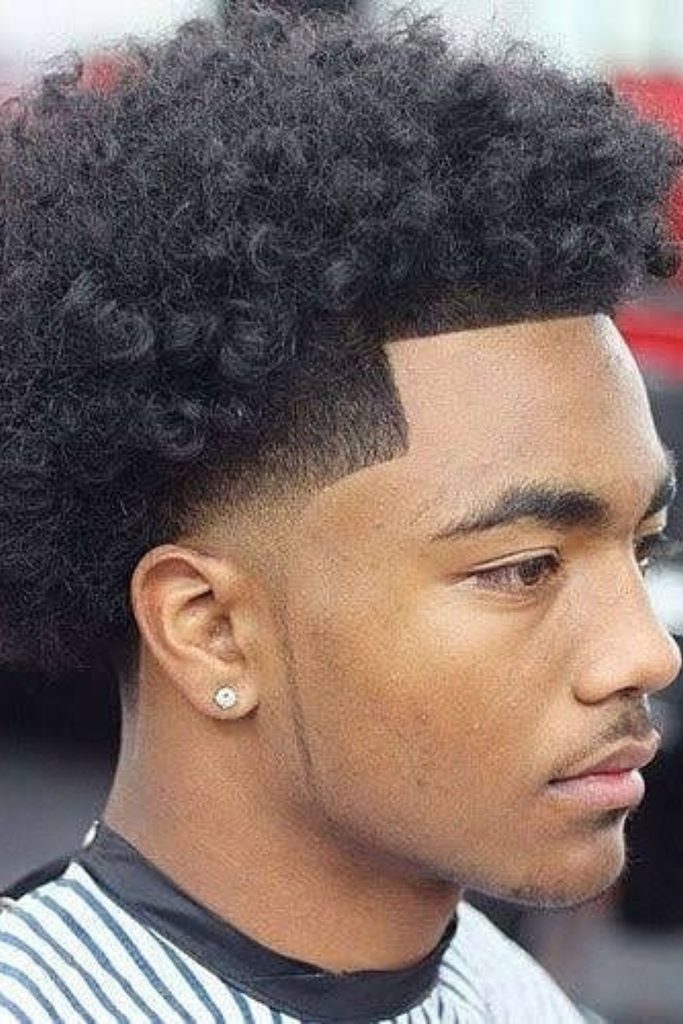
Designed Afro Taper
Hair designs are great when you want the taper itself to be a feature, not just simple backdrop cleanup.
Leave enough darker hair above the tapered section so that the curved shaved lines have contrast and will be easily apparent.
Remember that the designs tend to fade quickly as you get older so only choose them if you don’t mind getting them redone frequently.
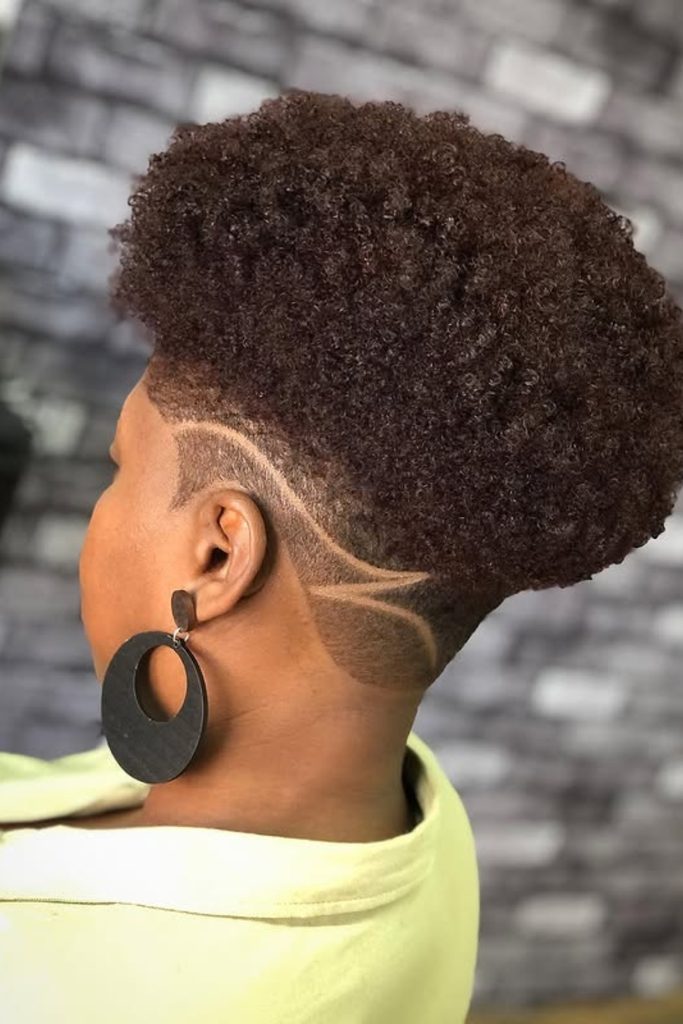
Soft Afro Taper
Not every afro needs sharp contrast, a milder taper can still clear up the temple while maintaining fullness.
Instead of a skin-revealing cut, ask your barber for a subtle transition that matches your natural density.
This approach flows nicely because the shorter section stays near the surrounding length as your edges soften.
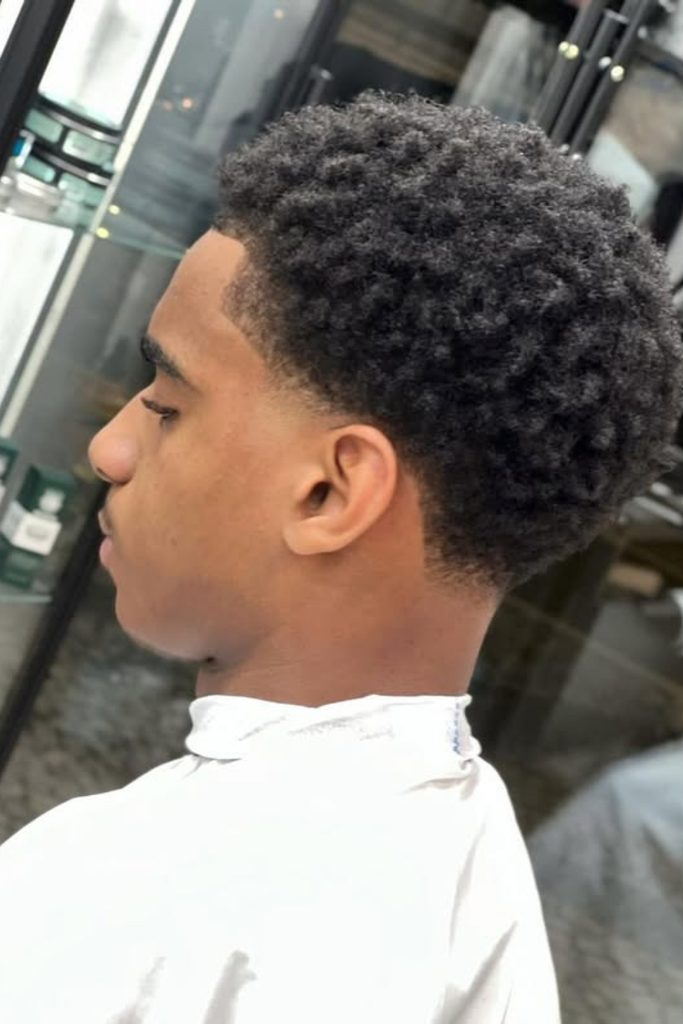
Nape Afro Taper
As your Afro grows, keep an eye on the neckline; additional mass here can unduly weigh down the back.
At the bottom, a concentrated nape taper removes that weight, while leaving the lengthier coils on top rich and textured.
When it’s most important to keep your back length, go for a gentle transition of a neckline instead of taking the taper higher.
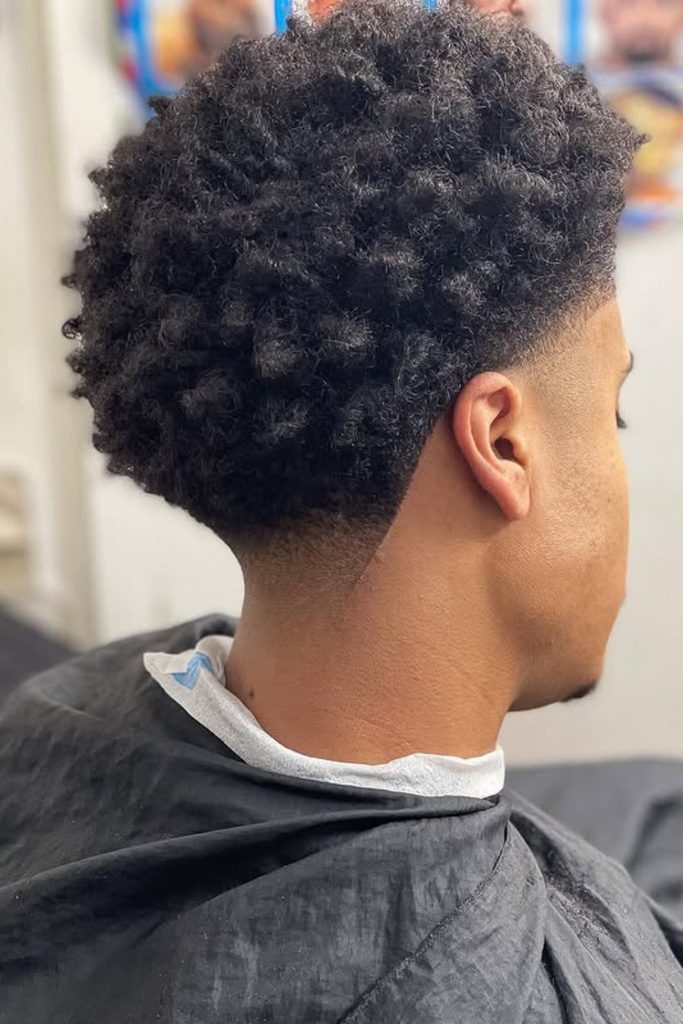
Mid Afro Taper
If you lift the taper a little higher it will add additional contrast to help a dense textured top pop a bit more.
To offset the sharper transition, keep enough weight up top so your Afro has its natural side volume.
Taper height is a big part of the silhouette, so make sure to tell the barber the exact spot where you want the mix to start before you get the cut.
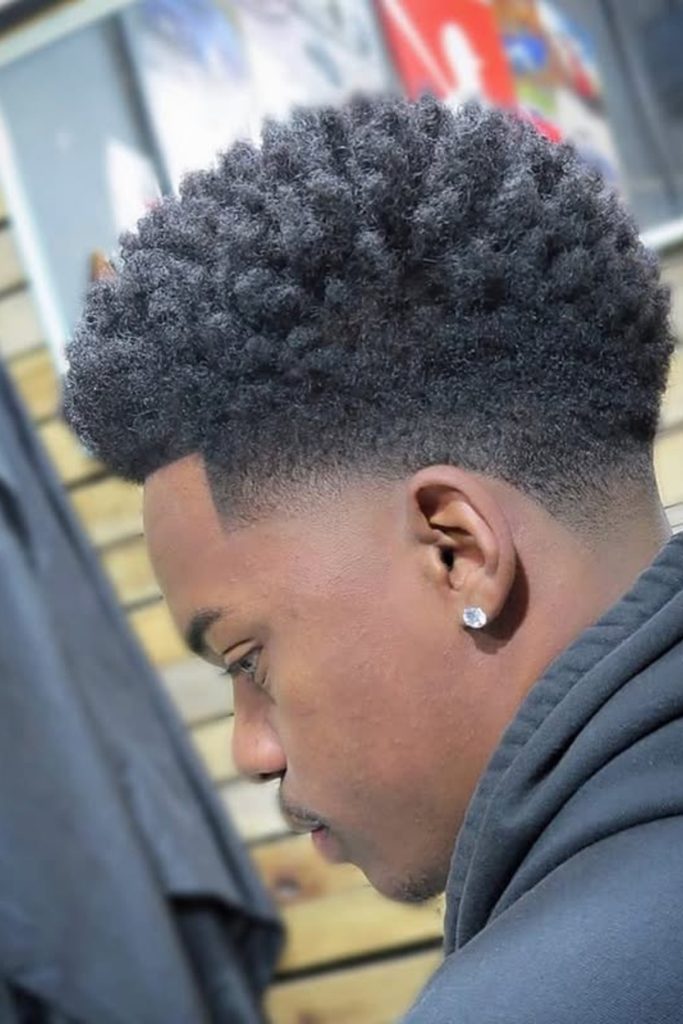
Classic Afro Taper
Opt for this rounded form if you want enough height to show off texture without getting a huge afro.
Keep density on the top sides and let a little temple taper to create distinction around the sideburn area.
As it grows, lightly reshape the top to keep the rounded appearance under control, but yet retain useful length.
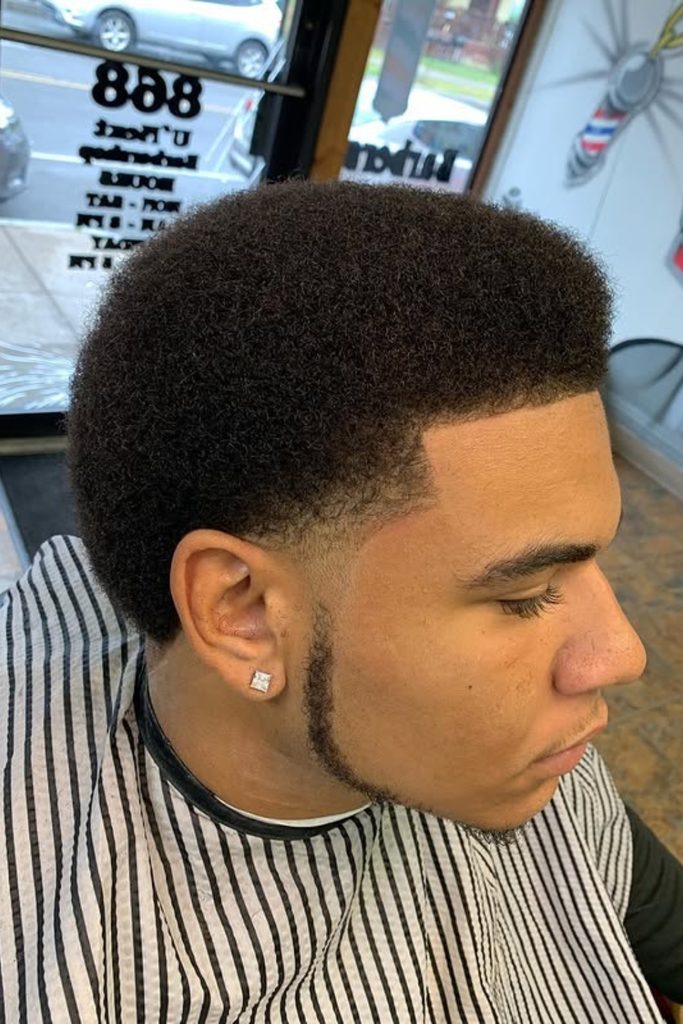
Long Afro Taper
For longer growth, you need a deliberate taper, as pushing the sides up too high can rapidly throw off the Afro’s naturally wide form.
Keep the sides connected in the middle with the top, and concentrate the clean-up around the temples and nape.
Detangle and pick everything evenly before you cut. This allows your barber to see the uneven regions without cutting good growth needlessly.
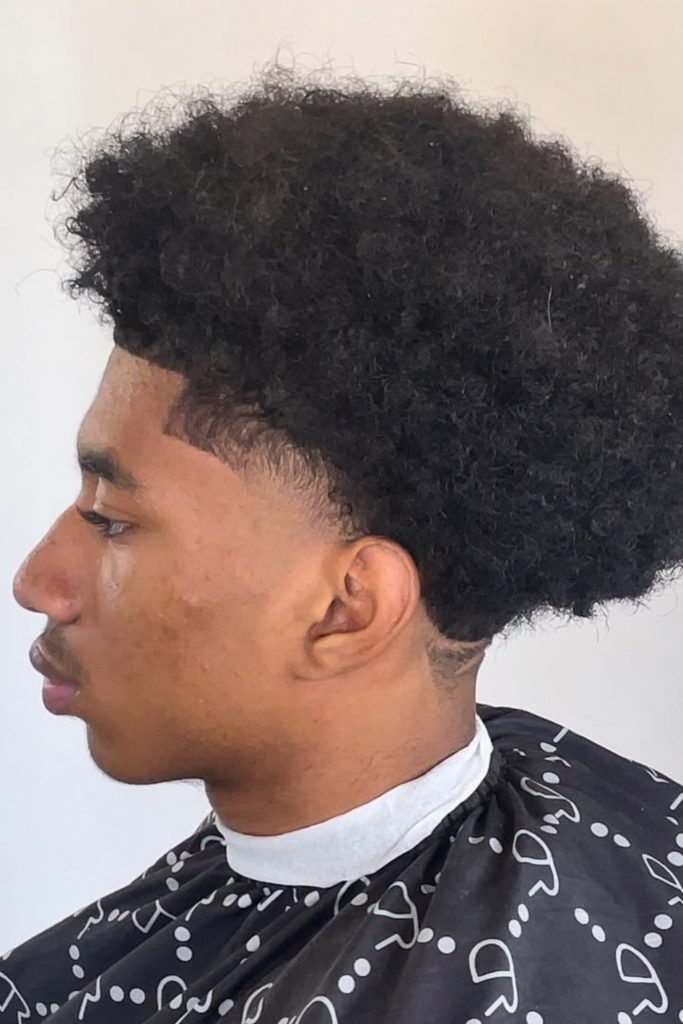
FAQs
How Often Should You Get an Afro Taper Cleaned Up?
If you want the edges to look consistently sharp, a cleanup every two to three weeks usually works fine.
Ask your barber to tidy up the temples and neckline, but without taking the Afro shorter each time.
Can You Grow Your Hair Longer While Keeping an Afro Taper?
Yes. Maintain regular trims around the tapering edge while leaving the top and fuller sides to flourish.
When your shape starts to look uneven, a light shape-up will restore balance without sacrificing much of the length you’ve gained.