You know you want a bald fade, but there’s lots to work out. How much of a fade should it be? Does it suit your hair kind, length of top and head shape?
Most importantly, how do you ask your barber for the look, without getting a fade that’s too high or harsh?
That’s where this tutorial will help. Instead of blindly throwing random haircut photographs at you.
You’ll discover how fade height affects the look, what works with hairstyles and textures.
Let’s jump in!
What Makes a Bald Fade Look Clean Instead of Too Harsh?
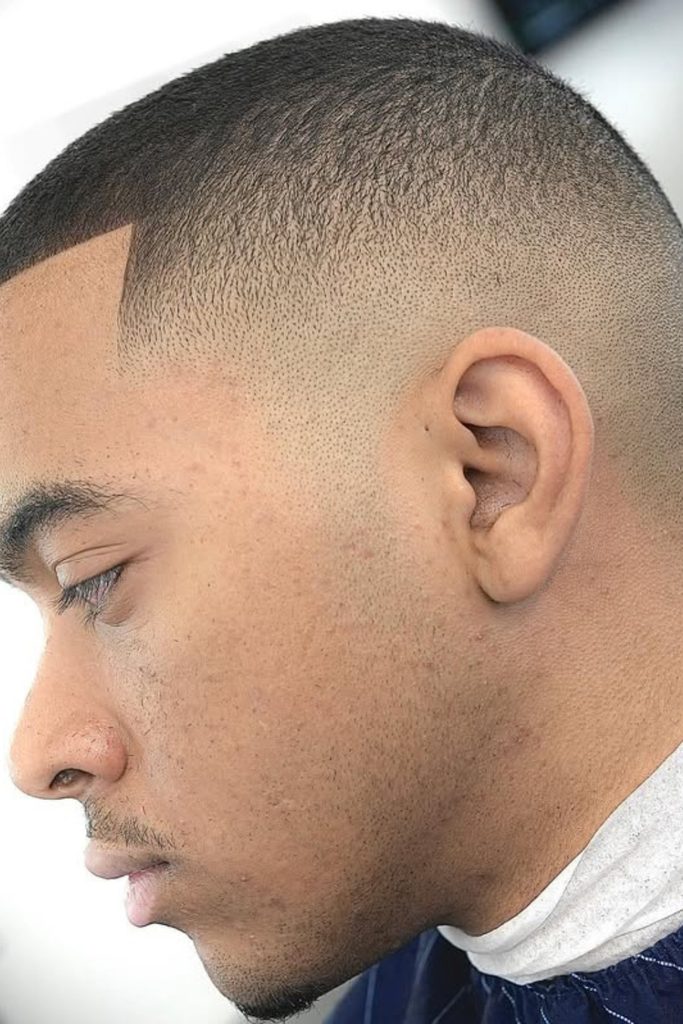
A bald fade is clean when the transition from bare skin to longer hair is gradual, not a harsh line around your head.
If you want a softer result, start by picking the correct fade height.
A low fade means more hair on the sides, a high fade shaves more hair and provides a more dramatic contrast.
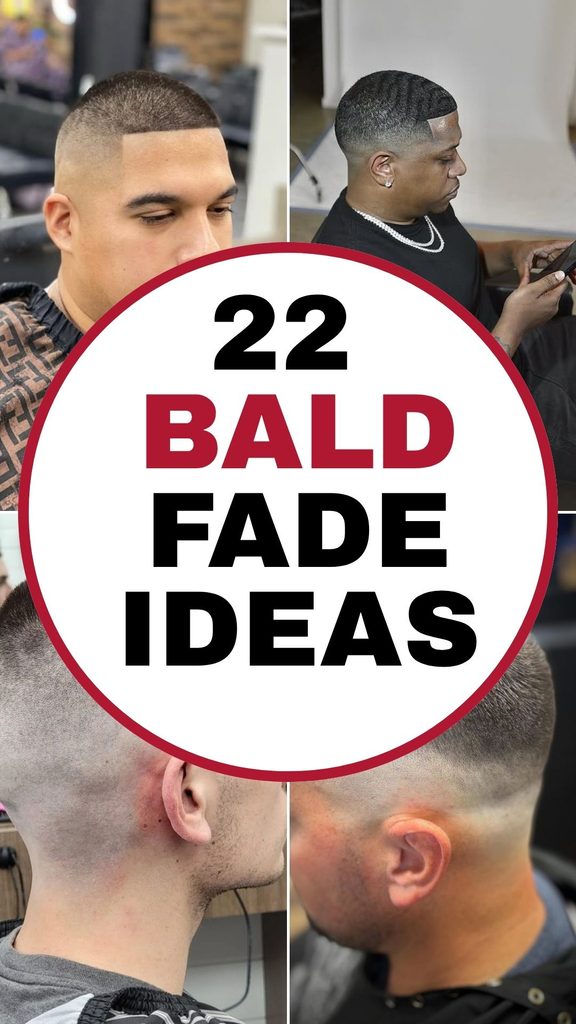
You don’t want a visible “shelf” where the skin line meets the initial guard length, as that is one of the most conspicuous bald fade faults.
Ask your barber to leave enough weight above the fade so it flows organically into your top style. Also display a reference photo and point out where you want the skin part to start.
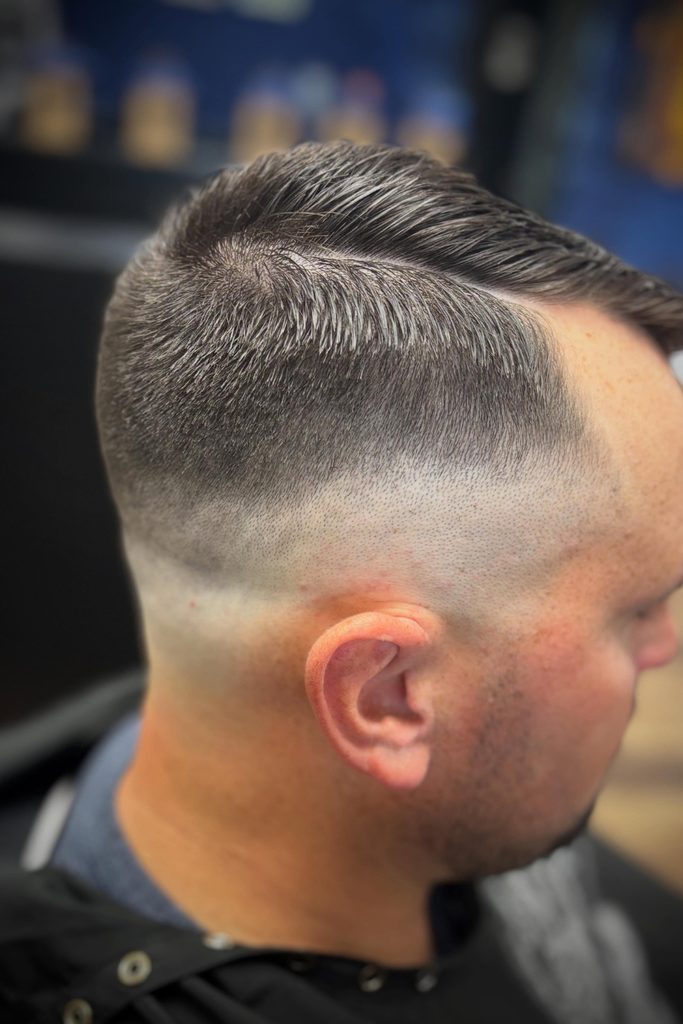
Side-Part Bald Fade
If you want a more polished look, maintain the bald fade at mid height so the side part still has some weight to it.
Don’t push the skin section too high, but tell your barber to work it lower around the temple, blending in gradually to the heavier top.
The styling product will keep the portion in place and the clean sides will prevent the overall form from looking too big.
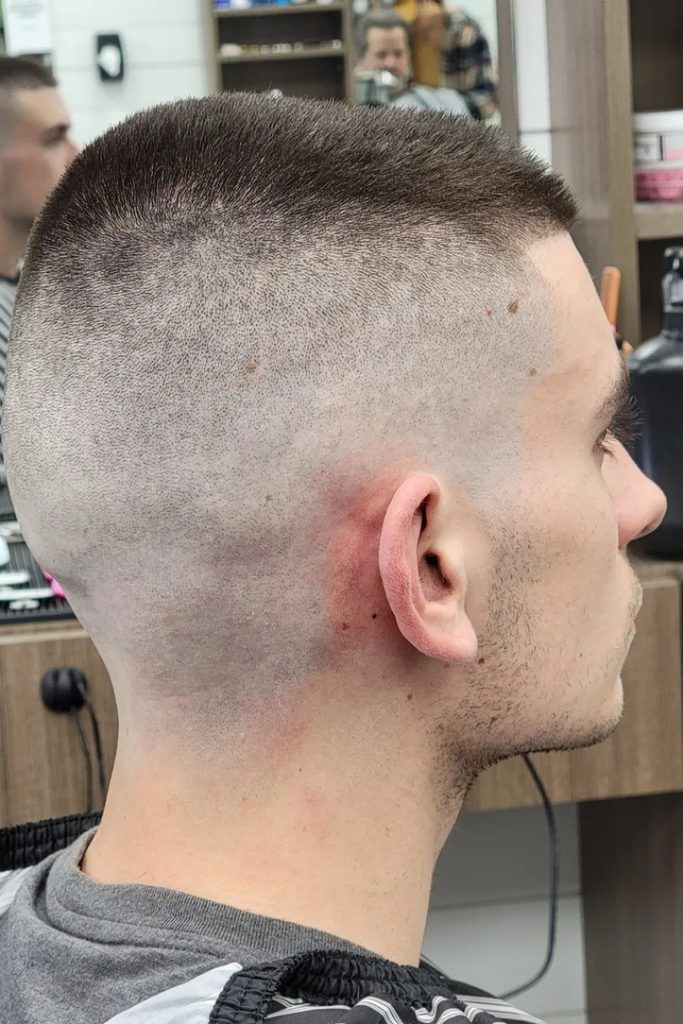
High Bald Fade
If you want a sporty and low-maintenance style, go for a high bald fade with a short top that needs almost no grooming on a regular basis.
The strong skin tones seem purposeful rather than leaving a big ridge above the fade with an evenly cut top.
There’s a lot of scalp on show so anticipate the sharp finish to soften fast. Be prepared to touch up when the sides lose definition.
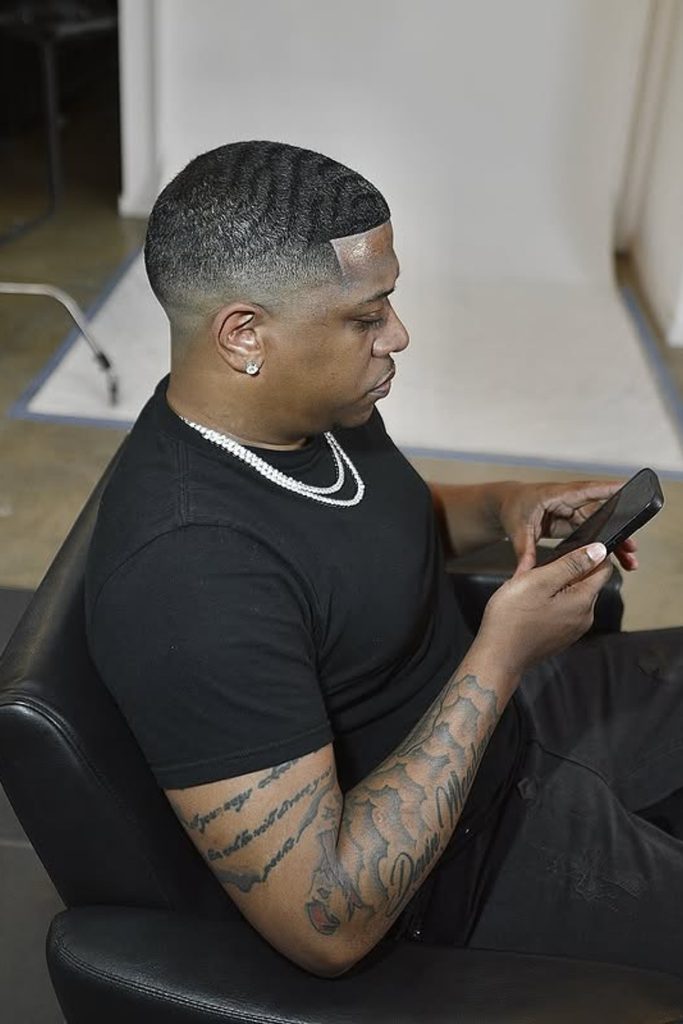
Waves Bald Fade
Waves have plenty of texture already, so a low bald fade adds some contrast without taking away too much darkness from the sides.
Tell your barber to maintain the transition tight about the temple and leave enough length above it for the wave design.
A clean line-up finishes off this style beautifully but keeping the fade lower will assist the waves stay the strongest feature of the haircut.
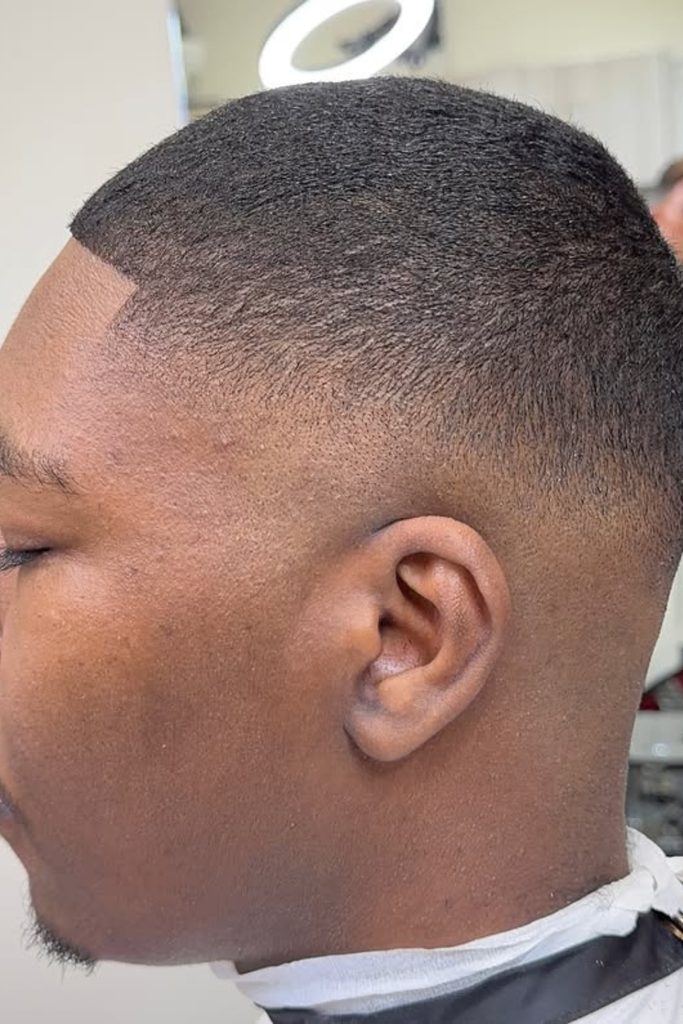
Low Bald Fade
If you want your waves to look fuller don’t take the bald fade too high. Keep some density through the higher sides.
This downward transition produces a softer frame around the head and works best when the top is maintained short and even.
Request a clean temple blend and natural gradation so the fading complements the wave pattern and doesn’t overshadow its delicate texture.
Buzzed Bald Fade
If you want a sharper buzz cut, the bald fade needs to be high enough to eliminate bulk yet maintain the top uniformly short.
The sharp contrast is best when you keep the transition smooth around the temple, as any dark band would be readily obvious.
Since this cut is more about precision than styling, regular edge cleanups will help to maintain the silhouette between barber appointments.
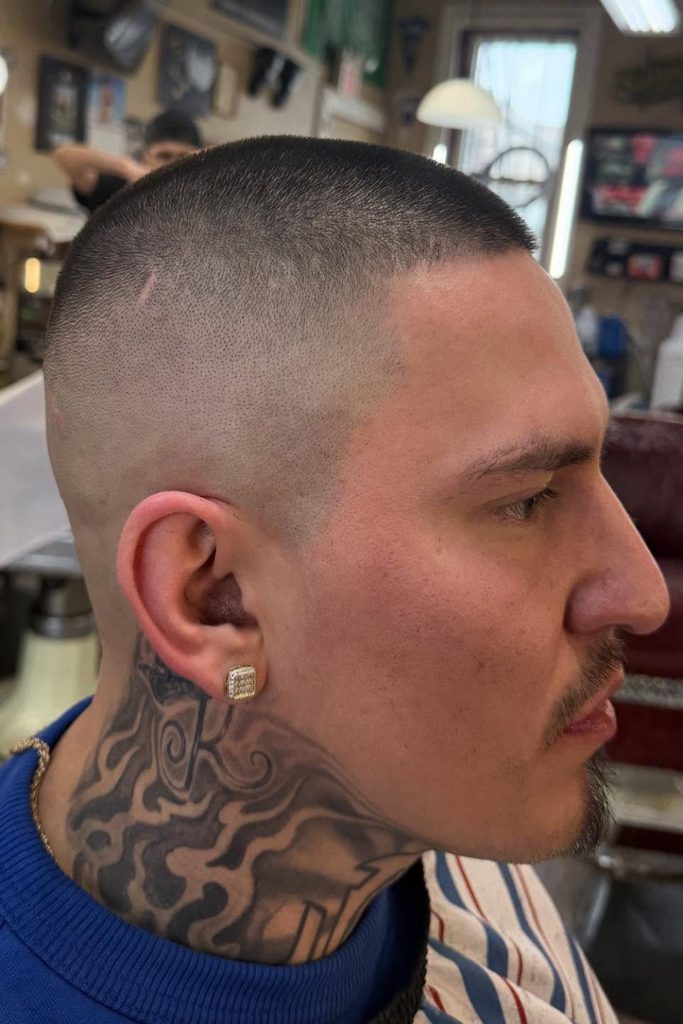
Cropped Bald Fade
A short crop can tolerate a greater bald fade nicely if you want a clean shape without adding any style routine.
“Leave the top a bit longer than the faded sides, so the haircut doesn’t lose structure and read as one flat length.
If your hair grows fast, the skin part will lose crispness first, so schedule touch-ups to account for that difference.
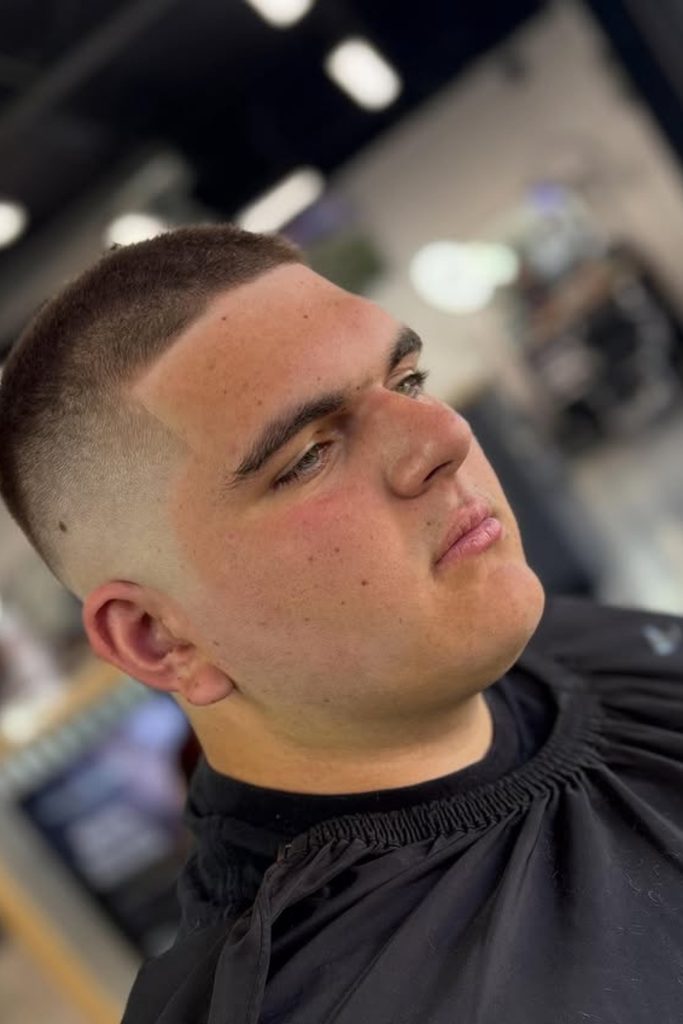
Lineup Bald Fade
Keep the top evenly cut, and combine a tight bald fade with a clean line up for the best definition.
The clean front edge gives it a bit of structure and the gradual side blend keeps the haircut from seeming too harsh around your temples.
This is quite effective for thick hair since the control of the upper sides prevents further volume to ruin the crisp outline.
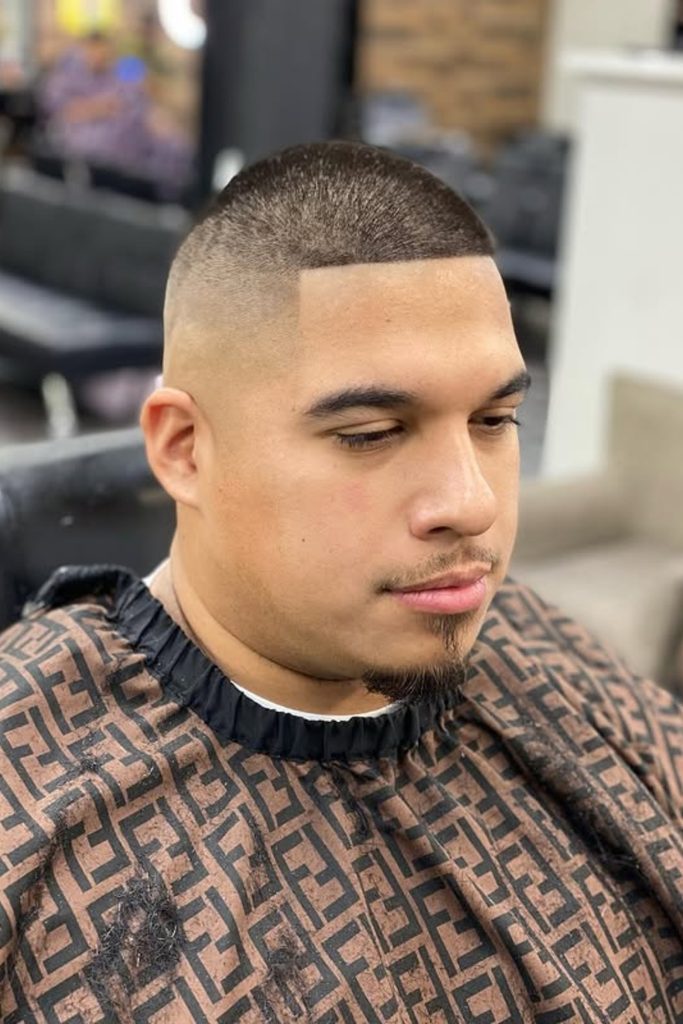
Soft Bald Fade
To achieve a softer look, keep the bald fade lower, leaving a bit more darkness around the higher parts.
The added weight provides a short buzz with better balance, particularly if you don’t want the scalp contrast to take over everything.
Ask your barber to maintain a gradual transition around the temple, as a low fade has to seem tidy but not overly shaven.
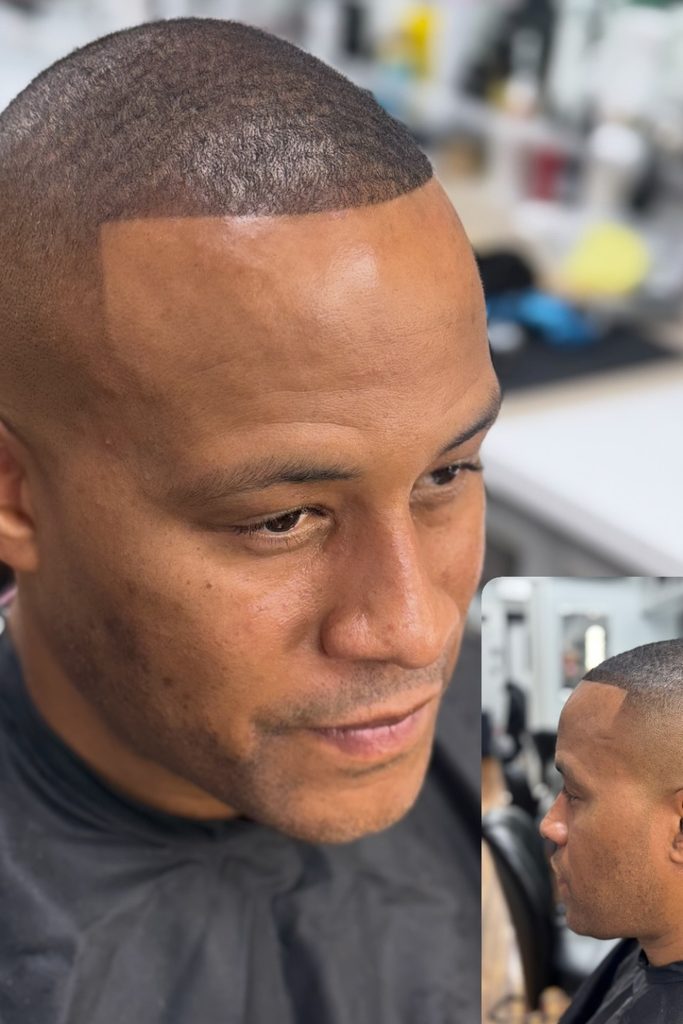
Beard-Connected Fade
If you’re sporting a full beard, clean up the fade around the temple so it looks like you intended to transition into facial hair.
Just a bit of weight above the ear gives the beard connection a smoother feel, rather than a hard break at the sideburn.
If your beard already offers your face significant definition, ask your barber to offset that crisp line-up with a gradual mix.
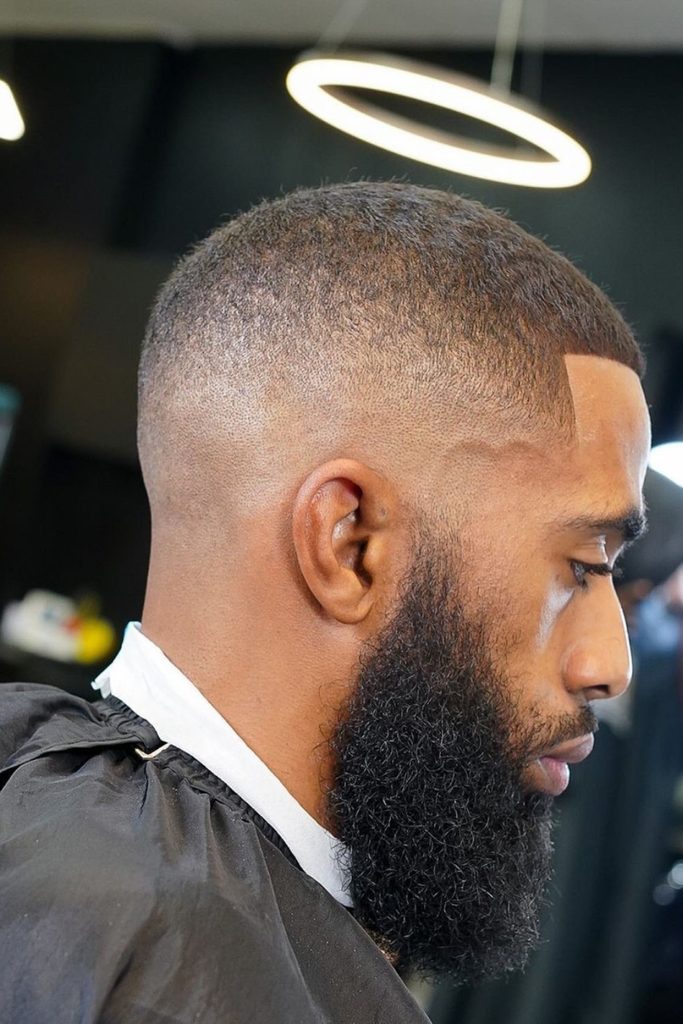
High Buzz Fade
A high bald fade is great with a tight buzz when you want the sides practically undetectable and the top easy.
The contrast is significant thus the mix needs to be smooth through the temple or the haircut can look too severe.
“If you want a little shape without doing any real styling each morning, keep the top short but not totally flat.
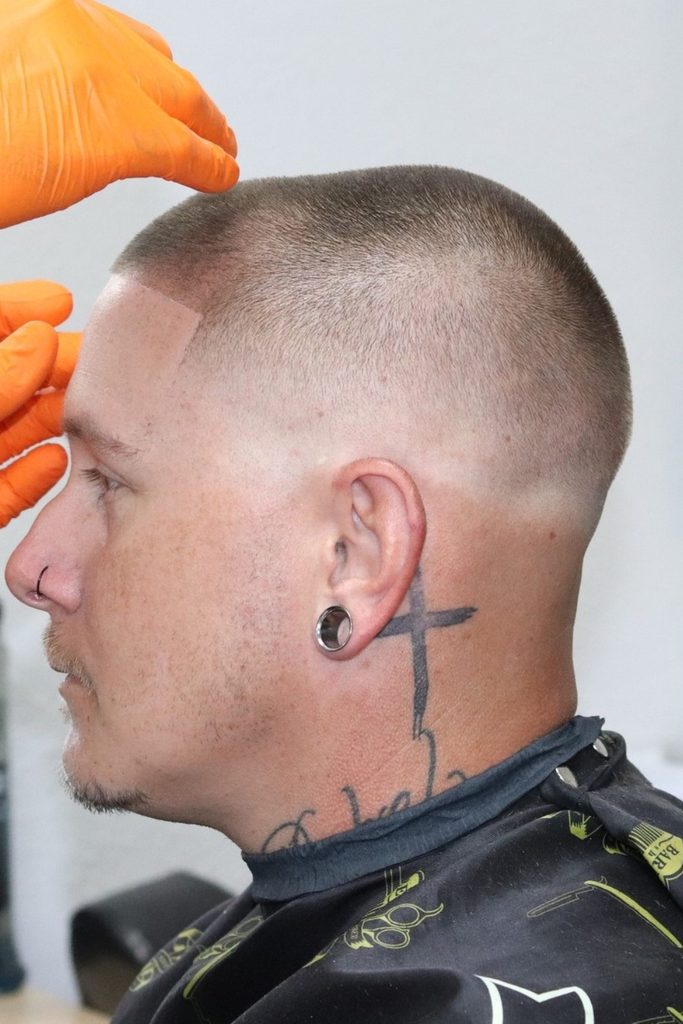
Temple Bald Fade
Allow the bald fade to increase around the temple, but don’t shave off all the upper-side density, to keep the top fuller.
That little pocket of blackness adds a little more structure to the haircut, which is handy when the top is short but still visibly thicker.
A sharp front edge completes it, but the fading should be blended enough that the lineup doesn’t overwhelm everything else.
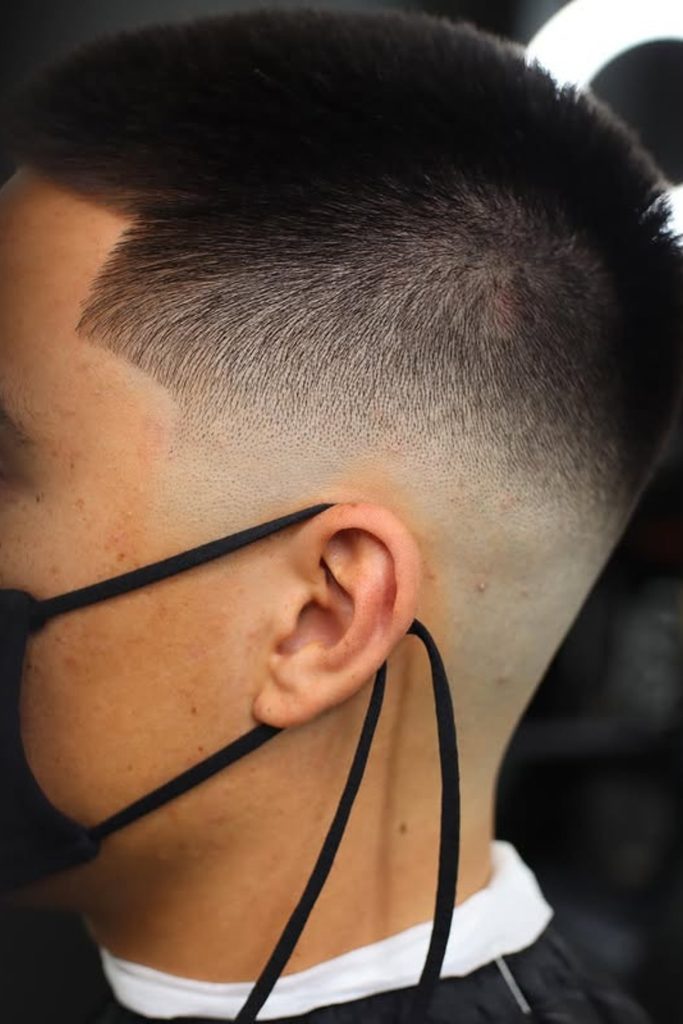
Balanced Bald Fade
A mid bald fade can shave away side volume with thick hair but still leave enough darkness to stay balanced.
Make the transition a little wider instead of squeezing it into one narrow band because dense hair can show harsh lines quickly.
This approach gives a short top more shape and makes the fade look cleaner as it grows out between regular barber appointments.
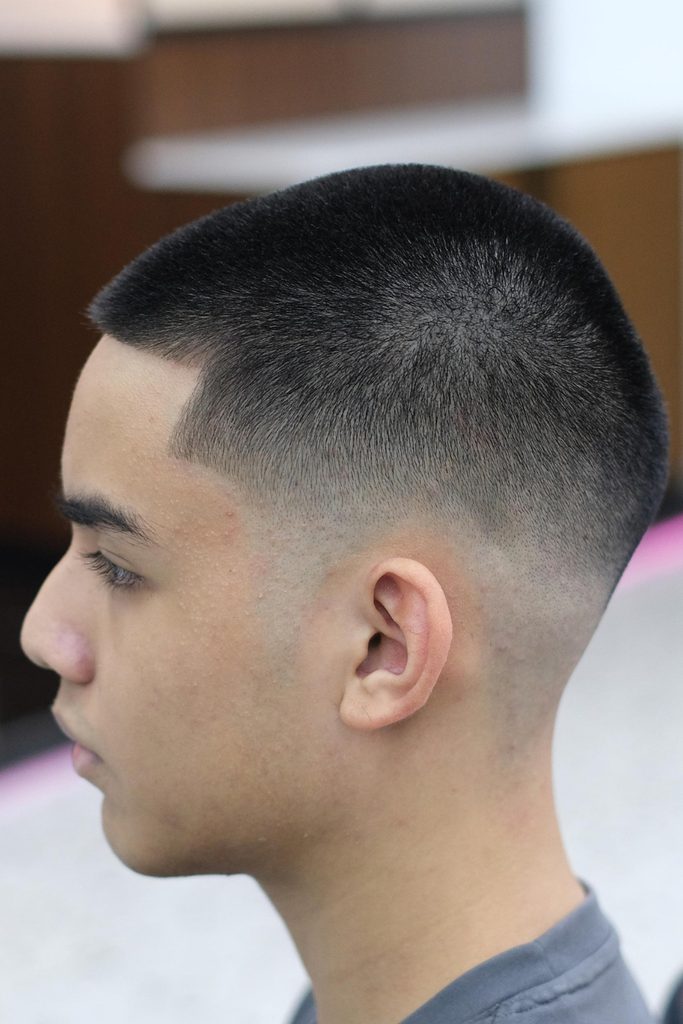
Hard-Part Bald Fade
A carved side part already provides a lot of strong definition, so ensure the bald fade is smooth enough so the haircut doesn’t feel too cluttered.
Keep some darkness under the area so that it may be seen. The bottom skin section keeps the sides clean and crisp.
If your hair naturally lays flat, apply a light pomade to slick it across without making the top stiff or oily.
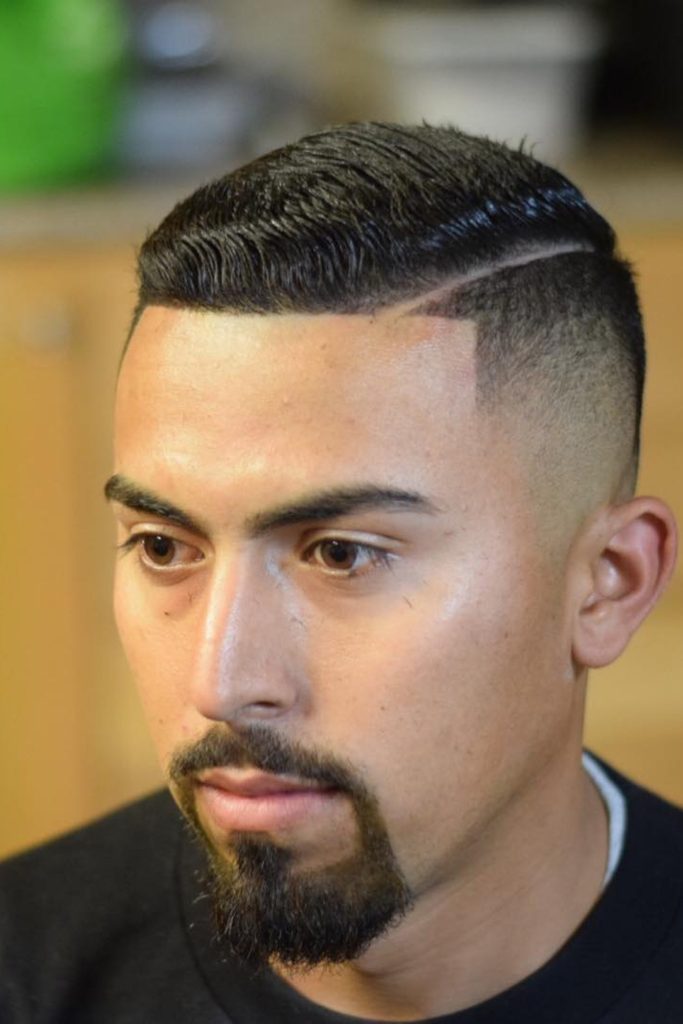
Buzz Bald Fade
Because a buzz cut is so short, there’s nowhere for the fade to cover up faults, so ask for an even transition all around.
The crown is kept a touch longer so the head shape doesn’t look too flat once the sides get to the skin.
It’s easy to style, but the new contrast fades rapidly, so choose it only if regular barber visits match your routine.
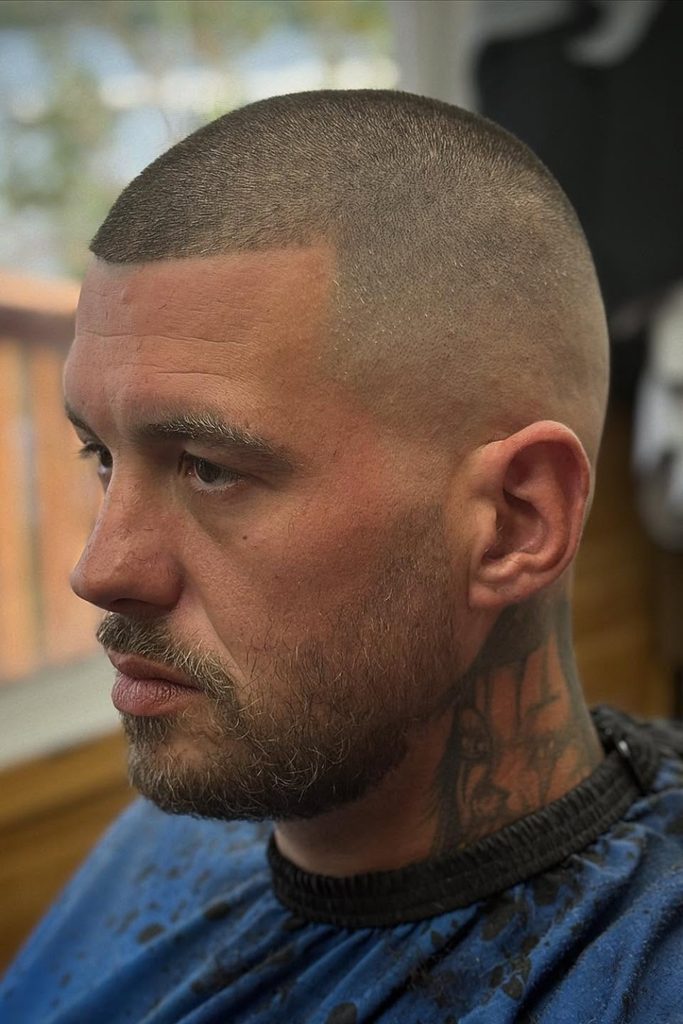
Twisted Bald Fade
Let the twists stay full on top and keep the bald fade lower, or you can lose the powerful textured silhouette.
The barber should leave a darker band above the fade, producing a cleaner basis for the twists rather than a disjointed edge.
If you have a beard, integrate the sideburn gradually to balance the facial hair with the added height and texture above.
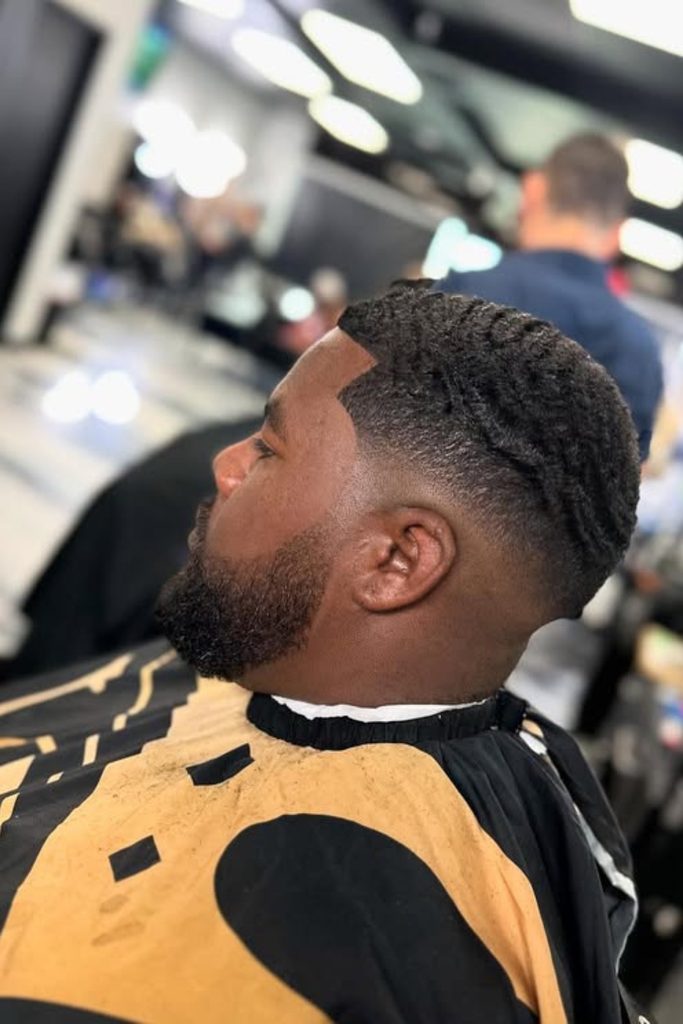
High Bald Fade
To get the cleanest finish, go high with the fade, but leave a little length on top.
the little variation makes it not look fully shaved but still gives you the dramatic scalp contrast that you were looking for.
The fade starts so high, so have a look at the side profile before you go, any uneven bits will show up in daylight.
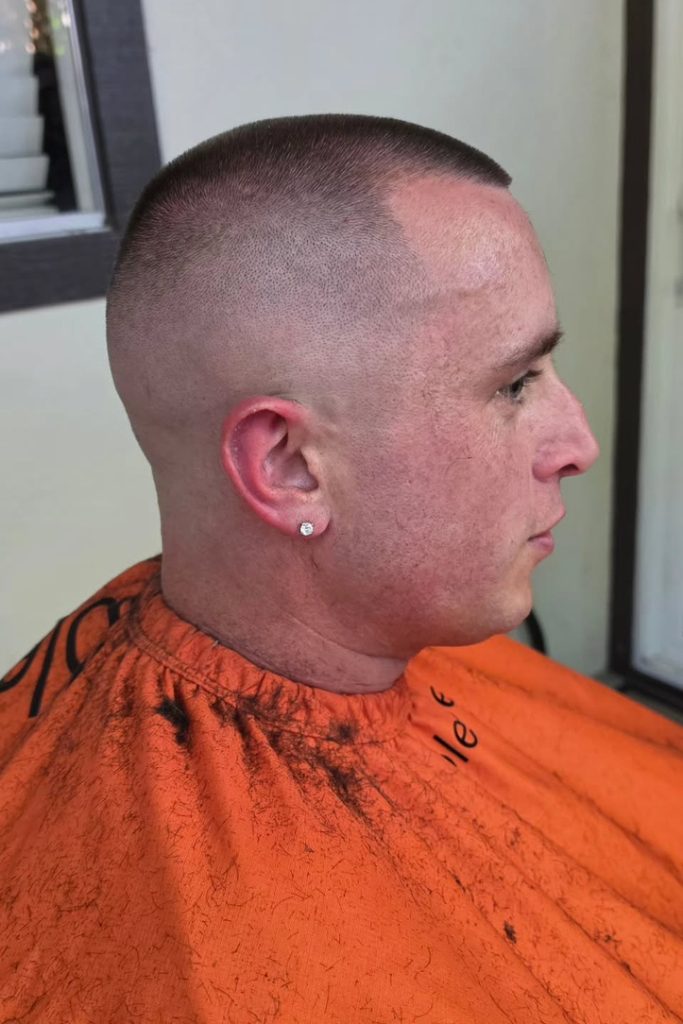
Wave Fade
Do you want your waves to be visible? Keep the bald fade low enough that the pattern still carries through to the temple.
The top gains more presence by gradually blending around the ear while the sharp lineup maintains the clean, controlled design.
Remember to brush your hair in the direction of your natural wave because uneven pattern work is more evident when the sides are pinned out to the skin.
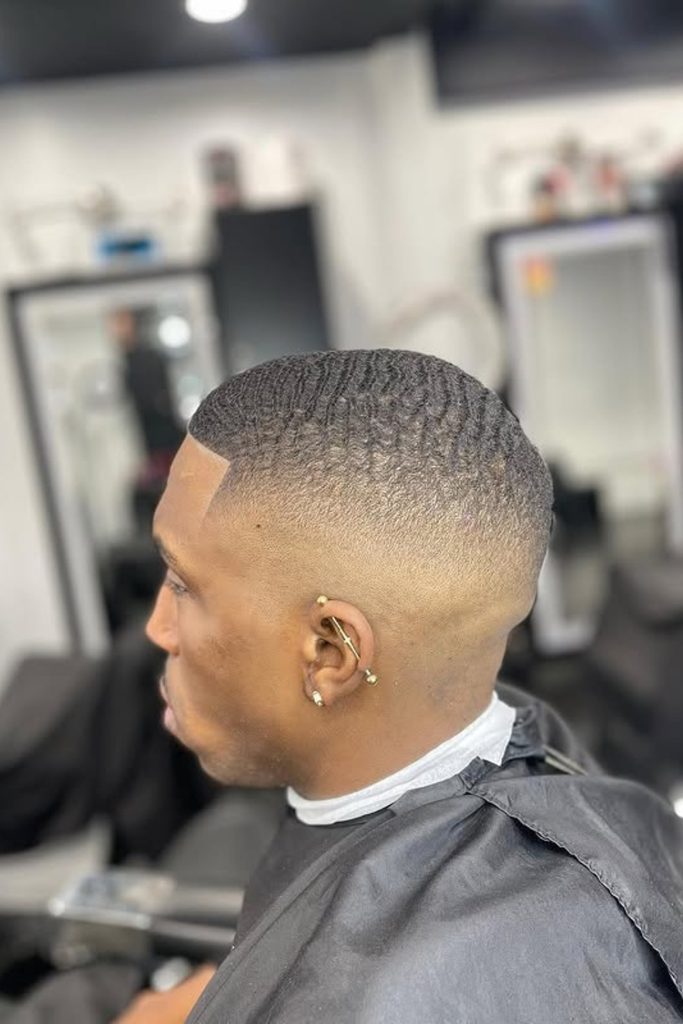
Sharp Buzz Fade
A short cropped top is great with a bald fade when you want some structure without too much product or morning styling.
Request that the fade rise neatly through the temple, but leave enough black above it to avoid a washed out look.
The sharper front edge gives this cut definition, so maintain line-ups tidy between visits if you want the style appearing fresh.
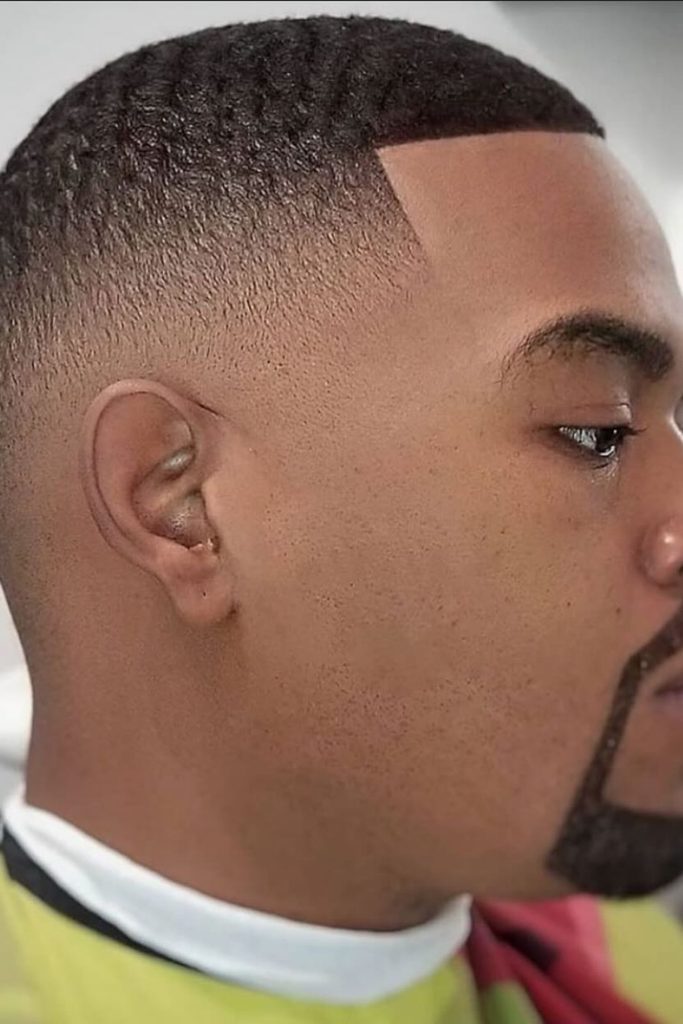
High Contrast Fade
If you have thinning or receding hair, a high bald fade might help lessen the contrast between the sparse areas and the fuller growth on the sides.
The short top helps the haircut look deliberate, and the fade removes bulk that could exaggerate uneven density.
Steer clear of strong styling products here, a clean scalp, regular cuts and a neat beard connection will typically give you better balance.
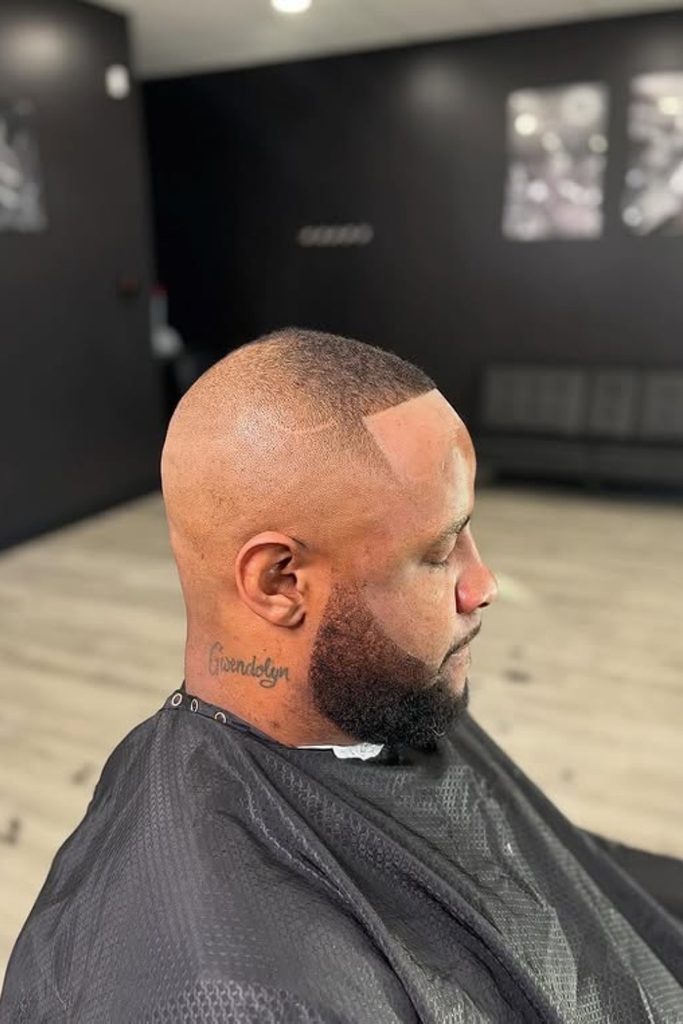
Textured Drop Fade
When the texture on top is thick, let the bald fade sit high enough to remove bulk without squashing your natural shape.
Add a dark transition toward the top sides so the textured top flows naturally and doesn’t look like it’s stuck on shaved flesh.
If you have a lengthy beard, that can be a wonderful anchor for the haircut, especially if the barber blends the sideburn into the beard, rather than cutting it off.
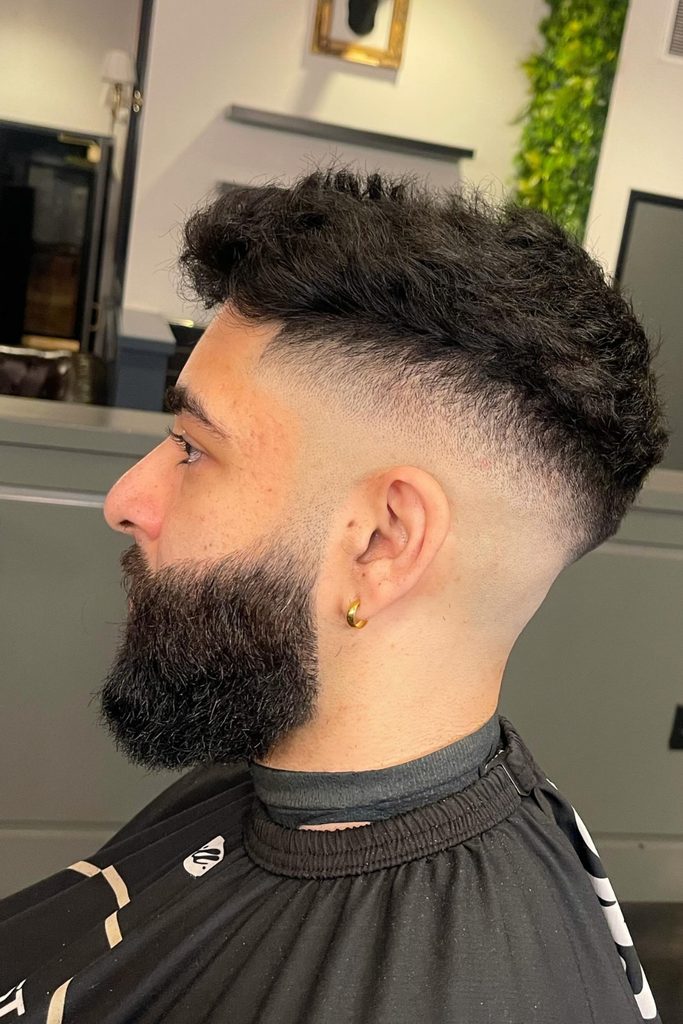
High Buzz Fade
If you desire mostly bald, maintain the buzz a little darker on top so the bald fade has apparent contrast .
Just make sure your barber blends through the temple gradually, though—a hasty transition might create a distinct shadow band surrounding short hair.
This cut is low-maintenance, but maintaining the edges fresh will make the plain form look sharper in between complete appointments.
Waves Beard Fade
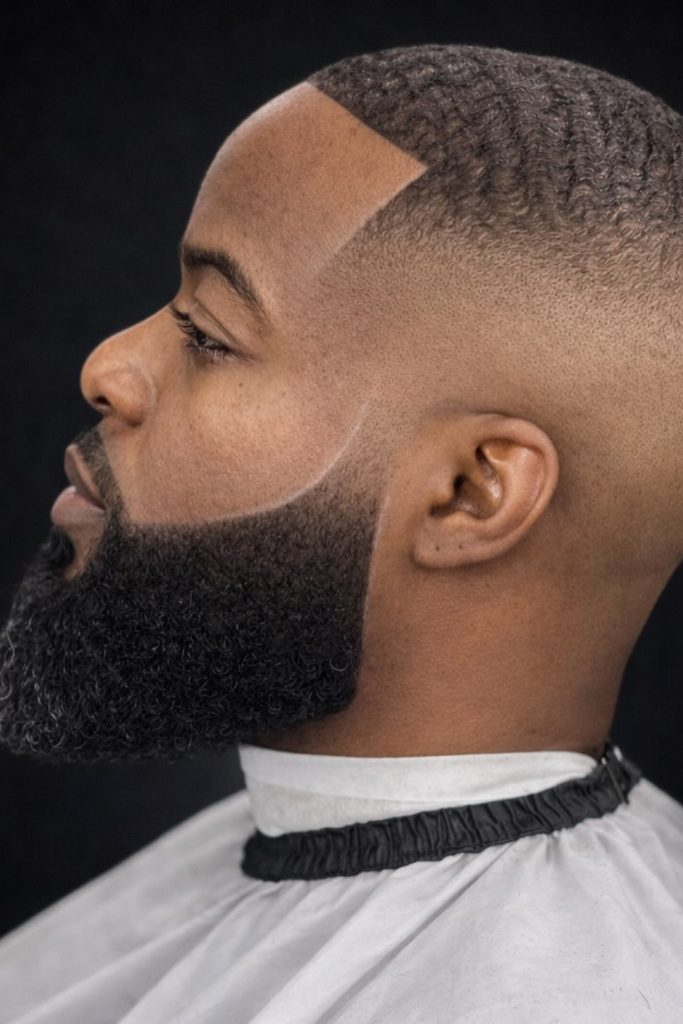
Keep the bald fade tight enough to distinguish both textures without making them compete. Defined waves and a thick beard.
Leave a little darkness at the upper sides so the wave pattern flows organically instead of halting abruptly above exposed skin.
Make sure the sideburns fade seamlessly into the beard, because it’s that transition that makes the cut and facial hair feel cohesive.
FAQs
Is a bald fade the same as a skin fade?
Yes, at most barbershops. In both cases , the shortest portion of the fade is often shaved to the skin and then blended into longer hair .
The bigger decision is not the name it is if you want the fade low, mid or high. Bring a reference photo and point out exactly where you want the skin portion to start.
How often should you get a bald fade touched up?
To keep the fresh-shave contrast looking sharp, shoot for a touch-up every couple of weeks or so.
If you don’t mind a softer grow-out, you can always stretch appointments out, but keeping the neckline and edges tidy will make the haircut look cleaner in between full cuts.