Choosing a comb over haircut might be perplexing as each variation appears to have a distinct fade, part, length and finish.
The cut you save may look great on someone else, but sit flat or clash with your natural hair texture.
The same haircut can seem different based on your facial shape, growth pattern and your regular style practice.
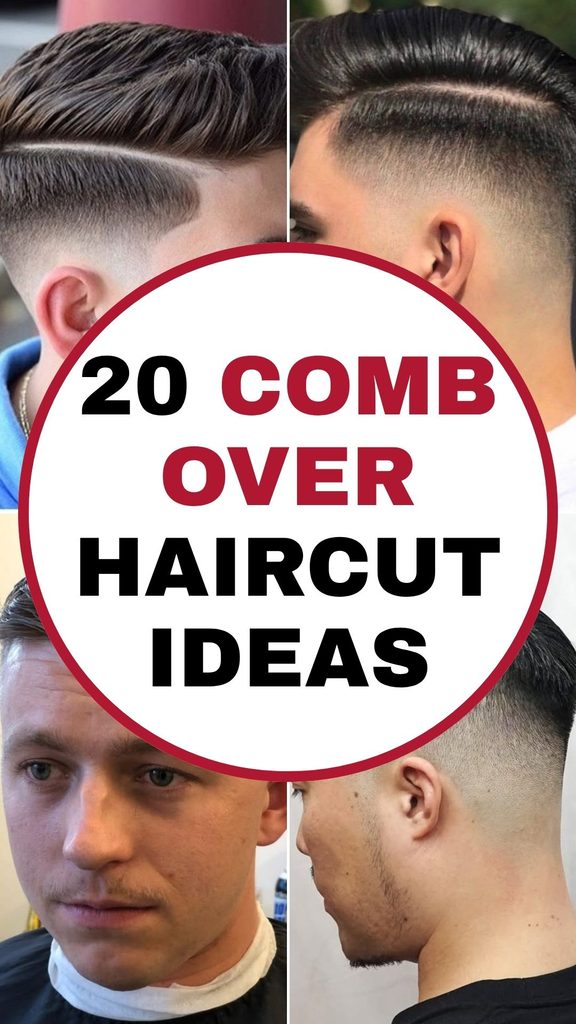
In this article, we have 20 ideas of comb over haircut that show you how to wear the style in different ways.
How Much Length Do You Need on Top for a Comb Over?
A comb over haircut is great if you want a smooth side sweep. Go for roughly 2-4 inches of length on top.
A length of about 2 to 2.5 inches will give you a shorter, tighter comb over that is easier to maintain. 3 to 4 inches will offer you a more powerful sweep.
Thick hair can have a little weight taken out so it moves more naturally, fine hair can lose volume if you leave it too long.
Decide before you cut if you want a tidy close form or a larger comb over. Then your barber can trim it to the proper length.
Sharp Hard Part
Want more separation on top and the fade? Tell the barber you want a clean hard part following your natural parting.
Keep the hair about 3 to 4 inches above the part so it has enough length to sweep in a controlled manner.
A blow dryer and medium-hold pomade keeps the elevated front without making the whole top look flat.
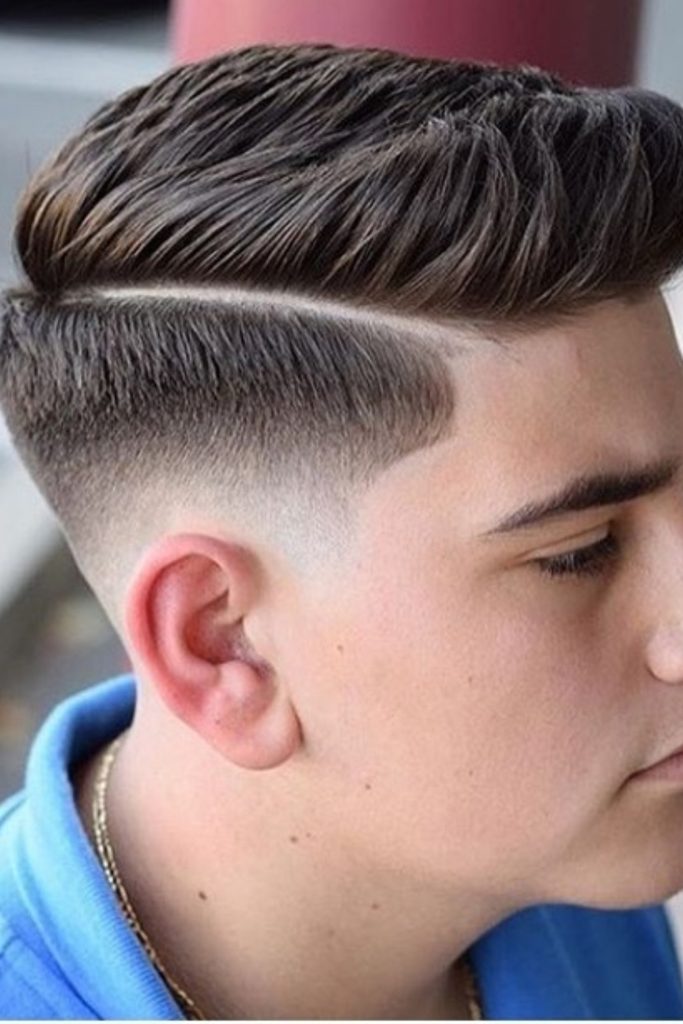
Soft Swept Fade
If you want a neater everyday comb over, keep the part subtle and let the top flow to the side without carving out a line.
Ask for a smooth mid fade with enough weight left by the temples to blend in smoothly with the longer top.
Rub a little style cream into damp hair, then comb it back and to the side for flexible, natural motion.
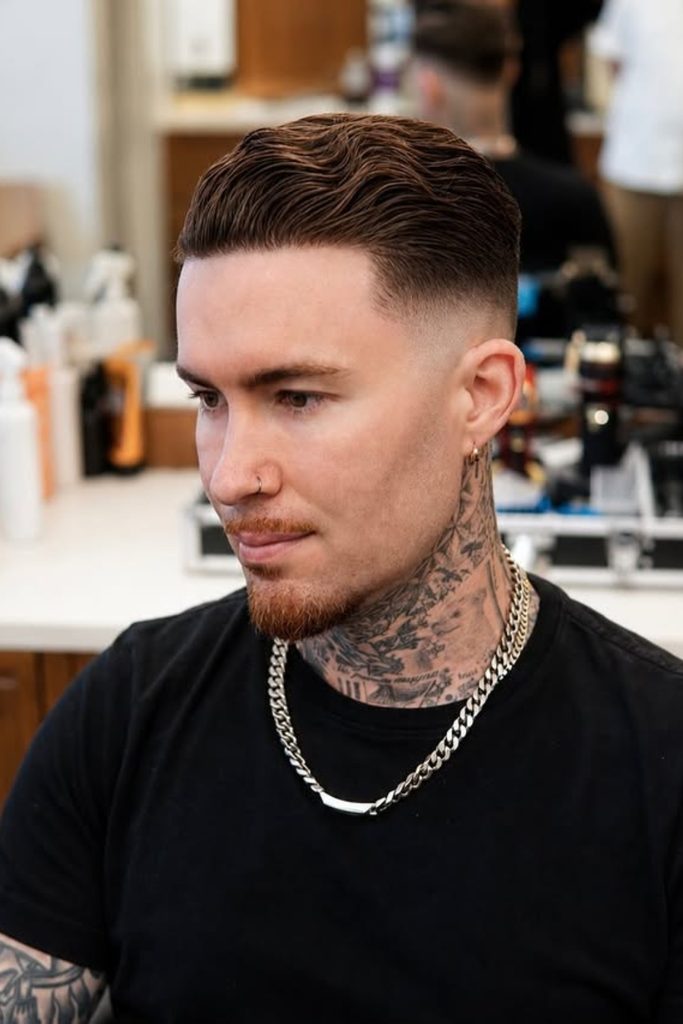
Short Slick Comb
A shorter length on top is particularly good if you are after a comb over that keeps in place all day long, even while you are busy.
Leave around two to three inches at the top, and couple with closely tapered sides for a sharper overall form.
Work a light pomade into relatively damp hair, following your natural part rather than attempting a sweep against the grain.
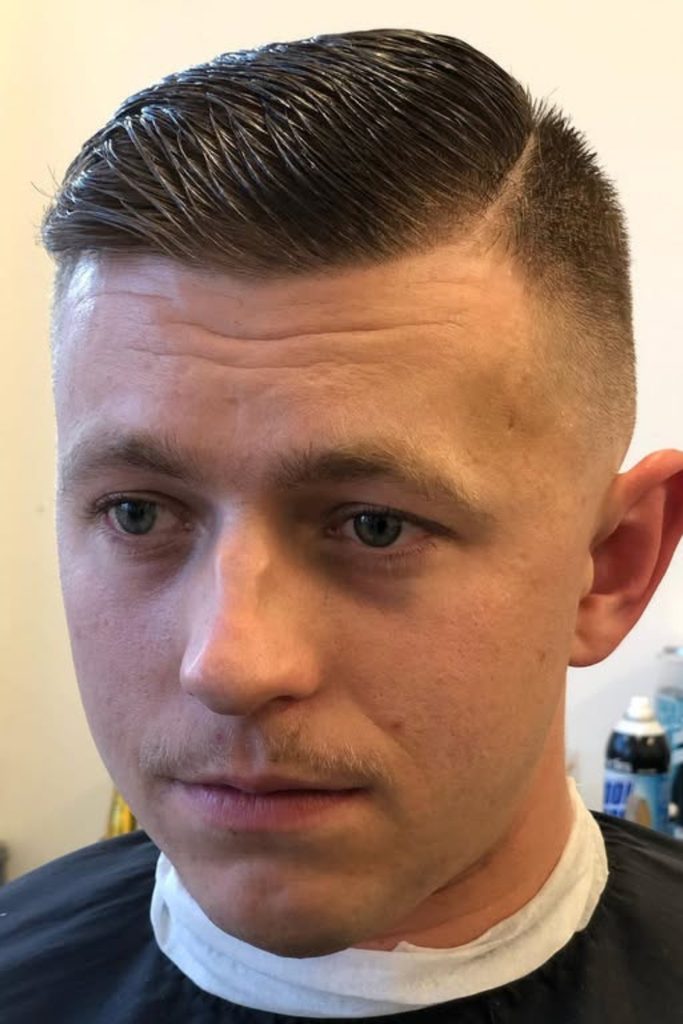
High Fade Sweep
If you have thick hair that’s too heavy around the temples, you can lift the fade to make the longer top simpler to manage.
Be sure there is enough density above the transition for your barber to integrate the sides without thinning out the comb-over shape.
Blowdry, sweep the top across and then finish lightly with pomade to keep the sweep in place without too much product buildup.
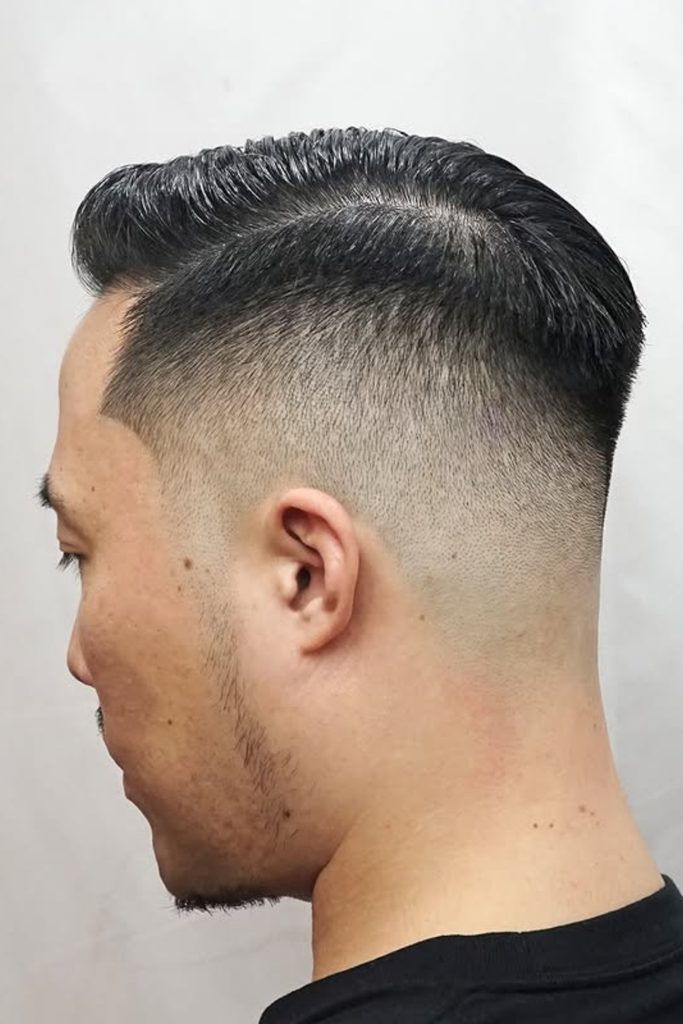
Polished Volume
If you desire height that can be seen but without a messy finish, leave additional length at the front before you shape the sweep.
That bigger top is styled with a defined side-part, and the gradual fade removes bulk around the lower sides.
Work the pomade through from roots to ends, elevating the front a little so the final form is smooth and controlled.
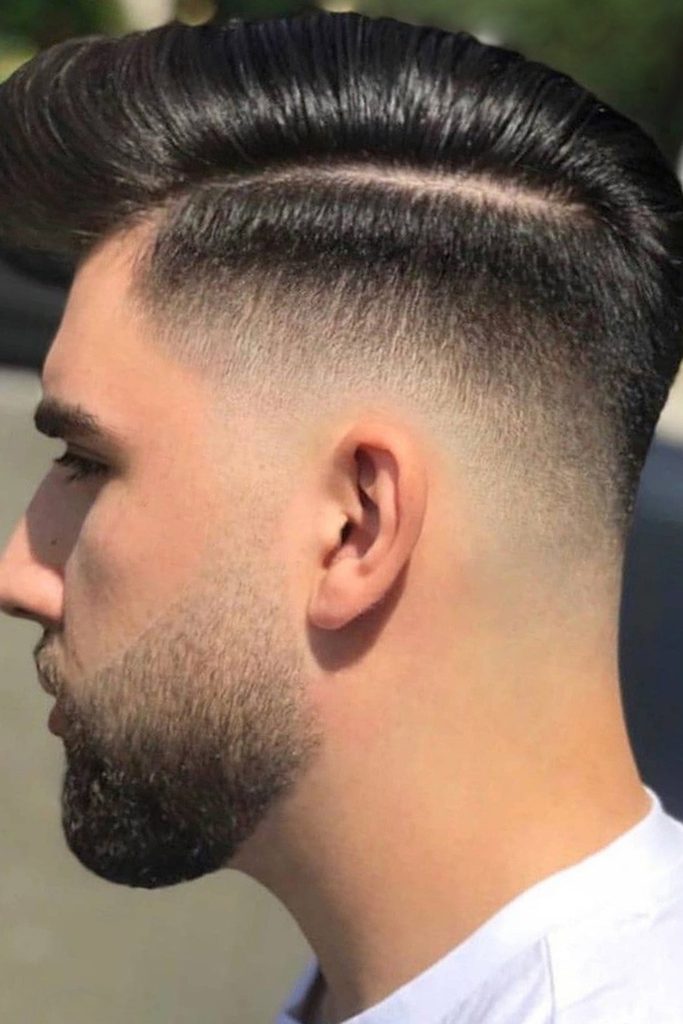
Disconnected Sweep
The very short cut under the part produces a larger contrast, especially if you want the longer top to show through.
Ask your barber to leave the weight above the part, rather than slowly merging everything into the fading area.
This more precise separation is most effective when you routinely style the top back and over with firm yet workable grip.
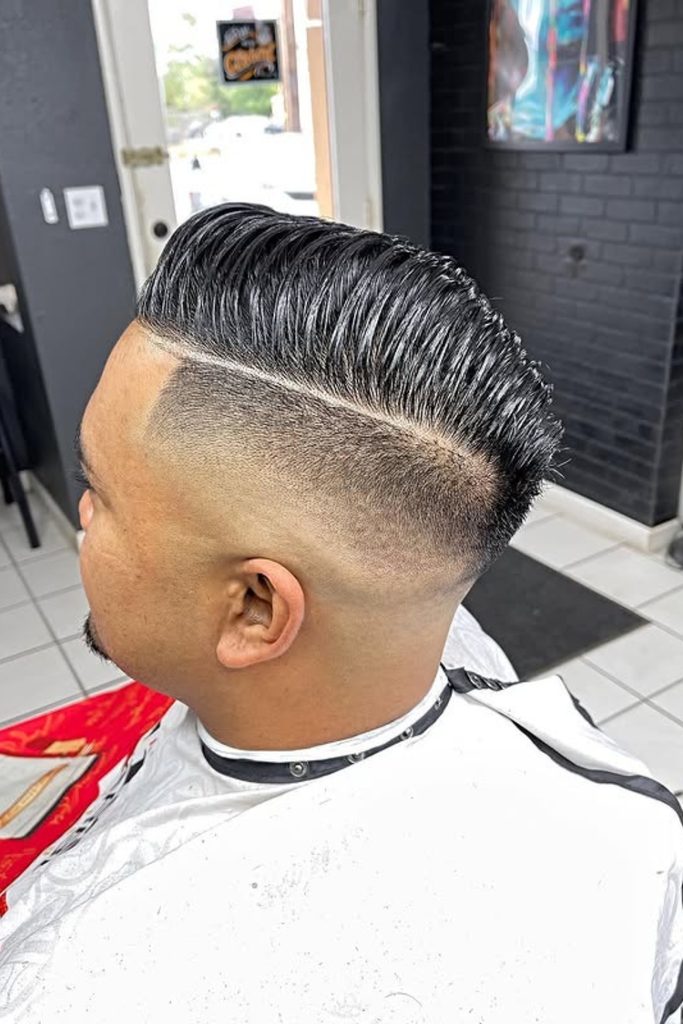
Lifted Comb Over
Adding a little more height in front helps prevent a lengthier comb-over from seeming heavy or plastered to the head.
Start by blow-drying the roots. Once you have enough volume in the front, brush the length to the side.
Finish with a little pomade, leaving most of the substance in the middle and ends and not the roots.
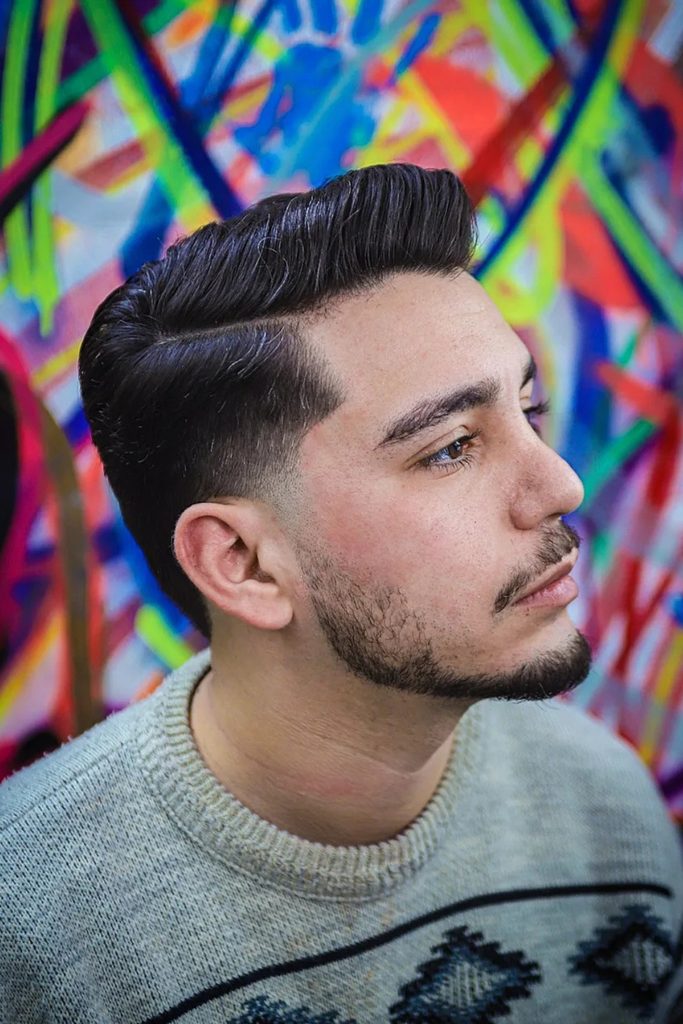
Low Taper Flow
Not every comb over needs exposed sides, so preserve more weight when you want a softer, smoother grow-out.
Ask for a slight taper at the sides, but enough length to blend into your swept top naturally.
Because you’re following your natural part, this variation is easier to restyle, especially if you like movement over a stiff finish.
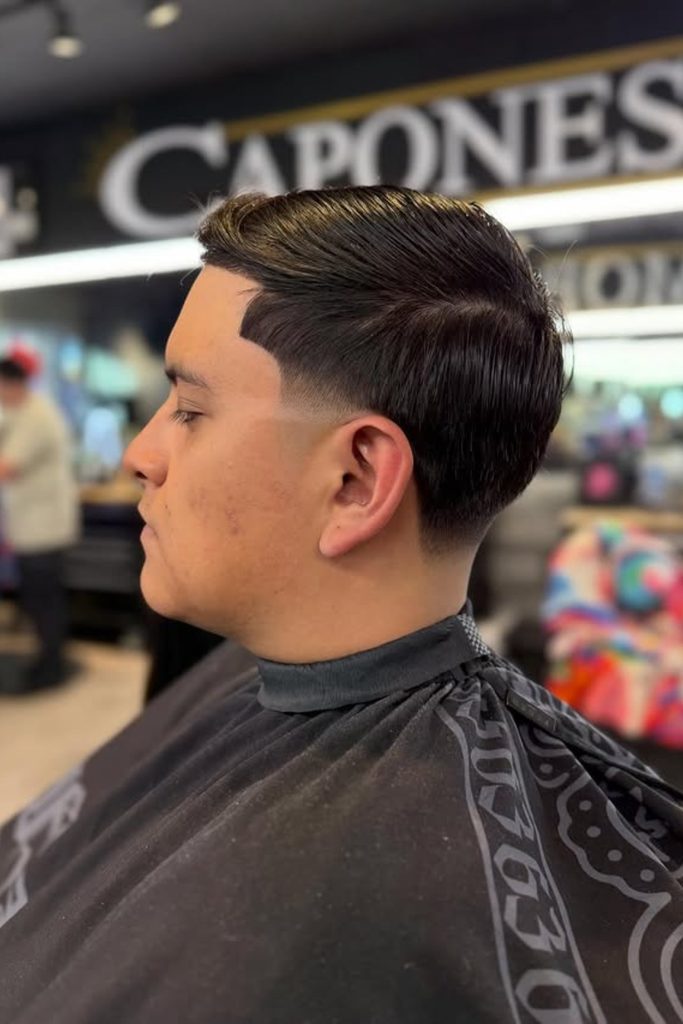
Clean Side Sweep
If you’re lucky enough to have lots of density, maintain the top smooth and regulated, rather than adding superfluous height.
The sharp segment provides clear guidance and the soft fade removes heaviness without disconnecting the higher section.
When hair is barely moist, brush hair to the side and apply a medium-hold pomade to hold each strand in place throughout the day.
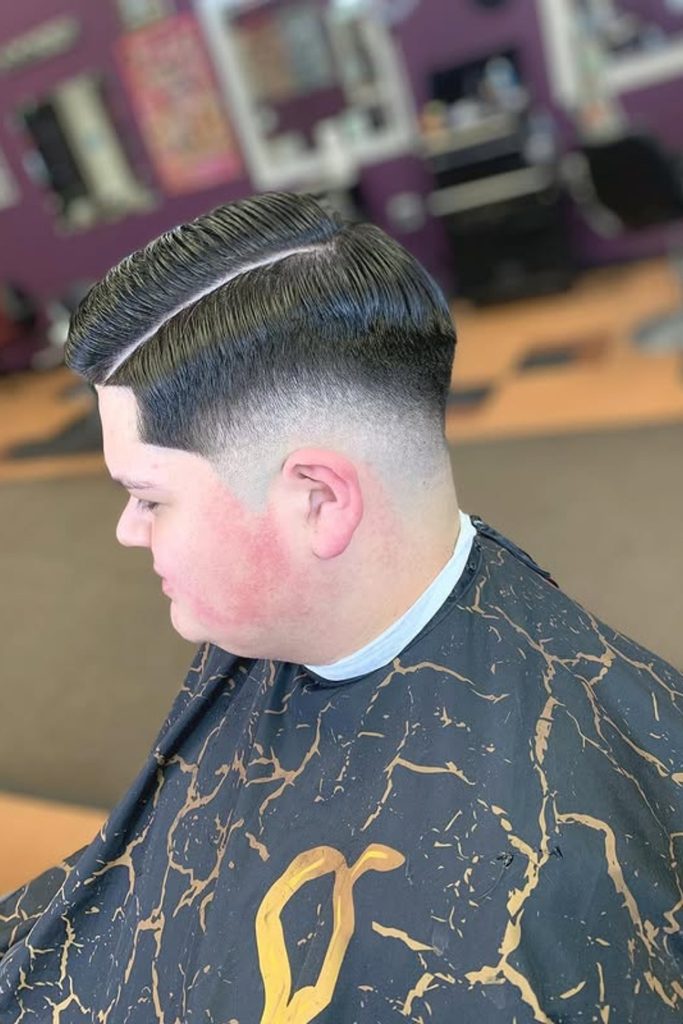
Razor Part Fade
A razor’s edge part can take a simple short comb over and make it substantially sharper for maximum contrast.
Keep the top tight and pull the sides close to the skin letting the carved line be the main element.
Just remember that such a sharp portion will grow out rapidly, so regular barber touch-ups will help keep it crisp.
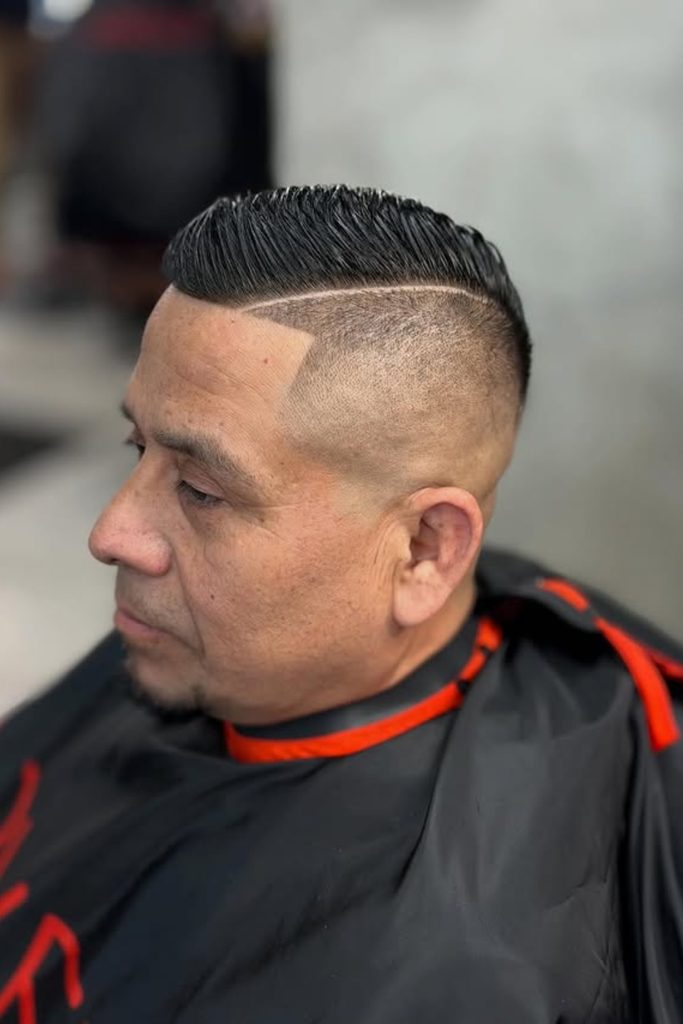
Wavy Top Sweep
Create a comb-over with more character by working in natural waves and avoiding flattening every curve with strong styling tools.
Leave extra length in the front and middle to let those waves emerge as you move sideways organically.
Blow-dry and finger through rather than continually combing. This will assist keep separation and softer movement through the top.
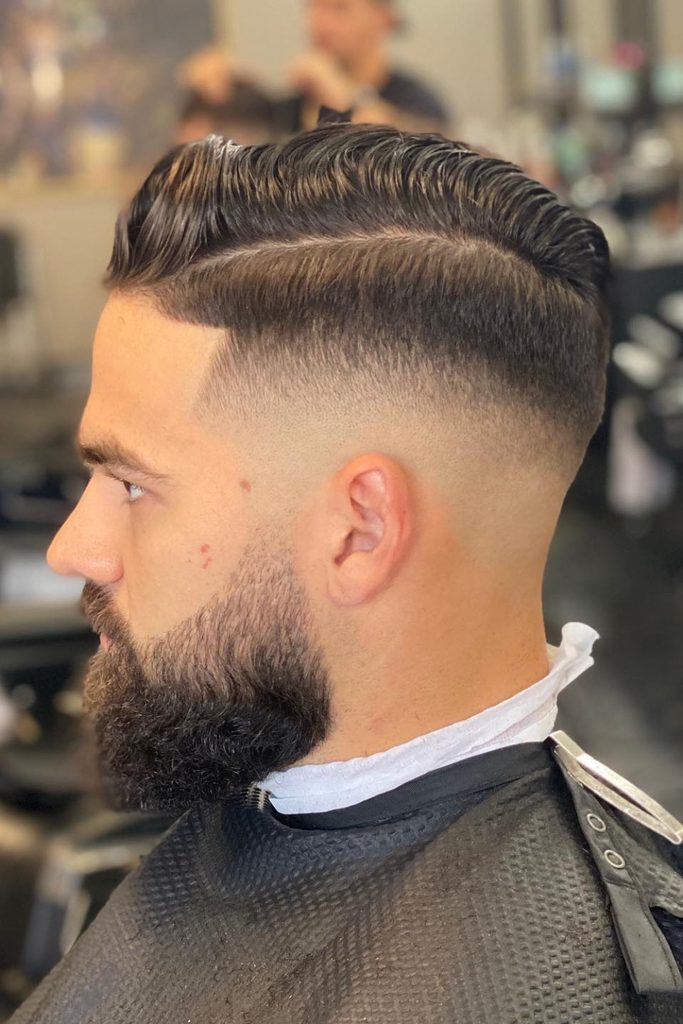
Balanced Mid Fade
If you leave some weight underneath you get contrast without having the comb over look totally separated from the sides.
Request a mid fade blended up but with enough darkness near the crest to keep a balanced proportion.
Then the cut is finished well with a smooth side sweep . This method is practical when you want structure without extreme height .
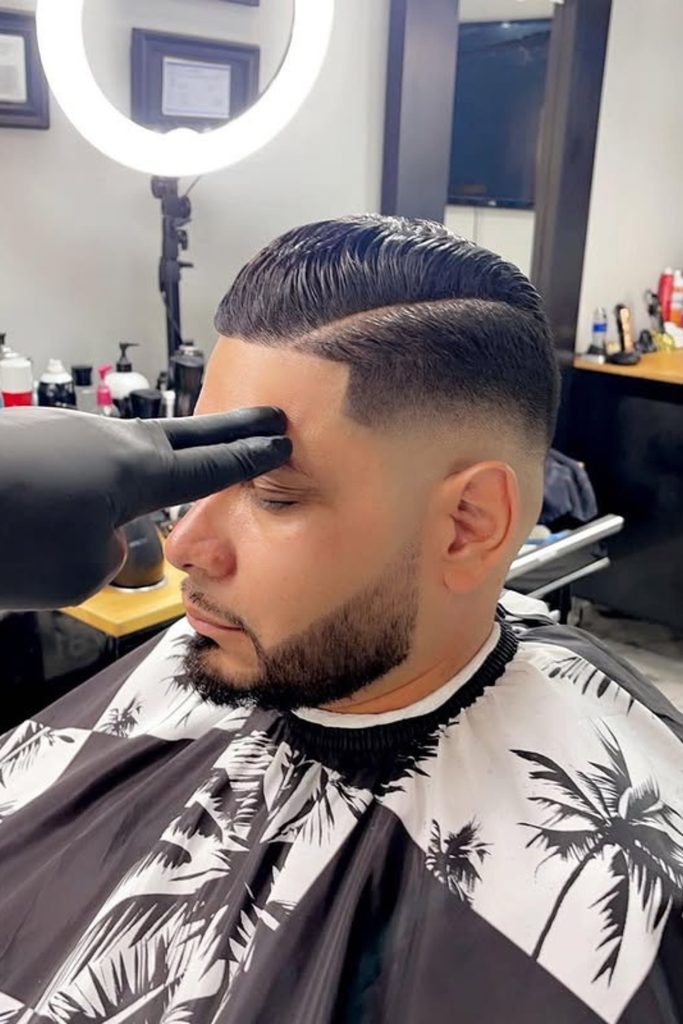
Compact Side Part
If you just don’t want as much height, then you’ll want to keep the top a bit shorter, so that your comb over is easier to style each morning.
Follow the natural parting and ask for near fading sides which prevents thick hair from looking too wide.
Use a tiny quantity of medium-hold product to regulate the sweep, without making the top stiff or too shiny.
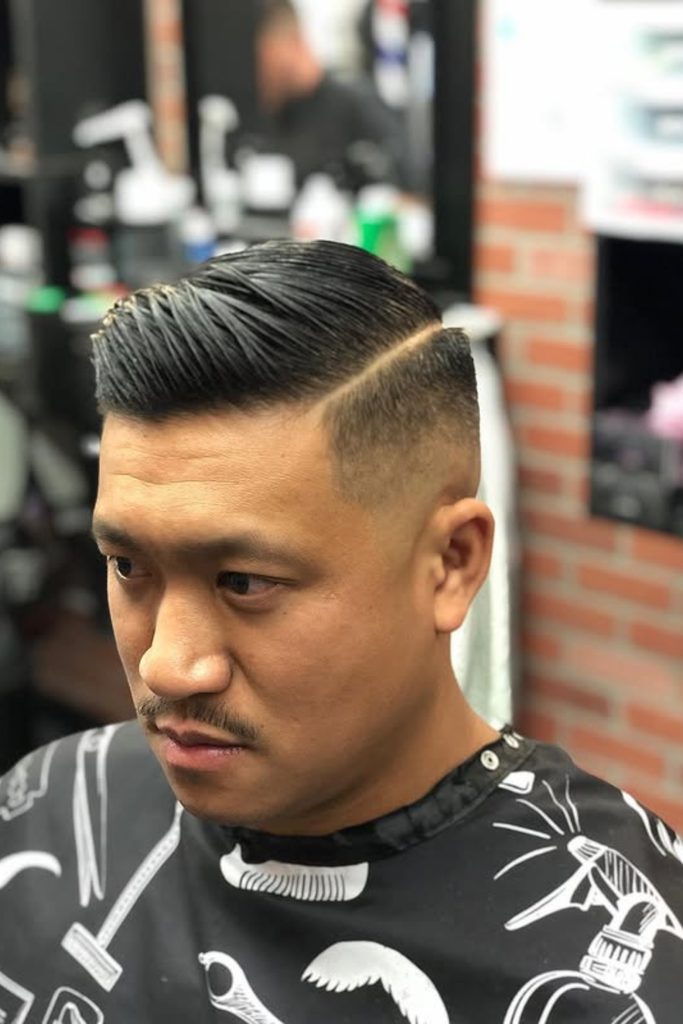
Bold Contrast Fade
If you want something more contrast, you can maintain a dark weight line over top of a skin fade to add more definition to the portion.
Cut the top long enough to sweep clean across, as cutting too short can make the division feel too harsh.
If you go to the barbers regularly, opt for this finish as the close fade will not stay fresh for long.
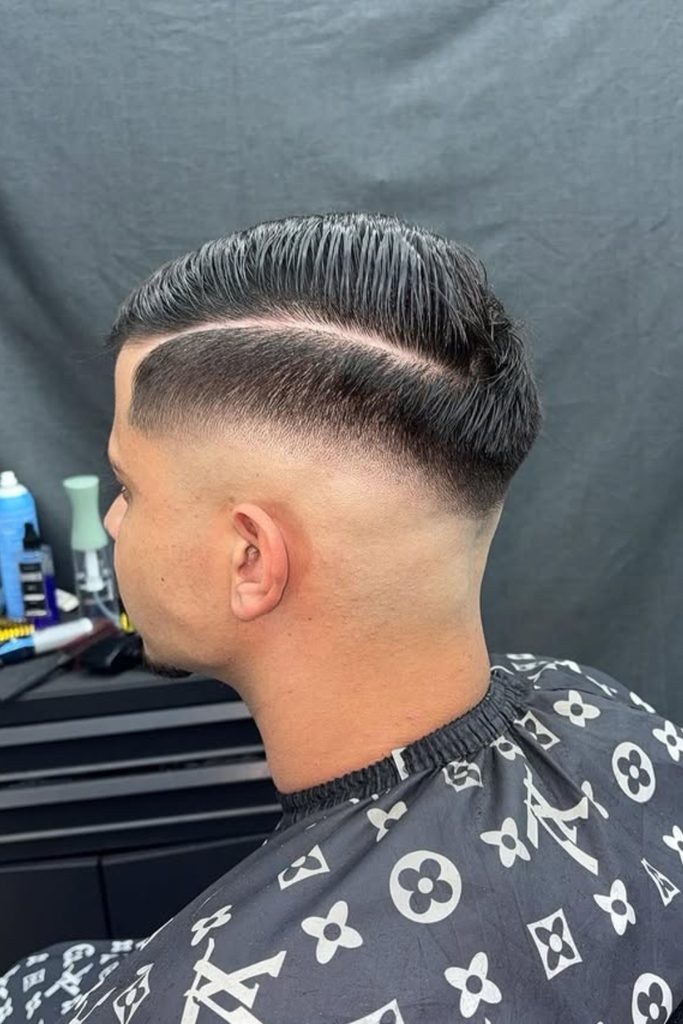
Natural Lift
You can build up a more complete comb over without too much height, creating volume mostly through the front and upper middle.
Ask your barber to leave the length growing toward the front and keep the side part smooth and blended organically.
Blow up before sweeping to the side, supporting the roots while maintaining the finished sweep relaxed and easy.
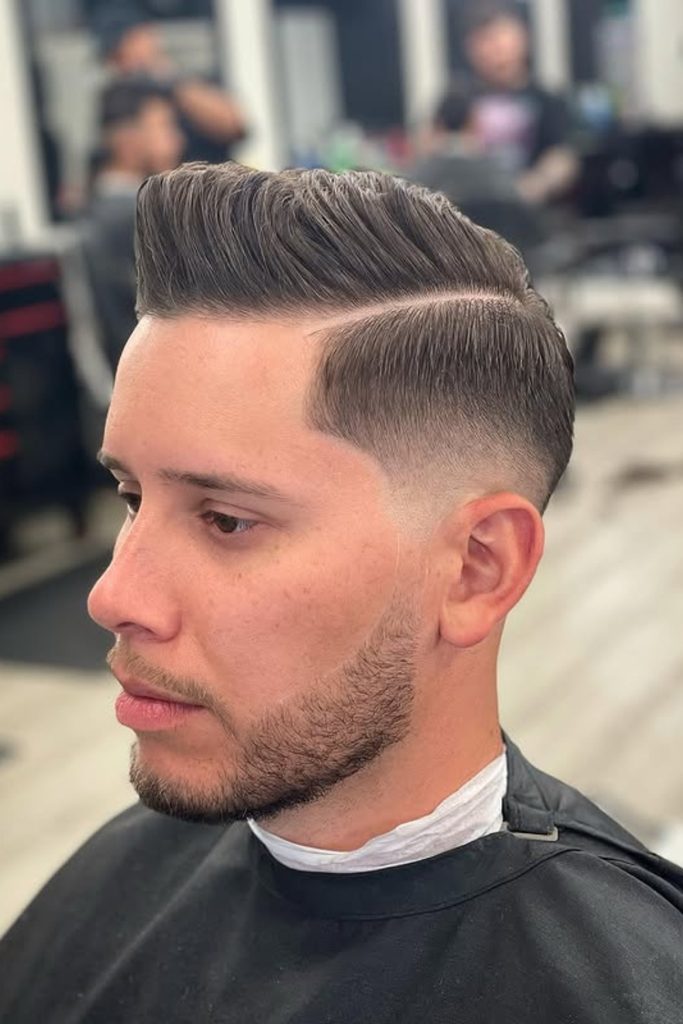
Subtle Taper Blend
For a simpler grow-out, choose a gentler taper that slowly shortens the sides, instead than exposing a lot of flesh.
A longer version on the top sides provides for a smoother transition, especially if your top has a natural density to it.
This works well if you don’t want to deal with frequent fades. Style with a light cream or paste for controlled movement.
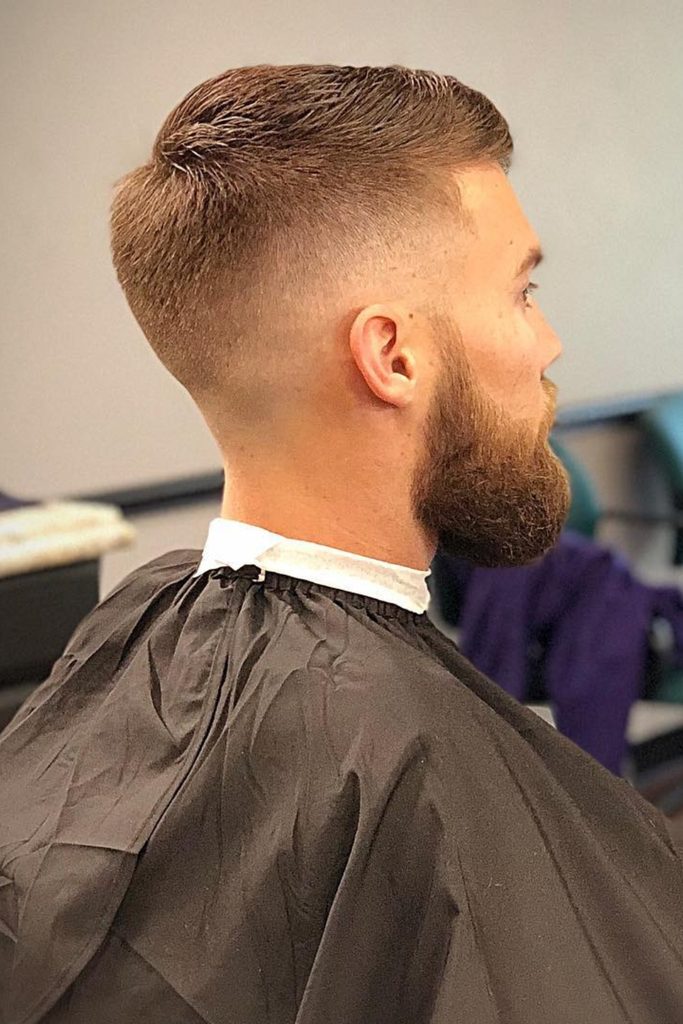
Defined Side Fade
If you desire a sharp finish without going super tall, keep the top in check and let the tough part offer definition.
Ask your barber to blend the fade tightly under the part, but leave enough length for a nice sweep.
A medium hold pomade fits the bill here especially when you want separation and control without making your hair too rigid.
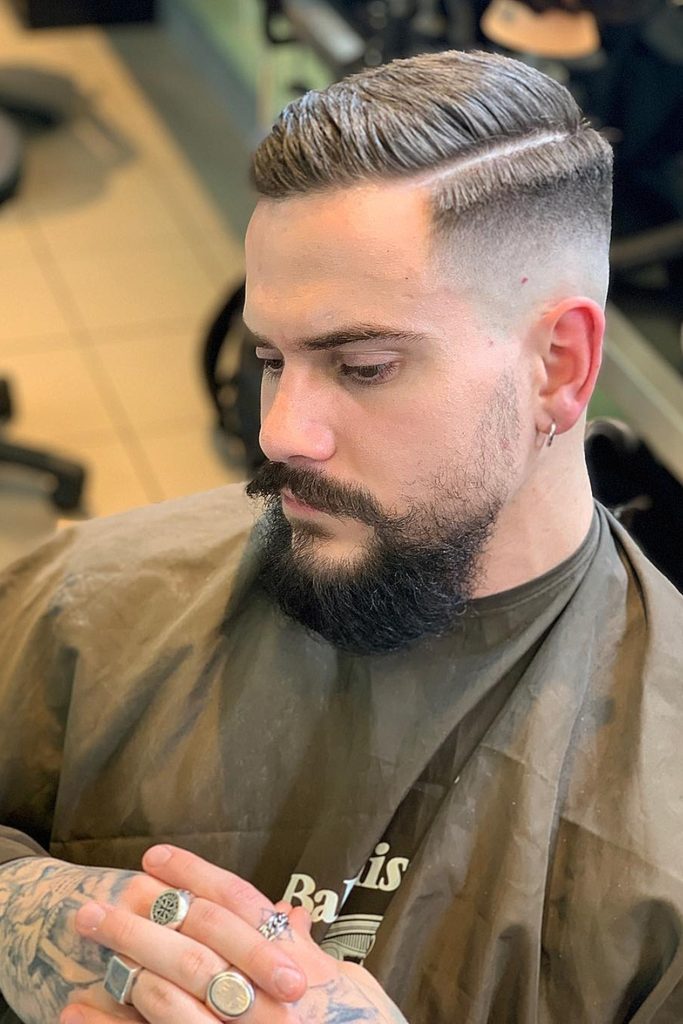
Gradual Fade Comb
To soften the transition, leave some darkness under the portion, instead of fading straight to skin.
The top, about medium length, allows you enough movement to part to the side while still allowing for reasonable styling in the morning.
Comb in the direction of natural growth, then top off lightly so the top is neat without looking burdened.
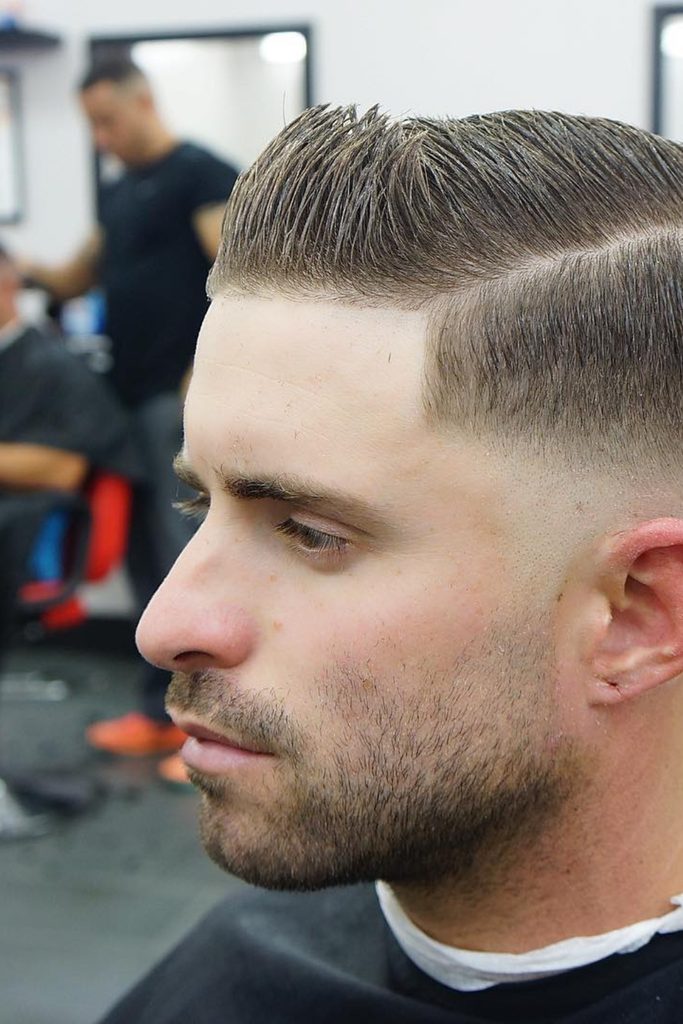
Full Slick Sweep
Dense hair can carry a bigger comb over beautifully when the sides are tight enough to not carry undesired width.
Leave a good amount of length on the top and ask for a slow fade under, so the sweep still has a pretty significant presence.
Work pomade evenly through damp hair, then comb from part across backward for uniform direction and controlled shine.
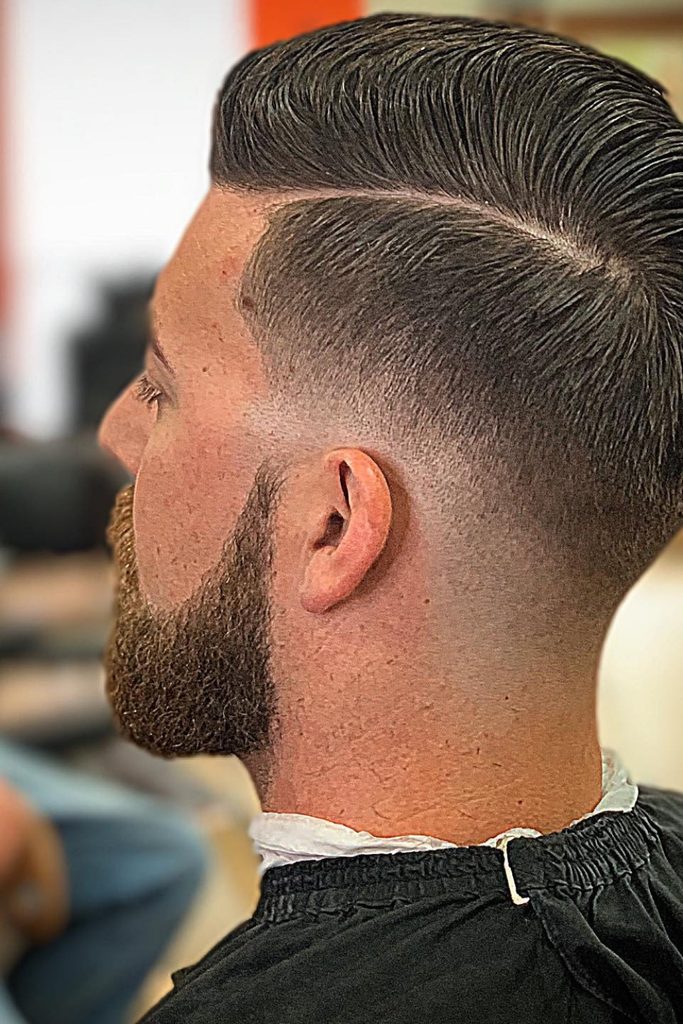
Low Maintenance Comb
If you want a natural growing out comb over with fewer precision touch ups, skip the carved out section.
The shorter top with softly fading sides maintains the overall shape neat without the need for intensive shaping every morning.
It’s a lightweight paste that gives you adequate control while keeping the finish relaxed. Work it in the natural direction of the hair.
FAQs
How Often Should You Get a Comb Over Haircut Trimmed?
If you have a skin or tight fade, you should go to your barber every 2 to 4 weeks to keep your sides neat.
You may also have to get top trims now and then to keep adequate length for the sweep without it being heavy.
Can You Style a Comb Over Without Using Pomade?
Yeah. Pomade gives you that polished, sculpted look, but it’s not your only option. For more texture and less sheen, try a matte clay or paste.
If your hair already retains its shape nicely, then blow-drying into place with a lightweight style cream may be all you need to get some control.