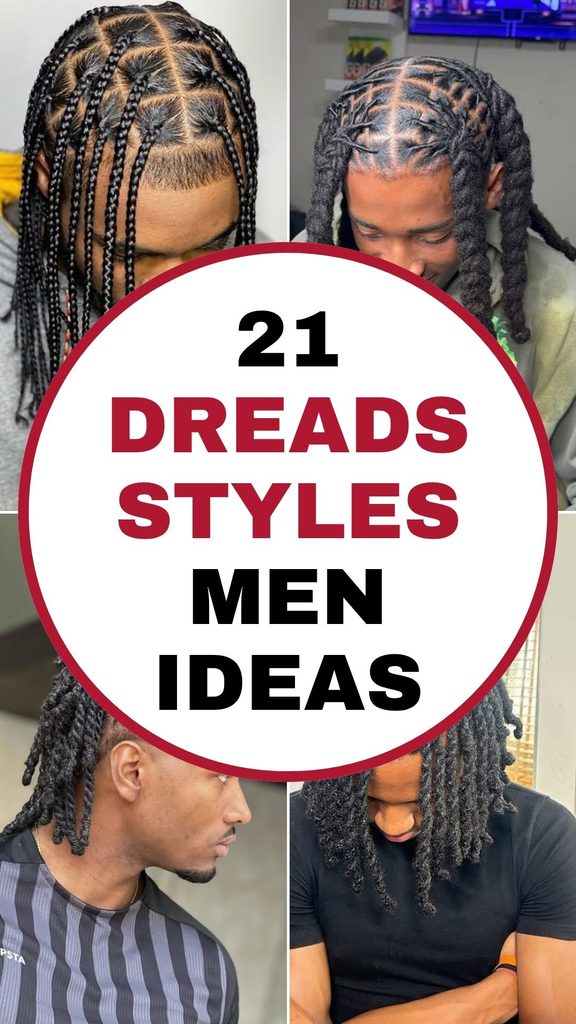
Finding a dread style you like is easy but figuring out if it will work with your existing length, loc thickness.
Some styles require adequate length to be pulled back while others change completely depending if you have full sides, taper or fade.
Even the most stylish cut may get annoying if it’s continually falling into your eyes or requires more effort than you thought to maintain.
This article features alternatives for shorter dreads, freeform appearances, fades, tapers, pulled-back styles, and lengthier locs.
What Can You Do When Your Dreads Keep Falling Into Your Face?
To achieve a half up style, tie the front locs back with a loose tie, headband or let them hang naturally.
You can also wear medium or long locs in a loose ponytail, bun or barrel style to clear your forehead and make everyday movement easier.
Dermatologists advise that tight locs, buns and ponytails can also cause recurrent stress that could lead to traction alopecia, especially around the hairline.
If you feel any obvious pain, stinging, or pulling at the style, loosen the style and alter the way the locs are secured.
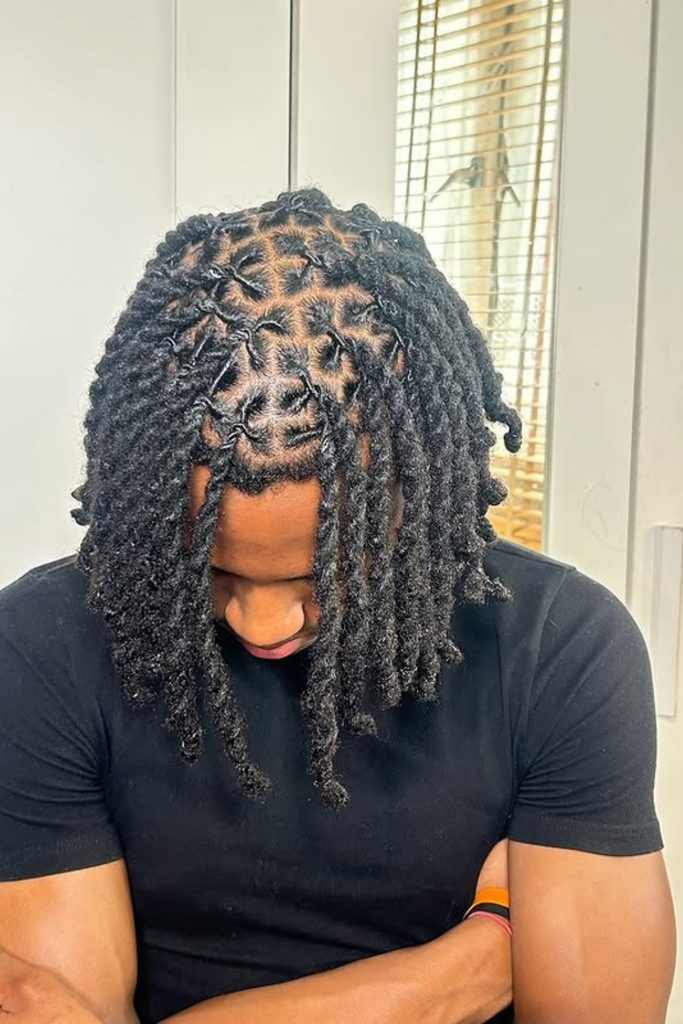
Chunky Two-Strand Locs
Chunky two-strand twists are better for medium locs that need to be tamed without flattening their natural fullness around your face.
Well-placed portions of root allow the twists to sit apart so that the finished style has texture rather than blending into one heavy shape.
Instead of pulling everything back, let a few twists sit forward and some fall beside your temples for a relaxed frame.
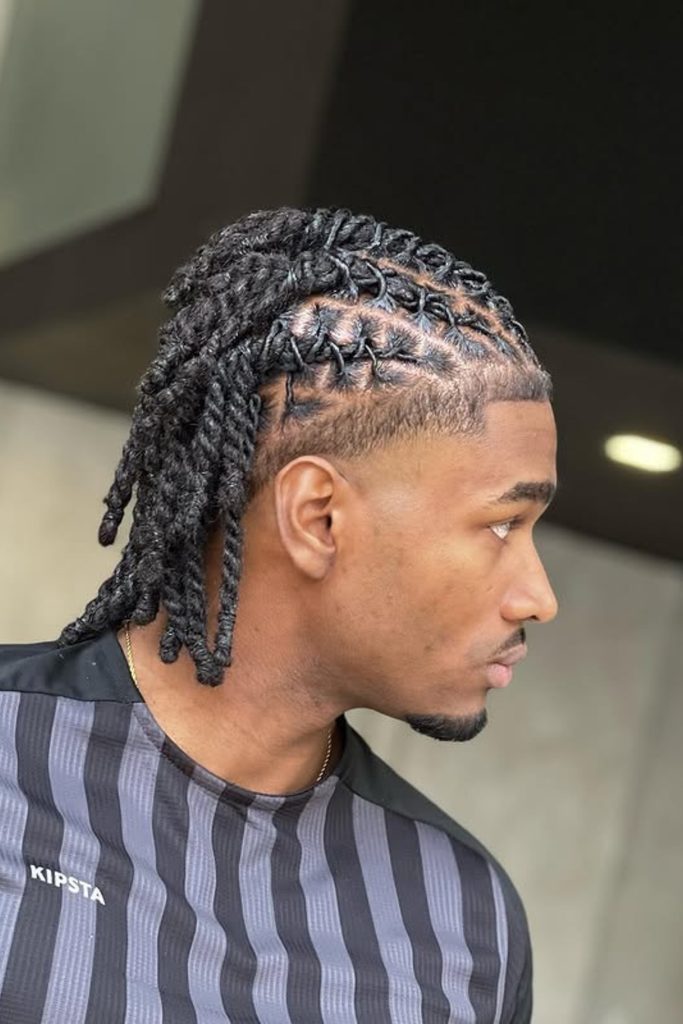
Braided Loc Taper
That annoying problem of strands falling across your forehead frequently on active days is solved by pulling your locs backward through braided parts.
A modest temple taper will tidy up the side profile without taking off too much hair while lengthier ends still display your current length.
Instead, ask your loctician to comfortably guide the sections back, especially at the hairline, instead of using extreme root stress.
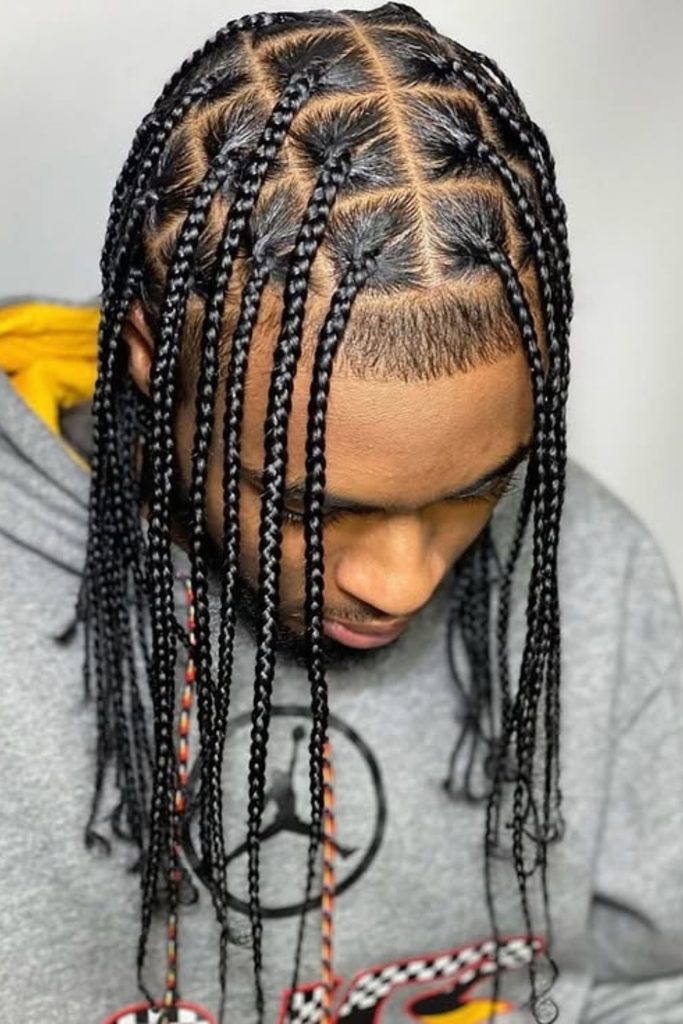
Long Loc Braids
Slim braids may keep your locs organized when they have some length, while still having a lot of flexibility around your shoulders.
Larger roots generate spacing apparent from across the scalp so that lengthy braids can hang elegantly instead of crowding the face.
This works especially well if you want control but don’t want to hide your longer hairdo, leaving the lengths loose instead of tying them together.
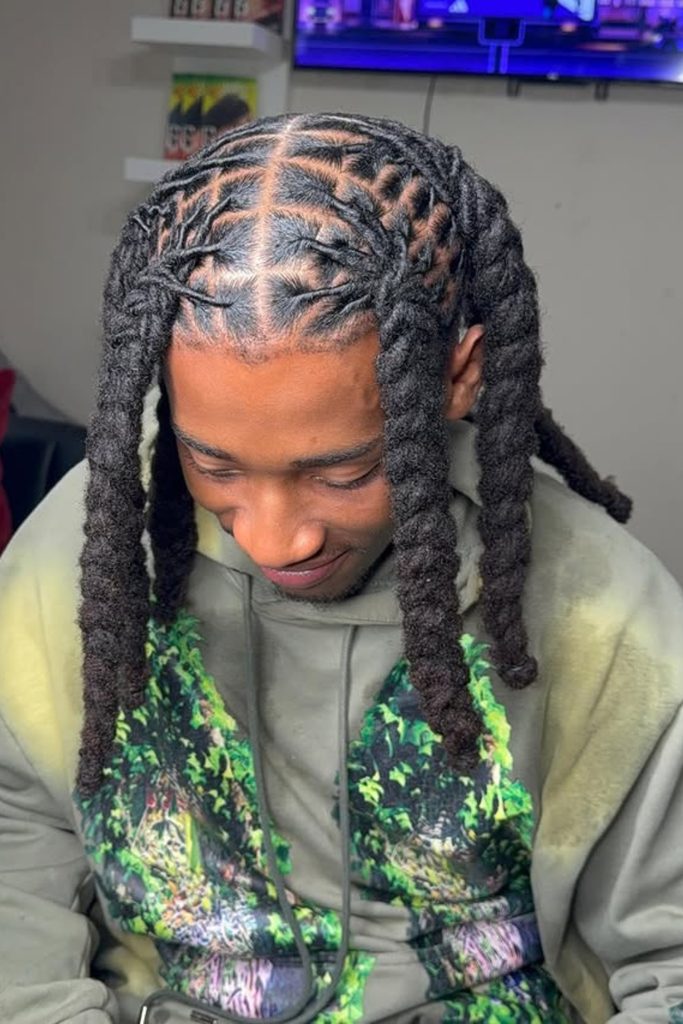
Four-Strand Loc Twists
Longer locs can be a bit thick if you wear them all loose, so separating them out into a few hefty twists helps to make that volume more manageable.
You have the clean center portion that spreads the sections to both sides and the thick twisted strands that nevertheless make your mature locs stand out.
If you want to keep your forehead open, but still love longer pieces framing both sides of your face, try this one.
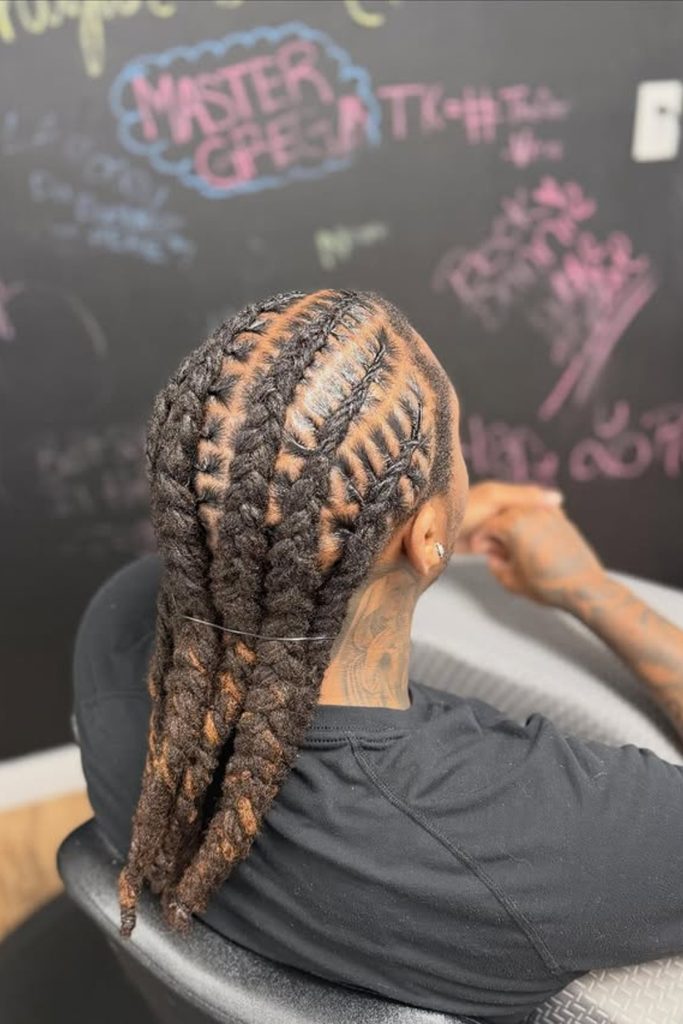
Straight-Back Barrel Locs
Straight-back barrels can take longer locs totally off your face and still let their thickness be seen behind your head.
If you do a few sections backward, it spreads the hair out through the scalp instead of bunching all the locs into one tight ponytail in the center.
Use this style when loose lengths get distracting but ask for comfortable roots, so control isn’t reliant on tugging too hard.
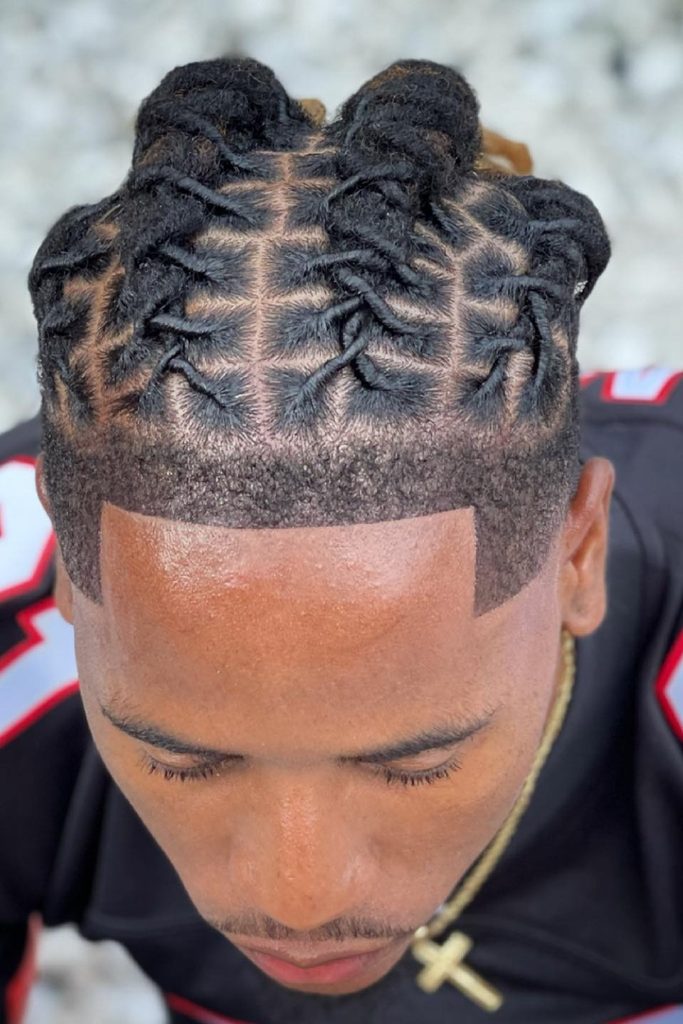
High-Top Loc Knots
You can get height and show off your forehead more by creating little knots, so your shorter locs don’t have to be hanging down.
The high fade removes bulk on the sides, so each top portion is more pronounced, and the sharp lineup creates a clean perimeter in the front.
This is especially helpful for the shorter growth stages, when your locs are not long enough to easily be put into a ponytail or larger bun.
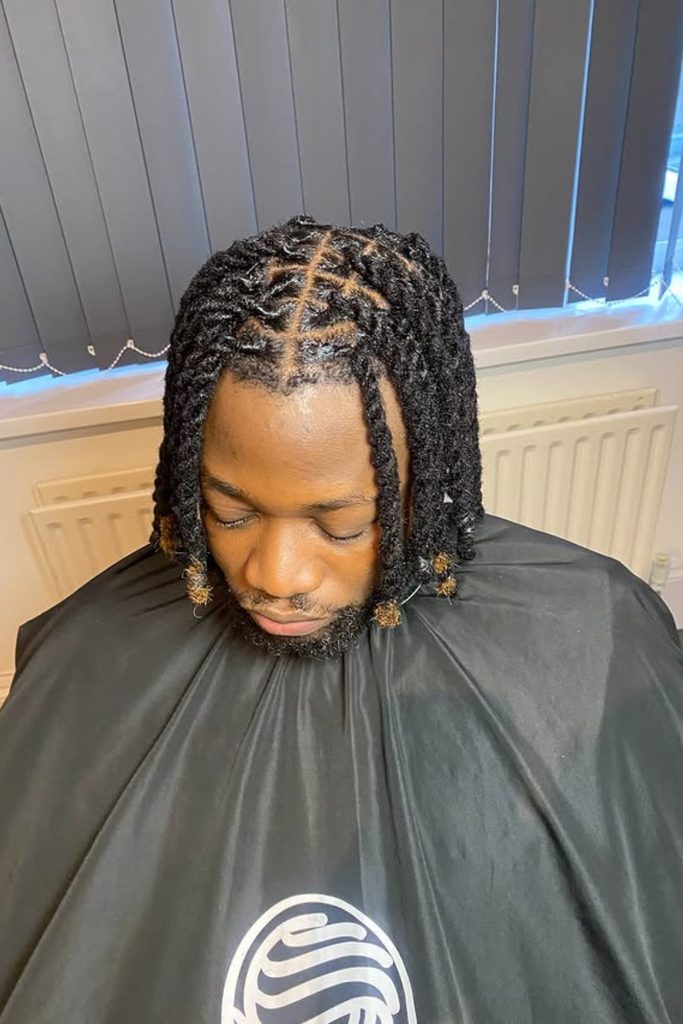
Shoulder-Length Two-Strands
Two-strand styling helps keep shoulder-length locs from pushing anything backward, allowing movement across both sides of your face.
Center parting gives balanced distribution, while slightly unequal ends prevent the completed shape from looking too stiff or homogeneous.
For further definition without compromising the natural dark look of each and every loc, try mild color on select tips.
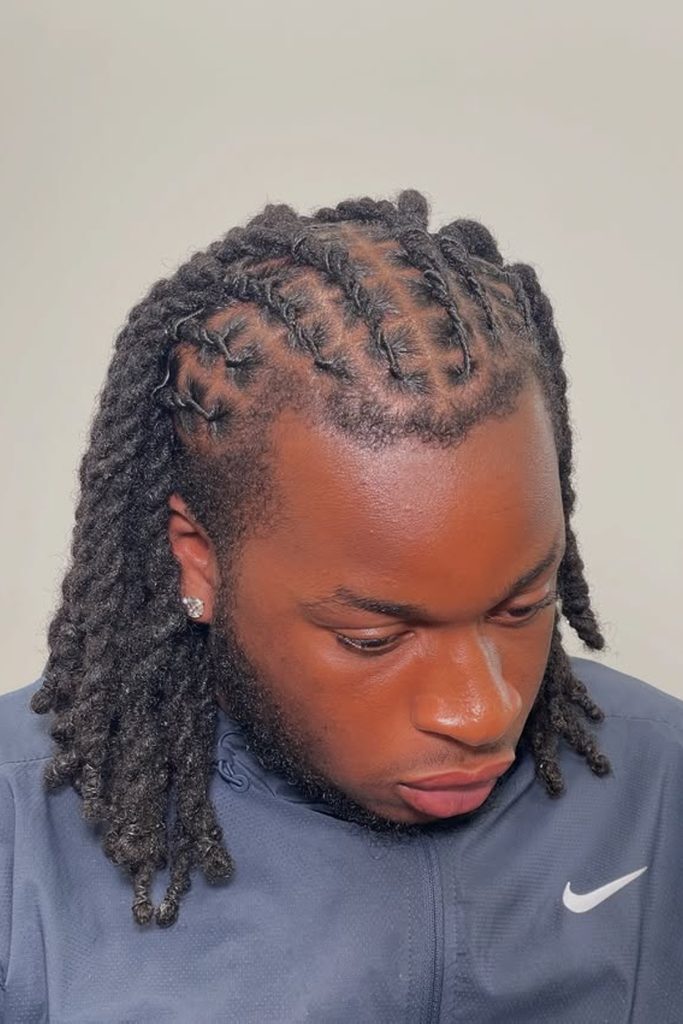
Side-Swept Barrel Locs
You can direct the front parts backward and sideways to clear most of your forehead while longer locs remain loose behind.
This is especially great if you’re not a fan of center-parted hair, since the asymmetrical direction gives you movement without needing shorter sides.
Make sure there is adequate looseness at the front roots so the sweeping shape feels comfortable.
High Loc Bun
And a high bun can take almost all that weight off your face when your locs are long enough.
The individually-directed front pieces will make the transition look more intentional, and the lengths above the crown looped around will create visible height.
Don’t tie the bun tight. Tie it loosely, particularly if your front locs already create a little strain around your hairline.
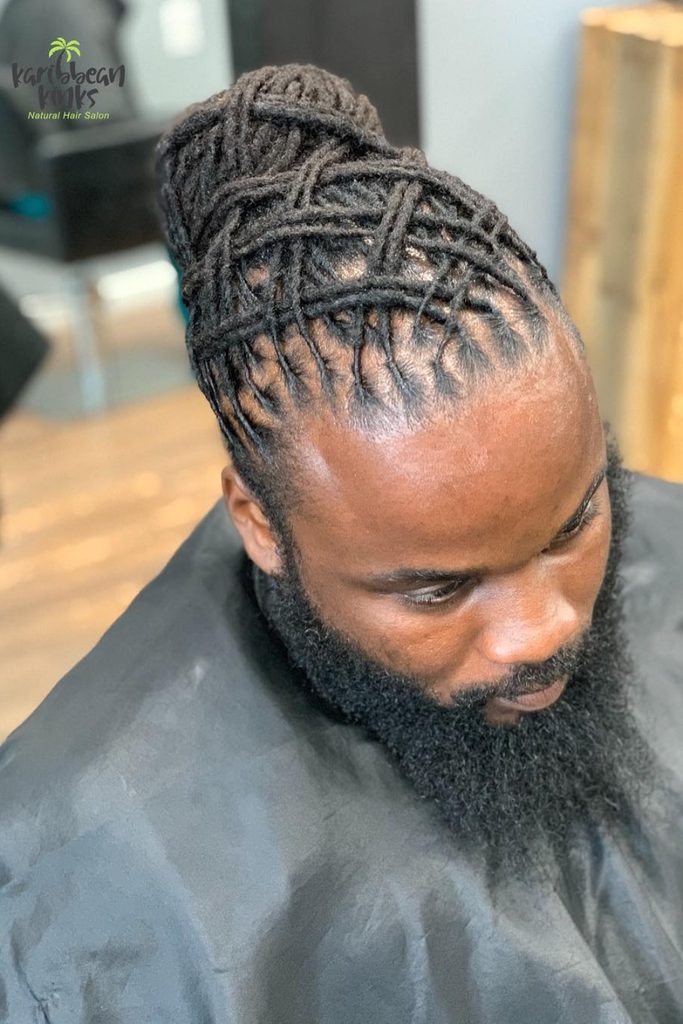
Short Forward Locs
If your locs are short, allow the length to organically produce a textured fringe across your forehead and make this the feature without complicated styling.
This is useful if you are not into pairing locs with fades as leaving the sides full maintains more overall volume.
If you want the separate parts to be distinct, but the ends to fall in slightly different directions, ask for clean root separation.
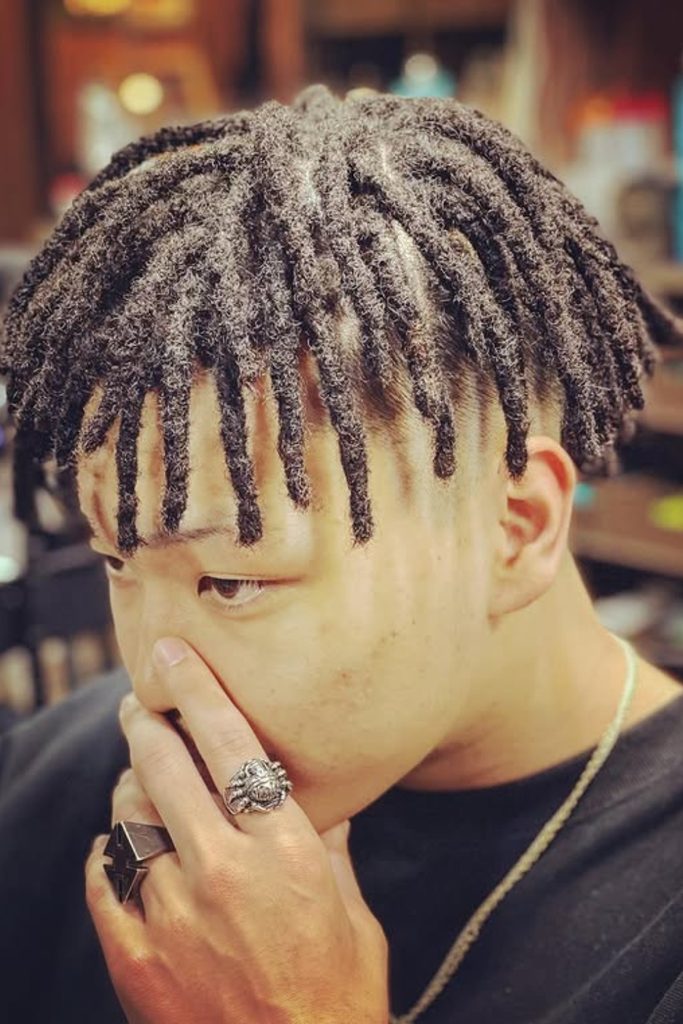
Twin Barrel Locs
If you have lengthy, heavy locs that need control but one core style feels overly concentrated, two big barrels can be worth a try.
The hair is split into two sides to disperse visual weight, with patterned root parts providing detail before the fuller lengths come in.
Let both barrels rest securely on your shoulders, especially if you want your face wide open at work or on active days.
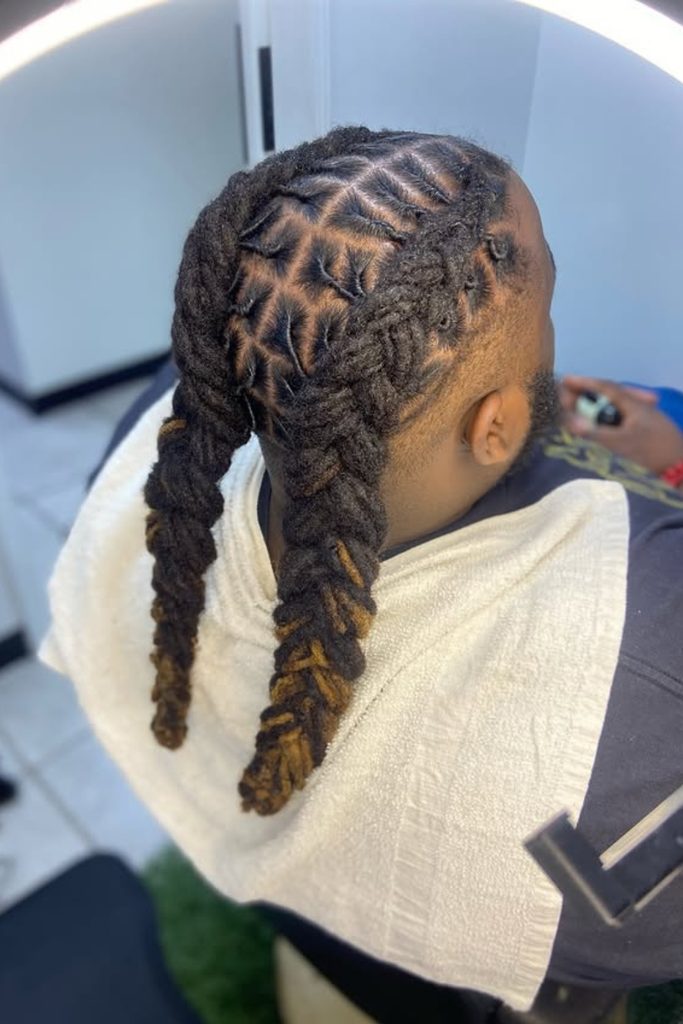
Highlighted Two-Strands
Medium two-strand locs can be radically altered with a little color, without the commitment of a whole lighter head of hair.
The black lengths include brown parts interspersed throughout that make particular twists easier to spot, especially at the lower half.
Use selective highlights when your present loc form is already working and you just want extra dimension, not another big restyle.
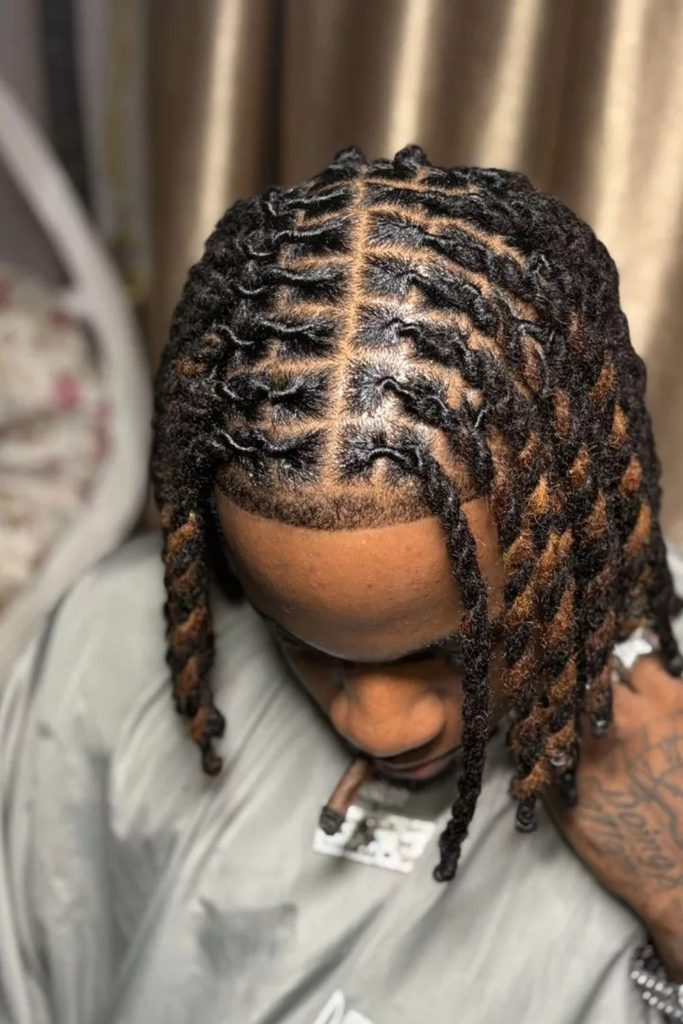
Twin Hanging Barrels
You may always split lengthier locs into two hanging barrels to clear the crown while still leaving plenty of length to frame your upper body.
Controlled path sections from front to back for each barrel, which is handy when loose locs get tough to organize on a daily basis.
Lock the roots in comfortably so the style remains sculpted without squeezing your scalp too tightly for extended usage.
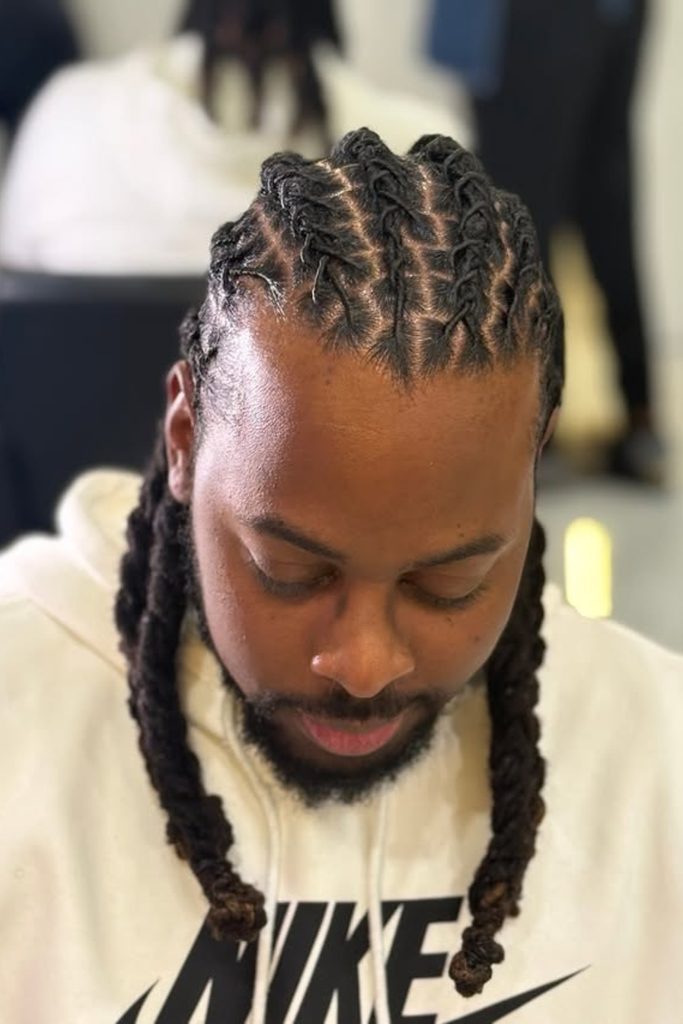
Low Loc Bun
There’s no one way to wear long locs, especially when you’re trying to control their length without adding more height.
Gathering them in a low bun at the back redistributes the volume behind your head. Shorter sides also offer visible texture.
This placement is good for mature locs since you get to have a good amount of length without stacking everything right on top of your head.
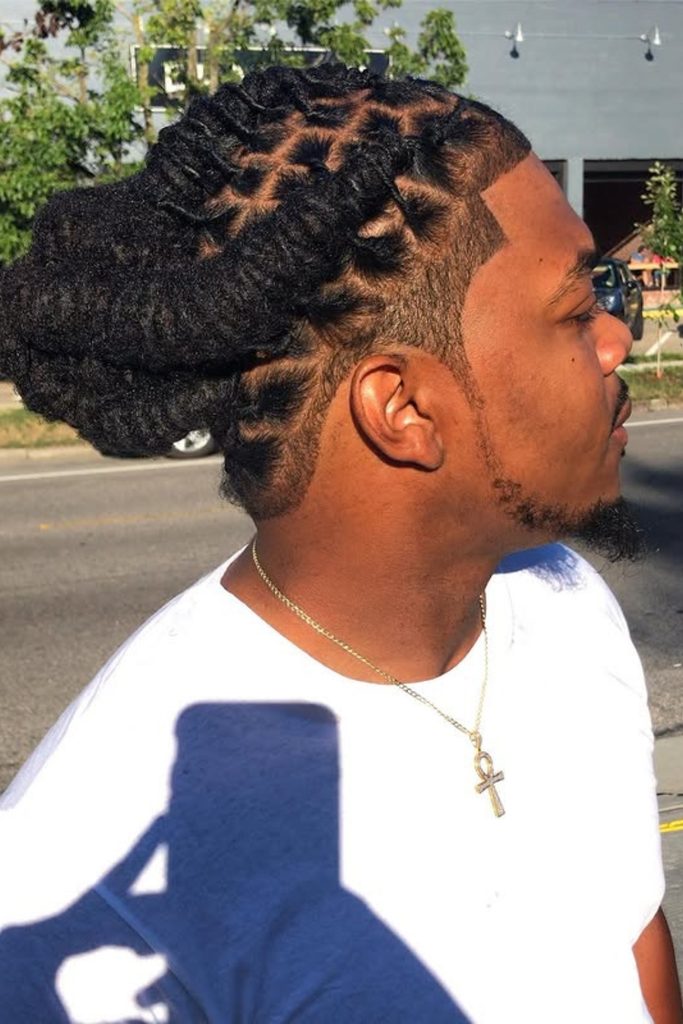
Undercut Loose Locs
Undercuts can take away a lot of bulk at the sides but leave longer hair on top free, mobile and optically dominant.
Sweep some lengths forward to create facial framing, and sweep others backward to keep the style from accumulating all over your forehead.
If you like the long loc look but want considerably less hair on the sides near your ears, try this contrast.
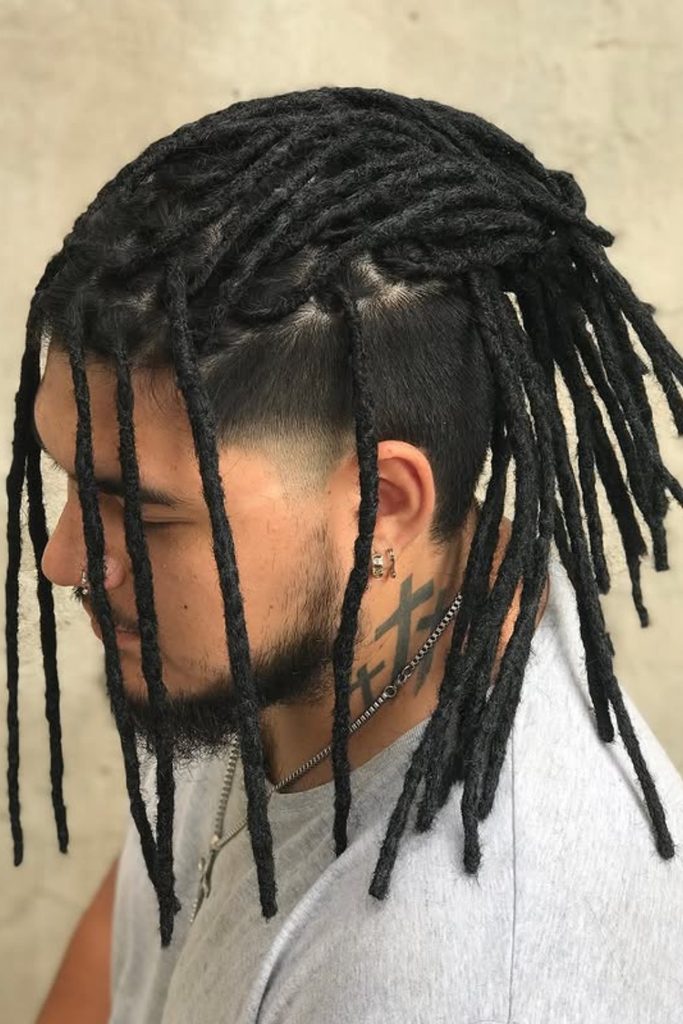
Braided Loc Topknot
On hectic days, lengthier locs can become distracting, so collecting them high will open up your face without sacrificing the length you already have.
Sections are braided going to the crown for stability before the loose ends make a textured topknot on top of your head.
Use a comfortable tie and do not pull the front sections too much, as the elevated posture already puts tension around the roots.
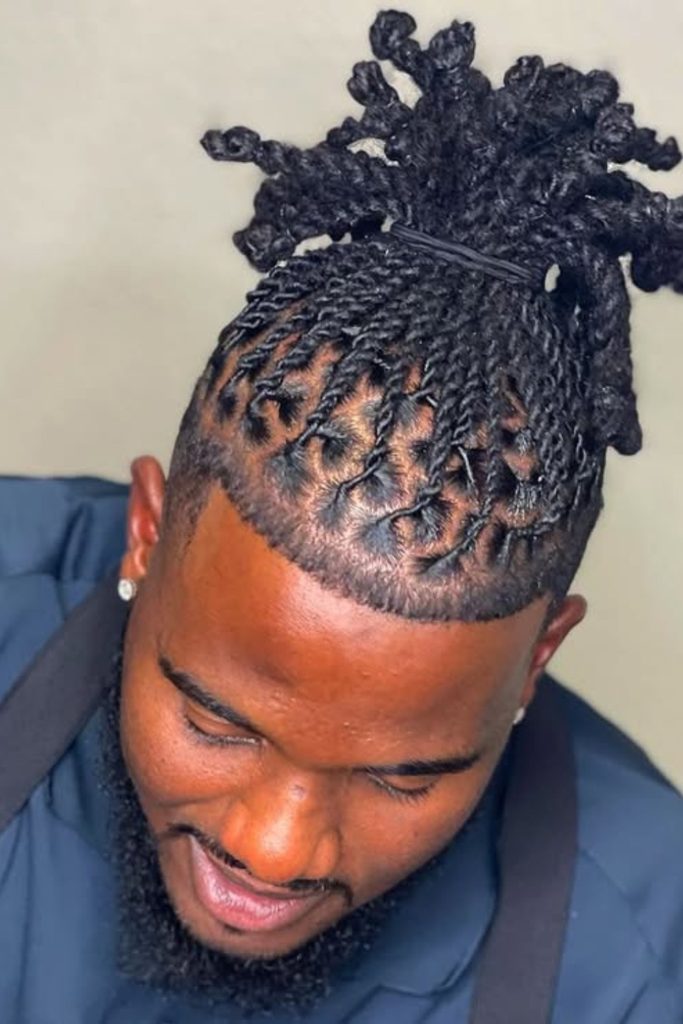
Long Rope Twists
Extra-long locs can be intimidating when worn loose, but rope twists arrange their length while allowing lots of movement.
Each twist starts from different roots so the finished parts will fall separately, not collect into one dense curtain.
If you still want to see some length but don’t want every loose loc flapping around on its own, let a few pieces frame your face.
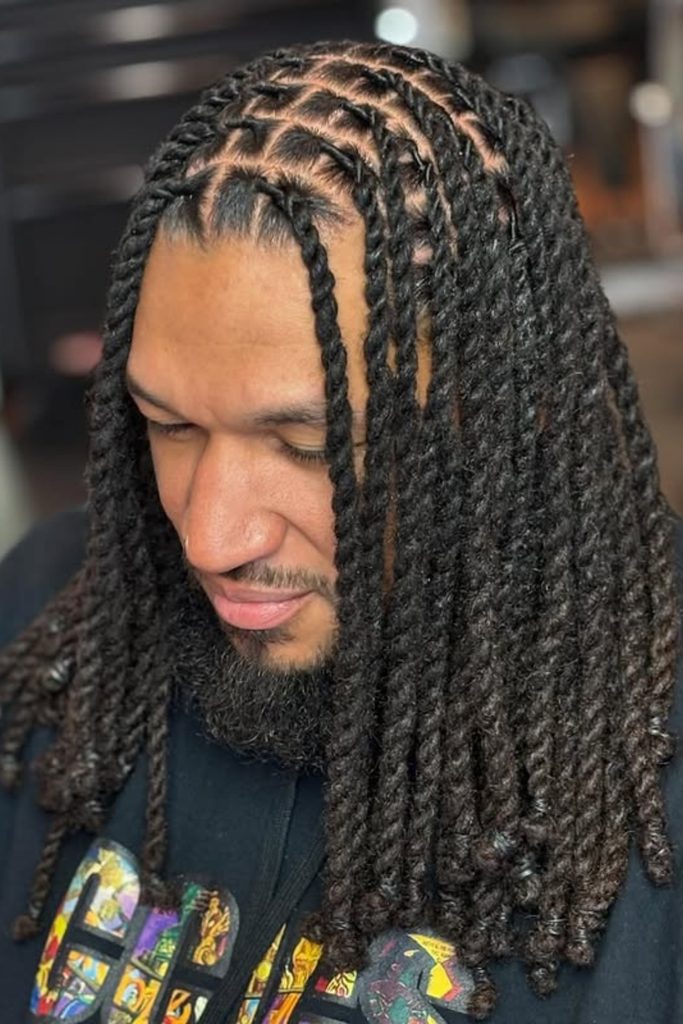
Pulled-Back Loc Twists
For mature locs, backcombing is a great trick to have in your sleeve when you want to keep your forehead totally open without cutting.
Individual twists are created to define across the scalp before combining into the larger length providing the style structure from any aspect.
This is an arrangement to consider for longer locs that tend to tumble forward. But be sure the roots are comfy for long wear.
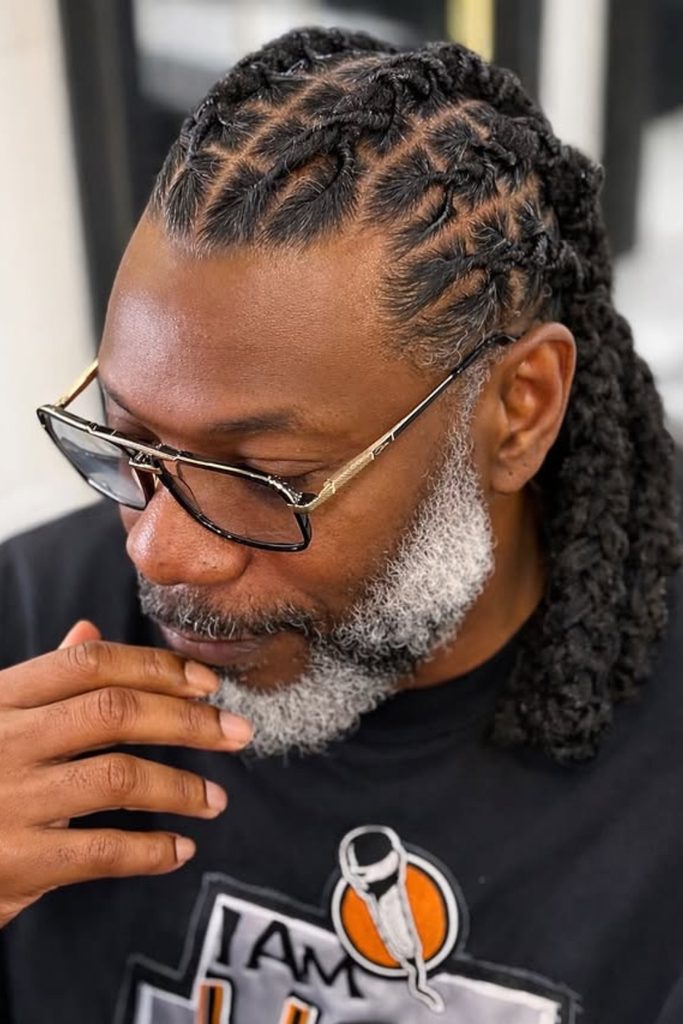
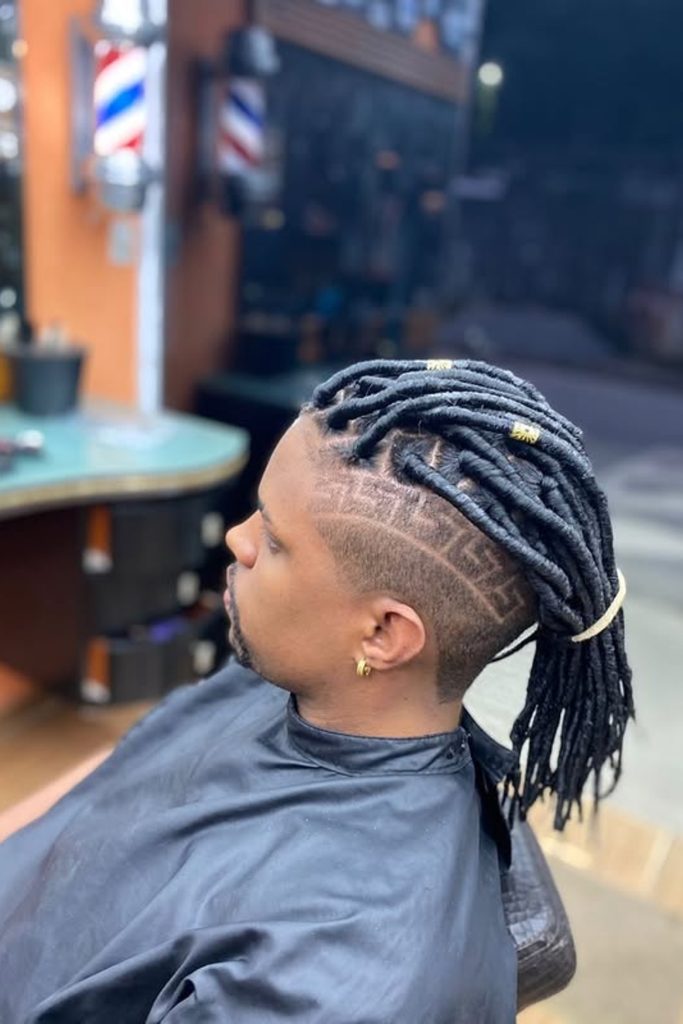
Tapered Loc Ponytail
A trimmed ponytail provides a sharp contrast to long locs behind your head rather than all day around your face.
The shorter sides reveal the temple area and refine the profile, yet the gathered lengths still keep your mature locs behind.
Show your barber just how much coverage you want off the sides before you fade, especially if you care about keeping your locs’ perimeter.
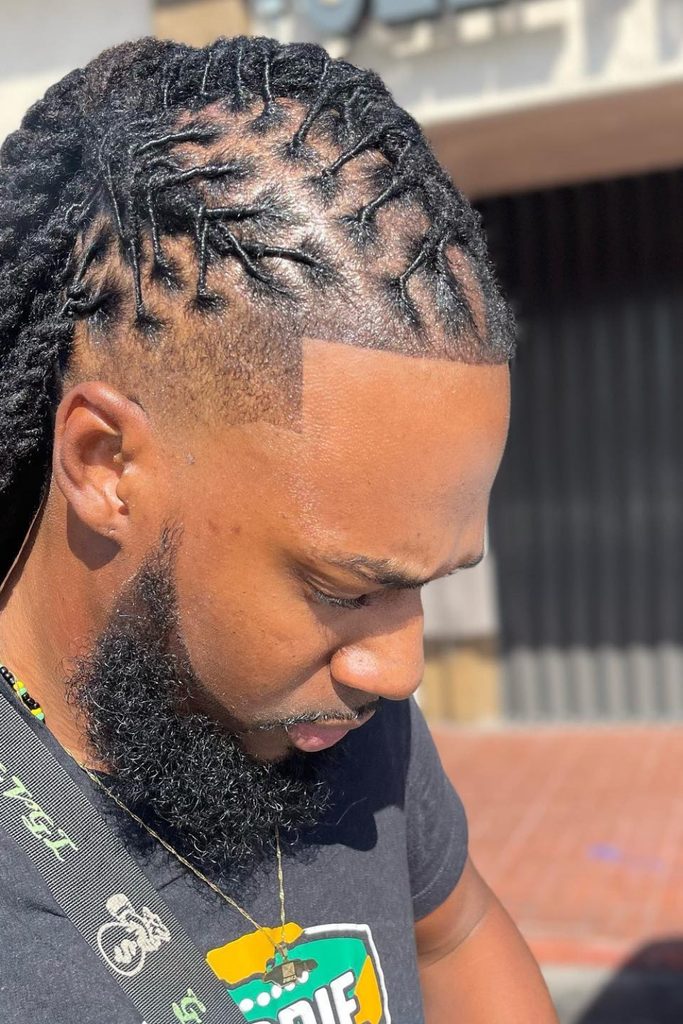
Swept Barrel Locs
Curved barrel parts drive medium to long locs back, producing more movement than just straight back styling.
Since the natural part goes around your head, lengthier pieces will fall behind your shoulders instead of coming back over your forehead again and again.
“This approach makes sense if you want controlled roots and loose ends, combined without pulling everything into another bun or ponytail.
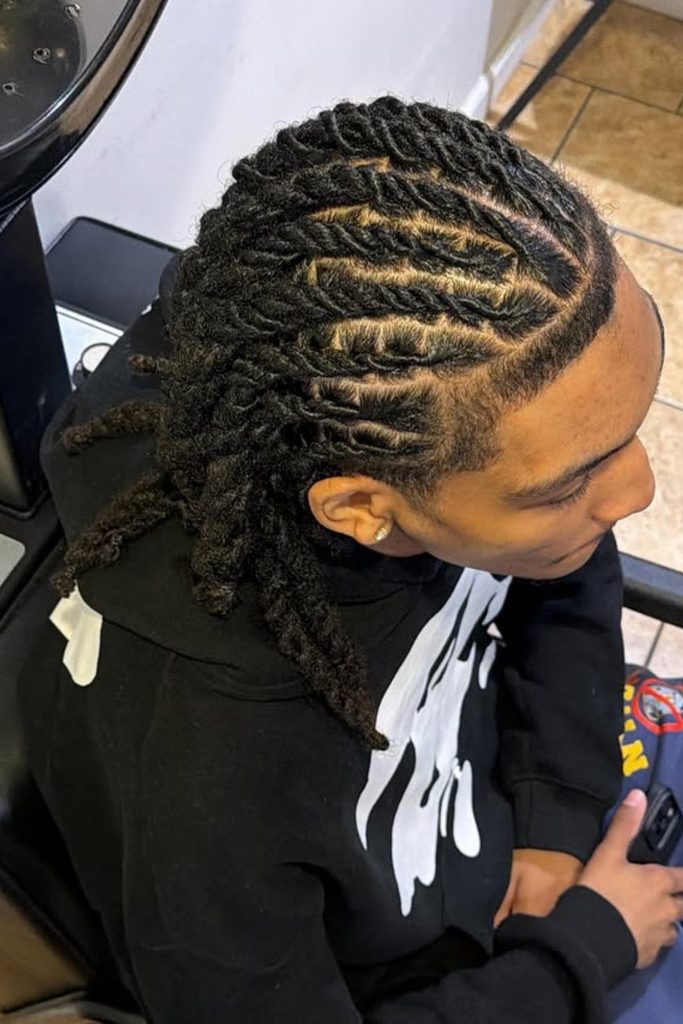
High-Fade Loc Ponytail
A higher fade takes away the side volume and pulls everything across the top, which makes long locs look a lot lighter visually.
Pulling those lengths into a low ponytail keeps them from concealing your face while allowing them to glide behind your head.
Always choose your fade height wisely before you cut, because once you trim the sides too high you can never have more loc coverage around your head.
FAQs
How Often Should Men Restyle Their Dreads?
Your timeline will depend on how fast your roots grow and how much structure you desire for the style.
If you feel your scalp painful or stiff after repeated retwists or pulled back styles, give your scalp a break and space out your sessions. Wear your locs loosely.
Can You Switch Dread Styles Without Cutting Your Locs?
Yes, longer locs can typically go between two-strand twists, barrels, ponytails, buns and loose styles without losing their length.
You don’t have to cut every time you want something new, just change the way you arrange them and you will see that they form a different shape.