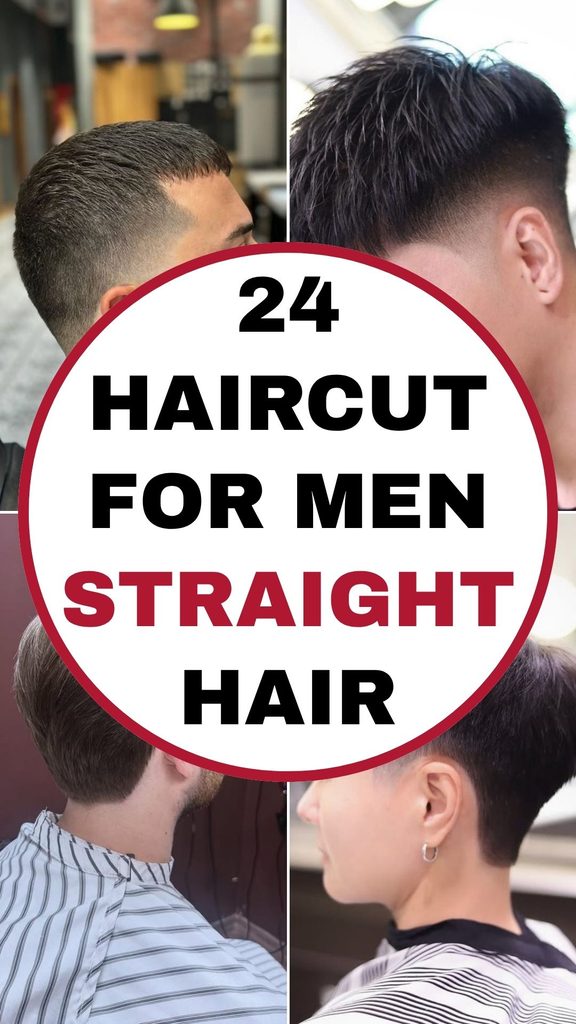
Straight hair may seem easy to manage but then it starts to fall flat, stand out at the sides or not hold the style that you really desire.
A hairstyle that looks flawless in an Instagram post can feel quite different once you wash your hair at home,
The underlying problem is usually not the straight hair itself. It is all about picking the right haircut that works with your hair density and natural growth direction.
There are alternatives for fine and thick hair, short and long hair, fringes, tapers, textured cuts and minimal maintenance cuts.
Which Haircuts Work Best for Men With Straight Hair?
If you’re looking for a haircut that fits with straight hair, the first thing to consider is your hair density and how it naturally lays before deciding on a style.
Fine straight hair generally benefits from having enough length on top for movement and volume, while overly heavy trims can make it fall flatter.
Thick straight hair can take more fullness, but it usually requires layering or selective weight removal so the sides and crown don’t become heavy.
A classic short back and sides is one of the most adaptable choices as it may work with both fine and thick straight hair.
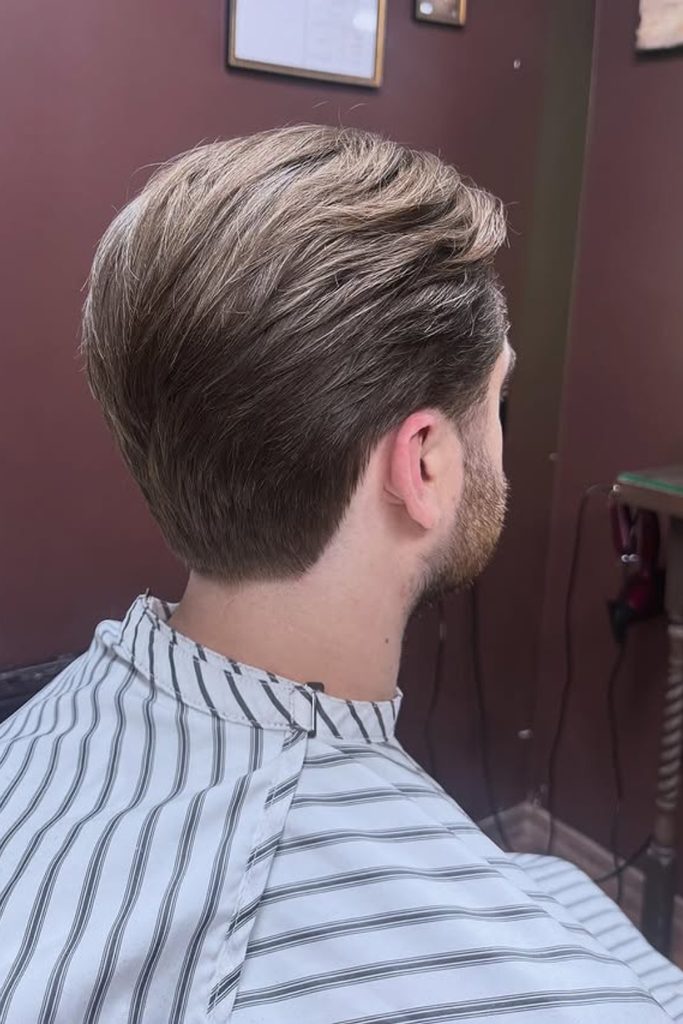
Scissor Sweep
Straight hair that feels too “stiff” when cut short will benefit from some weight through the top to provide a more natural movement.
Request scissor-cut sides that taper gently over the ears; harsh fades will ruin the balanced contour this cut needs.
This works especially well on medium to thick straight hair, and overall a moderate blow-dry will be enough to push the front back.
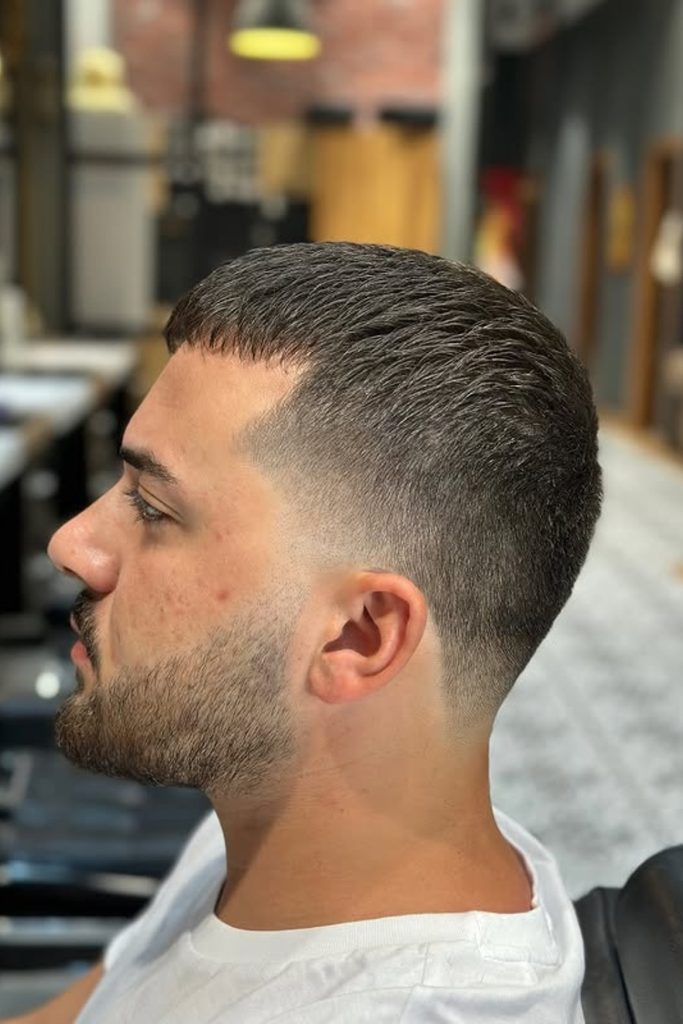
Buzz Fade
If you cut straight hair short enough on top to obey one neat shape, it is much easier to manage when it sticks up unpredictably.
If you want a definition but not a completely shaven look, leave the top somewhat longer than the skin fading sides.
This is a practical alternative for dense coarse straight hair. Although the fade will need periodic touch-ups to maintain such sharp lines.
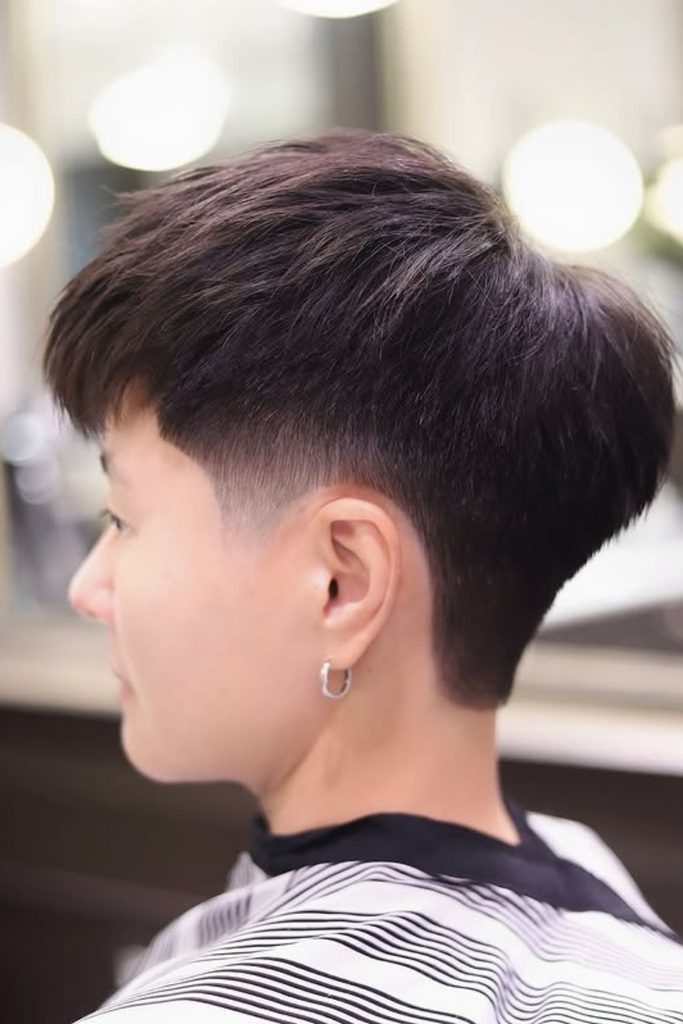
Two Block
This lengthier top works if you have thick straight hair that puffs out at the sides because the taper gets rid of bulk where it needs to.
Leave enough weight across the fringe and crown so the hair falls forward naturally, rather than becoming a stiff rounded helmet.
A bit of matte cream can reduce the bulk at the front but avoid excessive clay if your straight hair already feels thick.
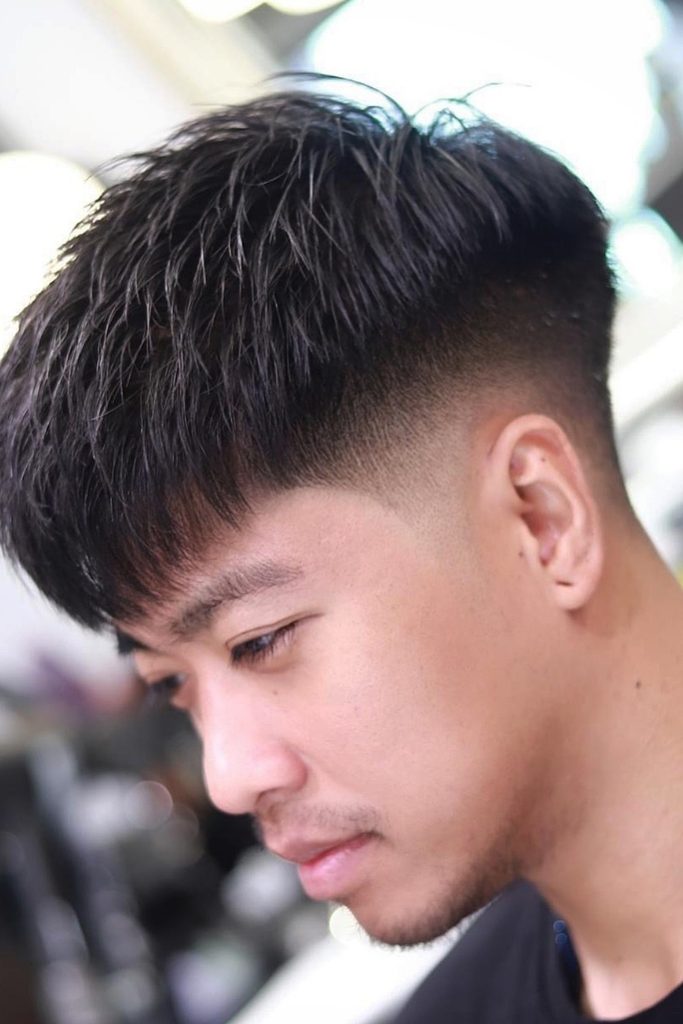
Textured Fringe
Want to give straight hair some volume without growing it long? Leave a few inches on the top and let the fringe flow front.
Ask your barber for internal texture instead than forceful thinning when your hair is thick enough to hold this separated finish.
The sides are faded out to keep the bulk away from the temples. Light paste or powder can prevent the top from collapsing during the day.
Side Sweep
If you have straight hair that is flat across the forehead, a lengthier side sweep provides you direction without heavy texture.
Keep the sides softly tapered leaving enough length through the front to be able to sweep across without showing the scalp.
Straight hair is fine initially, so a light cream or flexible paste works better with this finish than dry powder.
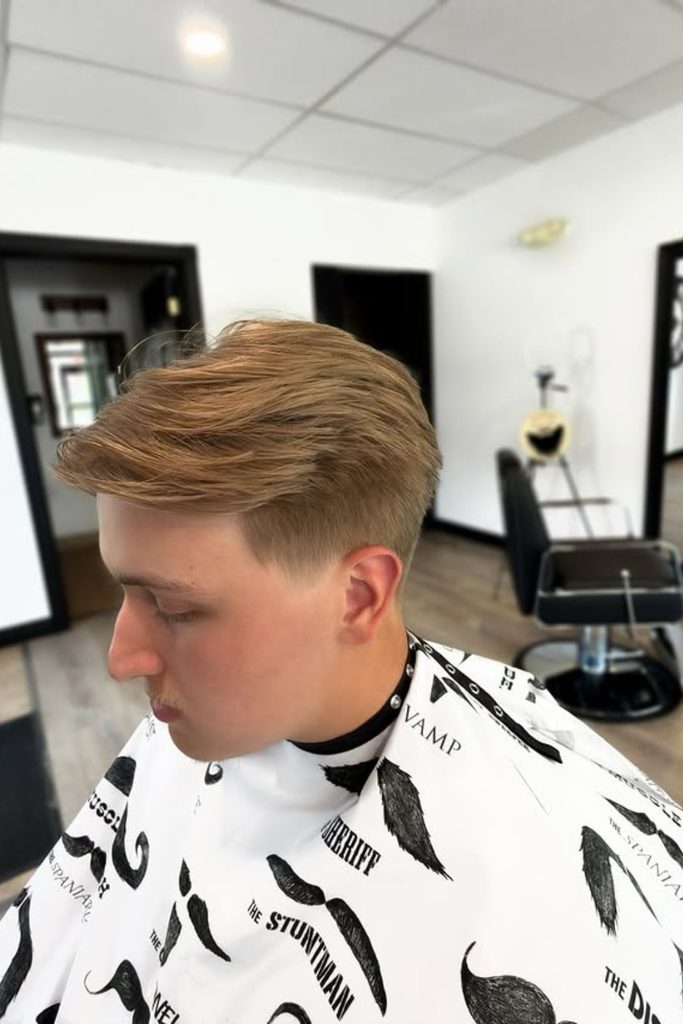
Spiky Crop
If you have naturally spiky, straight hair, work with the stiffness and keep the top short and textured.
High skin fade – totally takes away side fat, this form is especially effective if your temples tend to flare outwards.
Ask for point-cut texture through the crown, then add a very small amount of matte clay to break up the pieces without making them stiff.
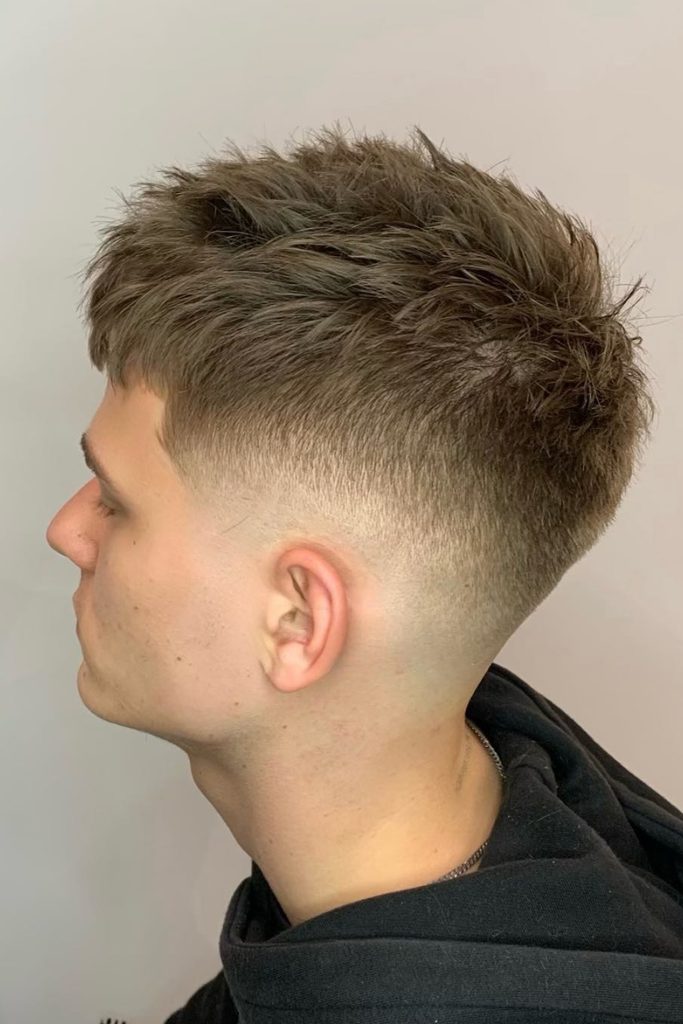
French Crop
A short French crop is good for straight hair that you can guide forward, especially if you have a longer fringe that continues parting over the day.
Be sure the fringe is blunt enough to frame the forehead, but add a bit of light texture on top so dense hair doesn’t look blocky.
The mid fade maintains the temples clean and the short length makes it easy to style in the morning, even if your hair is obstinate.
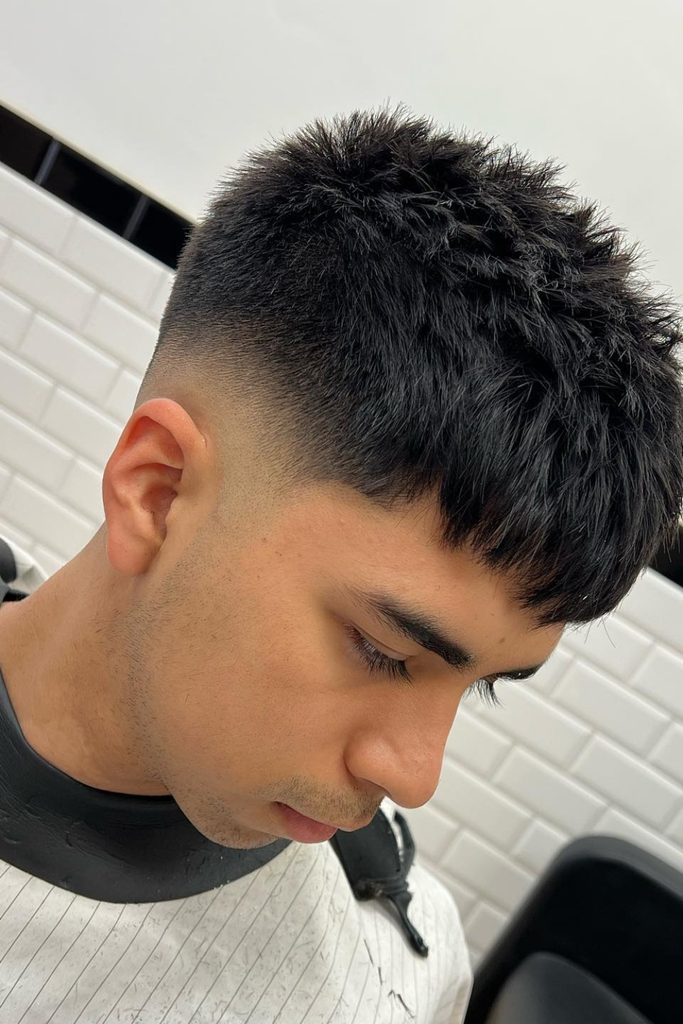
Brushed Back
If you like an open forehead, this brushed-back design leverages the smoothness of straight hair to create height without messy texture.
Keep enough length on top so the front can bend back and keep the taper low so the sides stay balanced.
Blow-dry hair away from the face, ending with a flexible paste. Heavy pomade might flatten finer straight hair too rapidly.
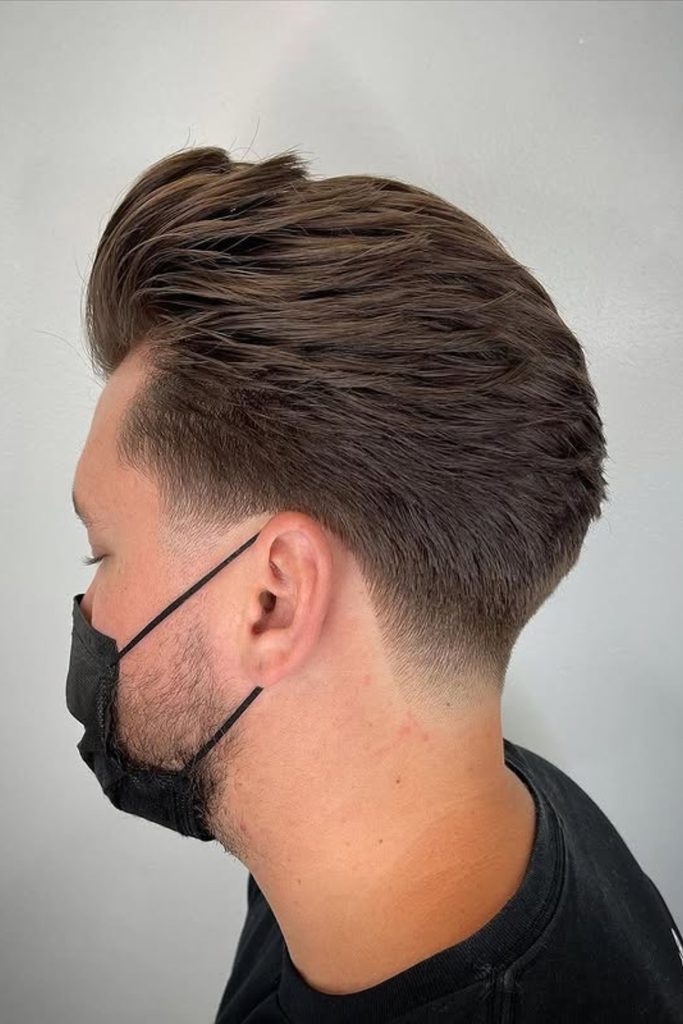
Short Quiff Fade
If your hair is naturally straight and sits to one side, a short quiff will add shape without the need for added texture.
Leave the top two to three inches or so and request a low skin fade to refine the profile without overexposing the crown.
This is a light matte paste, so it’s good for controlling fine, straight hair. Thicker hair might want a fast blow dry to help it take direction.
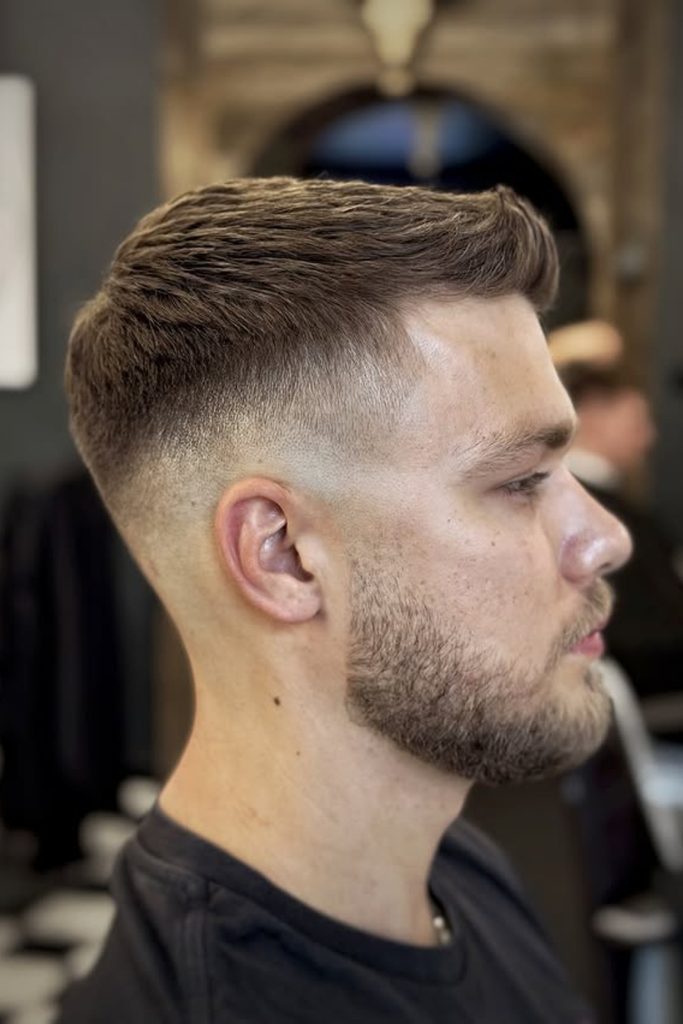
Soft Side Fringe
If your straight hair seems too flat in the front, rather than elevating your fringe into a quiff every morning, try sweeping it to the diagonal.
Ask your barber to leave moderate length through the top and combine the sides neatly, so the shape grows out more evenly.
This is an exceptionally nice look for medium density straight hair and a little cream can be used to keep the front apart without stiffness.
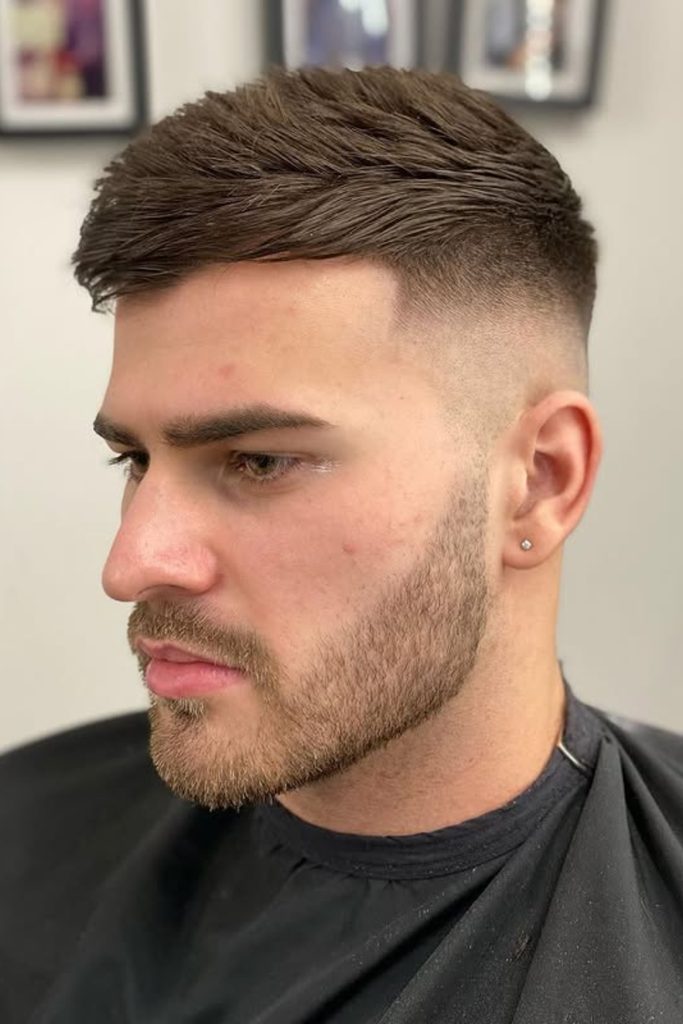
Short Texture Fade
If you have straight hair that sticks out naturally, a short textured top might turn this persistent growth pattern into a plus rather than a disadvantage.
Keep a length long enough to squeeze little portions together and taper the sides tight so the profile stays neat around the temples.
Matte clay is preferable to glossy pomade in this case, because what you want is separation and grip without weighing down straight hair.
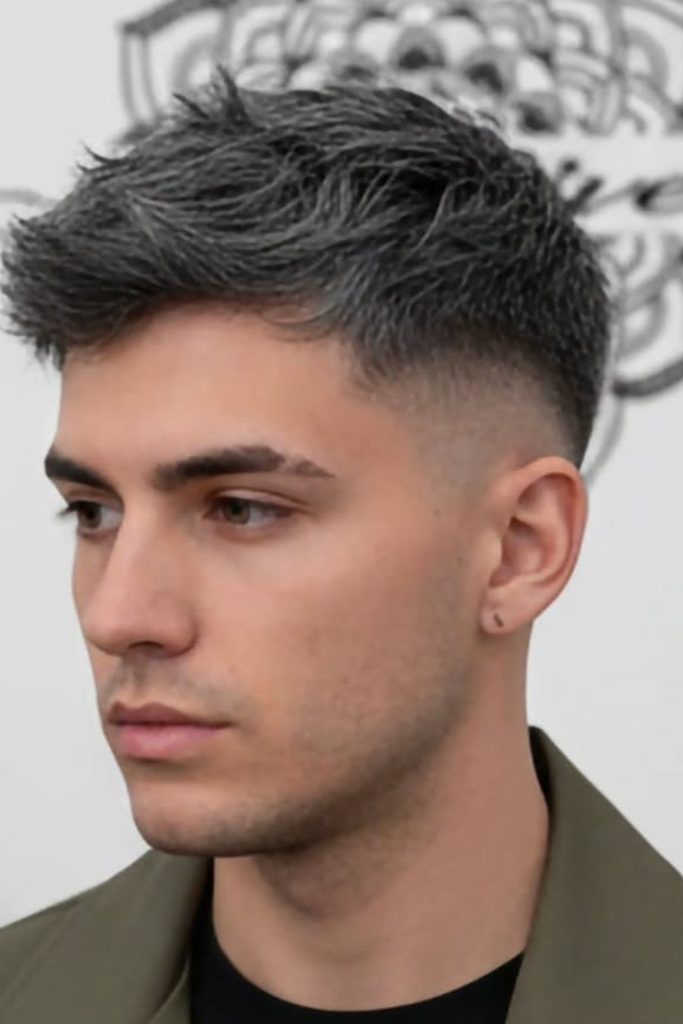
Styled Wave Top
If you like this bigger wave pattern, bear in mind that naturally straight hair will likely need to be heat styled or textured first.
Keep the fade short and leave a few inches on top, because eliminating too much weight from the sides might make the contrast look harsh.
To finish, blow dry with movement and flexible cream for a temporary finish. Don’t expect straight hair to create these bends on its own.
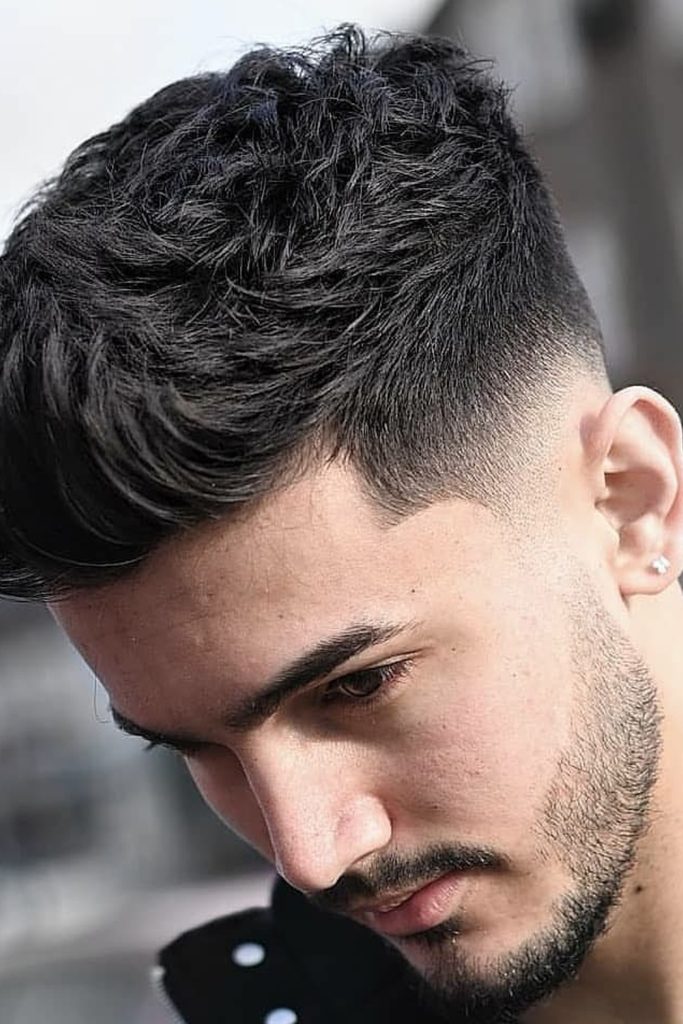
Brush Up Fade
If you have straight hair that naturally lifts forward, this brush up form takes that rigidity and converts it into height rather than forcing it flat.
Extra length is left through the front and crown then a high fade is used to reduce bulk around your temples.
A vent brush and quick blow-dry can provide lift, and matte paste separates straight strands without a greasy finish.
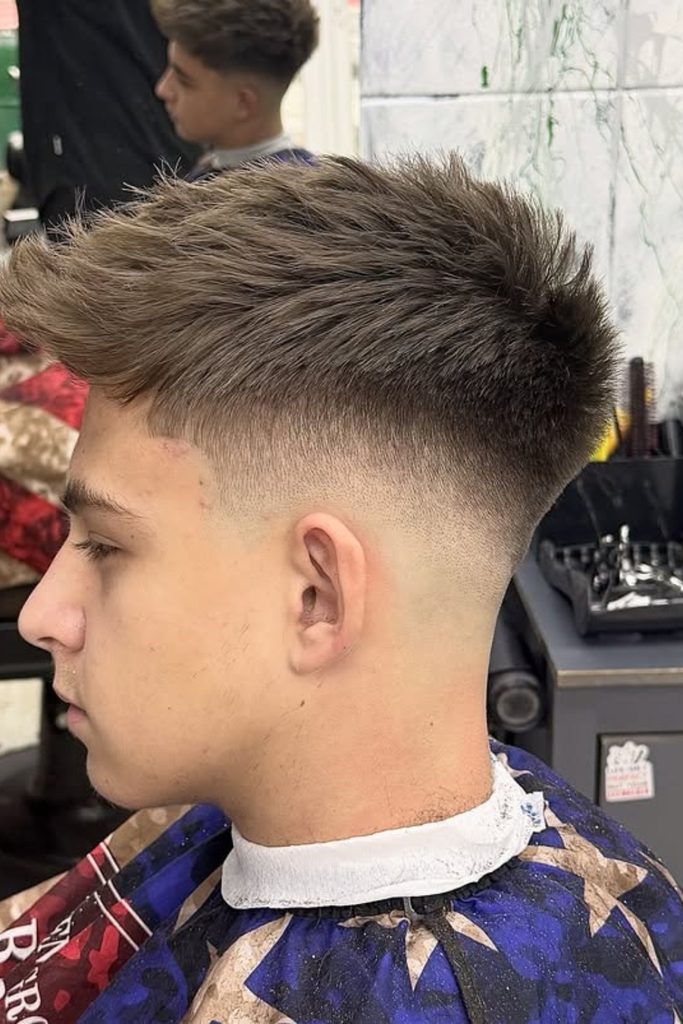
Hard Part Comb Over
A defined side part gives smooth straight hair somewhere to go, helping longer top sections look controlled instead than flat.
Request enough length to comb across cleanly, but keep the part natural unless you want that shaved-in separation.
This polished finish is appropriate for medium to thick straight hair and a light pomade works best when you want shine without too much stiffness.
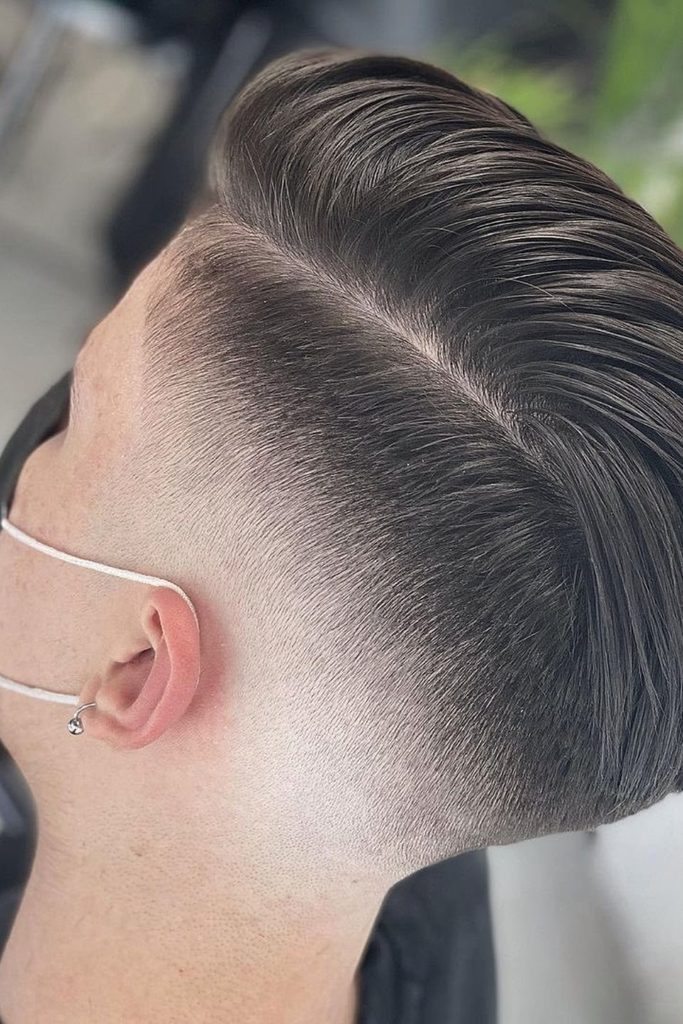
Textured Caesar
Best for: If you don’t want a heavy fringe across your forehead. Keeps hair straight ahead, yet still seeming textured.
Have the barber point trim the top, taper the sides so dense hair doesn’t turn boxy.
For softness wear the front a little messy and often a pea size of matte product is adequate for everyday separation.
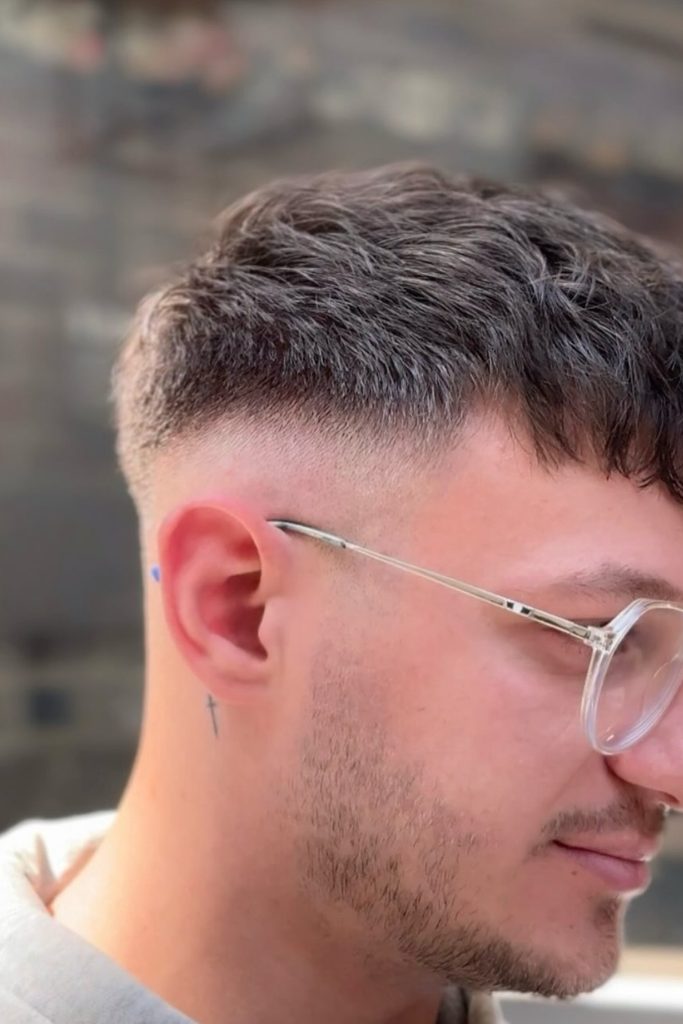
Silver Crop Fade
A bit of roughness on top can give short straight hair a fuller look, especially when silver strands make each layer more apparent.
Leave the crown a little longer than the faded sides, because that little length difference stops old hair from looking too severe.
It’s easy to manipulate with your fingers and lighter products help to keep natural movement in small strands rather than flatten them out.
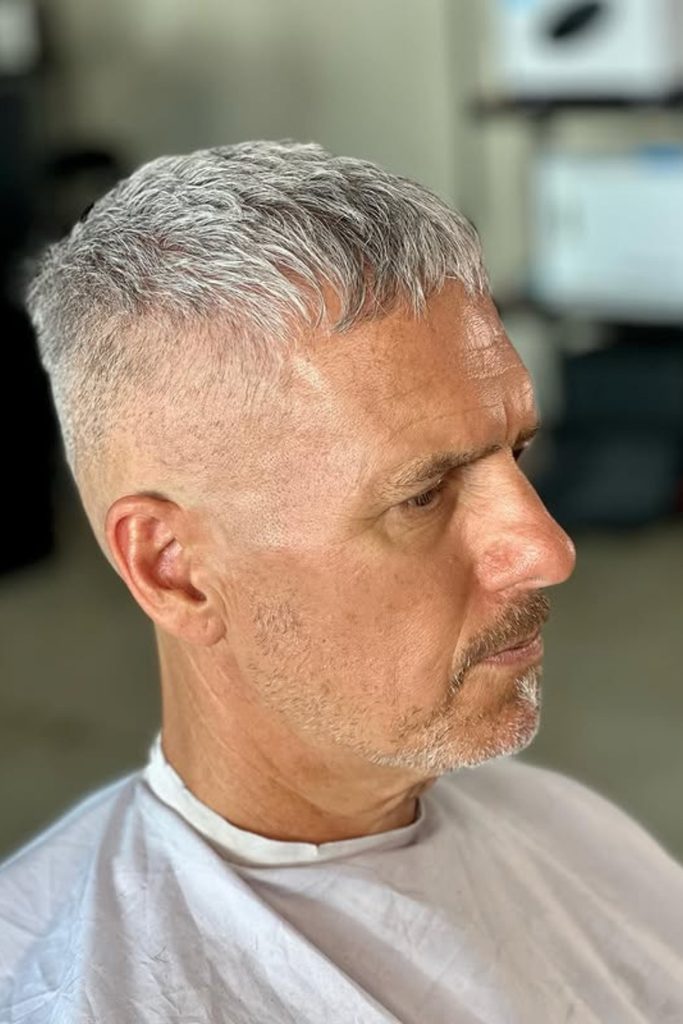
Messy Taper
If your straight hair feels heavy at the head, this sloppy taper keeps adequate length for movement while neatening edges.
Request texture across the top, not heavy thinning, so thick hair stays full without being stiff or mushroom-shaped.
A light matte paste is a good choice here, especially if you compress the front softly rather than combing each strand into place.
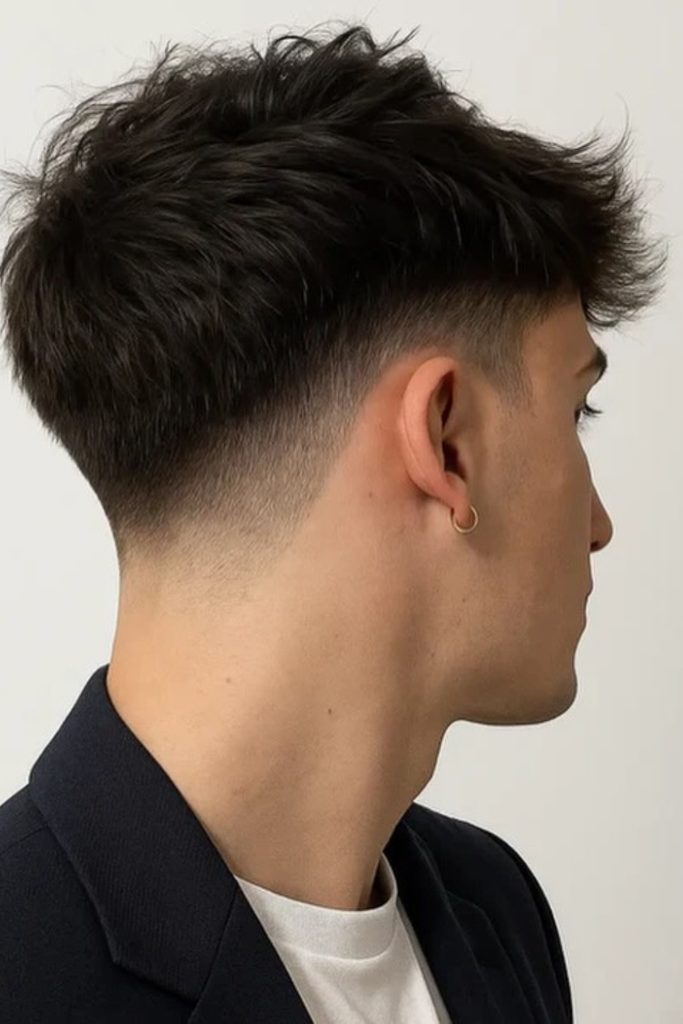
Swept Side
Long straight hair may often appear flat, but this sweeping side shape has precise layering to add movement without losing depth.
Maintain a soft, tapering side and a linked top, as too much contrast would ruin the smooth, flowing form.
This is the greatest style for medium to thick hair and a light cream will assist the front lay down organically without greasing it up.
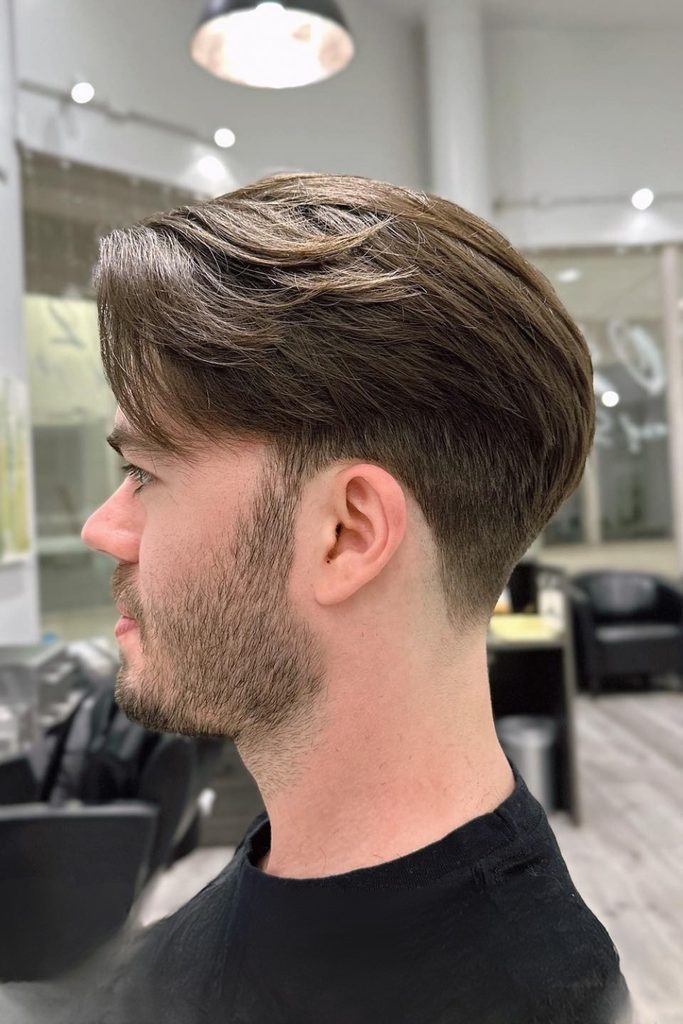
Blunt Fringe
If you want straight hair to be simple, this short blunt fringe offers structure without requiring any styling before you leave home.
Maintain a compact fringe and softly faded sides, which allows dense hair to sit closer without generating a heavy blocky appearance.
You may also put a little matte product on top for separation, but this cut should work nicely left mostly natural.
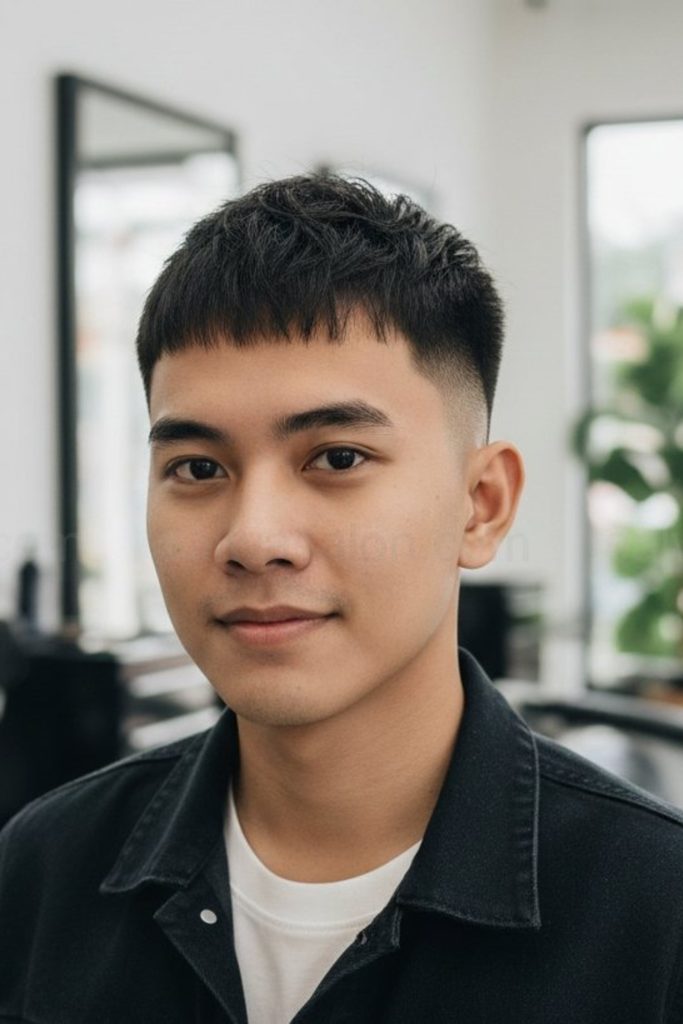
Long Fringe
The weight gives it form without adding bulk, so straight hair that naturally falls forward works best with this lengthier fringe.
Ask for soft inside layers and clean sides so that the front lays flat rather than bulging out about your temples.
This is most effective for the forehead, but if your hair is thinner you may need to blow-dry it a little to prevent the fringe from splitting.
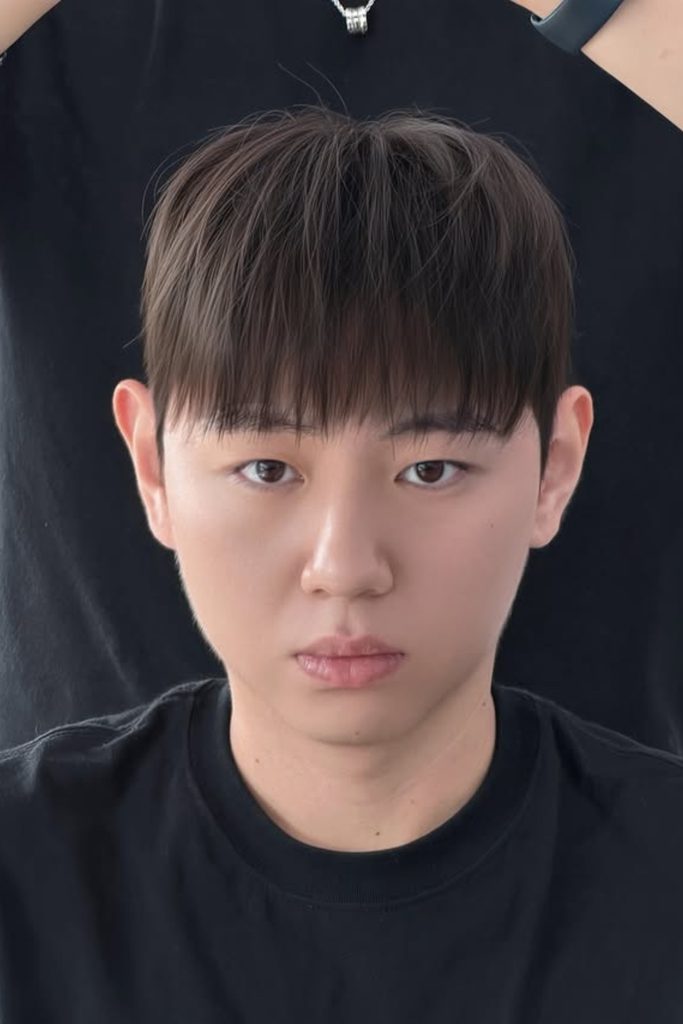
Flowing Quiff
If your straight hair is long enough to bend naturally, this flowing quiff adds movement without a dramatic fade.
Connect them and trim the sides with a scissor cut, letting additional length through the front to keep the shape soft from all angles.
A round-brush blow-dry gives lift, and a flexible cream helps medium-to-thick straight hair keep direction without a super-styled look all day long.
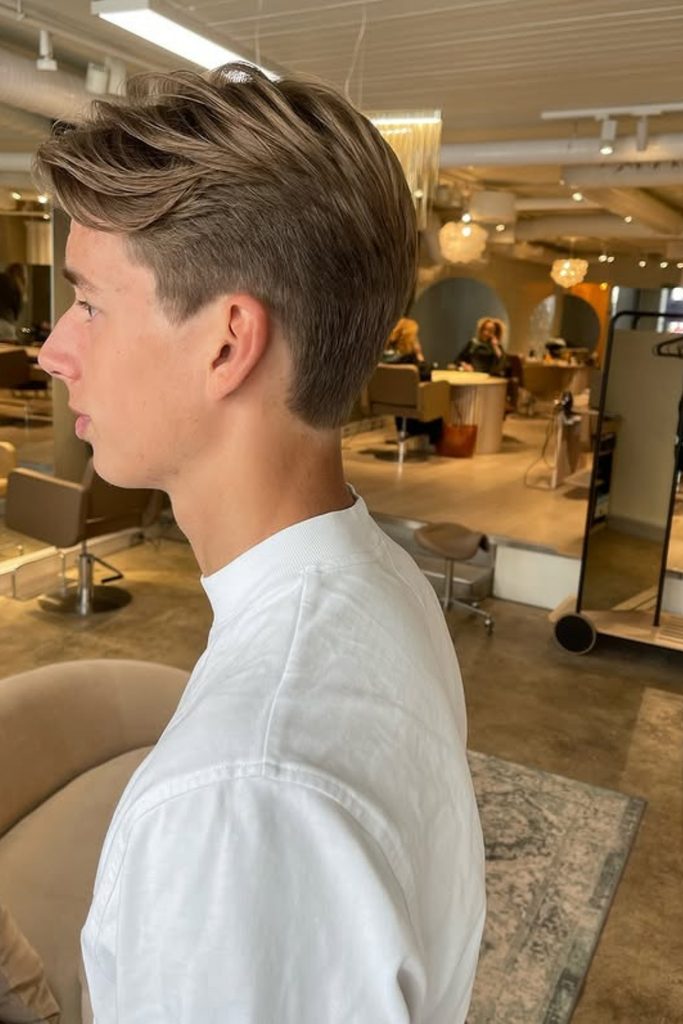
Forward Crop
This forward crop is good for straight hair that feels heavy because the shorter fringe takes the weight off the forehead.
Request a high skin fade with textured control on top to keep the thick hair neat and prevent it from bulging out at the temples.
It’s a sensible pick if you hate blow-drying your hair every single day (style it with matte paste in seconds).
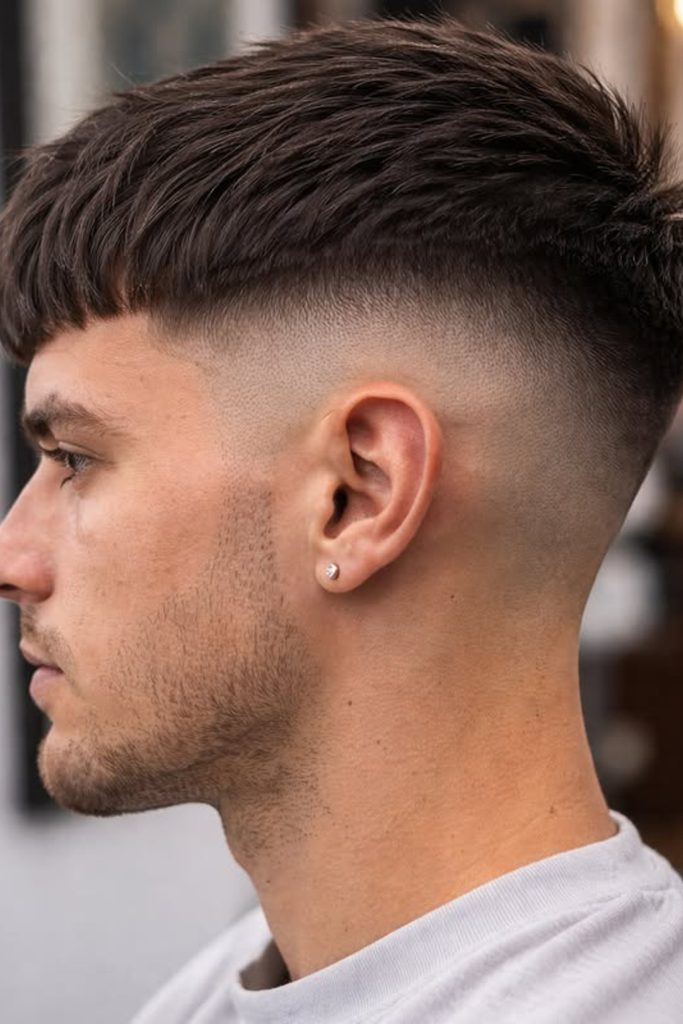
Micro Fringe
For maximum control with minimum fussing, a micro fringe keeps straight hair looking compact but adds some structure at the front.
The high fade removes all the bulk on the sides, which is helpful if you have coarse hair that poofs up when it’s cut short.
Keep the top somewhat textured, not perfectly blunt so the cut grows out softer and doesn’t seem like a helmet.
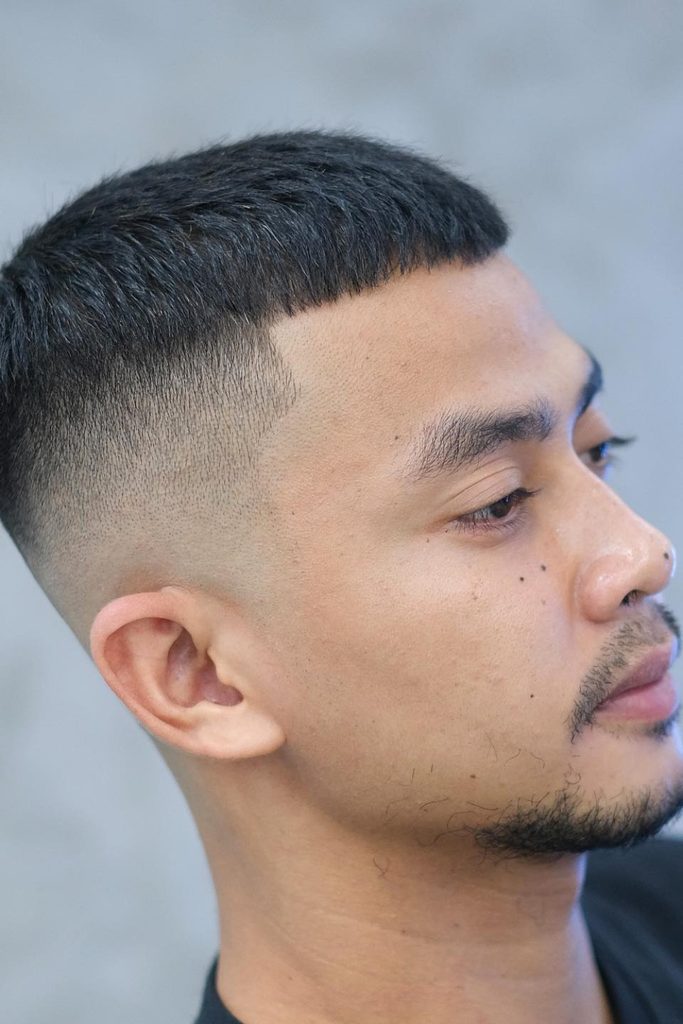
Classic Side Part
The best hair type for a traditional side part is straight hair, because the sleek texture makes it so much simpler to keep a clean direction.
Keep a few inches on top and progressively thin out the sides so it’s a polished transition without a strong demarcation below the part.
Style with a light pomade or cream to hold it in place, especially if you want it to shine without flattening the crown entirely.
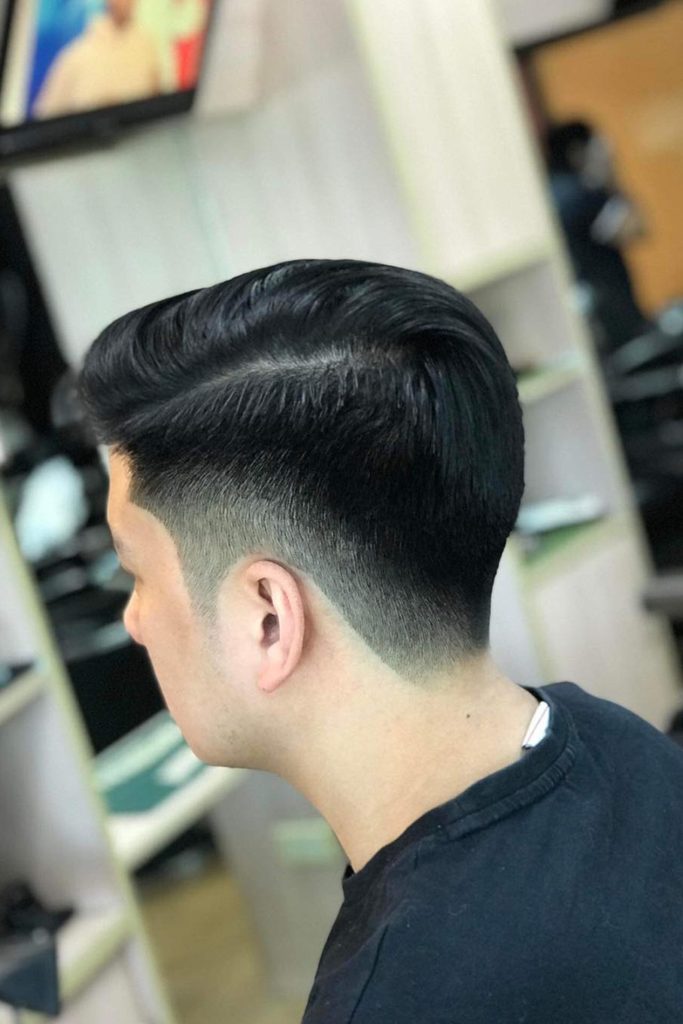
FAQs
How do I know which straight haircut will suit my hair best?
Before picking a reference photo, consider your hair density, growth direction and how much styling you’re willing to undertake every morning.
Fine straight hair normally looks best in lighter shorter forms, thick straight hair often needs layering or bulk removal management.
What should I tell my barber when I have straight hair?
Bring a clear photo of the reference, but also tell the barber if your hair lays flat, stands out or gets bulky as it grows out.
Don’t ask for a fade or texture without first talking about the way your hair behaves. Ask about the amount of top length and side weight your hair needs.