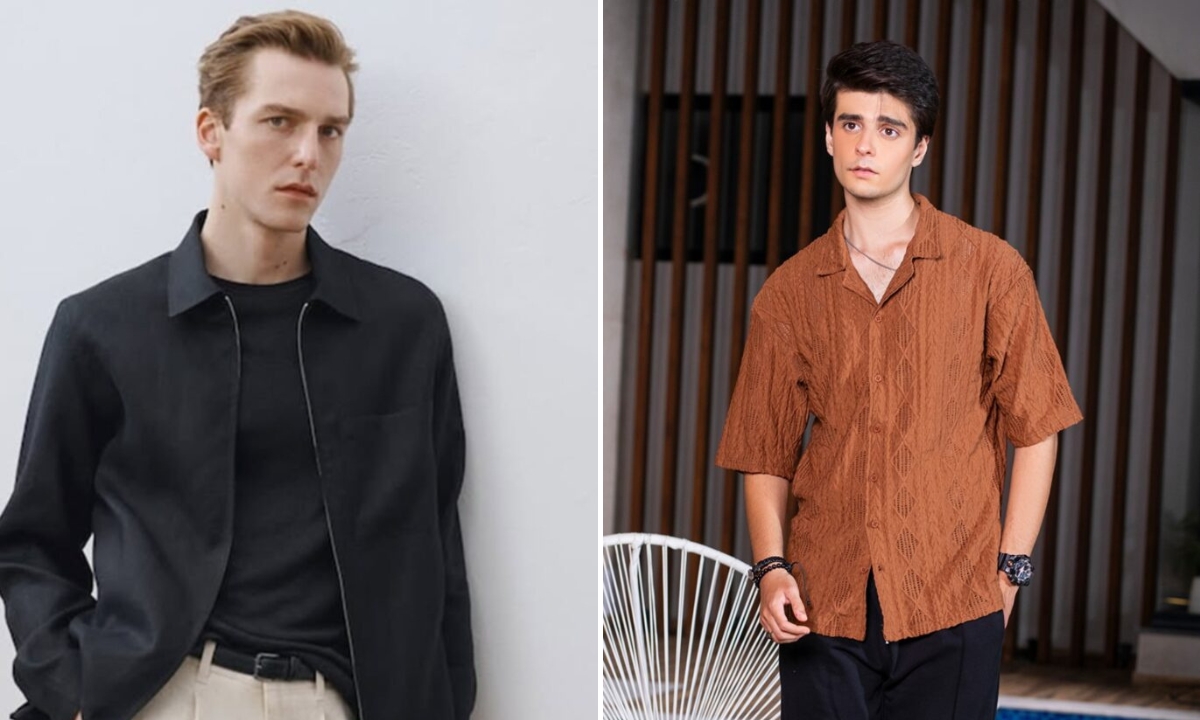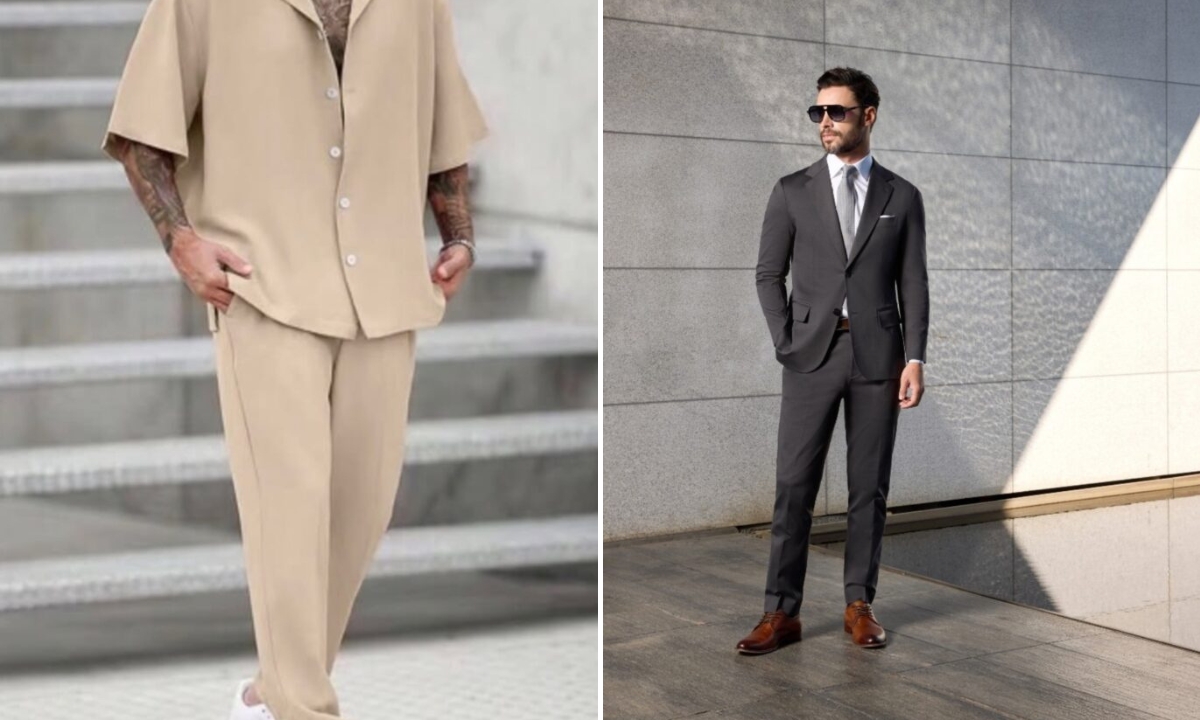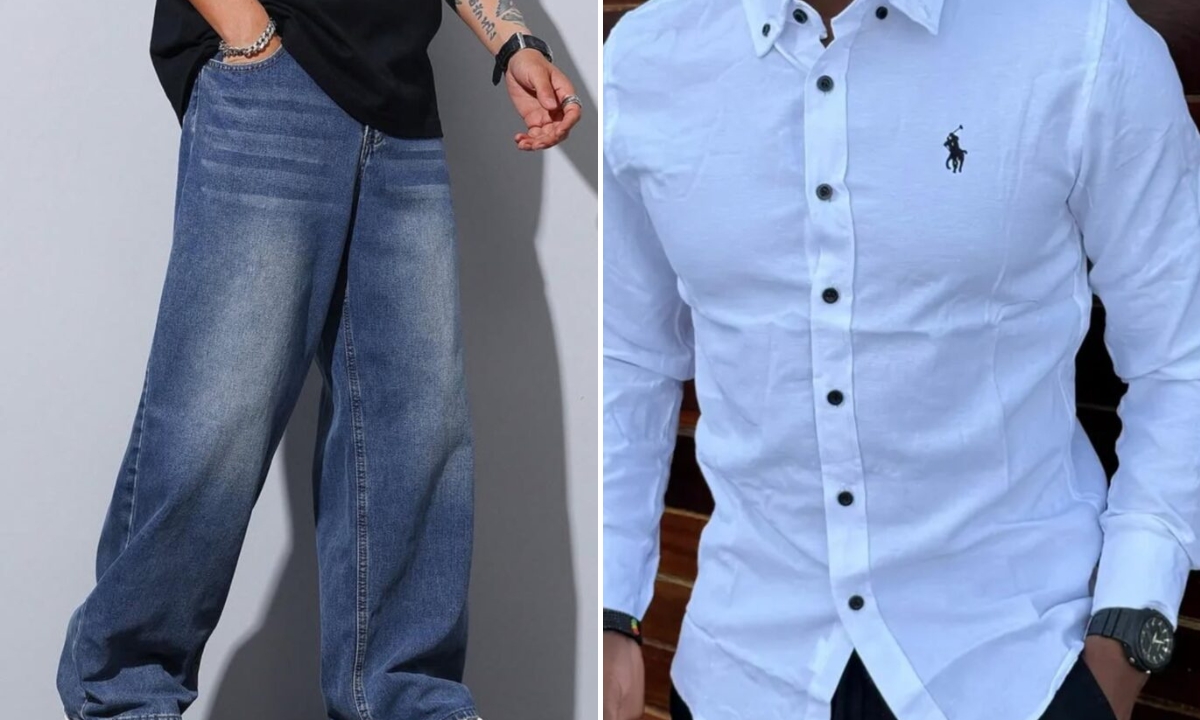
One of the easiest ways for men to boost their style is through layering, however most people get it wrong.
Or they make them seem too huge, or too muddled, or they just toss odd pieces together without knowing how they operate.
The truth is, excellent layering is not hard, it’s learning a few simple rules and applying them in the appropriate order.
Layering, when done right, can quickly elevate the style, structure, and confidence of your outfits without the need for high-end items.
In this article, you will learn how to create easy layered ensembles, avoid frequent mistakes and dress better in every season.
Let’s jump in!
Learn the Basic Rules to Layer Your Clothes Better
Layering your clothes starts with knowing a few simple rules that make everything easier and more stylish.
Start first with a light and fitted base layer like a t-shirt or thin shirt. It sits close to your body and keeps things clean.
Then add a mid layer such as a shirt, hoodie, or sweater to bring warmth and texture.
And last, top off the appearance with an outer garment, a jacket or coat that adds structure and ties the outfit together.
Also, avoid wearing pieces that are of the same thickness, because this will make you look big and sloppy. Keep your layers balanced, comfy and properly matched to your body form.
By following these simple guidelines you instantaneously create outfits that look sharp, confident and effortless without having to overthink your style every day.
Base Layer First
The base layer is the starting point of your overall wardrobe and therefore has to be simple, light and well-fitting.
Always start with a t-shirt, thin long sleeve, or henley that sits close to your body without feeling tight.
This layer is for comfort, perspiration absorption and keeping your look clean under your other garments.
Avoid anything too thick or loose here, because it will create bulk and ruin the shape of your layers above.
Add Mid Layer
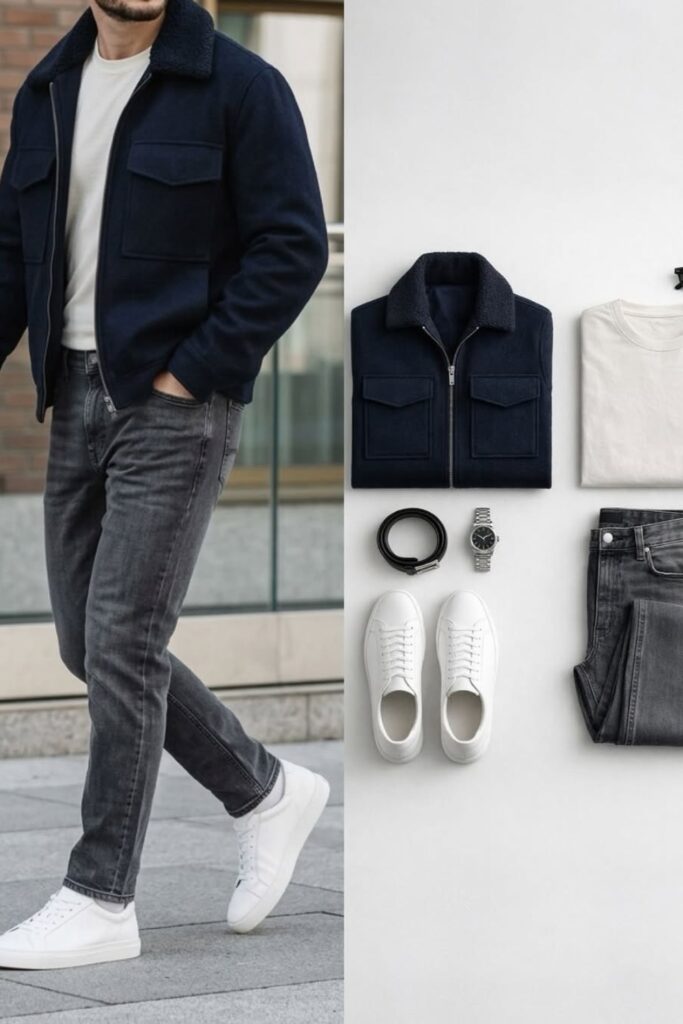
This is the mid layer, where your clothing starts to reveal individuality, warmth and structure.
It’s normally a shirt, sweater, hoodie, or overshirt that you wear over your foundation layer.
Pick something that gives texture and style without the weight. It should be a little loose, but still have a crisp shape so your clothing doesn’t look bulky.
When done well, the mid layer will make your outfit look more fascinating, layered, and well thought out, without any extra work.
Structured Outerwear
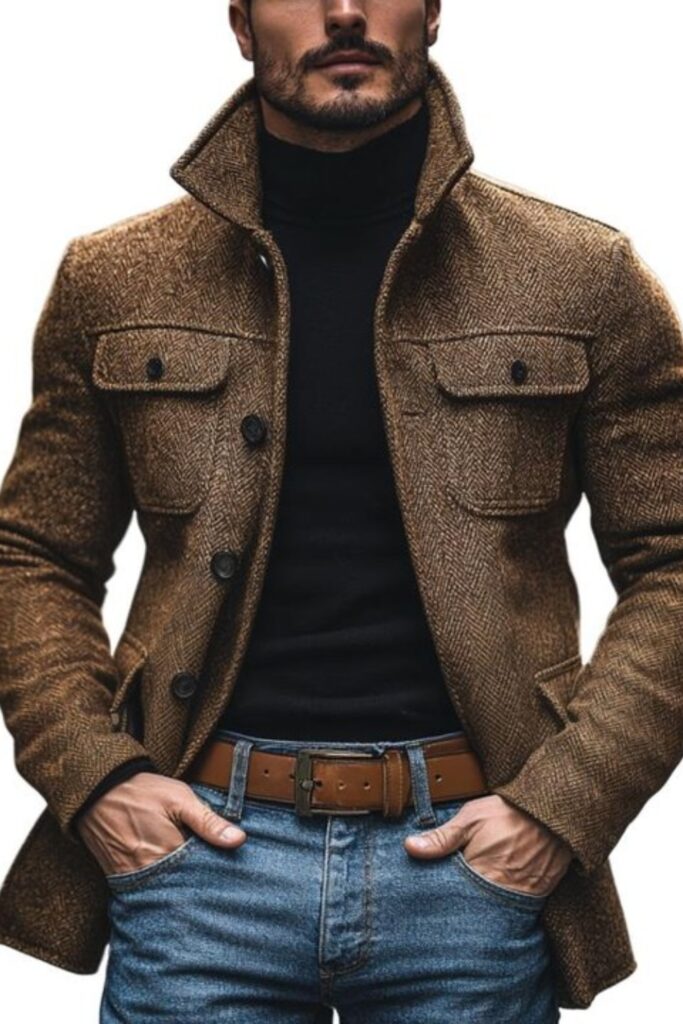
Structured outerwear is the last and most crucial piece of your wardrobe that completes your look and defines your entire style.
That means jackets, coats or blazers that provide shape and gloss to all that’s underneath. Pick pieces that sit nicely on your shoulders. They shouldn’t feel too tight or too loose.
It also protects you from the elements while providing your layers with a more deliberate, tidy and fashionable appearance with no extra effort.
Thin to Thick
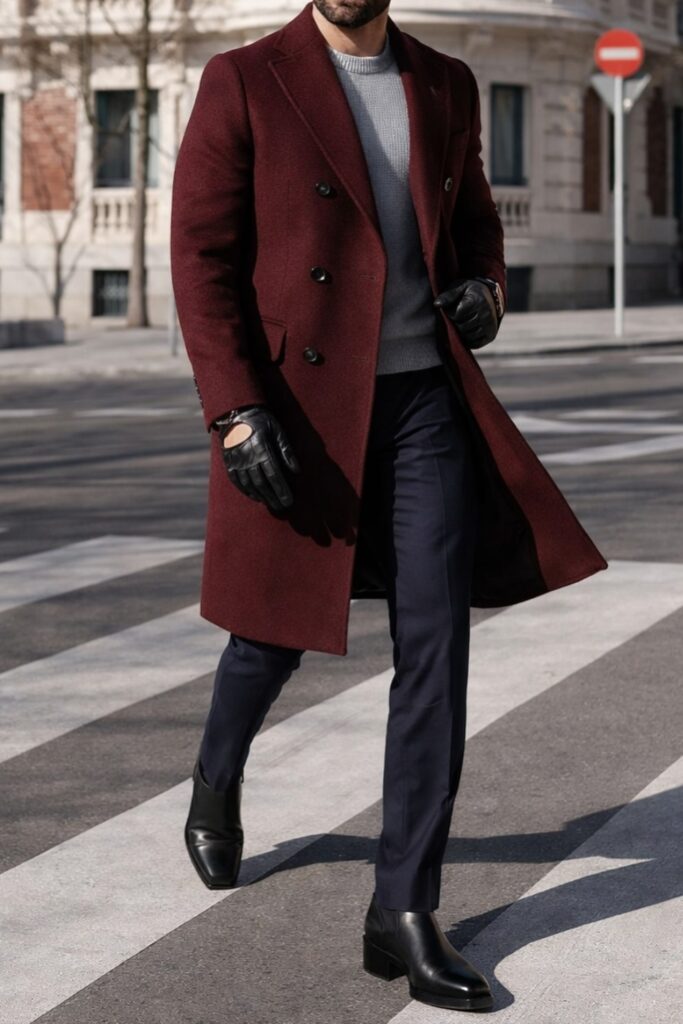
One of the most crucial basics in layering is the thin-to-thick guideline, which maintains your outfit balanced and neat.
Always start with the thinnest and lightest piece closest to your body, like a fitted t-shirt or thin shirt.
Then move to slightly thicker layers such as sweaters or hoodies, and finish with your heaviest outerwear.
It adds comfort and makes your outfit have a natural flow, which makes you look more structured and well-dressed.
Build Simple and Stylish Layered Outfits
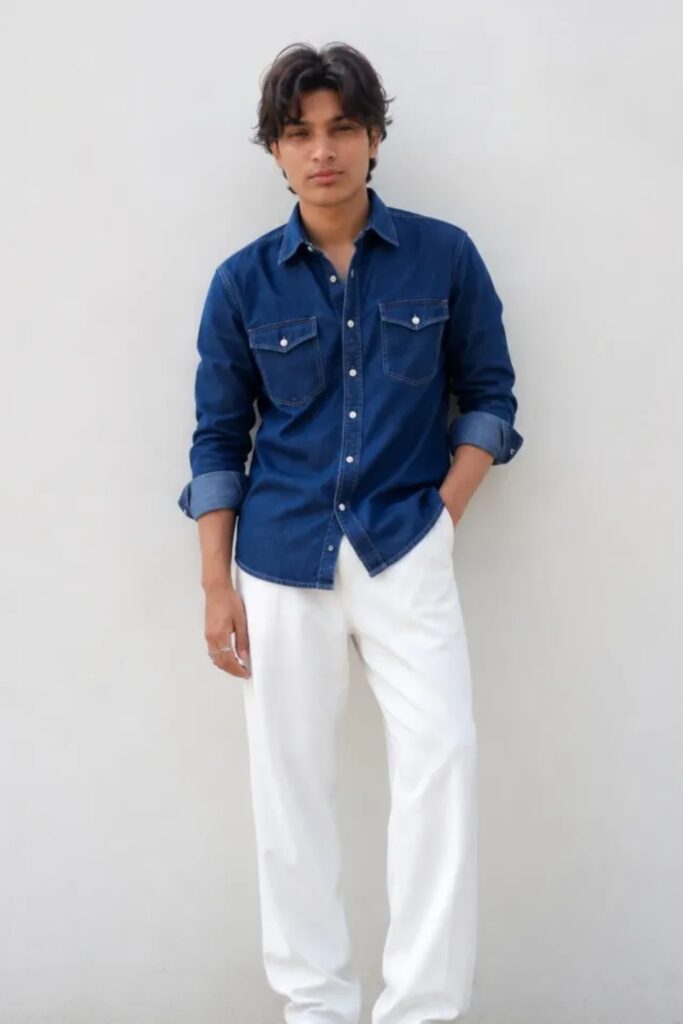
The secret to creating simple and stylish layered looks is to make everything clean, balanced and easy to wear in real life.
Start with basic clothing (such a t-shirt and jeans), then steadily add one or two more layers that will enhance your look and functionality.
A shirt over a tee, or a sweater beneath a jacket, introduces depth fast and fuss-free. The trick is to make sure that every item fits together in terms of fit, color, and materials.
Avoid mixing too many bold patterns or heavy layers, because that can make the outfit look messy.
Instead, choose neutral shades and basic combos you can do every day. This way you save yourself time, you don’t get confused and you still look dressed up in your attire.
It’s not about overthinking fashion, it’s about creating clean, wearable ensembles that feel natural, confident and effortless every time you step out into the.
Basic Outfit Formula
A basic outfit formula makes layering simple and removes all confusion from your daily dressing.
Begin with a fitting t-shirt or shirt as a basis, then layer on a mid layer such as a flannel, hoodie or sweater for style and warmth.
Finally, finish off the appearance with a jacket or coat to give it some shape. Keep colors neutral and fits balanced so everything goes together effortlessly.
This easy method allows you to throw up chic clothes in minutes without overthinking, while yet looking clean, modern and well put together.
Mix Textures Smartly
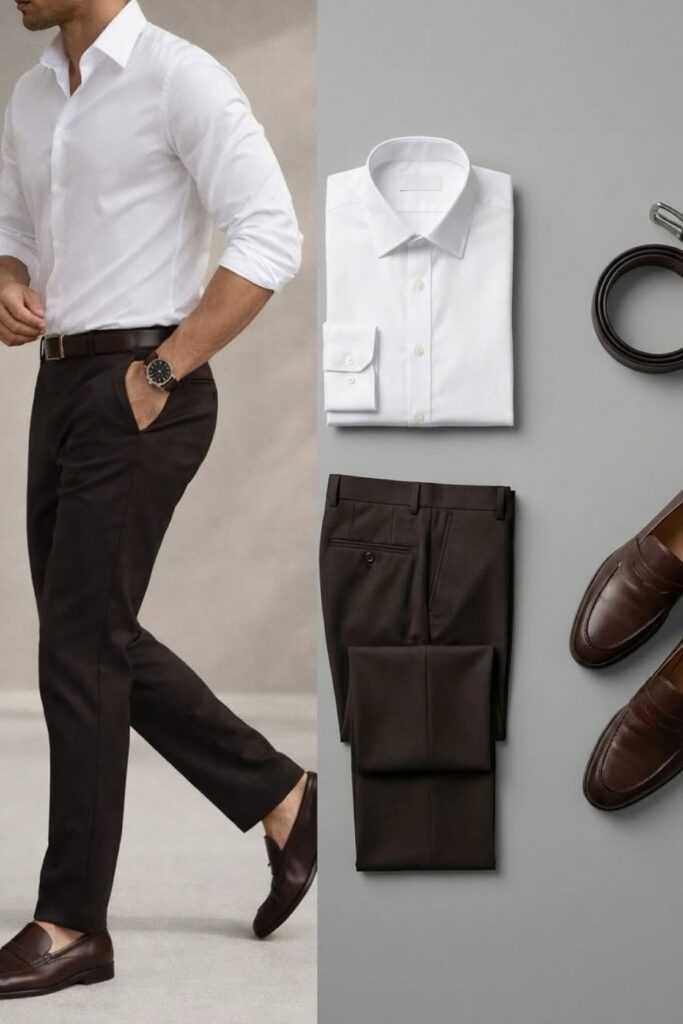
The easiest method to enhance your layered looks and make them look more trendy and premium without extra work is to mix textures carefully.
Mixing together fabrics such as cottons, denims, wools, or flannels instead of wearing all one type of fabric.
Pair a cotton t-shirt with a wool sweater or a denim jacket over a soft hoodie. This contrast adds depth and makes your look more interesting to look at.
Just keep it balanced so the textures can play off each other and not look too heavy or overbearing.
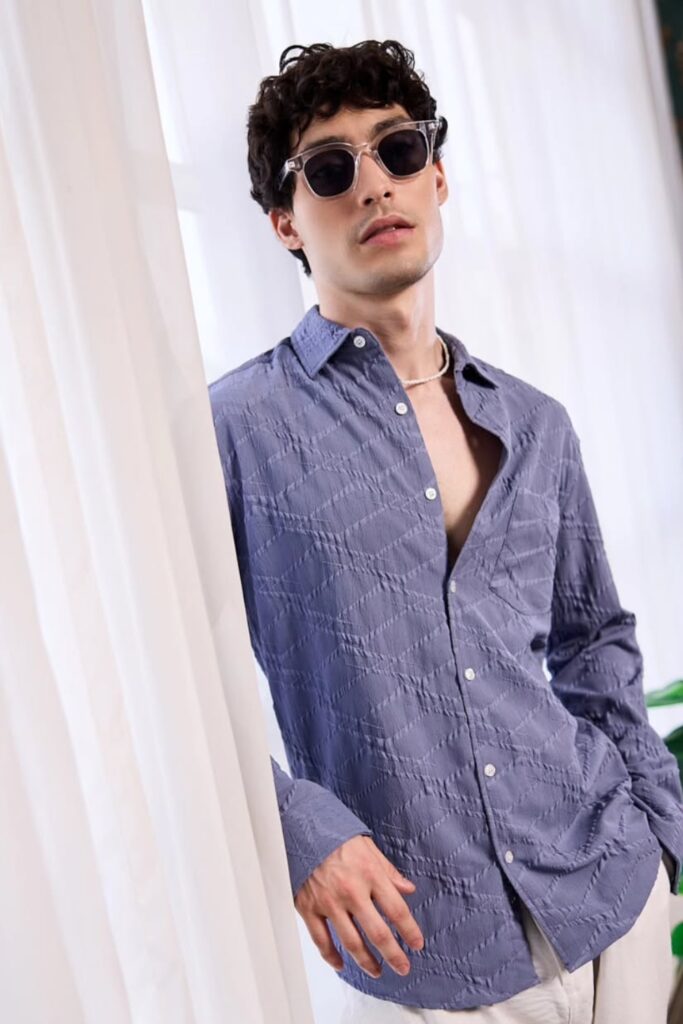
Keep Colors Simple
Keep the colors simple. This is crucial for making your layered clothing look clean and put together.
Try not to use too many bright or odd colors. Pick a limited palette like black, white, grey, navy or earthy tones.
These hues go together organically and limit the danger of clashing. You can add depth still, with varying tones of the same color, but don’t go overboard.
Layering is easier, more attractive and gives your outfit a calm, confident and balanced look with simple colours.
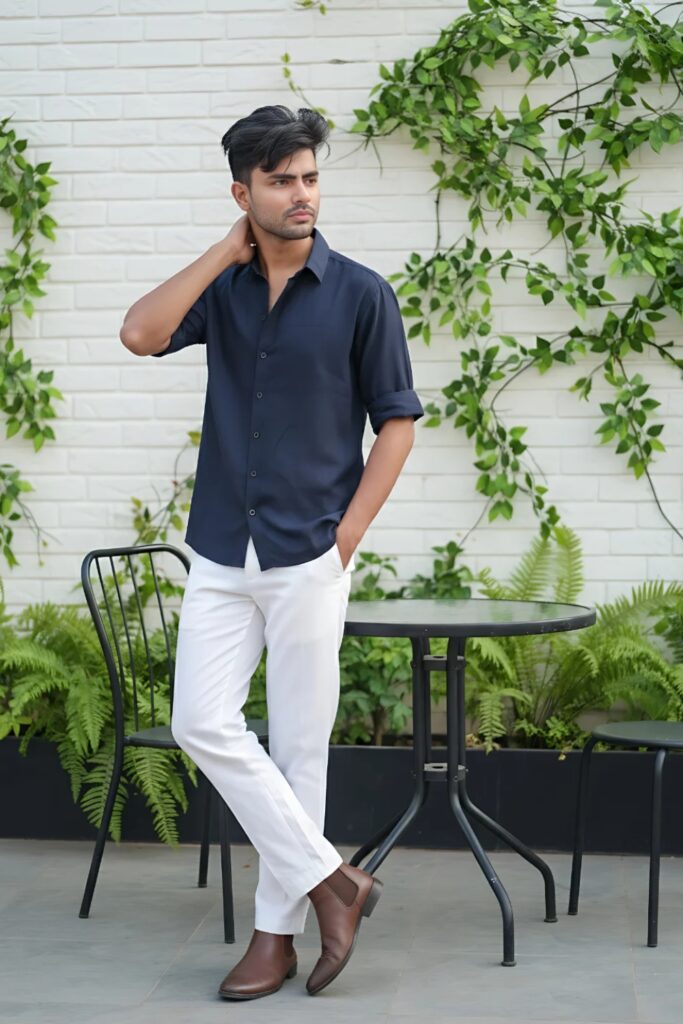
Wear Multiple Layers Without Looking Bulky
If you want to wear numerous layers without seeming fat, it’s all about making the right choices in fit, fabric and balance. The point is to provide dimension to your ensemble, not add weight.
Start with lightweight and fitting pieces near to the body so they provide a clean base.
Build up slowly, using mid layers that are a bit thicker and conclude with a structured outer layer that keeps everything together.
Avoid stacking heavy or big clothes on top of one another, since it can make you appear puffy and sloppy.
Rather, blend slim and relaxed fits so your outfit still has form and mobility. Think on proportion too; nothing should feel too tight or too loose.
Breathable fabrics like cotton, thin knits, and light wool help reduce bulk while keeping you comfortable.
This type of layering makes your clothing look smart, sophisticated and intentional, and gives you style without sacrificing comfort or making you appear bigger than you are.
Avoid Overlapping Thickness
Don’t double up on thickness because that’s what turns layered clothing into big and frumpy.
You stack too many hefty pieces on top of each other and your body loses shape and it feels tight or large in the wrong areas.
Instead, balance your layers, mixing light and medium-weight fabrics so each item lies flat. Only retain hefty materials for the outer layer.
This easy fix keeps your look clean and organized and comfy, but it still gives you a layered look that is beautiful.
Keep Fits Balanced
When layering it’s vital to keep your fits balanced, as this determines how your overall ensemble looks and feels.
If you squeeze everything too much, your clothing will look constrained and unpleasant. If everything is too loose it will look messy and shapeless.
Blend fitted pieces with a somewhat looser look for a natural flow. For example, try a thin base layer with a standard mid layer and a structured outer layer.
This balance will make your clothing look clean, proportional and nicely put together without adding unneeded bulk.
Dress Smartly in Layers for Every Season
Dressing in layers for each season Well-dressed in layers for each season involves dressing according to the weather, but without losing the clarity and balance of your style.
When it’s cooler, you can layer up thermals, sweaters and coats to be warm without losing your shape.
In less extreme weather, like spring or fall, stick to lighter layers like t-shirts, shirts, and thin coats so you are comfortable without overheating.
The trick is to always wear breathable fabrics and remove or add layers as the temperature varies through the day.
Don’t wear the same heavy dress all year, as it might be uncomfortable and out of place. Layering is a flexible technique that adjusts to your environment.
Dressing like this will have you prepared for every kind of weather, but you will also look sharp and trendy in an easy, practical and confident manner.
Winter Layering
When it comes to winter layering, it’s about being warm and looking sharp. Start with a thermal or fitting base layer to keep heat close to your body.
Bring a mid-layer, such as a sweatshirt or hoodie, for increased insulation and comfort.
Finally, throw on a coat or padded jacket to protect yourself from the cold weather and finish the appearance.
Avoid wearing too many heavy pieces at once, as this creates bulk and reduces mobility.
Instead, focus on smart layering that will keep you warm, comfortable and stylish throughout winter.
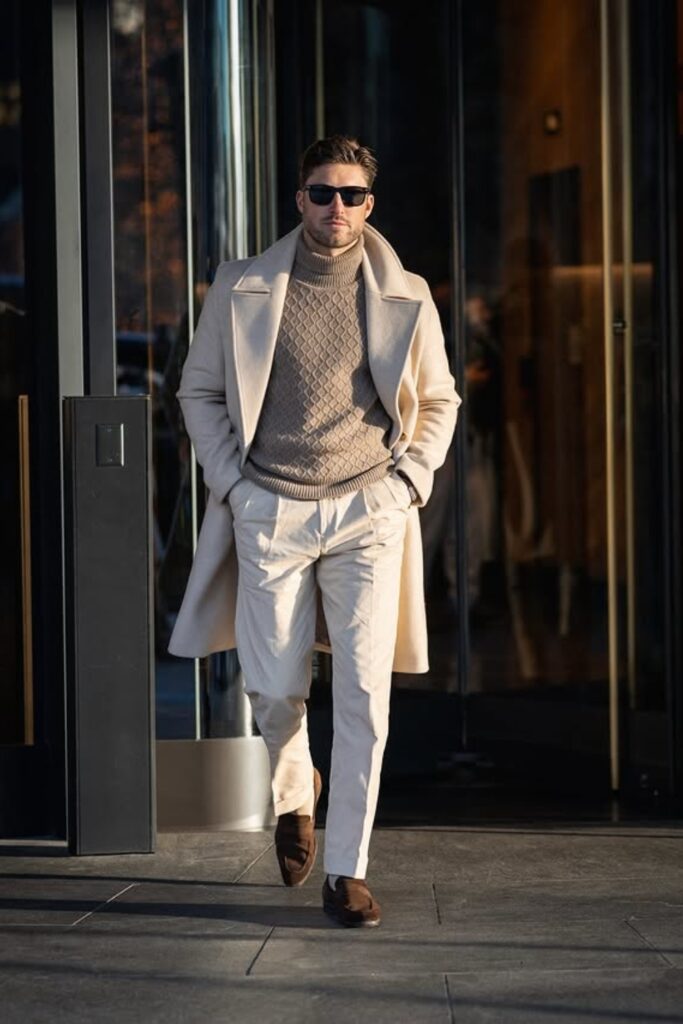
Fall Outfits
Fall outfits are the perfect time to experiment with light and fashionable layering as the weather begins to cool down.
Start with a basic base like a t-shirt or light shirt, and layer with a flannel, overshirt or thin sweater for warmth and texture.
Layer with a denim jacket or lightweight coat for a polished look. The aim is to be comfortable without over-layering, because fall weather can change fast.
Try earthy tones and neutral colors for a look that is warm, seasonal, and effortless, casual yet put together.

Spring Styling
Spring styling is all about keeping your layers light, fresh, and breathable as the weather gets warmer.
Begin with a simple cotton T-shirt or light shirt and then layer easily with a thin overshirt, light jacket or cardigan.
Look for light hues and airy fabrics that will not feel heavy or restricting.
The idea is to be comfortable in fluctuating temperatures and seem smart and put-together while doing it.
Leave off heavy winter pieces and go for flexible layers that may be easily put on or taken off throughout the day.
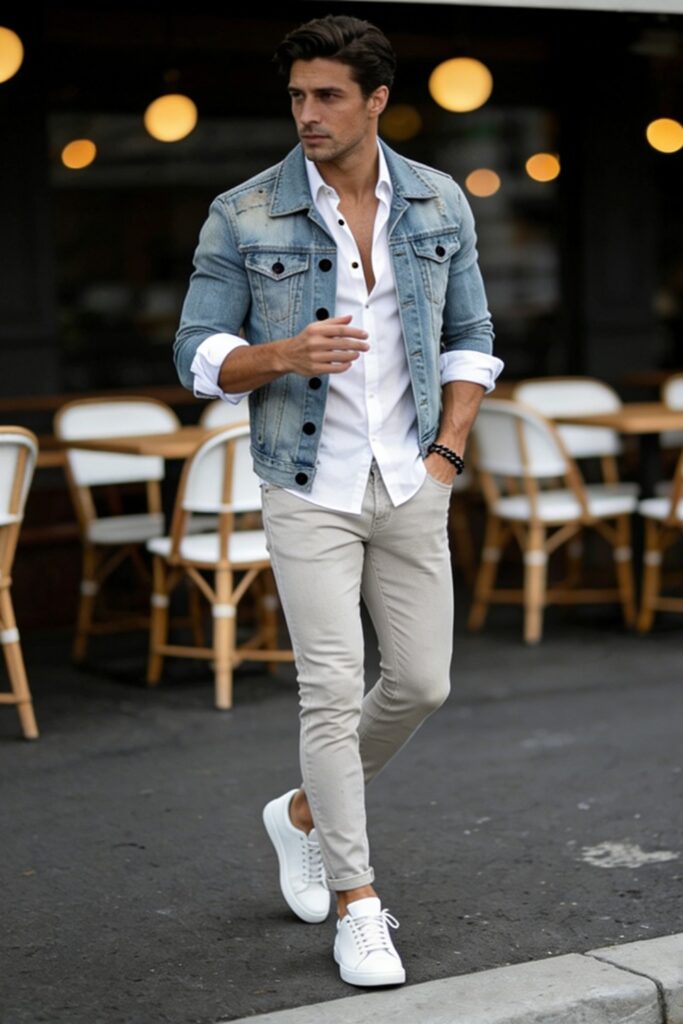
Summer Light Layers
Summer light layers focus on staying cool while still keeping your outfit stylish and structured.
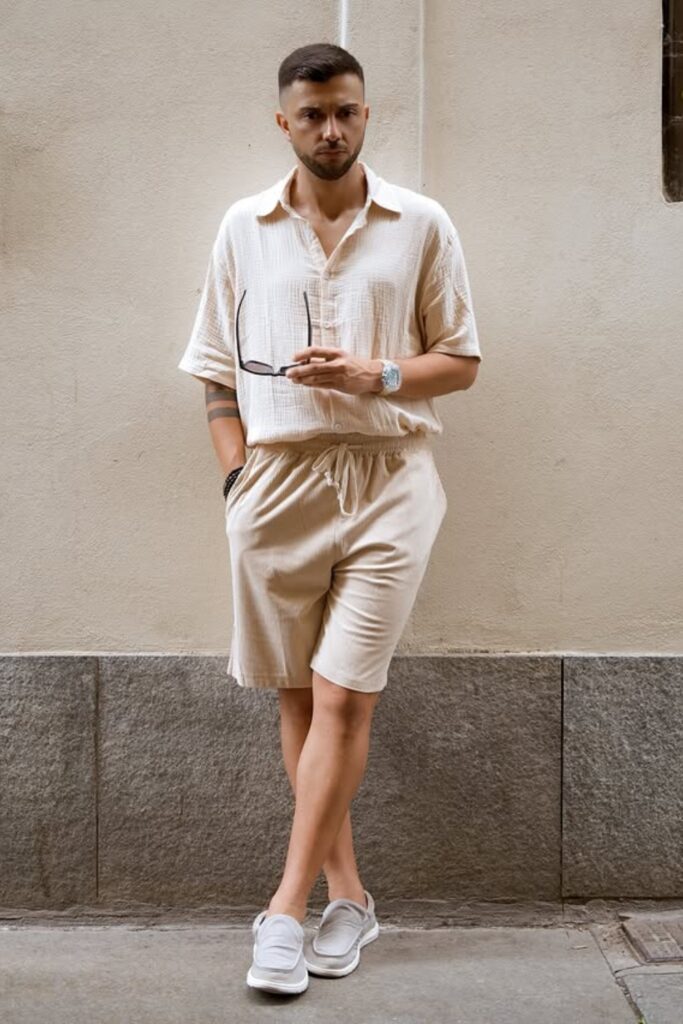
Avoid heavier clothes and choose for relatively thin, breathable pieces, such as cotton t-shirts, linen shirts or lightweight overshirts.
You can keep it light on layers. Leave shirts open over a tee or add a very small jacket for the evenings.
The trick is to prevent heat build-up, and always go for airy materials that promote air movement.
Keep it light and basic with colors that reflect heat to keep things fresh and clean for summer without becoming too heavy.
Improve Your Everyday Style by Layering Better
One of the easiest ways to look more put together without changing your entire wardrobe is to improve your everyday style by better layering.
Rather than wearing the same basic dress every day, you can add simple layers that instantly boost your appearance.
A basic t-shirt is dressed up with a shirt, an overshirt or a light jacket. Layering gives depth, shape and personality to even the most simple garments.
The goal is to keep things basic, balanced and comfy, so your clothing still feels natural in daily life.
Pay attention to fit, clear colors, and light combinations that are repeatable without overthinking.
Developing this practice, you start looking more confident and well-dressed in routine circumstances like work, college or informal trips.
Good layering is not dressing complicated, it is about adding modest clever things that sharpen your style, make it more modern and better every single day.
Conclusion
Once you have the basics down like starting with a light base, layering with balanced pieces in the middle, and a structured outer layer, it all gets easier.
The true key is to keep things basic and clean and well-fitted so your style never seems heavy or confused.
Using layering in a functional manner for different seasons, body types, and everyday scenarios will boost your style naturally without any extra work.
You don’t need to spend a fortune on clothes or get tangled up in complex combinations, you just need to make better selections and be consistent.
When you get this right, your clothes will start to look more confident, current and put together every day, even when you’re simply wearing essentials.
FAQs
How many layers should a man wear for a good outfit?
You can start with a base layer, add a mid layer for style and warmth, and finish with an outer layer for structure.
More than 3 apparent layers can start to look cumbersome and disorganized, especially for everyday clothing.
Keeping it simple helps you stay comfortable and look well-dressed without overthinking.
How do I layer clothes without looking bulky?
To prevent the bulk, always begin with thin, fitting base layers, then layer up gently with slightly thicker pieces.
Don’t pile heavy clothes on top of each other, and maintain the fit balanced. Mixing sleek and loose pieces helps keep the form too.
Thin knits, cotton and lightweight materials keep your look neat, structured and comfy, but nevertheless fashionable.
You may like to read!