Growing your hair for months only to end up with bulky sides, flat ends, or a shape that never sits right can be frustrating.
The real challenge is not getting enough length, but choosing a cut that works with your natural texture, thickness, and daily routine.
Layers, flow, curls, shags, and cleaner long cuts can all look completely different depending on how the hair is shaped.
In this article, you’ll find men’s long haircut ideas for different hair types, along with practical tips to help you understand each cut.
How Do You Choose a Long Haircut?
Before choosing a long haircut from a photo, look at how your own hair naturally falls when it is dry.
Straight hair can sit flat or heavy as it grows, so soft layers can create movement without sacrificing much length.
Thick wavy hair usually benefits from strategic layering that removes excess bulk while allowing the natural bends to show.
If your hair is curly, work with the curl pattern instead of trying to force it into a straight-haired shape.
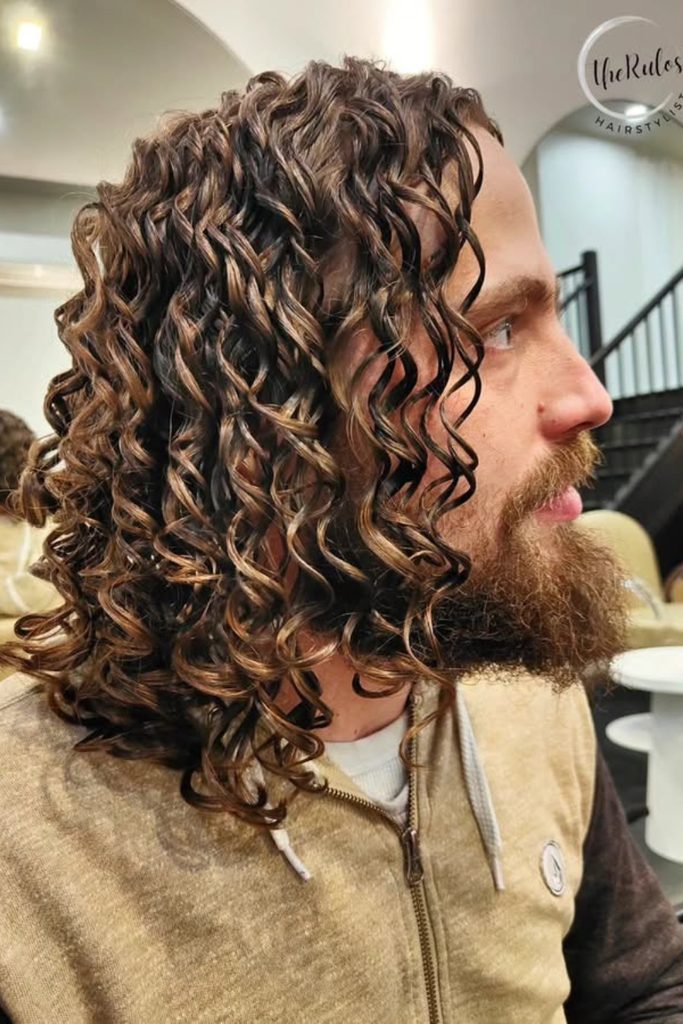
Long Defined Curls
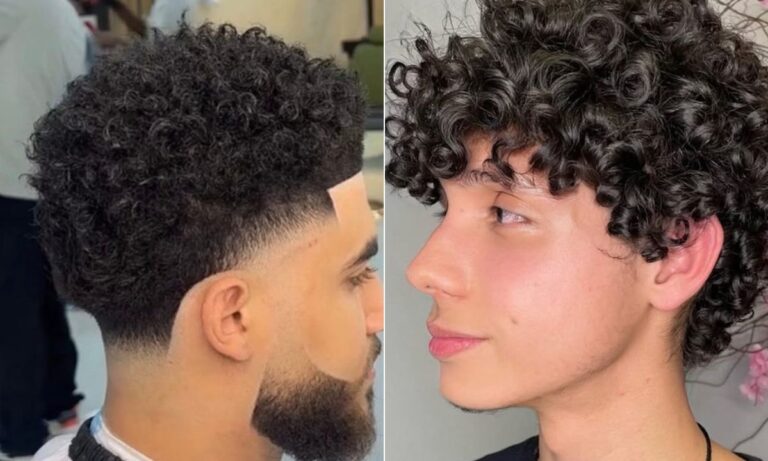
Defined Curls Defined curls give movement without choppy layers for lots of structure in longer hair.
Ask for adequate length on the sides and back so that the curl pattern can grow out consistently rather than triangular.
A light curl product is great for defining individual spirals without sacrificing natural volume, especially if your hair tends to expand after drying.
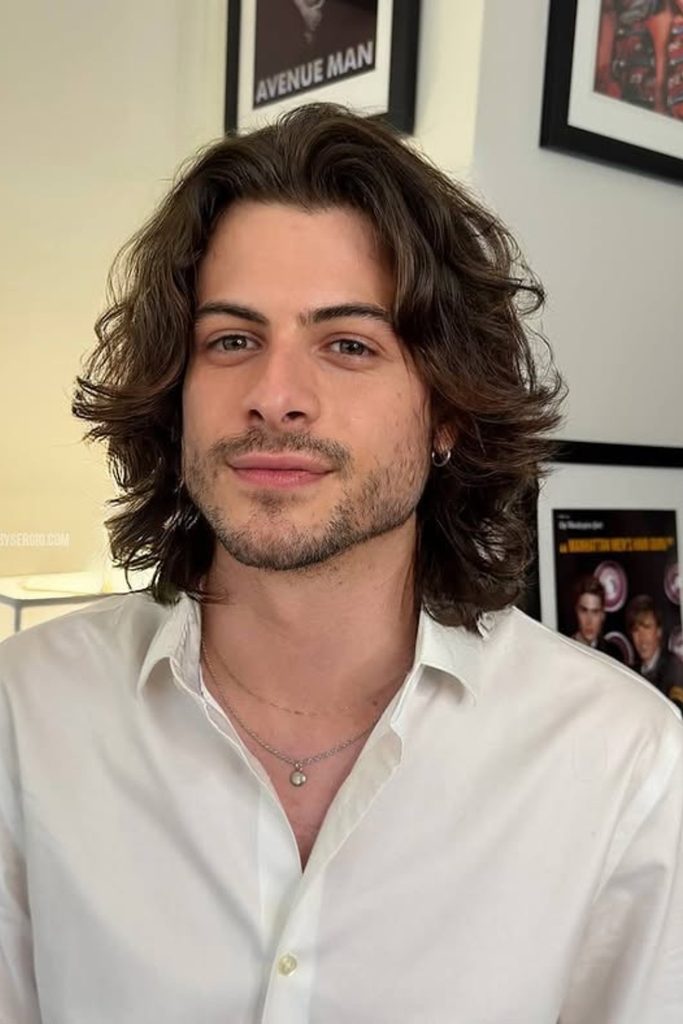
Layered Flow Cut
Soft layers take away heavy excess yet allow a movement around your cheeks and neckline. Medium long hair is easier to shape.
Don’t trim the front sections too short, let them sweep away from your face naturally and keep that comfortable flow.
The length is also versatile enough to style with center-parted hair or a looser swept-back look as your hair grows out.
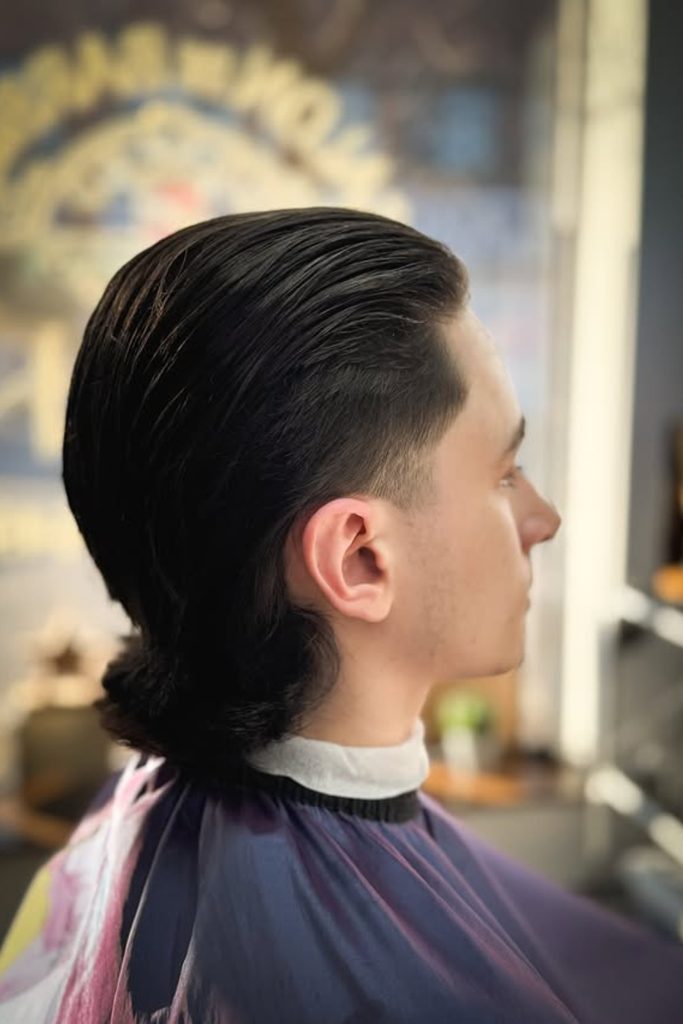
Slicked-Back Mullet
If you want an open forehead, but don’t want to lose all your length around your neckline, slicking your longer hair back will work exceptionally nicely.
Shorter sides keep the silhouette from being overly wide. A longer back gives contrast without having to go to excessive detached portions.
Apply a small amount of product for direction, not rigidity, so the top is controlled but the longer ends have some flexibility.
Loose Curtain Layers
If you have straight or slightly wavy hair that always falls forward, lengthier curtain layers can frame your face without generating a hefty fringe.
Keeping extra length around the ears and neckline makes for a broader silhouette.
If your hair feels heavy ask for gentle internal layers, taking weight out encourages movement without compromising the overall length.
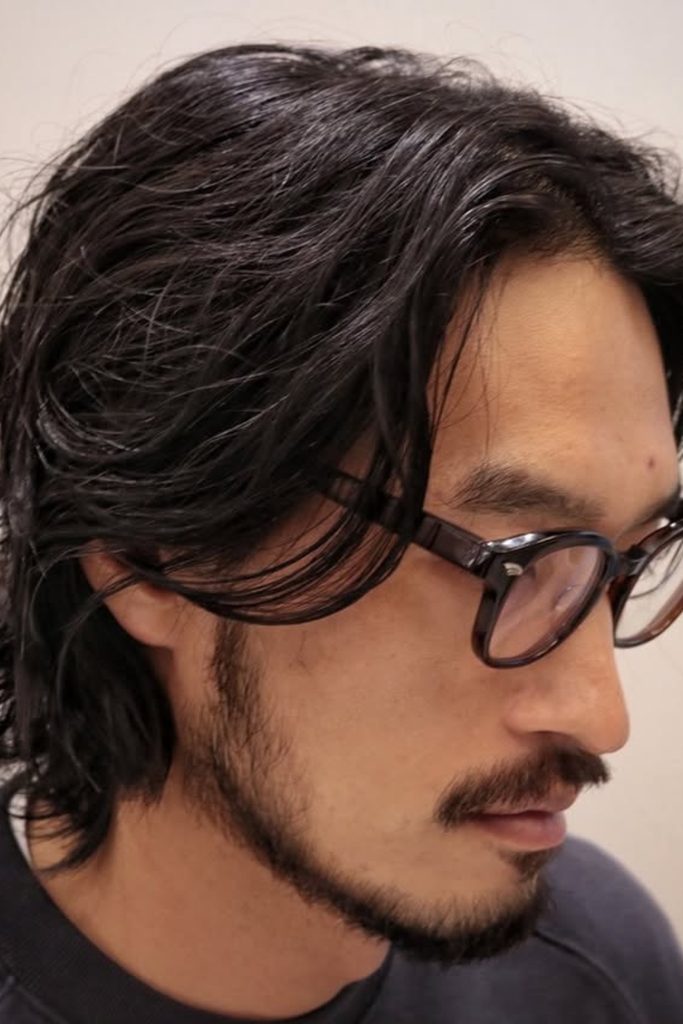
Side-Swept Flow
A deep side sweep works for medium hair that requires direction but doesn’t want to lose the gentle movement that makes longer cuts feel casual.
Leaving some length around the ears and neckline allows the top to blend in naturally instead of creating an obvious detached form.
Use a light styling cream for control, then brush the front sideways to keep it open without seeming overly styled.
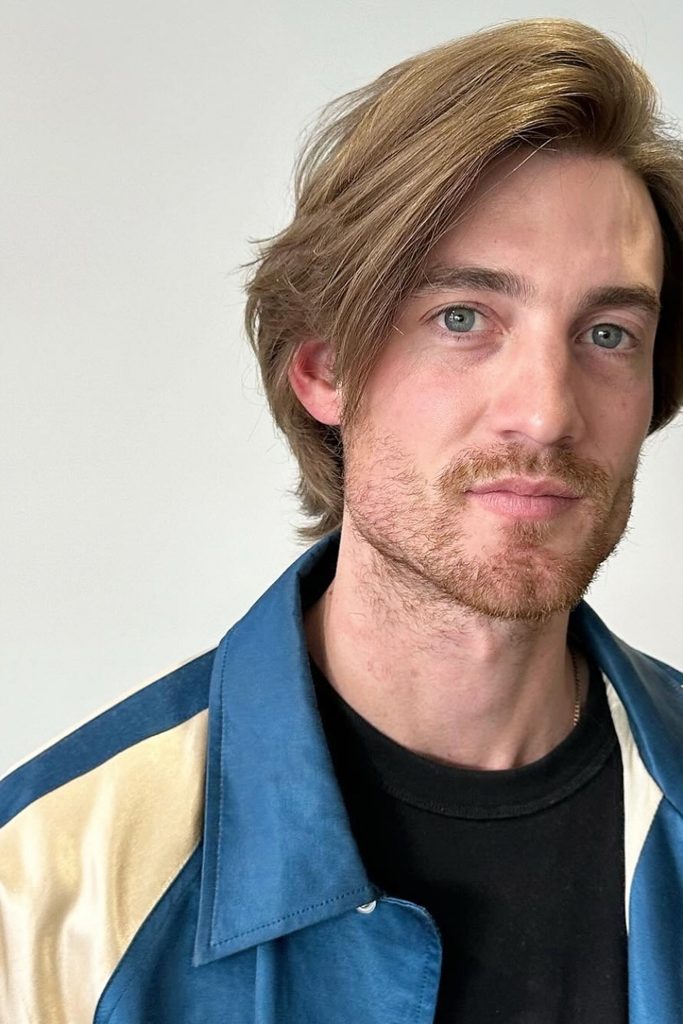
Extra-Long Curls
It can take time to grow curls long enough to fall beyond your shoulders, but once you do, the length allows natural texture to do much of the work.
Long layers can take off concentrated weight at the ends, yet let curls fall with better separation around your chest.
If your curls get heavy, don’t go in and cut each part to one dull length, especially if you want movement from root to tip.
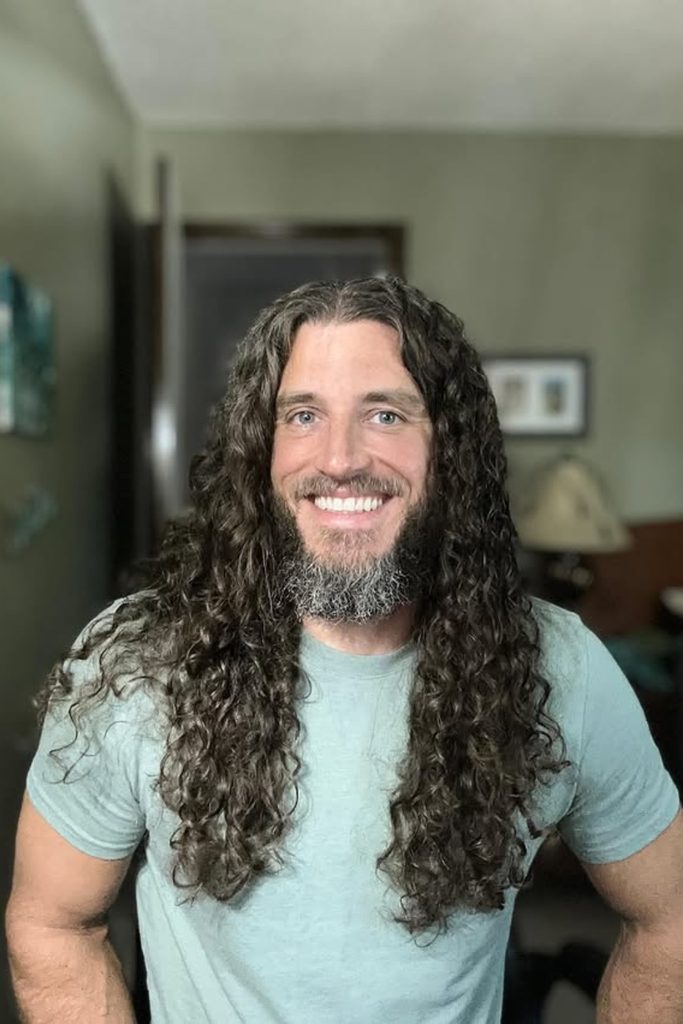
Shoulder-Length Sweep
Straight, thick hair might feel too heavy at shoulder length, so soft layering allows the ends to bend rather than lie flat.
The front pushed back opens up your face while keeping enough length on the sides to maintain that larger, continuous long hair silhouette.
Ask for minimum weight removal around the perimeter if you want smooth movement without the lower portions looking visibly thinner.
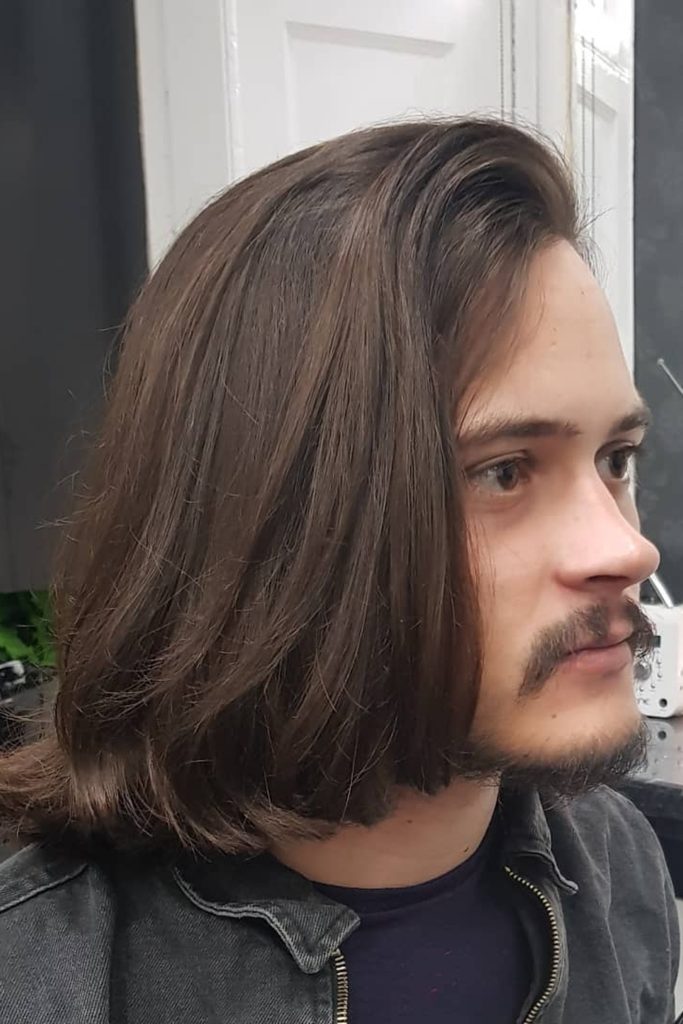
Center-Parted Layers
Center parted layers are perfect if you’re after longer hair framing each side of your face but without a big fringe concealing everything.
Shorter parts around the cheeks create movement first, and longer pieces continue into the shoulders and prevent an overly rounded appearance.
This cut notably works well for naturally straight or wavy hair that already falls well from a middle part.
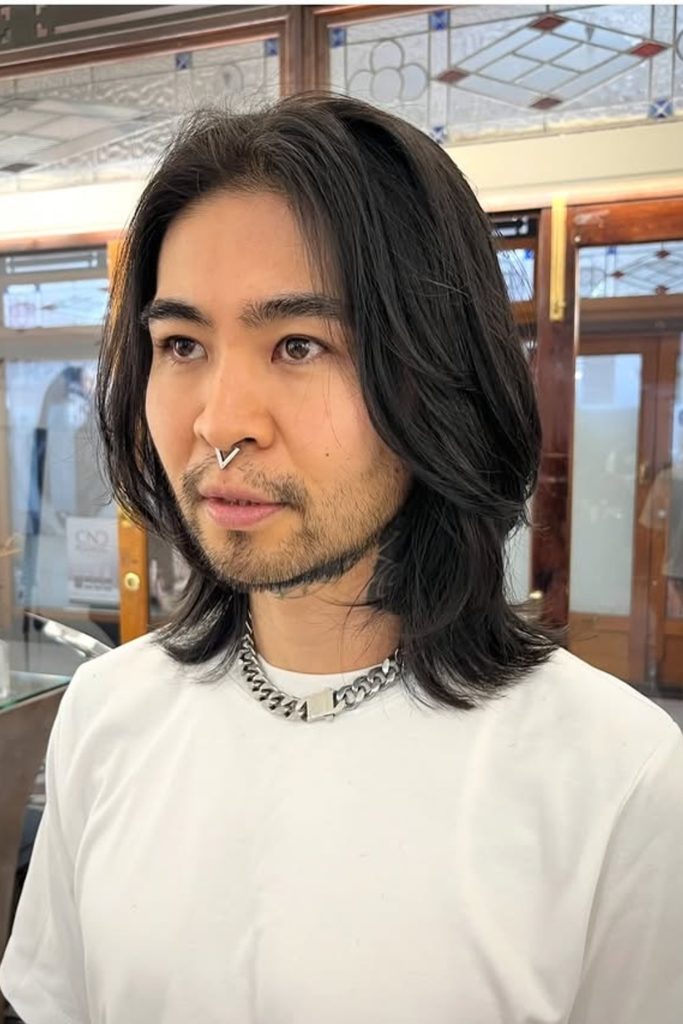
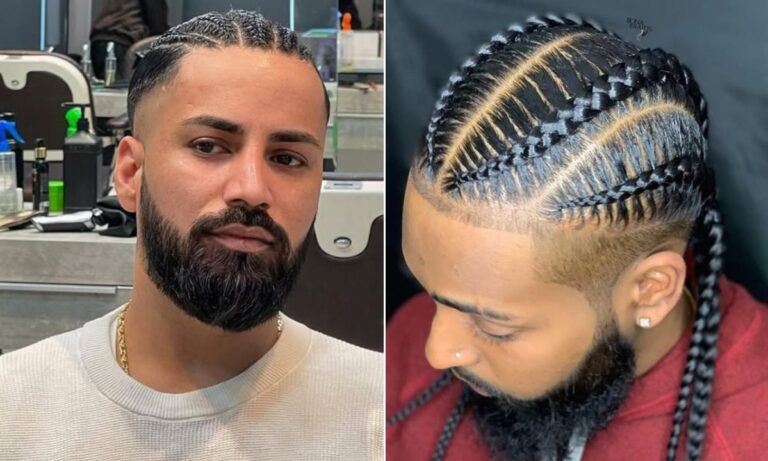
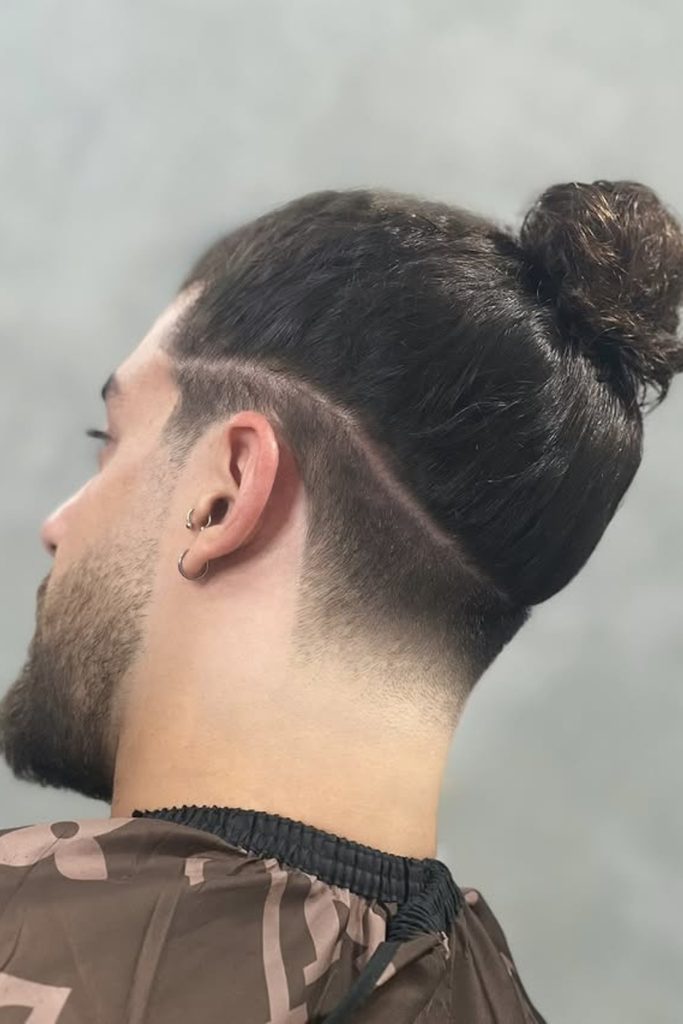
Undercut Man Bun
An undercut takes the bulk away below the lengthier top and creates clear separation around your head so a man bun gets much crisper.
The ideal way to collect the top is to tie it at the crown when your hair is long enough to be tied easily without dragging the shorter portions.
Have your barber carefully put the undercut, because lifting that boundary too far can eliminate hair you may later want longer.
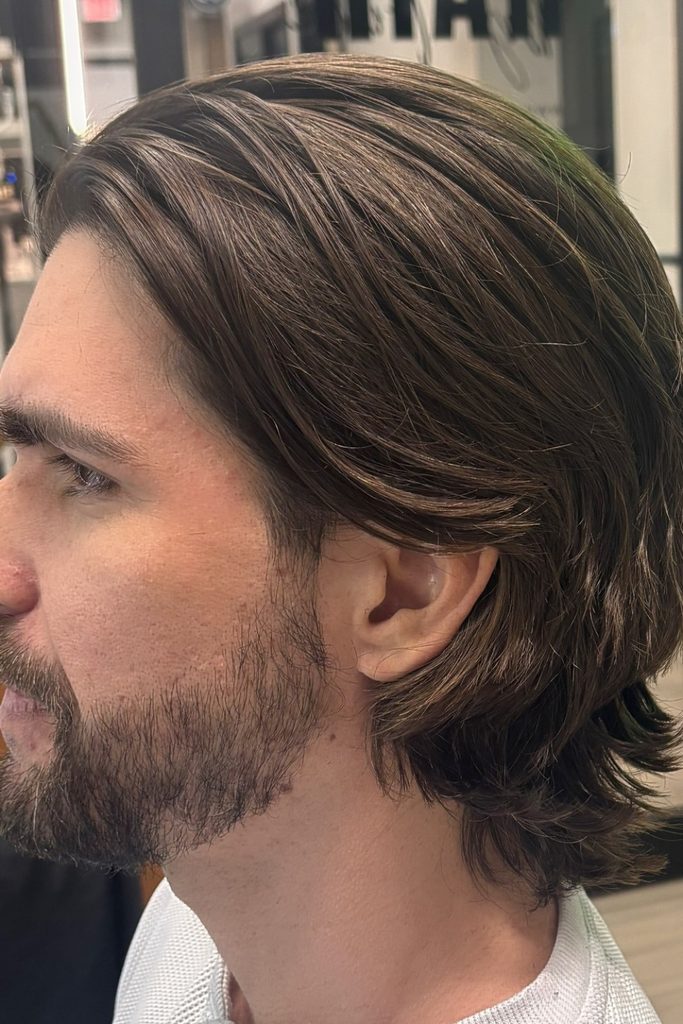
Layered Side Part
“Medium hair flattens as it grows out, but long layers will bring the movement back without sacrificing the length you’ve grown.”
Loose side part sweeps the front across the forehead, and feathery ends around the neckline prevent a heavy blocky finish.
When your hair is already silky, use minimal product, letting the layered form produce movement rather than forcing everything into place.
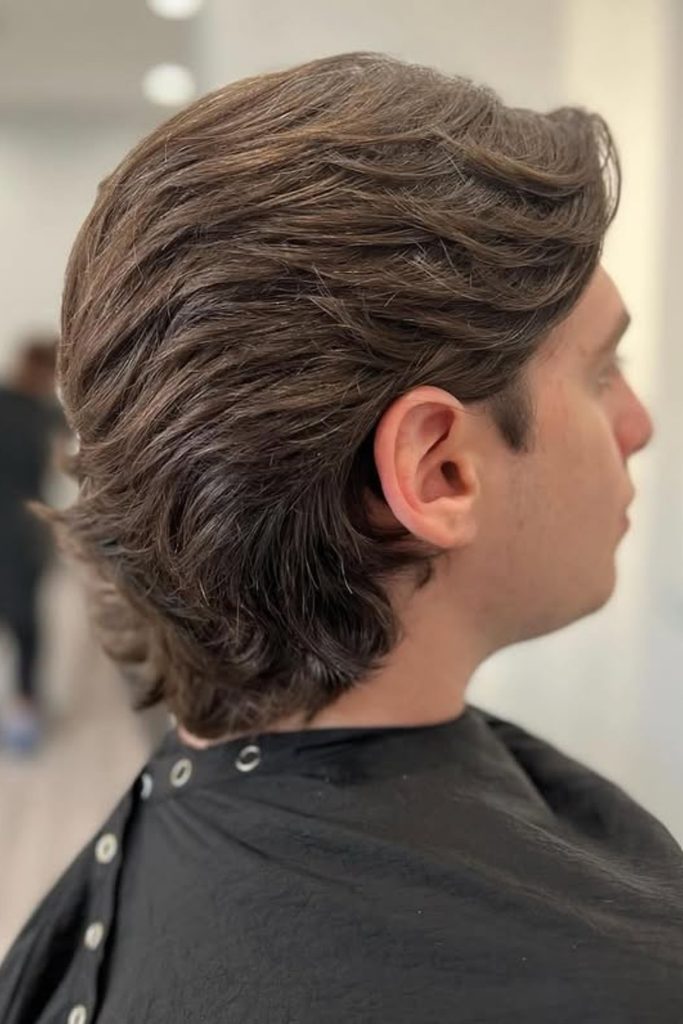
Brushed-Back Flow
Thicker medium hair can hold a lot of volume when you brush it back rather than allowing the front to drop over your forehead.
Longer layers through the crown enable that movement continue to the neckline, producing flow without becoming noticeably shorter on the sides.
Rub a tiny quantity of the lightweight product through damp hair. Direct it backward while drying for softer natural-looking control.
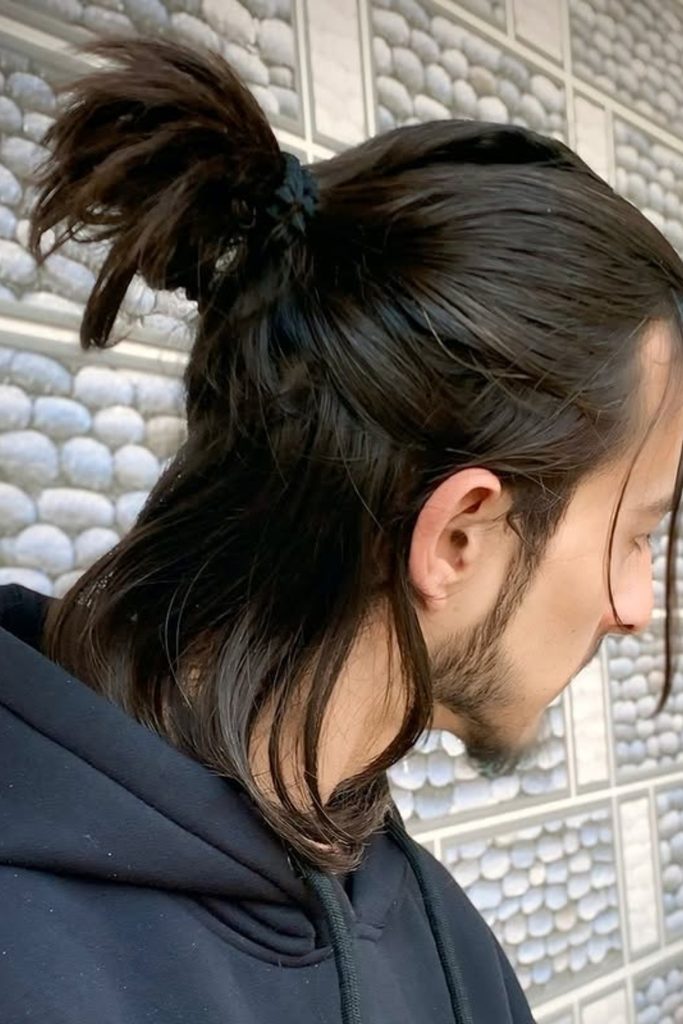
Half-Up Ponytail
The half-up pony deals with lengthy front pieces that fall forward, but still shows enough of length at the back.
Only tie the top part around the crown, leaving the bottom layers free around your neck and shoulders.
If you want the pulled-back form to look relaxed rather than overly controlled, leave a couple of softer face framing pieces loose.
Layered Curtain Flow
A center part provides medium hair a simple direction, while lengthier layers give enough mobility to stop the sides feeling heavy.
Ensure the front is at cheek level so it naturally sweeps away from your eyes and doesn’t keep falling forward.
The soft layering around the ears and neckline makes this length easy to grow out without ending up with an unpleasant bulky form.
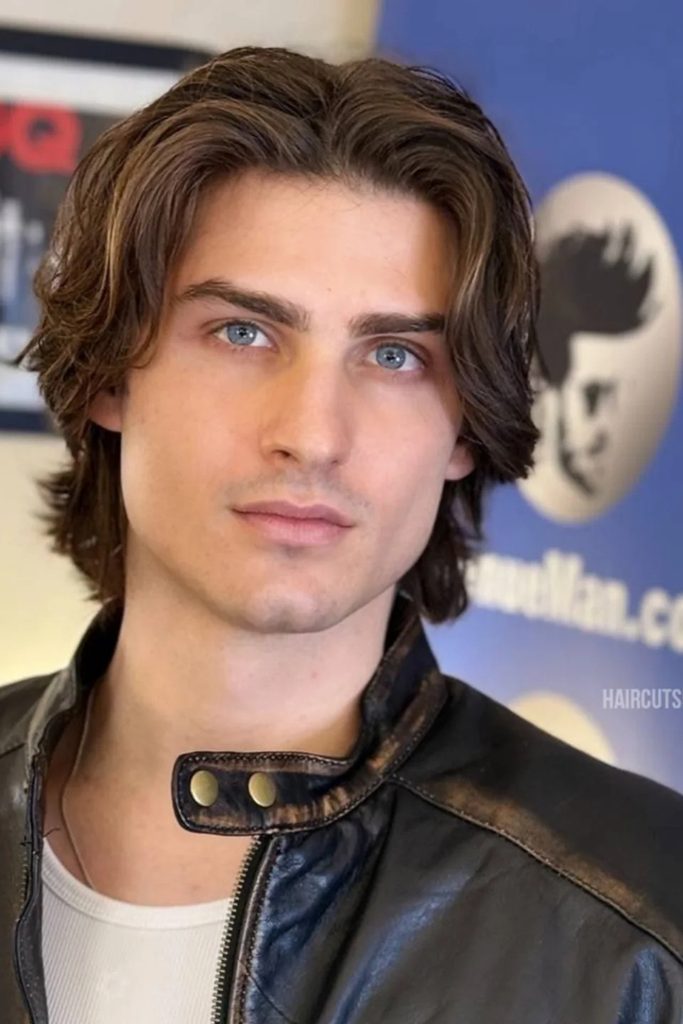
Curly Taper Mullet
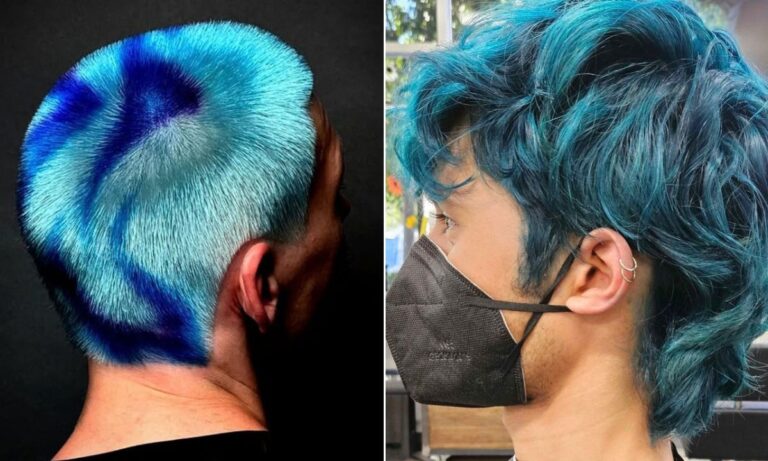
Mullet hairdos work especially well with natural waves, because the texture provides volume through the back, without having to style it too heavily.
T’s cutting around the ears eliminates side bulk, and keeping the lengthier curls behind creates the most visual contrast in the haircut.
“Use a little curl cream through damp lengths and don’t squash the back, as the natural texture creates most of the character.”
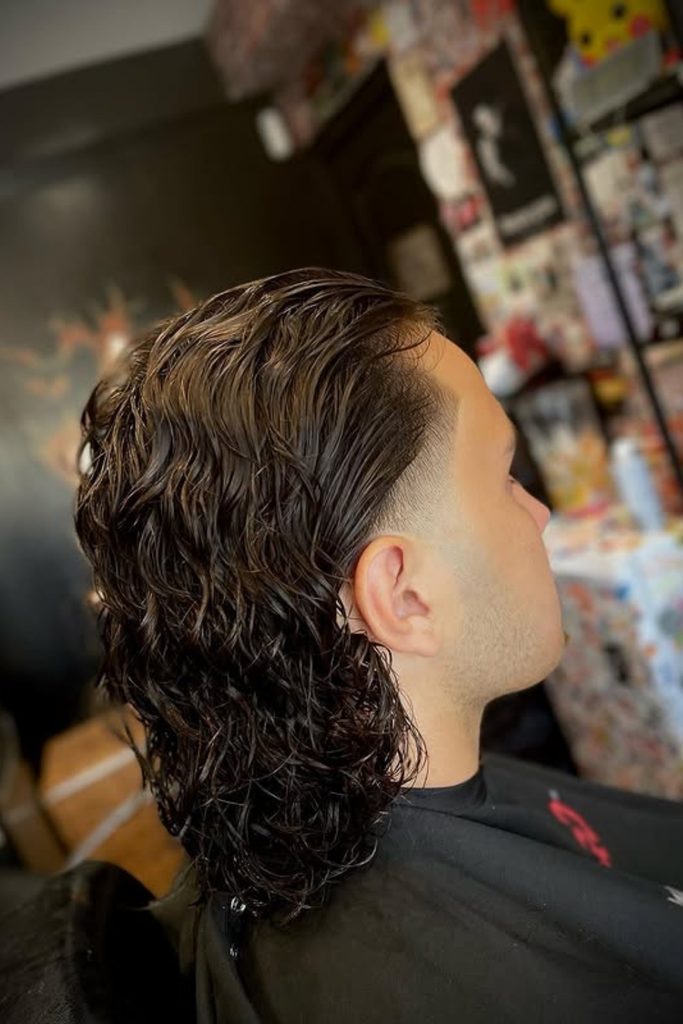
Rounded Curly Layers
Dense curls tend to work better when the cut compliments their natural shape vs trying to make every region the same length.
And the layering at the end spreads the volume over your head so that the curls can separate and not get too heavy underneath.
If you want your finished length to sit below your ears, ask your barber to cut with curl shrinkage in mind.
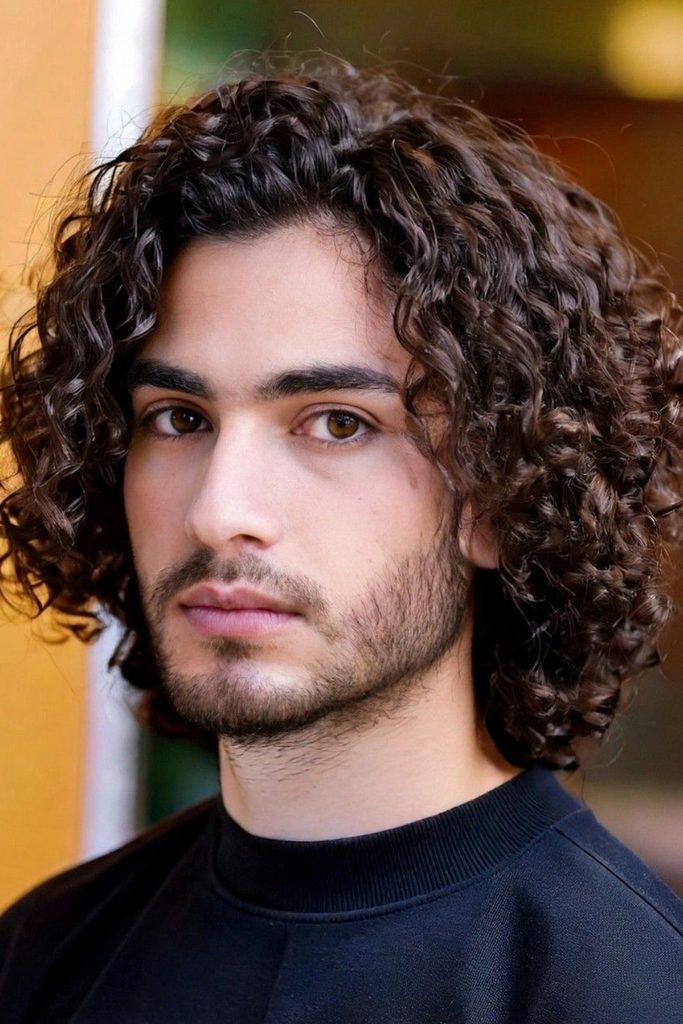
Modern Flow Mullet
You can avoid the mullet look by keeping a lot of length on top, and utilizing a softer taper on the sides.
A backward brush at the front visually links to the longer crown and the extended neckline adds contrast without going overboard.
This is the way to go if you want more mobility up top for longer hair, but want neater edges around your ears and temples.
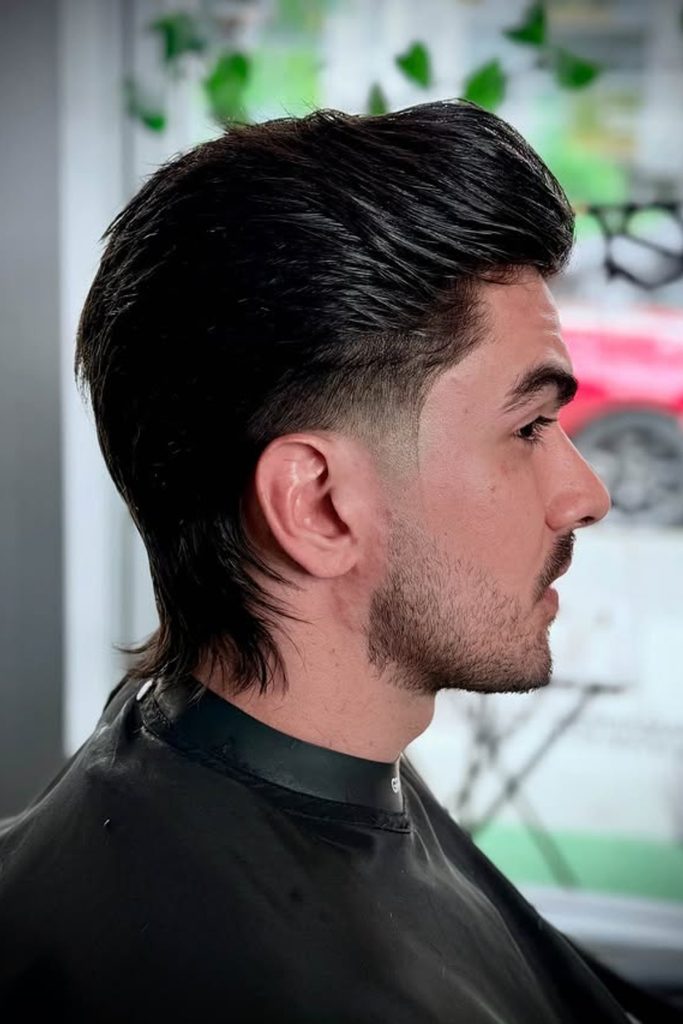
Textured Side Flow
Messy layers work best on straight hair that could use some movement but doesn’t want to sacrifice the casual vibe of extra length.
The longer front pieces fall across your cheek, while shorter layers behind the ear prevent the form from becoming too bottom-heavy.
A bit of texture cream can separate the ends but yet provide enough natural movement for a purposefully undone everyday finish.
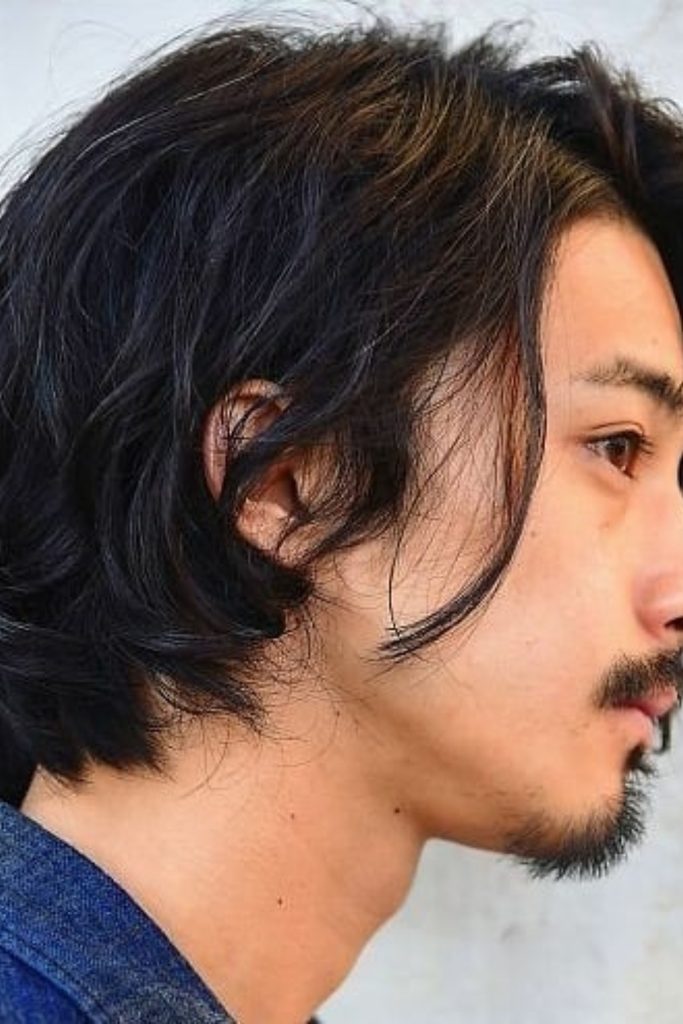
Swept Volume Flow
If you have volume in your medium length hair, sweeping it back from the front can emphasize that volume without revealing too much forehead.
The sides connect the elevated front to the longer back in graduated layers, which creates continuous movement rather than isolated pieces.
Try blow-drying away from your face on a low heat, then use a lightweight product only where the front needs added direction.
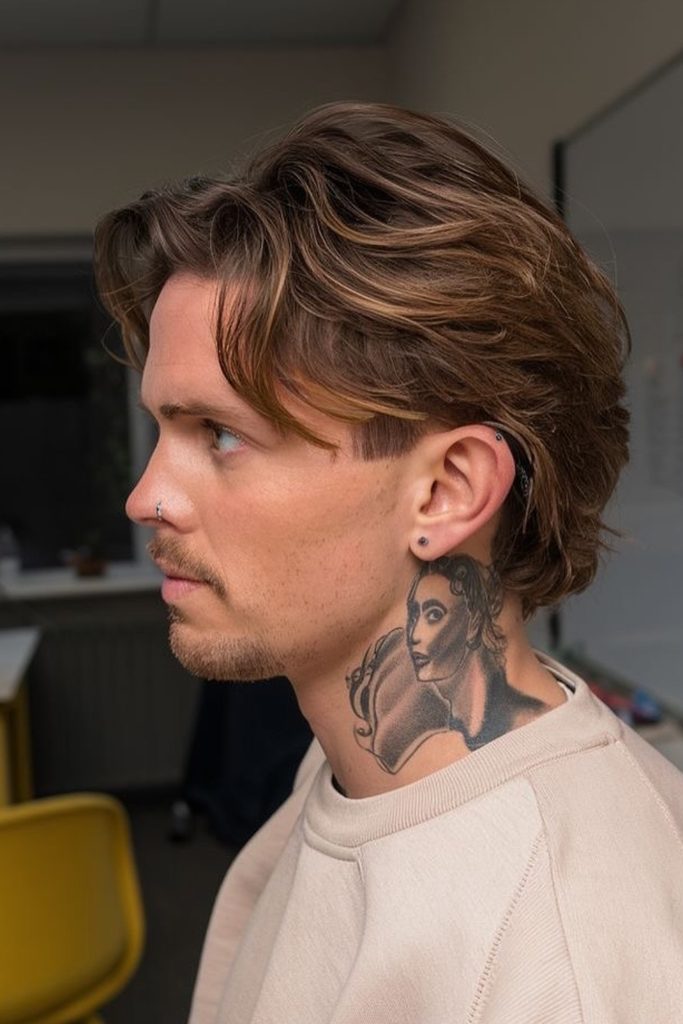
Long Flow Mullet
Extra length through the back can make a typical flow haircut a little stronger, without the need for extremely short sides or fades.
Turn the top inside out for a neater division around your face and the long neckline will become the center of attention from the sides.
Ask for controlled layers through the back so the ends slide smoothly and don’t clump into one heavy-looking area.
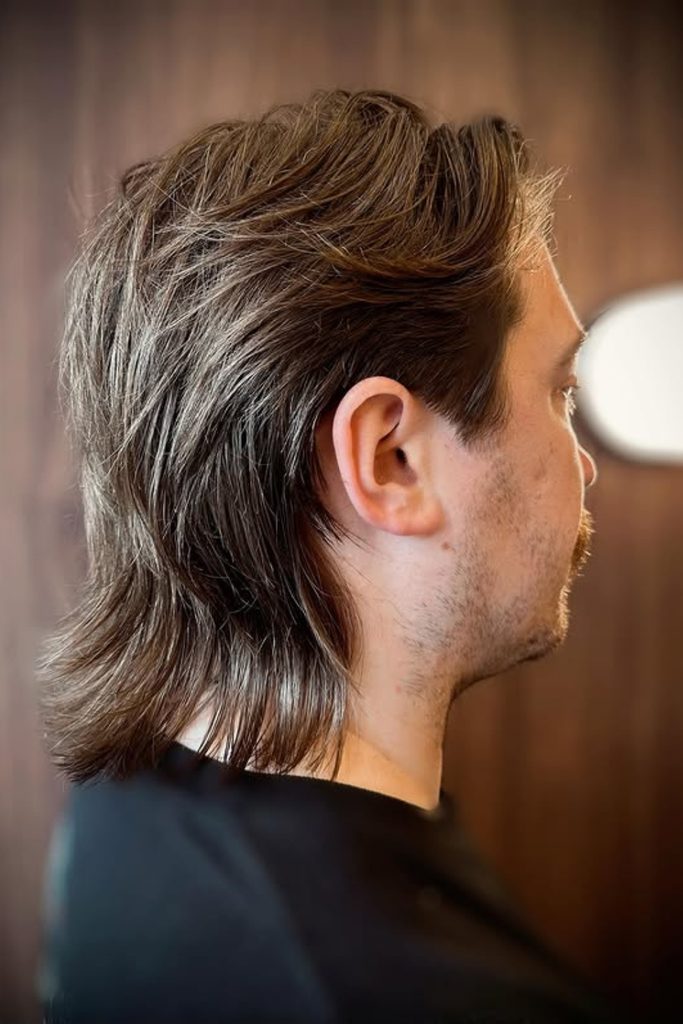
Layered Bro Flow
Strategic layering is great for thick, medium hair because reducing the internal weight allows the sides to sweep back, instead of pushing out.
Make sure to leave sufficient length around your temples and ears for that flowing link from the front into the longer neckline.
This form is particularly effective with straight or soft wave texture, where the layered movement can be shown with brushing alone.
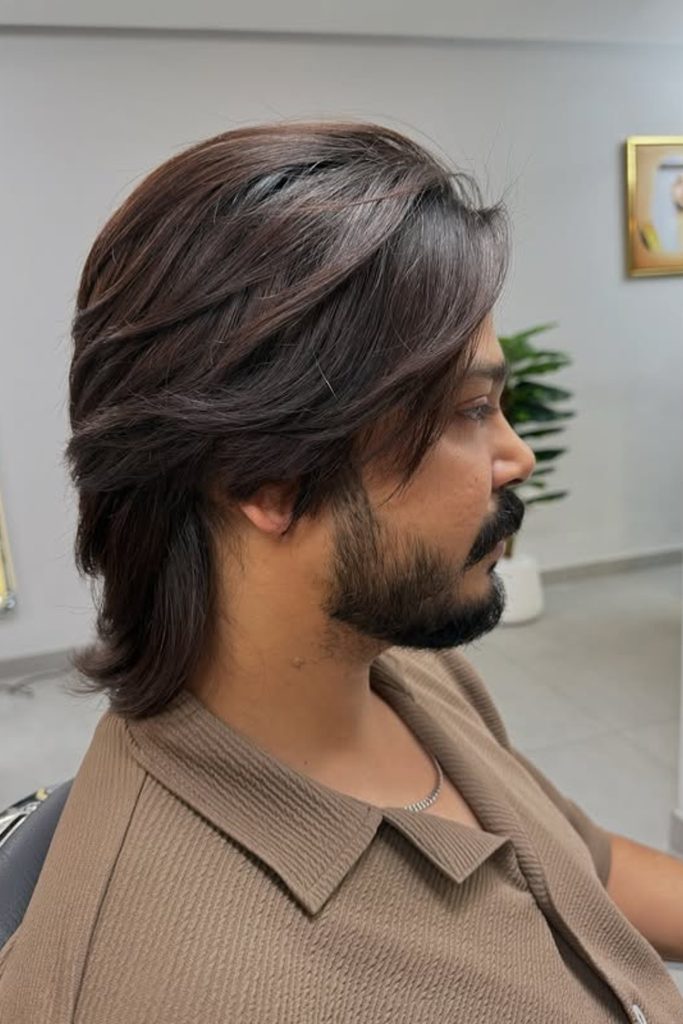
Slicked-Back Flow
When straight hair begins to awkwardly sit around ears, pushing everything back can help make that growing-out stage feel a lot more intentional.
Make sure there is enough length in the back for natural mobility, clean up lightly around the side burns so the silhouette doesn’t look untidy.
Apply style cream to moist hair and comb loosely back, letting the ends around your neckline separate rather than lie flat.
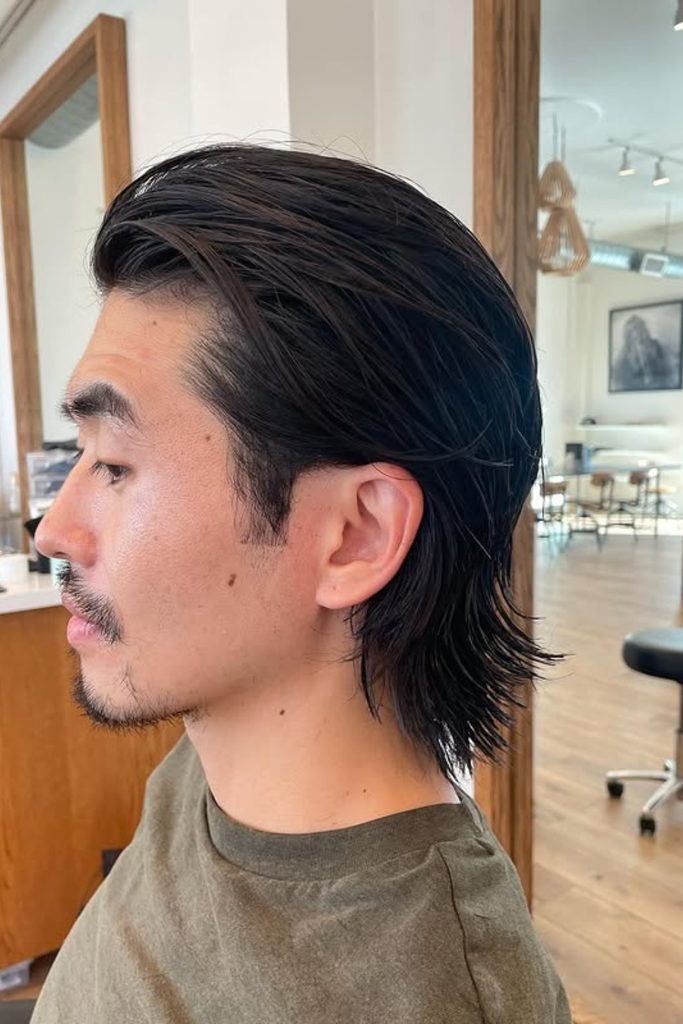
Tapered Wet Flow
A soft taper around the ears can sharpen medium-length hair without surrendering some of the longer bits you’ve been developing through the crown.
Pull the damp-looking top back and to the side a little, allowing the lengthier back fall naturally instead of pulling every strand into position.
If you want separation and control that you can see but you don’t want a heavy finish, opt for a lightweight styling cream instead of a heavy gel.
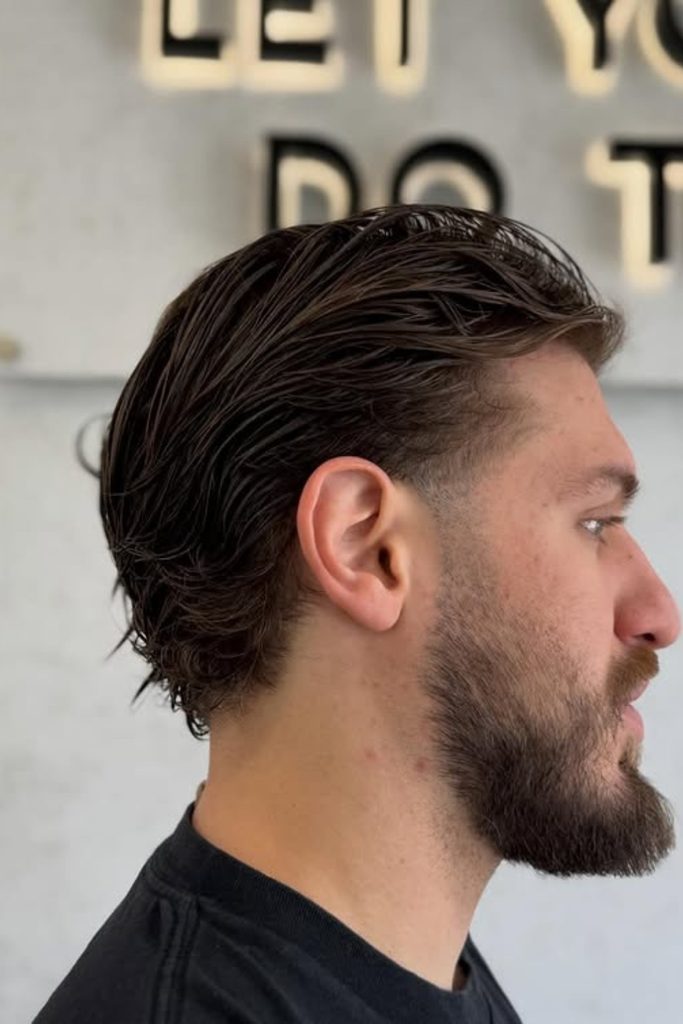
Feathered Long Layers
Long straight hair may get heavy at the bottom fast, so feathery layers assist disperse movement along the sides and around your shoulders.
Notice how the ends curl in opposite ways, giving dimension without dramatic roughness or visibly shorter parts.
If you want this kind of movement but don’t want to lose too much of your length, ask for lengthy blended layers with regulated weight removal.
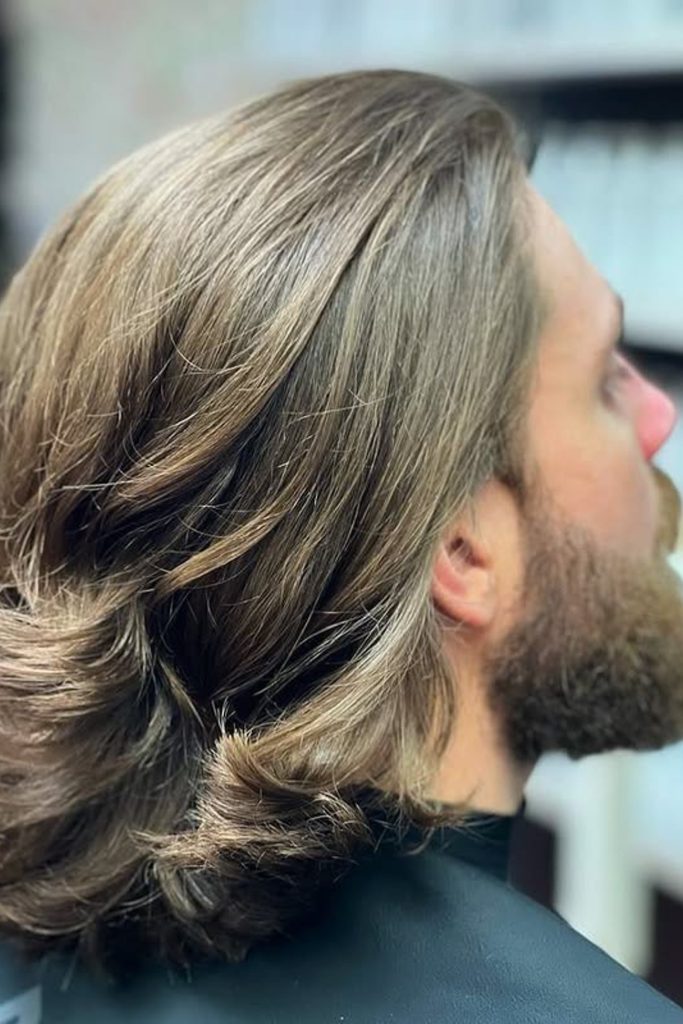
Loose Swept Back
Not all long haircuts demand precise symmetry, and letting one portion of the front down can make swept back hair feel a lot more relaxed.
Then just push most of your hair away from the forehead and let the natural part determine where that softer front portion goes.
A light style product offers enough control around the roots, however lets the longer front move throughout the day.
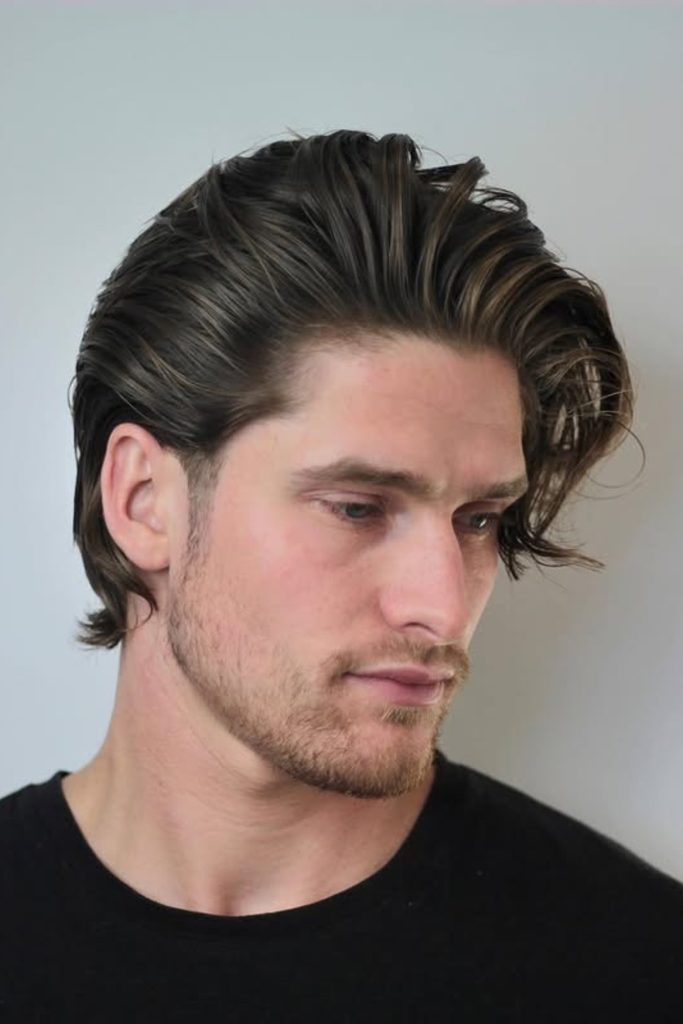
Shoulder-Length Flow
When your hair is shoulder length, natural volume on the sides can give you a strong form without a lot of tedious everyday styling.
Let the front sweep backward from a loose part, opening up your face while letting softer parts do their thing.
Long blended layers can take away extra thickness at the ends while maintaining the broader feel that makes this length work.

Feathered Long Hair
Feathered layers offer movement to fine straight hair at longer lengths, which can look lifeless, without taking away from your overall growth progress.
Shorter sections around the face merge into shoulder-length ends, encouraging the hair to move rather than hang in a straight curtain.
If you want separation but still want to keep a discernible density around the edge, ask for light layering through the lower half.
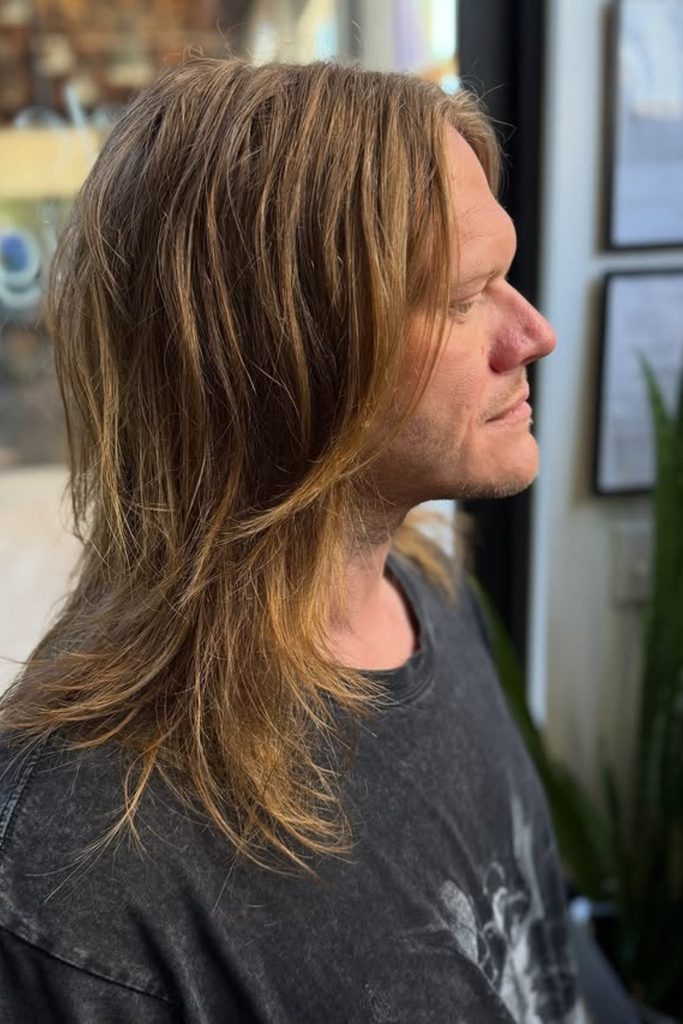
Shaggy Mullet
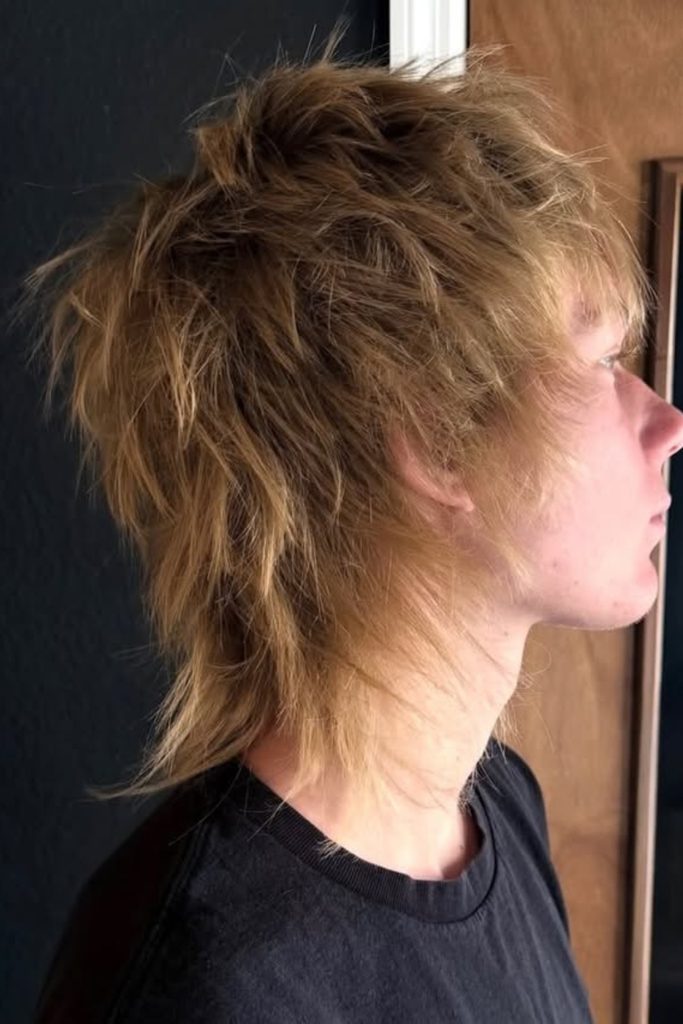
A shaggy mullet is different from polished flow cuts since its character is to have uneven texture and apparent separation.
Choppy layers through the crown add height and movement, while lengthier wispy elements at the neckline enhance the disjointed silhouette.
“Use a little texture spray on dry hair and work it through loosely instead of smoothing everything down.”
FAQs
How Often Should Men With Long Hair Get a Trim?
You can also get a mild trim every couple of months to get rid of damaged or broken ends and keep up your development.
The ends become unmanageable, that is often a better indicator to arrange a trim than sticking to a rigid schedule.
How Do You Stop Long Hair From Looking Flat?
First, avoid heavy products that weigh your hair down, especially if you have naturally fine strands.
Long layers take strategic weight off, resulting in increased flexibility around the crown and sides.