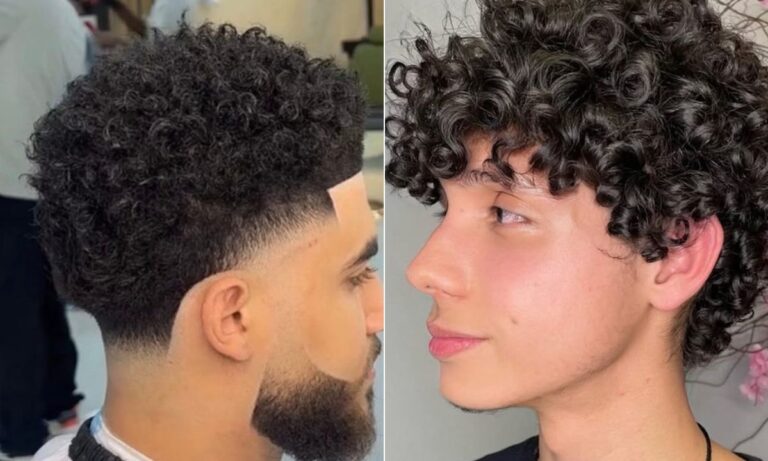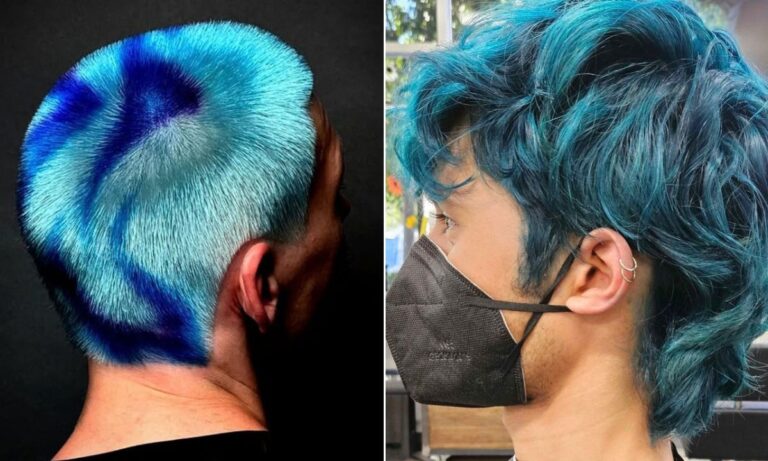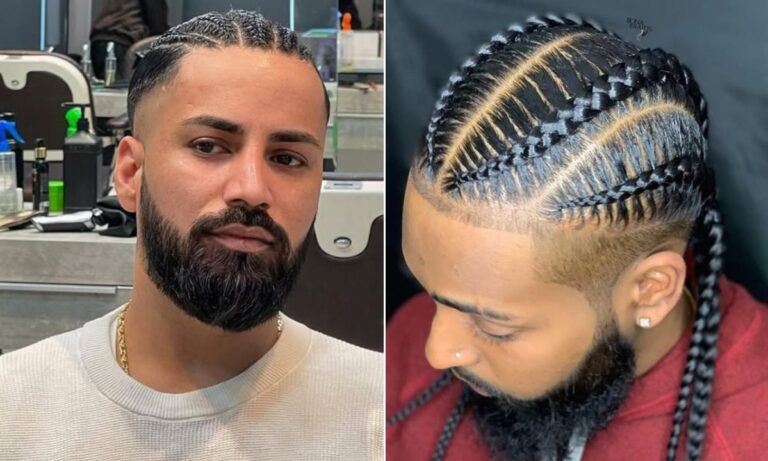
The main factors in getting a mullet that appears sharp and not odd is usually length, texture and shape.
Modern mullets allow for a lot of hair experimentation, whether you want fading sides, natural curls, untidy layers.
How much length you preserve through the crown and back also depends on your hair density and styling technique.
In this post, you will get practical suggestions and ideas for men with a mullet hairstyle .
How Do You Choose a Mullet That Works With Your Natural Hair Texture?
When choosing a mullet from a reference photo, start with the way your hair naturally falls.
Layered or shaggy mullets can be fine without a lot of daily styling as wavy hair already has a movement.
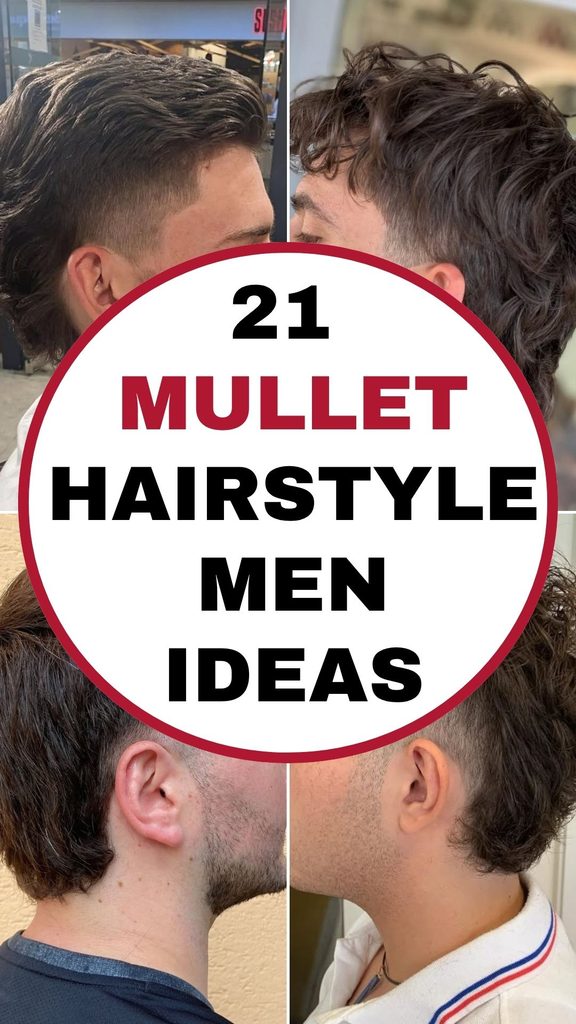
There needs to be adequate length through the top and back to let the curl pattern to form and tighter sides assist contain any extra volume.
If you’ve got straight hair, ask for texture and strategic layering, so the cut doesn’t sit flat or heavy.
Clean Fade Mullet
If you want a back that looks long but not too long, keep some weight at the crown for a regulated transition.
Get a crisp fade around the ears, but leave the rear fuller so the mullet still has definition.
Having the top naturally textured means this shorter variant is simpler to style without heavy products.
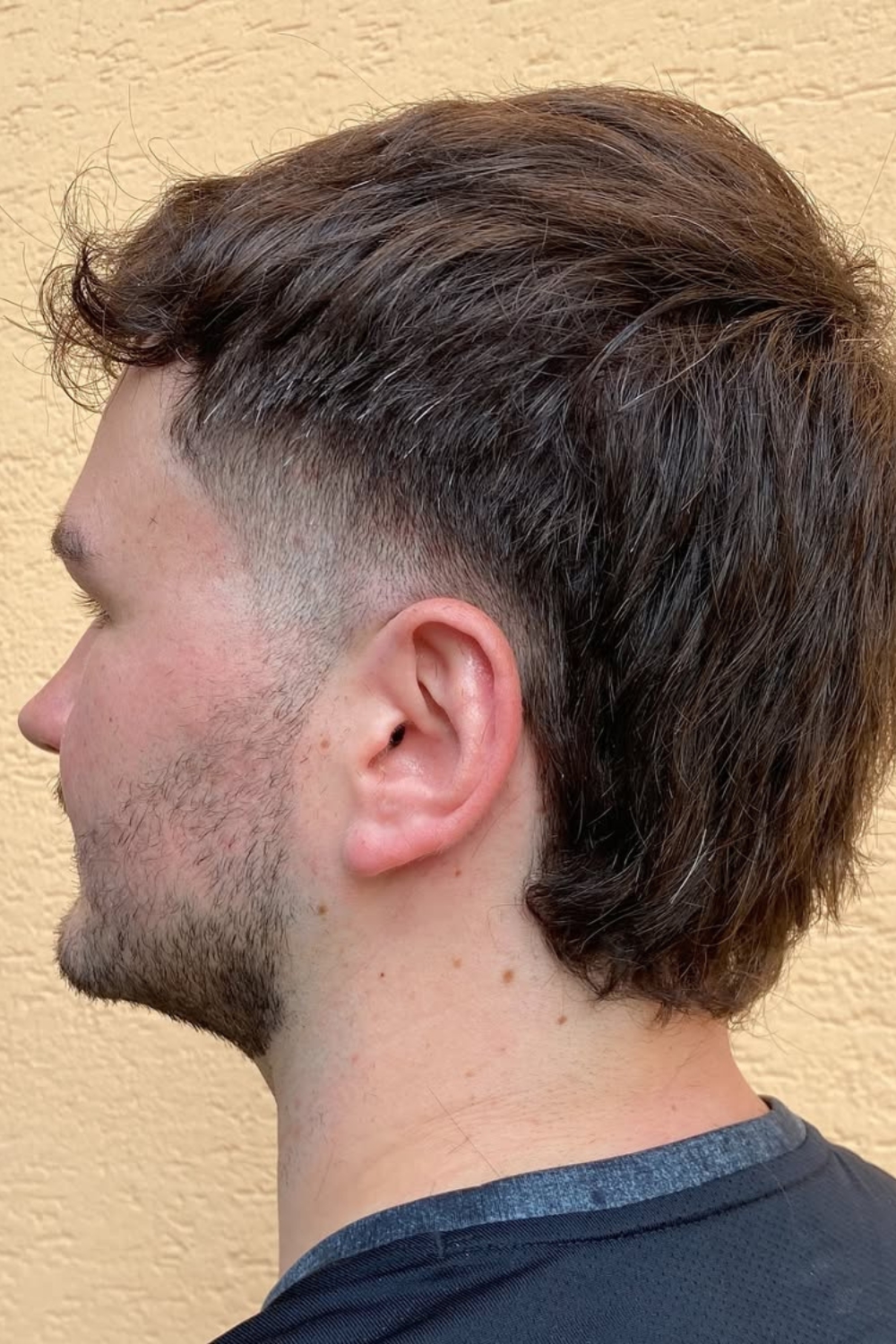
Soft Taper Mullet
For a cleaner everyday mullet, keep the sides tapered, rather than exposing too much skin all along the side.
A medium-length strand going through the top allows enough flexibility to naturally link up with the longer piece behind your ears.
When needed, use a lightweight styling cream, as a softer separation works better here than a hard or severely molded texture.
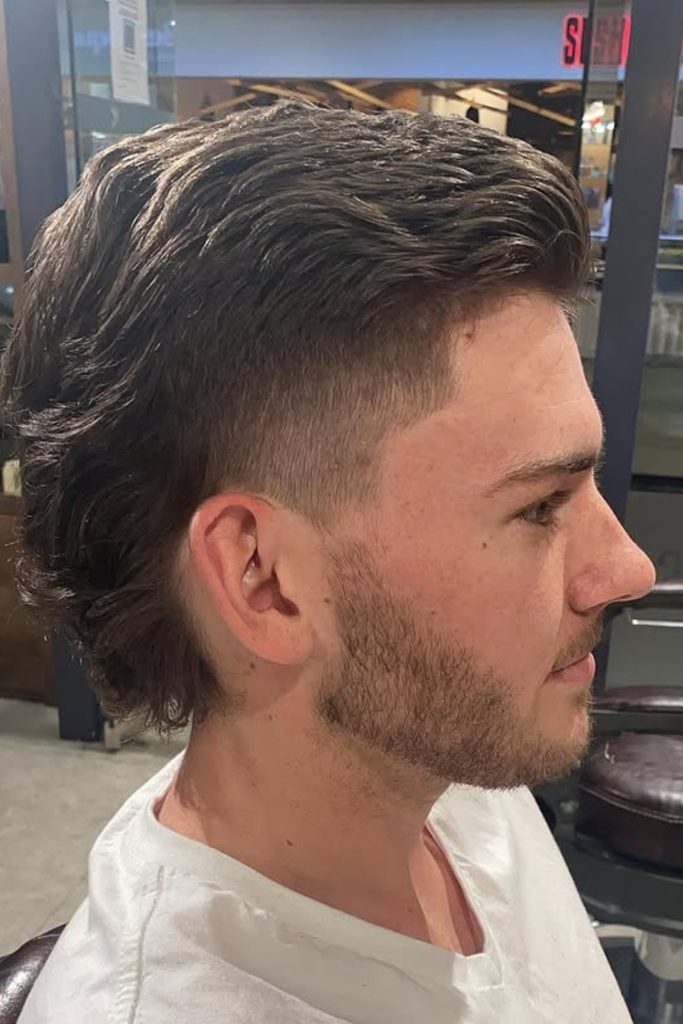
Curly Burst Mullet
If you have natural curls they’ll give you most of the volume, so don’t take too much length off the crown.
A fade that curves around your ears takes away unsightly bulk, but leaves the curls behind your ears visibly larger.
Allow the back to have some natural movement and opt for curl cream instead of combing everything into a uniform shape.
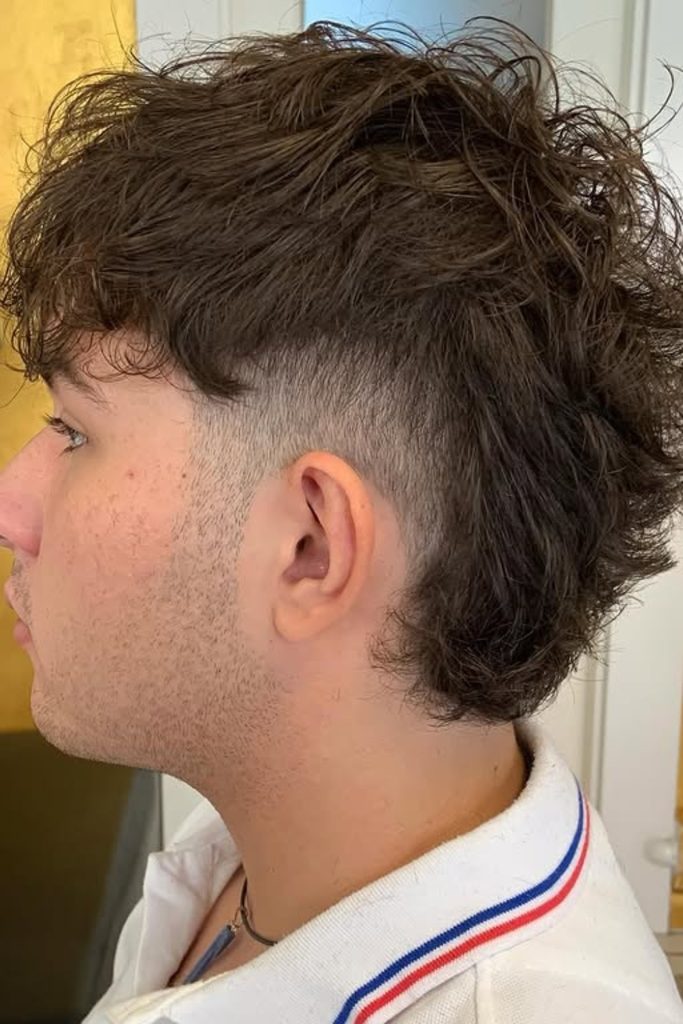
Flowing Mullet
If you already separate and bend your waves easily, getting extra length through the rear works exceptionally well.
Don’t fade too high since you want to keep some length above your ears so the lengthier pieces can link a little more neatly.
Work a little style cream through damp hair to free up the definition, then allow your natural movement to take over.
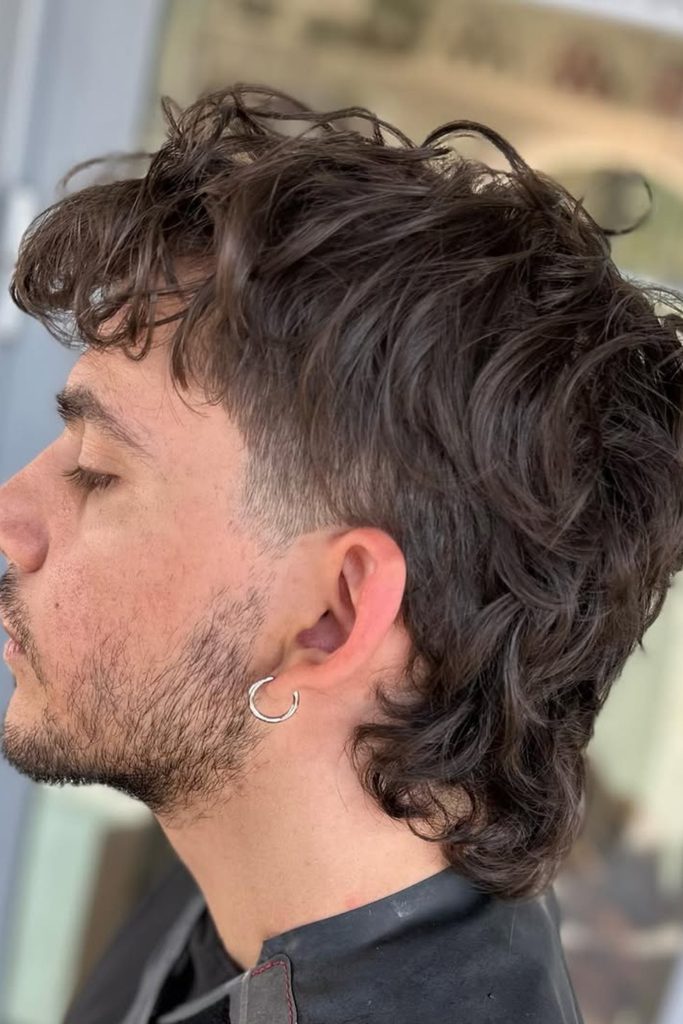
Long Wavy Mullet
Extra back length is preferable when you allow natural waves to create separation instead of forcing everything into a uniform shape.”
Keep the sides much shorter to create a contrast, but leave enough length on top for a smooth transition.
A spray with a light texture can highlight each individual wave, while allowing the longer ends to remain fluid, instead of stiff or weighed down.
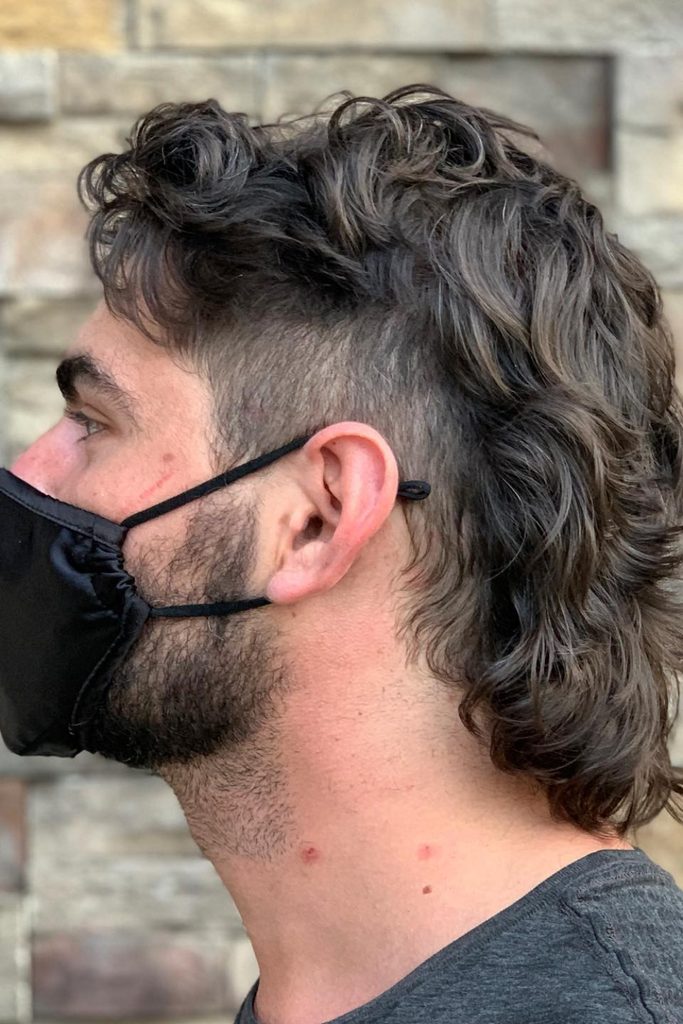
Rounded Curl Mullet
When your curls naturally build volume, let that fullness be part of the shape, instead than thinning everything aggressively.
A targeted fade around your ears allows curls above and behind them enough room to preserve their definition.
Ask for careful back layering so that individual curls fall organically, rather as one hefty block of hair.
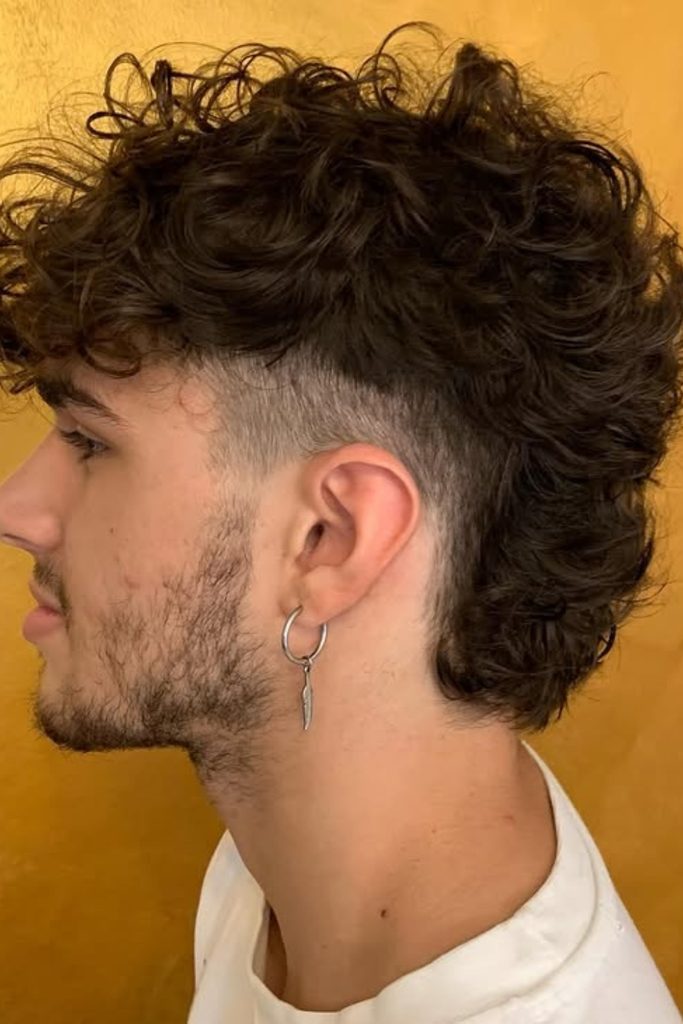
Cropped Burst Mullet
Not prepared for a long tail? Sides faded tight, you can still get mullet contrast with a cropped back.
Keep textured length on the top and along the edges so that the shorter back portion looks continuous, and not visually separated.
This shorter method also offers you freedom to slowly grow the back out without committing to collar-length hair right off the bat.
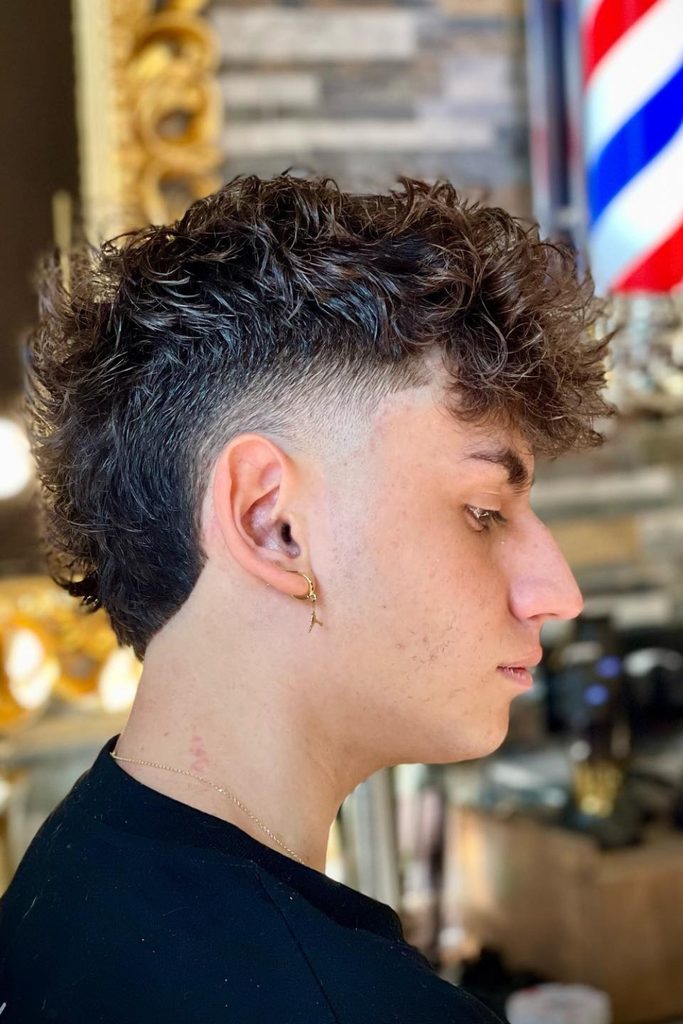
Short Textured Mullet
Instead of cutting everything equally, keep some extra length behind the ears and you’ve got a mullet shape, which might be a shorter hairstyle.
Ask your barber to maintain it low enough that the textured top flows smoothly going toward the rear.
To style everyday, lightly work matte paste through the top so separation remains visible without making shorter strands stiff.
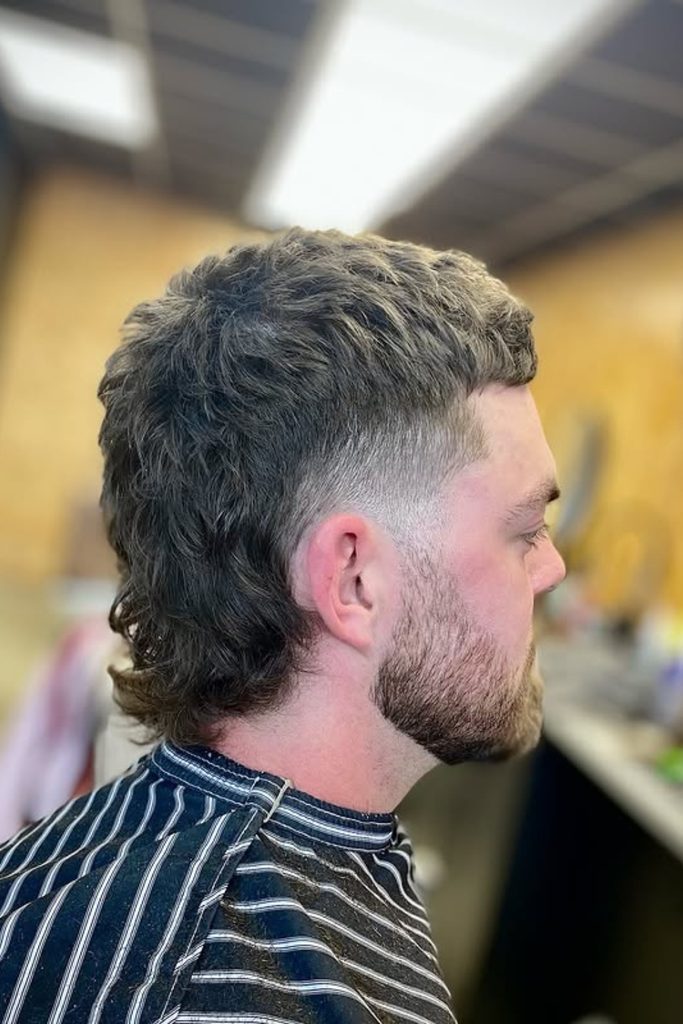
Wet Texture Mullet
If you have loose waves, the extra length in the back really makes that natural movement stand out.
Don’t over-thin the back, keeping a little density will help the longer areas look fuller and less feathery.
Work lightweight styling cream through damp hair and finger through to separate parts for relaxed definition without stiffness.
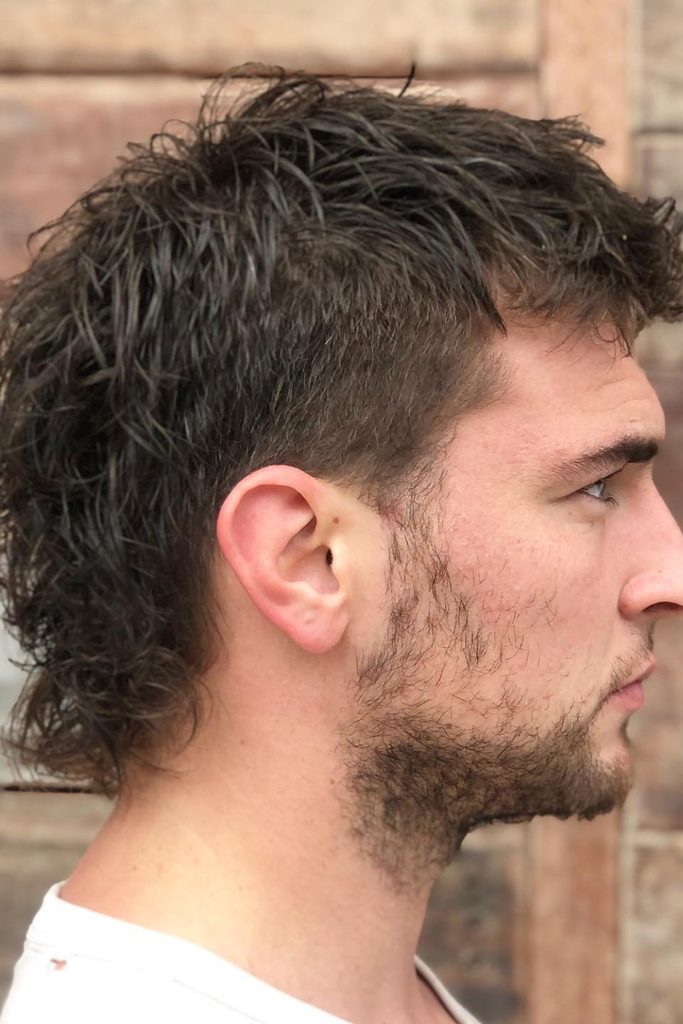
Curly Fringe Mullet
Curls that fall forward across the forehead balance the longer back and provide character to the cut at every angle.
Keep the area around your ears tightly tapered, so the bigger curls above can pop with too much side bulk.
Don’t flatten out the fringe with a blow dry, instead use curl cream and finger styling to keep its natural bends and softer separation.
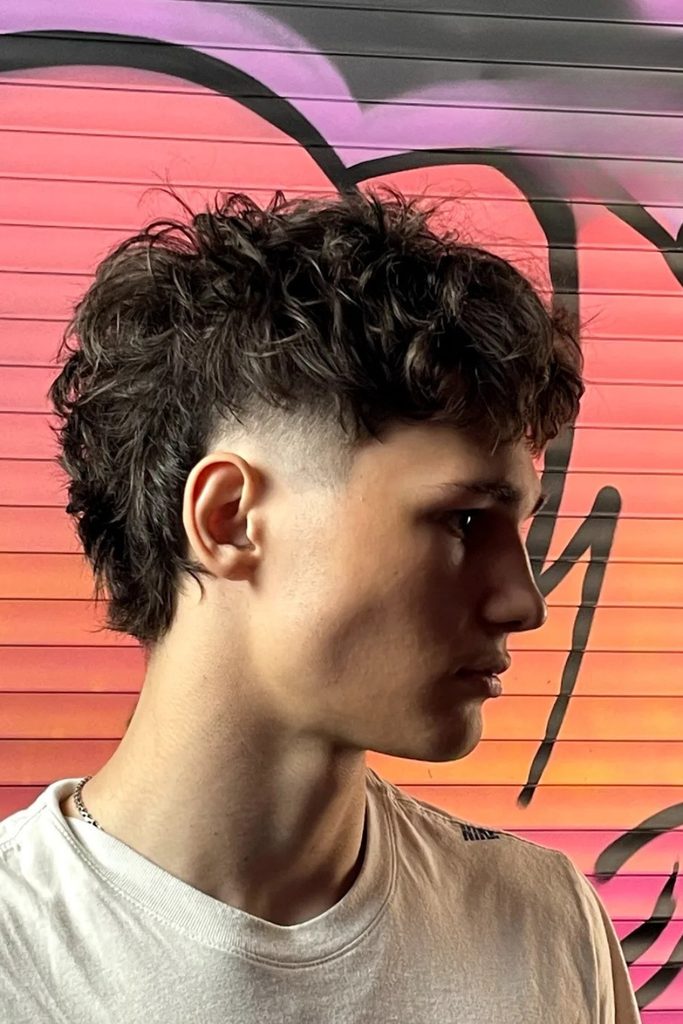
High Contrast Mullet
Want the mullet more pointed on the side? The bold contrast of textured hair against faded sides is exactly what does it.
Allow enough length in the crown and rear to prevent the tight fade from overwhelming the overall mullet form.
Apply a little amount of matte product through the top, focusing on separation rather than perfect, uniform spikes.
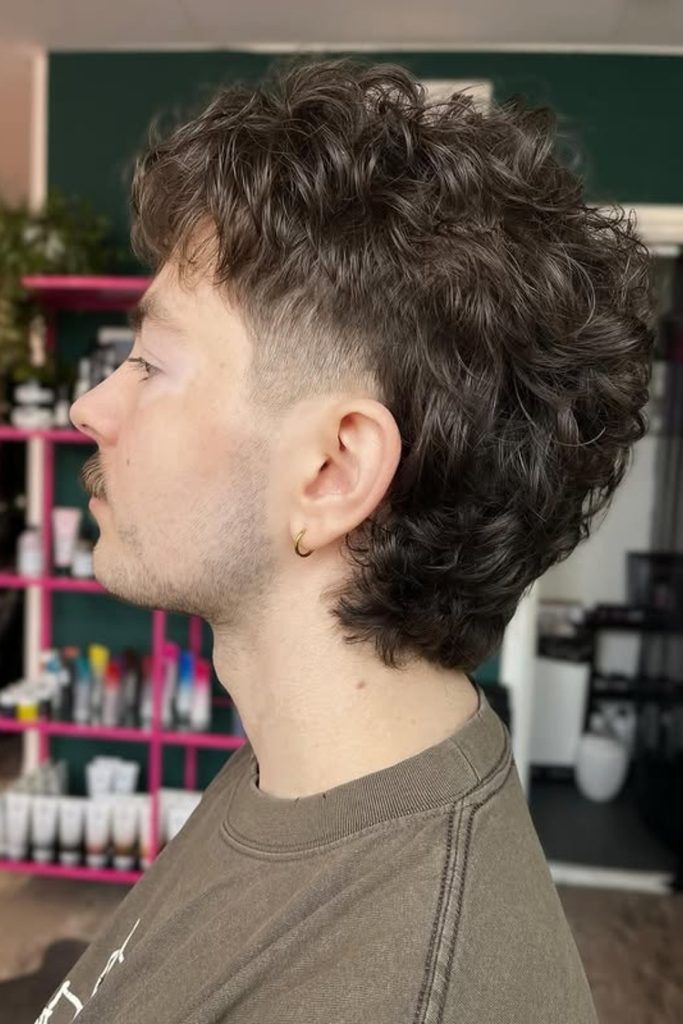
Brushed Back Mullet
If you have longer straight or wavy hair you have enough weight to sweep the top back instead of wearing a fringe.
You could want to ask your barber to leave some length behind your ears to help with the transition to the wider collar-length back.
A lightweight cream can manage flyaways, while leaving the areas that have been brushed back flexible enough to flow freely during the day.
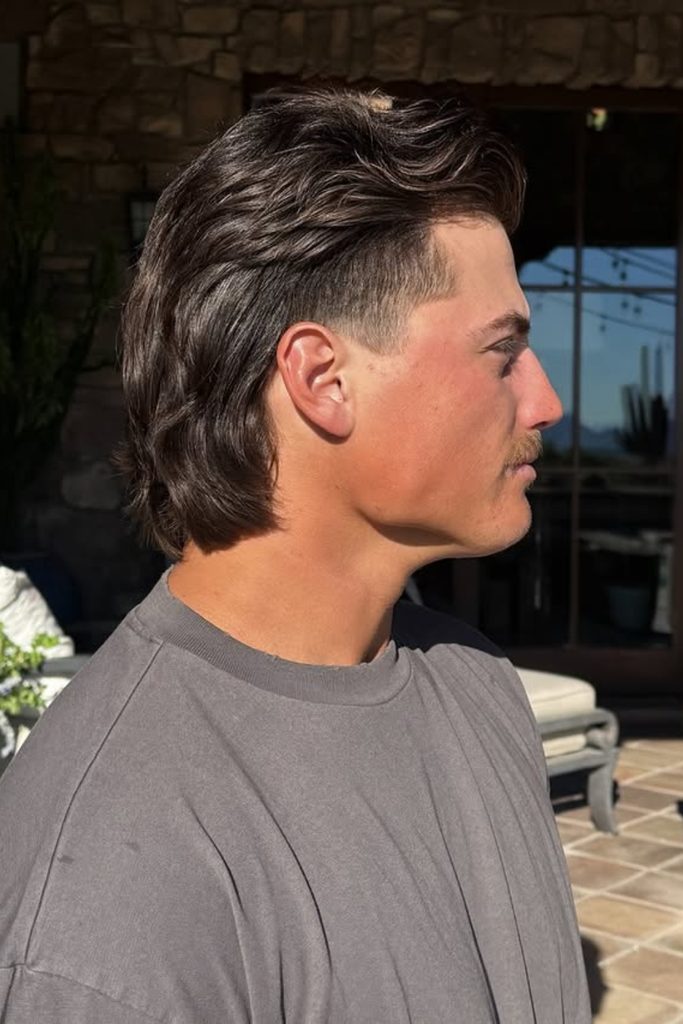
Sharp Fringe Mullet
If you choose clear lines over free texture in the front, a straighter fringe might give your mullet more structure.
Keep the sides near faded but keep weight above the sides so the longer back is still connected through the crown.
Allow some natural flexibility in the back which keeps the sharper front edge from making everything feel too rigid.
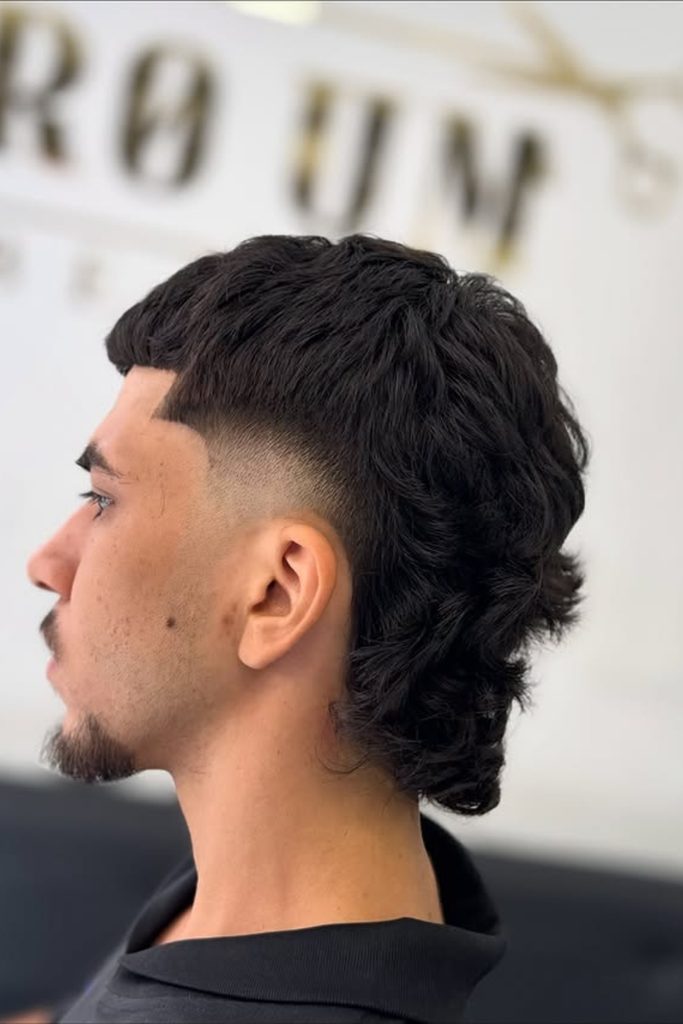
Minimal Mullet
If you want a mullet without having to grow a lot of length, maintain the back a little longer than your fading sides.
This is easier to manage with less texture on the crown, especially if your straight hair tends to sit heavy.
Ask for a slow fade toward the nape so the additional length in the back is deliberate and not just abruptly severed.
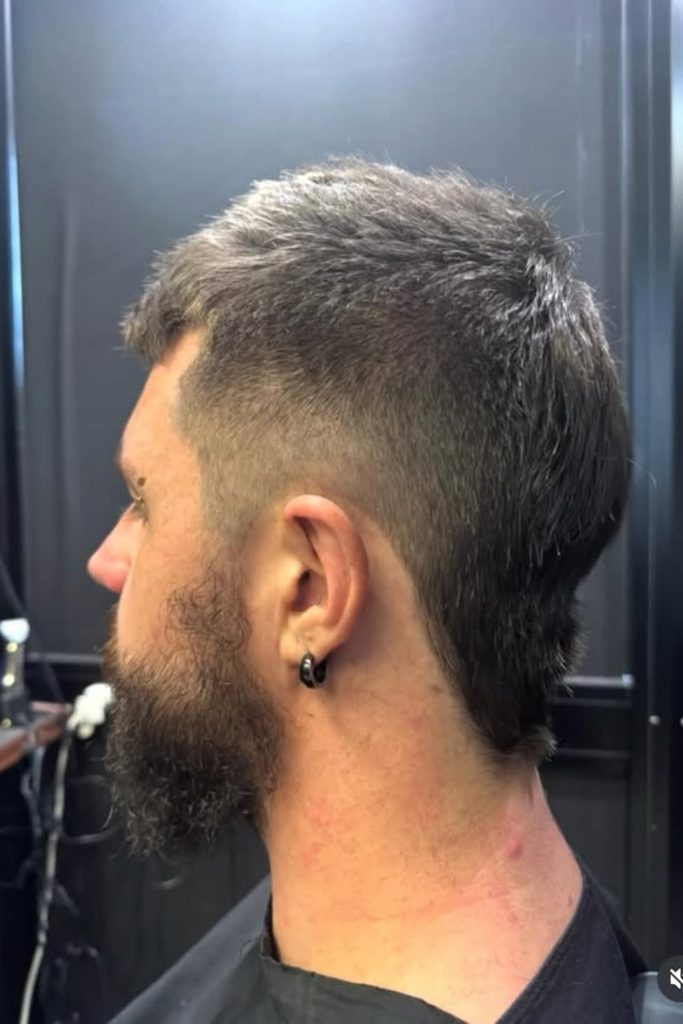
Slicked Mullet
Longer hair is easier to manage if you pull the top back and let the rear flow naturally.
Keep the sides neatly tapered around the ears to reduce bulk while leaving enough of length through the back.
Apply a light cream to damp hair and comb loosely backward, avoiding heavy product that can make longer parts look greasy.
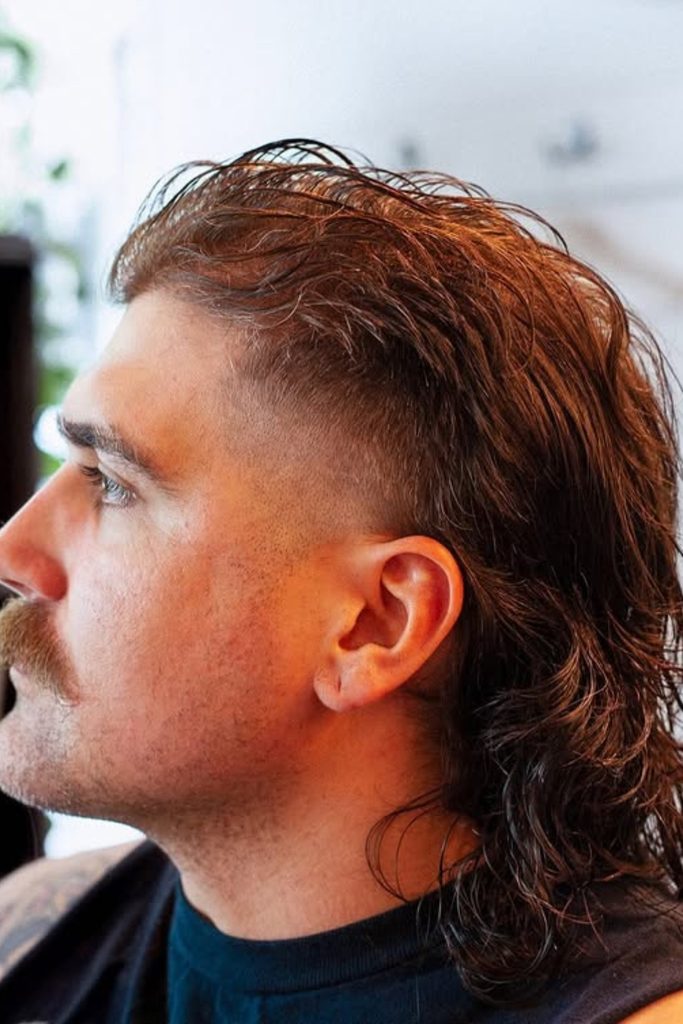
Relaxed Fringe Mullet
When you want softness in the front without compromising apparent length through the back, a loose fringe is great.
If your waves get heavier toward the neckline, ask for gradual layering from the crown and working its way down.
air-drying can maintain that laid-back look, while a small quantity of cream helps to tame frizz without flattening your movement.
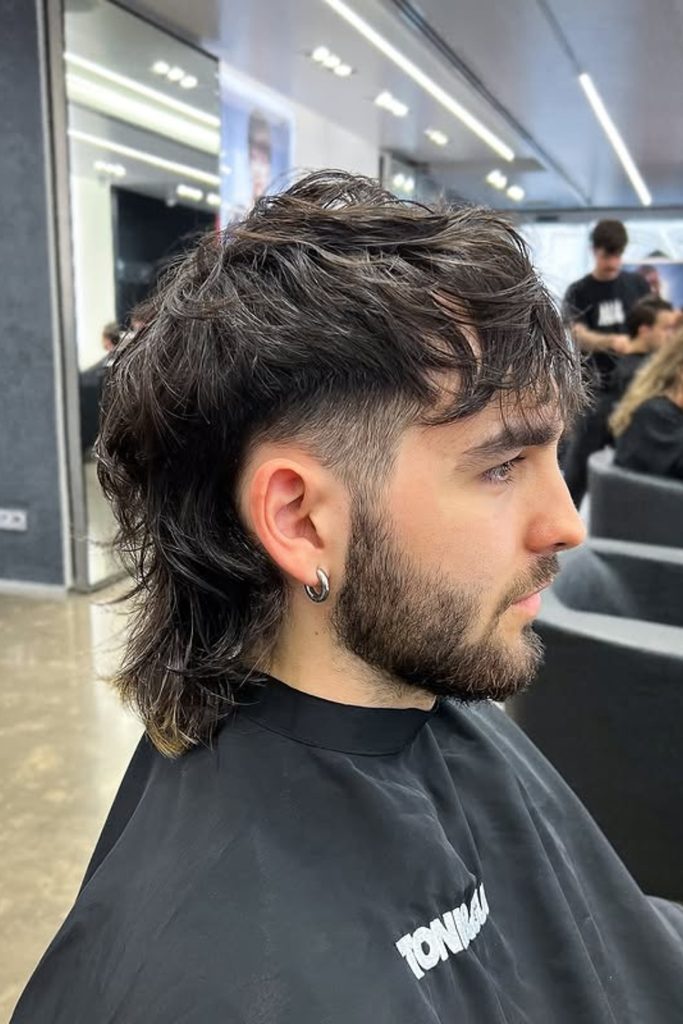
Spiked Mullet
For a more dramatic definition, bring the top and back up, making lesser lengths of mullet seem a hell of a lot more intense.
The tight fade removes the side volume and provides enough contrast to make those lengthier textured portions the center of attention.
Look for a lightweight matte product with working grip and pinch individual pieces instead of extensively coating each strand.
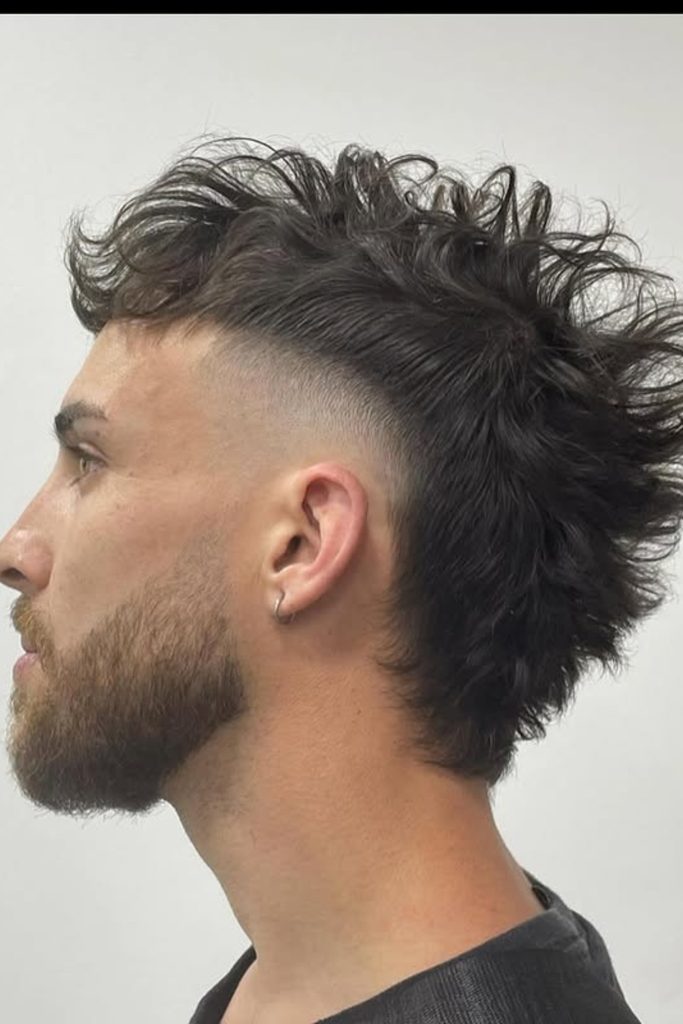
Long Curl Mullet
The curls will naturally grow toward the neckline, so maintain back length broad so that every curve has room to form.
A close fade at your temples will remove the side weight without interfering with the larger curls that travel down the back.
For longer curls, a splash of water and curl cream can help refresh them, scrunching softly instead of brushing out their definition.
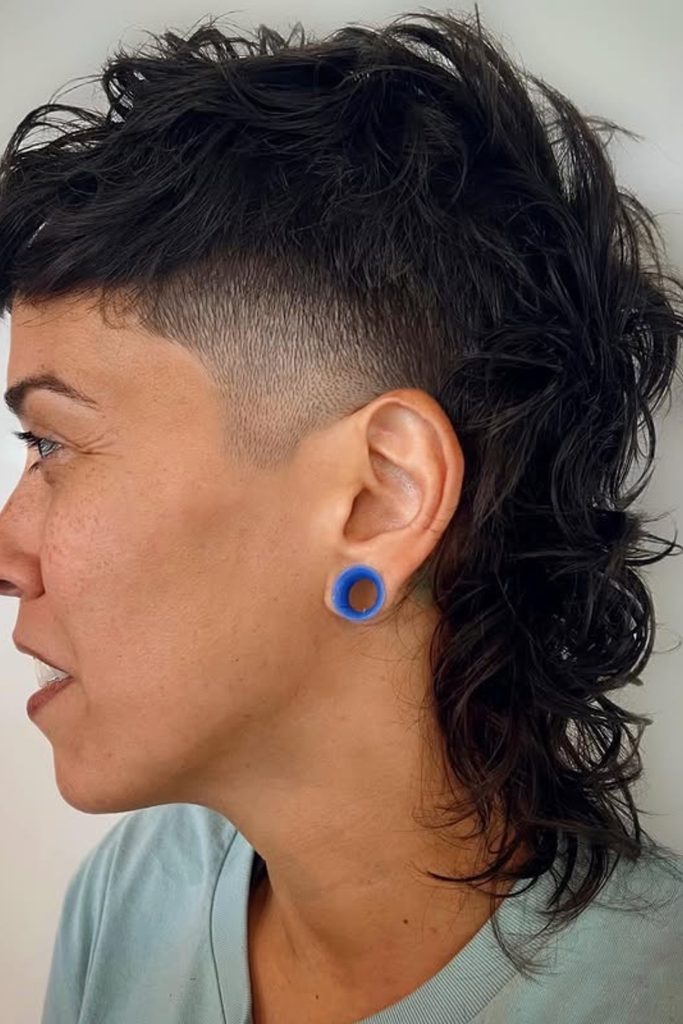
Tousled Taper Mullet
For thick hair that gets heavy fast, a taper on the side takes away thickness without making the contrast too harsh.
Keep plenty of textured length on top so that tousled bits will meld in organically with the broader back shape.
Don’t load product, rough dry with fingers and add matte paste only where you need extra separation.
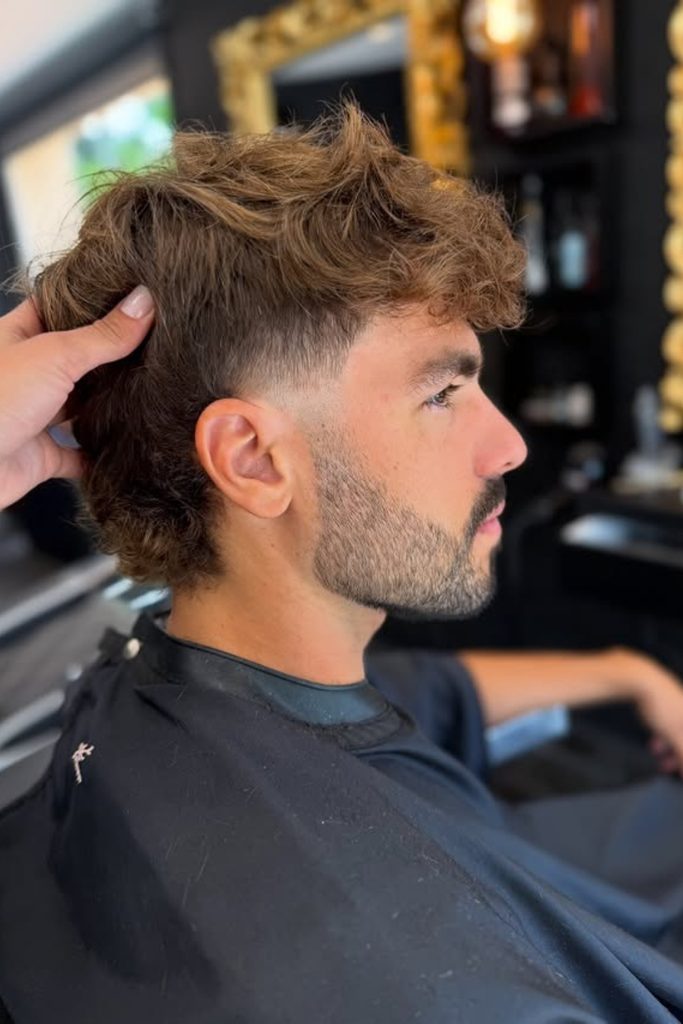
Layered Shag Mullet
If you want to have a notable back length without a dramatic faded sides exposure, softer layering is worth trying.
Allow lengthier lengths around the ears and neckline to hang freely and give the haircut a relaxed, grown-in contour as it moves.
Lightweight cream helps tame flyaways if your hair’s already a little bendy, but still lets those loose layers shine.
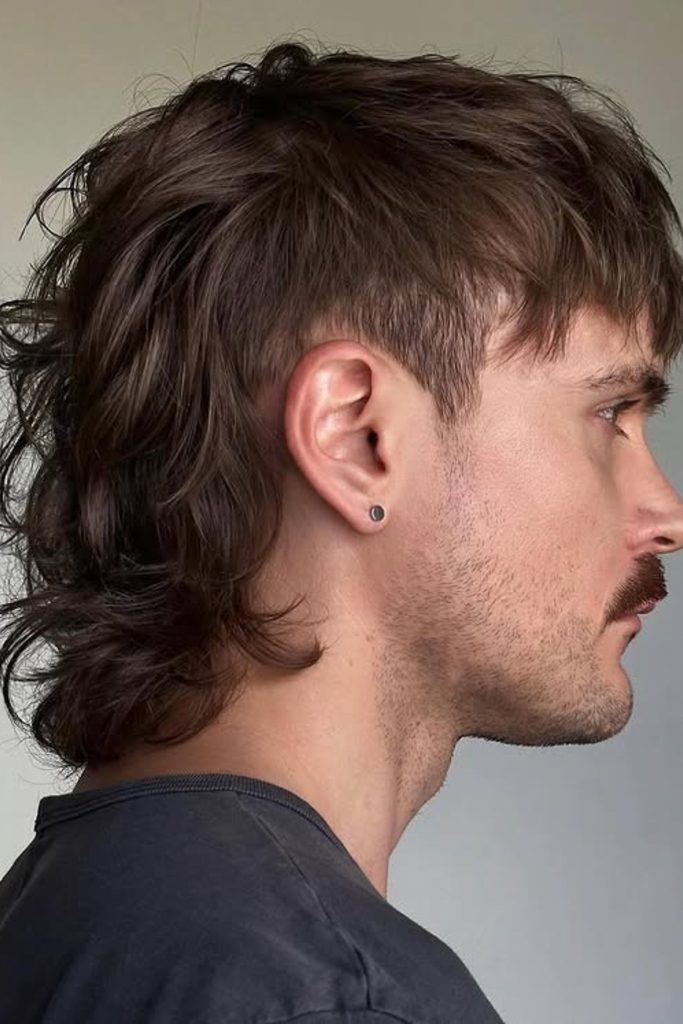
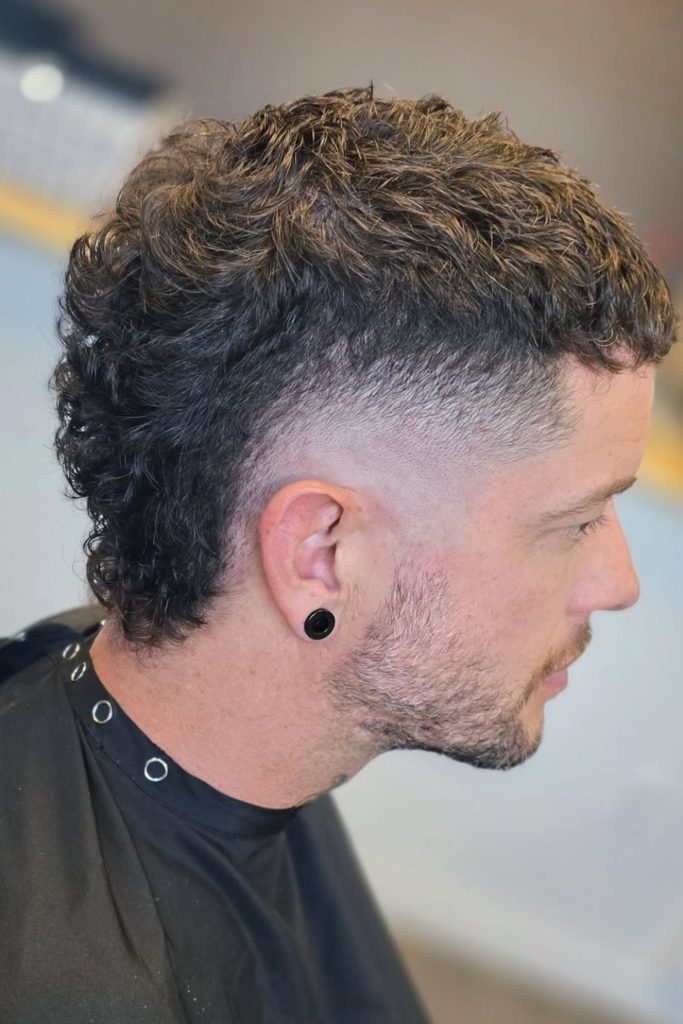
Curly Mohawk Mullet
You can go for more side contrast with tighter curls, especially if you want the mullet to have a bit more of a sharper mohawk impact.
Request the fade to go around the ears, but keep the textured strip from crown to nape.
maintain curl definition using a lightweight cream, as heavy treatments can flatten shorter curls and weigh down their natural volume.
FAQs
Can You Get a Mullet With Straight Hair?
Yes. Straight hair can look good with a mullet but it all depends on the appropriate layering.
Ask your barber to texture the top and back instead of thinning everything down a lot.
How Do You Grow Out a Mullet Without Losing Its Shape?
Let the back grow out, but get your barber to clean the sides, fringe and thick sections when needed.
Regular shaping helps the crown meld into the lengthier back, without losing the length you’ve been waiting for.