Your son is probably too old to be letting you just pick his haircut, especially if he already understands what looks nice to him.
The tricky aspect is choosing a hairstyle he likes that also works with his natural hair, school schedule and sports.
A fantastic inspiration pic can easily become a frustrating one if the texture, length or maintenance isn’t to his liking.
Here are preteen boys hairstyles that will help you to match his increasing personal style and everyday practicality in this article.
How Can You Choose a Preteen Boys Haircut?
If you want a haircut that still looks good after the first wash, start with how his hair actually behaves, instead of just picking from a photo.
Straight hair can take clean splits, fringes and textured crops. Wavy hair already has movement that works nicely with layers.
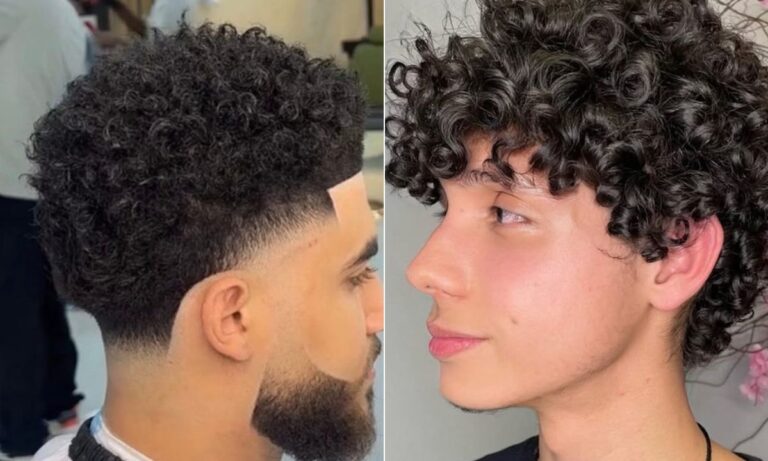
As a rule, you want to leave enough length on top for curly and coily hair to show the natural pattern.
Thick hair may require layering or texturizing to handle excess mass, while fine hair could look flat if too much weight is taken out.
Side-Swept Fade
For personality and a neat cut, leave enough length on top to sweep to the side easily.
Ask your barber to give you a nice skin fade with a light shaved design, especially if school restrictions allow it.
Straight or slightly wavy hair is really good here, just a touch of product to keep the direction.
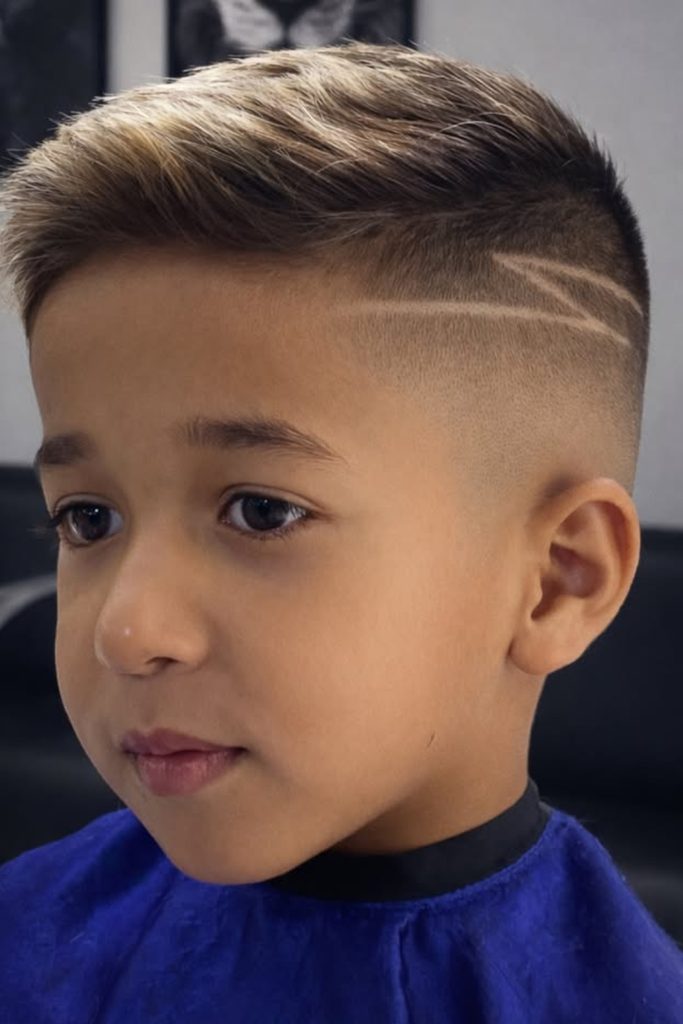
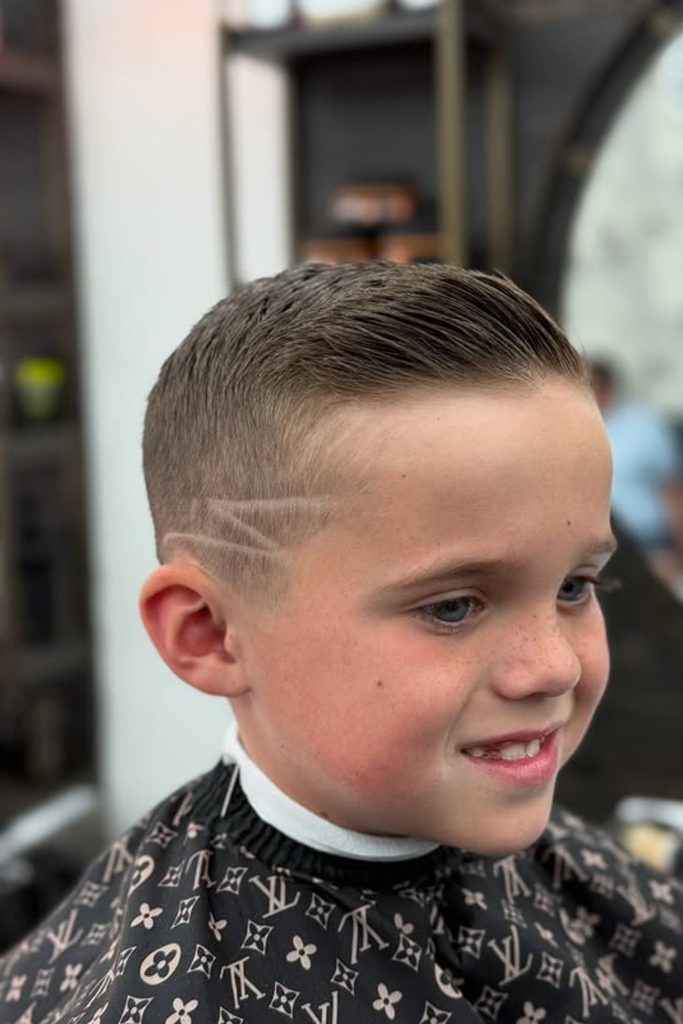
Short Side Part
A short side part is a great option for busy school mornings, keeping the top under control without much styling each day.
Keep the fade short and blend it out, allowing just enough top length to naturally comb over to the side.
Shaved lines give charm, but forgo them when his school has more severe grooming regulations or appearance policies.
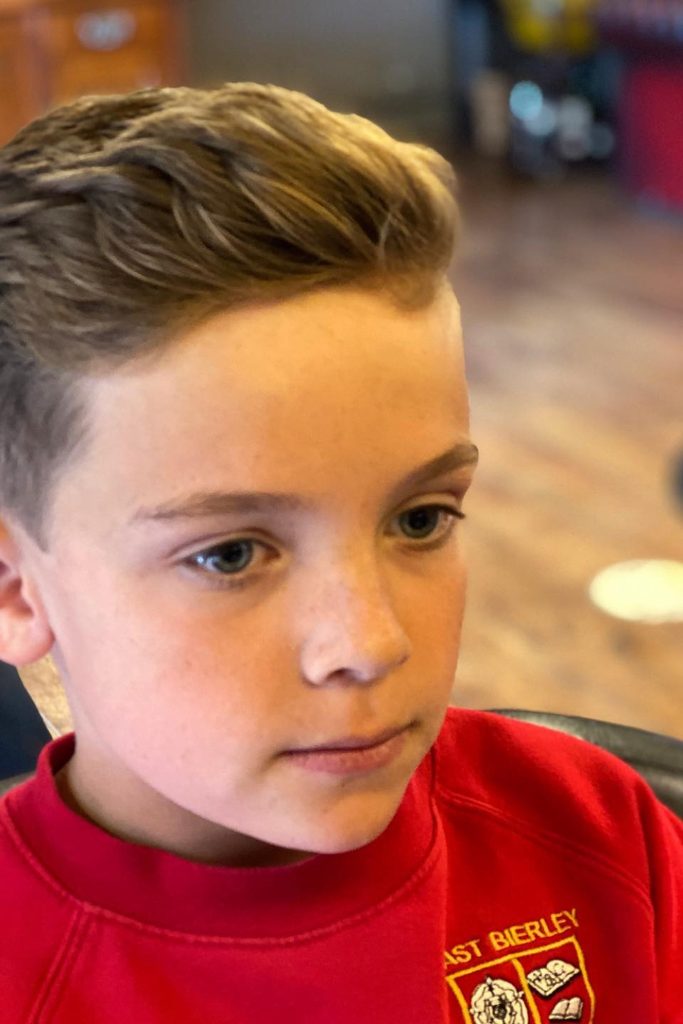
Brushed-Back Quiff
If his straight hair has natural body, an extra length in front allows for a brushed-back quiff.
Low taper on the sides to keep the shape clean without an extreme contrast for school.
Rather than flattening it all back, add a bit of lightweight style product and then push the front up.
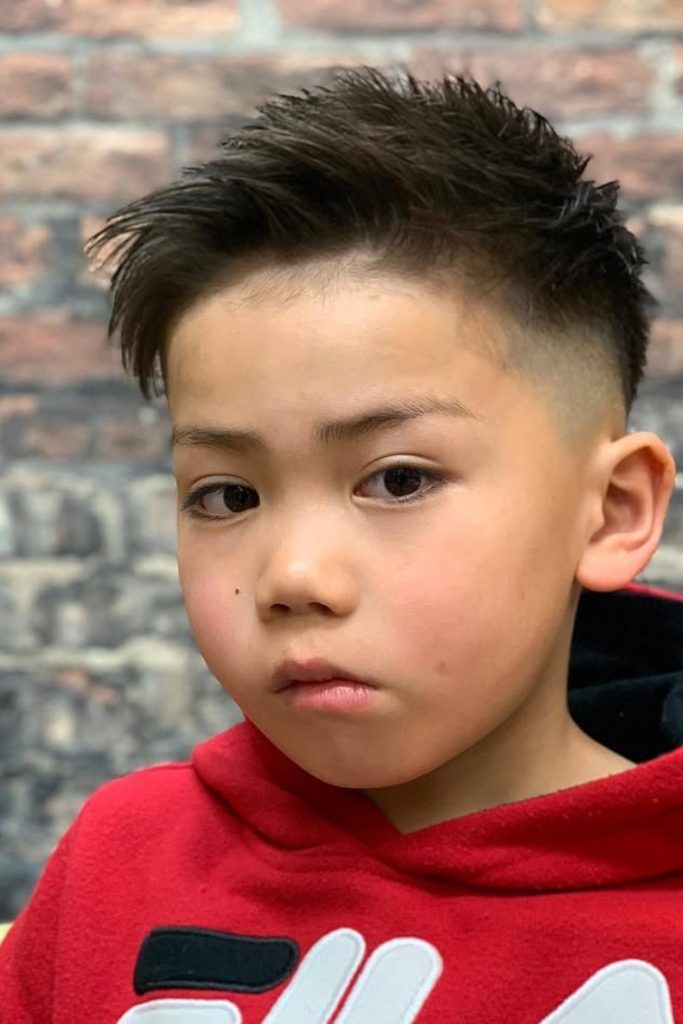
Textured Spiky Top
Long thick hair might feel weighty. Short textured layers can add separation without a lot of bulk on top.
Keeping the sides faded makes the longer front easier to handle for school, sports and warmer weather.
Using your fingers, rake a small amount of matte product through dry hair for a separated finish, not an overly polished one.
Soft Taper Crop
This is a great choice for a boy who does not like styling products and needs straight hair to stay in check with no effort in the morning.
Ask for lightly tapered sides, instead of showing too much scalp, and retaining a comfortable and easy-to-grow transition.
You leave the top a little longer so it maintains its natural movement, and hence the haircut still has shape even without meticulous styling.
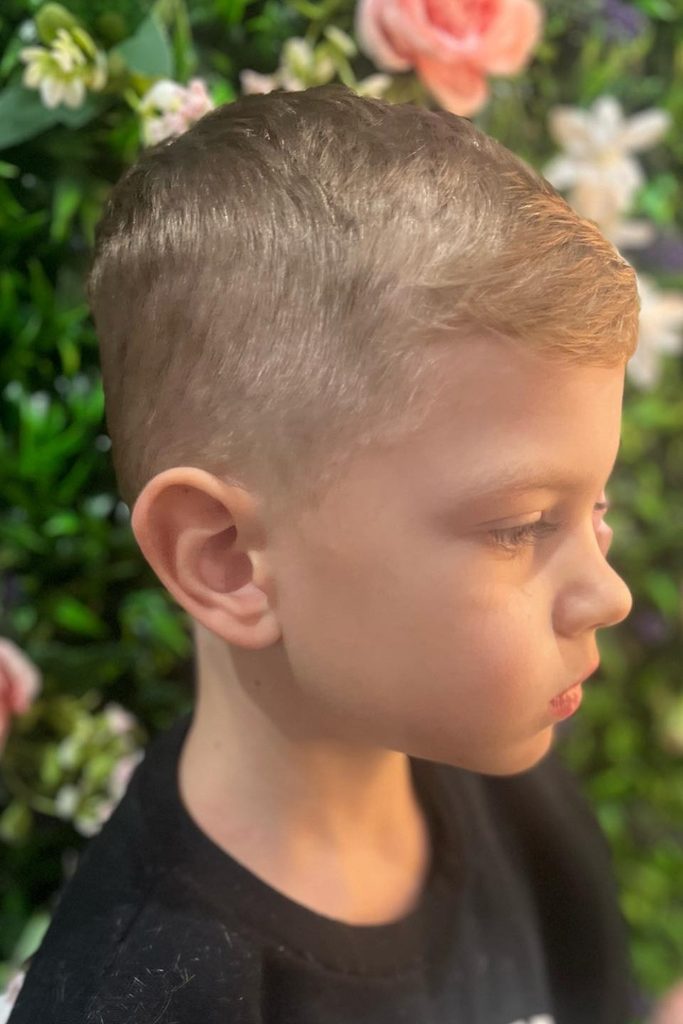
Swept Taper Fade
When you give thick hair a little extra length, it has somewhere to go, so keep the top swept naturally back.
A gentle taper fade diminishes the heaviness around the ears but still holds significant fullness through the upper sides.
A little dab of cream can tame flyaways with a simple finger-comb, and keep the hair from seeming too groomed.
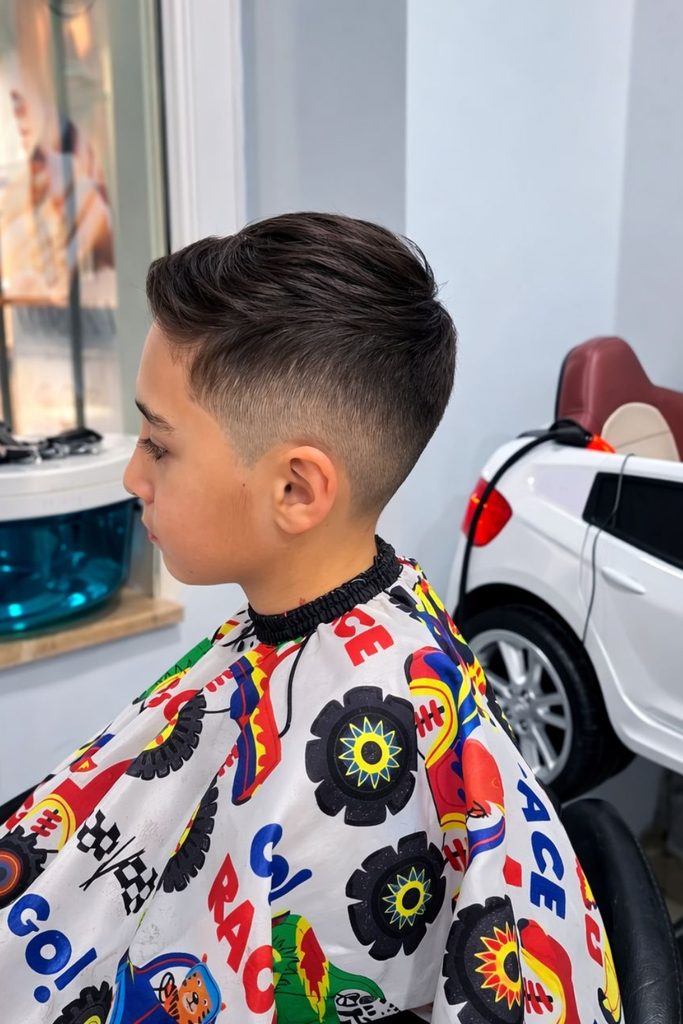
Blunt Fringe Crop
Short fringes are good for when longer hair keeps sliding forward, especially for active boys at school or in sports.
Keep the top rough and blend with softly faded sides for a form that needs no upkeep.
The blunt edge works well with straight, thick hair, and you may style it forward in the morning with nothing more than a brush.
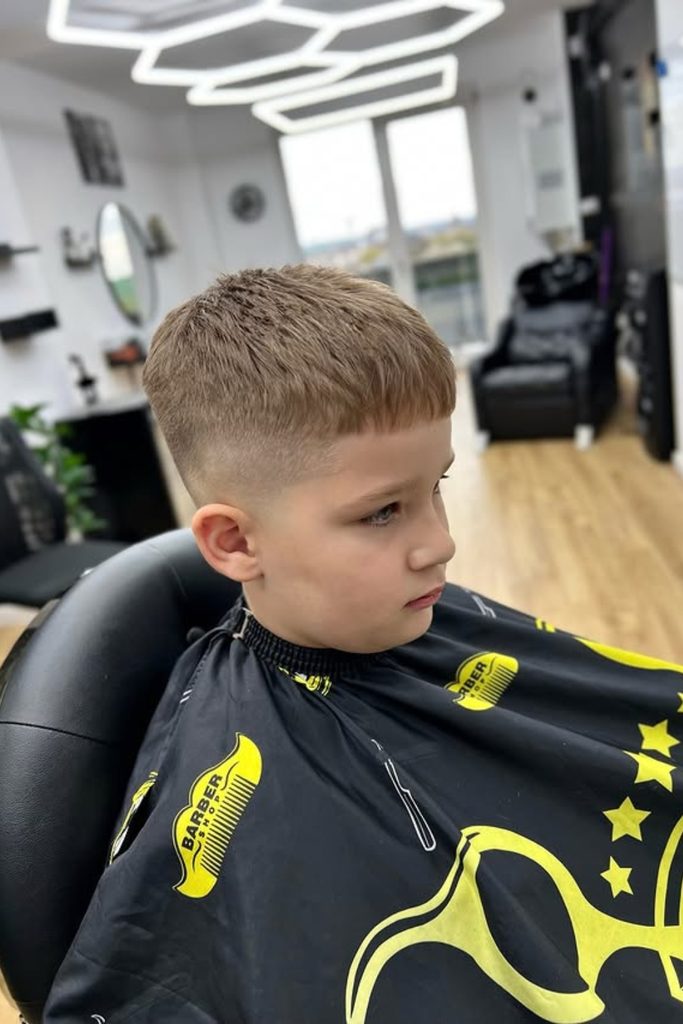
Side Part Design
If you want something more dramatic but don’t want to chop the entire top off, utilize a defined side portion as the focus detail.
In general, leave enough length on top for a good sweep, but shorter sides offer contrast without a lot of daily labor.
A shaved accent adds a unique element to your cut, making the cut bolder, but verify school grooming requirements beforehand.
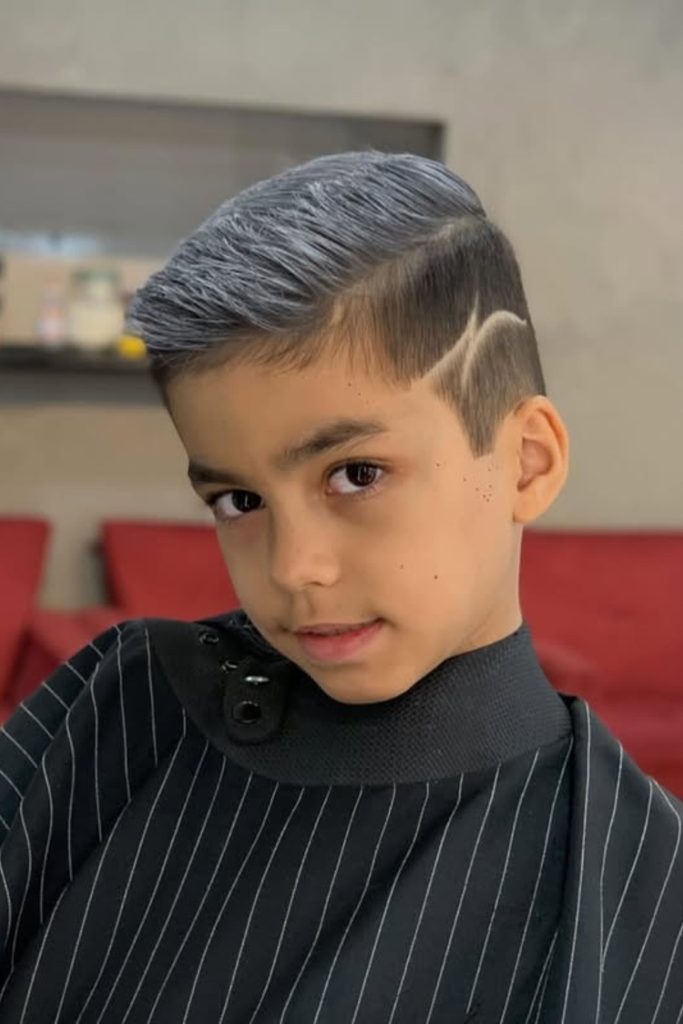
Classic Side Part
If he’s going for a sleek finish, a clean side part keeps straight hair tidy without losing too much length off the top.
Lengthen it enough to run a comb through, and then progressively thin the sides to form the haircut evenly.
This alternative is practical for school days and special days as the lightweight cream can keep stray hairs in check.
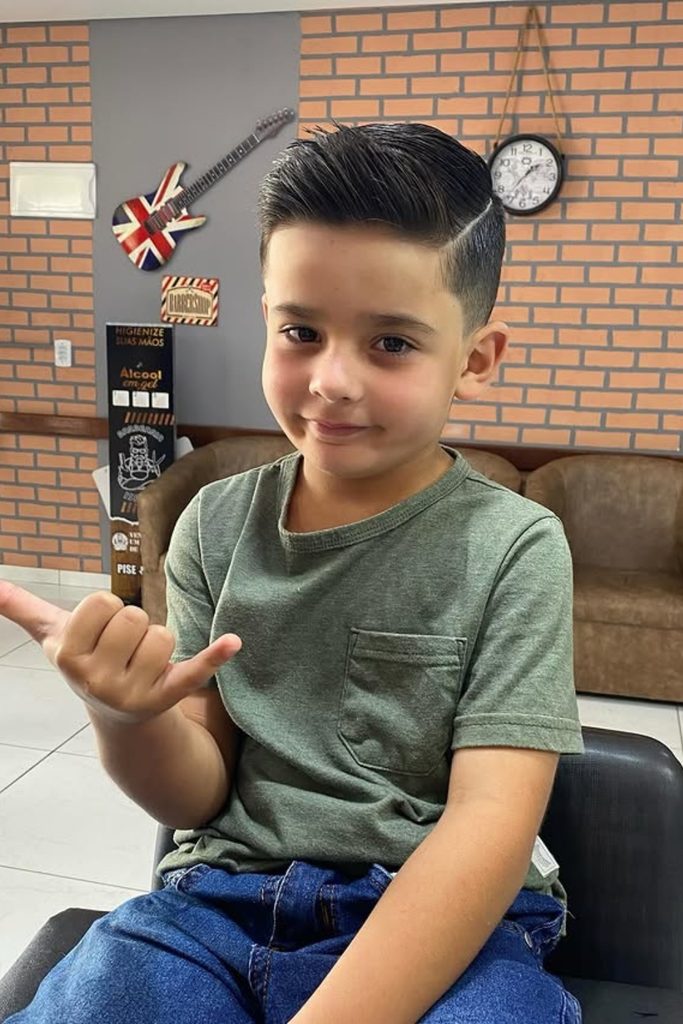
Short Faux Hawk
If boys desire a little more height but don’t want long hair, they can grow the middle longer, and then slowly cut the sides shorter.
Texture through the front helps to give natural lift to straight, thick hair, so you need less product each morning.
Request a modest taper around the ears so the form remains wearable even when the top sets flatter.
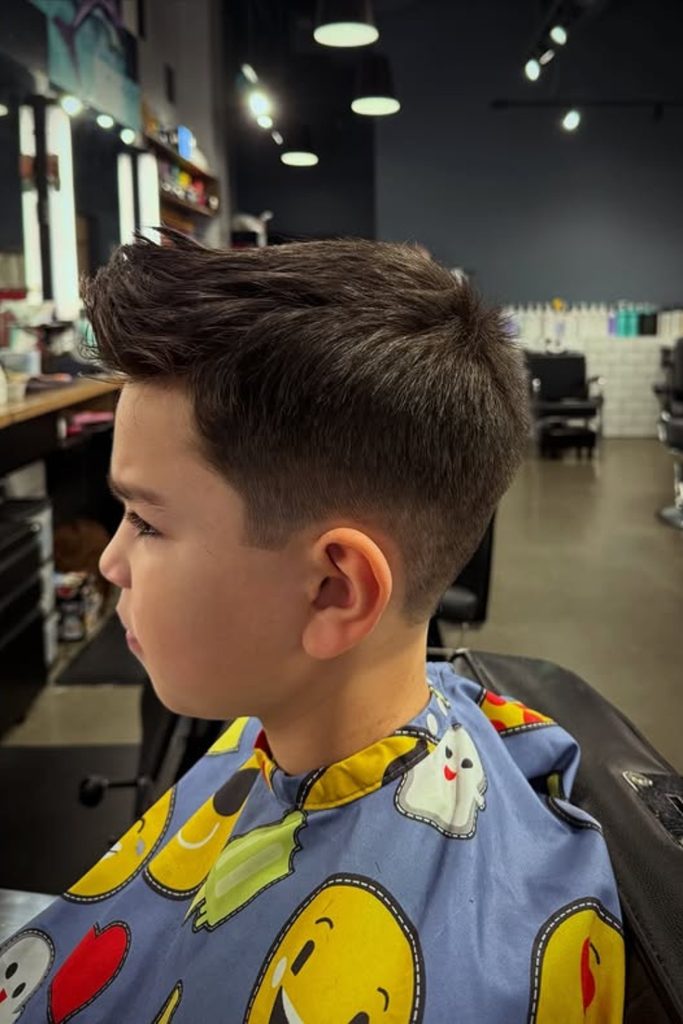
Wavy Scissor Cut
When trimming, don’t cut the top too short, since it needs to be long enough to allow the natural waves to bend and separate.
The sides are scissor cut to preserve some softness around the head, so the transition is not as harsh as a tight skin fade.
Work some style cream through damp hair, then let the waves fall in their natural direction.
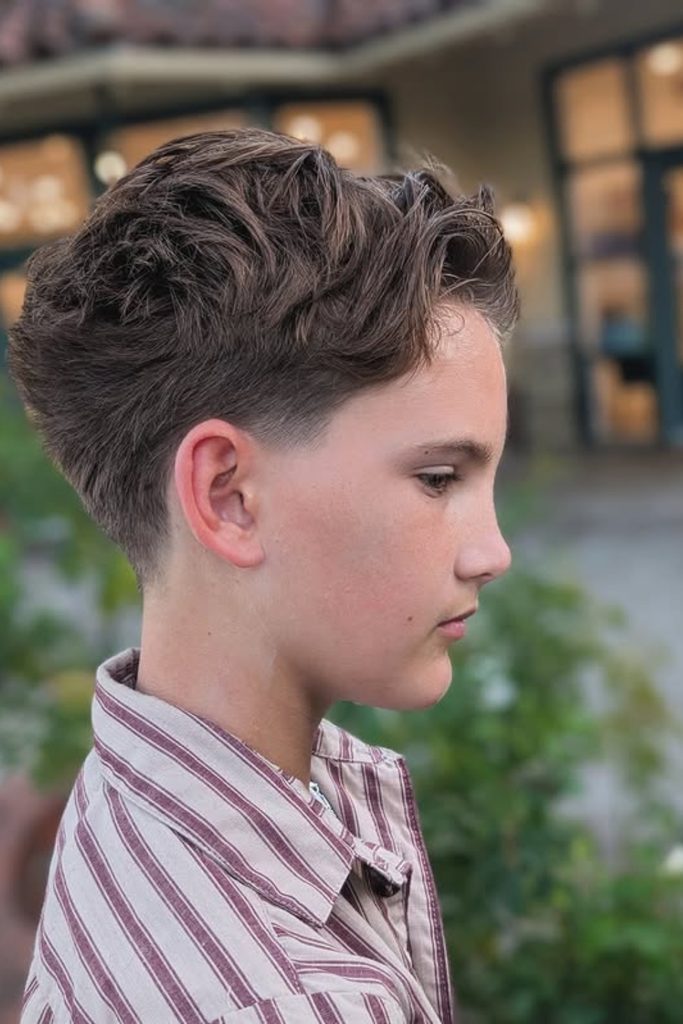
Textured High Fade
A high fade below textured length provides straight hair more visual movement if he enjoys contrast.
Ask the barber to leave enough weight through the top so it sweeps back instead of standing straight up
Close fades might lose that hard transition as the hair grows out so expect this style to require more frequent barber upkeep.
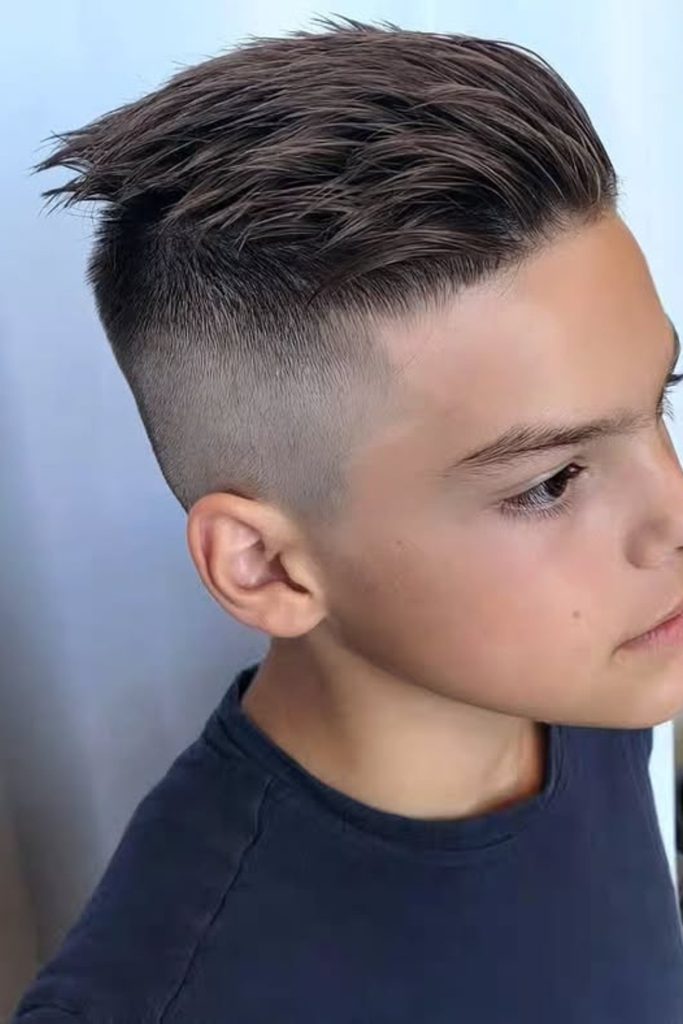
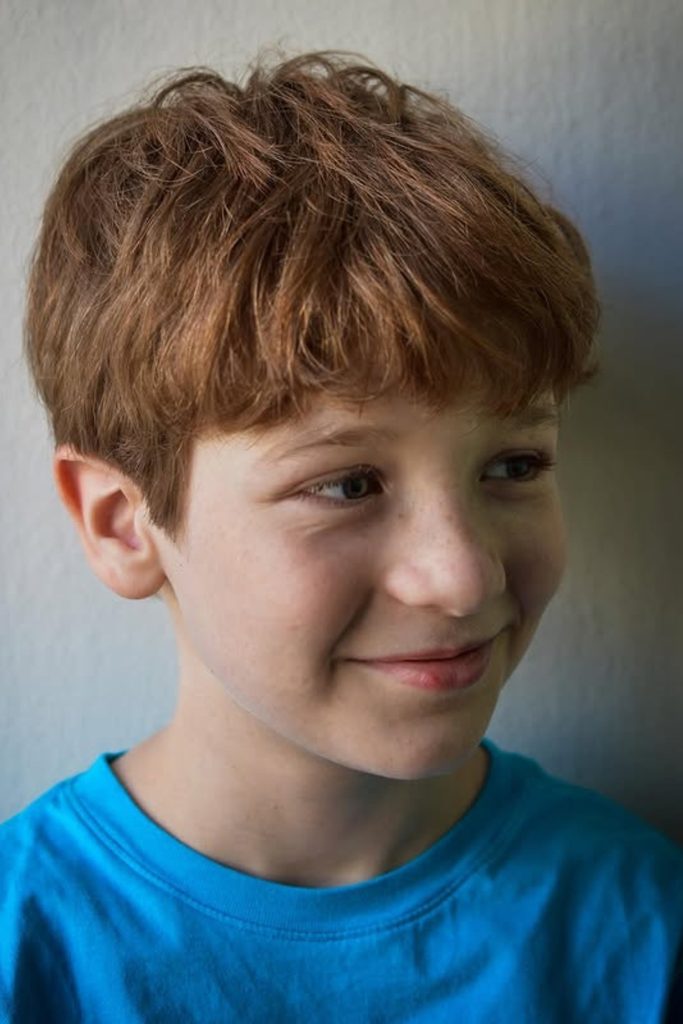
Wavy Mop Top
If he wants additional length but doesn’t want a polished look, letting natural waves flow front works great.
Leave a little weight around the sides so that the rounded shape looks like it flows nicely, rather than looking like it is not attached to the top.
A light curl cream will subdue the frizz, allowing the fringe and loose bends to fall gently over his forehead.
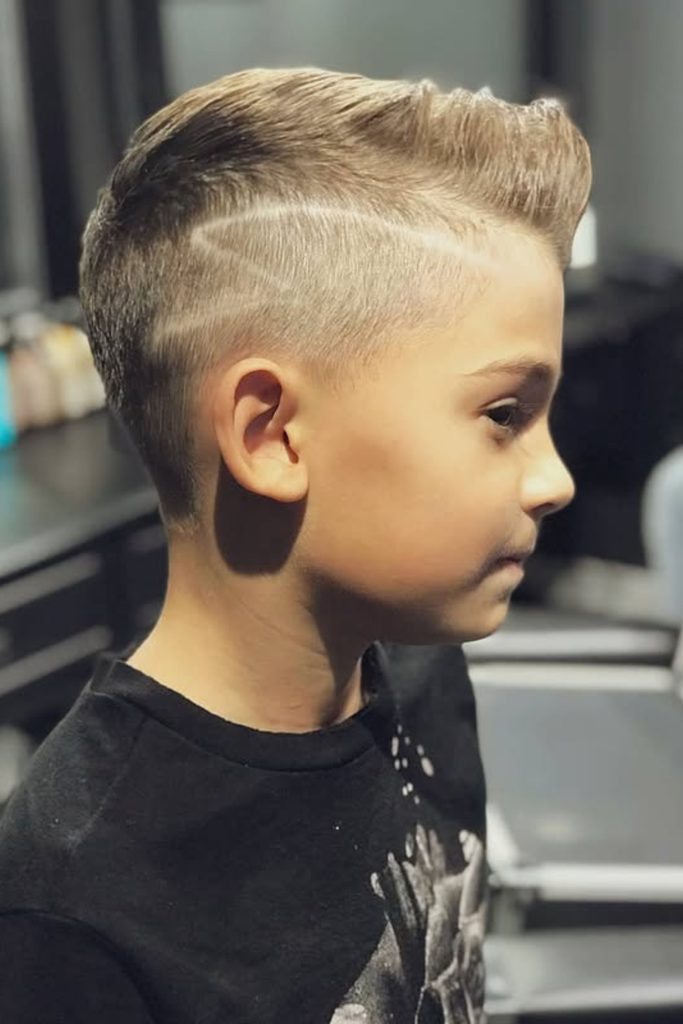
Hard Part Pompadour
For straight hair that is readily able to sustain its height, a short pompadour is a great way to give the front some definition but stay in control.
A shaved hard section makes the separation more easy, allowing you to comb the extended top in one uniform direction.
Keep the sides tightly tapered, but remember the defined section needs regular trips to the barber to keep it crisp and apparent.
Long Fringe Taper
Longer front offers straight hair natural flow, while a clean neckline stops the overall cut from feeling heavy.
Ask for a slow taper around the back and ears, allowing enough length on top for the fringe to fall naturally.
This works nicely , particular when he’s a fingerstyler over a product and doesn’t mind hair in his face.
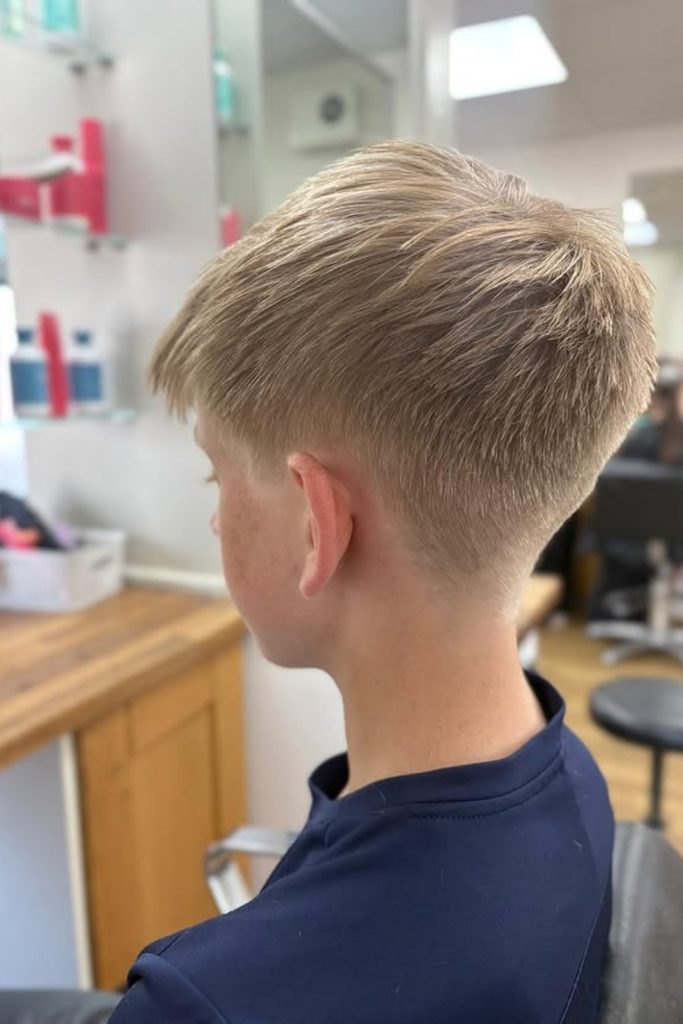
Messy Taper Top
Uneven top texture stops straight hair from looking too clean, which is perfect when he’s going for relaxed everyday wear.
Short, tapered sides prevent bulk around the ears, but still provide enough length on top to allow for simple movement and separation.
Don’t go heavy on the gel here and use fingers with light matte product when the front needs a bit of extra control.
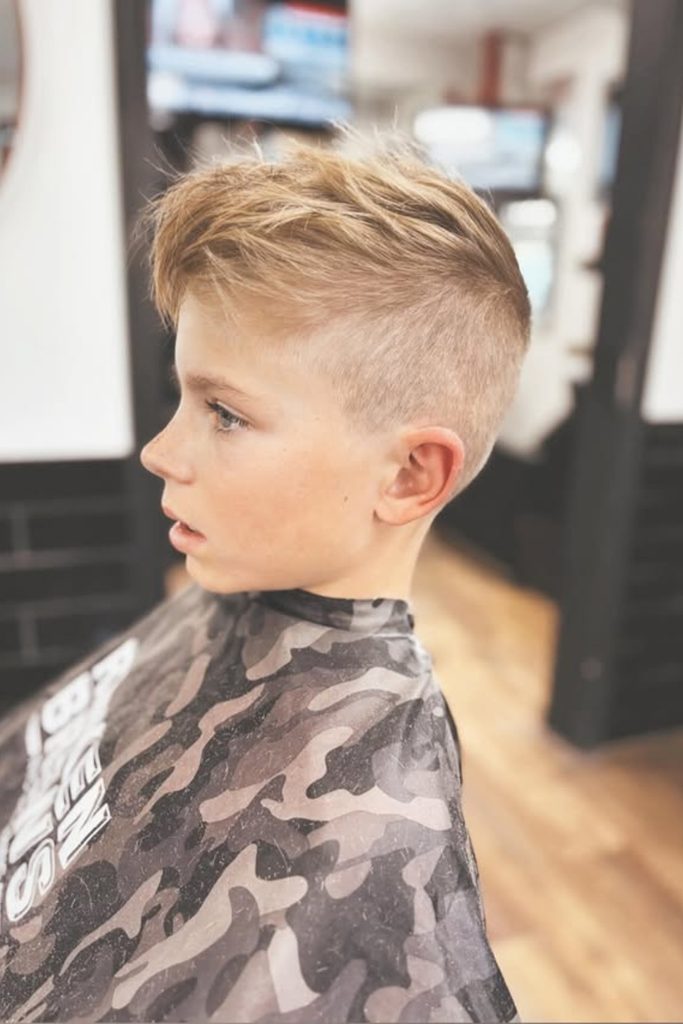
Curly Low Fade
Tight curls are already textural enough, so leaving their natural definition on top saves you from unnecessary morning styling.
The low fade removes bulk from behind the ears, while keeping the curls thick enough to show off their pattern.
Use a bit of curl cream on damp hair and avoid vigorous brushing which can break apart defined coils.
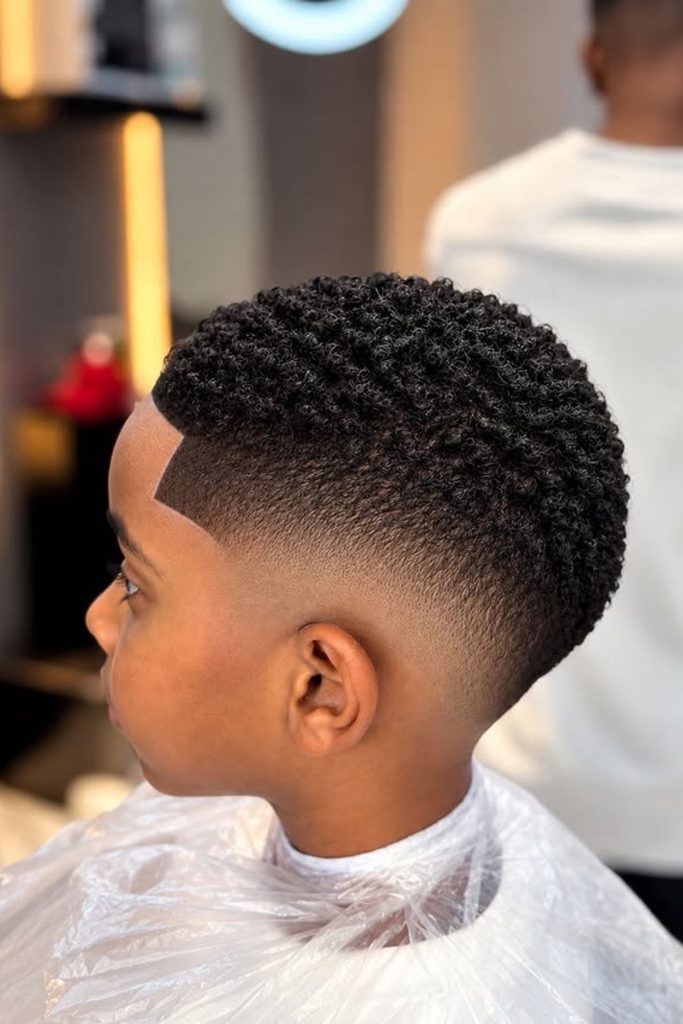
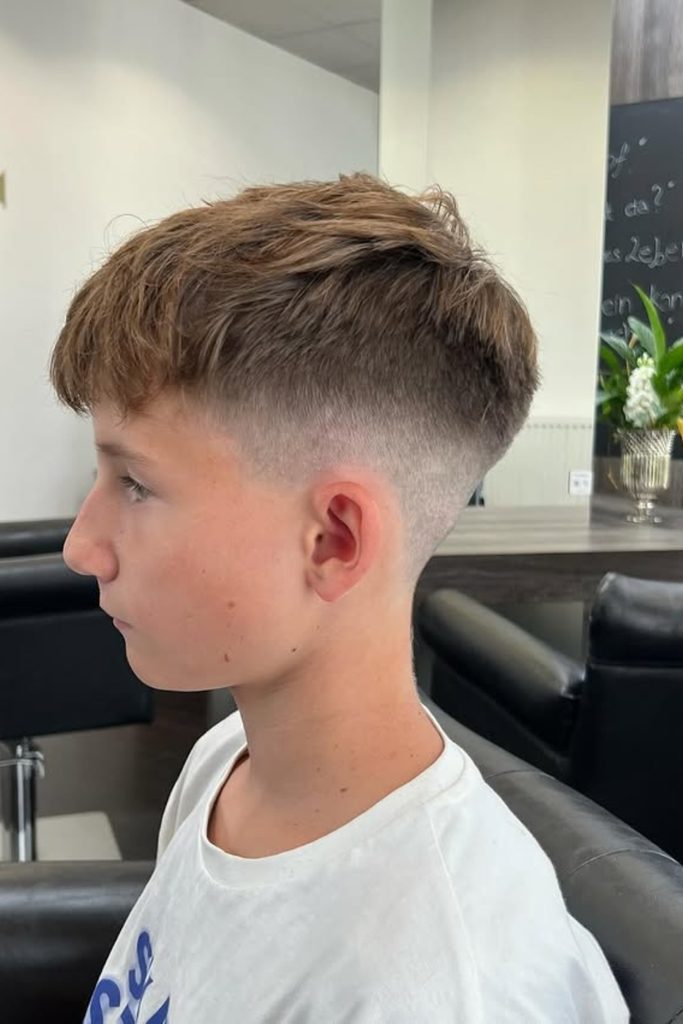
Textured Drop Fade
If he has a longer fringe, a drop fade will remove side bulk, without compromising movement over the top.
Keep the front soft-textured so thick straight hair falls organically and not in one big solid piece.
This length is great if he doesn’t mind fringe around his forehead and occasionally styling his hair with his fingers before school.
Short Brush Up
Boys who desire quick mornings. Keeping the top short makes upward style easier without needing much product.
Ask for a gradual fade on the sides with a little more length on top for the natural lift.
The cut still works when left mostly unstyled, although a bit of matte cream will divide the straight strands.
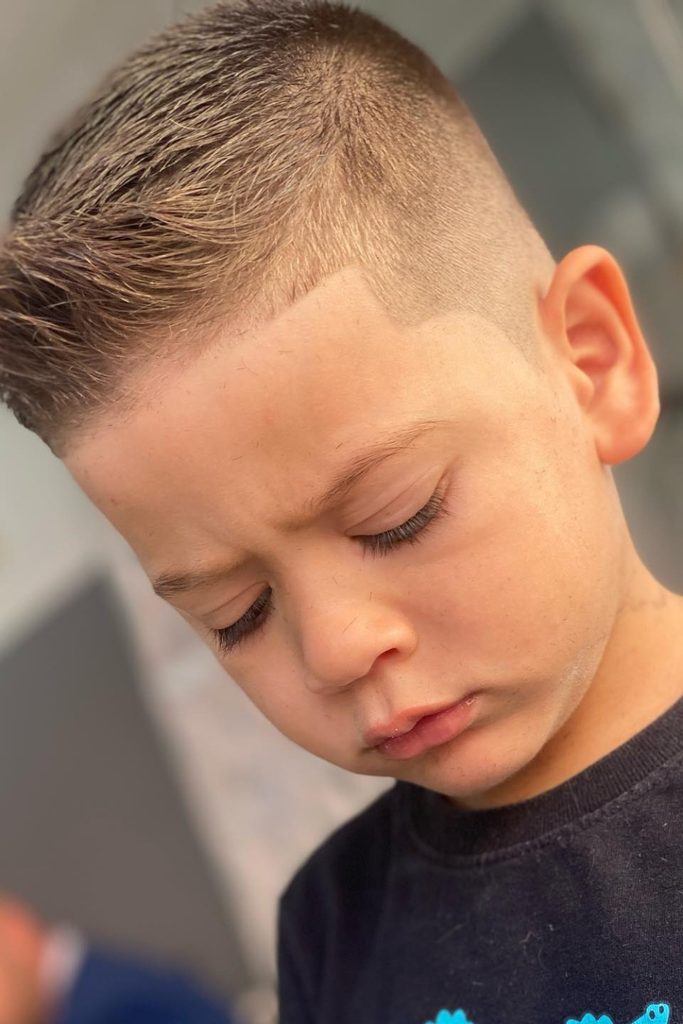
Forward Crop Fade
If straight hair naturally falls forward toward the forehead, working with that direction can make daily styling much easier.
The fringe should be delicate and textured, with close blending on the sides to prevent weight around the ears.
This functional design remains easy to wear on busy days and only requires finger-combing after washing or sleeping.
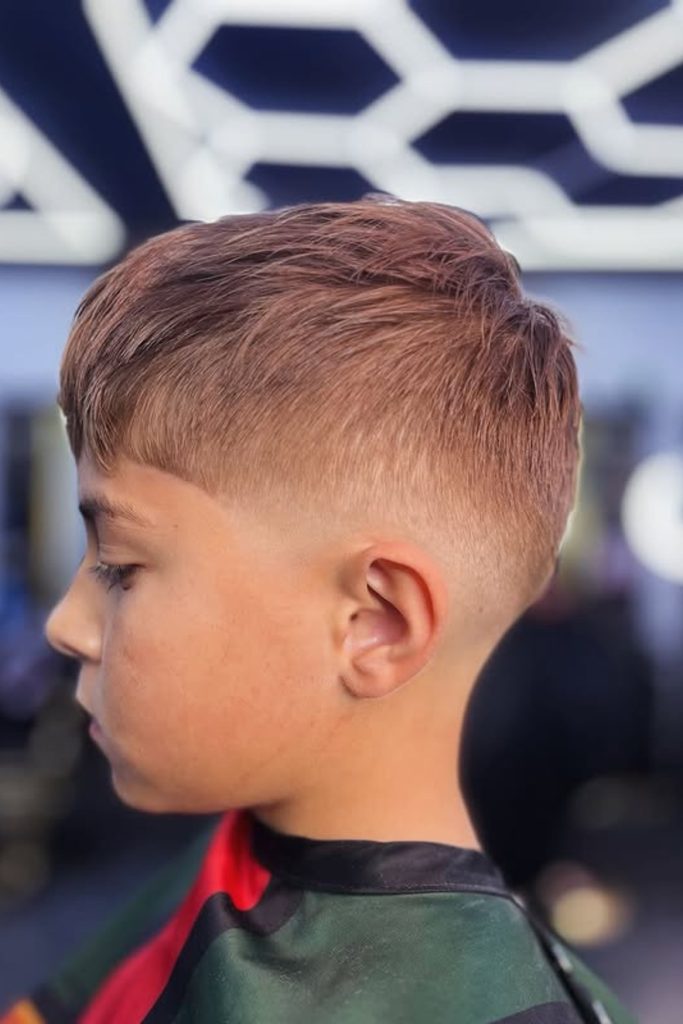
Spiky Burst Fade
If you have thick hair that sticks up on its own, a spiky top turns a difficult lift into an advantage.
Leave the burst fade tight around the ears while keeping extra length through the back for a stronger shape.
Work a little quantity of matte paste into dry hair, allowing bits separate rather than hard spikes.
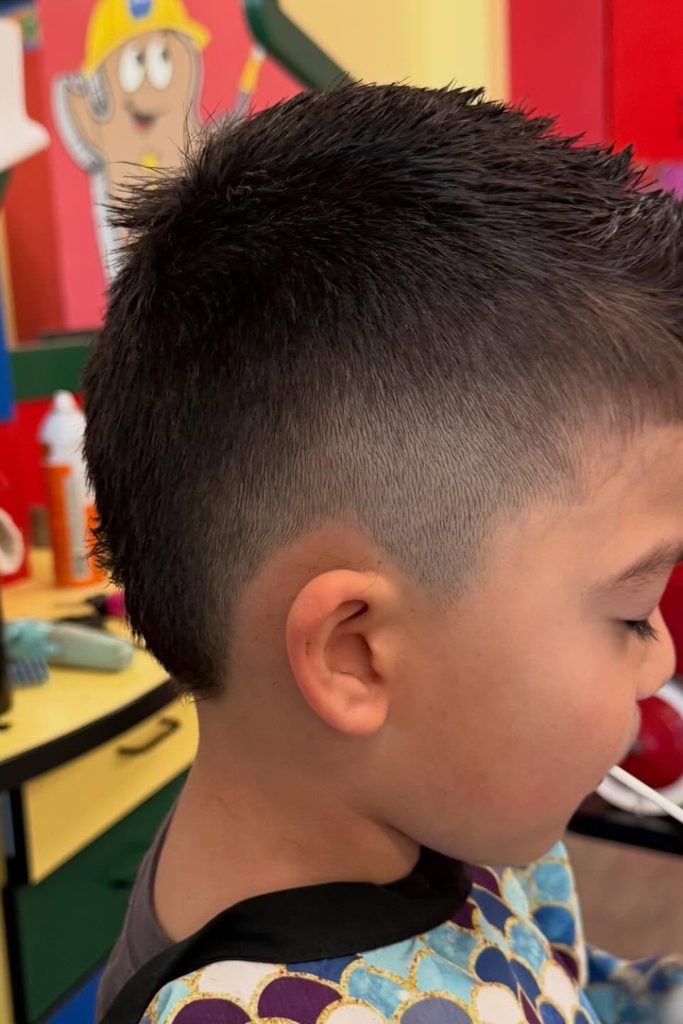
Short Taper Cut
A little taper that follows the natural growth of the hair rather than sculpting can make hectic mornings easier.
Blend down the sides and neckline, but keep a little longer on the top for a smooth blend.
Straight, thick hair is especially good here because even just brushing can maintain the finished form under control all through school.
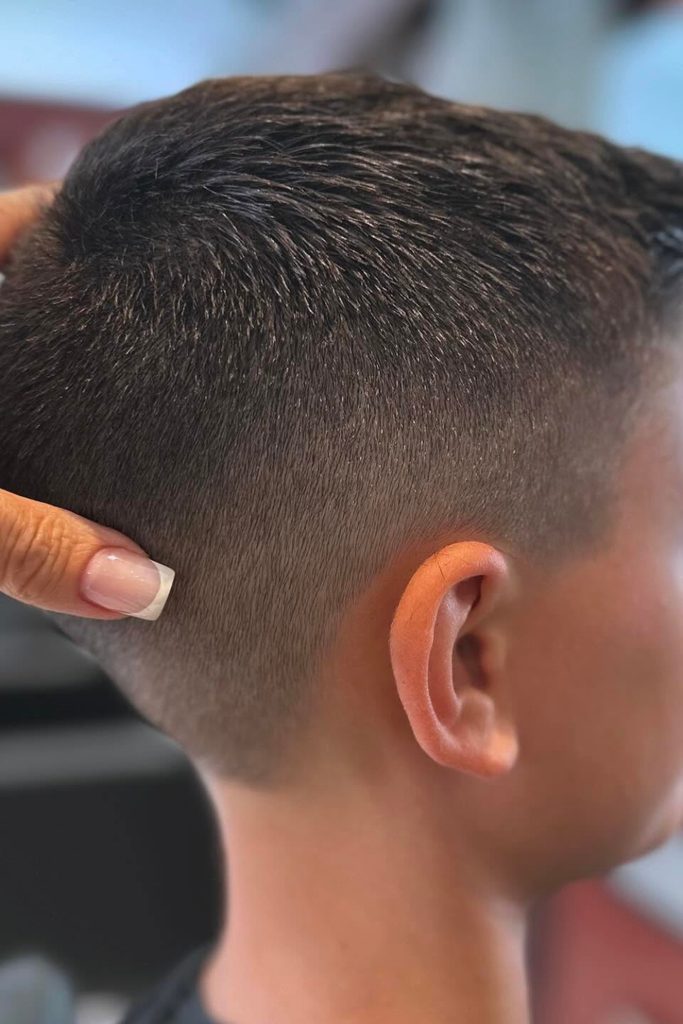
Defined Hard Part
A firm part can offer naturally straight hair a definite direction when he wants a more defined, more structured finish.
Leave enough top length to sweep sideways then leave the other side shorter so the separation remains visible.
Whenever the shaved portion grows back, so if he wants to keep that sharp definition, expect to have to do touch-ups on a frequent basis.
FAQs
How Often Should a Preteen Boy Get His Haircut?
Close fades and sharp tapers frequently need a bit of touch-up sooner, as the new growth will ease the transition rapidly.
Longer layers, wavy or textured cuts can grow out longer and still maintain the overall style. Instead of following a strict timetable, watch the sides, neckline and fringe.
What Should You Bring to the Barber for a Preteen Haircut?
You may bring a picture or two for inspiration, but expect the barber to adapt the cut to his actual hair.
Let him know how much style he will actually do, if there are grooming limits at school, and how frequently you plan to return.