Cutting curly hair short seems simple enough, until you start to worry about losing the curls you love.
Cut too short and your curl pattern may barely be visible, leave too much around the sides and the shape might become bulky very soon.
Add shrinkage, frizz, multiple fade options and haircut photographs that don’t even resemble your curl type.
This post is filled with haircut ideas and practical advice for maintaining your curls and controlling undesirable bulk.
How Short Can You Cut Curly Hair Without Losing Your Curl Pattern?
If you want to go short but keep your curls, don’t only go by a set number to determine the length.
How much hair you need to get a bend, ringlet or coil you can see depends on your curl pattern and the look of tighter.
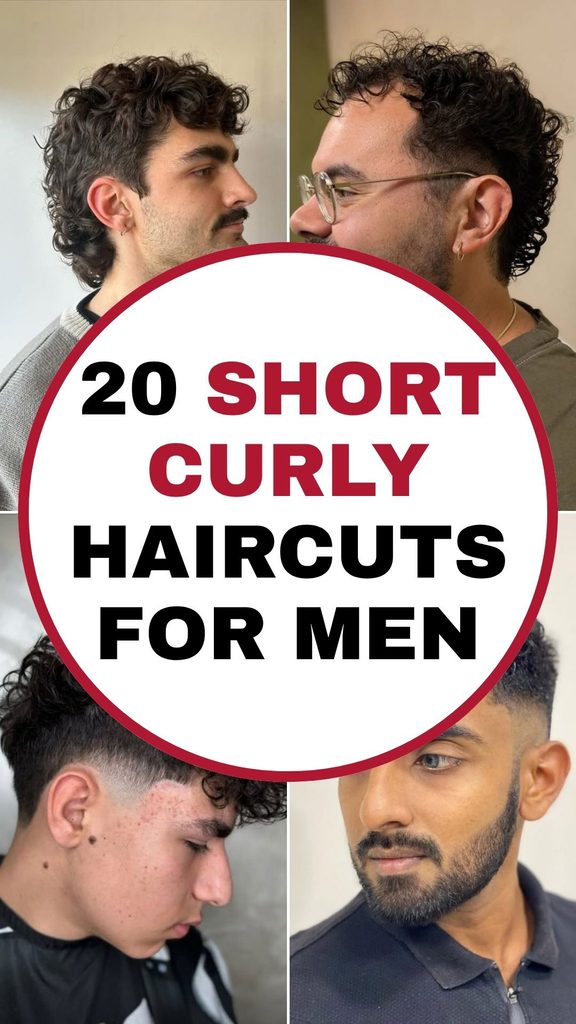
Curl-by-curl cutting techniques are used even on dry, natural hair because the final shape depends on how each curl really falls.
Let your curls dry naturally and see how much they rise up from their extended length before the barber cuts off too much.
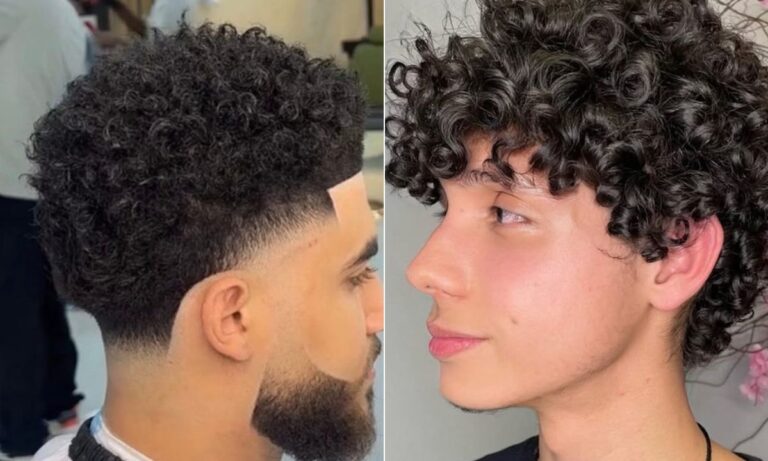
Clean Curly Fade
The extra length through the crown in curls adds definition, while the faded sides keep thicker hair from spreading out.
You might ask your barber to go for a nice low to mid transition without making the fade too high into your natural curl pattern.
A bit of curl cream can loosen the curls on top, but you want the result to seem controlled, not too polished.
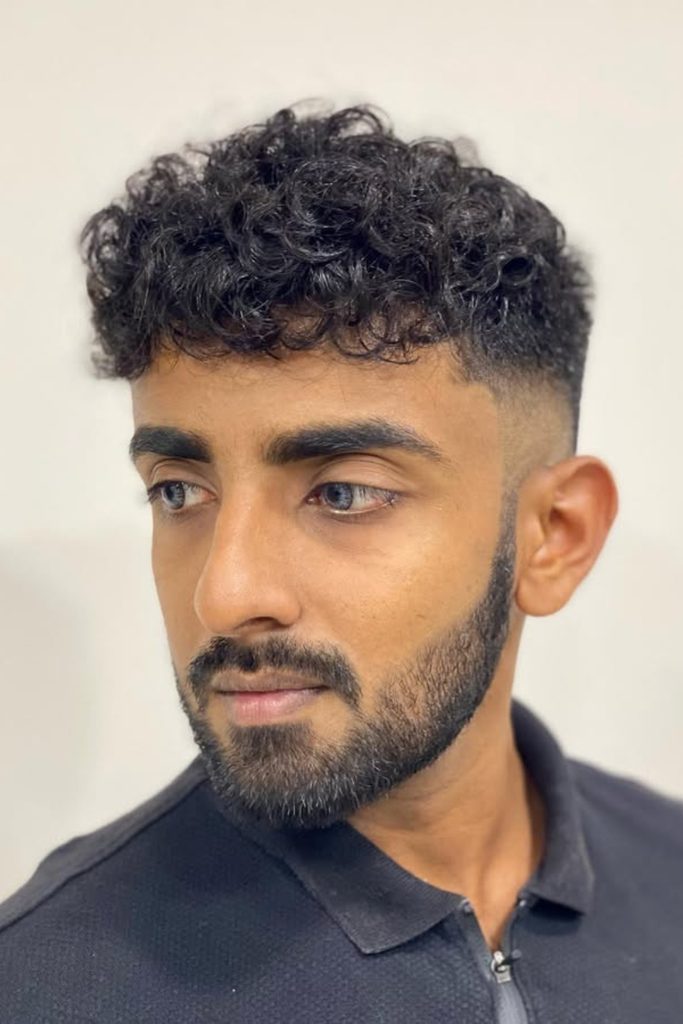
Forward Curly Fringe
Falling curls forward add movement around the forehead. A low fade takes out weight where it’s not needed around the ears.
Leave enough length through the front to be able to form separate ringlets, especially if your curls shrink dramatically when fully dry.
Don’t brush down the fringe, scrunch it a little when damp and leave the front curls hang naturally.
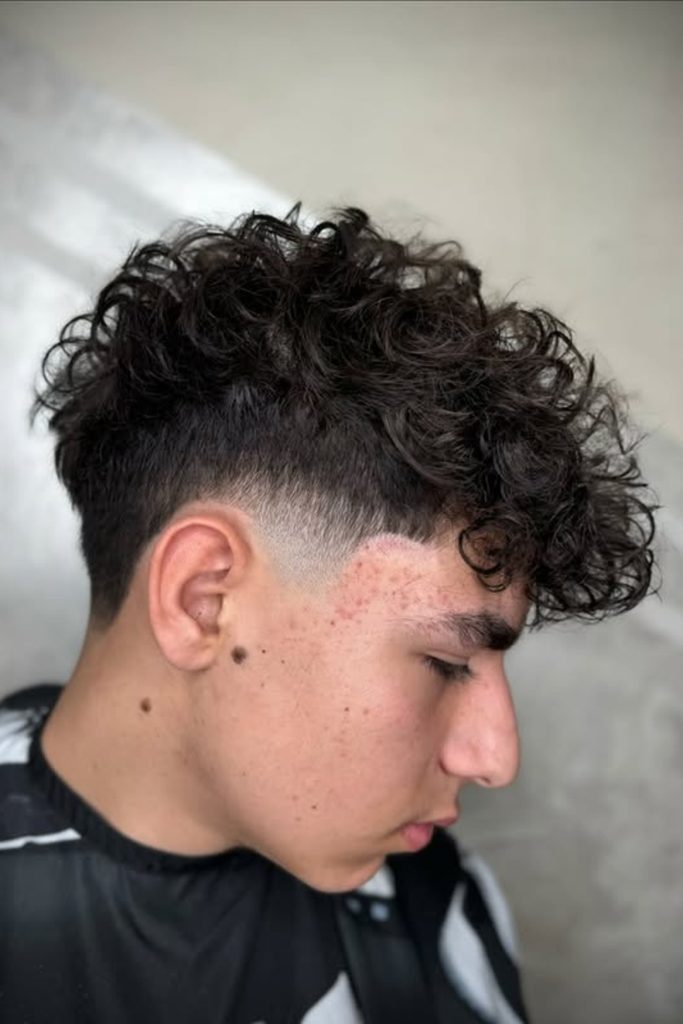
Natural Curly Shape
Not all short curly haircuts require a fade. Keeping the sides wider produces a gentler form with less noticeable contrast.
Ask your barber to eliminate some weight around the ears, but leave enough length in the back to let the curl move naturally.
This method also grows out more forgivingly which makes it handy if frequent trips to the barber are not attractive.
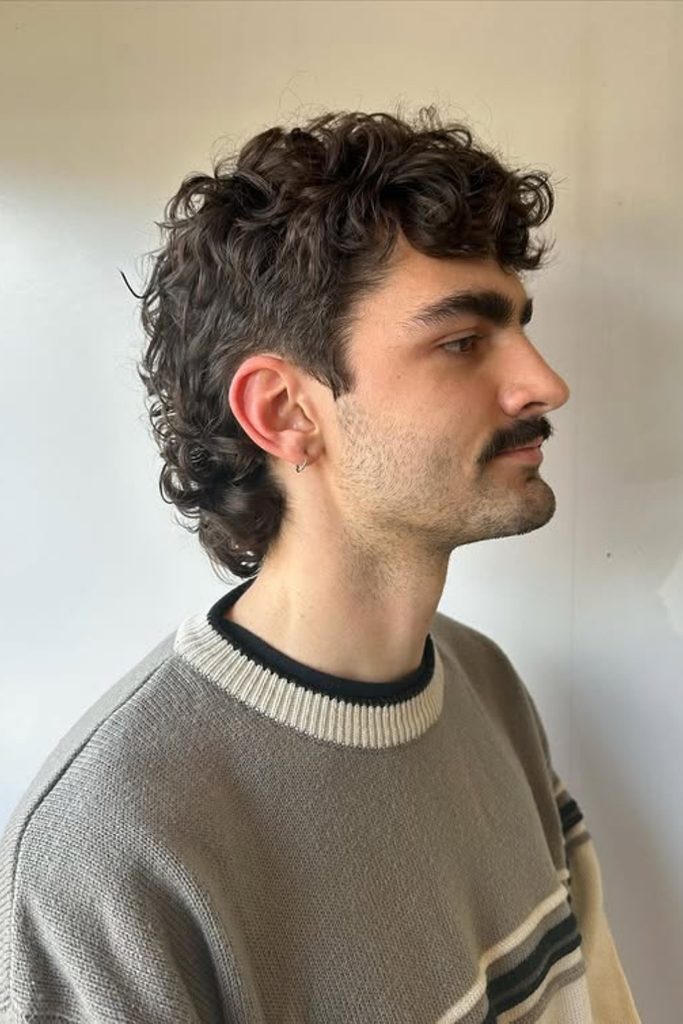
Curly Mohawk Taper
Want a firmer form that won’t flatten your curls? The middle length gives definition and keeps the temples visibly cleaned.
Skip the drastic shave on the sides and go for a modest taper so the lengthier curls link naturally toward the rear.
Use a soft hold and encourage individual curls, rather than forcing everything back into one stiff, over-controlled shape.
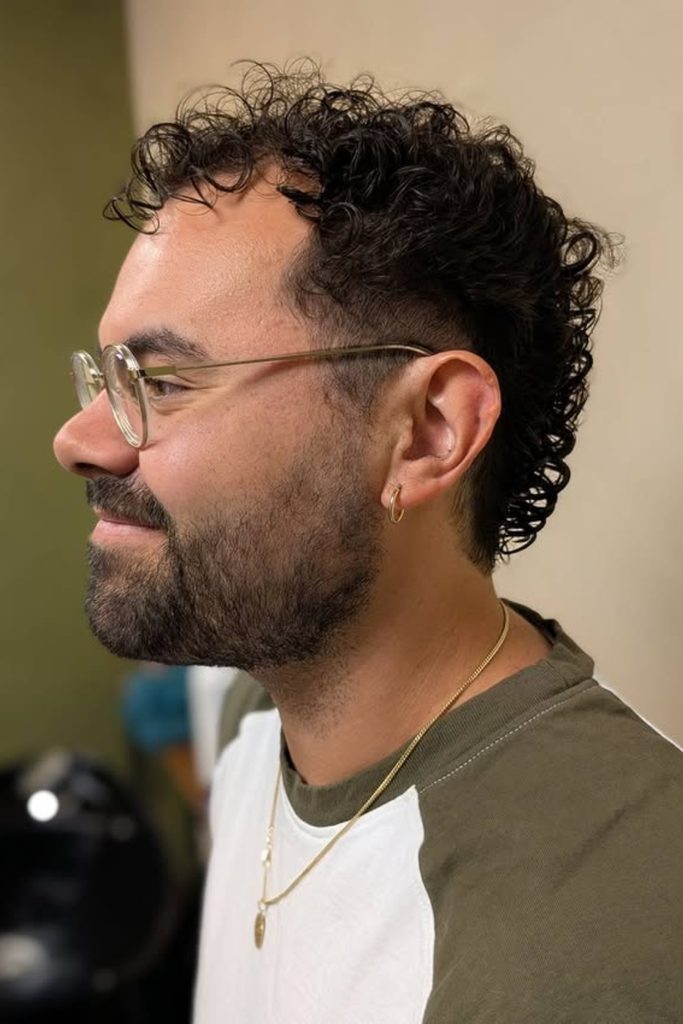
Defined Curl Hawk
Or you might want a stronger contrast when you want every curl to stand out. In that case, go for a deep fade that draws the eye toward the center.
Leave enough length from the front through the crown so tighter curls remain rounded instead of frizzy stubble.
For more definition, run lightweight curl gel through damp hair and don’t separate the ringlets as they dry.
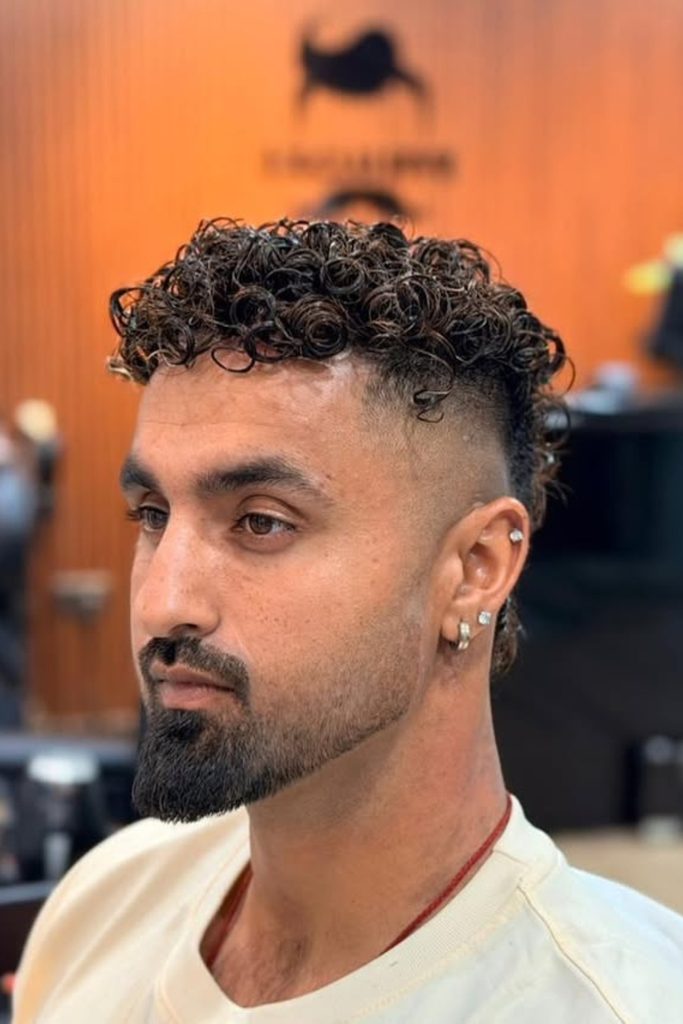
Rounded Curl Crop
If the perimeter is molded close to the head, dense curls can convey lots of volume without looking heavy.
Rather than reducing unwanted curl density, keep the top consistently voluminous, but gradually taper down toward the temples and neckline.
This proportional form is excellent for anyone who is looking for obvious curls without the commitment of crazy exposed sides or skin-fade upkeep.
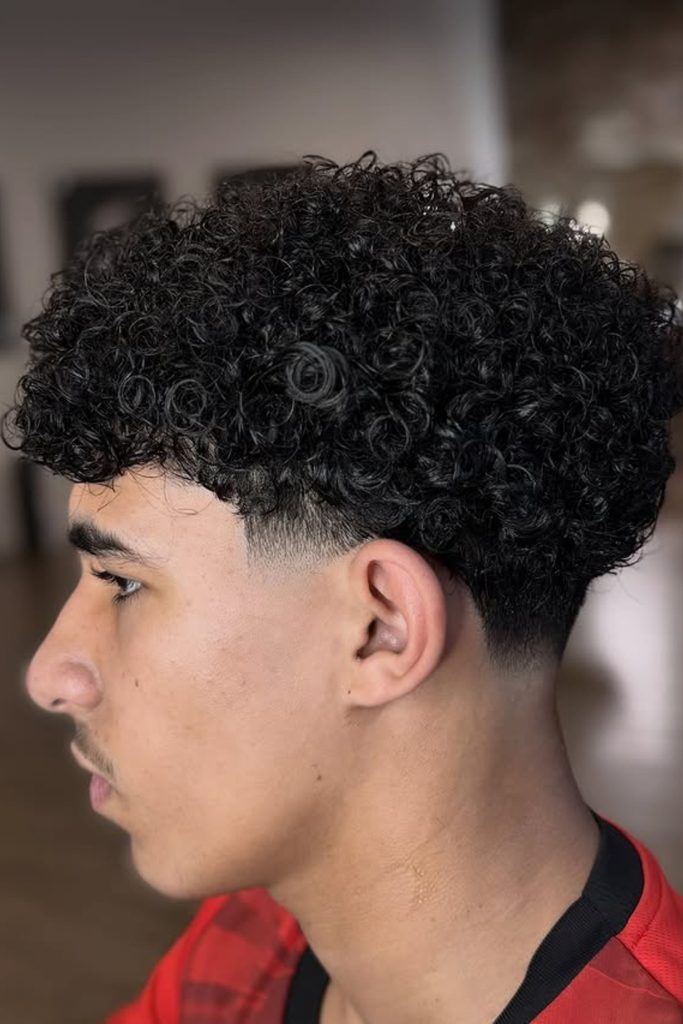
Soft Burst Taper
Instead of shaving the sides off, a targeted fade around the ear allows your natural texture to stay fuller in the back.
Ask for a gradual mix that follows the head form, keeping curl weight on the crown and toward the rear.
The gentler transition makes regrowth less evident, so you can stretch barber appointments without the haircut losing balance rapidly.
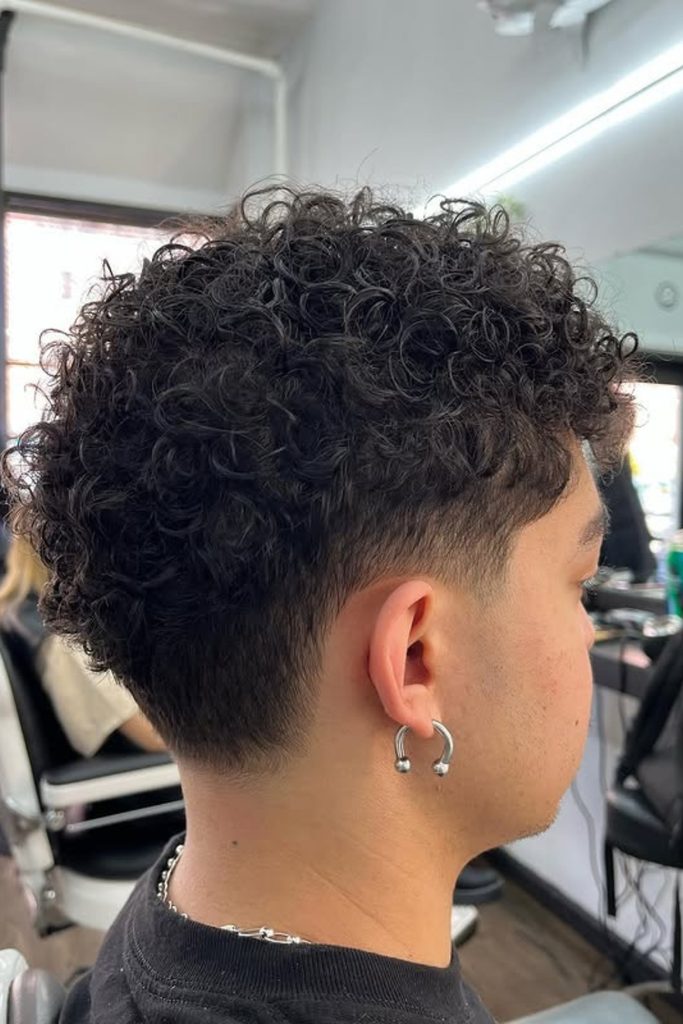
Low Curly Taper
A clean neckline can change up thick curls without losing the darker side coverage that creates the larger contour of the hairstyle.
Let the taper lie low around the ears and nape, letting the top curls flow into natural side texture.
This is especially helpful if you want a clean edge but don’t like the harsh contrast and maintenance of higher skin fades.
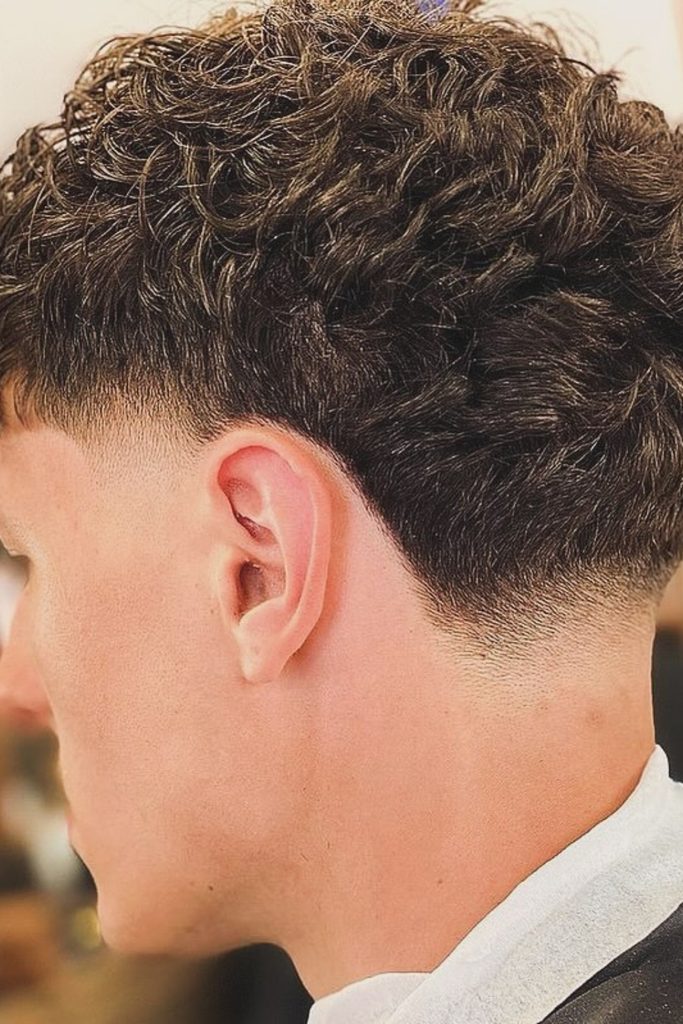
Curly Burst Fade
Leaving the back longer gives a stronger silhouette with dense curls. The burst fade gives room around the ears.
Tell your barber not to merge everything into shorter sides, but to keep the curl length across the middle and back.
Apply to moist hair and scrunch up, ensuring the longer lengths remain defined but not too rigid.
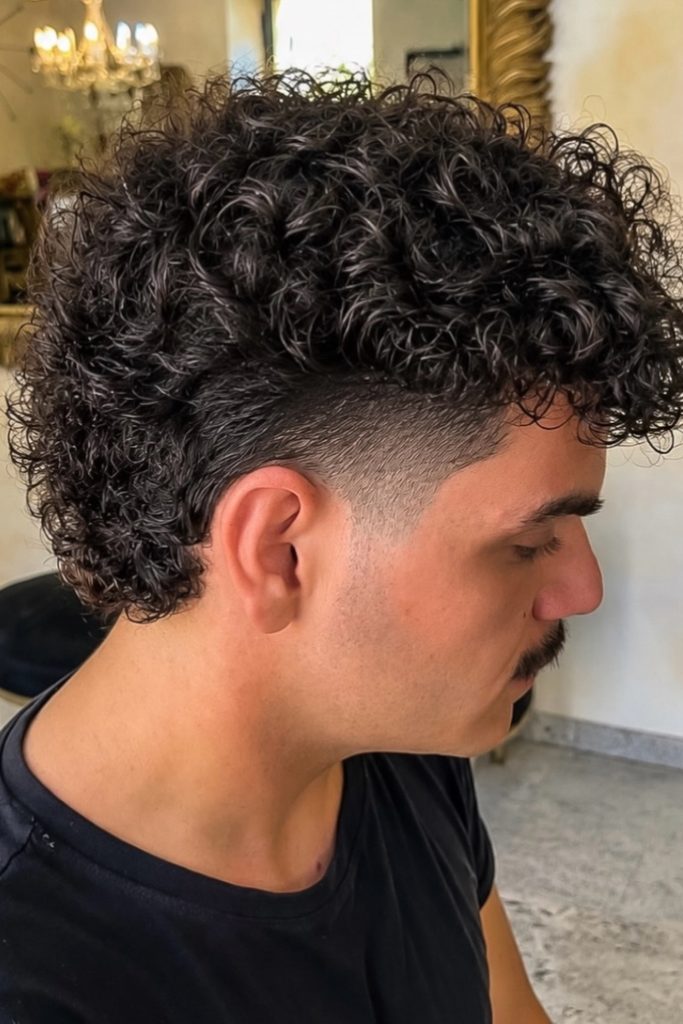
Heavy Curly Fringe
Having a little more length at the front allows tighter curls to form thus the fringe is great if you like to conceal your forehead.
The crown should be somewhat shorter than the front so your curls fall forward naturally without adding extra height behind.
Let the fringe dry and settle before trimming to the desired length, as shrinkage of the curls can make the finishing length considerably shorter.
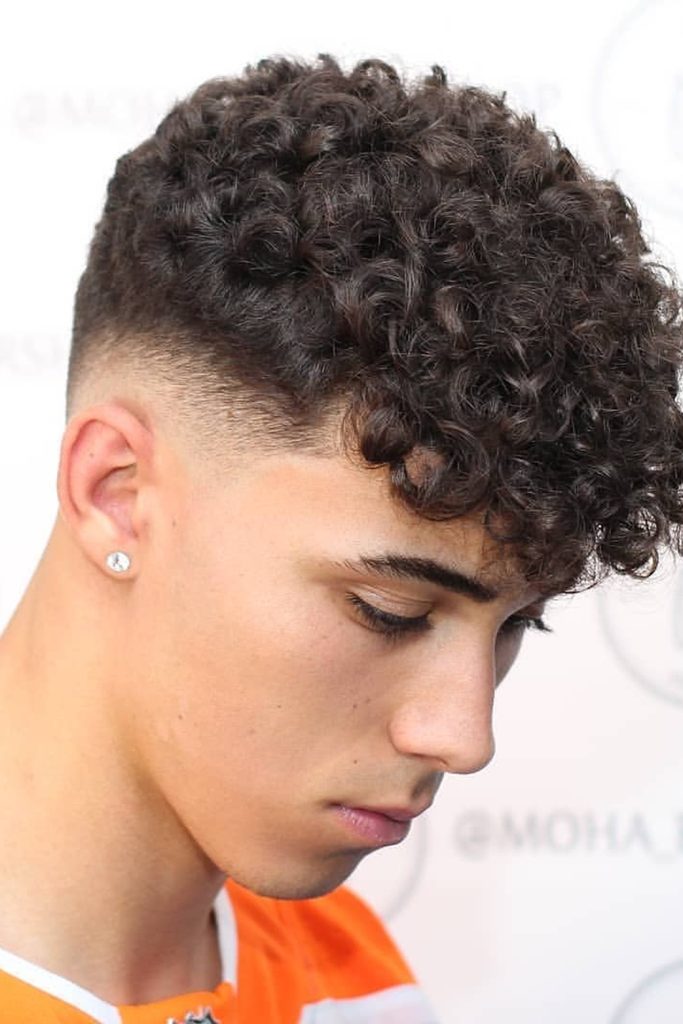
Temple Taper Curls
You can tidy up the temples without losing fullness when the taper is maintained at the hairline and the ears.
Darker sides under the curls make for a smoother transition, especially if you want less contrast than skin fades.
Curl individual pieces while still damp and let them dry without touching them to maintain the natural parting on top.
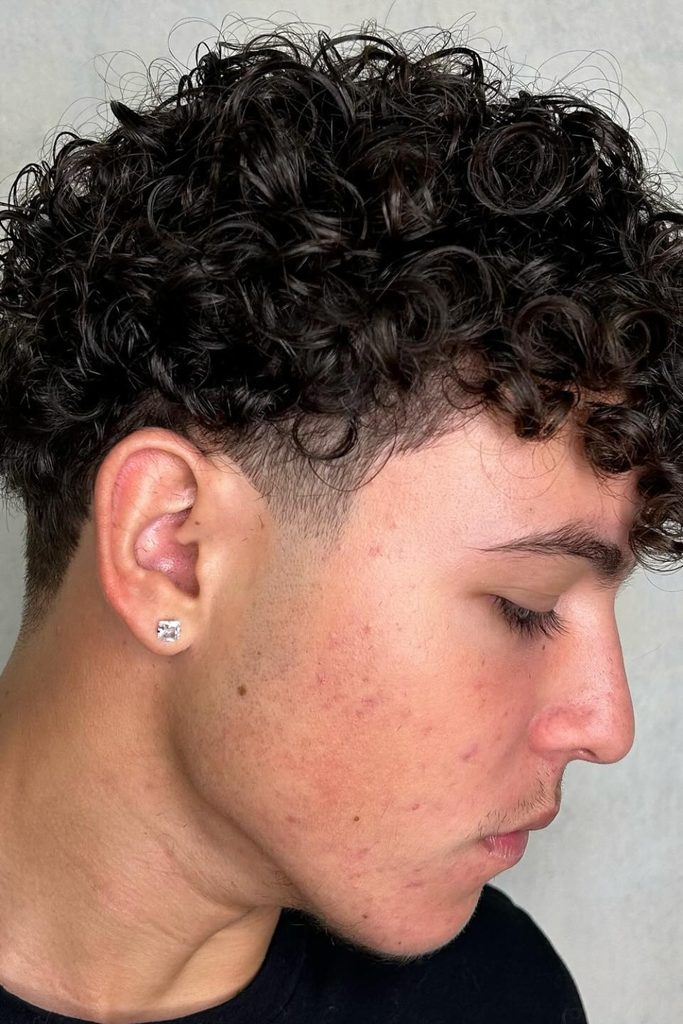
High Curly Fade
Going lighter on the sides gives dense curls a neater contour and the top texture a much lighter feel.
Maintain the fade below the primary curl portion so the barber does not cut into the definition you want to keep.
This sharper transition will soon show regrowth, so utilize this transition when you’re comfortable with cleaner sides more often.
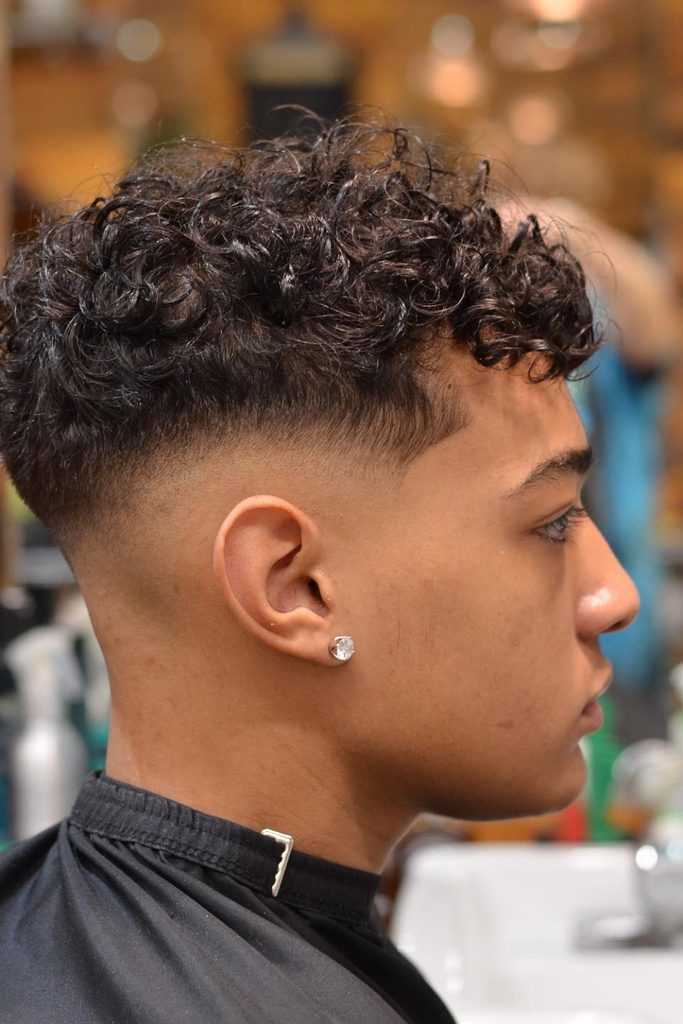
Rounded Curly Taper
The rounded design maintains fullness in dense curls, but a temple taper stops that fullness from getting bulky around your ears.
Tell your barber to keep weight around the crown and back and to only cut spots that are affecting the overall shape.
This is a more gentle method, a natural progression and works especially well for curls that you want to see from all angles.
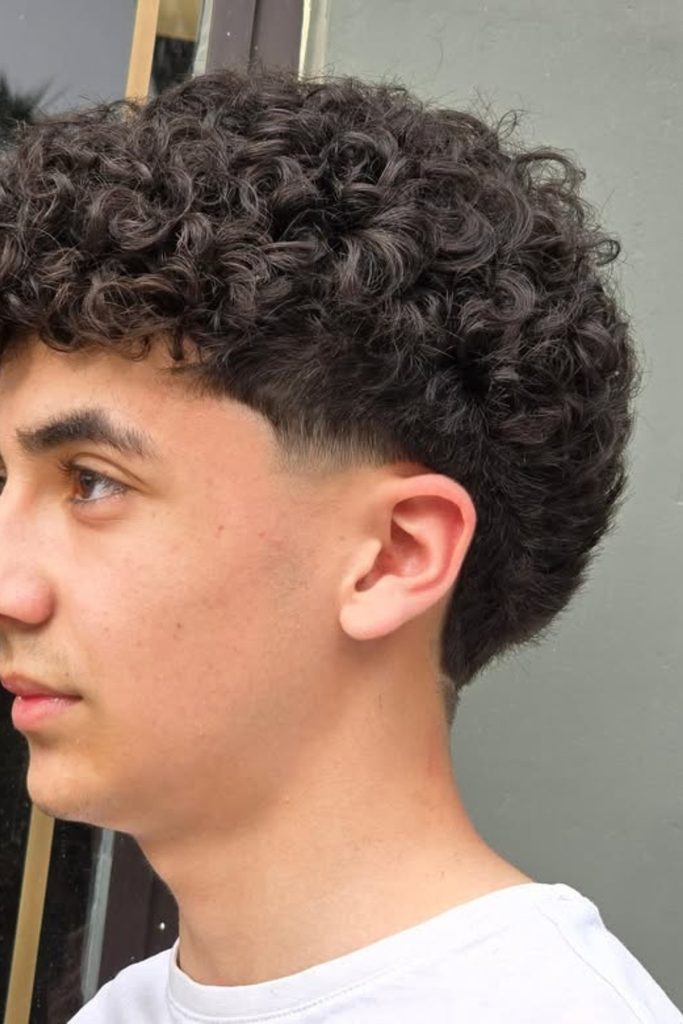
Slick Curl Fade
Sharp defined curls don’t have to be stiff when you mix controlled styling with a sleek low fade underneath.
Emulsify a light gel and work through damp curls, sweeping back with fingers rather than flattening with a comb.
And leaving a little darker weight above the fade helps make for a smoother transition from the sides to the textured crown.
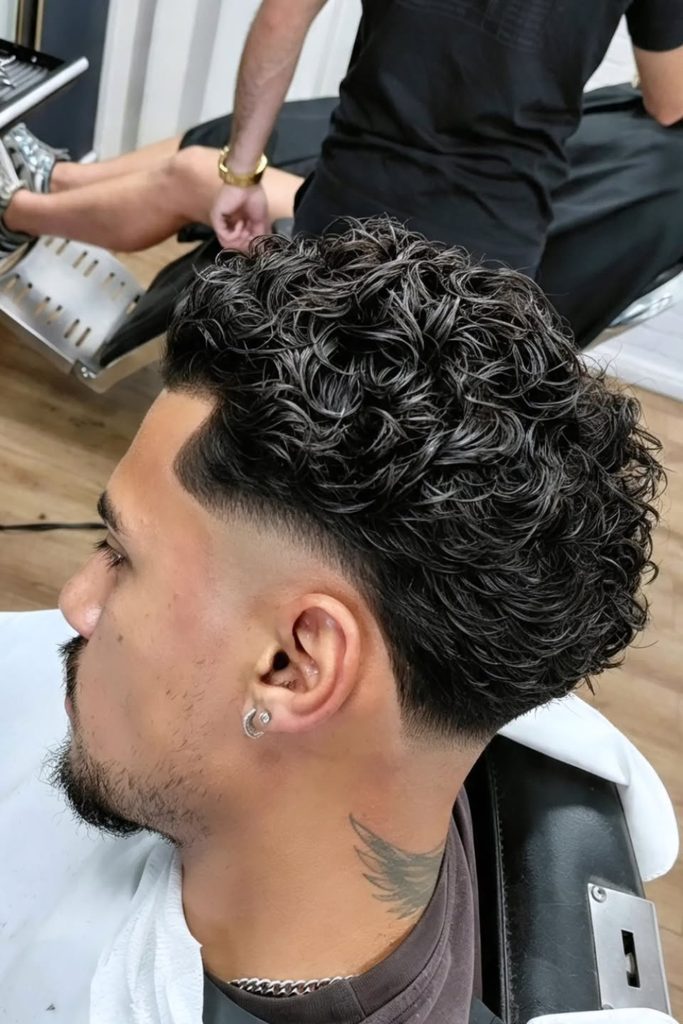
Loose Curly Fringe
Looser curls require extra length to demonstrate movement, but trimming the fringe too forcefully might leave texture looking practically straight.
Let the front stay longer, but trim behind the ears, giving those softer curls enough room to fall forward naturally.
For everyday styling, instead of applying products that can weigh down mobility, dampen the fringe and scrunch lightly.
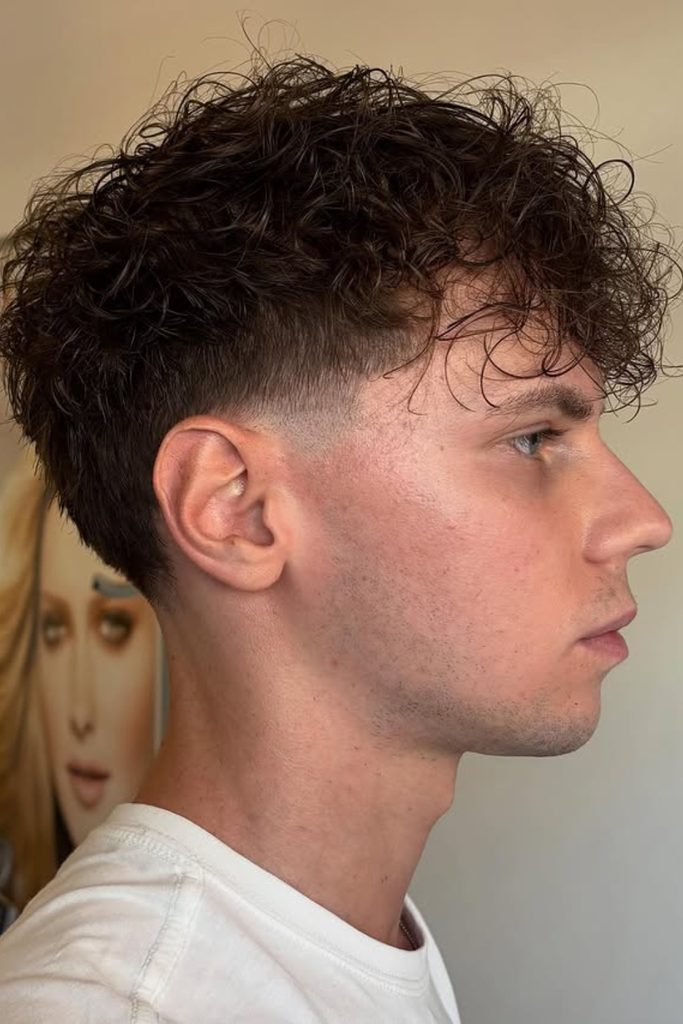
Compact Curl Crop
Shorter ringlets can carry strong definition that drastically thinned top can not.
Request a controlled length all the way around the top, with a gentle taper, leaving enough density for the curls to clump together organically.
The little shape makes it easier to style in the morning with damp hands and a little bit of curl cream to bring definition back quickly.
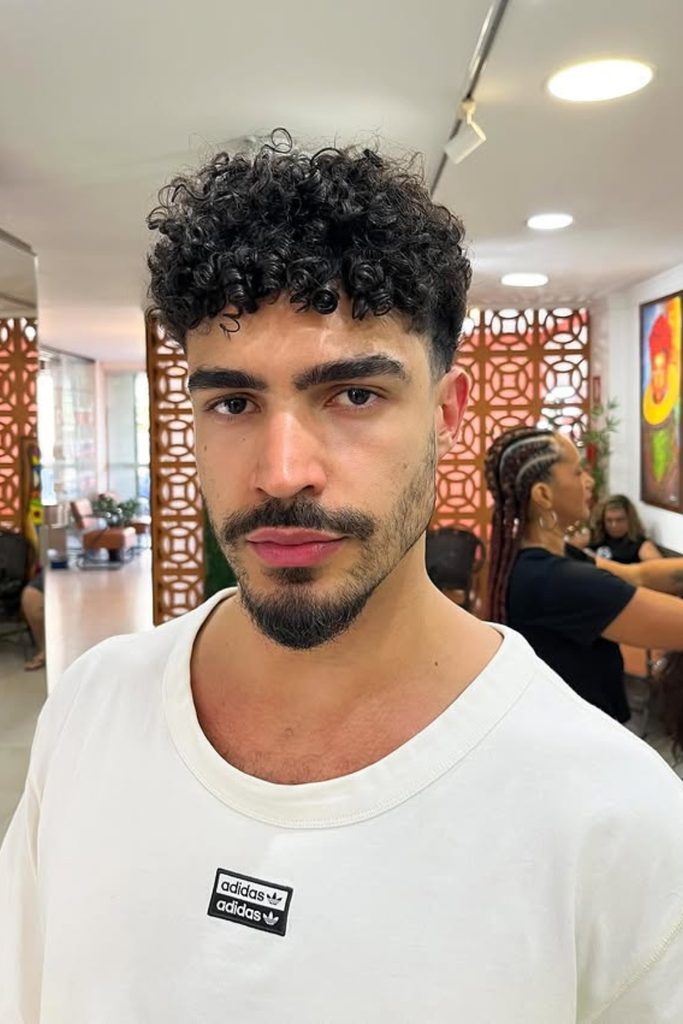
Voluminous Curl Fade
If your curls naturally build height, a higher fade can eliminate the heaviness on the sides without compromising that fuller form on top.
Leave the front a bit longer than the sides so that larger curls frame your forehead, rather than looking excessively round.
Here you may achieve volume from a light mousse without flattening the gentler curls or making their movement appear too controlled.
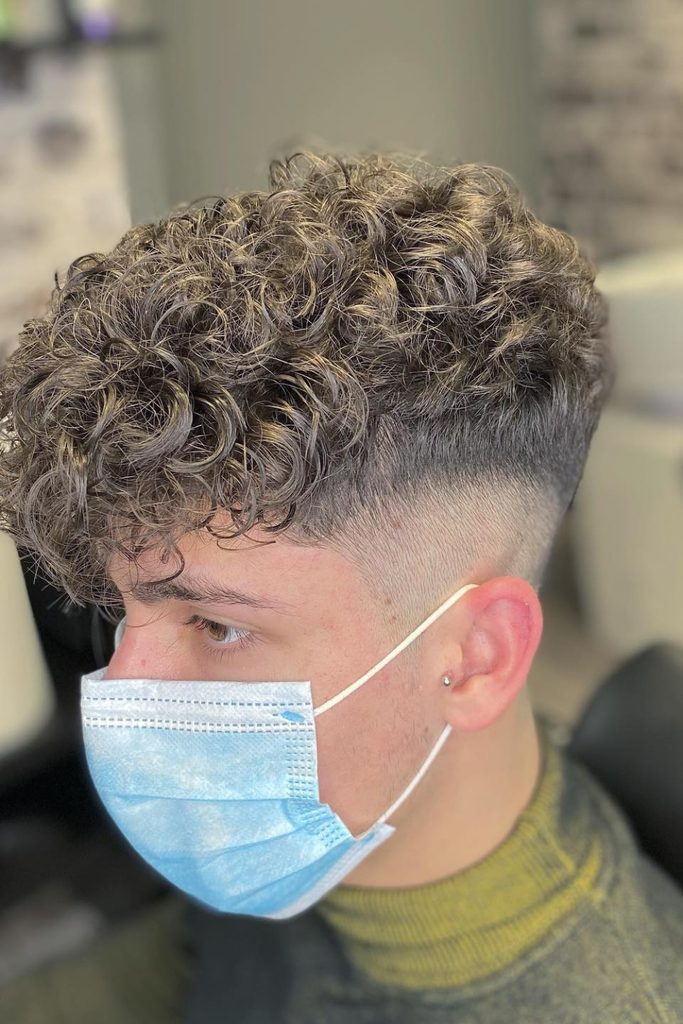
Short Curly Crop
For a real short cut, it’s ideal to keep just enough length on top to let smaller curls remain visibly separated.
Ask for gradually faded sides and a tight crown so styling is simple but you don’t lose texture.
This length is perfect for busy mornings, as a quick damp refresh may bring curls back to life with little product.
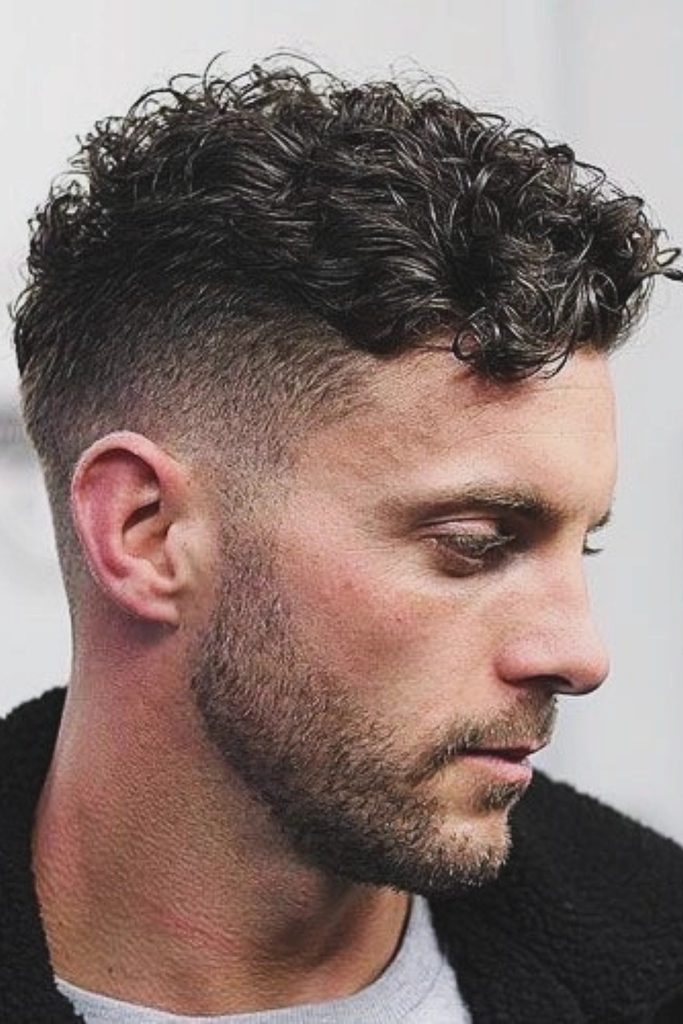
Full Curl Taper
Don’t push everything into stark contrast, leave more density around the rear to provide your curls with a naturally rounded shape.
Concentrate the tapering around the temples and neckline, leaving the central portions heavy enough to hold regular curls.
If you want softer grow-out, go this route; the broader sides disguise new growth better than exposed skin fades.
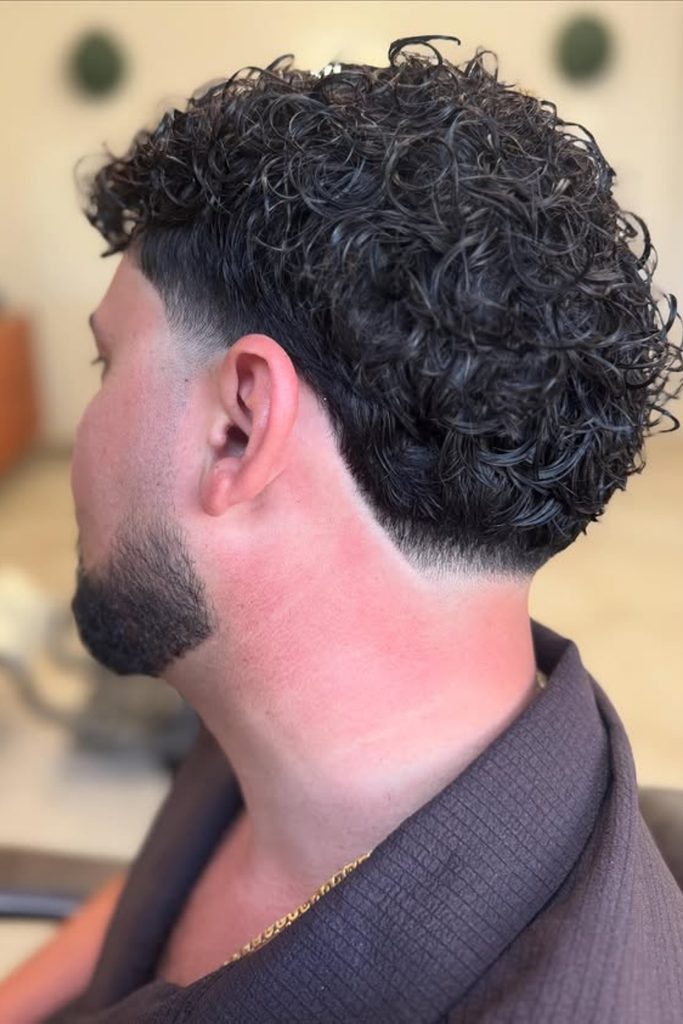
Mid Curly Fade
Low fades are too modest yet high fades lose too much side coverage, a mid fade strikes sweet spot.
Starting the transition around the temple area, leaving enough darkness above it to flow into your curls organically.
This location also offers good control to side bulk, while still providing plenty of textured length over the crown for simple definition.
FAQs
How Often Should You Trim a Short Curly Haircut?
Short curly cuts need a cleanup every 3-6 weeks, depending on how fast your hair grows and how sharp you want the sides.
Instead of getting the curls trimmed every time you go in, have your barber restructure only the portions that are getting bulky.
How Do You Keep Short Curls Defined Without Making Them Stiff?
Start with wet hair and use a small amount of curl cream, mousse or lightweight gel rather than packing down each curl.
Scrunch product through your hair with your fingers and either let it air dry or blow dry with a diffuser on low heat.