Twists can appear wonderful in a reference photo but attaining the same outcome from your own hair is where things can become difficult.
Your twists can come out shorter than you intend, feel overly bulky, expose more scalp, or just look odd.
Another selection you have to make is chunky or smaller twists, especially when you need to consider a taper, fade.
I’ll walk you through those options, and the care that can prevent you from early frizz, before you choose a style.
What Should You Tell Your Barber or Stylist Before Getting Twists?
If you want your twists to appear like you envision, show your stylist a good reference picture before they begin sectioning.
Describe the twist size you want, because smaller sections make more independent twists and larger sections make less.
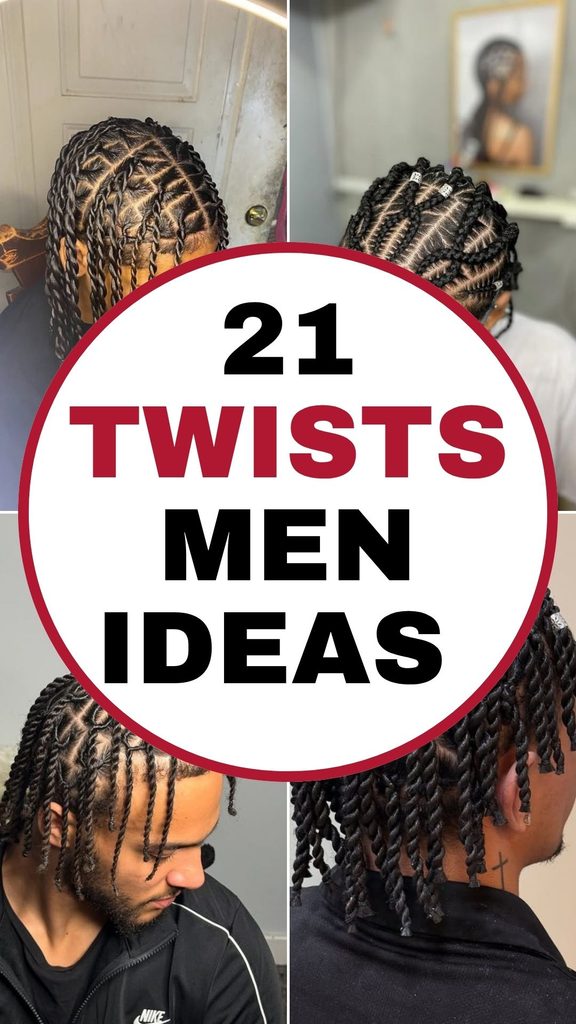
Also let me know if you want square, rectangular, middle-part or more natural appearing parts.
Shrinkage can make your twists look much shorter than your stretched hair, so discuss your hair trimming.
Medium Box Twists
To ensure each twist seems significant without the hairdo being too heavy, keep your sections medium size.
Clean square parting allows room for each twist and helps the finished style look balanced from every aspect.
The twists are allowed to fall organically about the head, which allows ample movement while yet exposing the structured sectioning underneath.
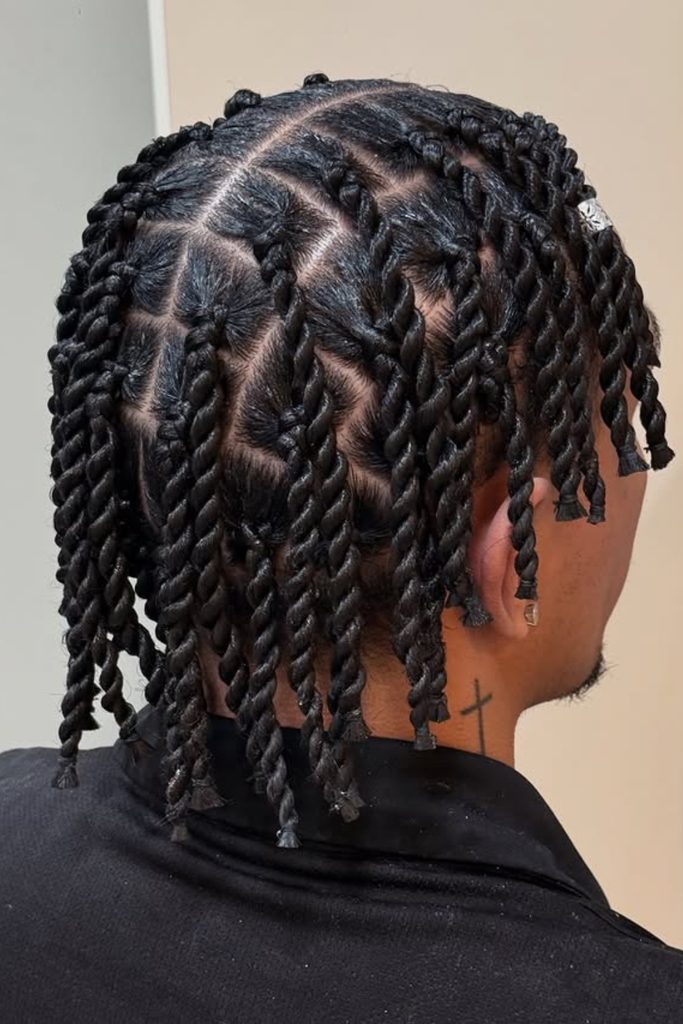
Front Hanging Twists
Want to accent your face with your twists? Leave a little length in the front so that a couple can hang down naturally.
Smaller pieces work best here, as they produce light twists that move easily instead of bunching up about your forehead.
Request clean-cut geometric sections along the top so the style still seems planned when you put the twists to the side.
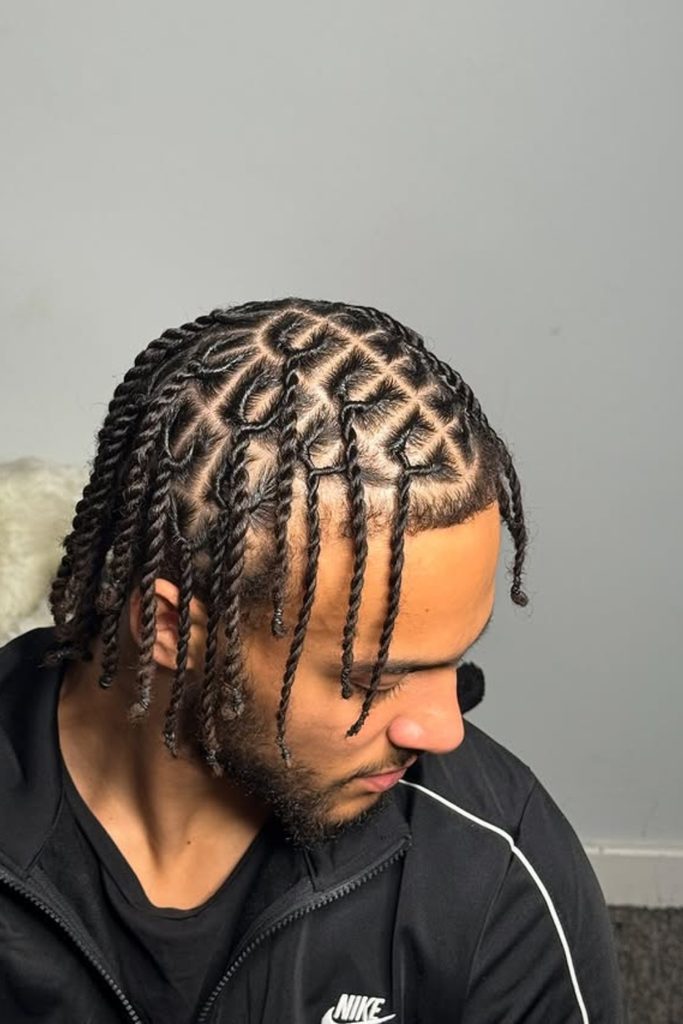
Long Defined Twists
Two-strand twists have way more movement with the extra length but your stretched hair requires enough length to allow for natural shrinkage.
Medium sections are ideal for maintaining longer twists well defined, without the delicate finish that can obscure their rope-like character.
If you want length and volume dispersed around your head rather than all concentrated on top, keep the sides full.
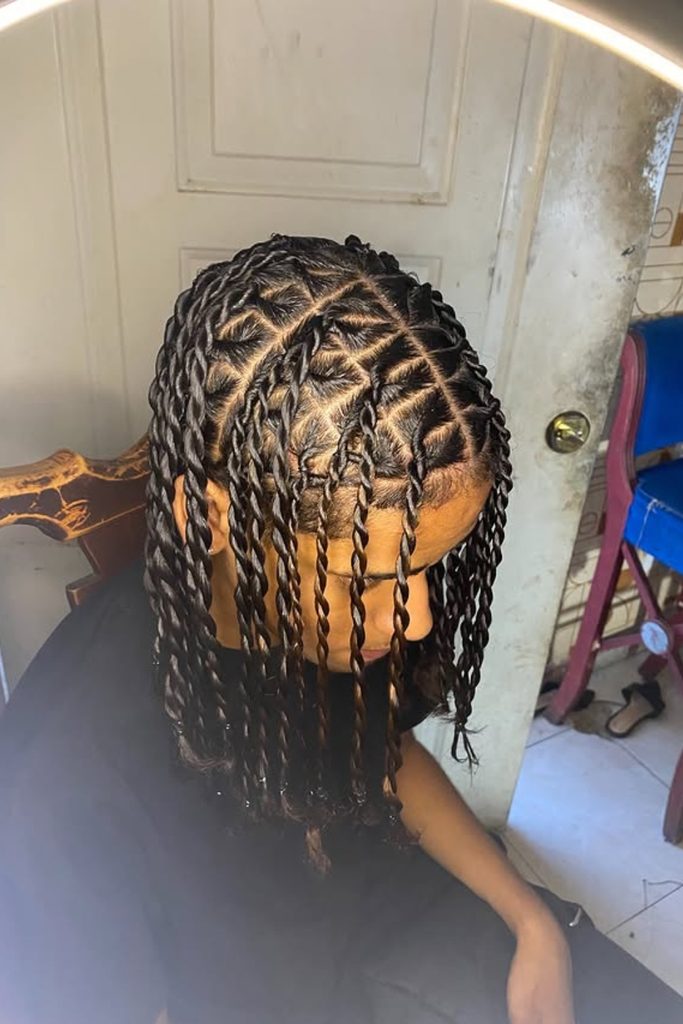
Patterned Flat Twists
If you want the parting itself to be one of the strongest aspects of the hairstyle, switch to loose hanging twists.
Curved flat twists can flow in different directions all over your scalp, adding movement without the need for long pieces hanging about your face.
Small metallic cuffs can emphasize chosen portions, but minimal usage ensures the accessories don’t overshadow the intricate pattern.
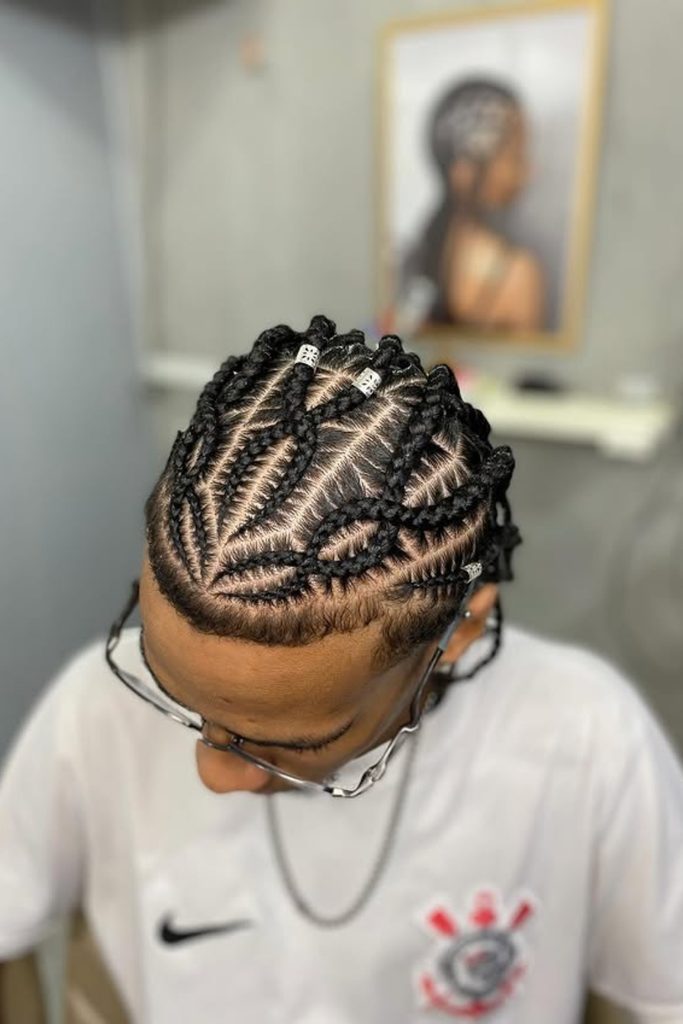
Chunky Square Twists
Make the twists more chunky when you want the twists themselves to have greater visual weight rather than making lots of finer pieces.
Larger square portions leave more scalp visible, so perfect parting is especially vital for making the layout feel planned.
This thickness is also a good match for medium-length hair, providing you good volume without needing twists that hang way over your face.
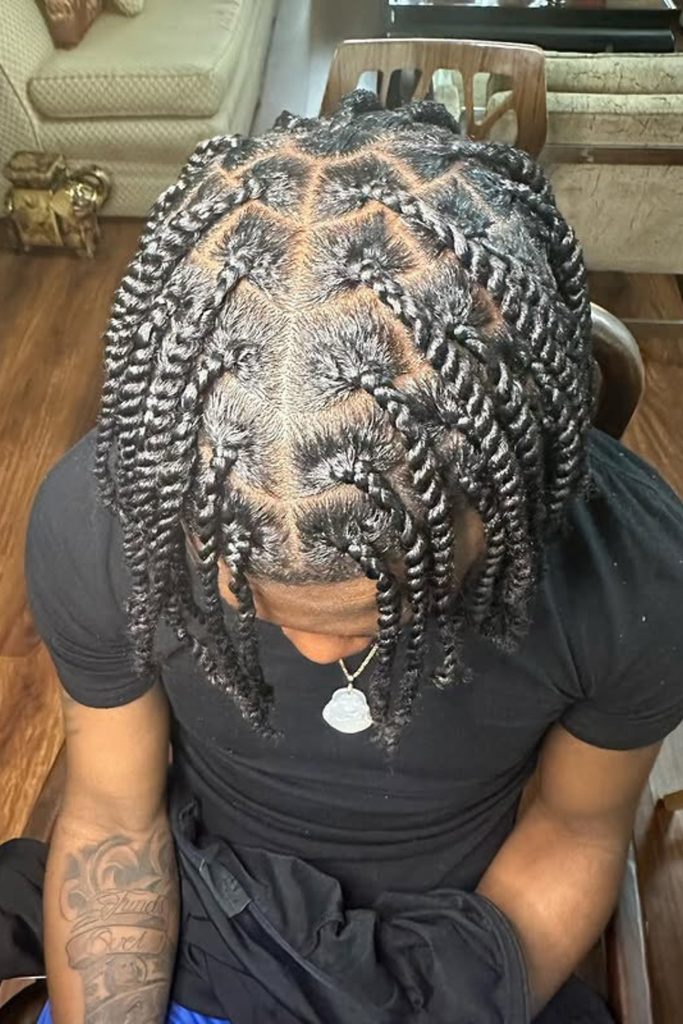
Short Layered Twists
Even shorter twists can frame the face beautifully when the parts are set to fall organically over the forehead.
If you want a lot of definition but don’t want each individual twist to look too thin, go for consistently medium-small portions.
If you leave some fullness at the sides you create a rounded silhouette, this orientation is excellent while you are still growing length.
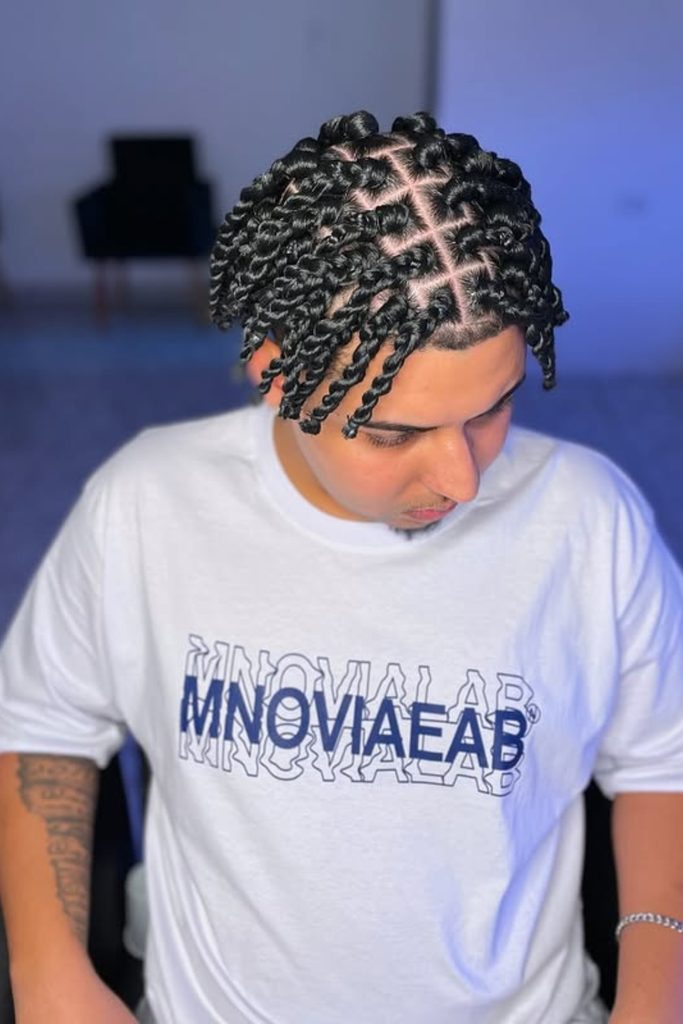
Thick Hanging Twists
If you want a lot of distinct twists, you can use smaller parts. Larger sections can give a bolder finish, like a rope.
You will need enough length extended here because shrinkage can pull thick twists quite a bit higher than your reference photo implies.
Allow a few strands to fall around the temples and forehead for natural framing without a harsh fade underneath.
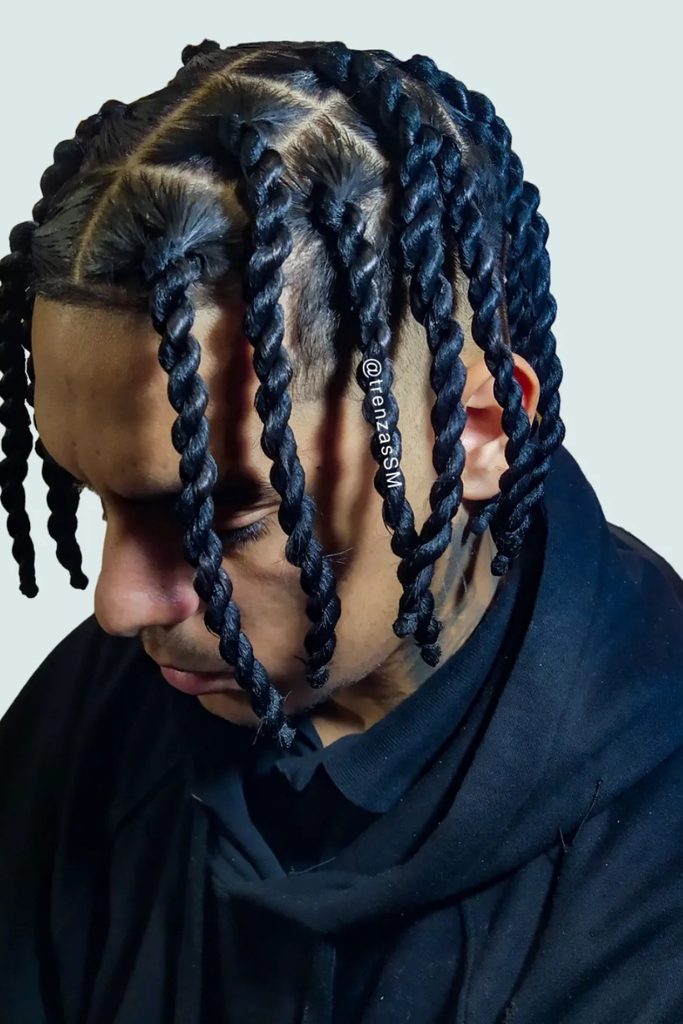
Fine Box Twists
If you want more individual twists and a lighter finish around your face, try smaller parts.
Neat box separating helps arrange the extra twist count so all those smaller pieces don’t visually blur together at the roots.
It also creates easier movement, so you can move the twists backward or sideways when your forehead requires more openness.
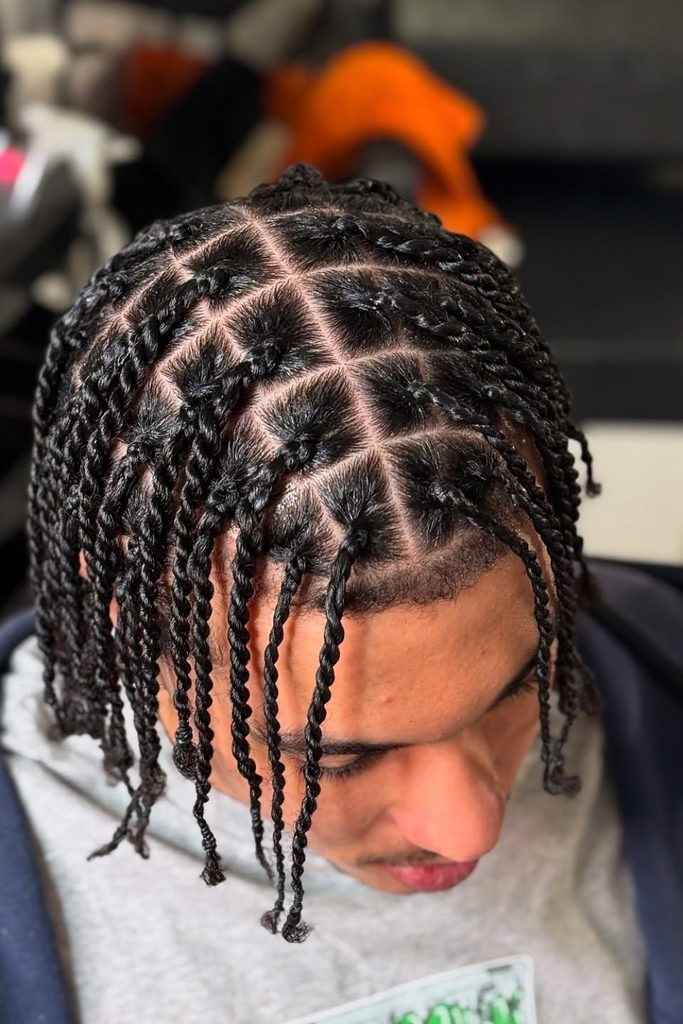
Small Full Twists
More twists can provide even more movement to medium-length hair, especially when you work with smaller portions all over the head.
“Use uniform sizes of pieces instead of going for perfectly chunky pieces so that the finished hairstyle holds an even shape from behind.
Leaving the ends slightly curled adds a bit of texture, so you don’t get a stiff bottom line all around.
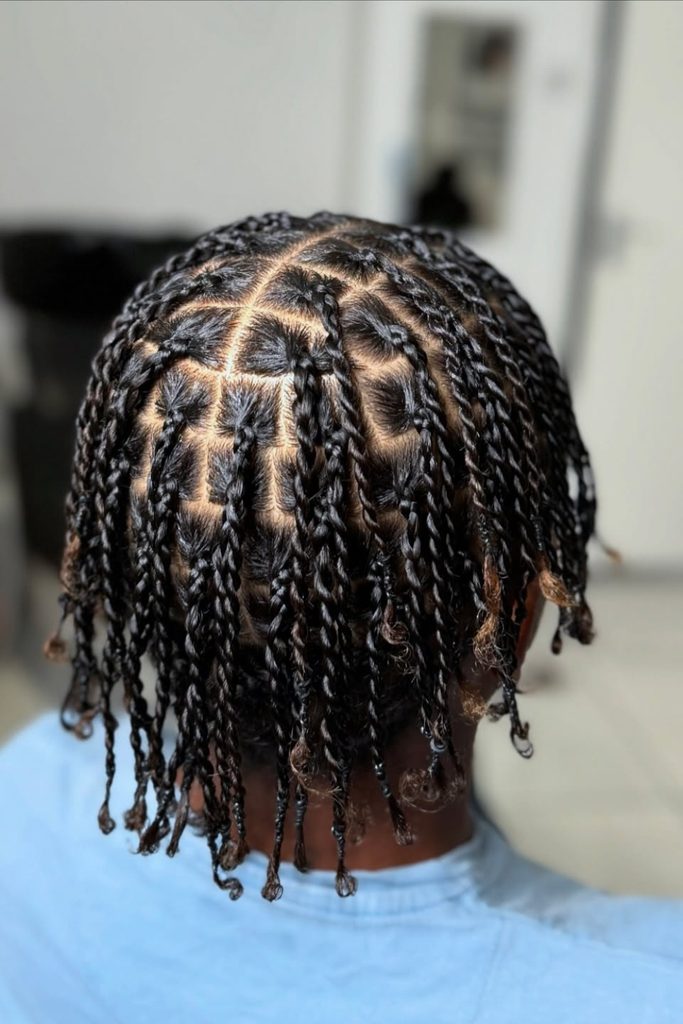
Forward Framing Twists
Want some of your current length to be part of the face-framing shape? Bring more twists to the forehead.
The medium parts are thick enough to be defining yet staggered placement means not every piece has to hang at the same level.
Before you twist out, decide how much forehead coverage you really want because the front portions will be the most noticeable.
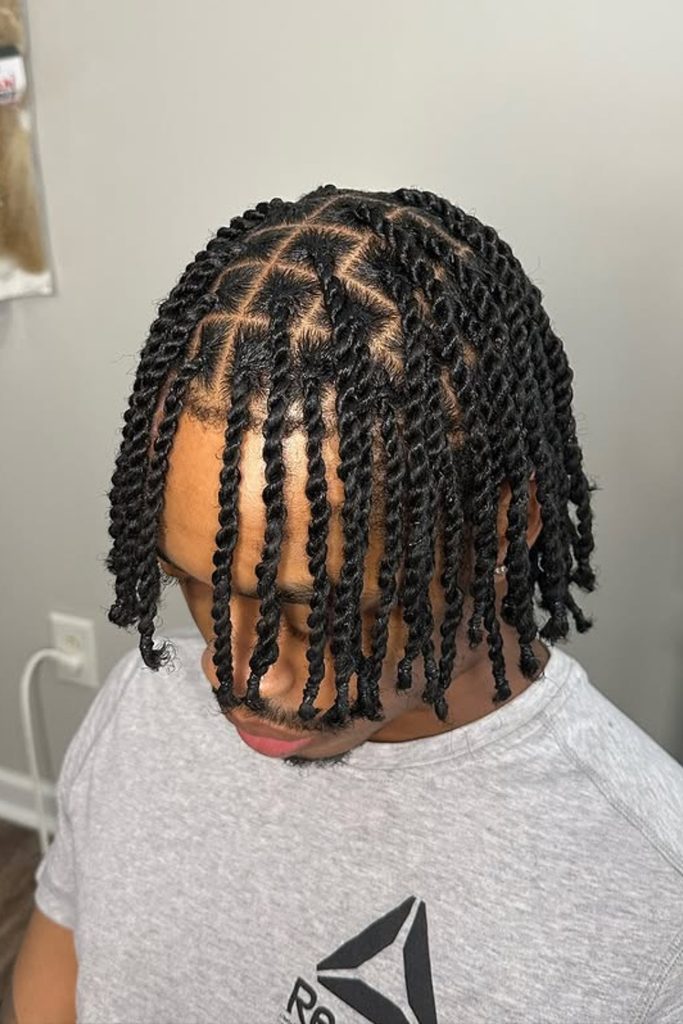
Long Full Twists
If you grow things out you can wear longer twists on the sides without having to couple them up with fades.
For those longer looks with obvious rope texture from root to tip, go with medium sections.
If your twists are shoulder length or so, the extra movement is just part of the style so don’t make each portion smaller than you need.
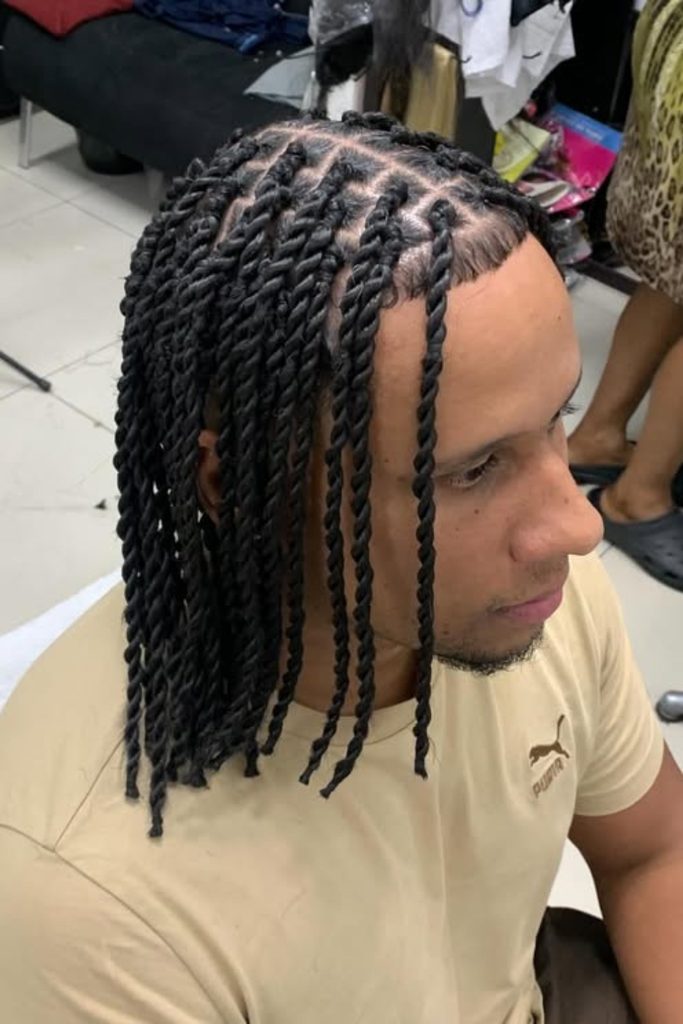
Side Part Twists
Medium twists need a certain direction, and a defined side section keeps the front pieces from landing on your forehead.
Instead of adding it after the twists are already put, have your stylist build the sections around that part.
Moderate thickness twists offer you lots of freedom to slide them sideways when you want greater face exposure.
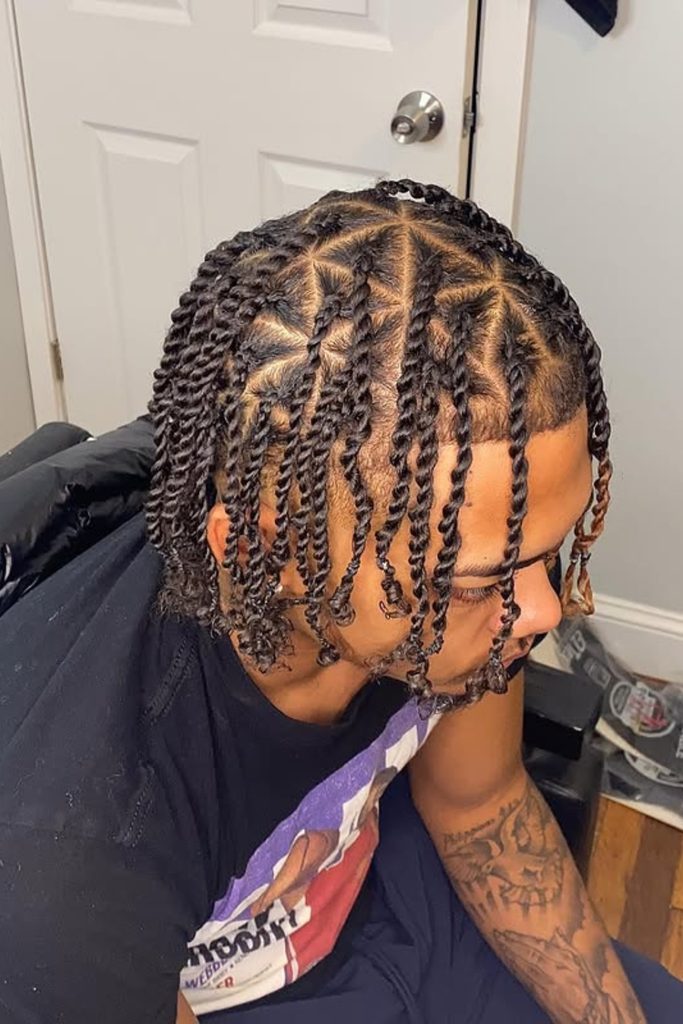
Center Part Twists
if you prefer more of the volume on one side instead of the twists even out try a central portion.
This pattern has enough fullness with medium sized portions but the center line makes the overall form look orderly from the front.
Let a few twists fall over each side of your face so that the middle part feels relaxed, not too regimented.
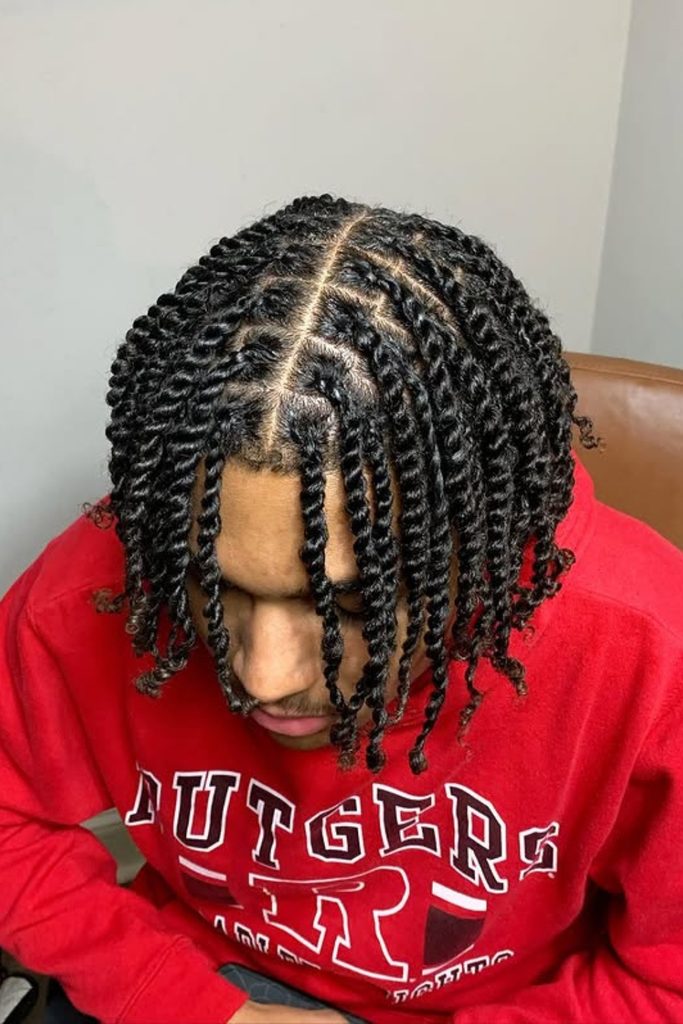
Long Box Twists
With longer hair, square sections have more punch; each twist has ample length to display its structure and movement.
If you want the roots to be a key part of the finished style, then keep the boxes uniform over your scalp.
Before you agree on this length, think about shrinkage so your twists will land at the right position when your natural texture relaxes.
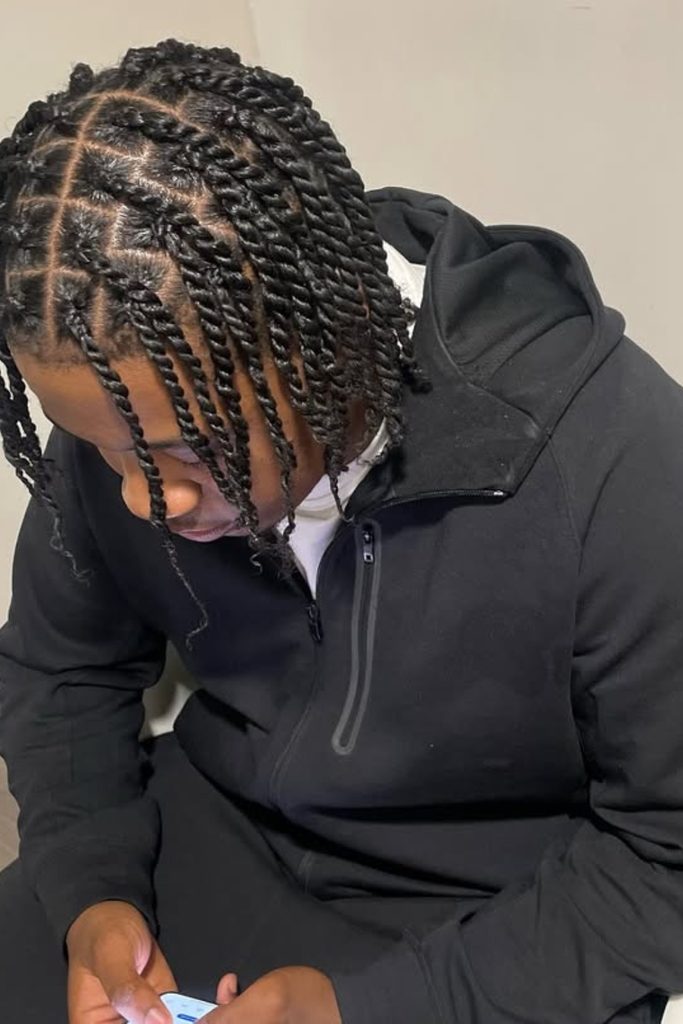
Compact Rope Twists
Some twist styles don’t require additional length, especially if a shorter finish gives you plenty of texture and movement.
For shorter hair, use smaller parts to create more rope twists around the head, helping to make the hair look fuller without using big individual pieces.
Framing your face while making the style easier to wear away from your eyes, keeping the ends at eyebrow level.
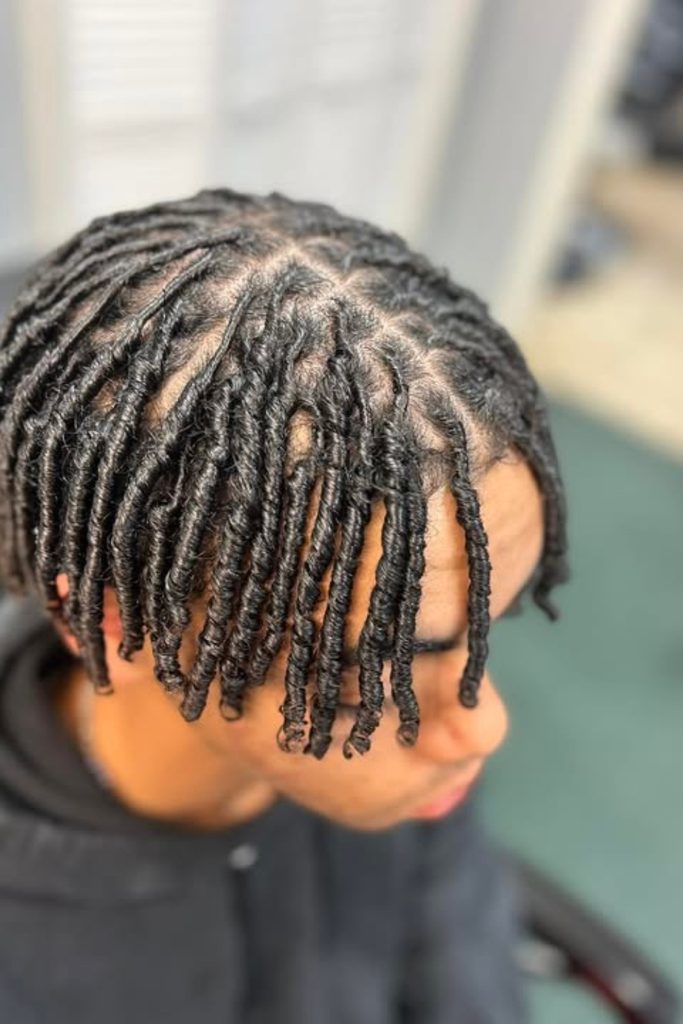
Textured Medium Twists
Allow some natural texture to show if you want your twists to look fuller and not so sleek and precisely polished.
Medium portions offer coily hair enough space to form significant twists, while still leaving plenty of separate strands across the head.
When the style settles, a bit of softness can be expected around each twist, so judge the look by shape, not by flawless smoothness.
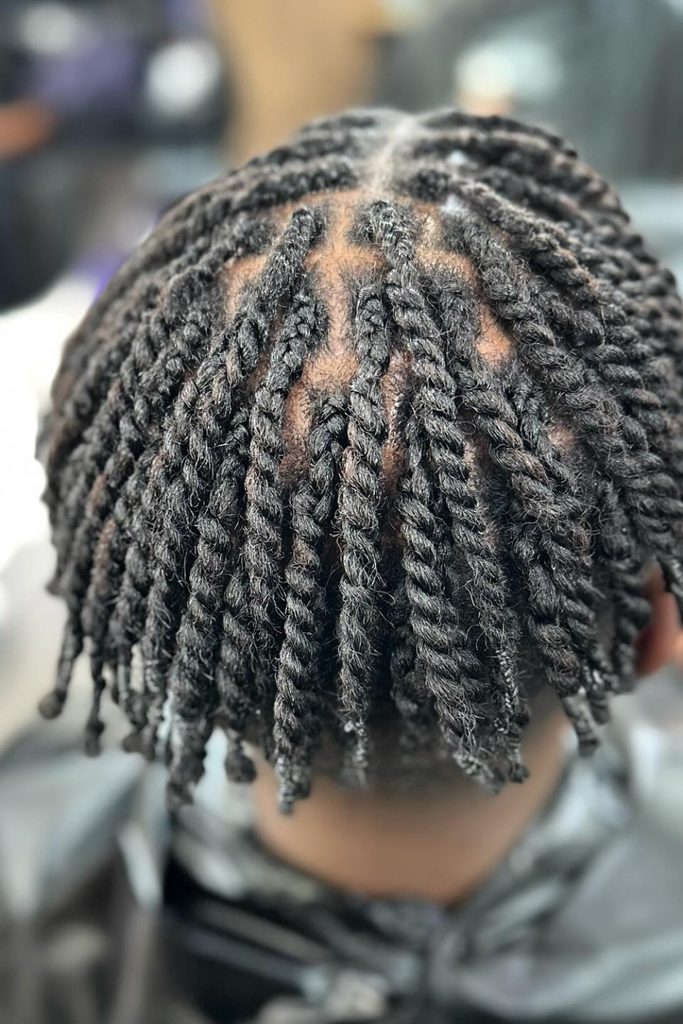
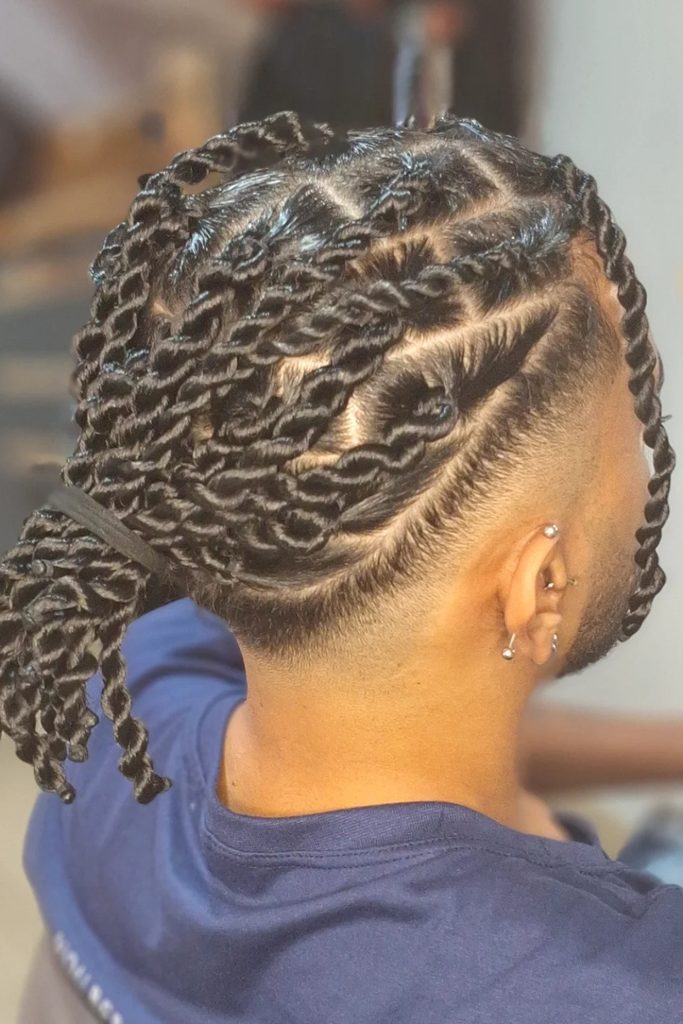
Tapered Twist Ponytail
If you want to have your face totally open without sacrificing the length you have already developed, pull the longer twists back.
Tie up the hair and pair it with tapered sides for a way to get rid of bulk around the ears and better separation underneath the gathered twists.
Leave enough length through the top and back so the pony tail can sit properly without pulling individual pieces too tight.
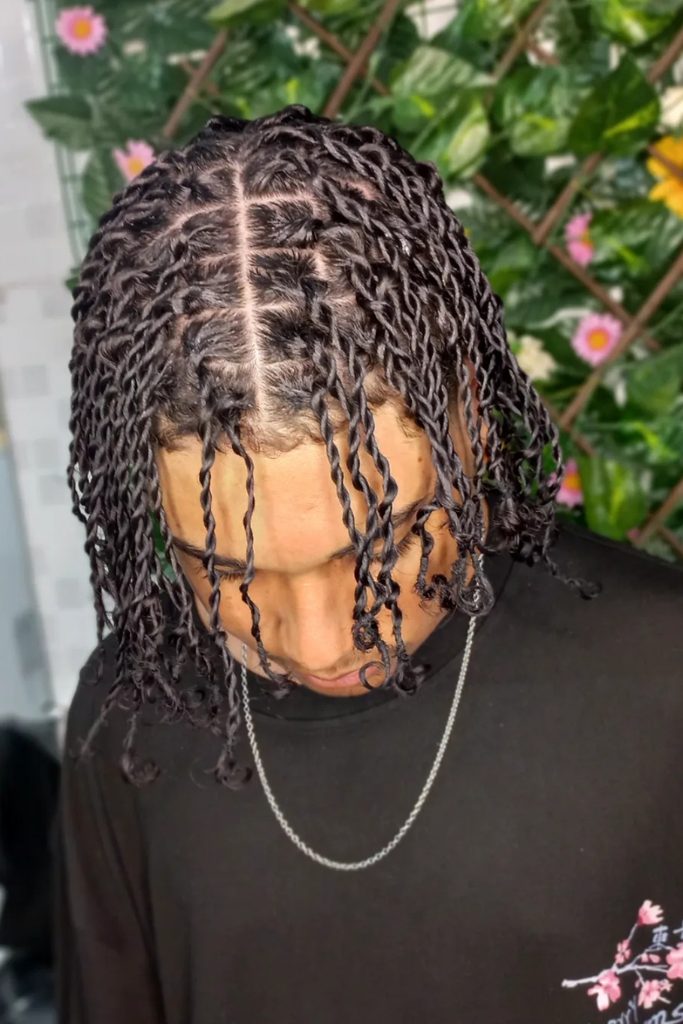
Loose Center Twists
Ask for twists that preserve some natural mobility instead than looking rigidly stretched from root to tip for a gentler finish.
A visible center parting distributes longer strands evenly, letting both sides to frame your face without one side carrying extra volume.
If you want a relaxed finish, the ends curling might make the bottom edge feel less even and that’s nice.
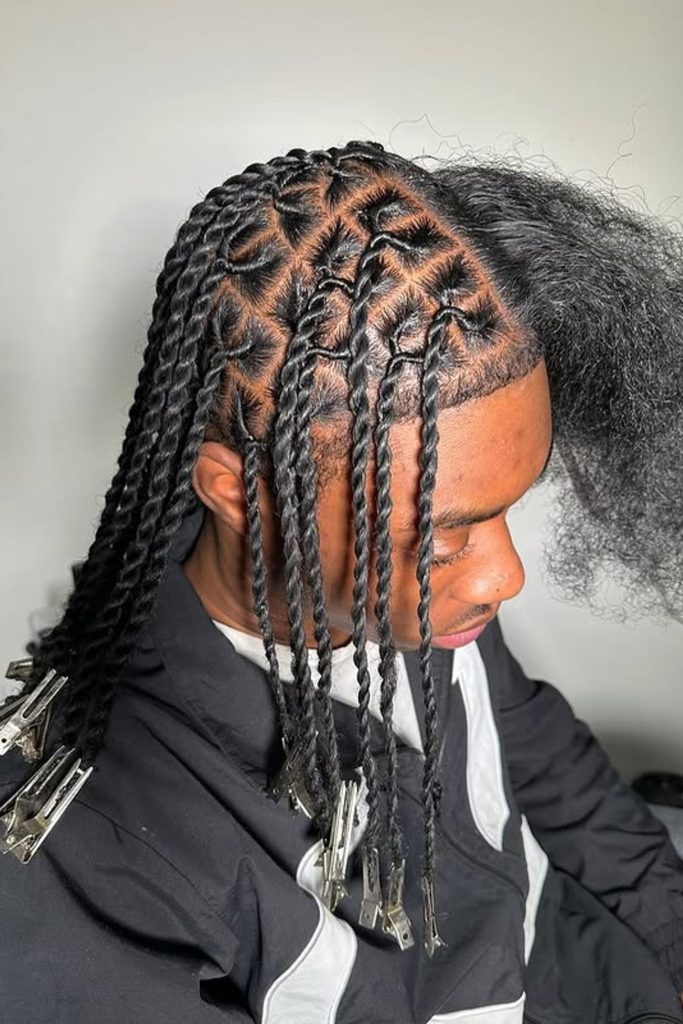
Partial Long Twists
You don’t have to wait until every piece of your hair is the same length to keep growing it out unevenly.
If you wish to keep making progress while shorter pieces continue to grow toward useable length, start by twisting the longer areas first .
It’s also easier to merge future portions if you have a consistent separation, so the end result head seems more balanced.
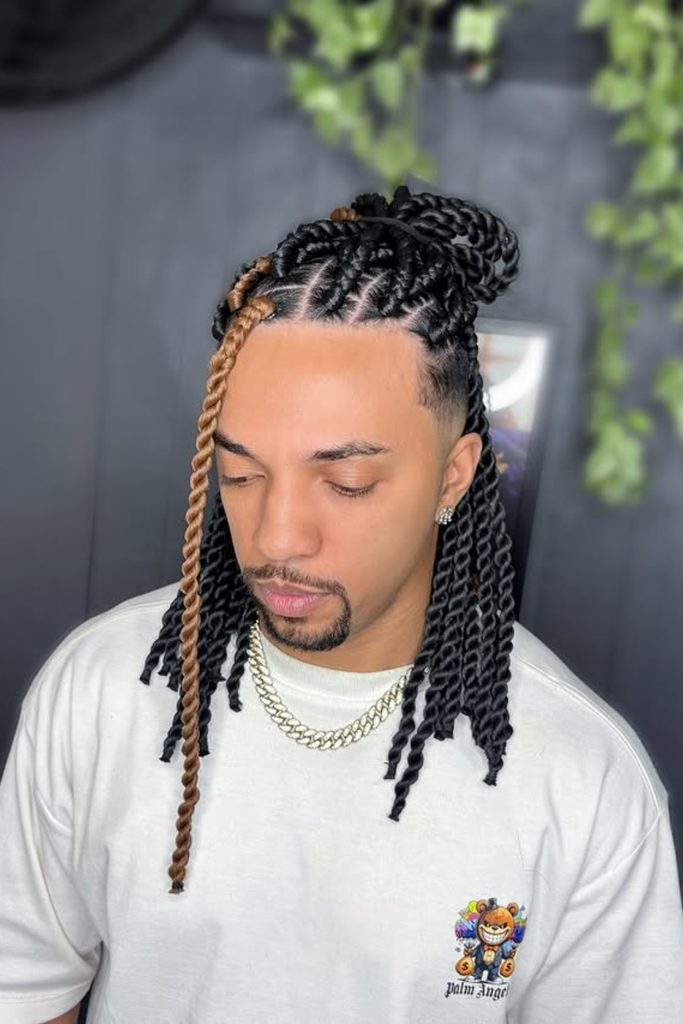
Half-Up Twists
A high bun with some of your twists pulled up is a great way to show off more of your face shape while still keeping a lot of length down.
Leave a few twists loose around the back and sides so the bun doesn’t take all the movement out of the hairstyle.
One of the opposite twists can become the detail to focus on, especially if you want some personality without changing the whole twist pattern.
Middle Part Twists
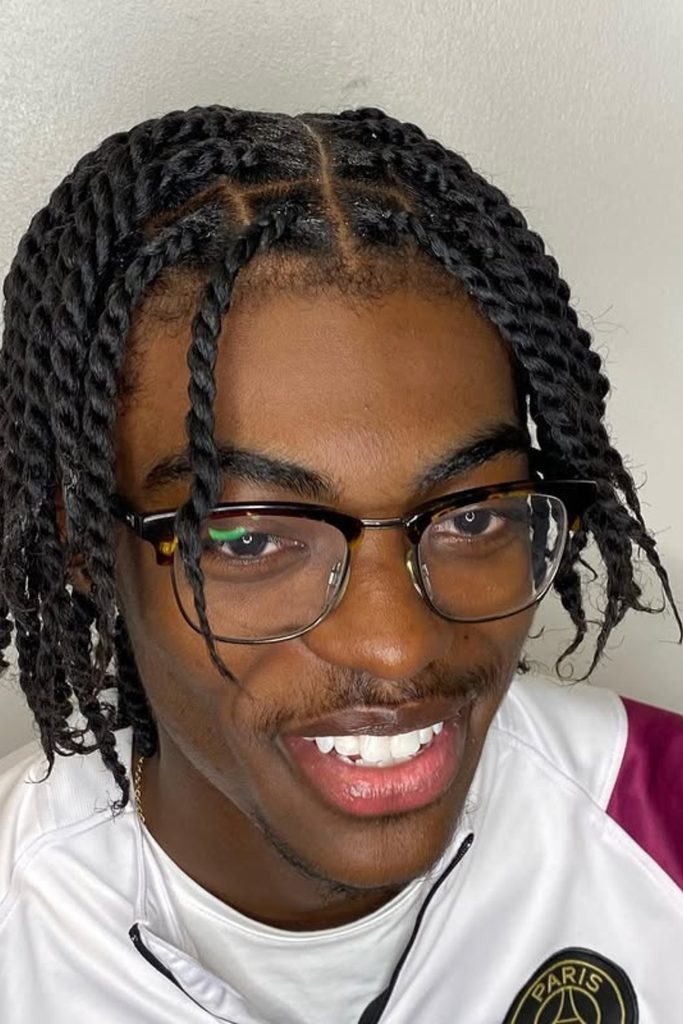
If you want your twists to frame both sides of your face perfectly, a clean middle part is a great choice.
Hold the front pieces in slightly, so that the curls are next to your forehead instead of flowing over your eyes all the time.
Allowing a bit of natural curl to peek out at the ends softens the look and provides medium-length twists with a more relaxed, lived-in feel.
FAQs
How Often Should Men Redo Their Twists?
You don’t have to start over with your twists just because a little frizz shows up. Instead, look for loose roots, unraveling parts, accumulation and how your scalp feels.
How quickly these changes develop will depend on your hair structure, twist size, regimen and daily activity.
Can You Shower With Two-Strand Twists?
A shower cap will help to prevent excess moisture, but you shouldn’t miss normal scalp cleansing only to preserve the style.
When your twists do get wet treat them gently and let them dry properly since harsh rubbing can encourage frizz and unraveling.