Choosing an undercut becomes perplexing when you learn the sides, top length, hair texture, and styling direction can radically modify it.
A sharp style you save might not wear the same way on your straight, wavy, curly, thick or fine hair.
You also get to choose between a clean disconnect, softer fade, textured top or longer swept-back finish.
In this article, you’ll find some undercut hairstyle ideas for men and practical recommendations to help you select a version that works with your hair.
How Can You Choose an Undercut That Works With Your Face Shape?
When deciding on an undercut to balance your features, consider not just face-shape principles, but how much height and width you leave around the face.
If you have a round face, opt for shorter sides with some height on top to elongate and define.
If you have a rectangle or oblong face, don’t go too far with the contrast with very tight sides and a lofty top.
Since square faces are angular enough, a textured or natural sweeping top can help soften the shape overall.
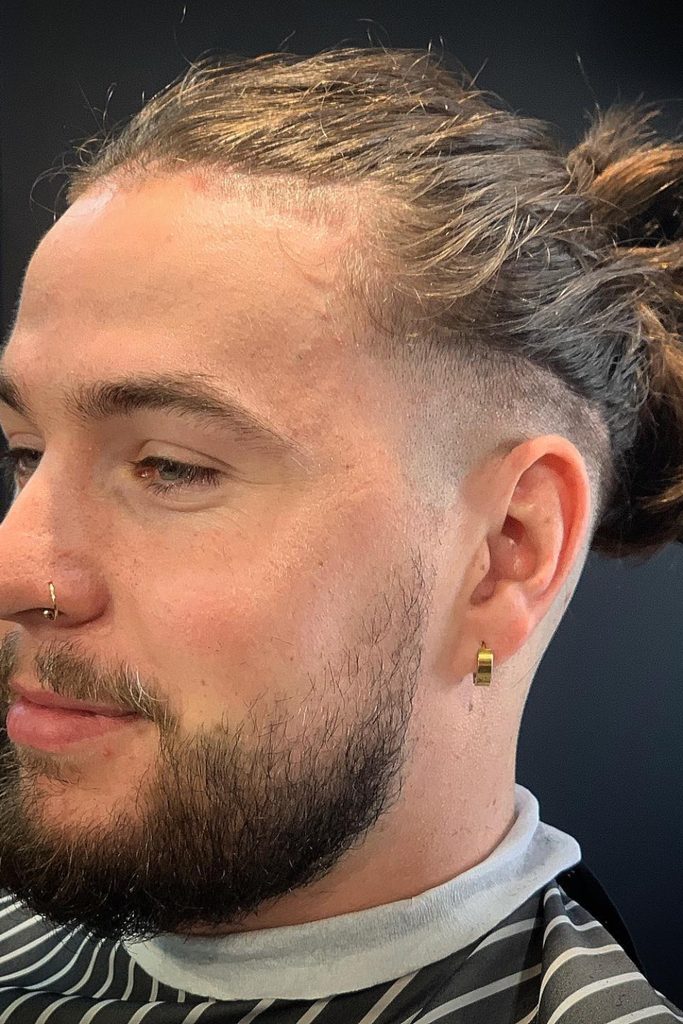
Bun Undercut
The sides are faded to minimize extraneous bulk, with the length on top allowing you to pull everything back.
Ask your barber to keep the hair on top long and to fade around the temples and ears.
If you have shorter strands near your hairline that don’t stay tamed, apply a light styling cream before tying your hair.
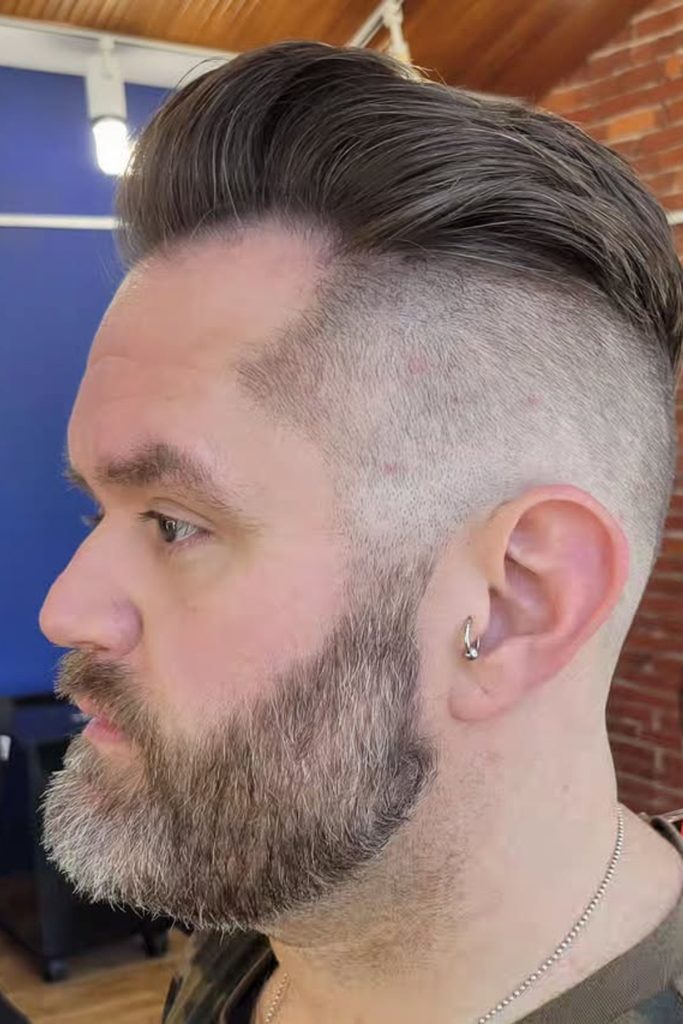
Swept Undercut
Extra length through the front offers you enough room to pull the hair back without losing natural volume.
Then blow-dry with a brush from front to back and work a little medium-hold product through afterward.
To keep the swept shape well defined, have the sides significantly shorter than the top.
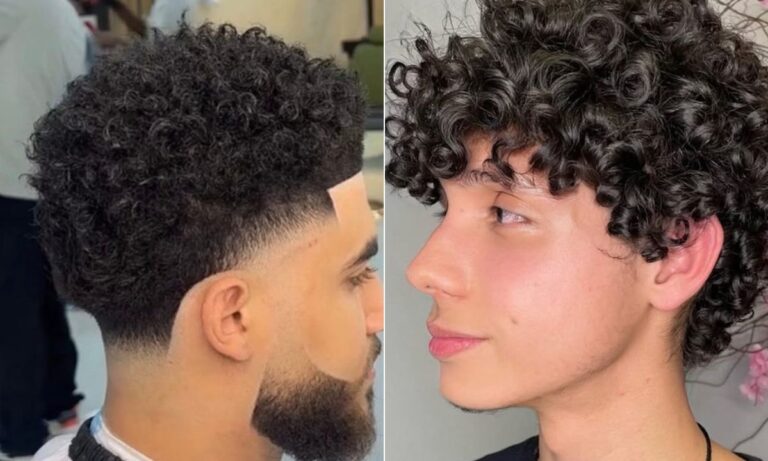
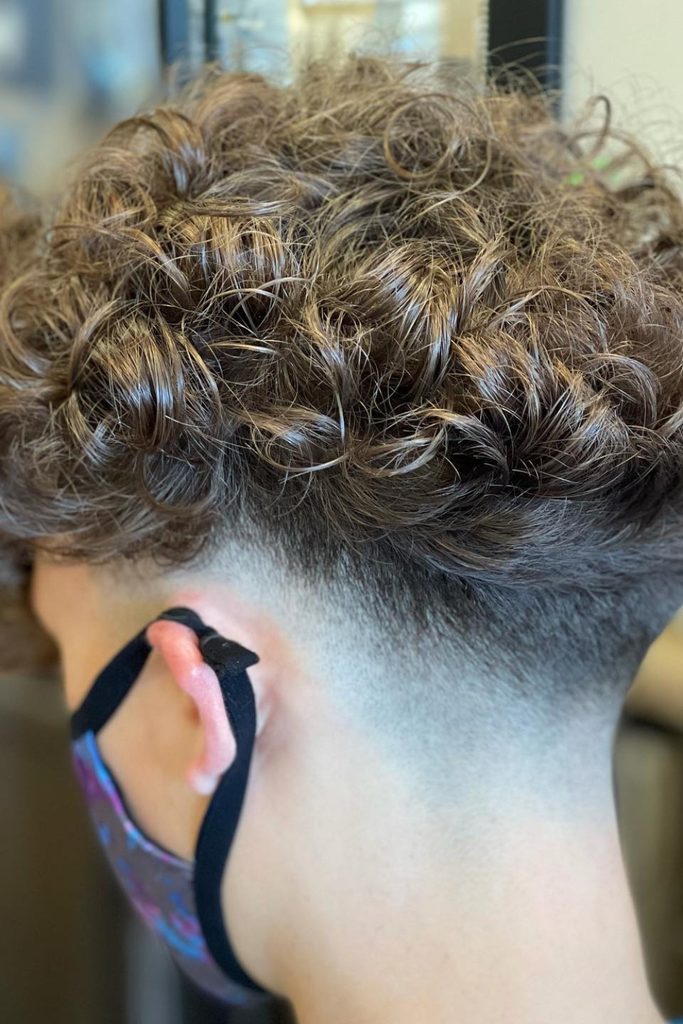
Curly Undercut
Instead of going short on top to make it easier to style, let your natural curls give you the volume on top.
Request a low faded undercut, but retain enough length on top to allow for individual curl definition.
Put curl cream into the hair when it’s damp and let it to air dry without brushing over the curl pattern repeatedly.
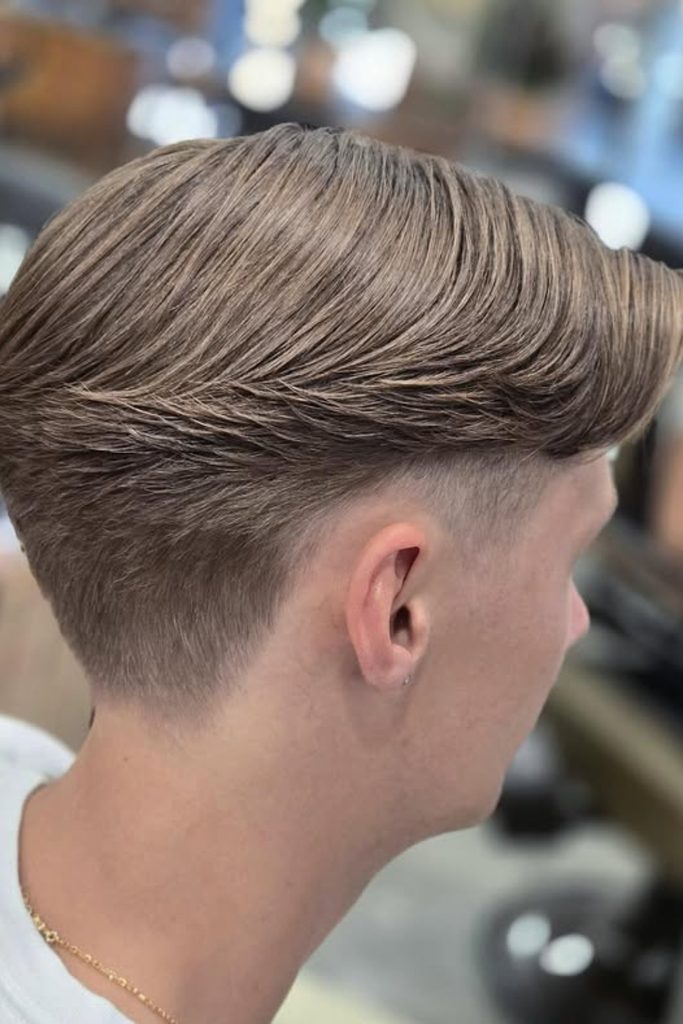
Flowing Undercut
By leaving more weight across the top you’ll have this nice flowy form without having the undercut look too detached.
When you blow-dry, comb the lengths diagonally so they fall naturally in one direction, rather than laying flat.
For this finish, choose a lighter style product, since a strong pomade may rapidly squash out the mobility you’ve preserved above.
Sharp Side Part
A defined side section offers structure to your undercut, especially if you want the lengthier top to look controlled and finished.
Maintain enough length at the front to comb upwards and across without revealing gaps or requiring too much product.
Ask for tight fading sides and a sharply defined section to keep the contrast strikingly clean.
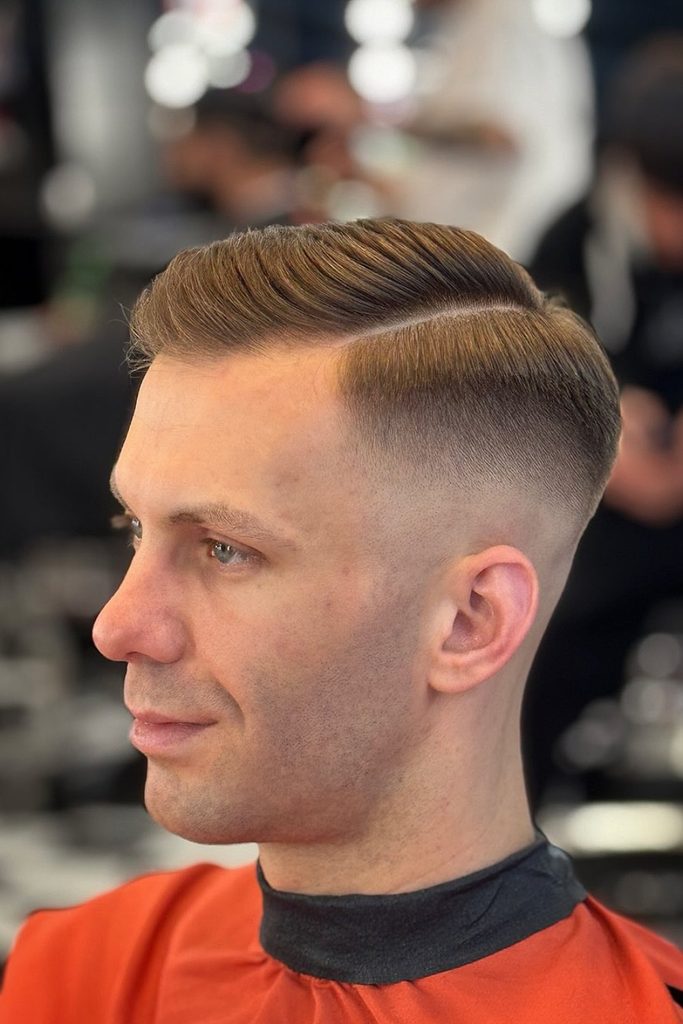
Slicked Undercut
The longer top is pointed back when you desire less height, which maintains your undercut tidy without adding volume.
Leave enough weight on the top so the hair stays together, rather than falling into shorter, uneven pieces.
For easier control, apply a medium-hold product to somewhat damp hair and comb back in the direction of the natural growth pattern.
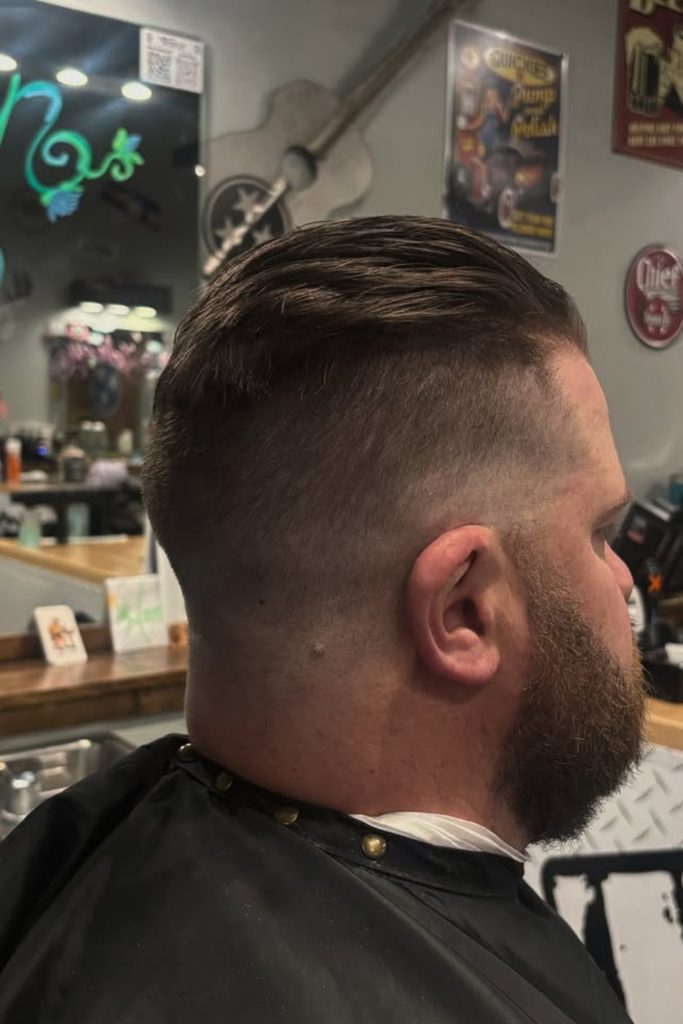
Brushed Undercut
A longer hairstyle brushed diagonally backward provides you good direction while leaving the top without seeming stiff or over-sculpted.
The upper part should be considerably longer than the faded sides so you have plenty of weight for that smooth sweep.
Work on damp hair and blow-dry backward and finish with a light product to retain everything in place without weighing it down.
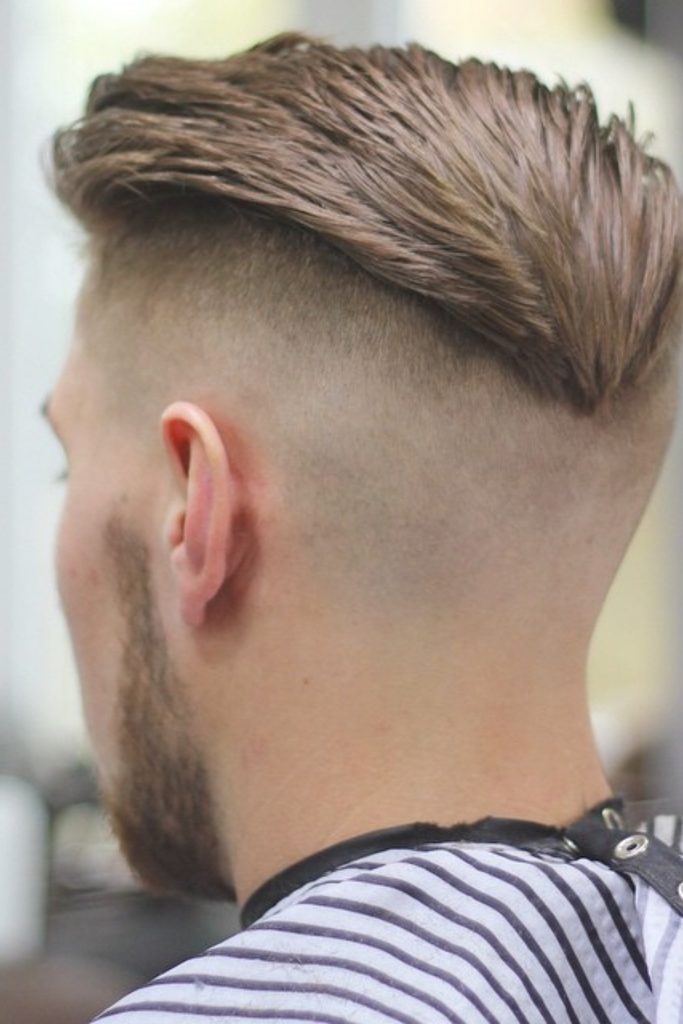
Soft Undercut
A slightly longer length around the sides is a great option if you want an undercut contrast without revealing too much scalp.
If your hair is straight and already has plenty of weight and movement, let the top fall naturally forward and to the side.
Ask for a softer edge to the temples and the back so growing out the cut later on is less difficult.
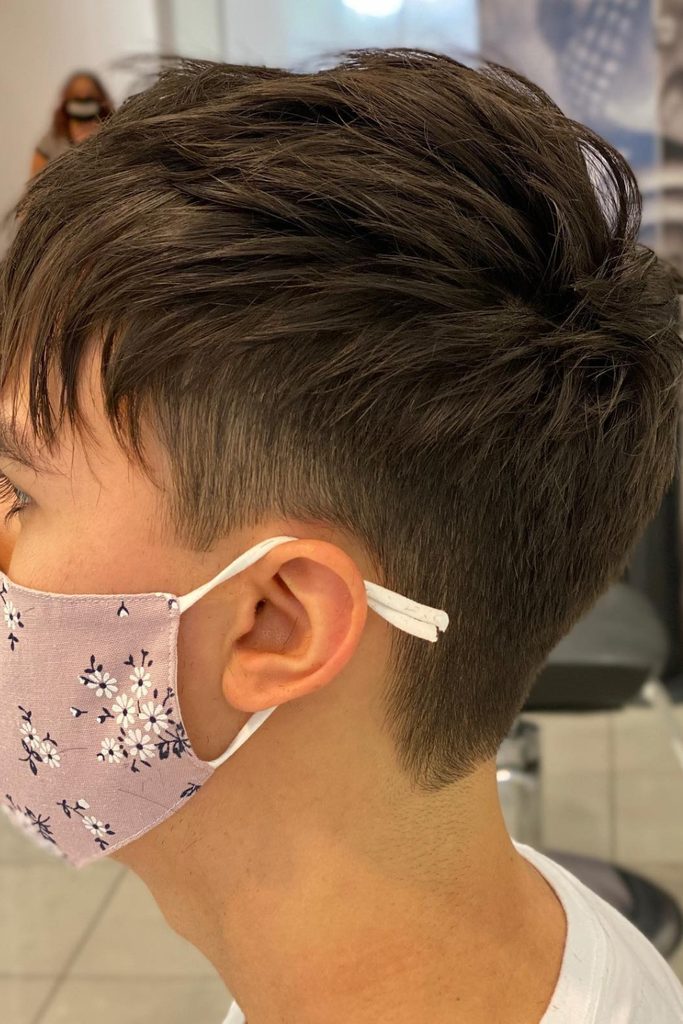
Textured Fade
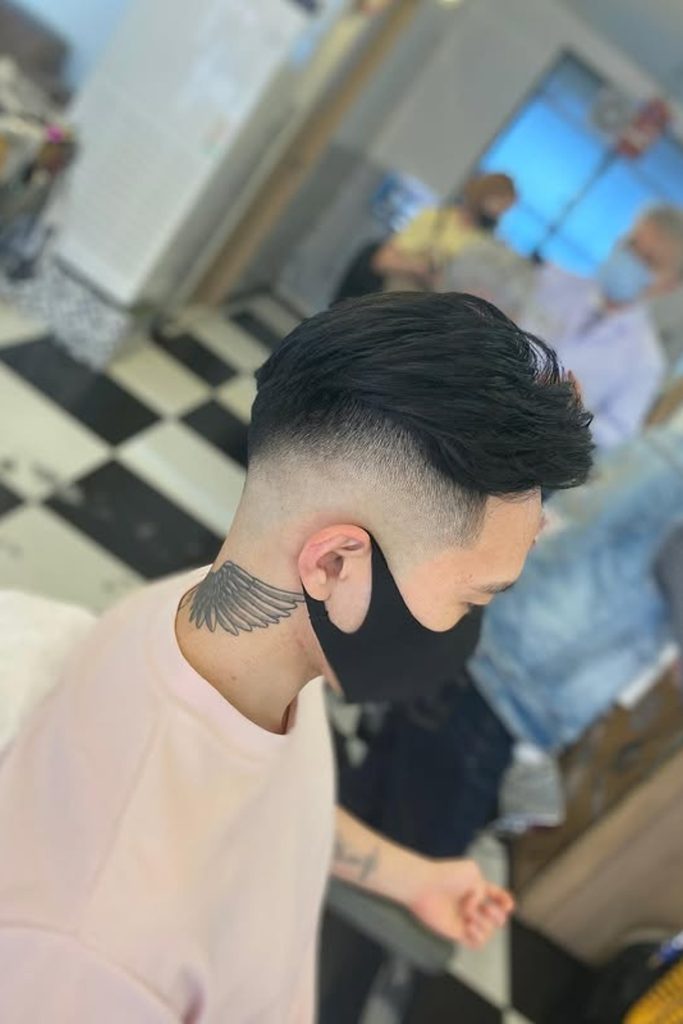
This shorter undercut has more movement from the looser front, so you don’t have to style perfectly every morning.
Tell your barber to keep the weight on top of the fade but leave enough length up front to push forward slightly.
Rub matte paste between your fingers and style by separating small pieces instead of combing everything into one form.
Side Swept
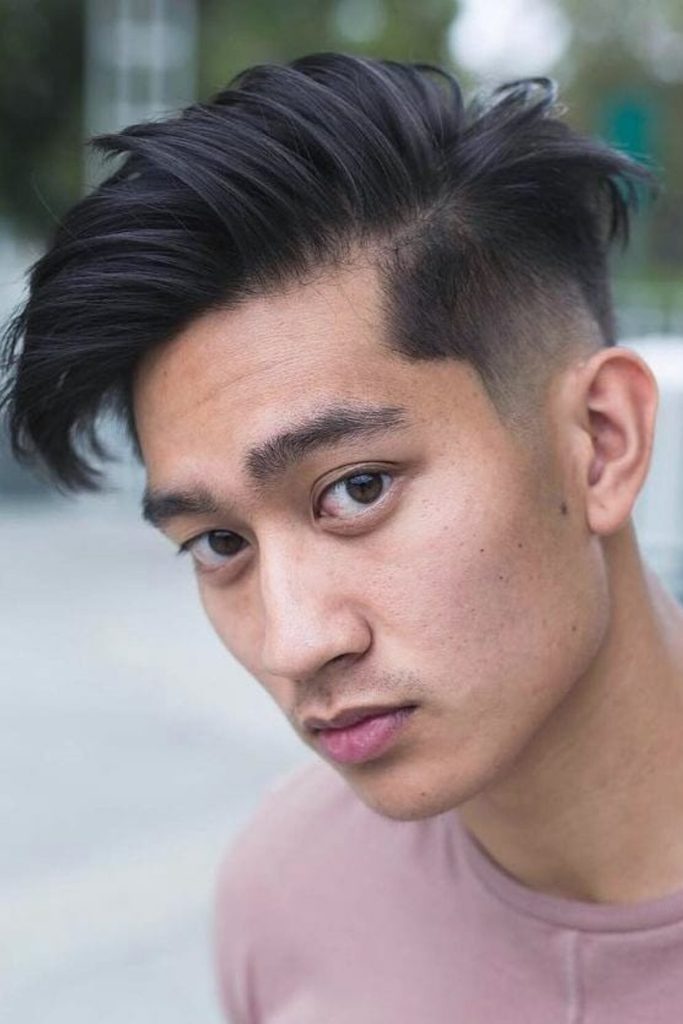
The extra length in the front gives you the ability to produce movement without the need for a tall quiff or slicked back finish.
When blow-drying, do not force a precisely straight part, but rather direct the hair across your forehead in its natural growth.
Leave a little length across the upper sides so the transition feels gentler against the fuller free flowing top.
Layered Undercut
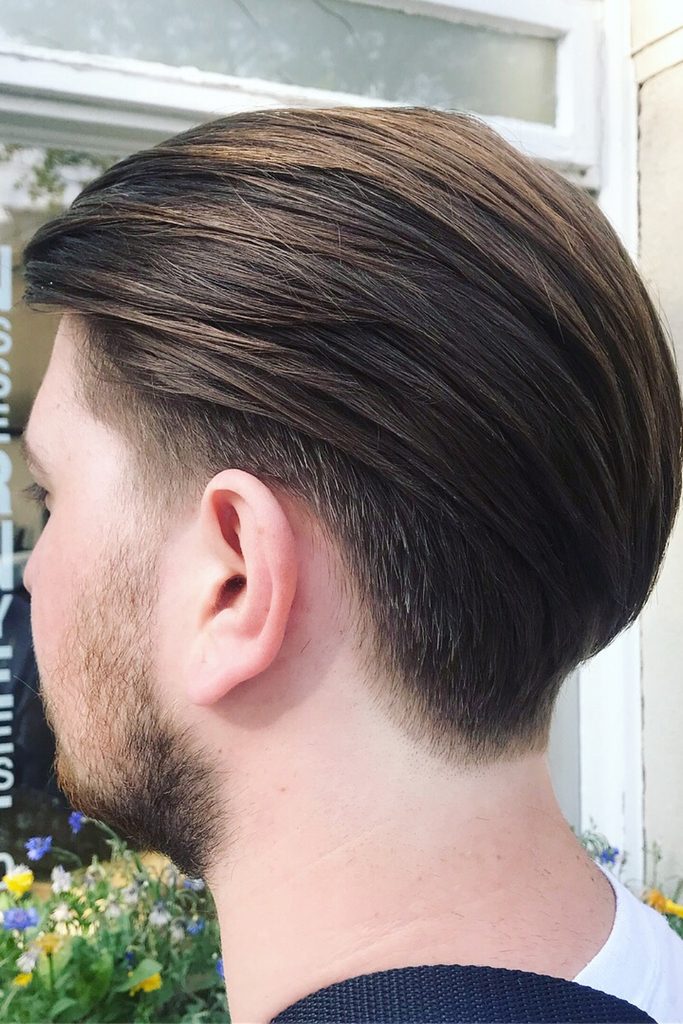
If you have some extra weight on your back, you can get away with an undercut if you don’t want very exposed sides.
Have your barber gently layer the lengthier section so it sweeps back and doesn’t create a thick shelf underneath.
A light cream will hold those layers together but leave them with enough natural movement for an easy everyday finish.
Wet Slick Back
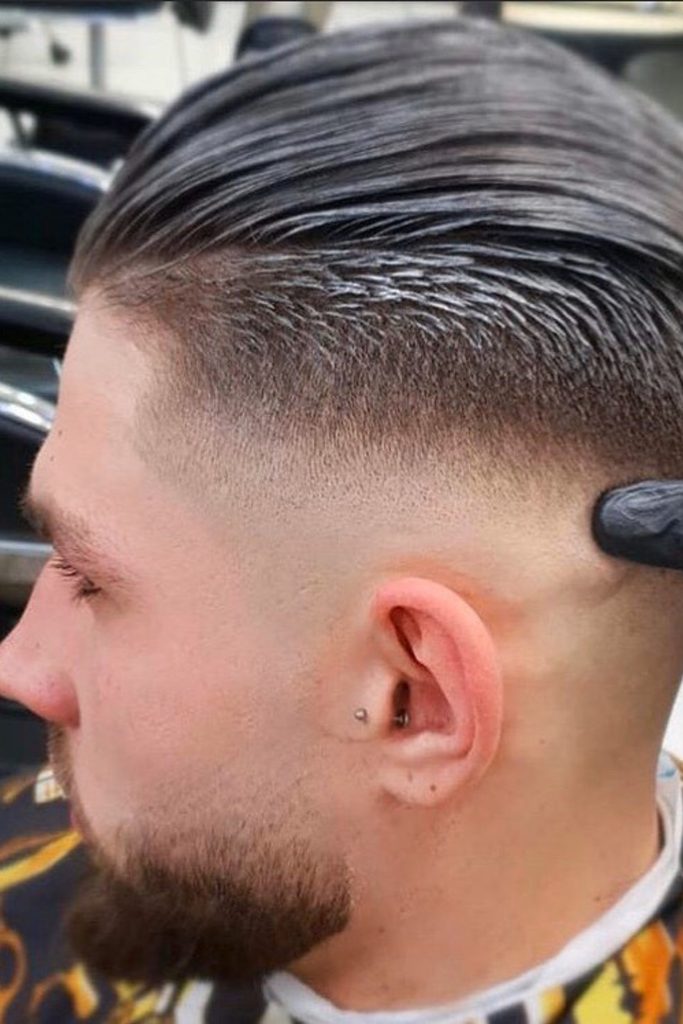
If you want a cleaner slicked look, keep the top length fairly long so you can push everything back and not have short parts sticking out.
Work your product into damp hair from root to tip, this will distribute hold more evenly on top.
Keep the fading clean underneath. What makes this sophisticated stylistic direction stand out clearly is the strong contrast.
Low Fade Undercut
Start the fade a little lower so you can have more black on the upper side and still clean up the neckline nicely.
This style is for when you want some length on top, but don’t want the sides to look too abruptly shaved or disjointed.
Brush the longer section back with the light control, using its natural weight to produce the design rather than piling on the height.
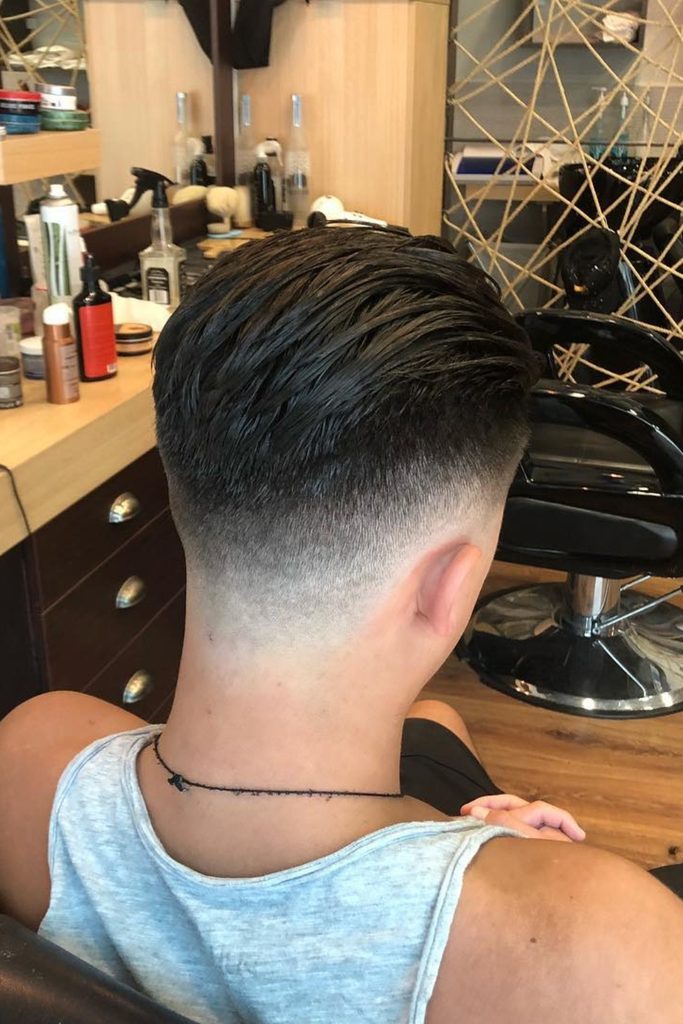
Defined Disconnect
If you want the longer top and shorter sides to feel different on purpose, then a noticeable separating line is recommended.
Let the barber know you want the disconnect to stay and not blended away, especially on the upper side section.
Comb the top back with firm tension and medium hold so the clear separation is the main detail.
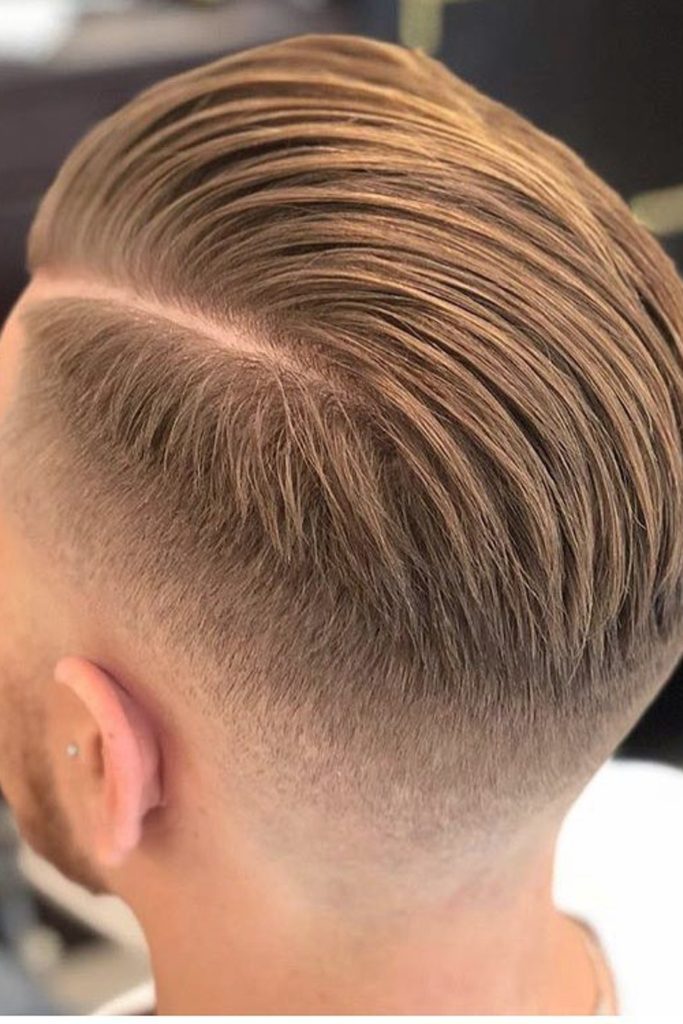
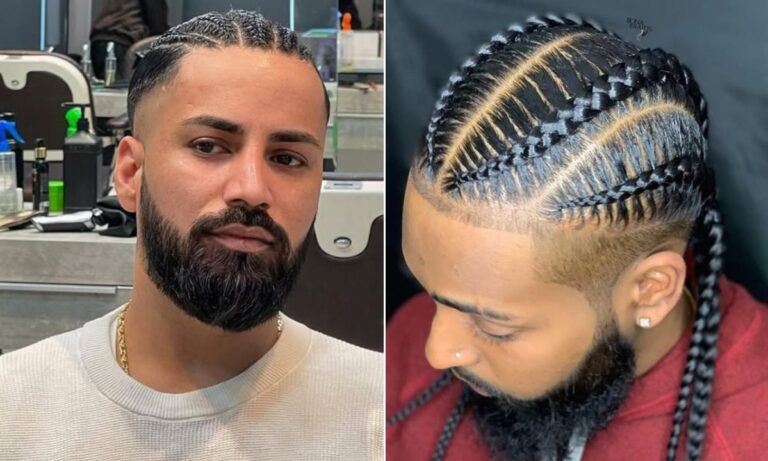
Braided Undercut
The lengthier part is braided to maintain a good deal of length manageable and the precisely trimmed sides stop the style from feeling too heavy.
If you take the sides shorter before the top is grown long enough for secure braids, your sections may come loose rapidly.
And do keep the tension comfortable at the hairline, as braiding too tight might put undue strain on the shorter hairs along the edge.
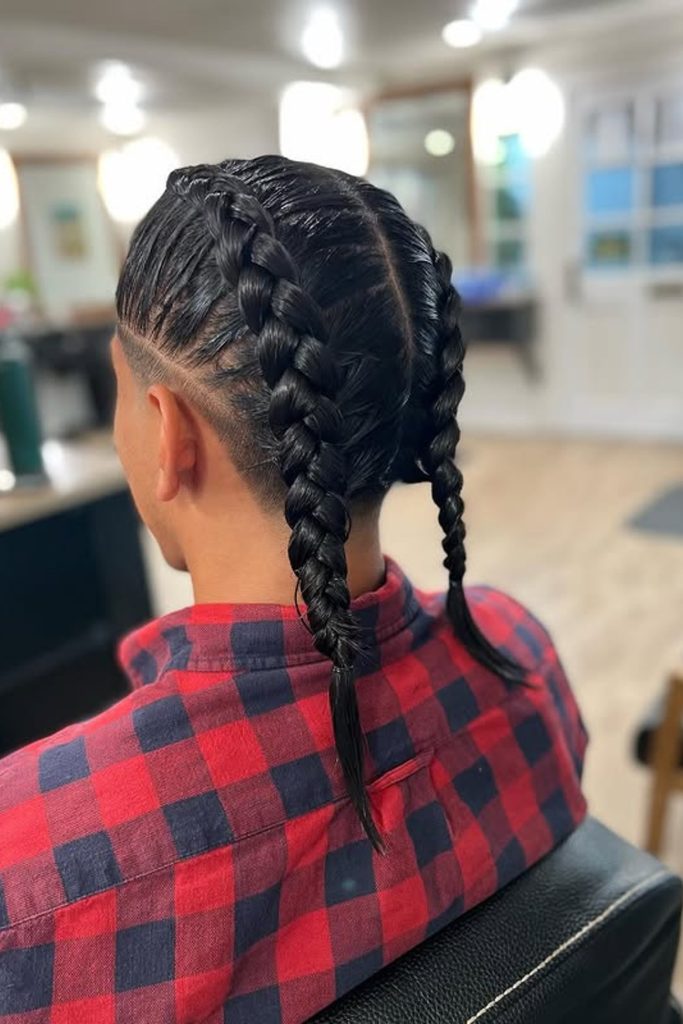
Heavy Fringe
It’s got a lot of weight at the front which gives a bigger fringe and shorter sides to stop it being too wide underneath.
Tell your barber to maintain the density across the top area rather than heavily thinning out where you need that forward mobility.
Use very little product and allow the fringe to fall naturally so it stays soft and doesn’t separate out.
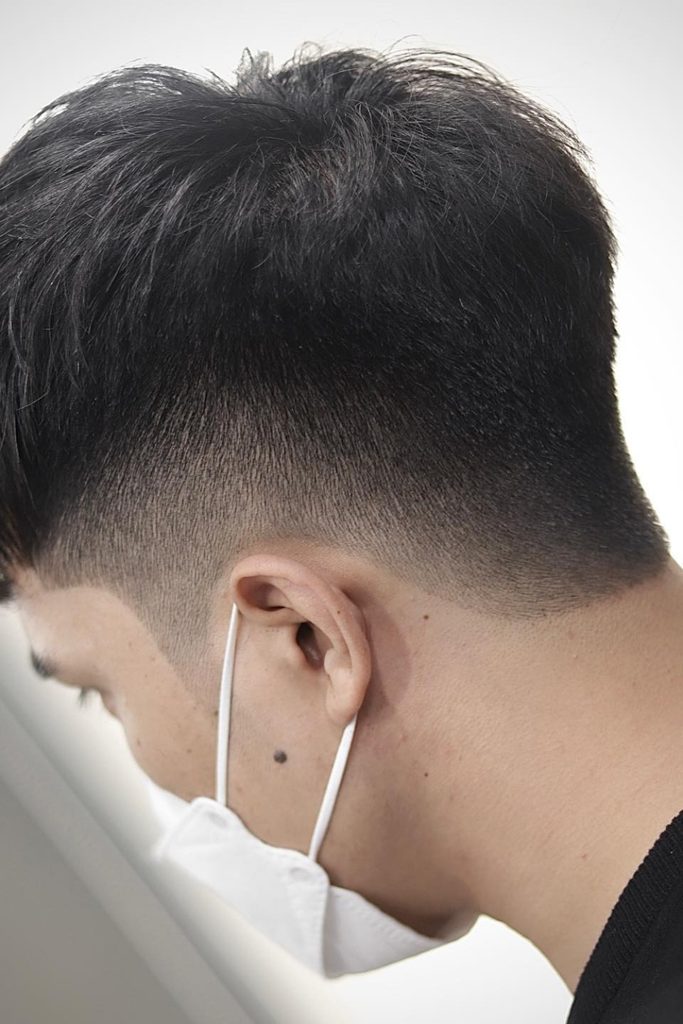
Messy Quiff
You don’t need a completely polished top when the natural texture already gives your undercut plenty of lift and character.
Leave a bit of extra length in the front, then use your fingers while blow drying up to produce loose, uneven separation.
If you want the texture to show but not look too controlled, use a matte product instead of a shiny pomade.
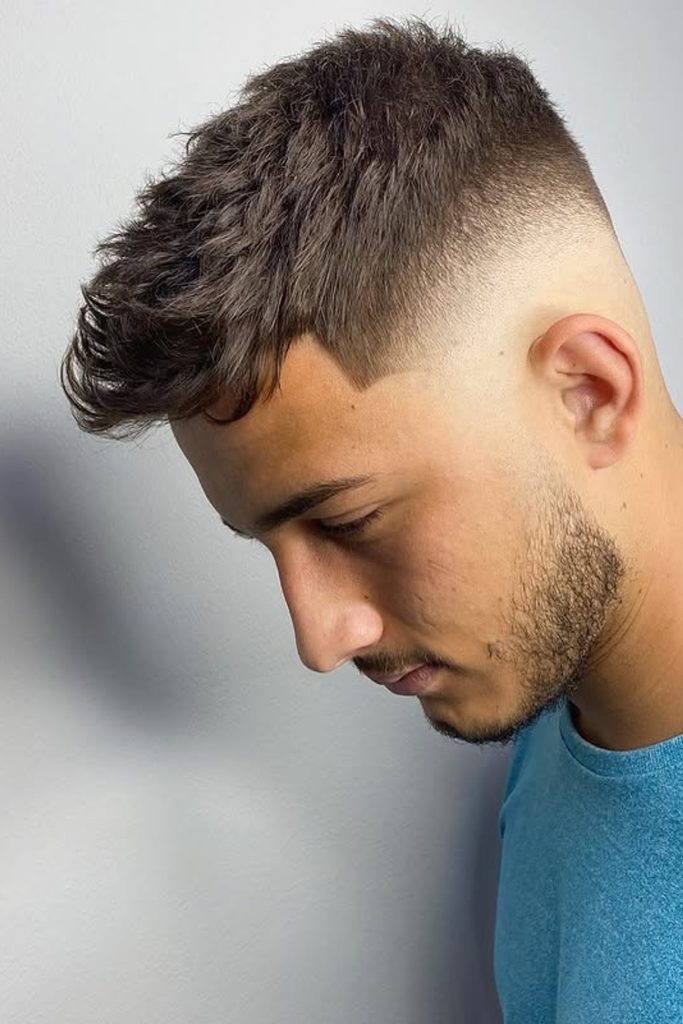
Polished Sweep
For a cleaner everyday option, sweep medium-length hair to the side to keep it under control without creating exaggerated height.
First, blow-dry the front diagonally backward. Setting the direction of the front early on will make it easier to keep the finished shape.
Use medium hold through the top keeping the sides tight enough to maintain clear under cut contrast.
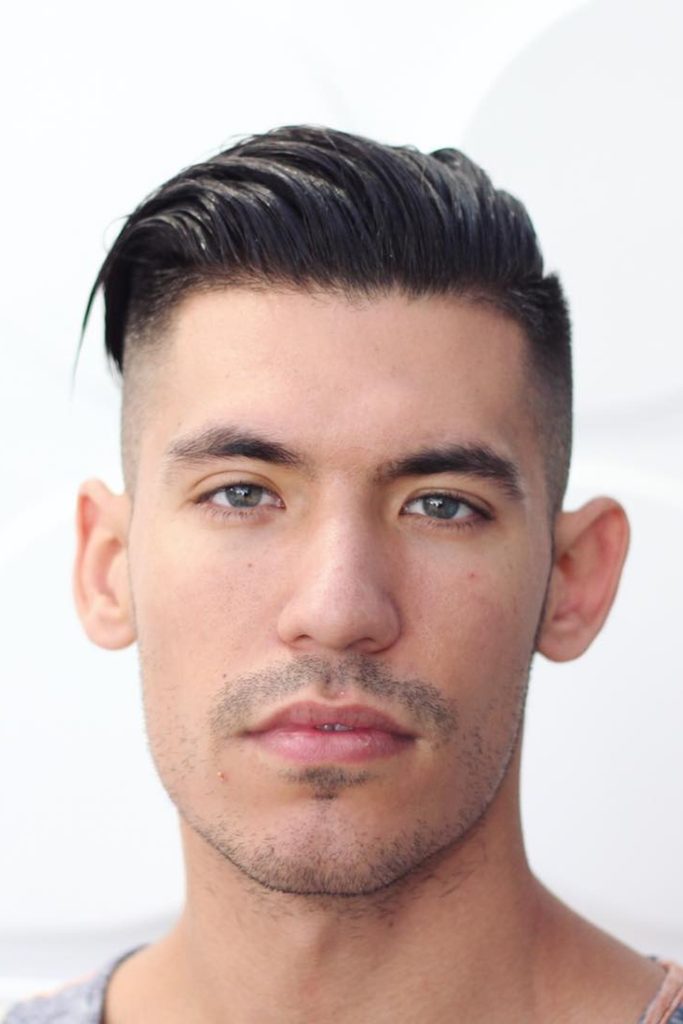
High Fade
The higher you go with the fade the more contrast you generate, so it’s important to have enough length on top so it doesn’t feel too harsh.
To give it movement, slide the longer piece back and a little to the side, and let the clean edges sharpen the general form.
If you like to visit the barber often, this style is for you, as high faded sides lose their crisp finish rather soon.
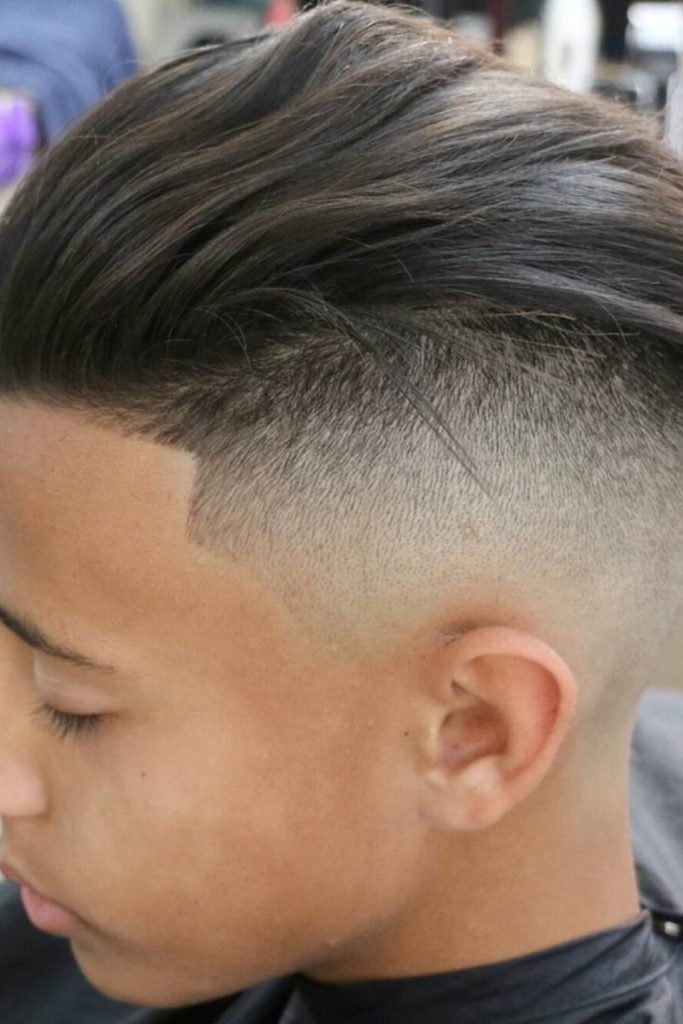
Wavy Undercut
Allow enough length for the bends to form and natural waves can do most of the style job.
Don’t squash everything down with heavy product, use your fingers to guide the top back, allowing for loose flow.
Leave some blackness around the sides to make the transition feel gentler against the broader wavy part.
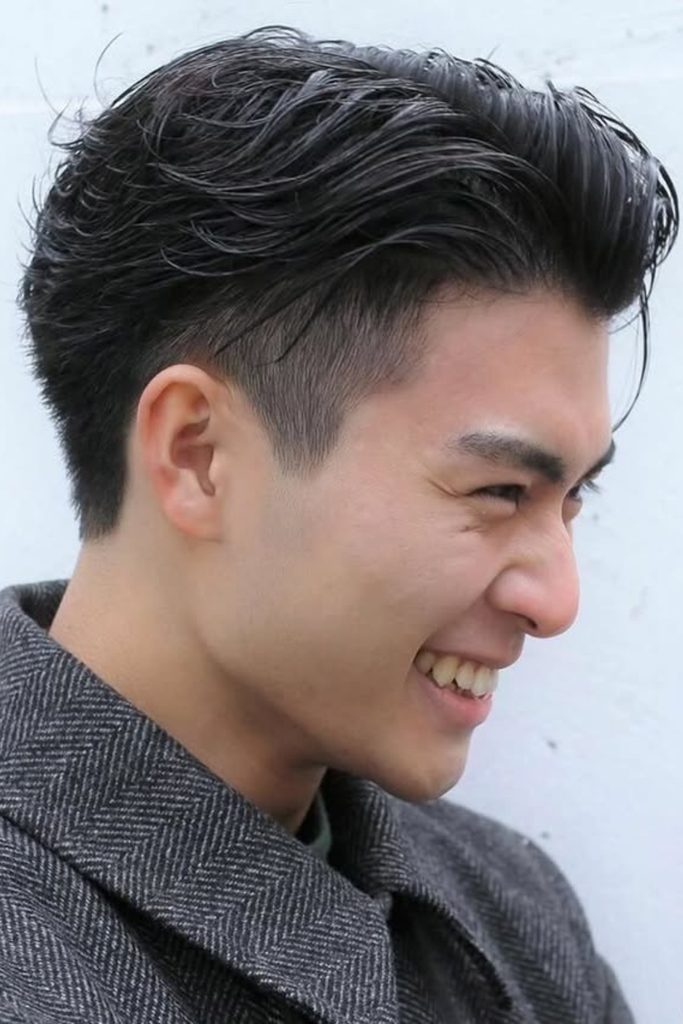
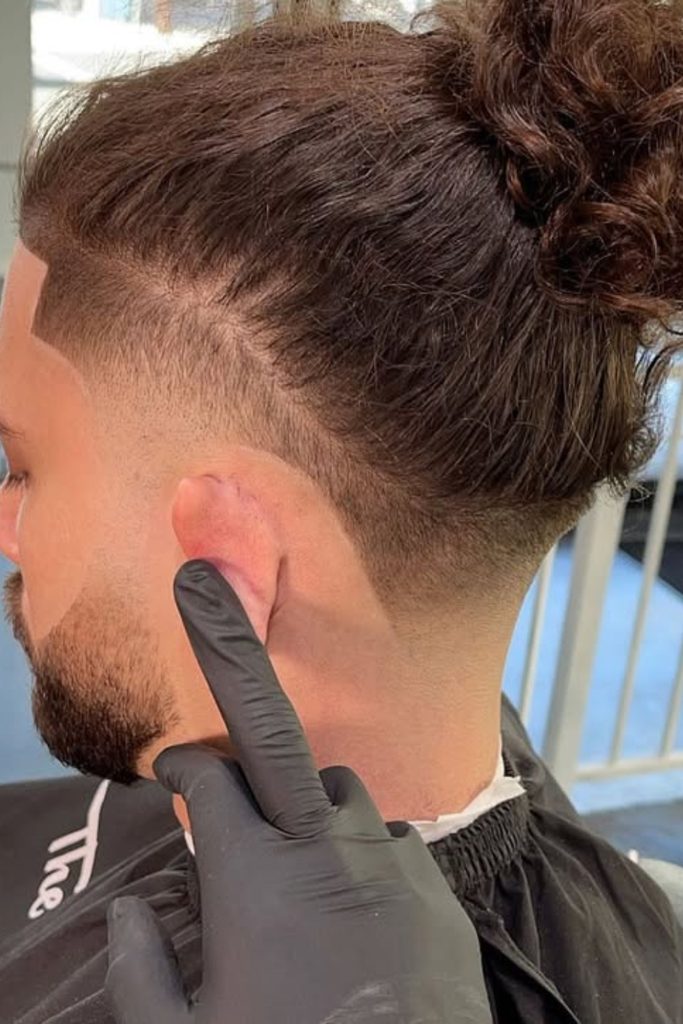
Curly Bun
The top is left much longer for curly hair to have adequate length to have a bun, while the sides are left shorter to control the bulk around.
Ask for a gentle fading underneath without cutting into the upper section you need to tie everything back tightly.
Be sure to keep the bun loose enough that you’re not pulling the longer hair dry with repetitive tying and use curl-friendly hydration.
FAQs
How Often Should You Get an Undercut Trimmed?
Plan on dropping in at your barber every two to four weeks to keep the sides sharp and the contrast clearly noticeable.
If the shape still works, grow the top a little longer between sessions but ask your barber to tidy around the sides, ears and neckline.
Can You Grow Out an Undercut Without an Awkward Stage?
You can make the grow-out easier by letting the sides fill in and progressively lessening the connection with each cut.
Don’t keep trimming the sides really short because they will never catch up with the top.