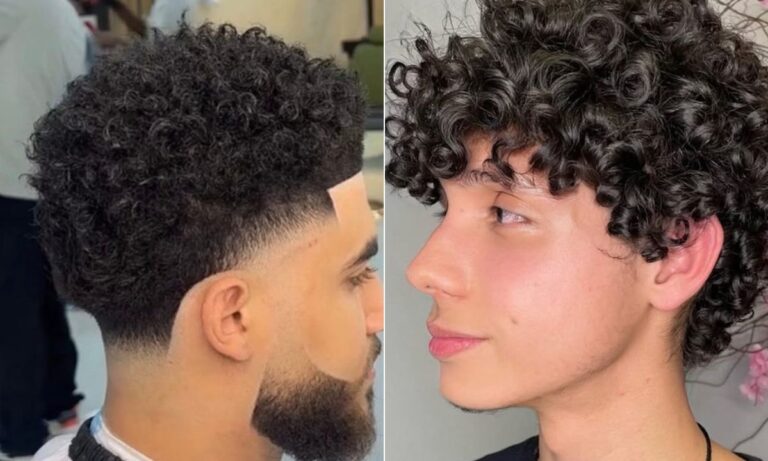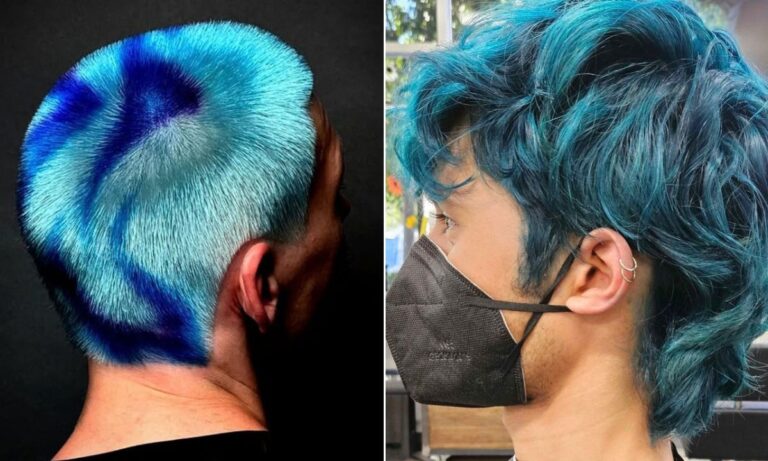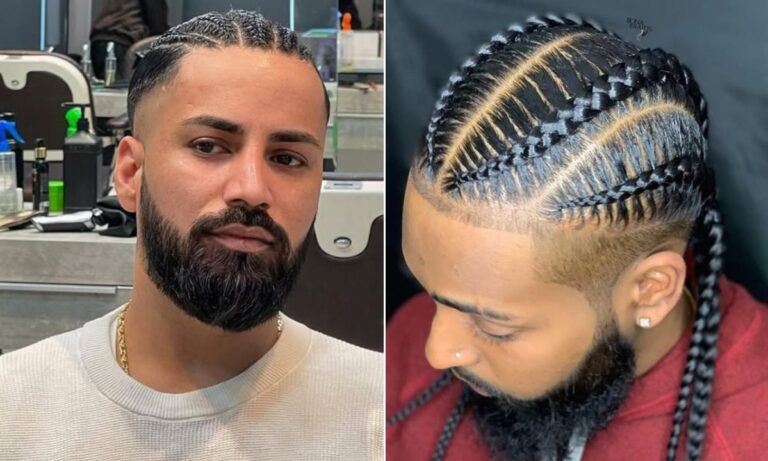
Getting a warrior cut sounds straightforward until you realize that one wrong choice in length, texture or taper can leave you with a regular untidy crop.
I know how difficult it is to see reference photographs of very various variants and not know what will truly work on your hair.
Inside this post, you’ll also find practical styling and care tips to assist you choose out one you’ll feel good about wearing every day.
How Much Hair Length Do You Need for a Proper Warrior Cut?
If you want enough movement for a true warrior cut, aim to grow the top to about 3 to 4 inches before getting it shaped.
This allows your barber enough hair to achieve the choppy layers, fractured texture and loose separation this cut requires.
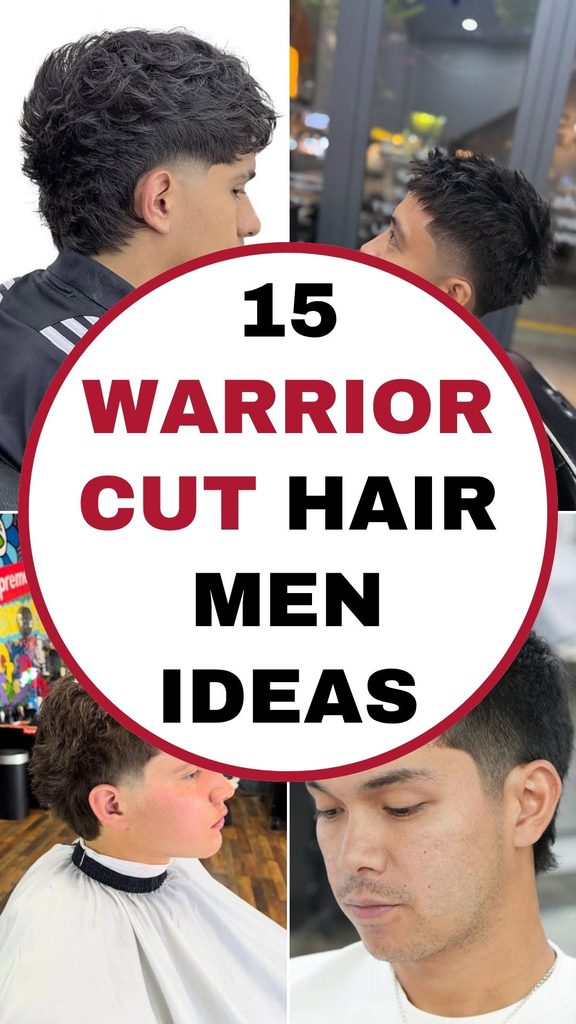
The cutting guide used in professional barber advice is around 4 inches, though your hair type and desired finish may modify that significantly.
Leave a bit more length on the top, fringe and crown, and ask your barber to lightly taper or scissor the sides.
Textured Crown Warrior
Using a small amount of weight through the crown provides thick hair with enough room to organically create those loose, split warrior spikes.
Ask for choppy scissor texture and taper only around the ears, so the sides never go too tight.
A modest bit of matte paste can separate individual pieces without flattening the broader contour you attempted to preserve.
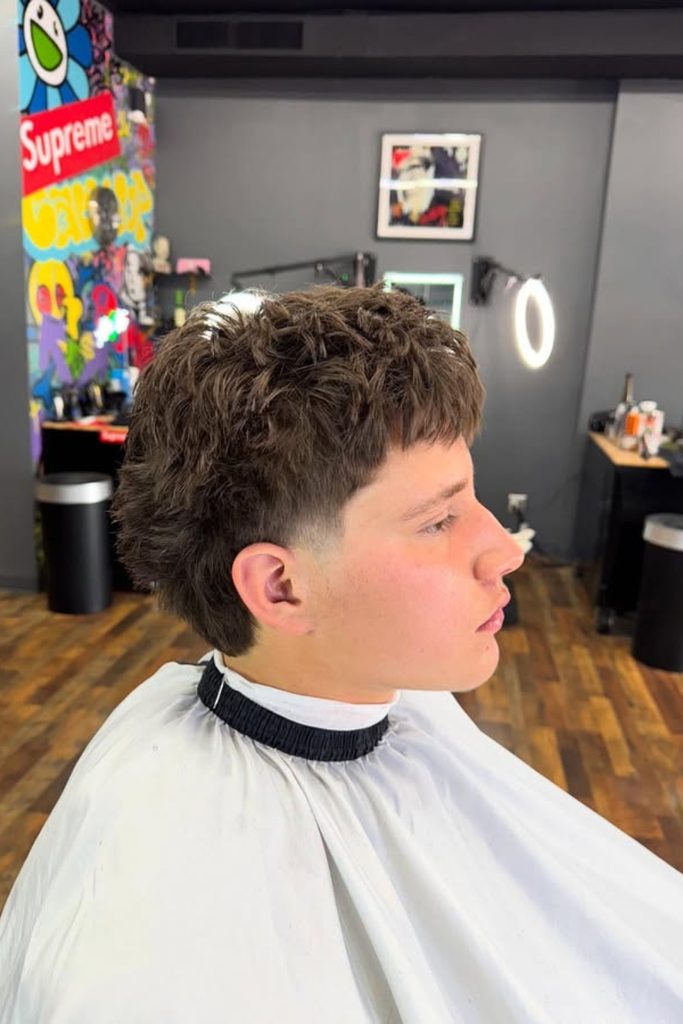
Wavy Taper Warrior
Natural waves already provide movement, so you may allow their bends be the star instead of forcing dramatic spikes.
Keep a distinctly broader back with a low taper at the temples to create separation between clean sides and lengthier texture.
Work a lightweight style cream through damp hair with fingers, allowing the top to dry in its natural direction.
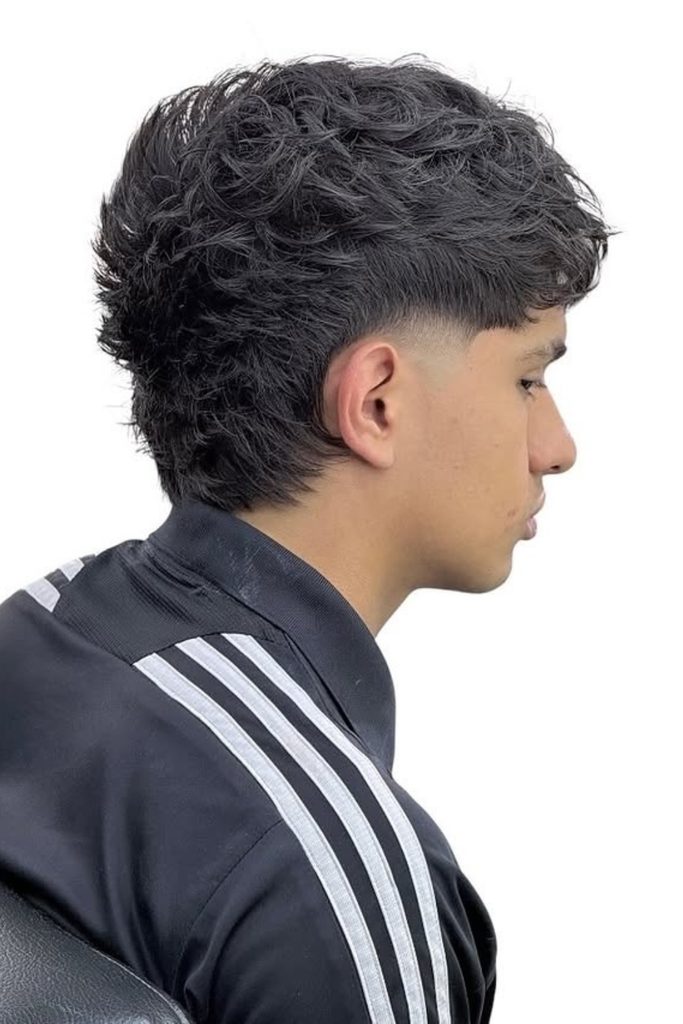
Short Spiked Warrior
If you want speedier style, go shorter, but leave enough uneven length on top for obvious separation.
Get your barber to point cut the top areas, leaving some length at the back so it doesn’t turn into another basic crop.
Rough-dry hair up with fingers, then pinch selected ends with matte clay instead of covering every strand.
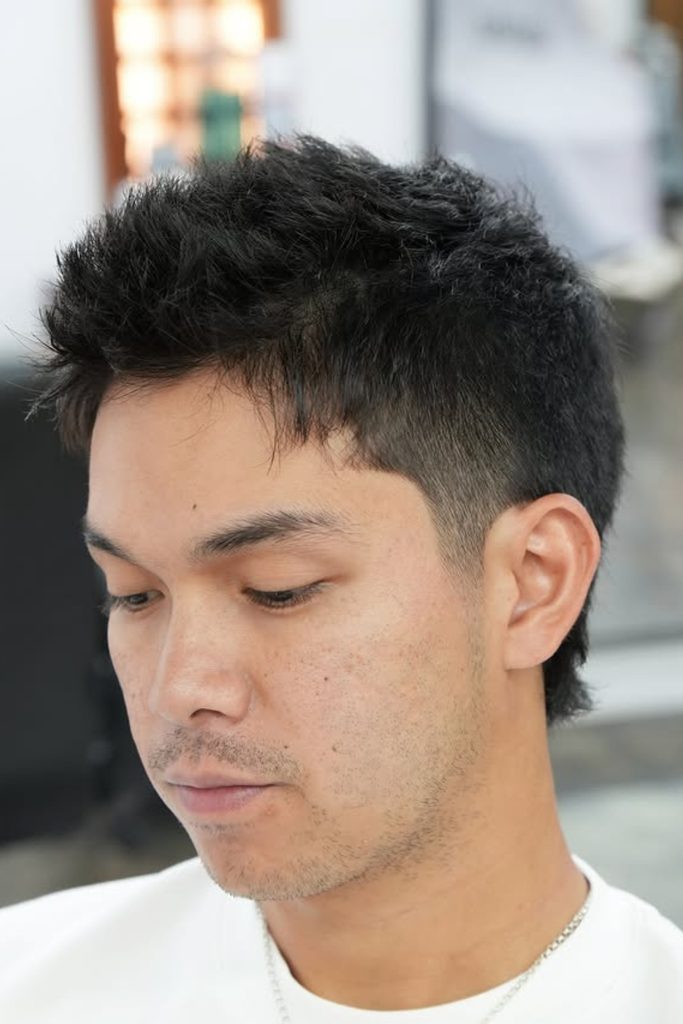
Clean Fade Warrior
For a cleaner everyday finish, blend tough top texture with a regulated low fade that stays below the temple area.
Keep the fade low since if you push it up you lose the side weight and move into a more conventional textured fade.
Use texture powder at the roots for more lift, while preserving a dry, natural lightweight separation finish.
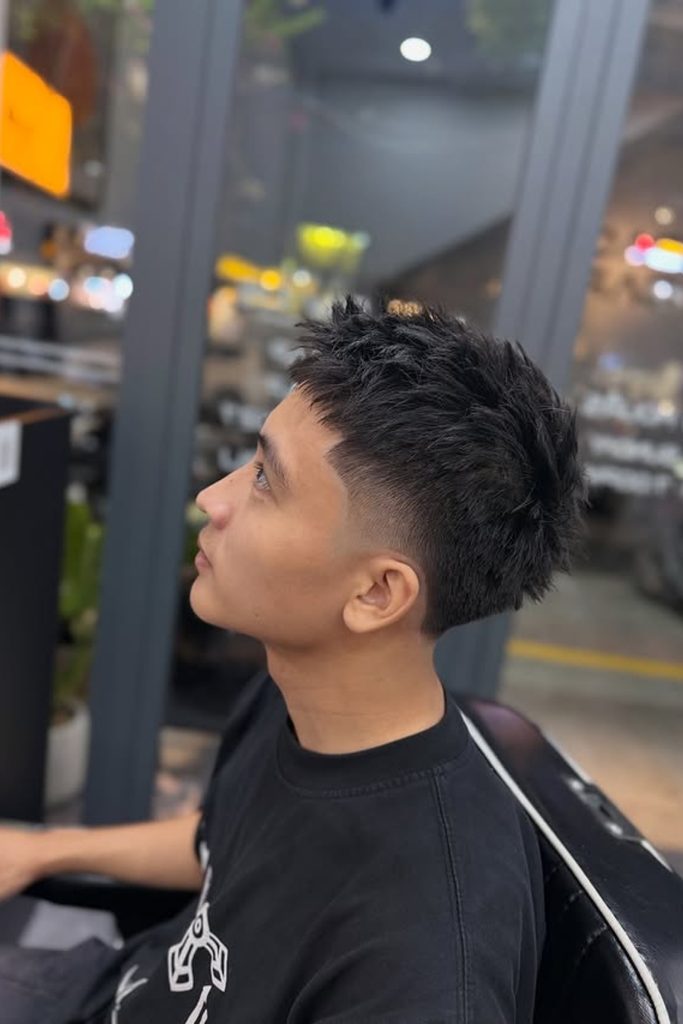
Swept Fringe Warrior
The increased length of the fringe helps you sweep pieces sideways, which gives the warrior cut movement without needing upright spikes.
Ask for gentle layers around the front and crown so heavier hair bends naturally rather than creating one big block.
Finish with a light matte cream through the ends, leaving the fringe loose enough to move throughout the day.
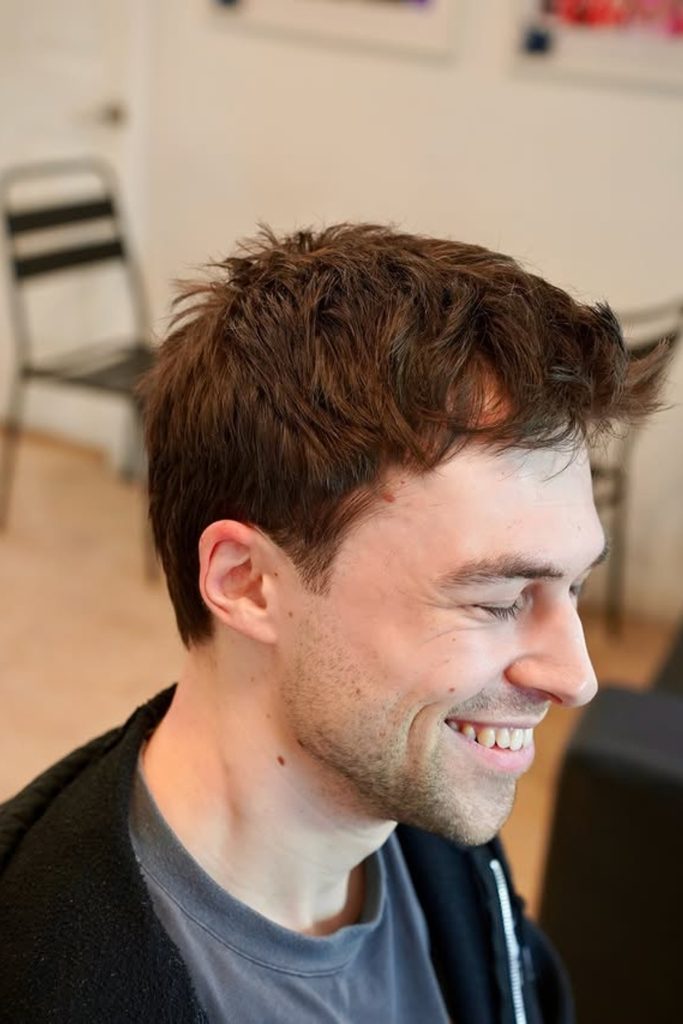
Tapered Mullet Warrior
The obvious length at the nape is a subtle nod to the mullet, with the tapered sides stopping things from feeling too bulky.
Your barber can leave the crown with some texture and then progressively tighten around the ears without detaching the longer section in the back.
The separation of the top parts works particularly well with rough style to bridge the shorter sides to that extended rear.
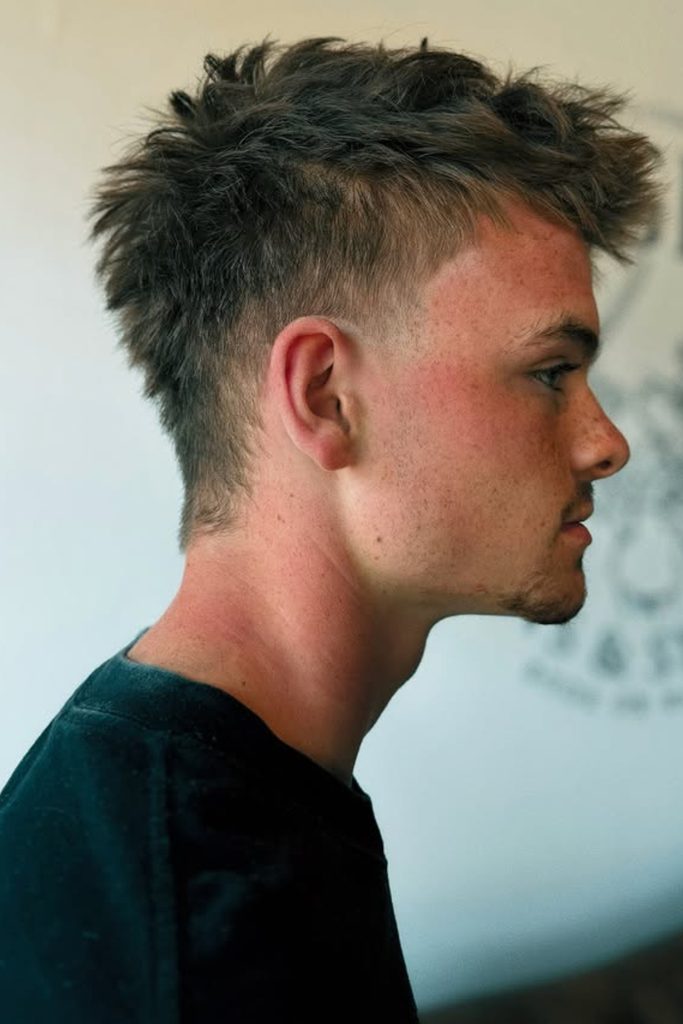
Fuller Side Warrior
A forceful fade out leaves more fullness up top giving this warrior cut its softer grown-out flavor.
For dense hair, ask for interior texture rather than cutting too much side length to manage undesirable mass.
Push the front back a little with matte paste and keep the crown looser so the end look doesn’t look overstyled.
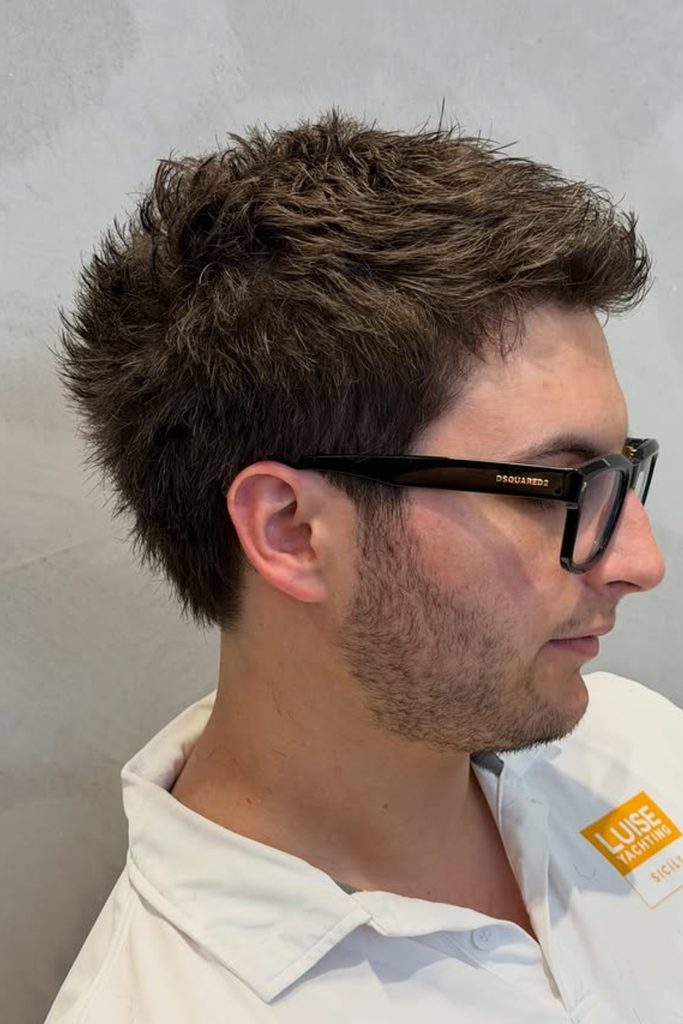
Broken Fringe Warrior
A broken fringe will provide you covering across your forehead without the hefty straight edge you’d get with a regular crop.
Leave the front uneven in length, but let the shorter sides gradually blend into the broader textured top.
Finger-dry sections forward and to the sides, making a natural separation and then add just enough styling paste for a light definition.
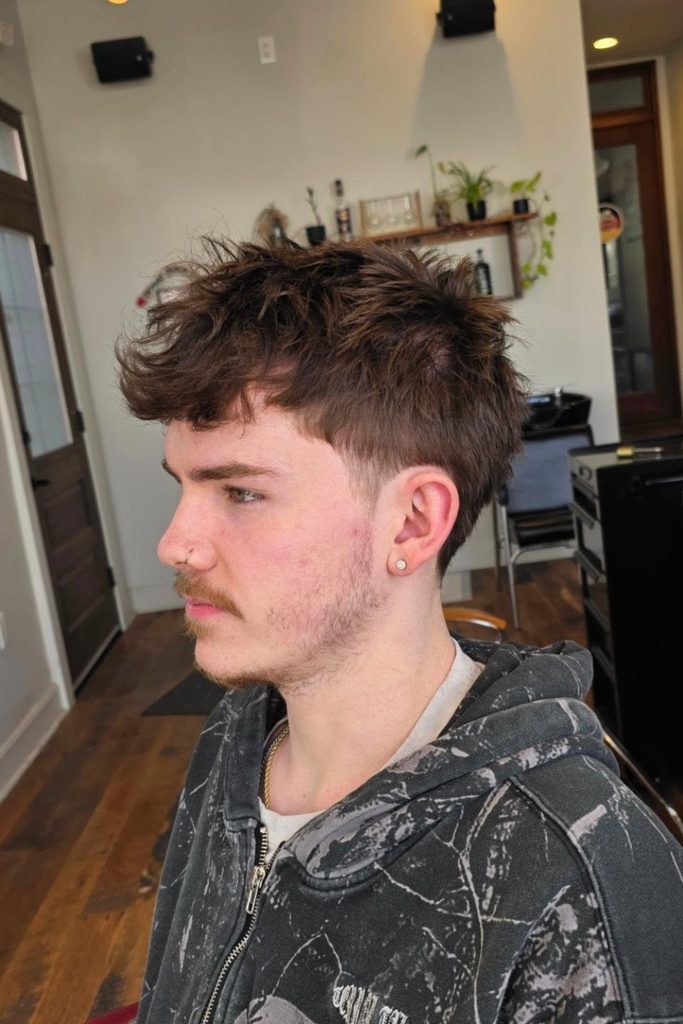
Cropped Texture Warrior
Even a shorter top length can still work with a warrior character if your barber leaves enough irregular texture instead of cutting everything uniformly.
The sides should merge softly, not be skin-tight and this permits the short crown to join naturally to the somewhat extended nape.
A small amount of matte clay between your fingers will help to separate pieces without making this compact design feel stiff.
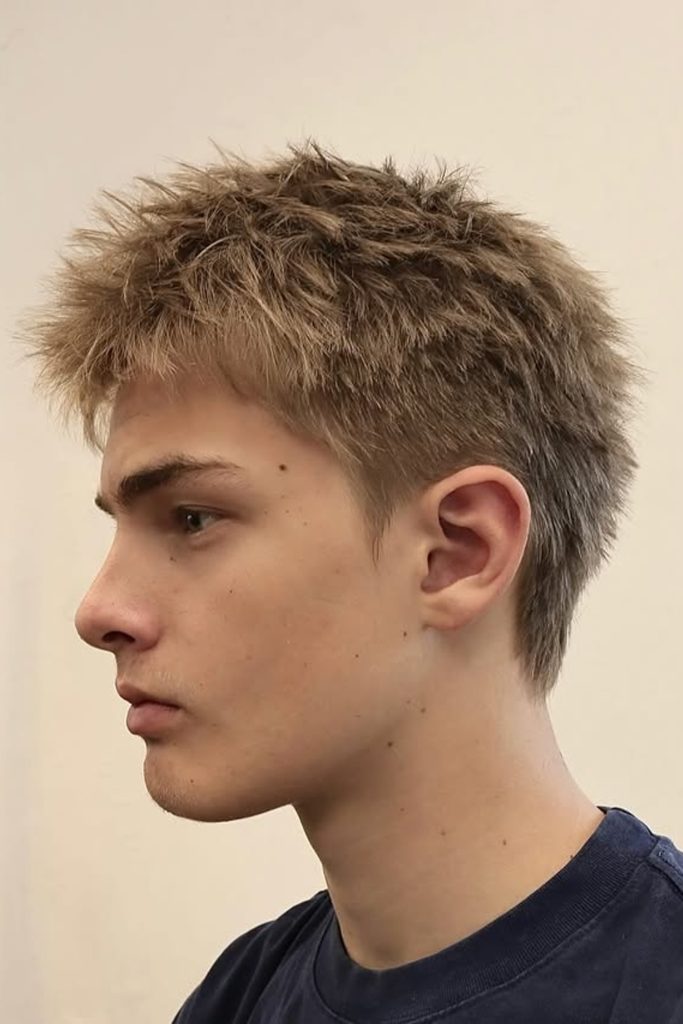
Forward Fringe Warrior
When you want a warrior texture but no height above your forehead it is good to let the fringe fall forward.
Request uneven frontals and a gentle taper at the temples, leaving enough weight on the sides to sustain the strong overall design.
Blow-dry the fringe toward your face and then pull apart chosen pieces with your fingertips for a deliberately undone look.
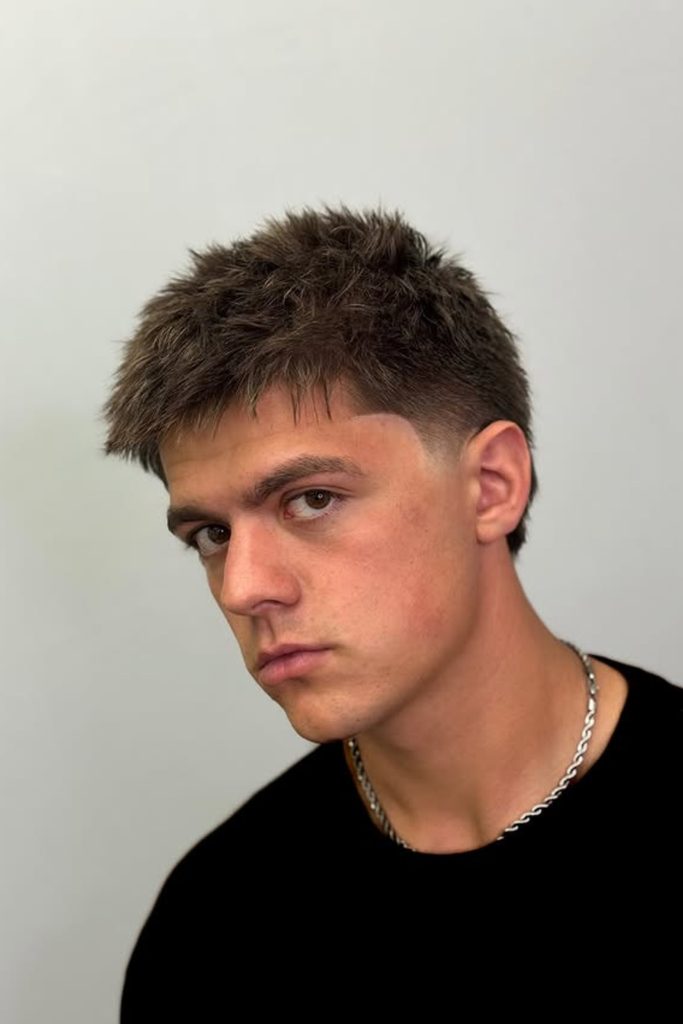
Rounded Crown Warrior
This dense hair works with some added volume at the crown, especially if you prefer full hair to crisp standing spikes.
Taper the lower edges closely while leaving longer textured layers above to provide contrast without hollowing down the whole side.
A light textured spray is able to help to separate through thicker parts, while keeping the round crown flexible and mobile.
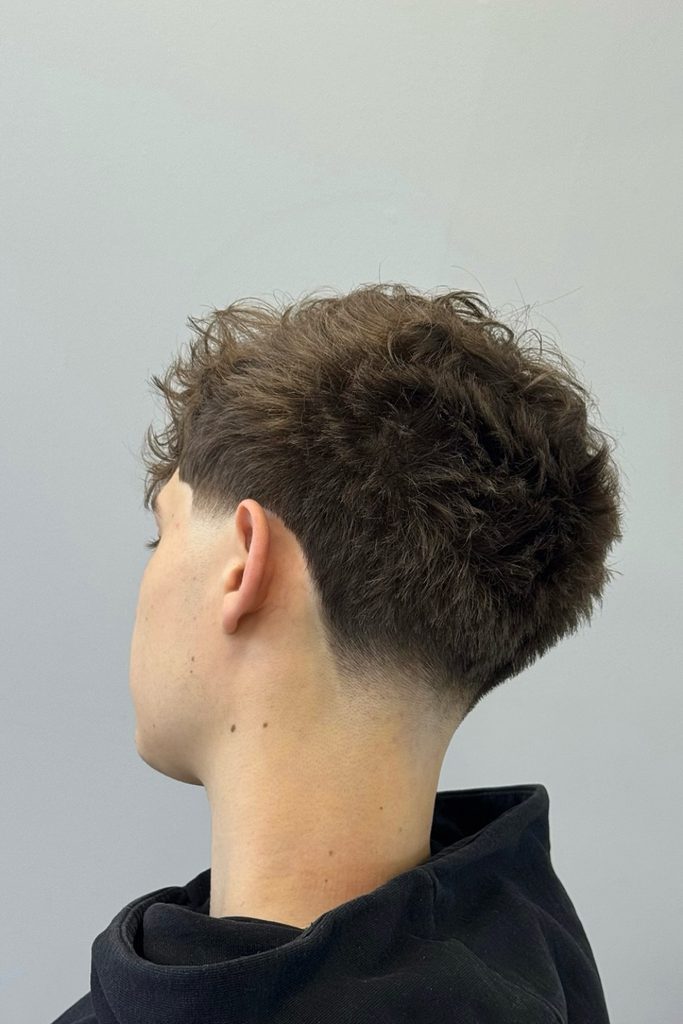
Natural Taper Warrior
You don’t have to go for a dramatic fade if you’re going for a rugged but still nicely balanced warrior cut.
Ask for a soft taper at the ear and neckline, keeping lots of weight through the top sides and crown.
Rough-dry the lengthier pieces in different directions, but leave a few parts intact so the texture never seems too organized.
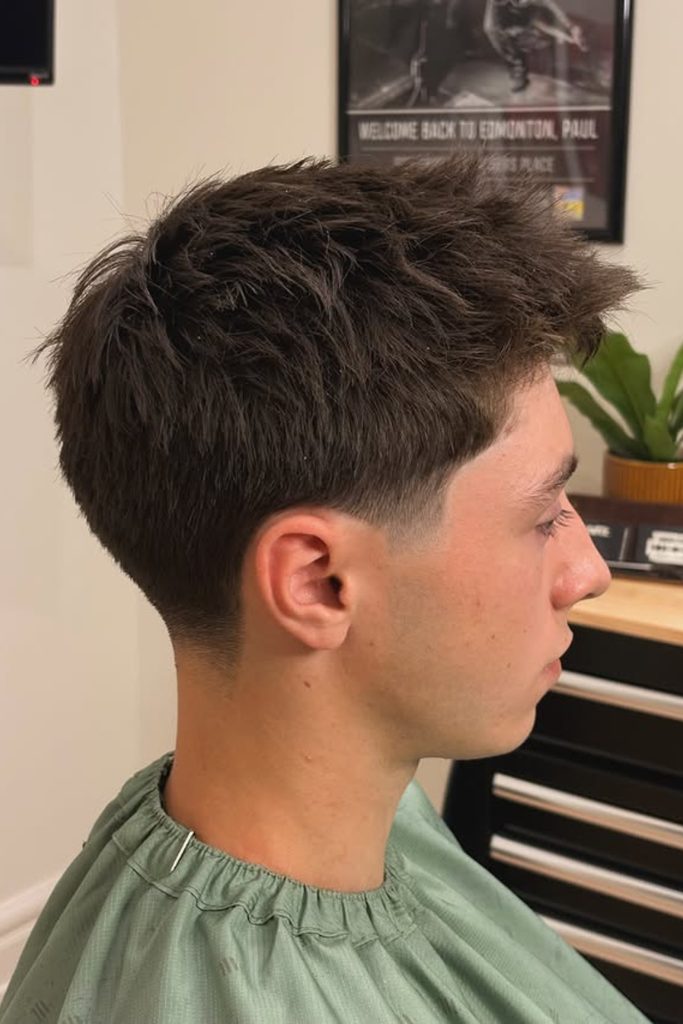
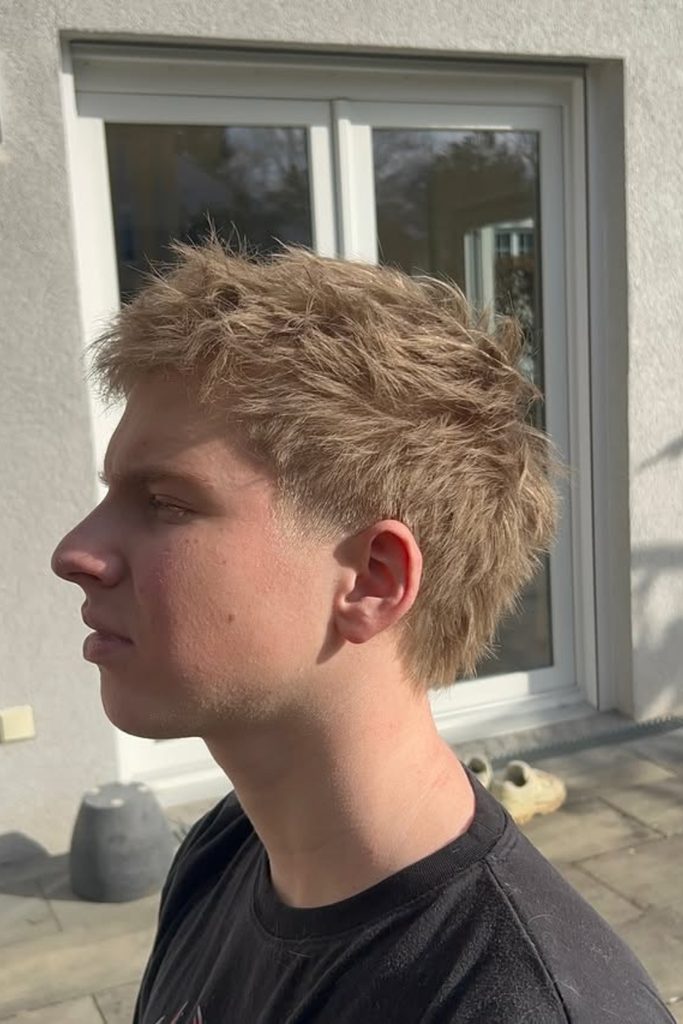
Blonde Spiked Warrior
Lighter hair helps to bring out divided texture, so uneven point-cut layers can provide a little extra definition to this shorter warrior style.
Avoid tapering anything tightly, keep some length toward the rear, which keeps the slightly rugged contour this cut needs.
For volume without a heavy finish, work the powder through the roots and separate the ends by hand.
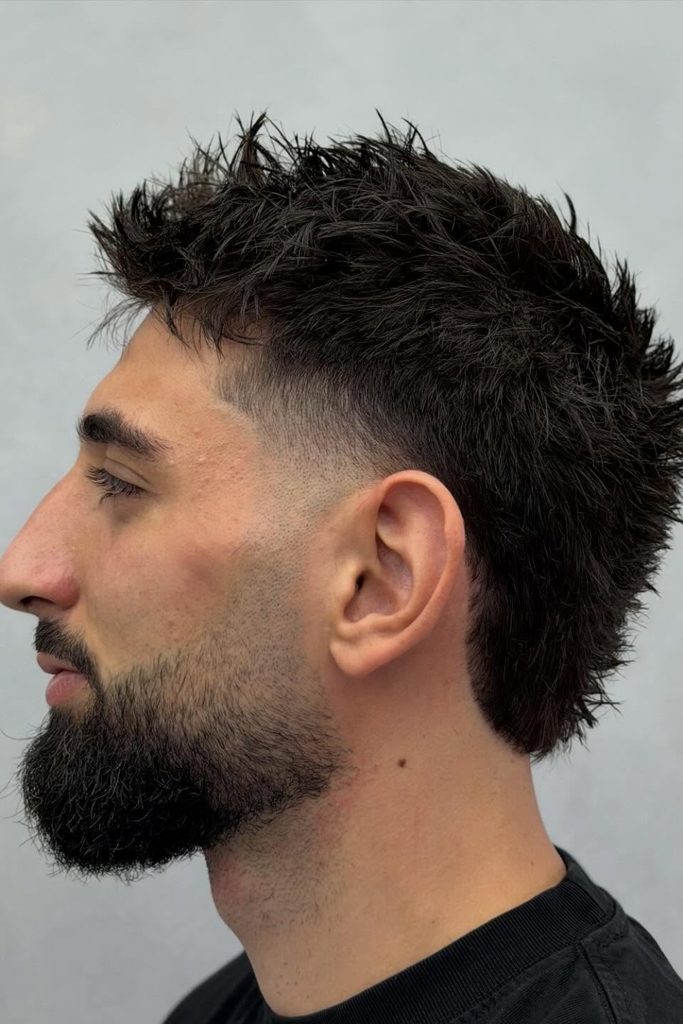
Mohawk Warrior Fade
For a more aggressive warrior look, run the longest texture into the middle and keep the temple fade substantially lower.
The upright spikes are run all the way back to the neck , giving you a stronger direction instead of a detached mohawk .
Rather than blending everything, use matte paste on each section, leaving the center with its own rough texture.
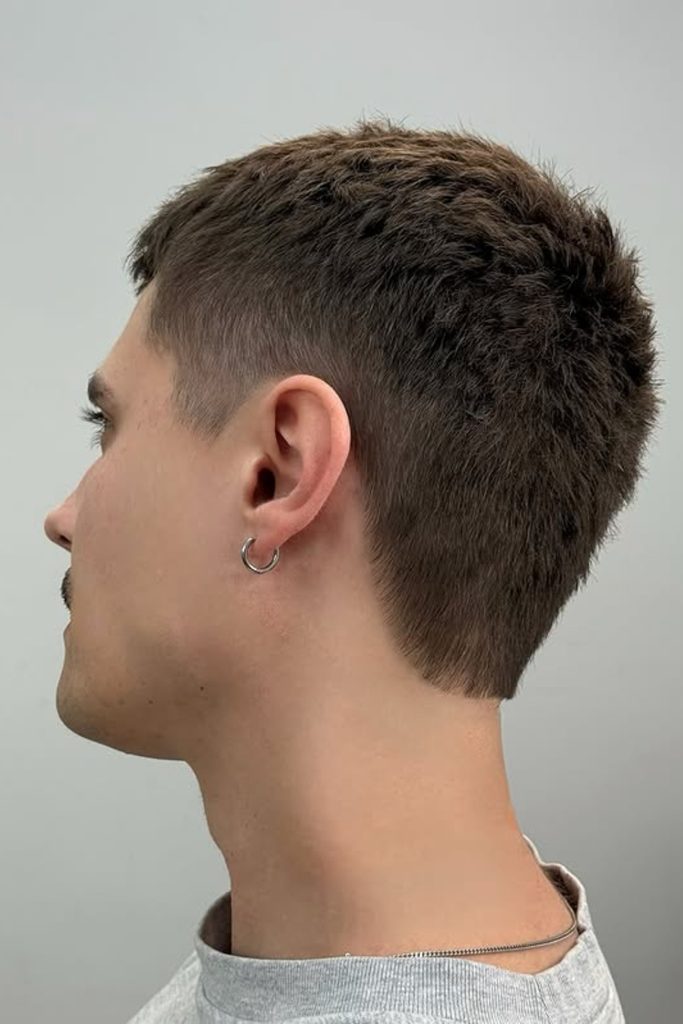
Subtle Nape Warrior
If you want to keep your warrior cut low-key, trim the top a bit shorter, but leave a little length down the nape.
Ask for a top with a gentle transition, rather than a dramatic skin reveal, but keep the silhouette balanced and wearable.
This version works best with minimal styling, so rough-dry the top and only add a light product where you need extra separation.
FAQs
Can You Get a Warrior Cut Without a Skin Fade?
Yeah. I actually think softer sides hold more of the rugged quality that makes a warrior cut distinct.
You might ask your barber to cut the sides with scissors or do a low taper, keeping weight on the temples and the crown.
What Makes a Warrior Cut Easier to Style Every Morning?
Ask your barber to take out extra bulk while leaving enough length to allow for separation and movement.
At home, rough-dry your hair with your fingers and then apply a little quantity of matte paste or texture powder where you want extra hold to the shape.