Sure, precise, linked waves may look good, but achieving the same effect on your own hair might be a totally other story.
Your inherent texture, hair length, crown pattern and even the fade you choose can alter how your waves grow.
Cut too short, or train the wrong angles, and those smooth connections are harder to make.
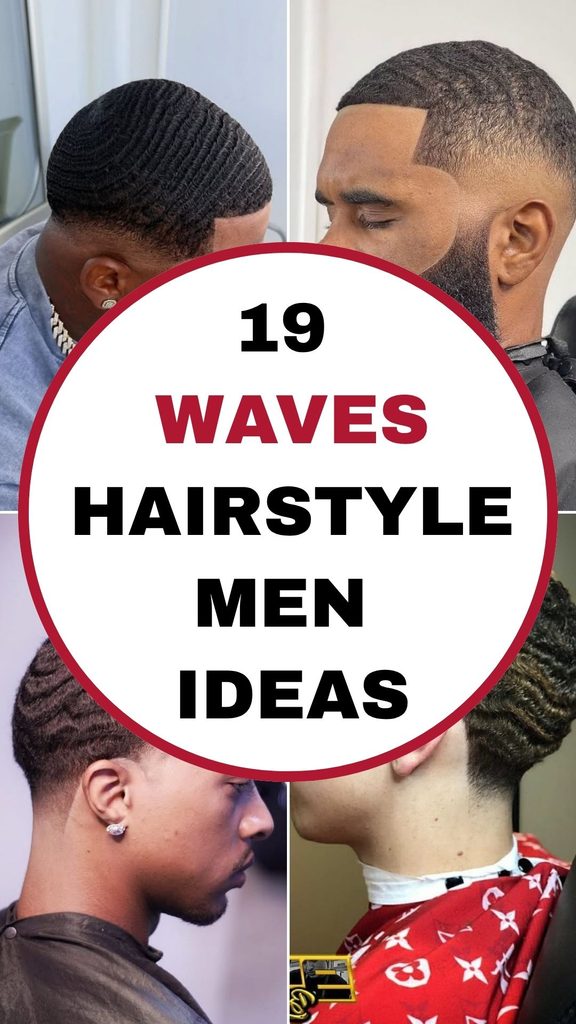
In this post, we’ll share 19 waves hairstyle ideas for men, along with practical recommendations to help you choose a pattern that works with your hair.
How Short Can You Cut Your Hair Without Losing Your Waves?
Don’t pick a guard number because it works for someone else if you want your waves to be visible after a haircut.
#1.5 to #2 guard with the grain is a frequent maintenance range for established waves.
Your curl pattern is important, too, because cutting below the point where your hair naturally bends can cause the waves to look weak or disappear.
Cut with the grain and the pattern taught in will be better preserved than if you take the same low guard against it.
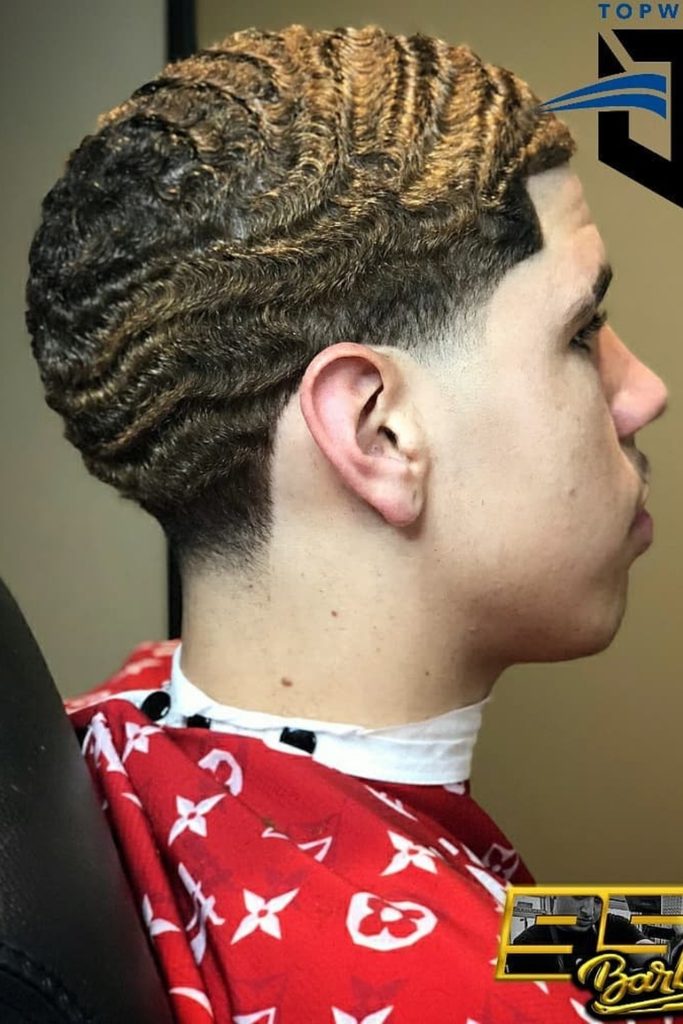
Deep Tapered Waves
If your waves are deep already, keep the taper modest so the side pattern is easy to see.
Get your barber to take weight out around the temple slowly, don’t push the fade too high.
By brushing in these set directions, the longer pieces will stay attached as your hair grows.
Short Faded Waves
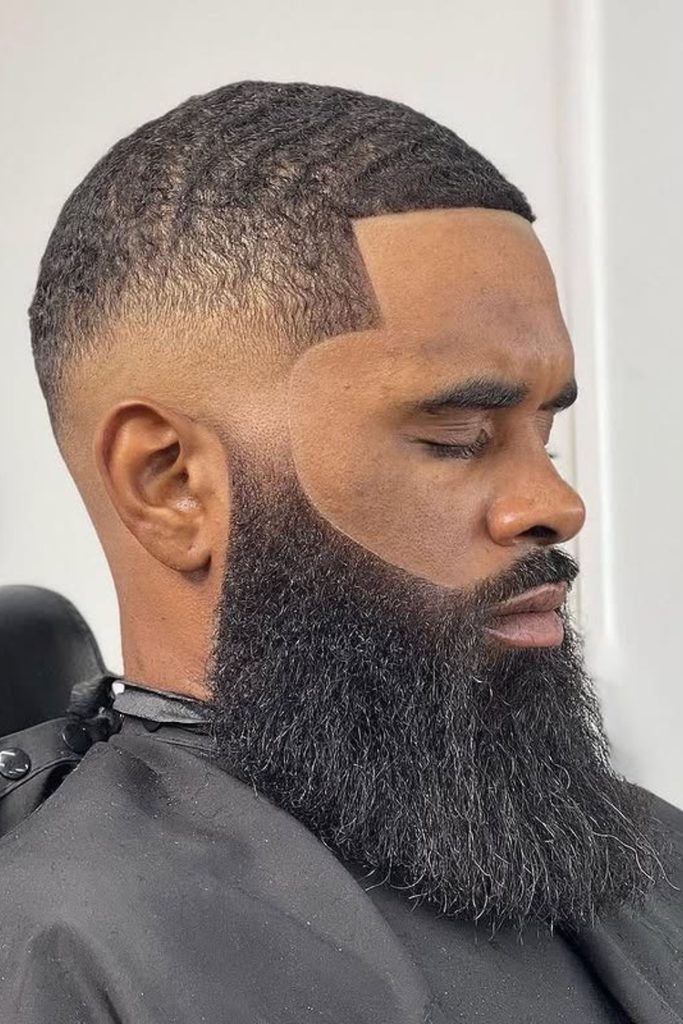
Keeping waves short can work nicely if your curl pattern is still noticeable at a reduced cutting length.
To get a smoother separation between the waves and beard, pair the cut with a low fade.
Watch which guard still leaves enough curl to display your learned pattern clearly before cutting that close.
Connected Side Waves
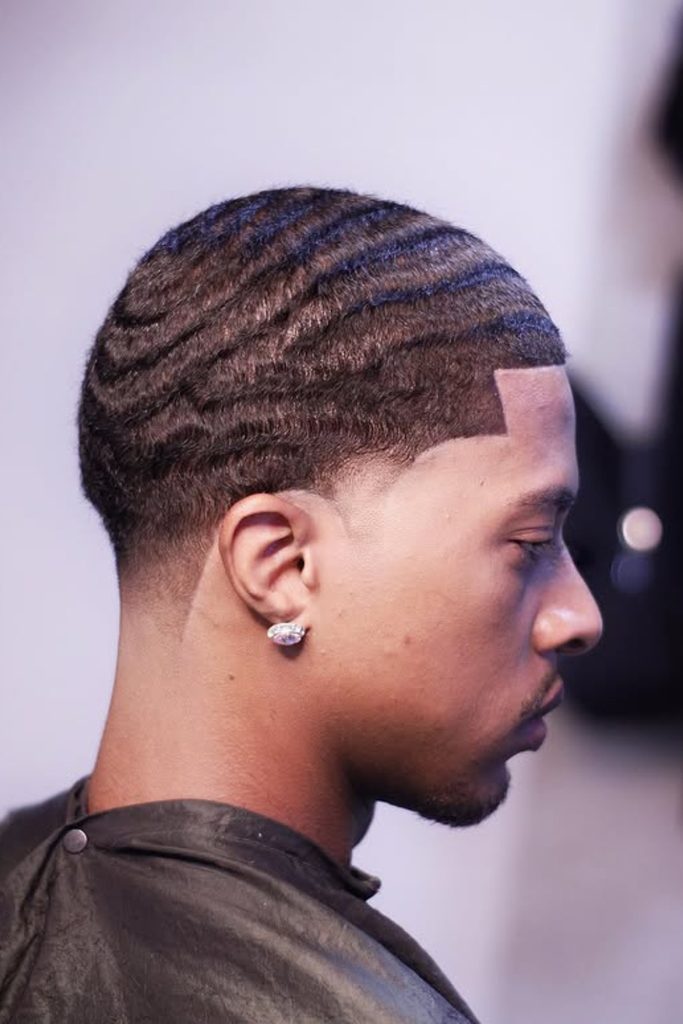
When you want waves to flow cleanly across the whole head strong connections are more important than great depth.
Keep the same brushing angle from the crown, particularly when the top pattern begins to transition to the sides.
Finish with a little temple taper so you sharpen the edges without cutting too deep into those trained connections.
Defined 360 Waves
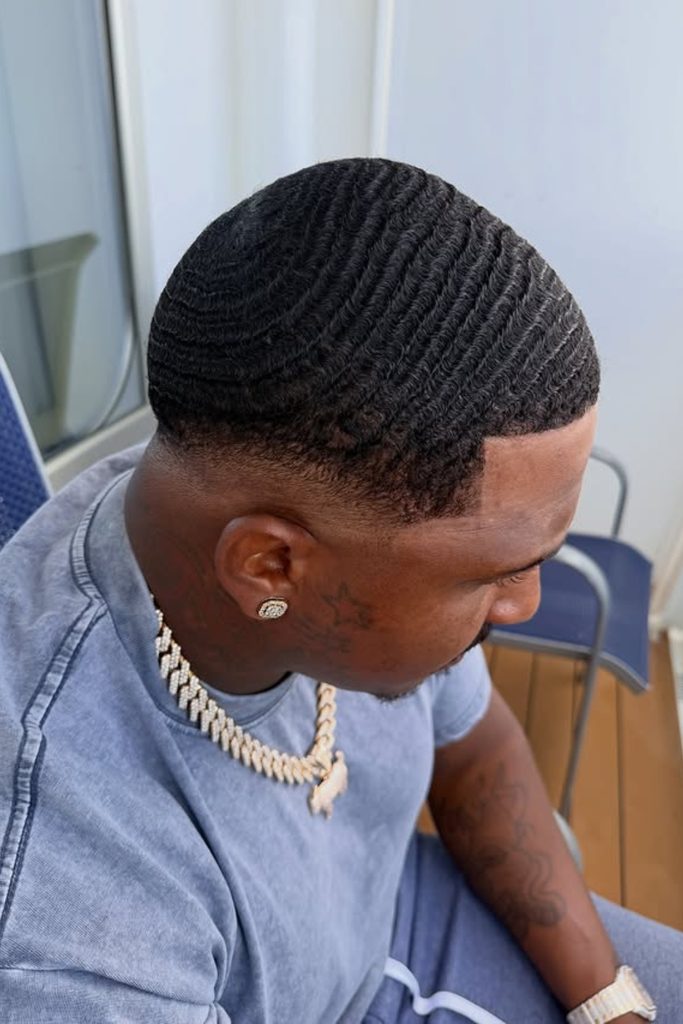
Let your sides stretch to enough length to match the top design for wider 360 coverage.
Brush out from one crown point so that all sections follow their own angle without making unnecessary forks.
When you come back for maintenance, keep the hairline sharp but don’t trim the surrounding waves too low.
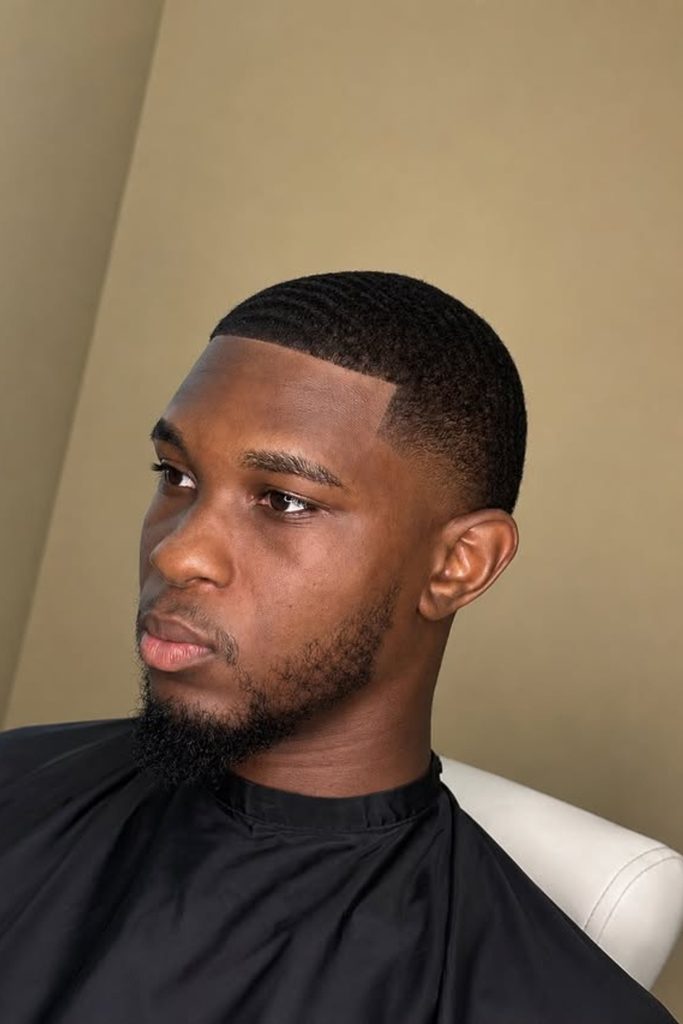
Close Cropped Waves
When your natural curl has enough bend to leave a visible wave pattern, going shorter is what will give you the best results.
Ask your barber to slowly cut the length down, and see what definition is left before you go lower.
Keep the temple area gently tapered so the transition looks tidy without taking away from your emerging waves.
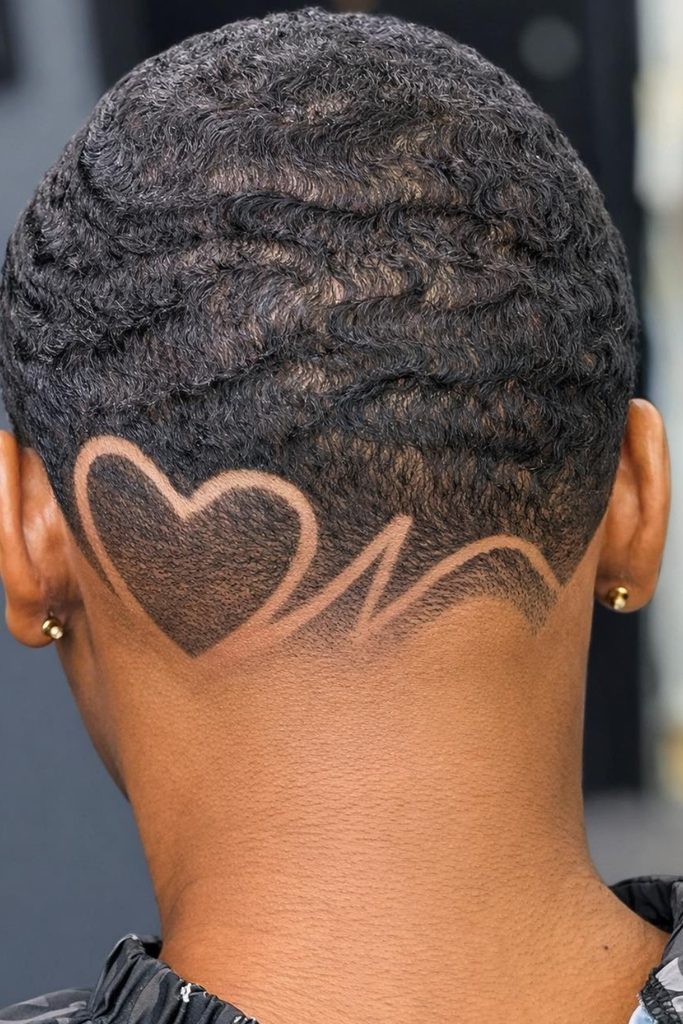
Designed Back Waves
If you want something a bit less traditional, a shaved neckline design can personalize your waves without altering the pattern.
Make sure the artwork is behind your strongest wave rows so the barber is not breaking up connections across the back.
Let that lower section grow out enough before appointments so your barber has adequate contrast to create cleaner design lines.
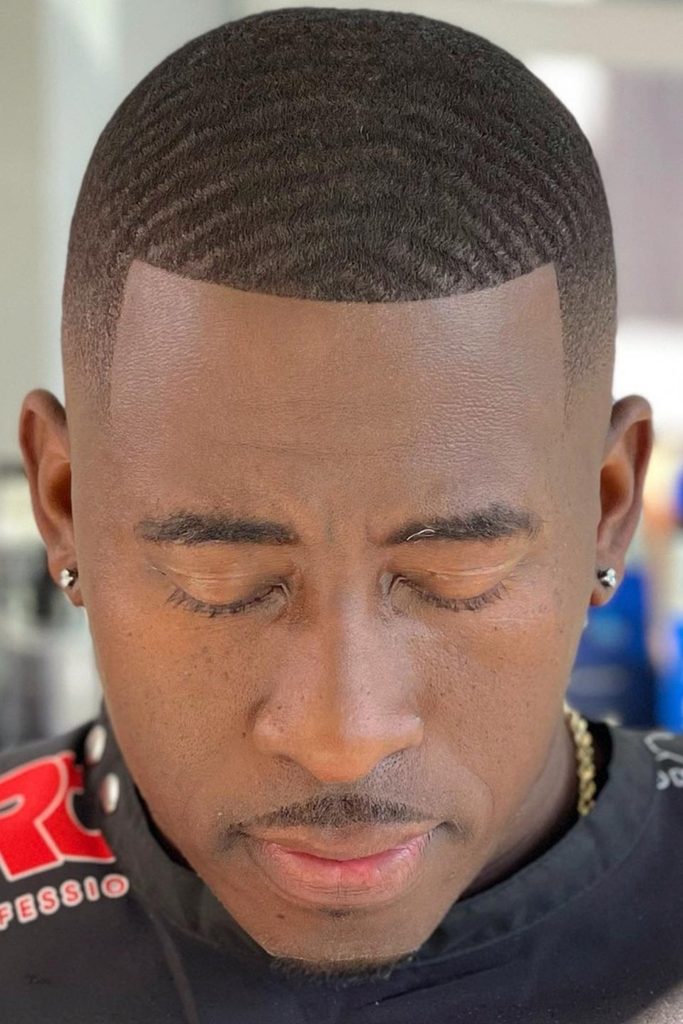
Sharp Lineup Waves
Keeping your waves simple means a tight lineup can bring some structure without having to aggressively fade around them.
Don’t ask for crisp corners if your natural hairline doesn’t support it and don’t ask for it if you’re constantly pushing the edge back.
Brush out the wave pattern evenly independently, a precise outline is no substitute for depth or deep relationships.
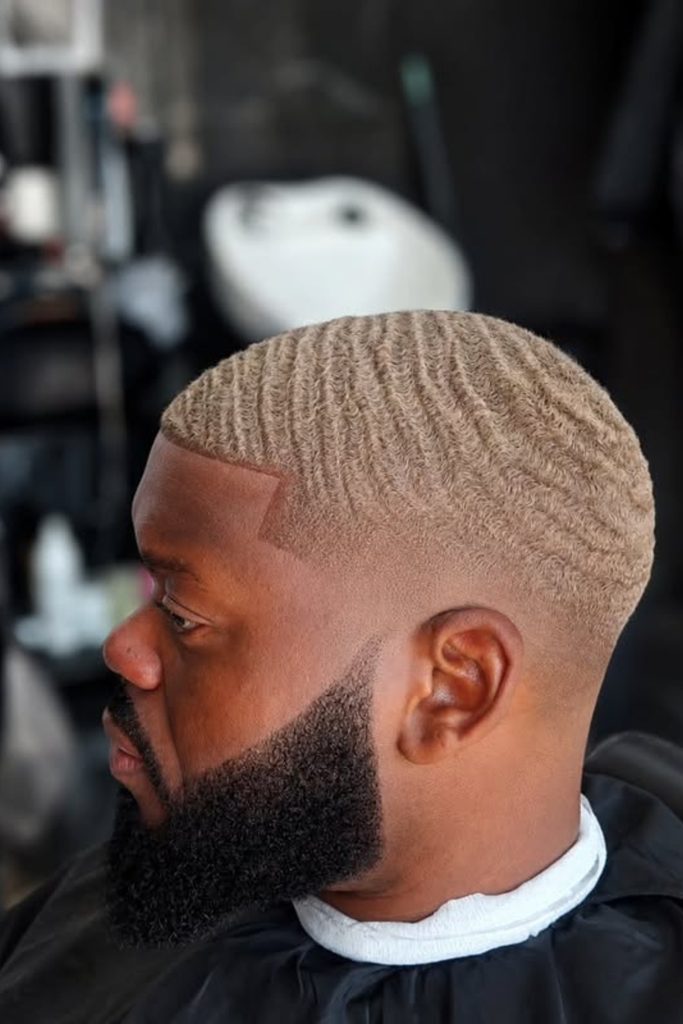
Blonde Taper Waves
Changing the color will make each ridge pop even more, especially if your waves already have a constant spacing and direction.
Bleaching can dry out textured hair, so focus on the hydration in your routine instead of overdoing it with pomade.
For contrast, match the lighter waves with gradual taper while leaving ample length across the main design.
Fuller Deep Waves
For more pronounced ridges, give your natural curls more room by leaving a little more length.
Use a brush that reaches the new growth, especially when your hair gets harder to lay down.
After building up depth, don’t shave too close; losing that extra length of curl might rapidly lessen your momentum.
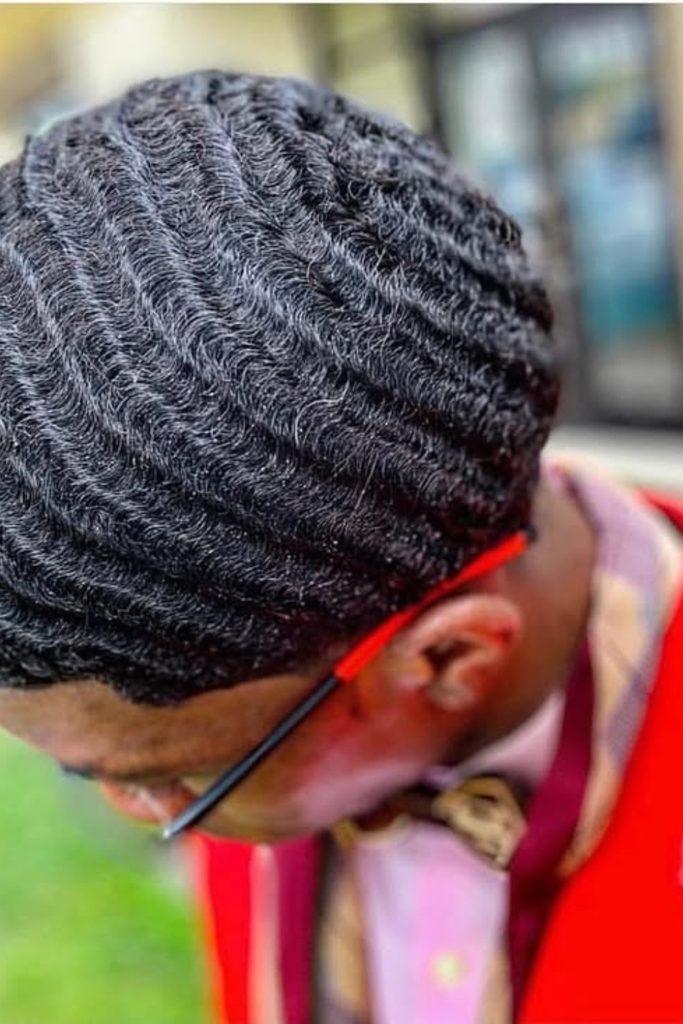
Platinum Waves
Going platinum helps the wave pattern pop right away, but treated hair needs more hydration after the fact.
Control bleaching sessions and allow your hair time between treatments instead of bleaching already damaged strands over and again.
When maintaining, use softening treatments so your waves are still manageable and you don’t leave dry, damaged hair looking brittle.
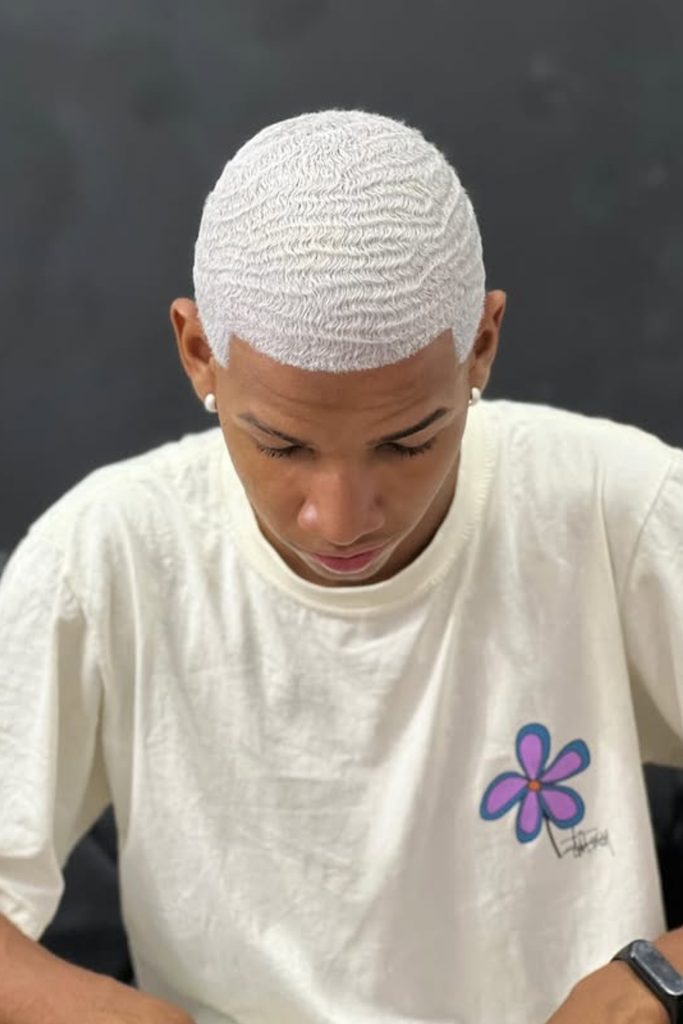
Beehive 360 Waves
A beehive needs to be brushed in a constant outward pattern, not alternating back and forth directions.
Be extra careful around the crown as little variations in angle here can disrupt the connections further down your head.
When brushing the back, use a mirror so you can follow established lines rather than guessing where strokes go.
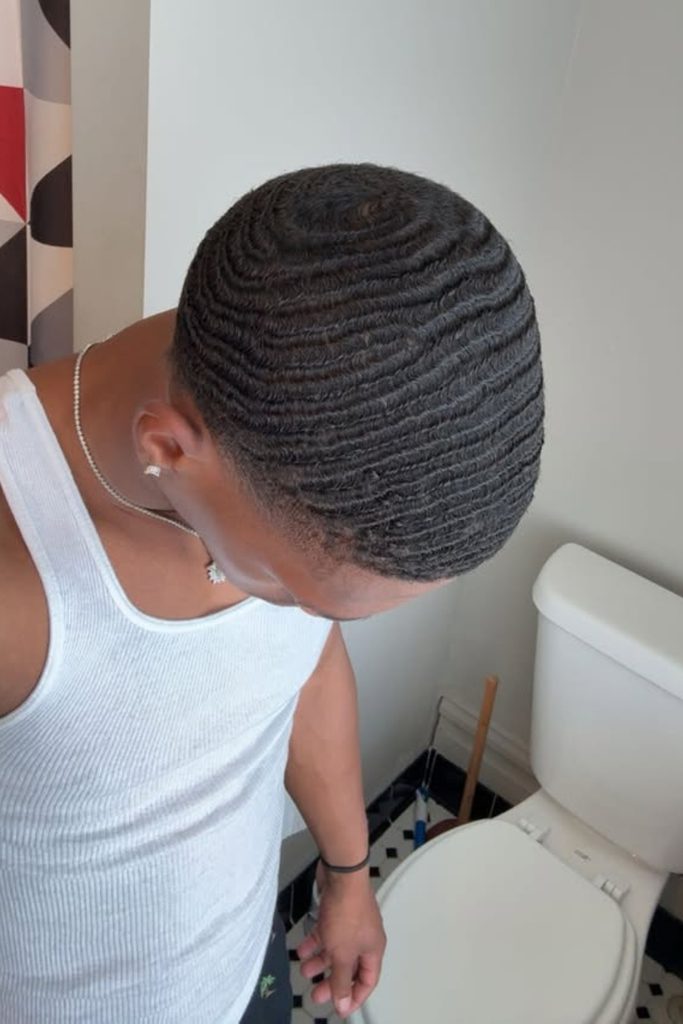
Waves Drop Fade
A drop fade can refine your profile and still leave more wave coverage at the back than steeper fades.
Tell the barber where you want the fade to start so you don’t lose vital side connections.
As it grows back, continue brushing toward the fading edge to assist your established pattern remain orderly between regular barber sessions.
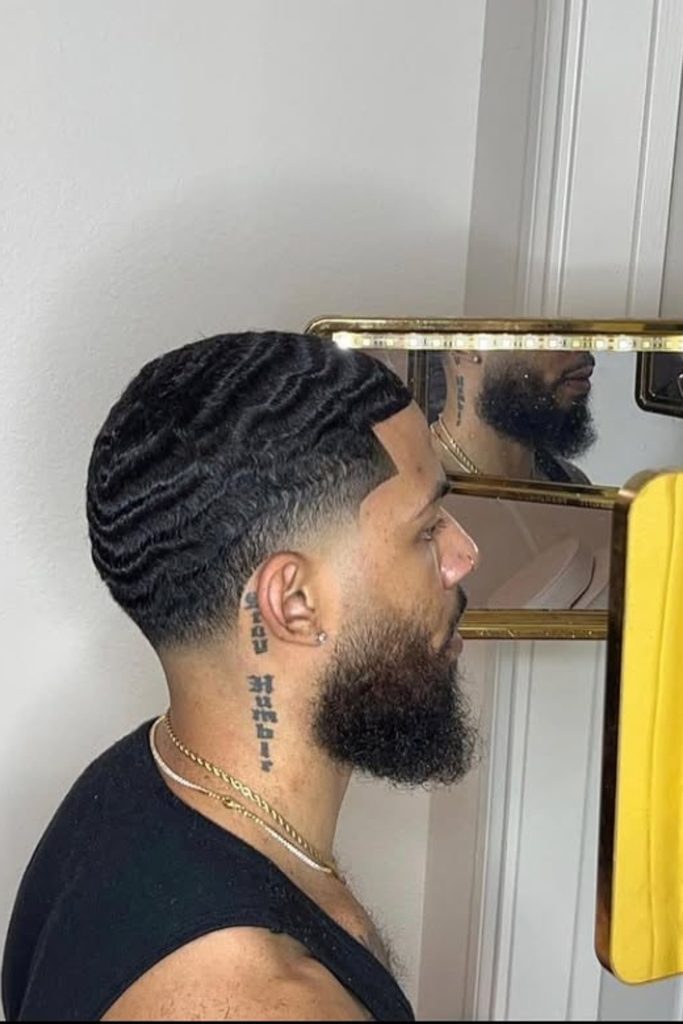
Short Defined Waves
For a shorter cut, leave enough length on top for your natural curl bends to show.
Instead of cutting off the hard earned side pattern, ask your barber to slightly taper the temples.
A gentle brush can assist lay shorter hair neatly while keeping those set directions between your regular cuts.
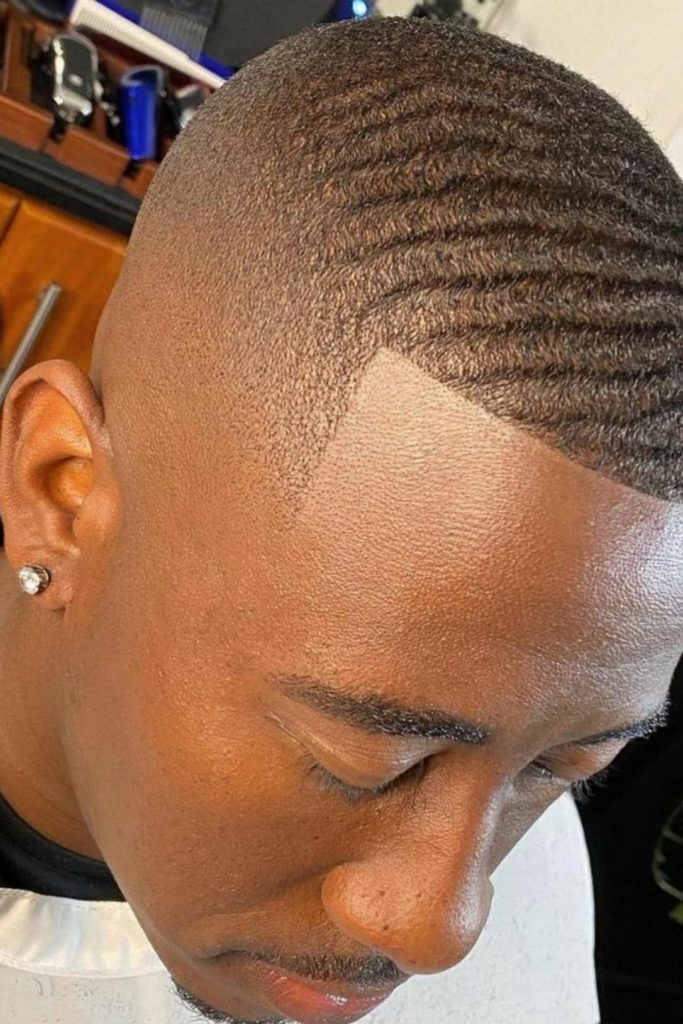
Brushed 360 Waves
Even a pattern isn’t just a matter of brushing frequently. Each stroke needs to go the way you want it to.
Work from the crown out, and use a mirror to keep your side and back angles from wandering .
Once the pattern is established, compression can help maintain your brushing work and reduce undesired motion in daily wear.
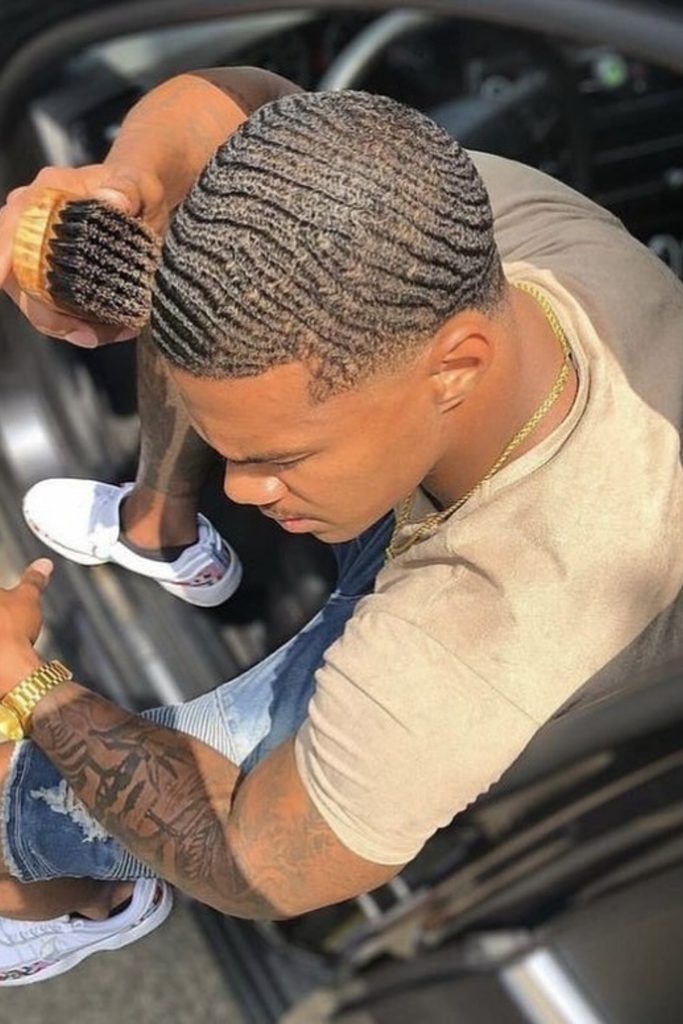
Low Taper Waves
A low taper provides you cleaner edges and keeps much of your wave pattern intact on the sides.
Instead of just lifting it up excessively, ask your barber to work on the shortest transition near the temples and neckline.
Keep on brushing those lower areas as they grow back to keep your side waves linked in between visits.
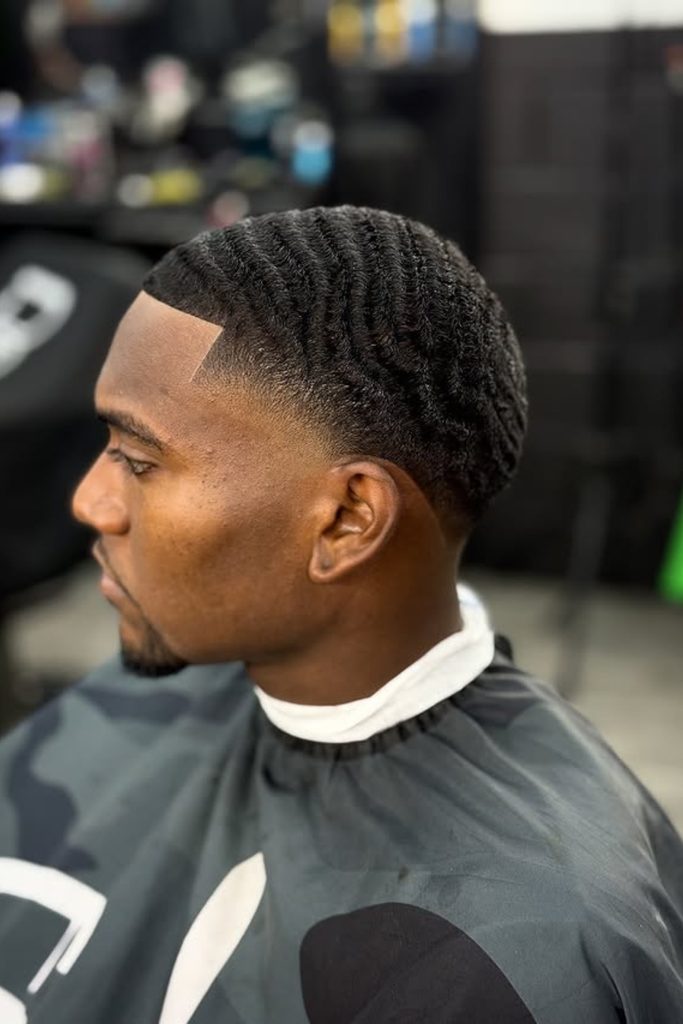
Waves Temple Fade
Want more contrast yet not lose your entire side pattern? The fade needs to be tight and near to the temple area.
Leave enough weight above the fade so your strongest wave rows can flow freely to the sides.
When you do maintenance, brush those outer rows evenly instead than having the shorter temple part modify your normal angles.
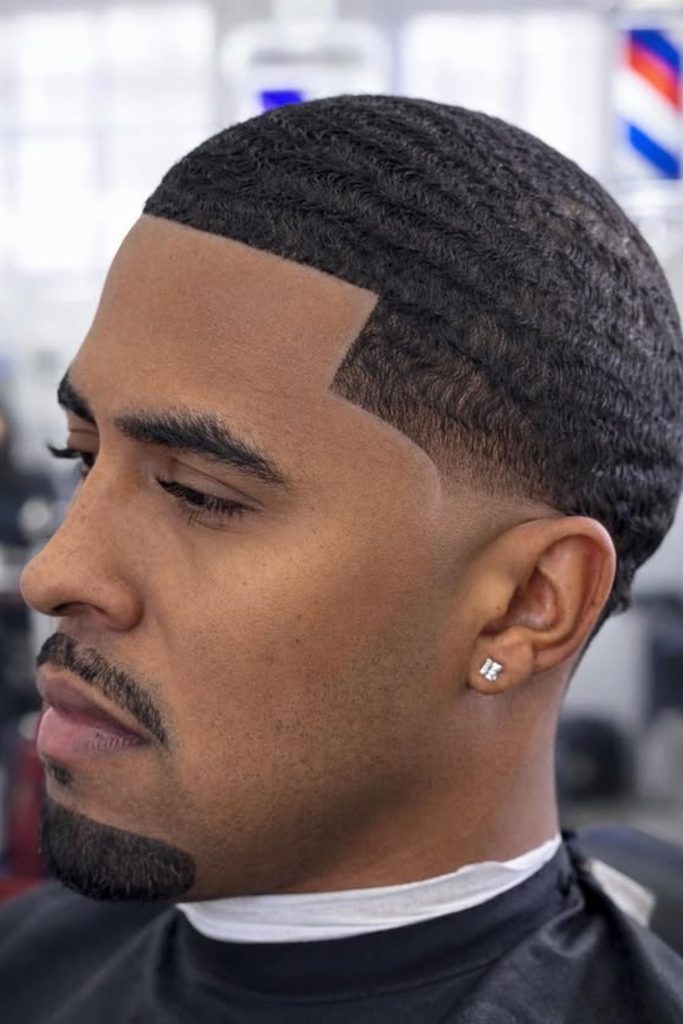
Mid Fade Waves
A mid fade removes more side coverage for additional contrast but leaves the upper wave pattern visible.
Keep your brushing on the longer part so those rows stay together and don’t end unevenly near the changeover.
If you’re keeping all of your side waves, this fade height matters less than achieving a sharper, more prominent silhouette.
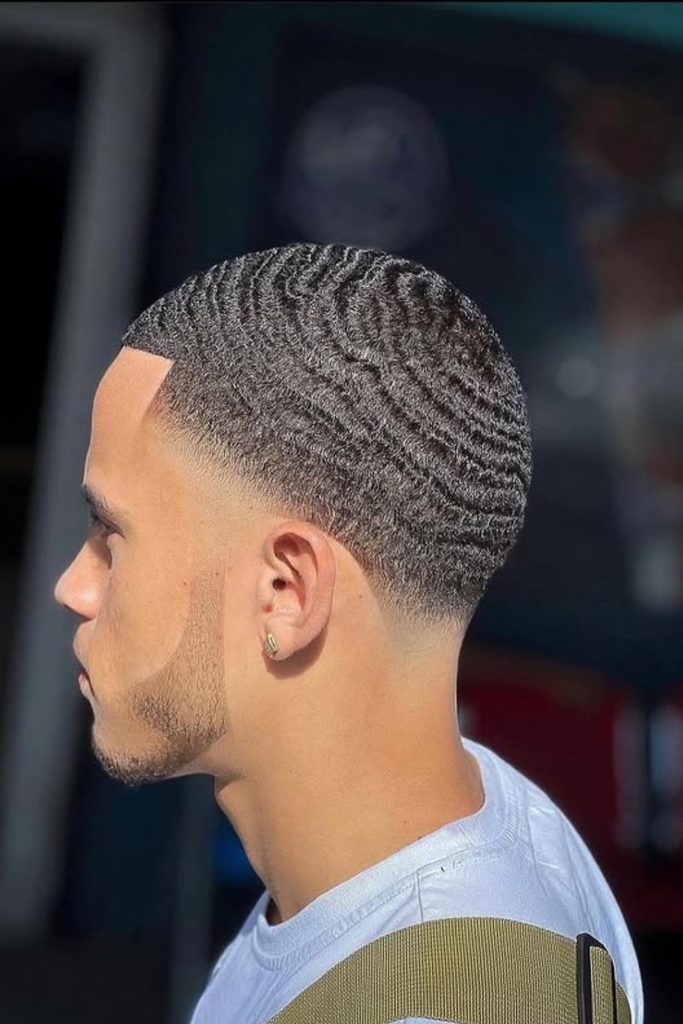
Deep Crown Waves
So you need to keep the angles consistent to get this much depth around the crown, so when you start brushing, don’t shift direction.
Allow a little more length to develop between trims since deeper ridges tend to get easier to train with sufficient development.
Start each session with your crown and then go outwards in set rows rather than brushing randomly.
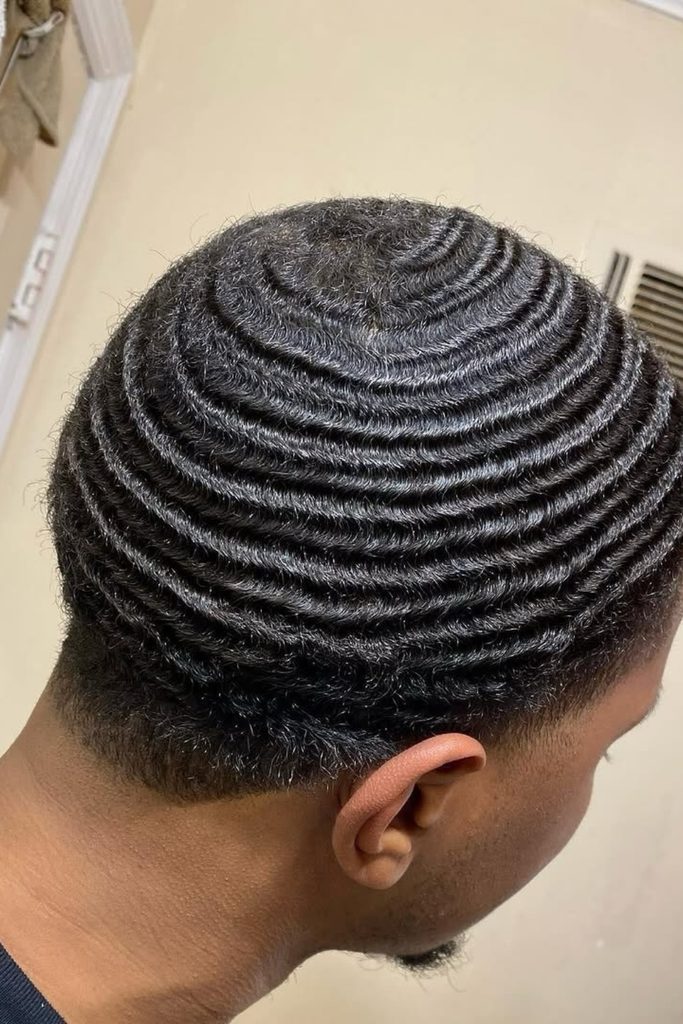
Natural 360 Waves
When the whole wave pattern is doing most of the work, no dramatic fade is needed.
The rows can then carry on down instead of disappearing into bare skin Keeping a bit more hair around the edges provides them leeway to do this .
Request mild edge cleanup during maintenance, especially if you’re looking to maintain the maximum coverage around the entire head.
FAQs
How Often Should You Brush Your Waves to Keep the Pattern Defined?
Brush the hair consistently, always from the crown outwards, at the same angles, so that you keep training the existing pattern.
Concentrate on the weaker areas more , and utilize a mirror for the sides and back if your connections start to wander .
Can You Get a Fade Without Ruining Your Waves?
A low or temple fade keeps more wave coverage whereas higher fades purposely take out more coverage.
Before the cut, tell the barber you’re training waves and decide on how much side coverage you want to preserve before selecting the fade.