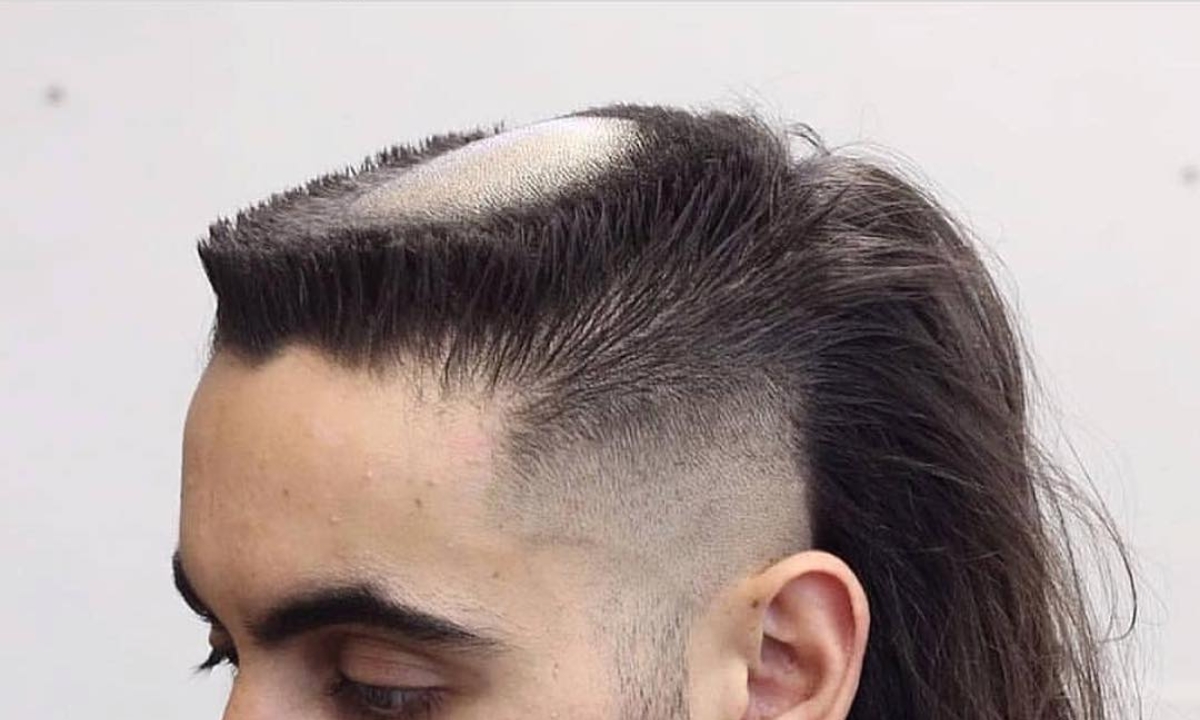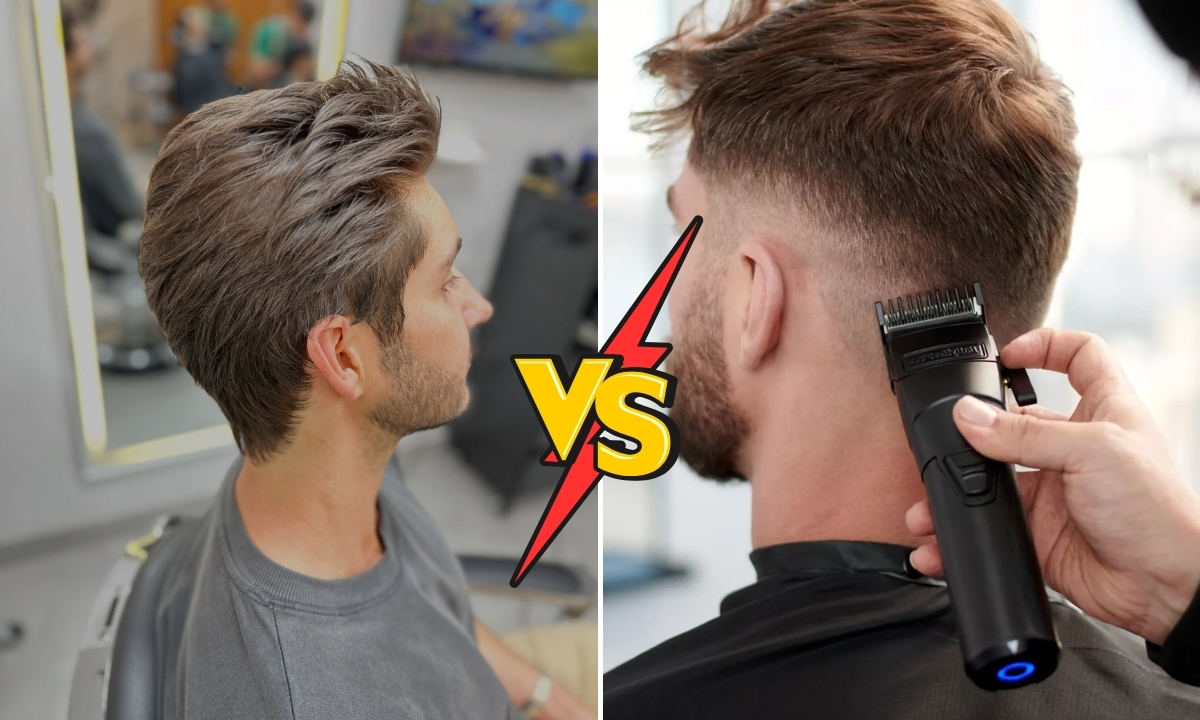
If you search on the internet ‘’How to Describe the Haircut You Want to a Barber’’ it means you are facing communication problems with your barber.
If you do not explain with your barber properly, your barber will not give you a good result. For better results understanding the barber with you is most important.
I face the same problem many times, my barber can’t guess my mind. As this barber can’t do my haircut properly, I solve this problem wisely.
If you are facing the same problem, you should not worry about it, because you are not alone here. I am sharing with you my personal experience.
In this article, you will learn a clear way to describe your haircut so your barber understands exactly what you mean.
Lets dive into it!
Define Your Hair Style
You need to be clear about what kind of haircut you want before you talk to the barber. This stage is important because most people don’t know how to say what they desire.
They know how they want to feel or look, but they don’t know how to write a description of their haircut.
Think about the style you want your haircut to give you before you start talking about fade degrees, guard numbers, or technical barber jargon.
Do you want to look professional and ready to work? More relaxed and textured? Sharp and eye-catching? Or laid-back and natural?
Things get easier once you decide what look you want. You can tell the barber what you want your haircut to look like, and they can design it around that aim.
Here are four main hairstyles.
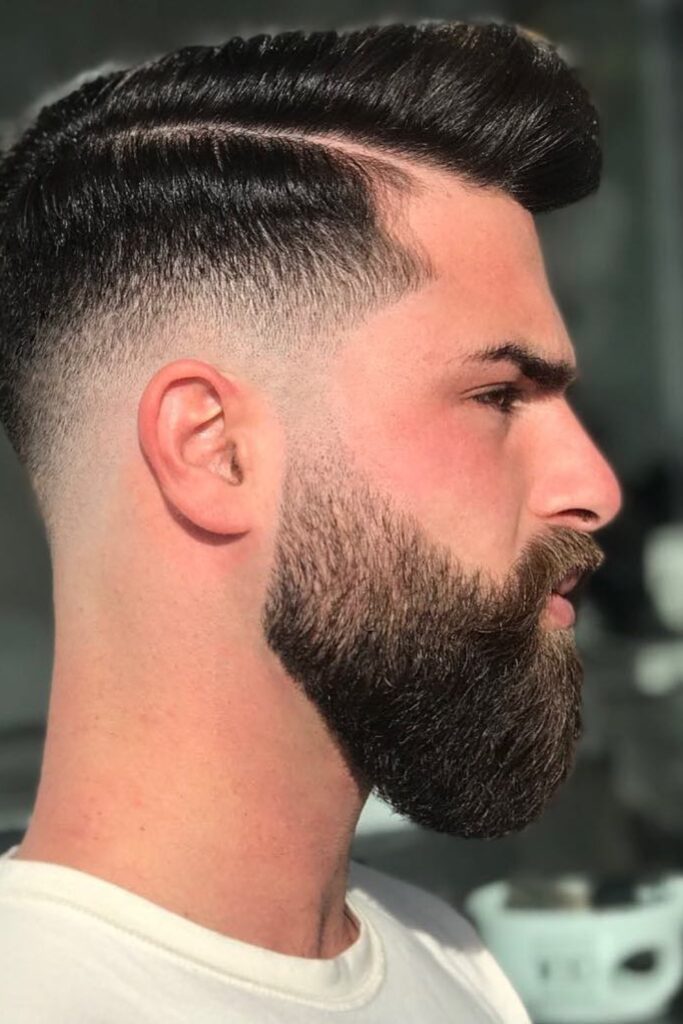
1. Clean & Professional
A nice, tidy, and professional hairstyle looks good. This is the kind of hairstyle that looks good in formal and office settings.
This style usually has:
- clean sides
- a balanced top
- a tidy finish
- a shape that looks sharp without being too dramatic
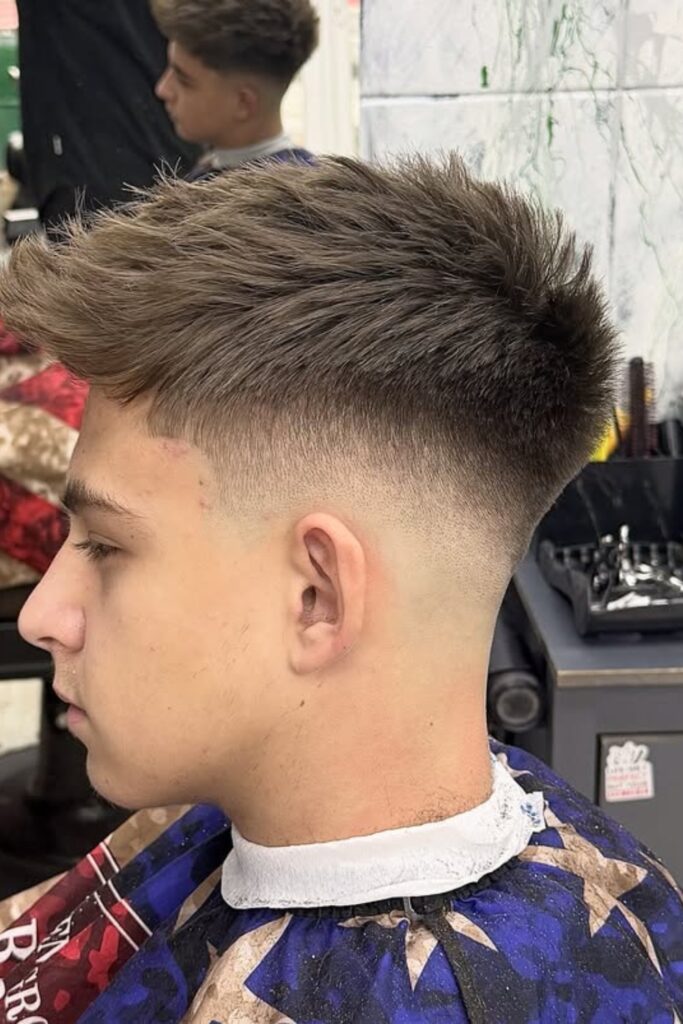
2. Messy & Textured
A sloppy and textured hairstyle looks more informal, modern, and laid-back. It still has some contour, but it doesn’t look too flat or too perfect.
The idea here is to move, make noise, and finish more easily.
This style usually has:
- visible texture on top
- less rigid structure
- more movement in the hair
- a laid-back finish instead of a super-clean one
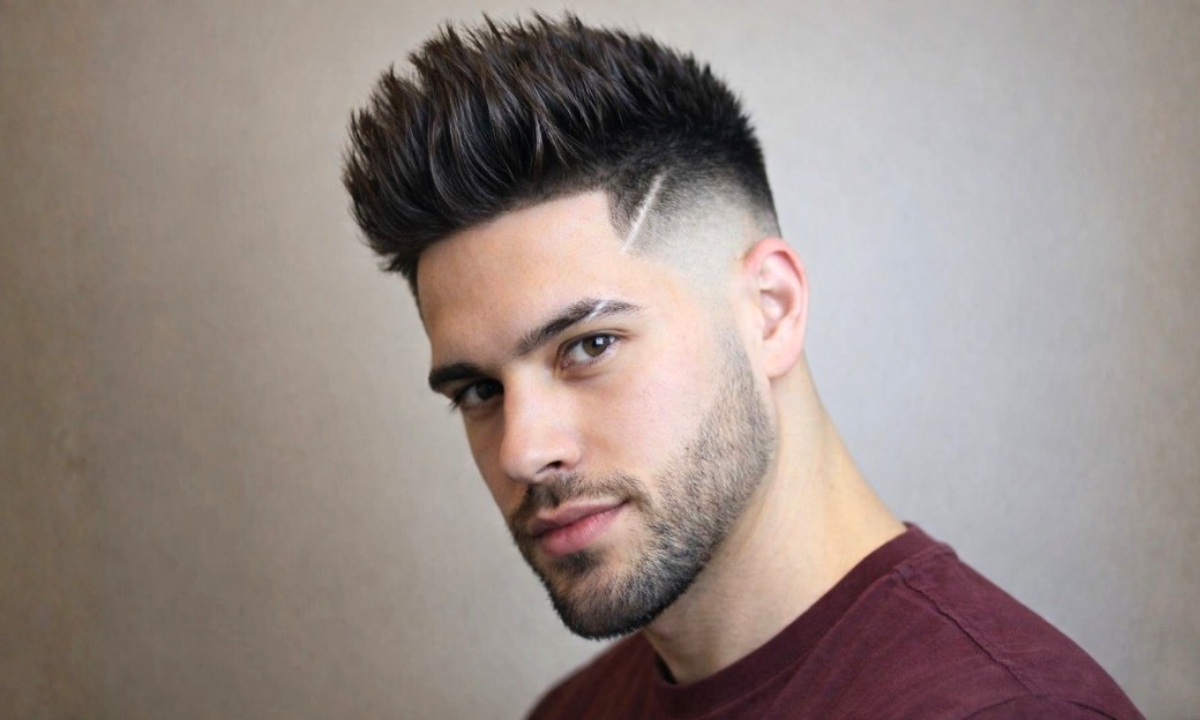
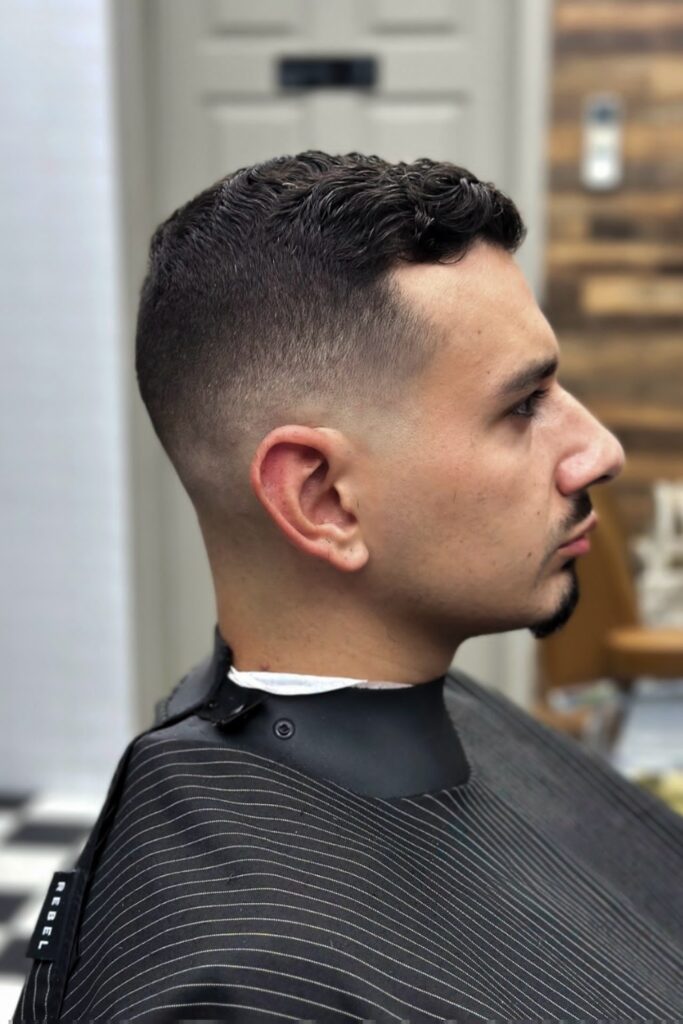
3. Sharp & Bold
A crisp and bold hairdo makes you stand out more. It seems stronger, cleaner, and more defined.
This kind of haircut usually has greater contrast, more shape, and a more apparent finish.
This style often includes:
- tighter sides
- a stronger fade or sharper blend
- more defined edges
- a haircut that looks intentional and high-impact
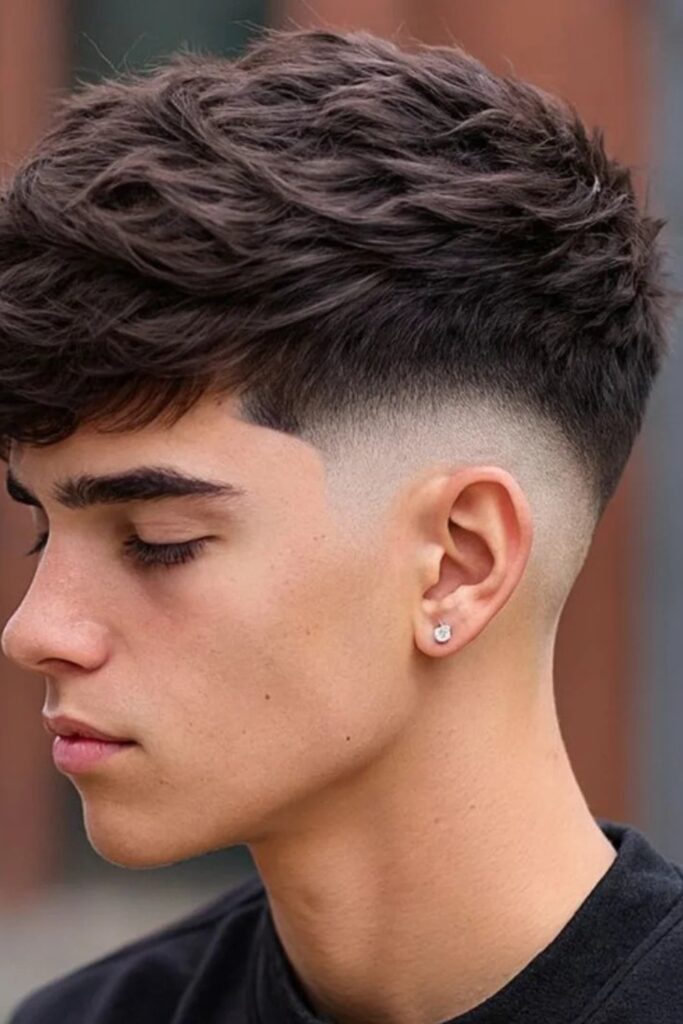
4. Natural & Relaxed
A hairstyle that looks natural and relaxed is soft, effortless, and not forced. It doesn’t strive too hard to seem very sharp or very stylish.
The haircut follows the way your hair naturally grows, which makes it feel better and easier to take care of.
This style usually has:
- softer shaping
- less aggressive fading
- a more natural outline
- an easygoing finish
Understanding Your Hair Type
You need to know what kind of hair you have before you can choose a haircut or explain it. This is where most people mess up.
They go to the barbershop with a picture and say, “I want this,” without even thinking about whether their hair can really look like that.
Here’s the truth your hair type controls how your haircut will look, sit, and grow.
You can make better choices and talk to your hairdresser more clearly once you know what type of hair you have.
Here are some hair types.
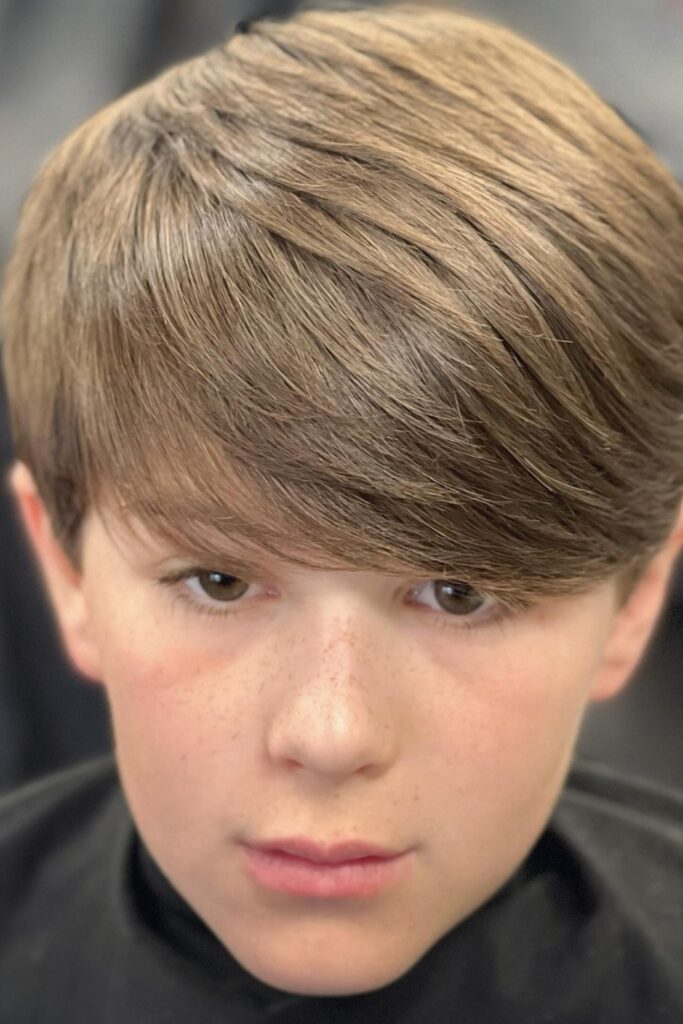
Straight hair
Straight hair doesn’t have any natural waves or curls, so it looks clean and polished by default. But it can also fall flat if it doesn’t have enough length or substance.
That’s why people with straight hair usually require some length on top or more texture to make it look fuller and move.
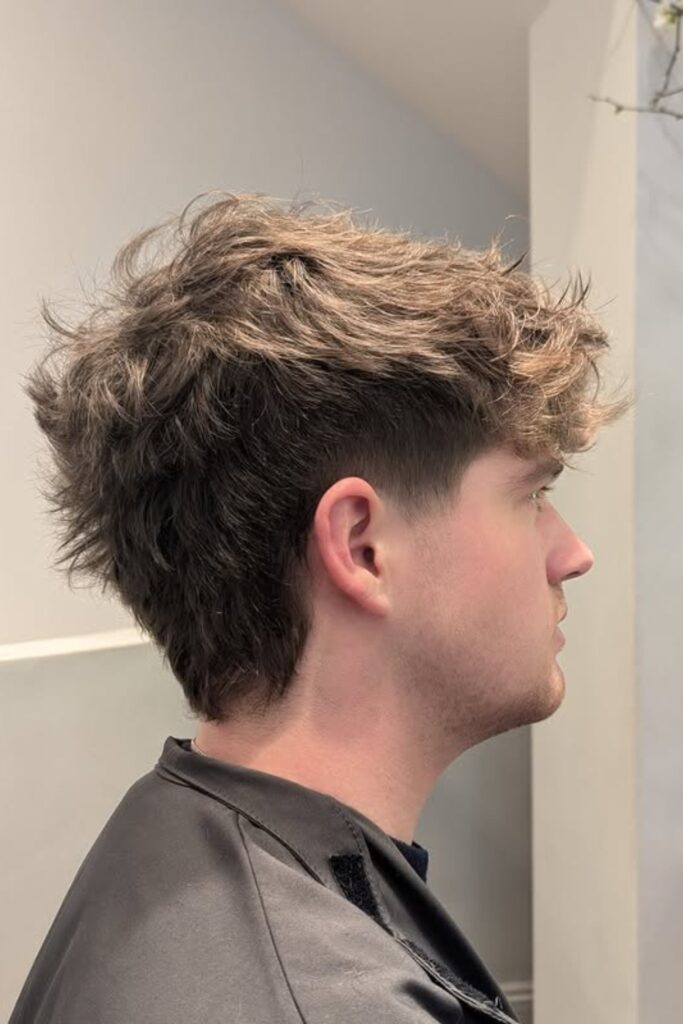
Wavy hair
Wavy hair is in the middle of straight and curly hair. It moves and flows naturally. It adds volume to your hair, but it can look sloppy if you don’t shape it right.
When you have wavy hair, the trick is to work with the waves, not against them. If you keep your hair at a medium length and add some mild texture.
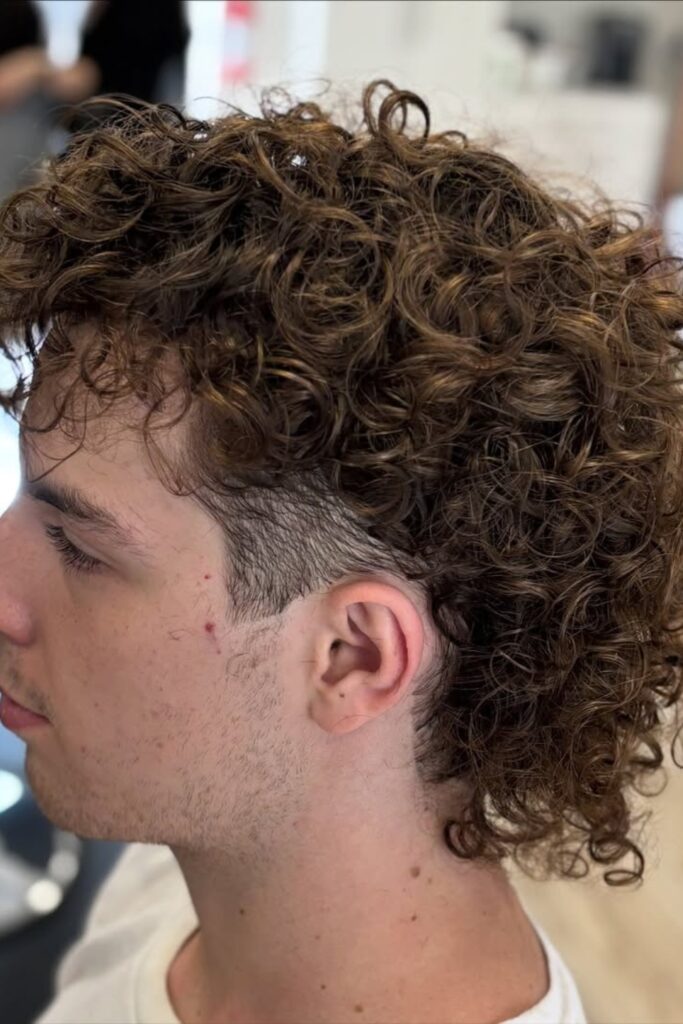
Curly hair
A lot of people don’t know that curly hair shrinks when it dries, even though it has a strong structure and volume.
That’s why you shouldn’t just cut curly hair; you should shape it properly. Keeping the right length and focusing on structure.
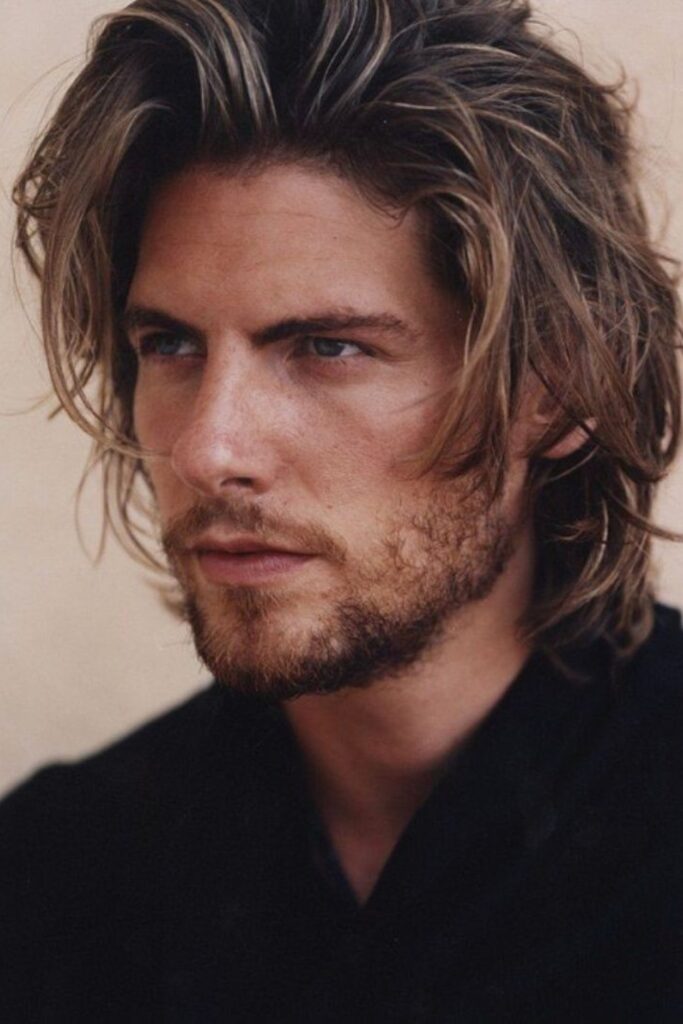
Thick vs Thin Hair
It’s not the pattern that makes hair thick or thin; it’s the density, or how much hair you have. Thick hair is heavy and voluminous, so if you don’t take care of it, it can feel bulky.
To keep it light and easy to work with, it usually needs some weight taken off and some texture added.
It needs to be managed with care. Keeping it a little longer and not thinning it down too much can help it look fuller and more balanced.
Define By Fade or Taper
The next step is to figure out how the sides and back will blend into the top after you’ve chosen your style and length.
This is where fade or taper comes in, and it’s one of the most important things that can transform how your haircut looks.
A lot of folks don’t say this very clearly. They only tell the barber to “short on the sides,” and he or she has to figure out where and how the fade should start.
That’s why you sometimes end up with:
- sides too high
- too much contrast
- or a look that feels completely different from what you imagined
To avoid that, you need to choose one of these four options.
Here are explanations of fade or taper.
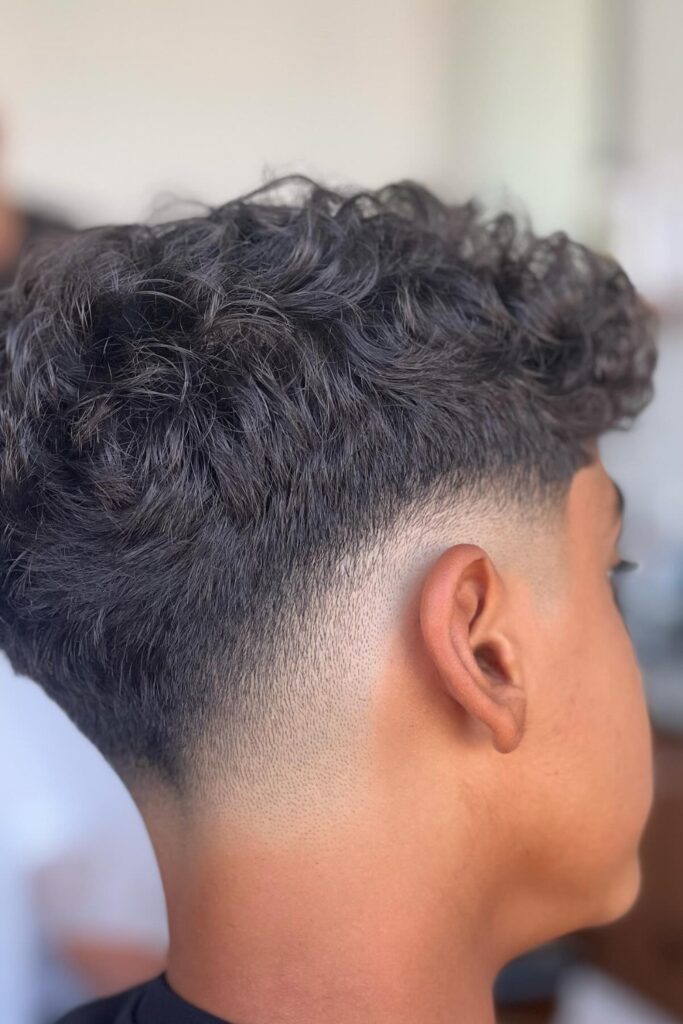
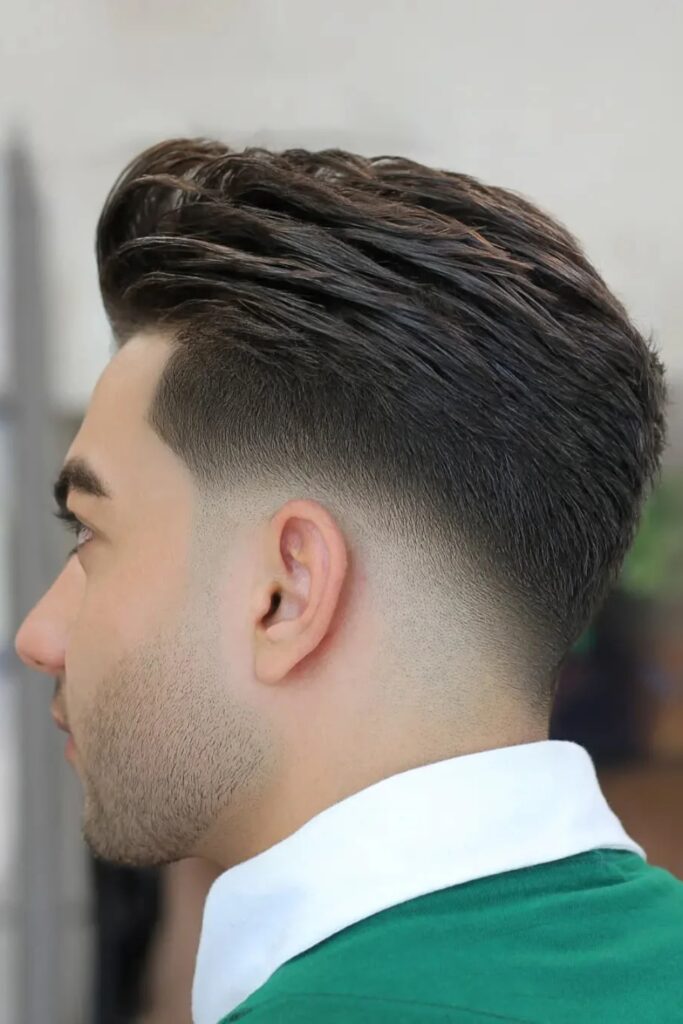
Low fade
It has a modest fade over the ears and continues near to the neckline, which makes it look natural and not too flashy.
It keeps more hair on the sides, which makes the whole haircut feel softer and less dramatic. If you want something clean but not too sharp or visible, this is a decent choice.
Mid fade
The mid fade starts in the center of the sides, between the ears and temples. It gives you a balanced look, not too subtle or too bold.
This is the most flexible choice because it looks good with both casual and business outfits and still has a clean, modern look.
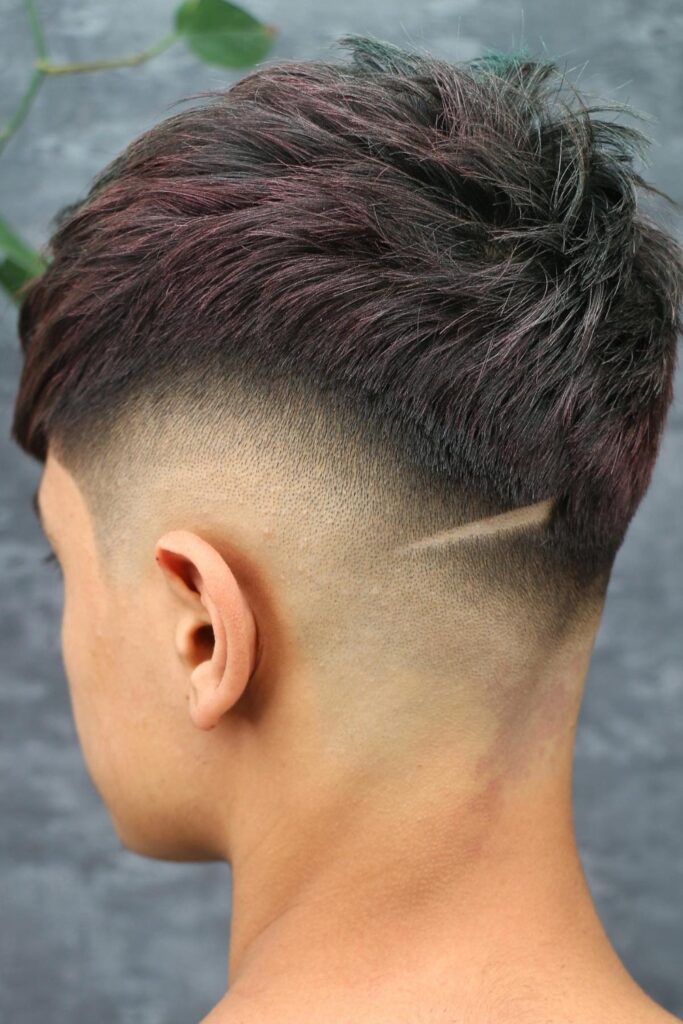
High fade
A high fade that goes up the sides a lot, usually close to the temples. It takes out more hair and makes a strong difference between the top and the sides.
This makes the haircut look sharper, bolder, and more eye-catching, but it also makes it less subtle than a low or mid fade.
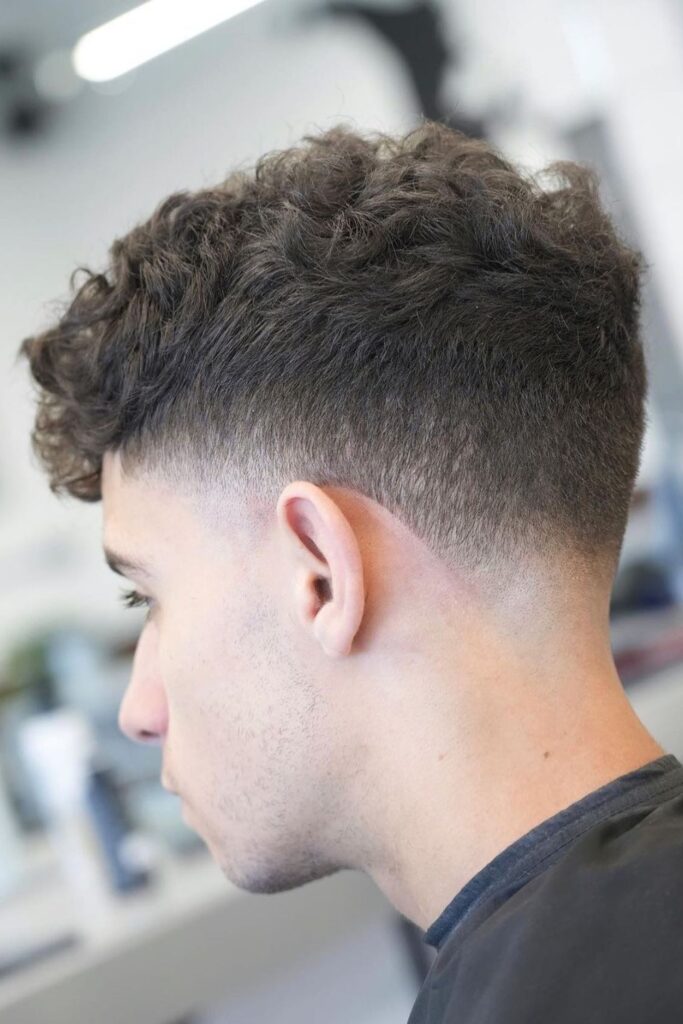
Taper fade
Tapers look more natural than fades. It doesn’t merge high up the sides; instead, it merely shortens the hair at the neckline and sideburns.
The remainder of the hair stays fuller, which makes it look softer and more classic. This is great if you don’t want your sides to be too short and want something simple and easy.
Communicating with Your Barber
Communicating with your barber clearly is what turns a haircut idea into the haircut you actually get.
A lot of individuals know how they want to look, but they have trouble saying it in a way that makes sense in the chair.
Being clear and basic is the greatest approach to avoid that. Let your barber know what you want on top, how short you want the sides, and if you want a fade or taper.
A picture helps too, but don’t just show it and not say anything. Tell them exactly what you appreciate about it, like the length, the fade, or the feel.
If something feels too short or different during the cut, say something right away instead of waiting until the conclusion.
Using sophisticated barber words doesn’t show you know how to talk well. It just means giving your barber specific instructions.
Provide Photo Examples
One of the easiest and most efficient ways to make sure your barber understands what you want is to show them pictures.
A picture is a clear visual reference that clears up confusion right away, instead of trying to explain everything with words.
But just exhibiting a photo isn’t enough. You should tell your barber exactly what you admire about that picture.
Point out particular things, like the length on top, the shortness of the sides, the style of fading, or the overall shape.
This lets your barber know exactly what you want instead of having to guess. It’s also vital to pick photographs that look real and fit the type and thickness of your hair.
You can even present more than one picture to combine ideas if you need to, but you should always say what you want from each one.
When you use a photo correctly, it makes your ambiguous notion clear and distinct, which makes it a lot easier for your barber to give you the look you want.
Let’s Make Sense of Haircut Numbers
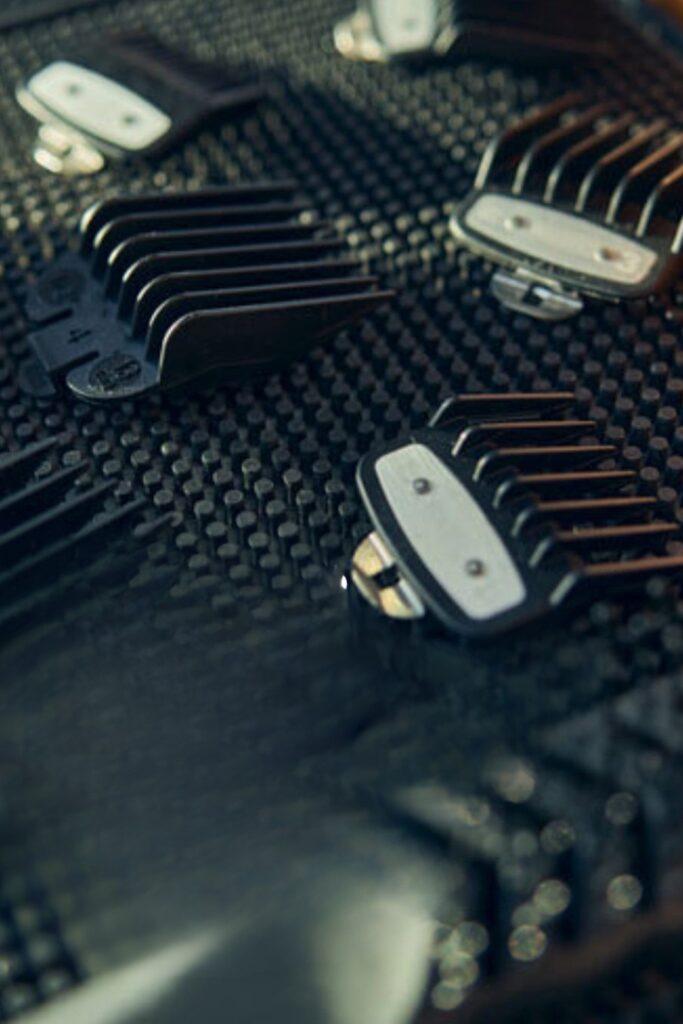
One of the easiest methods to tell your barber how short you want your hair, especially on the sides and back, is to use haircut numbers.
Barber numbers (clipper guard sizes) give a clear, standard length that your barber instantly understands, instead than using confusing words like “short” or “medium.”
For instance, a #1 is very short, a #2 is short but not too tight, and a #3 or #4 leaves more length and looks fuller.
The hair gets longer as the number goes up. This easy approach takes the guesswork out of things and helps you avoid mistakes.
The most important thing to understand is that these numbers are typically utilized for the sides and back. The top is normally measured in inches or finger lengths.
Using the right haircut numbers is like speaking your barber’s language. It makes your request clearer, more specific, and much easier to get right.
Conclusion
Getting the haircut you want isn’t about knowing complicated barber terms—it’s about being clear with what you say.
Most mistakes arise because people don’t communicate clearly, not because your barber isn’t good at what they do.
Everything gets easier when you know what kind of hair you have, what style you want, how to choose your fade or taper, and how to describe your lengths.
Include a picture for reference, use clear and straightforward terms, and don’t be afraid to speak up during the cut.
When you do this, you and your barber stop guessing, and you leave with a haircut that is exactly what you wanted.
FAQs
What should I tell my barber if I don’t know haircut terms?
Keep things basic if you don’t know barber terms. Use simple terminology to say what you want.
Talk about how long you want the top to be, how short you want the sides to be, and how you want the whole thing to look.
You can also show a picture and say what you like about it. A professional barber will know what to do next and help you.
Is it better to show a picture or explain the haircut?
The greatest thing to do is both. A photo is a good visual guide, but telling your barber what you appreciate about it helps them realize exactly what you want.
For example, you could say, “I like the length on top, but not the sides this short.” This makes things clearer and gets better outcomes.
You may like to read!