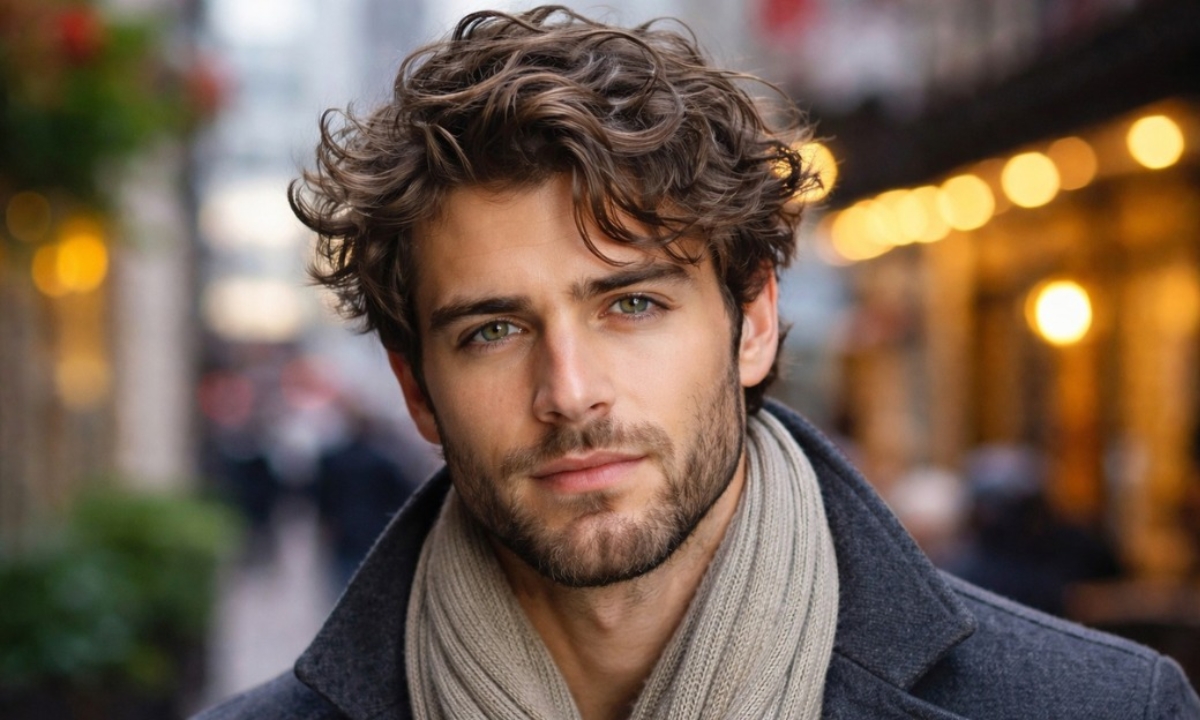

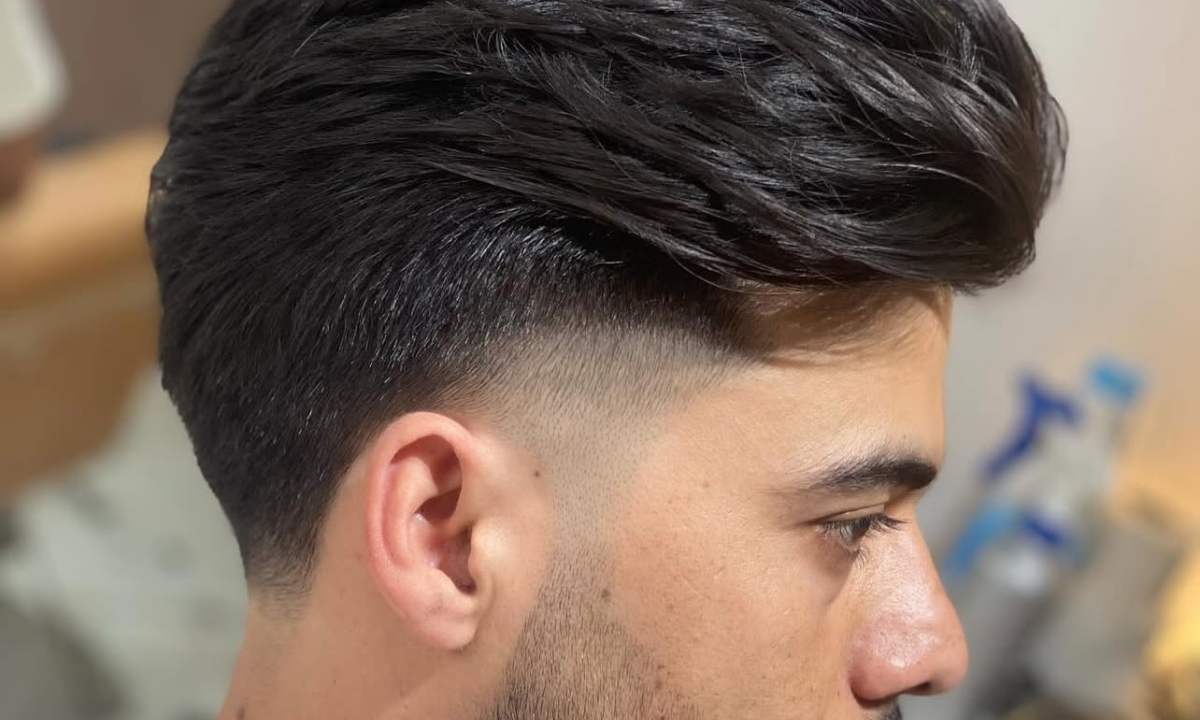
Most males think picking a haircut is easy until they see something like the undercut. It doesn’t seem so clear now.
You may find many variations online, some that are clear and sharp and others that are sloppy and textured, but they all have the same name. That’s where things get confusing.
What’s the true difference between an old-style undercut and a new-style one? Which one really works for your face, hair type, and daily life?
The difficulty is that most guides either show you random styles or don’t explain things well enough to let you make a confident choice.
In this article, you’ll get a clear, practical breakdown of both versions, understand what actually sets them apart, and figure out which one works best for you.
Let’s jump in!
Table of Contents
- What Is an Undercut?
- 1. Classic Undercut
- 2. Disconnected Undercut
- 3. Fade Undercut
- 4. Tapered Undercut
- 5. Side Part Undercut
- 6. Quiff Undercut
- 7. Pompadour Undercut
- 8. Curly Undercut
- 9. Long Undercut
- 10. Undercut with Beard
- Compersion Classic vs Modern Undercut
- Classic Undercut
- Modern undercut
- Explain Difference Between Classic and Modern Undercut
- Which Undercut You Should Choose?
- Consult with your barber
- Conclusion
- FAQs
- What’s the main difference between a classic and modern undercut?
- Which undercut is easier to maintain?
What Is an Undercut?
An undercut haircut is one where the hair on the top of your head is left considerably longer, while the sides and back are cut much shorter, sometimes almost shaven.
The difference between these two parts is what makes it different from other hairstyles.
In a true undercut, there’s little to no gradual blending between the long top and the short sides, which creates a sharp, clean separation.
The difference between these two colors is what makes the undercut look aggressive and distinct. The style has changed over time.
So now you’ll see variations where the sides are a little mixed in or faded, but the main point of the undercut is to retain the strong distinction between the top and the sides.
1. Classic Undercut
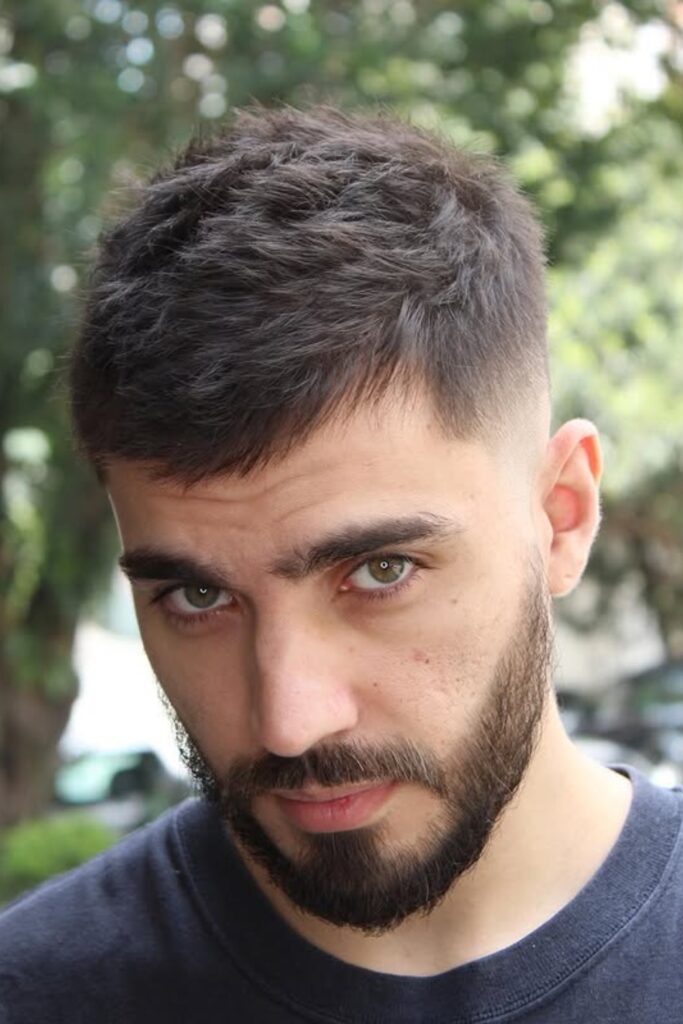
The classic undercut is the original version of this haircut. It has a significant contrast between the long hair on top and the very short hair on the sides and back.
It doesn’t mix well with modern styles, which gives it a clear, clean separation that makes it look structured and polished.
The top is normally worn neatly slicked back, with a side part, or into a pompadour, which makes it perfect for a more formal or classic look.
It looks sharp and polished, but you have to take care of it regularly to maintain the contrast clear and the style appearing like it was planned.
2. Disconnected Undercut
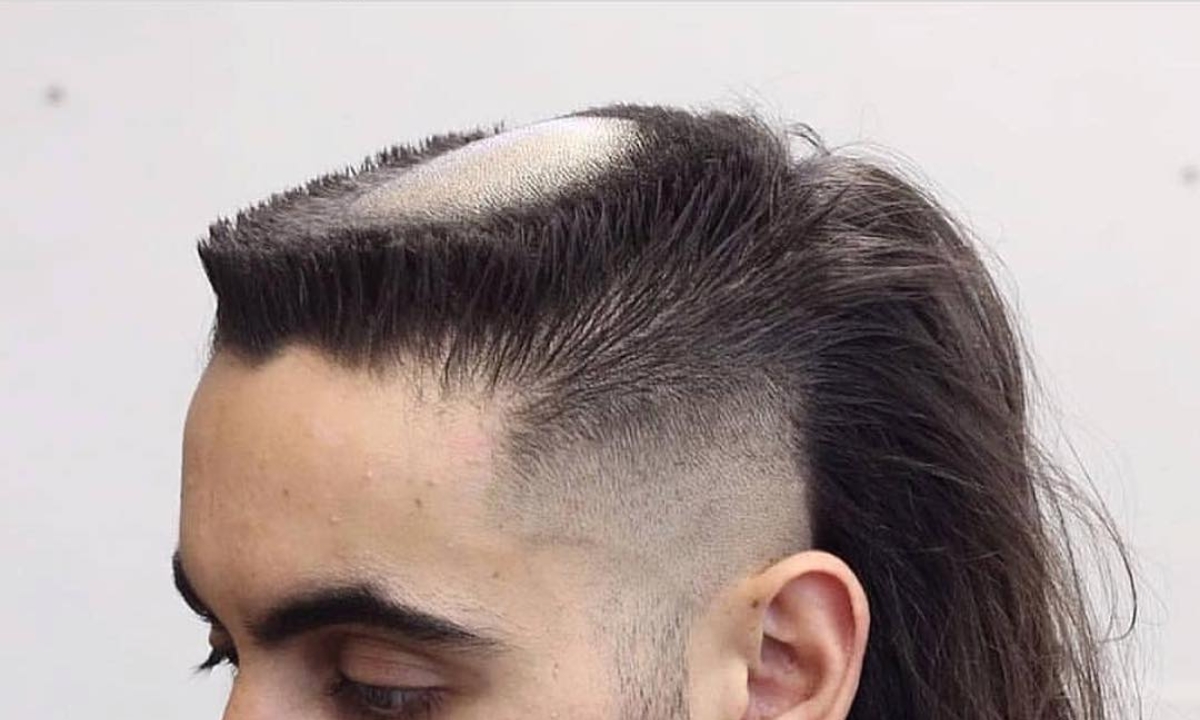
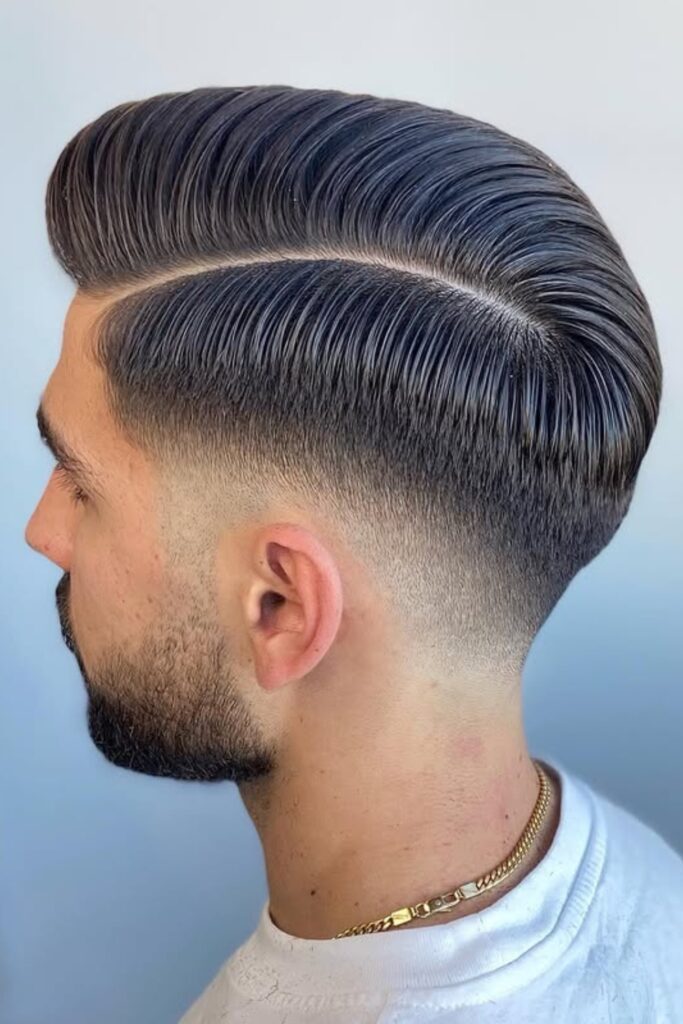
Disconnected undercut is a daring twist on the undercut that makes the difference between the top and sides very clear.
The hair on top is left long, but the sides and back are cut very short or shaved, with no blending in between.
This generates a crisp, precise line that really helps the top stand out. Many guys who desire a more edgy and modern style choose this.
It does, however, need regular care to keep that clean separation, and if it isn’t groomed or cared for properly, it can look uneven or sloppy.
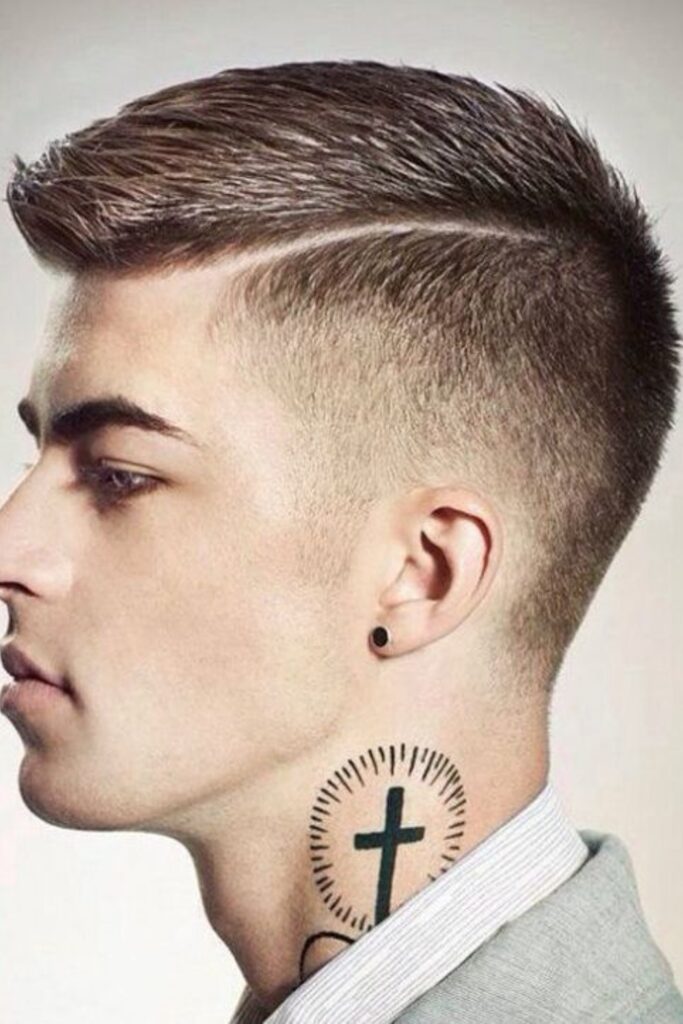
3. Fade Undercut
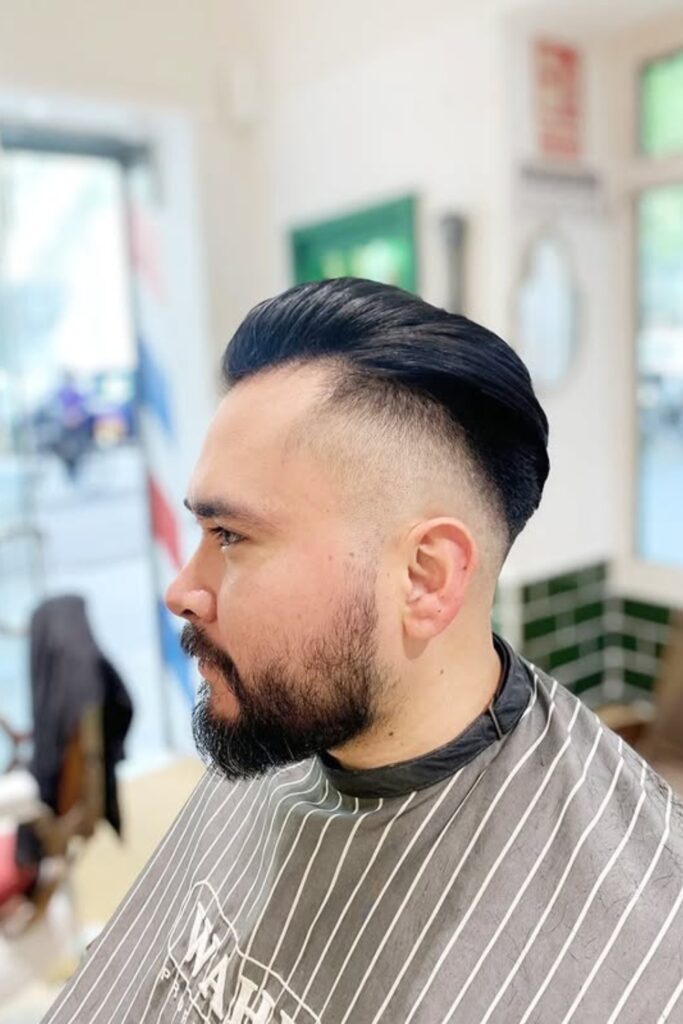
The Aade undercut is a new take on the undercut that has a lengthy top and sides that blend in gradually instead of a sharp cut.
The hair on top stays longer, while the sides and back fade gracefully from extremely short around the neckline to a little longer as they go higher.
This makes the change look cleaner and more natural while still preserving the contrast. If you want the sharpness of an undercut but not the extreme look, this is a wonderful choice.
4. Tapered Undercut
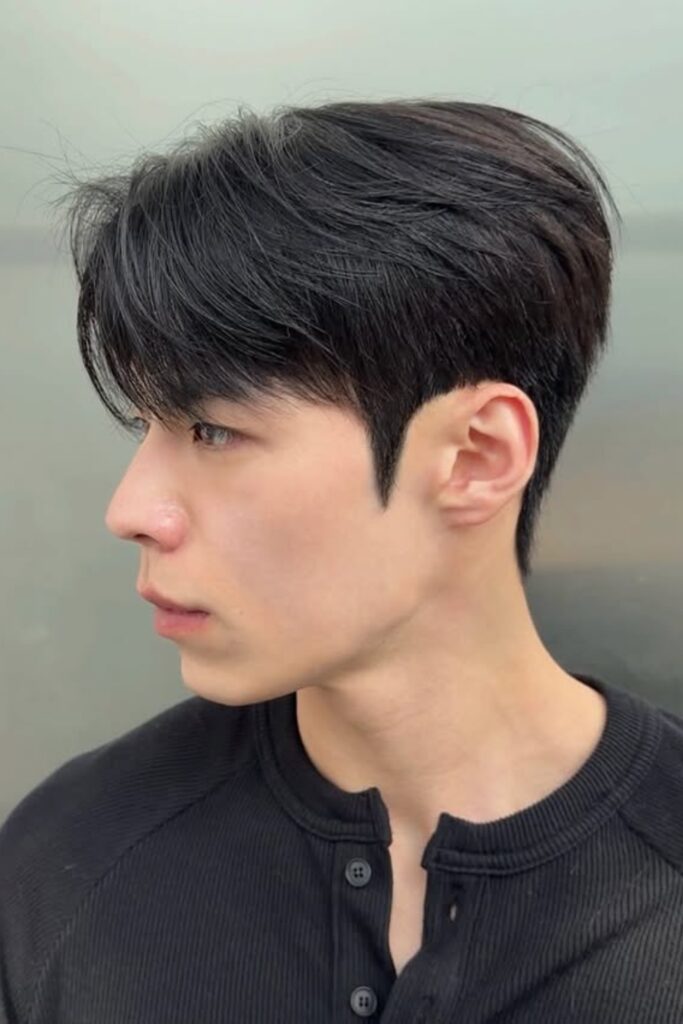
The tapered undercut is a more delicate and polished variant of the undercut. It softens the transition between the longer top and shorter sides by applying a gradual taper.
The hair on the sides and back is cut shorter as it goes down, which gives it a cleaner and more natural look instead of a jarring disconnect or abrupt fade.
The top is still longer, but the style as a whole feels less harsh and simpler to wear every day.
If you want a balanced, professional look that still has the feel of an undercut without seeming too sharp, this is a terrific choice.
5. Side Part Undercut
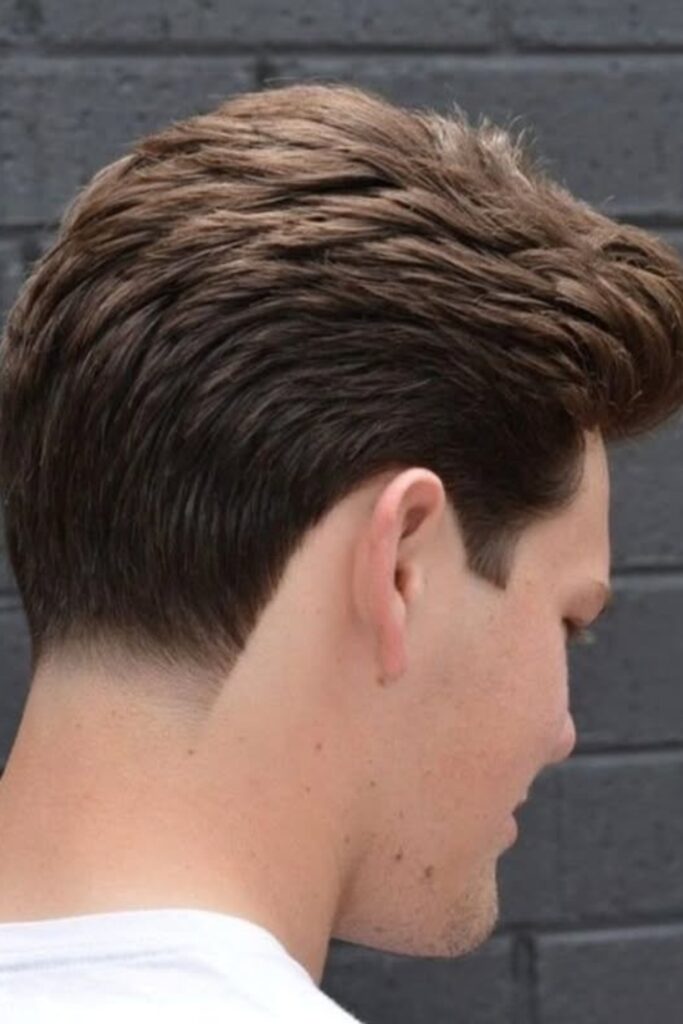
The side undercut is a fashionable twist on the traditional style. The longer hair on top is combed and groomed to one side, making a neat, defined part.
The sides and back stay short, either by being disconnected, faded, or tapered, depending on how you want them to look.
What makes this style stand out is its balance between sharp structure and everyday wearability.
It has a modern edge yet still looks polished and professional. This makes it a fantastic choice for both professional and informal occasions.
6. Quiff Undercut
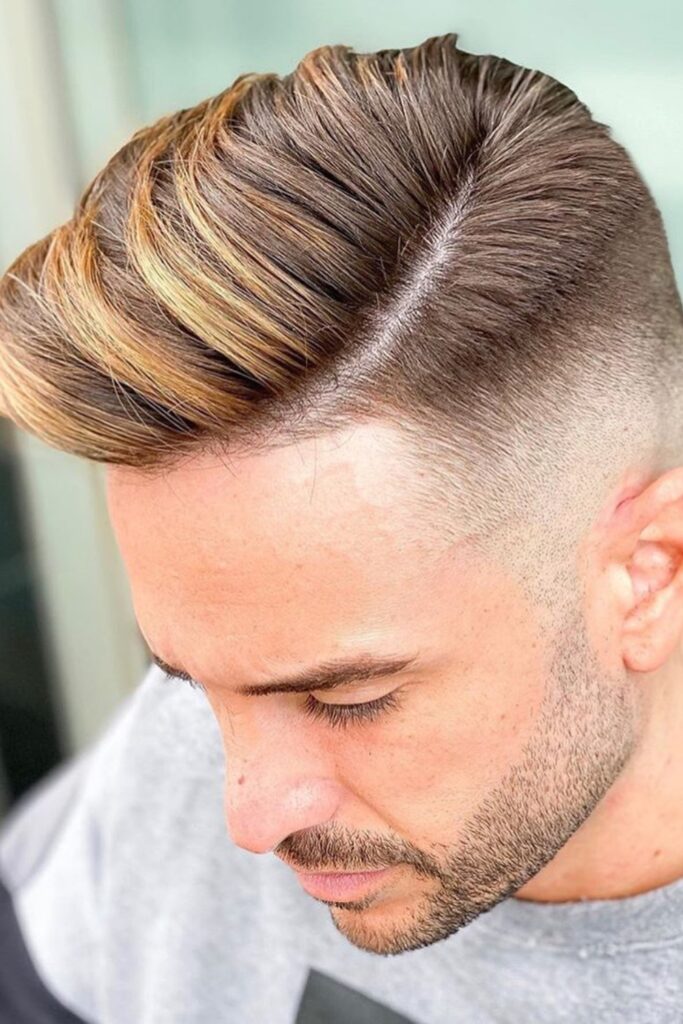
A quiff undercut is a hairstyle that combines the boldness of an undercut with the height and volume of a quiff on top.
The sides and back are either faded or cut off, but the front and top are left longer and styled up and back a little.
This helps your hair look bigger and elevated, which adds depth and makes it stand out. It’s a wonderful choice if you want something that looks well.
To keep that form and volume all day, though, you do have to style it every day with products and a blow dryer.
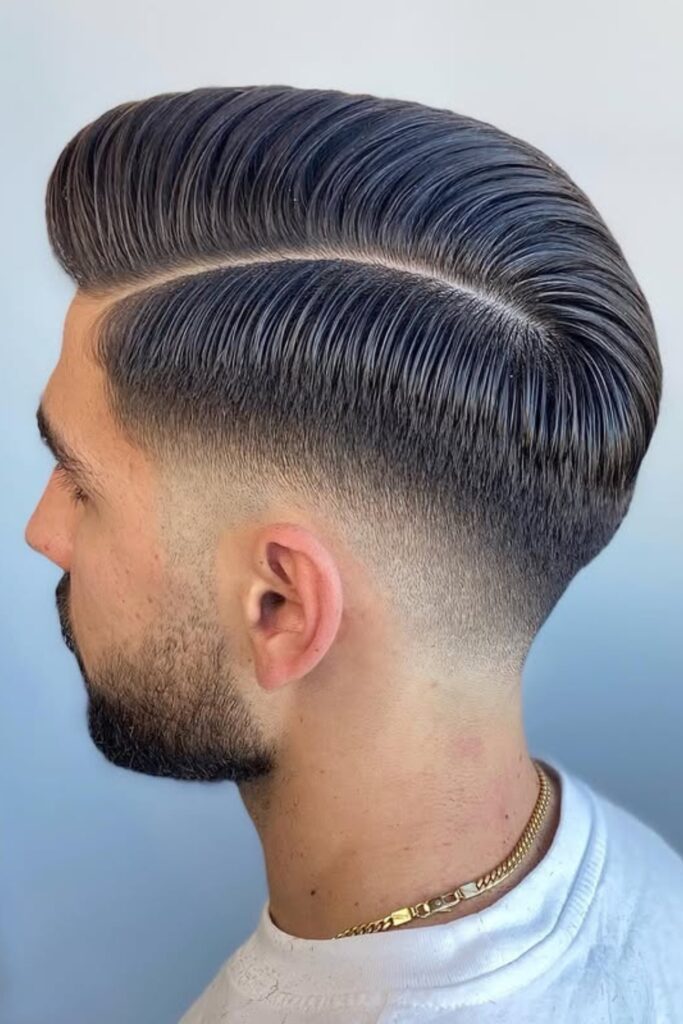
7. Pompadour Undercut
The strong contrast of an undercut and the dramatic volume of a pompadour make the pompadour undercut.
The hair on the sides and back is quite short, but the hair on the top is long and groomed up and back to make it look fuller and taller.
This offers you a powerful, structured look that sticks out and adds a lot of style. It works well for people who desire a haircut that makes a statement and makes them feel good.
To keep its shape and volume all day, though, it needs to be styled with pomade or something similar and blow-dried on a regular basis.
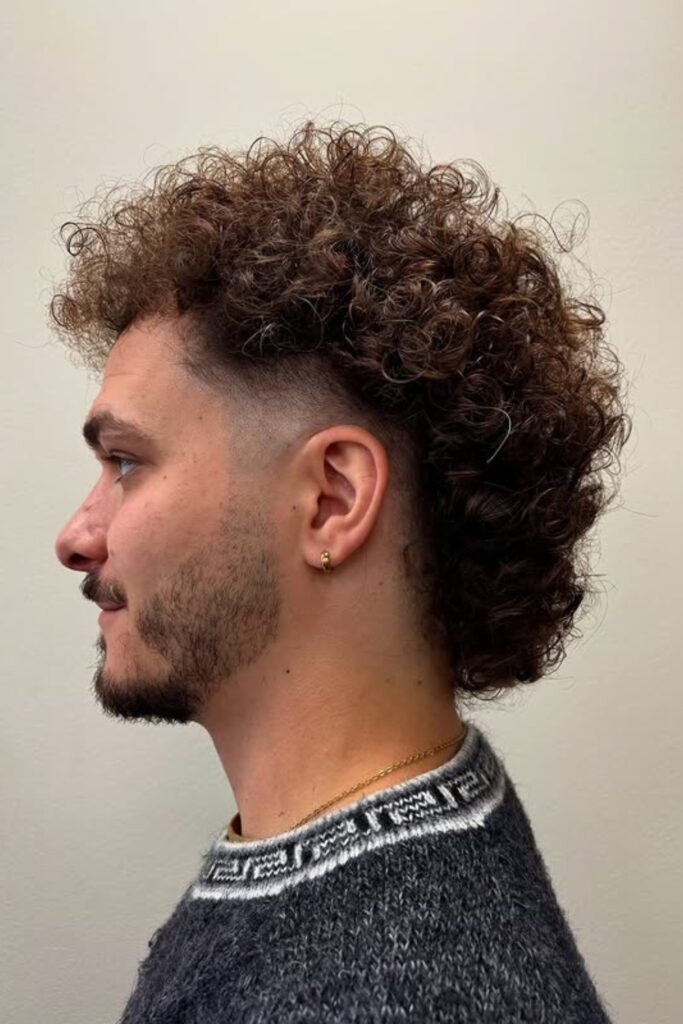
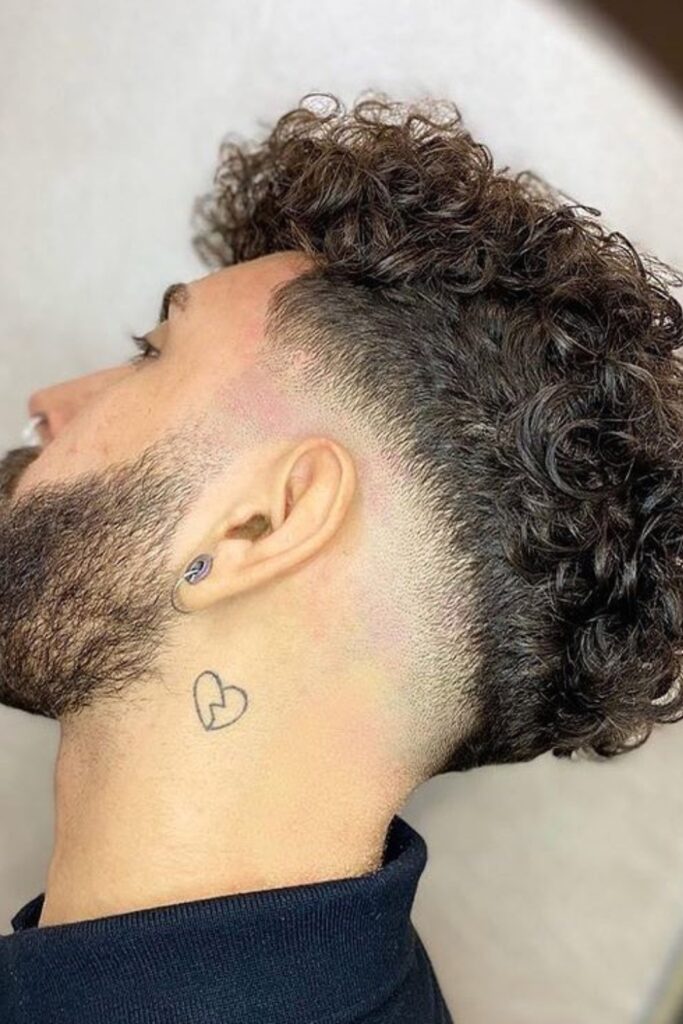
8. Curly Undercut
Curly undercut is a style made just for people with naturally curly or wavy hair. The curls on top are left longer, and the sides and back are maintained short.
This difference makes the natural texture stand out, which gives the design more volume and character.
In contrast to straight hair variations, the goal here is to improve movement and definition instead of keeping everything smooth.
If you want to keep the sides from getting too big while letting your curls flow on top, this is a perfect choice.
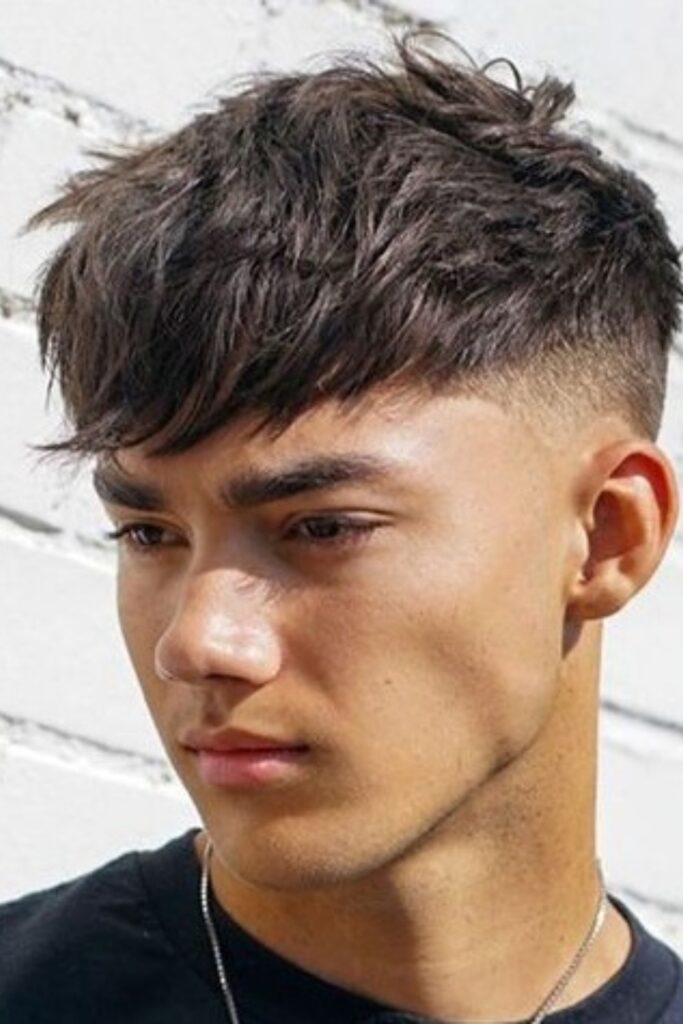
9. Long Undercut
Long undercut is a style where the hair on top is kept much longer than usual, usually between medium and long lengths, but the sides and back stay short.
This makes a striking contrast, but you can style it whatever you want, including tying it back, sweeping it to the side, or leaving it free for a more casual look.
If you want to preserve your length without having to worry with bulk on the sides, this is a fantastic choice.
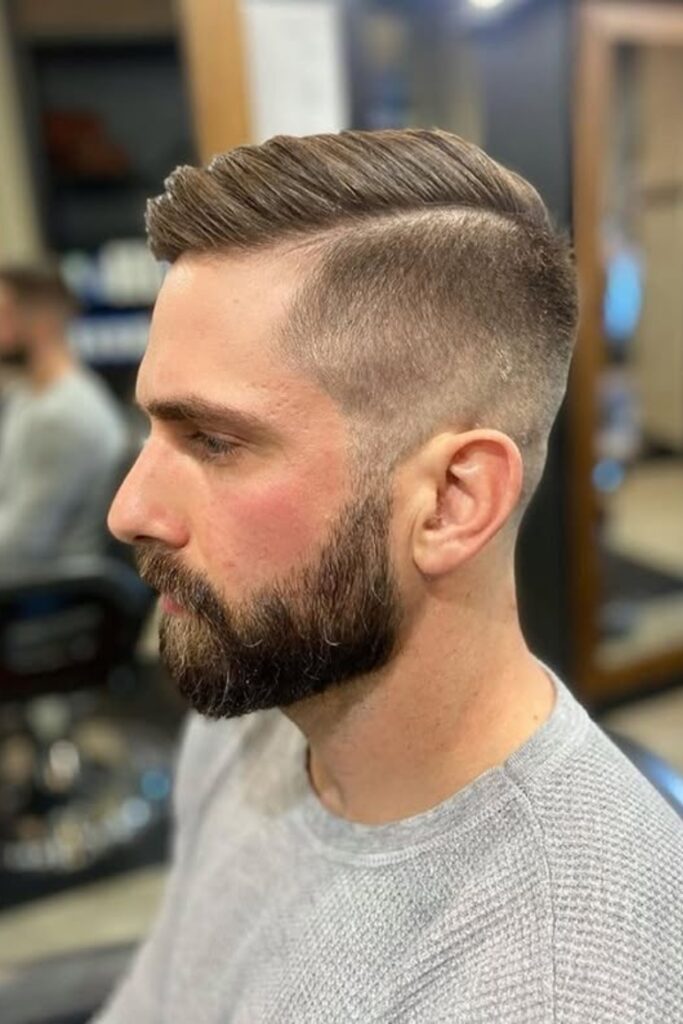
10. Undercut with Beard
A beard and an undercut make for a more balanced and masculine look by combining a sharp, neat haircut with facial hair.
The difference between the short sides and the longer top leads the eye up, and the beard gives the lower face more depth and structure.
This combination is great for shaping jawlines and making the whole look better. You may match several styles of undercut, such fade.
But it’s important to keep both your hair and beard well-groomed so you don’t seem messy or uneven.

Compersion Classic vs Modern Undercut
When it comes to choosing the right style, the real decision isn’t just “should I get an undercut?” it’s which version actually fits your lifestyle, look, and effort level.
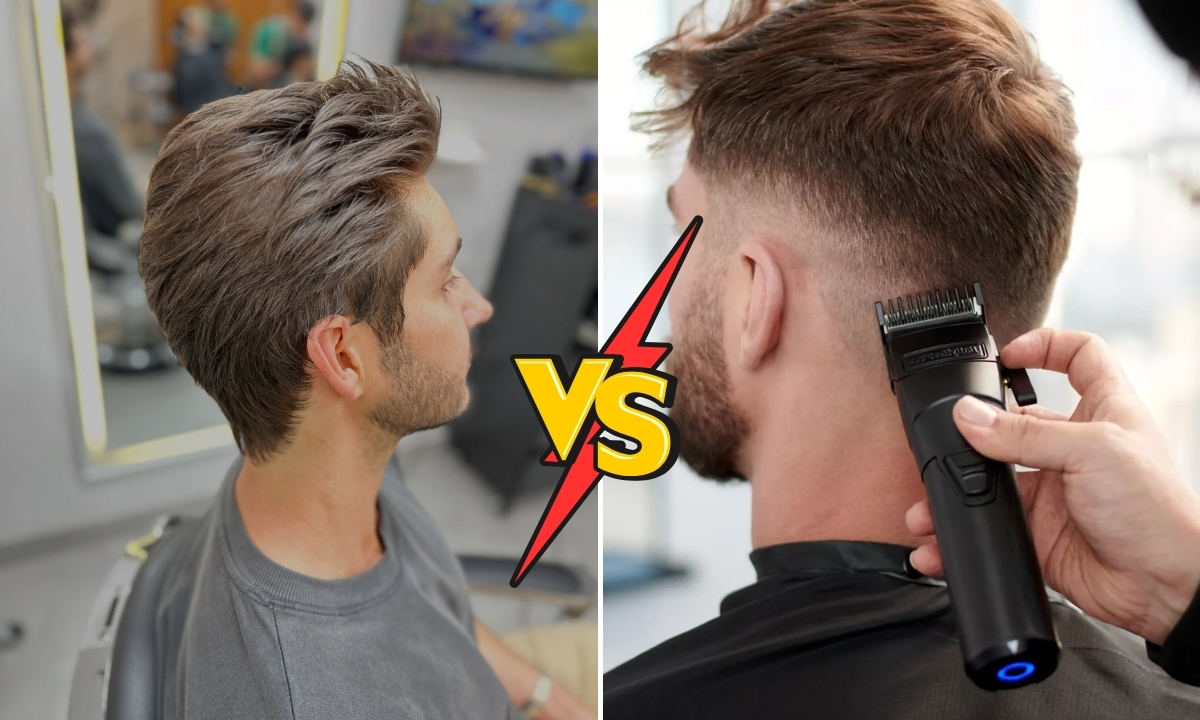
That’s where the difference between a classic vs modern undercut really matters.
Classic Undercut
The classic undercut follows the original recipe. You get very short or shaved sides that are clearly and sharply different from the longer hair on top.
There is no blending or gentle transitions; just a clear, organized difference. Most guys style it perfectly, like with a smooth back or side part.
It looks sharp and planned, but it also needs more care. That clear separation starts to fade as soon as your hair develops.
Modern undercut
It preserves the same idea: short sides and a longer top, but it makes things softer with fades, tapers, or textured styling.
You get something more natural and flexible instead of a hard, smooth finish. Depending on the day, you can wear it sloppy, casually, or groomed.
Here’s the practical difference that actually helps you decide:
- Go for a classic undercut if you want a clean, bold, and more formal look that stands out and looks sharp every day.
- Choose a modern undercut if you prefer something easier to manage, more versatile, and better suited for everyday wear.
At the end of the day, the classic version is about precision and structure, while the modern version is about comfort and flexibility.
Explain Difference Between Classic and Modern Undercut
| Feature | Classic Undercut | Modern Undercut |
| Fade | None / subtle | Skin fade / taper |
| Contrast | Medium | High |
| Styling | Slicked back | Textured / messy |
| Look | Clean, vintage | Edgy, trendy |
Which Undercut You Should Choose?
It’s not about which undercut looks better; it’s about which one works better with your hair, your life, and your daily routine.
The traditional undercut is a good choice if you want to look clean, crisp, beautiful, charming, dashing, and more formal.
It works best if you don’t mind spending a little time every day grooming your hair and getting frequent trims to retain the sharp contrast.
It’s a solid choice for office settings or if you prefer a more polished, put-together look.
If you want something that is simpler to handle and more flexible, though, the modern undercut is the best choice.
It works for guys who like a natural, laid-back look that nevertheless looks cool without too much work. It also grows out better, so you won’t have to go to the barber as often.
A simple way to decide:
- Choose classic if you want sharp, structured, and statement-making
- Choose modern if you want low-maintenance, versatile, and everyday-friendly
Consult with your barber
If you’re still not convinced, go with a modern undercut. It’s more forgiving, easier to change, and you can always make it sharper later.
Before you decide on any version of an undercut, it’s always a smart move to talk it through with your barber.
What appears beautiful in pictures doesn’t always look the same on your hair type, face shape, or hairline.
A professional barber can instantly tell you if a traditional or modern undercut will work for you or if you need to make a small change to make it appear better.
Be clear about what you want. Don’t just say “undercut.” Instead, mention:
- How short you want the sides (very short, faded, or slightly tapered)
- How much length you want on top
- Whether you want a sharp disconnect or a softer blend
It’s much better if you bring some pictures to use as examples. This keeps things clear and helps your barber better understand what you want.
A quick conversation can save you from a haircut that doesn’t suit you and help you get a version that actually looks right on you.
Conclusion
The undercut is more than just one haircut; it’s a wide variety of styles. The difference between classic and current may make you appear and feel radically different.
Don’t try to copy what looks nice on someone else; instead, pick what works best for your hair, your regimen, and your own style.
The traditional undercut gives you that clean, structured look that is crisp, bold, and never goes out of style.
The modern version is usually the superior choice if you want greater freedom, easier upkeep, and a more natural look.
An undercut can be one of the most trendy and confident looks you can wear if you choose the appropriate version for yourself.
FAQs
What’s the main difference between a classic and modern undercut?
The biggest distinction is how much contrast and flexibility there is. A traditional undercut features a crisp, clean break between the long top and the very short sides.
It seems more organized and official. But a modern undercut with fades, tapers, or textured styling lessens that contrast, making it more flexible.
Which undercut is easier to maintain?
A modern undercut is usually easier to take care of. It grows out more naturally and keeps its shape longer than a standard undercut.
The old style needs more frequent trims to maintain the sharp contrast appearing clean, but the modern version lets you go longer between visits to the barber.
You may like to read!