If you search online ‘’How Hair Texture Affects the Perfect Cut’’, it means you are not satisfied with your hair cut due to hair texture.
Some days it seems smooth, and other days it gets frizzy for no reason. The more you try to solve it, the more confused it gets.
The internet will tell you that your hair is straight, wavy, curly, or coily, but no one will tell you why it doesn’t fit into any of those categories.
You could have straight roots and ends that are wavy. Or curls that go away when you wash them. Or hair that changes because of the weather, products, or even stress.
In this article, I’ll help you figure out what’s going on with your hair and why it acts the way it does.
After reading this article you will be able to decide what you should do differently so your hair finally starts working with you, not against you.
Let’s jump in!
Understanding Hair Texture
People usually think that hair texture is just about whether their hair is straight, wavy, or curly. That’s not the major issue.
People don’t know why their hair acts the way it does, and that’s the true problem. That’s why your hair still feels dry after you condition it.
Hair texture is not just how your hair looks, it’s how it reacts.
It changes how quickly your hair gets greasy, how well it holds moisture, how it reacts to treatments, and how easy (or hard) it is to take care of.
If you don’t get this, you’ll use the wrong products, follow routines that don’t work for you, and always feel like your hair is “out of control.”
The truth is, your hair is not the problem, the mismatch between your hair texture and your routine is.
Everything makes sense if you know your texture well: why some products never worked, why your hair varies in different settings.
Here’s a explain types of hair texture:
Straight Hair
Straight hair lies flat from root to tip, which makes it look smooth and shiny. But the real issue most people face is that it gets oily very quickly and lacks volume.
Natural oils may readily move down the hair shaft because there are no bends. This makes your hair look greasy in a day or two.
If your hair won’t hold curls or always seems flat, it’s probably because of its texture. Using heavy products can only make matters worse.
Wavy Hair
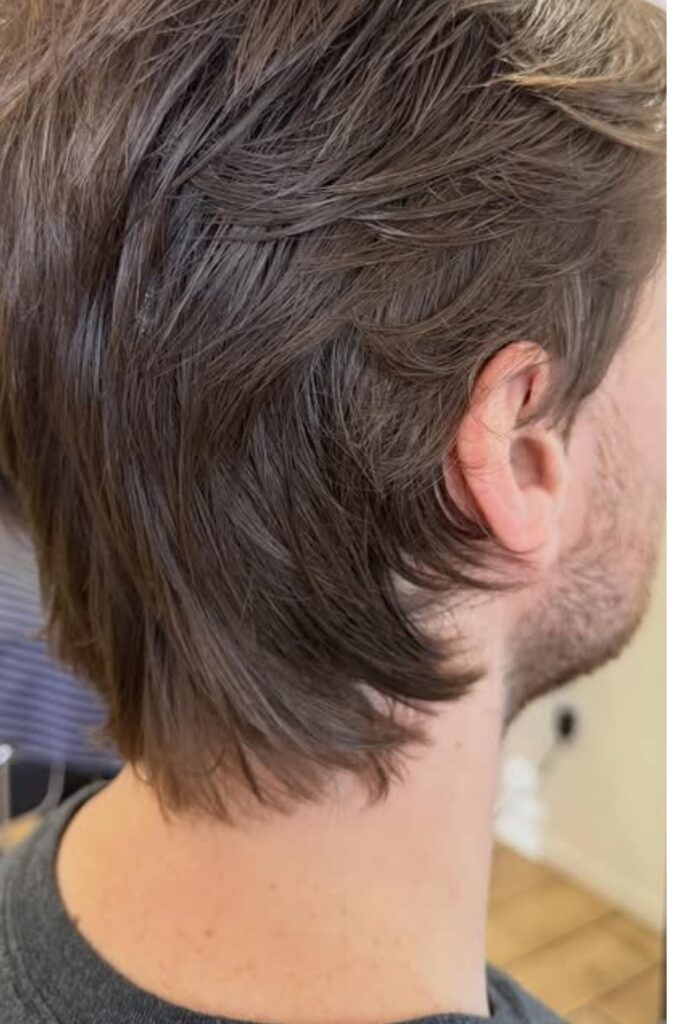
Wavy hair makes loose “S” shapes and often seems uneven. It looks wonderful one day, but the next day it gets frizzy or loses its shape.
The biggest problem is that your hair is hard to manage because it doesn’t always look straight or wavy. Some strands might be smooth.
Some things are tough, which is why your routine never seems right. You need to find the right balance, because utilizing items that are too heavy or too light.
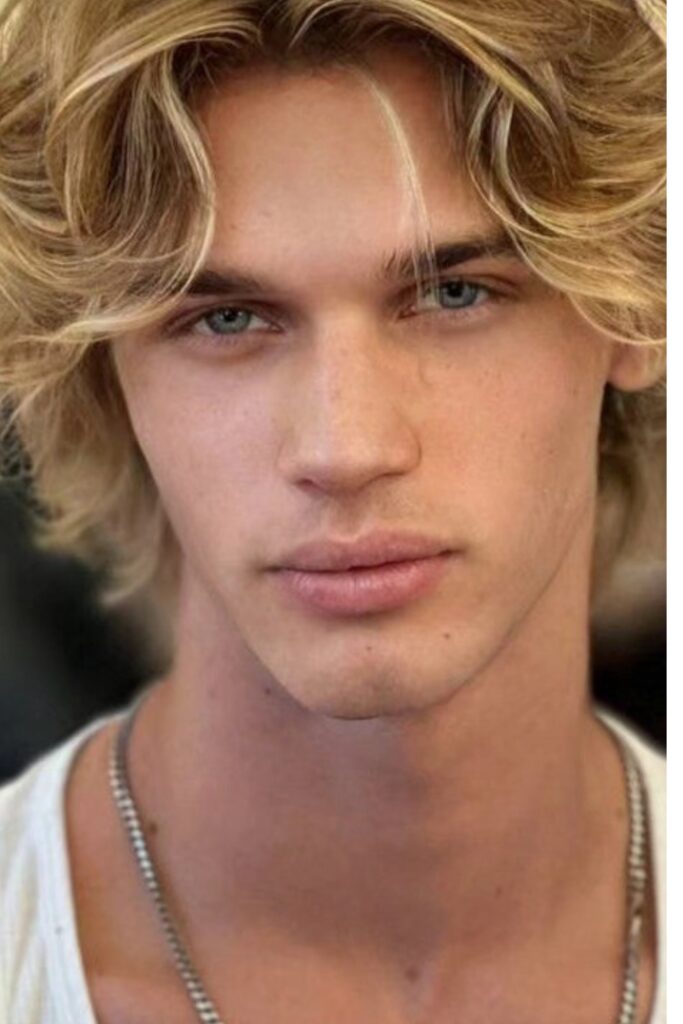
Curly Hair
Curly hair has clear loops or spirals, yet it typically feels dry and frizzy. People’s biggest problem is not having a clear idea of what they want.
This happens because the curves make it hard for natural oils to go through, which makes your hair dry and tougher to style.
If your hair feels scratchy, gets tangled easily, or looks puffy instead of defined, you probably aren’t employing the appropriate method or providing it enough moisture.
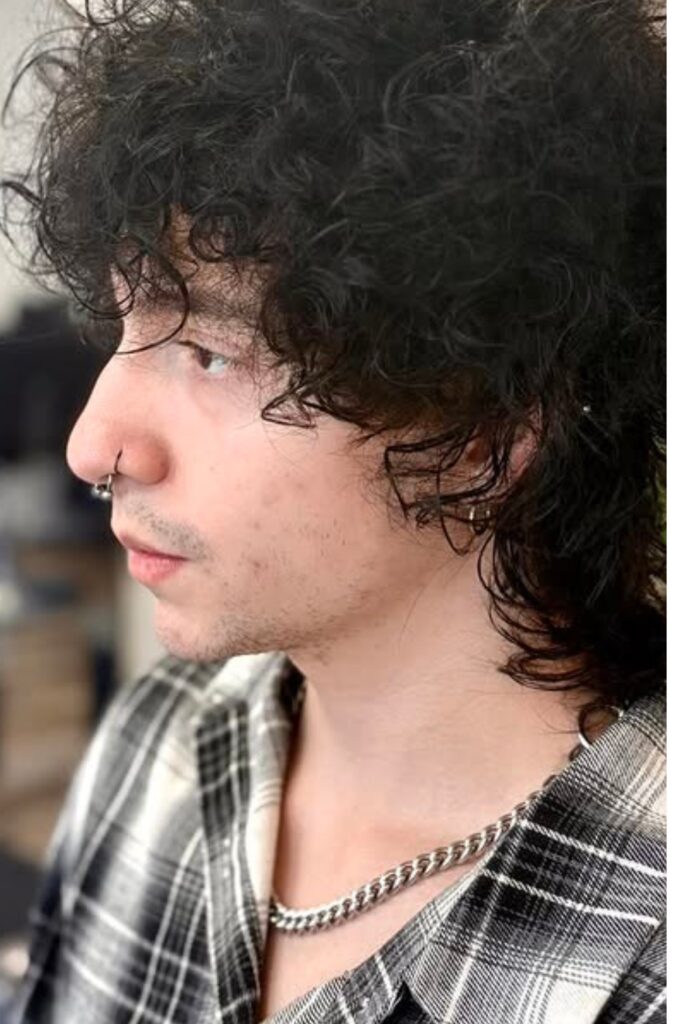
Coily Hair
Coily hair has very tight curls or zig-zag patterns and is the most delicate type of hair. The biggest drawbacks are that it gets dry, shrinks, and breaks.
Your hair could look a lot shorter than it is, and even after conditioning, it might feel dry.
This takes place for the reason the strands are so tightly woven that moisture has a hard time getting through.
If your hair breaks easily or feels tough no matter what you put on it, it needs a lot of moisture and sensitive care.
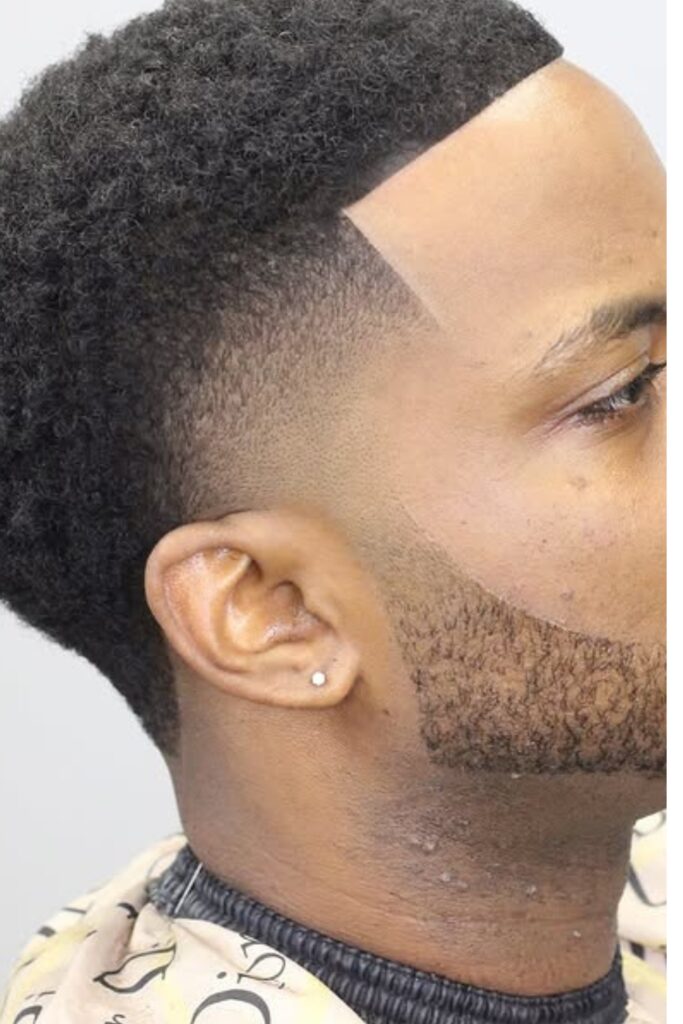
Avoid a Bad Haircut
A bad haircut doesn’t usually happen because the stylist is bad; it happens because you don’t know what you want.
Most people can’t properly say what they want, rely on random pictures, or just think, “This style will look good on me,” without taking into account their facial shape and hair type.
You could choose a fashionable cut that appears great online but doesn’t work with how your hair typically behaves, making it seem flat, frizzy, or hard to style.
Or you pick something that needs a lot of care without knowing how much work it will take every day. What happened? You will regret it as soon as you leave the salon.
You need to quit making guesses to avoid this. Know your hair, be honest about your regimen, and talk to your hairdresser clearly.
It’s not just about how your hair appears on the first day; it’s also about how easy it is to take care of every day after that.
Choosing a Hair Cut Based on Face Shape
If you’ve ever had a haircut that looked terrific on someone else but terrible on you, it wasn’t the haircut; it was the way your facial shape didn’t match.
This is where most people get angry. People follow trends, copy styles, or trust odd suggestions, but no one tells them why some cuts work and others don’t.
The shape of your face affects how a haircut frames your features, making your face look sharper, softer, longer, or wider.
When you ignore this, you end up with styles that feel “off,” even if they’re technically well done.
For instance, a cut that adds volume to the sides could make a round face look bigger, while styles that are too long can make longer face shapes look shorter.
The most important thing is to pick a haircut that makes your natural proportions look good, not one that is in style.
Once you know what shape your face is, you can stop guessing and start picking styles that make you seem better instead of worse.
Here is the explained face shape.
Round Face
You probably have a round face if your face is the same breadth and length and has soft, curved edges. People’s biggest problem here is that they look bigger than they want to.
If you have the improper haircut, your face may look broader and less defined. Styles that have too much volume on the sides frequently make this worse.
You really need haircuts that add height or fall below the chin and are long and structured. These will help you look more balanced and longer.
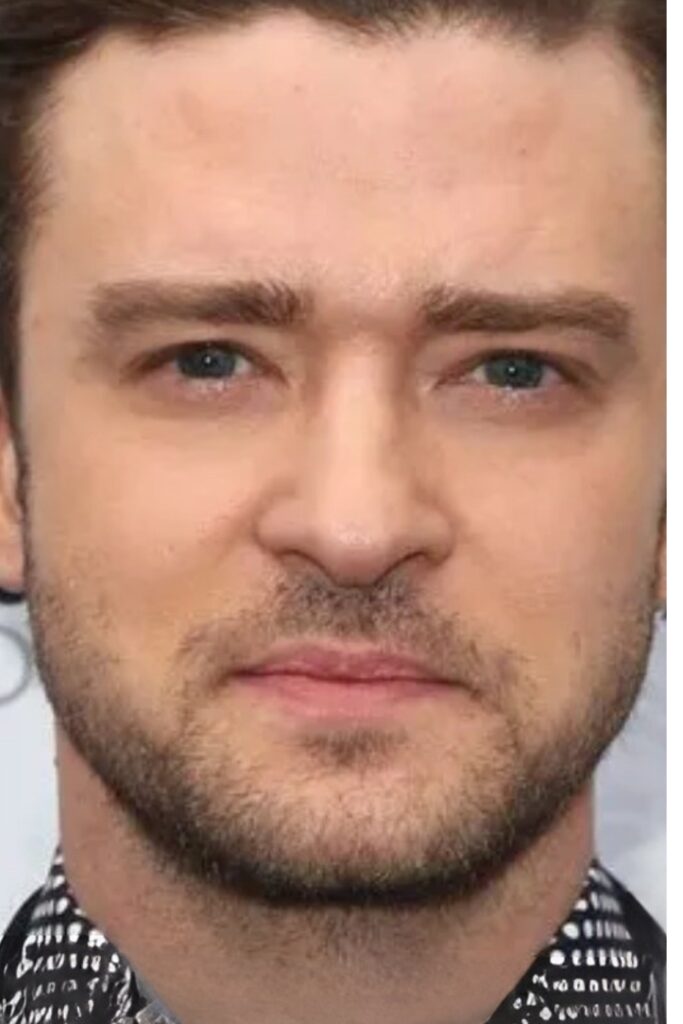
Oval Face
An oval face has balanced proportions and is longer than it is wide. People often term it the “ideal” form, but that doesn’t mean every haircut looks good.
Long or straight styles can make the face look longer, and too much volume at the top can make the length look even longer.
The idea here is to balance most forms of labor, but they shouldn’t pull your face any more than they already do.
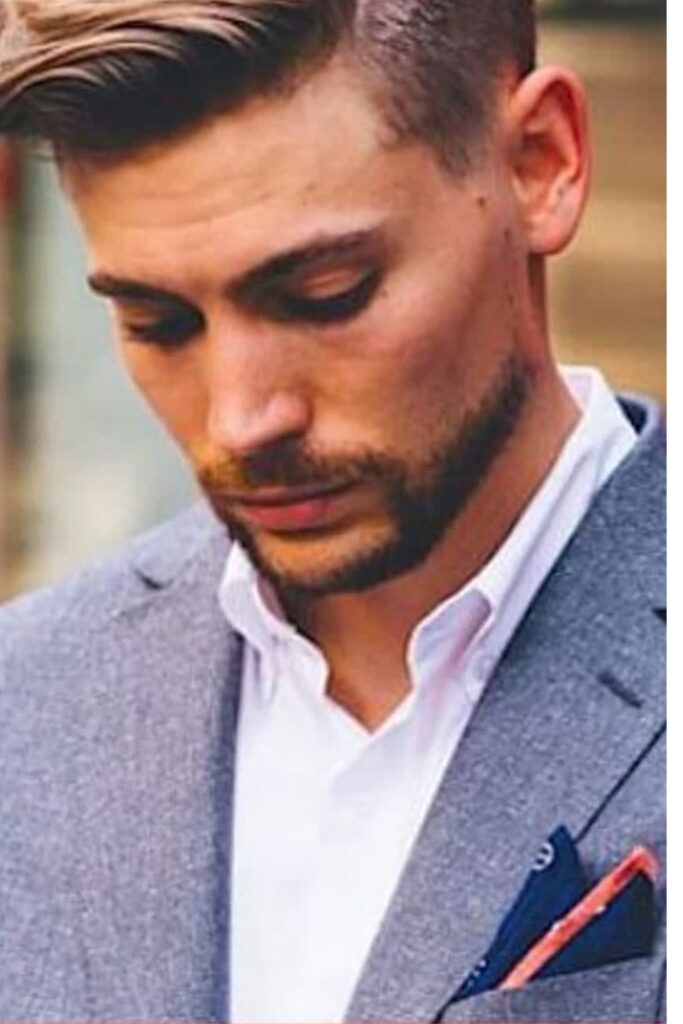
Square Face
A square face has a firm jawline and the same width across the forehead, cheeks, and jaw. The fundamental problem is that the characteristics are too harsh or too sharp.
Your face can look excessively boxy or stiff if you get the improper haircut. Straight, harsh cuts often make this condition worse.
Softer techniques, such layers, waves, or anything else that creates movement, work better to make the look less crisp and more natural.
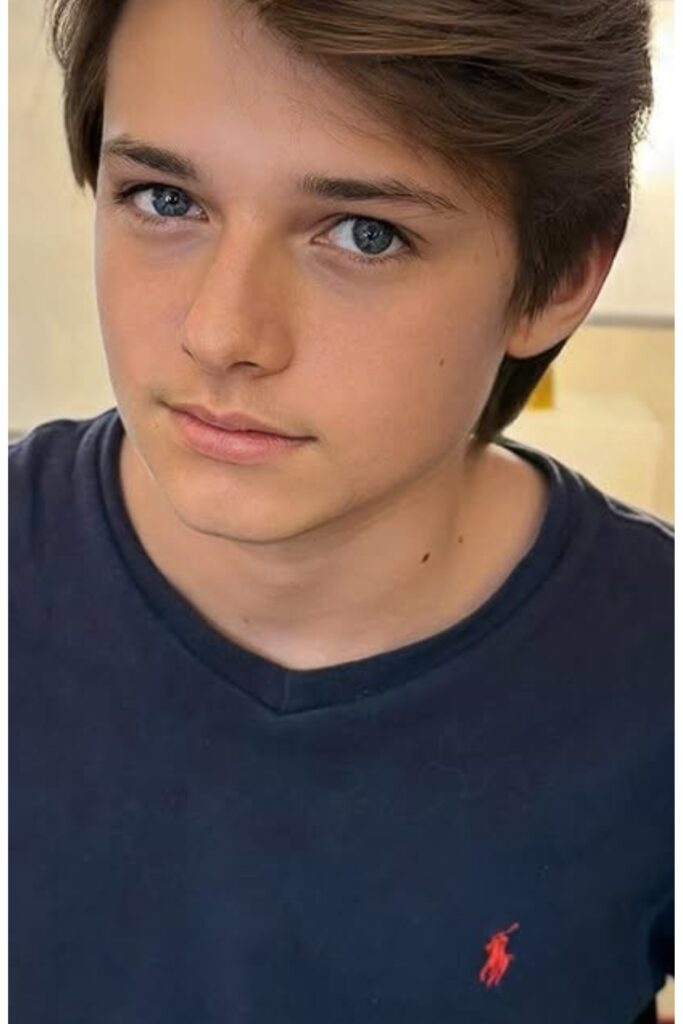
Heart-Shaped Face
The forehead of a heart-shaped face is wider than the chin. The major difficulty is that your forehead may look overly wide and your chin may look too tiny or pointed.
The wrong haircut can exaggerate this contrast. Heavy volume at the top makes it worse.
Instead, you need styles that increase volume around the jawline or keep the top lighter to make your face look more even.
Consulting with Your Stylist for a Great Hair Cut
Most terrible haircuts don’t happen in the salon; they happen because you and the stylist didn’t talk about what you wanted before they cut your hair.
A lot of people sit down and say things like “just trim it” or display a random image without saying what kind of hair they have, what they do with it.
That’s where everything starts to go awry. Your stylist can’t read your mind; they require specific instructions.
If your hair gets frizzy, tell someone. Say it if you don’t style your hair every day. Be honest if you don’t like volume or have trouble with flat hair.
The more explicit you are about your true difficulties, the better your stylist can make the cut fit your hair type, facial shape, and way of life.
It’s not enough to just mimic a style for a fantastic haircut; you need to make something that works for you every day.
When you communicate clearly, you don’t just get a better haircut you avoid regret altogether.
Conclusion
At the end of the day, your hair is not difficult, you’ve just been given the wrong approach.
Most people have problems because they follow trends, copy other people, or guess what works for them instead of figuring it out.
That’s why nothing seems to stay the same. One product works now but not tomorrow. One haircut looks great in the salon, but it’s hard to take care of at home.
It’s clear. Everything gets easier when you know your hair type, your face shape, and how to style your hair to fit your lifestyle.
You stop wasting time, money, and effort on things that were never meant for you.
That’s the true goal: not flawless hair, but hair that works for you every day without making you mad.
FAQs
How do I know my real hair texture?
The best way to do this is to look at your hair while it’s clean, dry, and free of products. Don’t brush it or style it; just let it be.
It is straight if it dries flat. It’s wavy if it makes loose waves. Your texture is distinct curls or tight coils.
Why does my hair feel different every day?
Your hair reacts to everything, including the weather, the products you use, how you wash it, and even how you sleep. This frequently arises when your routine doesn’t fit your texture.
If your hair feels different from day to day, it means you’re utilizing the improper products or methods.
Can I have more than one hair texture?
Yes, and that’s perfectly natural. A lot of people have hair that is straight at the roots and wavy at the ends, or that has loose curls in one place and tighter curls in another.
This isn’t a problem. Instead of treating all of your hair the same, you just need to change your routine.
You may like to read!